Tradition guide

Buddhism

41 sacred sites available through this shared spiritual lineage.

Asuka-dera
Buddhism

Asuka-dera

Asuka, Nara Prefecture, Japan

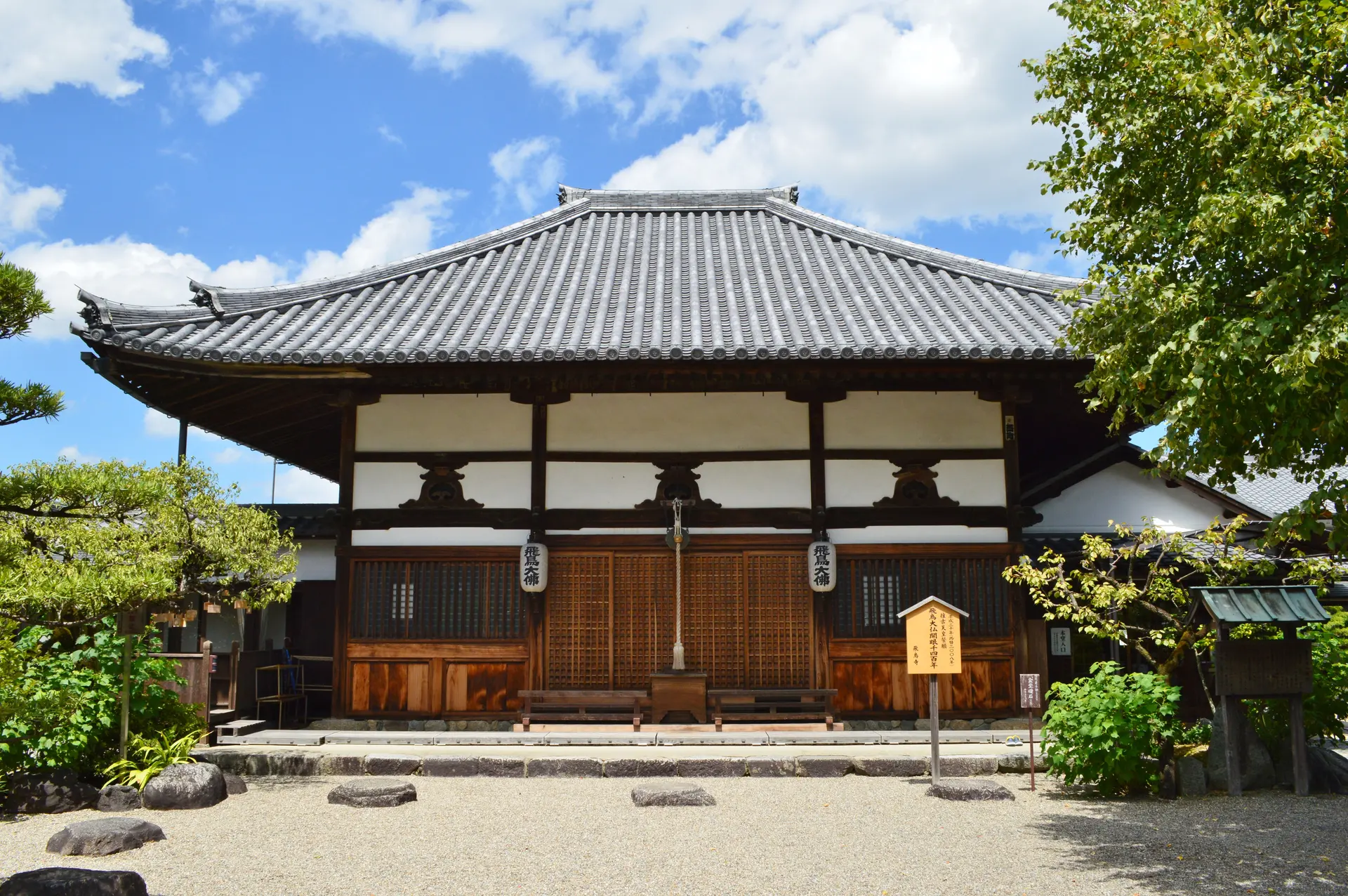
In a quiet valley surrounded by rice fields, Japan's oldest surviving Buddha statue has watched from the same location for over 1,400 years. Asuka-dera marks where Buddhism transformed from a foreign import to an established Japanese institution. When the Soga clan built this temple in 588 CE using Korean craftsmen, they created Japan's first full-scale Buddhist complex. The Great Buddha's face bears the scars of fire and time—half original bronze, half later repair—yet continues to receive devotees at the birthplace of institutional Buddhism in Japan.

Bagan
UNESCOBuddhism

Bagan

Nyaung-U, Mandalay, Myanmar

Bagan is a ancient city of sacred significance. Approximate coordinates: 21.16796, 94.86690. Attributes: built, cultural, archaeological, pilgrimage. Tradition: Buddhism. Recognized as a UNESCO World Heritage Site. Bagan ( bə-GAN; Burmese: ပုဂံ Băgam [bəɡàɰ̃]; formerly Pagan) is an ancient city and a UNESCO World Heritage Site in the Mandalay Region of Myanmar. From the 9th to 13th centuries, the city was the capital of the Pagan Kingdom, the first kingdom that unified the regions that would later constitute Myanmar. During the kingdom s height between the 11th and 13th centuries, more than 10,000 Buddhist temples, pagodas and monasteries were constructed in the Bagan plains alone, of which the remains of over 2200 temples and pagodas survive. The Bagan Archaeological Zone is a main attraction for the country s nascent tourism industry. Located in ညောင်ဦး, မန္တလေးတိုင်း, မြန်မာ.

Borobudur
UNESCOBuddhism

Borobudur

Desa Borobudur, Central Java, Indonesia

Borobudur is a buddhist temple of sacred significance. Approximate coordinates: -7.60787, 110.20375. Attributes: built, cultural, archaeological, pilgrimage. Tradition: Buddhism. Associated figure: Buddha. Recognized as a UNESCO World Heritage Site. Borobudur, also transcribed Barabudur (Indonesian: Candi Borobudur, Javanese: ꦕꦤ꧀ꦝꦶꦧꦫꦧꦸꦝꦸꦂ, romanized: Candhi Barabudhur), is a 9th-century Mahayana Buddhist temple in Magelang Regency, near the city of Magelang and the town of Muntilan, in Central Java, Indonesia. Constructed of gray andesite-like stone, the temple consists of nine stacked platforms, six square and three circular, topped by a central dome. It is decorated with 2,672 relief panels and originally 504 Buddha statues. The central dome is surrounded by 72 Buddha statues, each seated inside a perforated stupa. The monument guides pilgrims through an extensive system of stairways and corridors with 1,460 narrative relief panels on the walls and the balustrades. Borobudur has one of the world s most extensive collections of Buddhist reliefs. Built during the reign of the Sailendra Dynasty, the temple design follows Javanese Buddhist architecture, which blends the Indonesian indigenous tradition of ancestor worship and the Buddhist concept of attaining nirvāṇa. The monument is a shrine to the Buddha and a place for Buddhist pilgrimage. Evidence suggests that Borobudur was constructed in the 8th century and subsequently abandoned following the 14th-century decline of Hindu kingdoms in Java and the Javanese conversion to Islam. Worldwide knowledge of its existence was sparked in 1814 by Sir Thomas Stamford Raffles, then the British ruler of Java, who was advised of its location by native Indonesians. Borobudur has since been preserved through several restorations. The largest restoration project was completed in 1983 by the Indonesian government and UNESCO, followed by the monument s listing as a UNESCO World Heritage Site. Borobudur is the largest Buddhist temple in the world, and ranks with Bagan in Myanmar and Angkor Wat in Cambodia as one of the great archeological sites of Southeast Asia. Borobudur remains popular for pilgrimage, with Buddhists in Indonesia celebrating Vesak Day at the monument. Among Indonesia s tourist attractions, Borobudur is the most-visited monument. Located in Jawa Tengah, Indonesia.

Boudhnath (Boudha)
UNESCOBuddhism

Boudhnath (Boudha)

Gokarneshwar Municipality, Bagamati Province, Nepal

Boudhnath is a buddhist temple of sacred significance. Approximate coordinates: 27.72168, 85.36192. Attributes: built, cultural, pilgrimage. Tradition: Buddhism. Located in काठमाडौँ महानगरपालिका, बागमती प्रदेश, नेपाल.

Buddha Dhatu Jadi
Theravada Buddhism

Buddha Dhatu Jadi

Bandarban, Chittagong Division, Bangladesh

Buddha Dhatu Jadi is a temple of sacred significance. Approximate coordinates: 22.22273, 92.19749. Attributes: built, cultural, pilgrimage. Tradition: Theravada Buddhism. Associated figure: Buddha. The Buddha Dhatu Jadi (Bengali: বুদ্ধ ধাতু জাদি; Burmese: ဗုဒ္ဓဓာတုစေတီ also known as the Bandarban Golden Temple) is located close to Balaghata town, in Bandarban City, in Bangladesh. Dhatu are the material remains of a holy person, and in this temple the relics belong to Buddha. It is the largest Theravada Buddhist temple in Bangladesh and has the second-largest Buddha statue in the country. The Bandarban Golden Temple belongs to the Theravada Buddhism order, which is practiced by the Marma indigenous people, a dominant ethnic group of Bandarban. It was built in 2000 in Arakanese architecture, an adoption of the South East Asia style. Located in বান্দরবান, চট্টগ্রাম বিভাগ, বাংলাদেশ.

Buddhist Monuments at Sanchi
UNESCOBuddhism

Buddhist Monuments at Sanchi

Amkhera, Madhya Pradesh, India

Buddhist Stupas, Sanchi, Madhya Pradesh is a stupa of sacred significance. Approximate coordinates: 23.47937, 77.73966. Attributes: built, cultural, archaeological, pilgrimage. Tradition: Buddhism. Recognized as a UNESCO World Heritage Site. Located in Madhya Pradesh, India.

Bulguksa Temple
UNESCOBuddhism

Bulguksa Temple

Gyeongju-si, North Gyeongsang, South Korea

Bulguk-sa is a temple of sacred significance. Approximate coordinates: 35.79012, 129.33207. Attributes: built, cultural, pilgrimage, ceremonial. Tradition: Buddhism. Associated figure: Buddha. Recognized as a UNESCO World Heritage Site. Located in 경주시, 대한민국.

Changu Narayan Temple
UNESCOHinduism, Buddhism

Changu Narayan Temple

Bhaktapur, Bagmati Province, Nepal

Changu Narayan is a temple of sacred significance. Approximate coordinates: 27.71640, 85.42781. Attributes: built, cultural, pilgrimage. Tradition: Hinduism, Buddhism; also recognized in Interfaith contexts. Located in चाँगुनारायण नगरपालिका, बागमती प्रदेश, नेपाल.

Cheri Monastery/Chagri Monastery
Buddhism

Cheri Monastery/Chagri Monastery

Boegarna_Dodennang, Thimphu District, Bhutan

Cheri Monastery/Chagri Monastery is a monastery of sacred significance. Approximate coordinates: 27.59555, 89.62536. Attributes: built, cultural, pilgrimage. Tradition: Buddhism. Located in Boegarna_Dodennang, ཐིམ་ཕུ་རྫོང་ཁག་, འབྲུགཡུལ་.

Choedrak Monastery
Buddhism

Choedrak Monastery

Gyaltsa, Bumthang District, Bhutan

Choedrak Monastery is a monastery of sacred significance. Approximate coordinates: 27.53398, 90.68707. Attributes: built, cultural, pilgrimage. Tradition: Buddhism. Associated figure: Guru Rinpoche. Mythological context: Buddhist. Choedrak Monastery is a Buddhist monastery in Bhutan, located at an altitude of 3,800 metres, not far from Tharpaling Monastery in Bumthang District. Guru Rinpoche is said to have meditated at this spot. It is 37 kilometers from Chamkhar and takes one hour to reach from the motorable road end at Tharpaling monastery. Choedrak Goenpa can also be reached after three-hour hike from Lamey Goenpa in Choekhor Valley. It is one of the four sacred cliffs of Guru Rinpoche in Bumthang. The other three are Kunzangdrak, Shukdrak and Thowadrak. Located in Gyaltsa, བུམ་ཐང་རྫོང་ཁག་, འབྲུགཡུལ་.

Daihonzan Eiheiji (Eihei Temple)
Buddhism

Daihonzan Eiheiji (Eihei Temple)

Eiheiji Town, Fukui Prefecture, Japan

Hidden in the cedar forests of Fukui Prefecture, Eiheiji stands as one of the two head temples of Soto Zen Buddhism. Here, over one hundred monks maintain the same rigorous practice that founder Dogen Zenji established in 1244: rising before dawn for zazen, treating every action as meditation, embodying the principle that practice and enlightenment are one.

Erdene Zuu Monastery
UNESCOBuddhism

Erdene Zuu Monastery

Kharkhorin, Övörkhangai Province, Mongolia

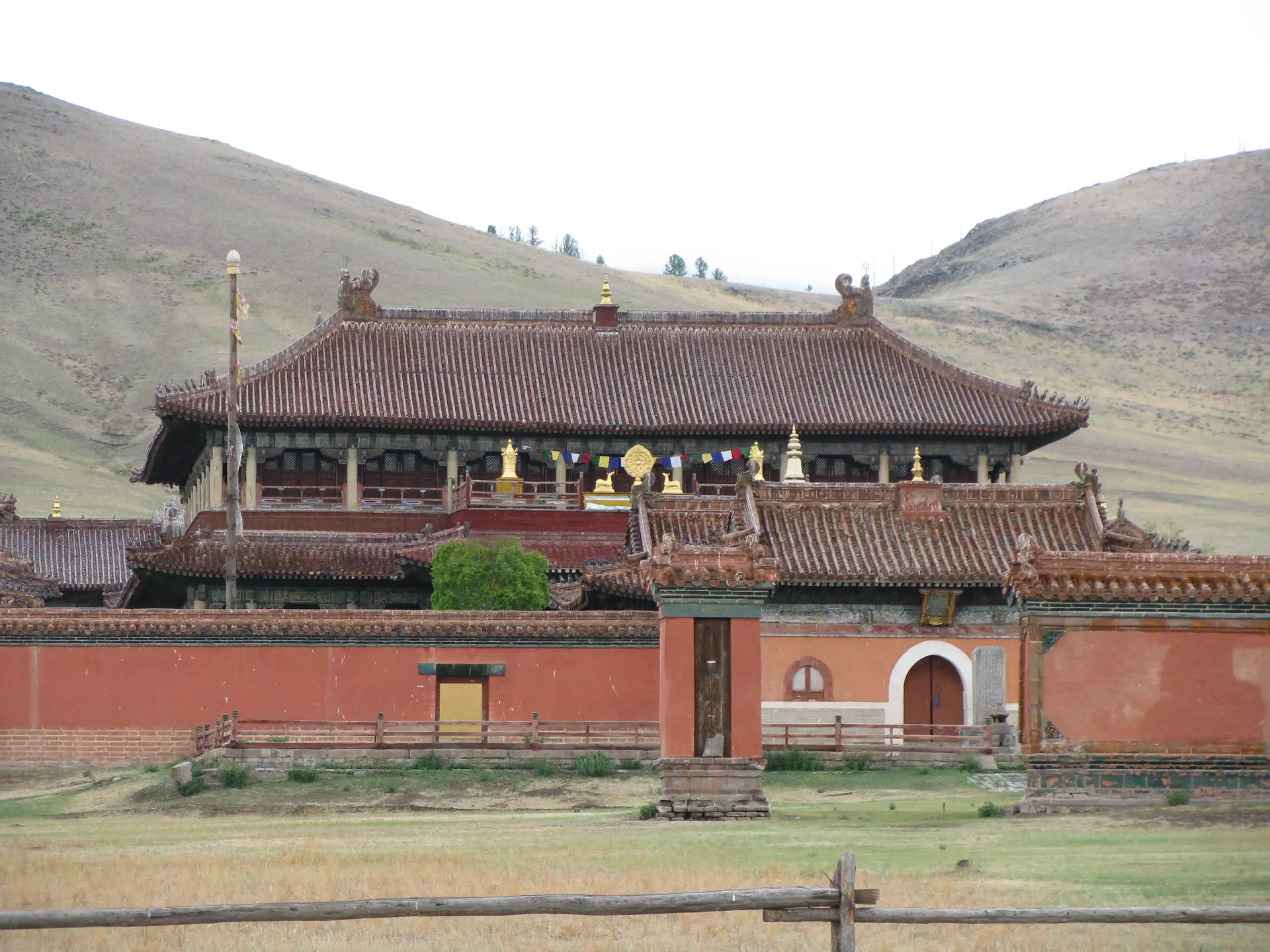
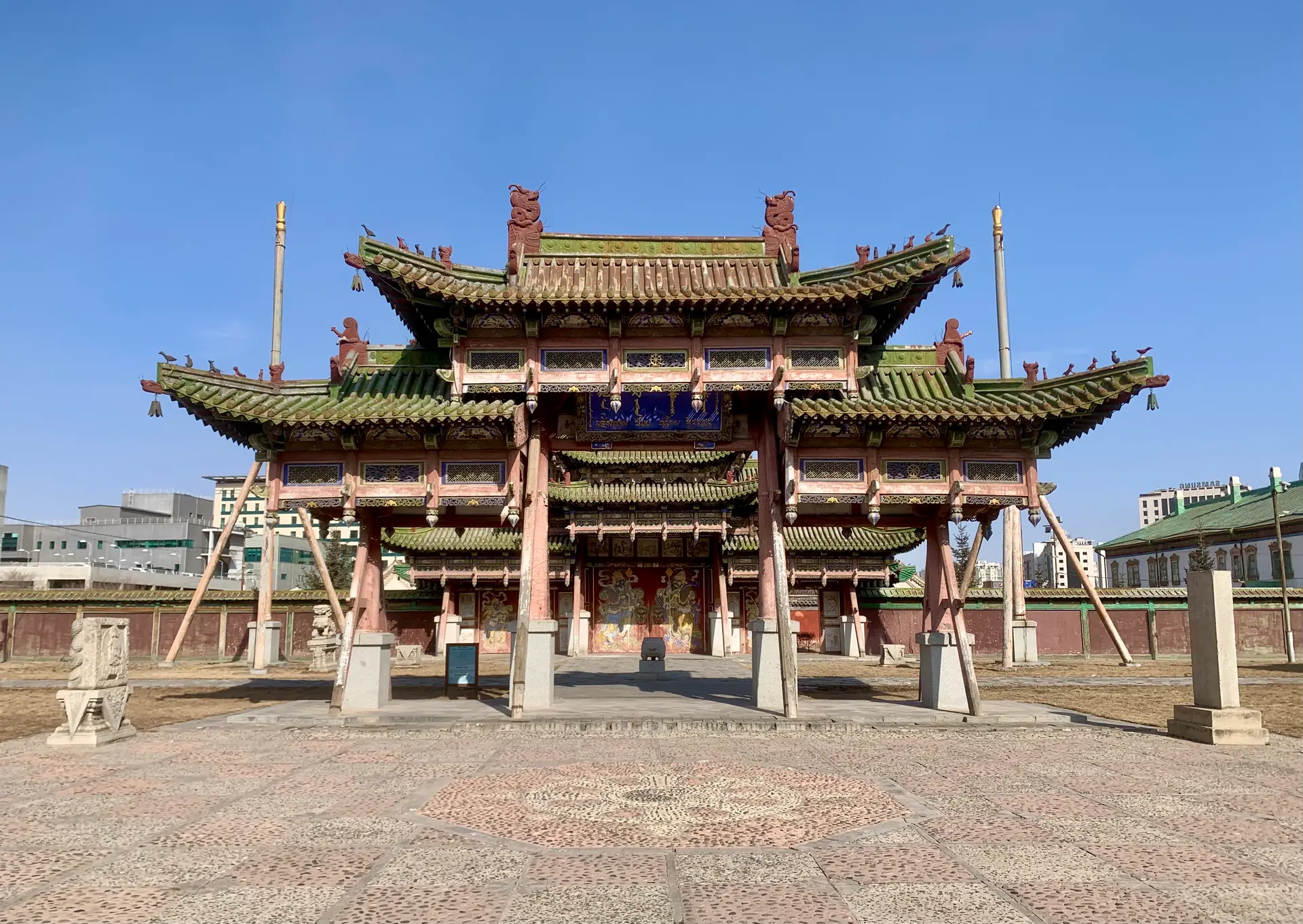
Erdene Zuu Monastery is a monastery of sacred significance. Approximate coordinates: 47.20154, 102.84333. Attributes: built, cultural, pilgrimage, ceremonial. Tradition: Buddhism. Recognized as a UNESCO World Heritage Site. The Erdene Zuu Monastery (Mongolian: Эрдэнэ Зуу хийд, romanized: Erdene Zuu khiid) is probably the earliest surviving Buddhist monastery in Mongolia. Located in Kharkhorin, Övörkhangai Province, it is part of the Orkhon Valley Cultural Landscape World Heritage Site. The monastery is affiliated with the Gelug sect of Tibetan Buddhism. Located in Хархорин ᠬᠠᠷᠠᠬᠣᠷᠢᠨ, Өвөрхангай ᠥᠪᠦᠷᠬᠠᠩᠭ᠋ᠠᠢ, Монгол улс ᠮᠤᠩᠭᠤᠯ ᠤᠯᠤᠰ.

Fanjingshan mountain and temple, Tongren
UNESCOBuddhism

Fanjingshan mountain and temple, Tongren

Tongren, Guizhou, China

Fanjingshan mountain and temple, Tongren is a mountain and temple of sacred significance. Approximate coordinates: 27.92028, 108.69028. Attributes: built, natural, cultural, pilgrimage. Tradition: Buddhism. Associated figure: Buddha. Mythological context: Buddhist mythology. Recognized as a UNESCO World Heritage Site. Located in 贵州省, China.

Gangteng Monastery
Buddhism

Gangteng Monastery

Gangteng, Wangdue Phodrang District, Bhutan

Gangteng Monastery is a monastery of sacred significance. Approximate coordinates: 27.48478, 90.16474. Attributes: built, cultural, pilgrimage, ceremonial. Tradition: Buddhism. Associated figure: Pema Lingpa. Mythological context: Tibetan Buddhism. Gangteng Monastery (Dzongkha: སྒང་སྟེང་དགོན་པ ), also known as Gangtey Gonpa or Gangtey Monastery, is a monastery of Nyingmapa school of Tibetan Buddhism, the main seat of the Pema Lingpa tradition, located in the Wangdue Phodrang District in central Bhutan. The monastery, also known by the Gangtey village that surrounds it, is in the Phobjikha Valley where the black-necked cranes visit in winters to roost. The black-necked cranes circle the monastery three times on arrival and repeat when returning to Tibet. The monastery s history traces to the early 17th century and back to the prophecies made by the terton (treasure finder) Pema Lingpa in the late 15th century. The monastery is one of the main seats of the religious tradition based on Pema Lingpa s revelations and one of the two main centres of the Nyingmapa school of Buddhism in the country. A Nyingma monastic college or shedra, Do-ngag Tösam Rabgayling, has been established above the village. The descent of the first king of Bhutan, Gongsar Ugyen Wangchuck of the Wangchuck Dynasty of Bhutan, which continues to rule Bhutan is traced to the clan of the Dungkhar Choje, a subsidiary of the clan of Khouchung Choje whose founder was Kunga Wangpo, the fourth son of Pema Lingpa. Located in Gangteng, དབང་འདུས་ཕོ་བྲང་རྫོང་ཁག་, འབྲུགཡུལ་.

Gyeongju Historic Area
UNESCOBuddhism

Gyeongju Historic Area

Gyeongju, North Gyeongsang, South Korea

Gyeongju City is a temple of sacred significance. Approximate coordinates: 35.78988, 129.33196. Attributes: built, cultural, pilgrimage. Tradition: Buddhism. Associated figure: Buddha. Recognized as a UNESCO World Heritage Site. Located in 경주시, 대한민국.

Hase-dera Shingon Buddhist Temple, Sakurai
Shingon Buddhism

Hase-dera Shingon Buddhist Temple, Sakurai

Sakurai, Nara Prefecture, Japan

Hase-dera Shingon Buddhist Temple, Sakurai is a buddhist temple of sacred significance. Approximate coordinates: 34.53589, 135.90679. Attributes: built, cultural, pilgrimage, ceremonial. Tradition: Shingon Buddhism. Located in 桜井市, Japan.

Horyuji
UNESCOBuddhism

Horyuji

Ikaruga, Nara Prefecture, Japan

The pagoda and main hall of Hōryū-ji have stood for over 1,300 years—the oldest surviving wooden structures on earth. Founded by Prince Shōtoku in 607 CE to fulfill his father's dying wish, the temple became Japan's first UNESCO World Heritage Site and remains a living repository of Buddhist practice. Within its halls and treasure houses, over 180 National Treasures preserve the artistic flowering of early Japanese Buddhism. In the octagonal Yumedono, a hidden Buddha awaits those who visit during its brief seasonal openings.

Ishiteji Temple, Matsuyama
Buddhism

Ishiteji Temple, Matsuyama

Matsuyama, Ehime Prefecture, Japan

Ishiteji Temple, Matsuyama is a temple of sacred significance. Approximate coordinates: 33.84790, 132.79647. Attributes: built, cultural, pilgrimage. Tradition: Buddhism. Associated figure: Kūkai. Located in 松山市, Japan.

Jaya Sri Maha Bodhi
UNESCOBuddhism

Jaya Sri Maha Bodhi

Anuradhapura, North Central Province, Sri Lanka

Jaya Sri Maha Bodhi is a sacred tree of sacred significance. Approximate coordinates: 8.34480, 80.39724. Attributes: natural, cultural, pilgrimage, ceremonial. Tradition: Buddhism. Associated figure: Siddhartha Gautama (Buddha). Mythological context: It is believed to be a tree grown from a cutting of the southern branch from the historical sacred bo tree, Sri Maha Bodhi, under which Siddhartha Gautama (Buddha) attained enlightenment.. Recognized as a UNESCO World Heritage Site. Jaya Sri Maha Bodhi Tree is a sacred bo tree (Ficus religiosa) in Mahamewuna Garden in the historical city of Anuradhapura, Sri Lanka. It is believed to be a tree grown from a cutting of the southern branch from the historical sacred bo tree, Sri Maha Bodhi, which was destroyed during the time of Emperor Ashoka, at Bodh Gaya in India, under which Siddhartha Gautama (Buddha) attained enlightenment. In 236 BC, the Buddhist nun Sangamitta Maha Theri, a daughter of Indian Ashoka, brought the tree cutting to Sri Lanka during the reign of Sinhalese King Devanampiya Tissa.[1] At more than 2,300 years old, it is the oldest living human-planted tree in the world with a known planting date. The Mahāvaṃsa, or the great chronicle of the Sinhalese, provides an elaborate account of the establishment of the Jaya Sri Maha Bodhi on the Island and the subsequent development of the site as a major Buddhist pilgrimage site. Today, the Jaya Sri Maha Bodhi is situated on a high terrace, about 6.5 meters above the ground, and surrounded by 4 other lower-level terraces with Bo trees called Parivara Bodhi planted for its protection. The site is currently administered by the Chief High Priest of Atamasthana and the Atamasthana Palakasabha, the administrative body of the Atamasthana. It receives millions of pilgrims each year. The site is open to visitors and continuously hosts numerous acts of worship throughout the year. However, access to the uppermost terrace where the bo tree is located is restricted due to the old age of the tree and various acts of vandalism it has endured throughout history, including a terrorist attack by the LTTE in 1985, where around 146 pilgrims were massacred. Located in Anuradhapura, North Central Province, Sri Lanka.

Jokhang Temple
UNESCOTibetan Buddhism

Jokhang Temple

Chengguan District, Tibet, China

Jokhang Temple is a temple of sacred significance. Approximate coordinates: 29.65025, 91.13382. Attributes: built, cultural, pilgrimage. Tradition: Tibetan Buddhism. Recognized as a UNESCO World Heritage Site. Located in 城关区 ཁྲིན་ཀོན་ཆུས།, 西藏自治区 བོད་རང་སྐྱོང་ལྗོངས།, China.

Kiyomizu-dera Temple
Buddhism

Kiyomizu-dera Temple

Kyoto, Kyoto Prefecture, Japan

On the forested slopes of Mount Otowa in eastern Kyoto, a vast wooden stage juts out over the valley—built without a single nail, supported by pillars of four-hundred-year-old zelkova, defying gravity and time. Kiyomizu-dera, the Temple of Pure Water, takes its name from the sacred spring that has flowed here since before Kyoto was a capital. For over 1,250 years, pilgrims have climbed this hillside to drink from its three streams and stand suspended between earth and heaven.

Konchogsum Lhakhang, Bumthang
Buddhism

Konchogsum Lhakhang, Bumthang

Pedtsheling_Tamzhing, Bumthang District, Bhutan

Konchogsum Lhakhang, Bumthang is a buddhist temple of sacred significance. Approximate coordinates: 27.58555, 90.73936. Attributes: built, cultural, pilgrimage. Tradition: Buddhism. Associated figure: Buddha. Mythological context: Buddhist Mythology. Located in Pedtsheling_Tamzhing, བུམ་ཐང་རྫོང་ཁག་, འབྲུགཡུལ་.

Kongofukuji Temple, Tosashimizu
Buddhism

Kongofukuji Temple, Tosashimizu

Tosashimizu, Kochi Prefecture, Japan

Kongofukuji Temple, Tosashimizu is a buddhist temple of sacred significance. Approximate coordinates: 32.72557, 133.01867. Attributes: built, cultural, pilgrimage. Tradition: Buddhism. Associated figure: Kobo Daishi (Kukai). Located in 土佐清水市, Japan.

Kurama-dera Temple
Buddhism

Kurama-dera Temple

Kyoto, Kyoto Prefecture, Japan

Kurama-dera Temple is a temple of sacred significance. Approximate coordinates: 35.11798, 135.77098. Attributes: built, cultural, pilgrimage. Tradition: Buddhism. Associated figure: Bishamonten. Mythological context: Japanese Buddhism. Located in 京都市, Japan.

Kyichu Monastery
Buddhism

Kyichu Monastery

Satsam, Paro District, Bhutan

Kyichu Monastery is a monastery of sacred significance. Approximate coordinates: 27.44114, 89.37550. Attributes: built, cultural, pilgrimage. Tradition: Buddhism. Located in སྤ་རོ་རྫོང་ཁག་, འབྲུགཡུལ་.

Leshan Giant Buddha
UNESCOBuddhism

Leshan Giant Buddha

Leshan, Sichuan, China

For ninety years, three generations of craftsmen carved Maitreya Buddha into the cliffs where three rivers meet at Leshan. The monk Haitong believed a colossal image of the future Buddha could calm the treacherous currents that had claimed countless lives. He gouged out his own eyes to prove his sincerity. When the Buddha was completed in 803 CE, the waters did grow safer. Locals still call him Buddha Grandpa, their guardian watching over the city.

Lumbini
UNESCOBuddhism

Lumbini

Parsa, Lumbini Province, Nepal

Lumbini is a pilgrimage site of sacred significance. Approximate coordinates: 27.48619, 83.27645. Attributes: built, cultural, archaeological, pilgrimage. Tradition: Buddhism. Associated figure: Buddha. Mythological context: Birthplace of Buddha. Recognized as a UNESCO World Heritage Site. Lumbinī (Lumbini, pronounced [ˈlumbini] , the lovely ) is a Buddhist pilgrimage site in the Rupandehi District of Lumbini Province in Nepal. According to the sacred texts of the Buddhist Commentaries, Maya Devi gave birth to Siddhartha Gautama in Lumbini in c. 624 BCE. Siddhartha Gautama achieved Enlightenment, and became Shakyamuni Buddha who founded Buddhism. He later passed into parinirvana at the age of 80 years, in c.544 BCE. Lumbini is one of four most sacred pilgrimage sites pivotal in the life of the Buddha. Lumbini has a number of old temples, including the Mayadevi Temple, and several new temples, funded by Buddhist organisations from various countries. Most of the temples have already been completed and some are still under construction. Many monuments, monasteries, stupas, a museum, and the Lumbini International Research Institute are also near to the holy site. The Puskarini, or Holy Pond, is where Mayadevi, the Buddha s mother, is believed to have taken the ritual bath prior to his birth and where the Buddha also had his first bath. At other sites near Lumbini, earlier Buddhas were born, then achieved ultimate Enlightenment and finally relinquished their earthly forms. Lumbini was made a World Heritage Site by UNESCO in 1997. Located in लुम्बिनी प्रदेश, नेपाल.

Mahabodhi Temple and Bodhi Tree, Bodh Gaya, Bihar
UNESCOBuddhism

Mahabodhi Temple and Bodhi Tree, Bodh Gaya, Bihar

Bodh Gaya, Bihar, India

Mahabodhi Temple and Bodhi Tree, Bodh Gaya, Bihar is a temple and tree of sacred significance. Approximate coordinates: 24.69592, 84.99142. Attributes: built, natural, cultural, pilgrimage. Tradition: Buddhism. Associated figure: Buddha. Mythological context: Buddha's Enlightenment. Recognized as a UNESCO World Heritage Site. Located in Bihar, India.

Mahasthangarh Buddhist temples
Buddhism

Mahasthangarh Buddhist temples

Shibganj Upazila (Bogura), Rajshahi Division, Bangladesh

Mahasthangarh Buddhist temples is a buddhist temple of sacred significance. Approximate coordinates: 24.96272, 89.34392. Attributes: built, cultural, archaeological. Tradition: Buddhism. Located in রাজশাহী বিভাগ, বাংলাদেশ.

Mii-dera
Buddhism

Mii-dera

Otsu, Shiga Prefecture, Japan

Mii-dera has earned its nickname—the Phoenix Temple—through seven destructions and seven risings. The sacred spring that gave the temple its name (Temple of Three Wells) provided the first bath water for three emperors in the 7th century. Today, visitors can still hear the ancient water bubbling within the Akaiya Well House. The temple serves as the head of Tendai Buddhism's Jimon sect and Temple 14 on the Saigoku Kannon Pilgrimage. Its evening bell, ranked among the Eight Views of Ōmi, has echoed across Lake Biwa for over a millennium.

Rinnō-ji
Buddhism

Rinnō-ji

Nikko, Tochigi Prefecture, Japan

Rinnoji Temple stands as the Buddhist heart of Nikko's sacred landscape, founded in 766 CE by Shodo Shonin. The Sanbutsudo, eastern Japan's largest wooden building, houses three massive gold-leafed Buddha statues representing the mountain kami of Nikko in Buddhist form. This profound synthesis of Shinto and Buddhist traditions has continued for over 1,250 years.

Rinnō-ji
Buddhism

Rinnō-ji

Nikko, Tochigi Prefecture, Japan

Rinnoji Temple stands as the Buddhist heart of Nikko's sacred landscape, founded in 766 CE by Shodo Shonin. The Sanbutsudo, eastern Japan's largest wooden building, houses three massive gold-leafed Buddha statues representing the mountain kami of Nikko in Buddhist form. This profound synthesis of Shinto and Buddhist traditions has continued for over 1,250 years.

Rinnō-ji
Buddhism

Rinnō-ji

Nikko, Tochigi Prefecture, Japan

Rinnoji Temple stands as the Buddhist heart of Nikko's sacred landscape, founded in 766 CE by Shodo Shonin. The Sanbutsudo, eastern Japan's largest wooden building, houses three massive gold-leafed Buddha statues representing the mountain kami of Nikko in Buddhist form. This profound synthesis of Shinto and Buddhist traditions has continued for over 1,250 years.

Seigantoji (Seiganto Temple)
Buddhism

Seigantoji (Seiganto Temple)

Nachikatsuura, Wakayama Prefecture, Japan

High on Mt. Nachi in Wakayama Prefecture, the three-story vermillion pagoda of Seigantoji frames one of the most iconic views in Japan: the 133-meter Nachi Falls cascading behind it. This temple marks the beginning of the Saigoku Kannon Pilgrimage, drawing seekers for over a thousand years to where Buddhist devotion meets the raw power of falling water.

Shanti Stupa, Pokhara
Buddhism

Shanti Stupa, Pokhara

Pokhara, Gandaki Province, Nepal

On a ridge above Phewa Lake, the brilliant white World Peace Pagoda commands views that span from Pokhara's lakeside to the Annapurna massif. Built by Japanese Buddhist monks following the vision of Nichidatsu Fujii—who met Gandhi and dedicated his life to non-violence—the stupa contains relics of the Buddha and serves as the 71st peace pagoda in a worldwide network. Sunrise here transforms the mountains into gold while the city below still sleeps.

Tenryu-ji Temple
Rinzai Zen Buddhism

Tenryu-ji Temple

Kyoto, Kyoto, Japan

Tenryu-ji Temple in Kyoto, Kyoto, Japan.

The Temple of Haeinsa, Gaya-san
UNESCOBuddhism

The Temple of Haeinsa, Gaya-san

Hapcheon, South Gyeongsang, South Korea

Gaya-san is a temple of sacred significance. Approximate coordinates: 35.79495, 128.08535. Attributes: built, cultural, pilgrimage. Tradition: Buddhism. Recognized as a UNESCO World Heritage Site. Located in 합천군, 대한민국.

Todaiji
UNESCOBuddhism

Todaiji

Nara, Nara Prefecture, Japan

In 752 CE, Emperor Shōmu consecrated a bronze Buddha of unprecedented scale—15 meters tall, cast from nearly all the copper in Japan—to bring peace to a nation wracked by plague and disaster. Today, Tōdai-ji's Great Buddha sits within one of the world's largest wooden buildings, visited by millions who come to stand before the cosmic Buddha Vairocana. Sacred deer wander the grounds as divine messengers. In March, the Omizutori ceremony draws sacred water in fire-lit rituals unchanged since 752 CE.

Toji
UNESCOBuddhism

Toji

Kyoto, Kyoto Prefecture, Japan

For over 1,200 years, Tō-ji has been the beating heart of Shingon Buddhism—the esoteric tradition that Kūkai brought from China in the 9th century. The 57-meter five-story pagoda, Japan's tallest wooden structure, has become a symbol of Kyoto itself. Inside the Lecture Hall, 21 Buddhist statues form a three-dimensional mandala—the universe as understood in esoteric Buddhism made physical and walkable. On the 21st of each month, the Kobo-san market honors Kūkai with over 1,000 stalls.

Wat Xieng Thong, Luang Prabang
UNESCOBuddhism

Wat Xieng Thong, Luang Prabang

Luang Prabang, Luang Prabang, Laos

Luang Prabang is a city of sacred significance. Approximate coordinates: 19.89556, 102.14148. Attributes: built, cultural, ceremonial. Tradition: Buddhism. Associated figure: Buddha. Recognized as a UNESCO World Heritage Site. Luang Prabang (Lao: ຫຼວງພະບາງ, pronounced [lǔaŋ pʰāʔ.bàːŋ]), historically known as Xieng Thong (ຊຽງທອງ) and alternatively spelled Luang Phabang or Louangphabang, is the capital of Luang Prabang Province in north-central Laos. Its name, meaning “Royal Buddha Image,” derives from the Phra Bang, a statue symbolizing Lao sovereignty. Designated a UNESCO World Heritage Site in 1995, the city is recognized for blending traditional Lao architecture, European colonial buildings, and over 30 Buddhist temples. The protected area encompasses 33 of its 58 villages, where daily rituals like the morning alms-giving ceremony persist. Located in ຫຼວງພະບາງ, ຫລວງພະບາງ, ປະເທດລາວ.

Yanglesho Cave
Buddhism

Yanglesho Cave

Pharping, Bagmati Province, Nepal

In this cave near Pharping, Guru Padmasambhava and his Nepali consort Shakyadevi practiced the most profound tantric sadhanas and attained the Mahamudra vidyadhara level—supreme enlightenment. When obstacles arose during their practice, causing a three-year drought, the Vajrakilaya teachings brought from India pacified the obstructions. Masters throughout history have declared Yanglesho equal to Bodh Gaya in significance for Vajrayana practitioners.