Kokawa-dera
Saigoku temple 3: a working Senju Kannon hall in the Kansai pilgrimage round
Understand sacred places, explore living traditions, and learn how to engage respectfully with Pilgrim Map.
Access has not been verified. Check current local guidance before planning a visit.
Kinokawa, Wakayama Prefecture, Japan
Read the sources
Station 3 of 33
Saigoku Kannon PilgrimageVisit essentials
A quick read before you go
- Duration
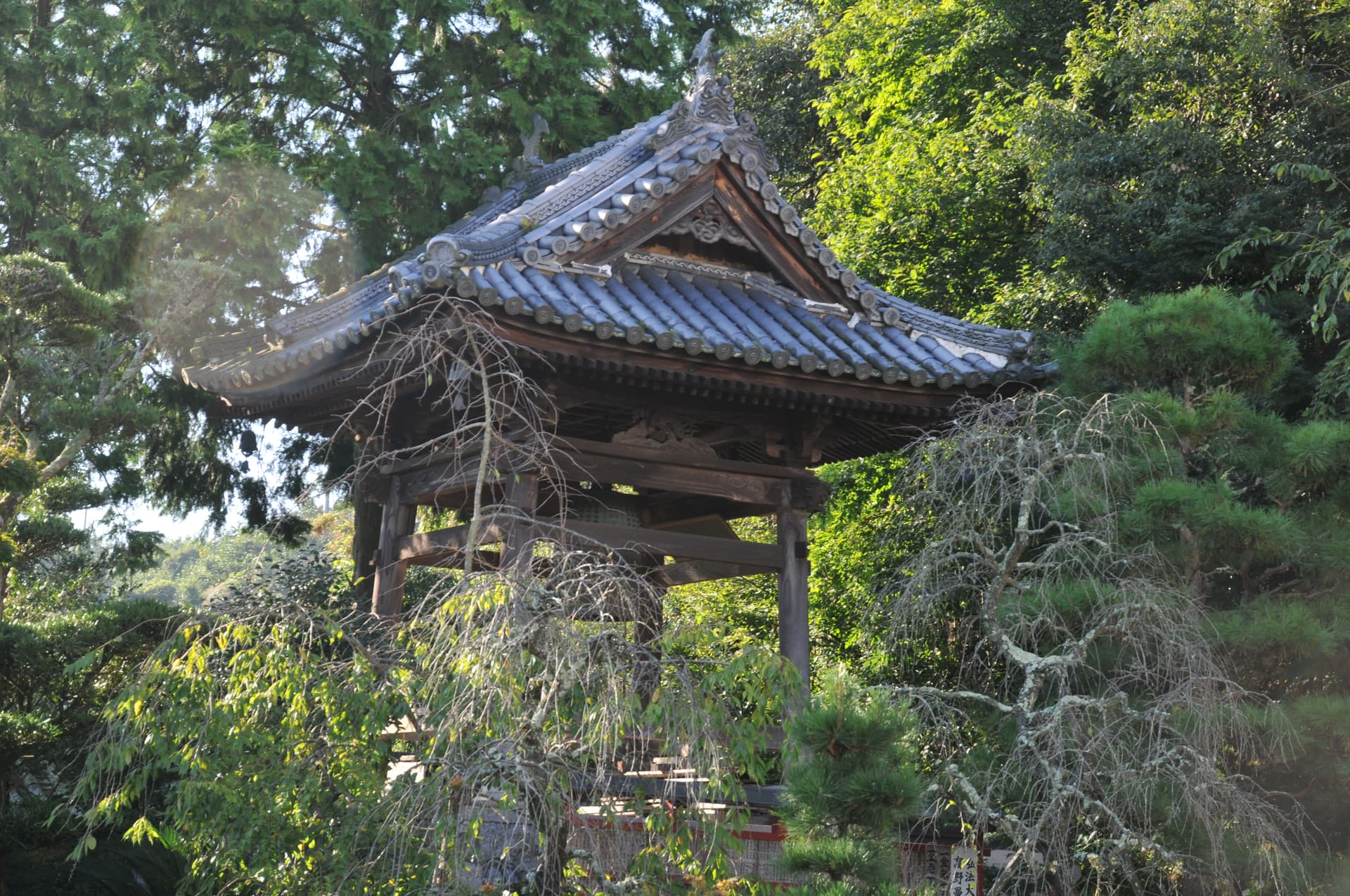
- 60–90 minutes for the Hondō, garden, Daimon, and bell tower.
- Access
- 10-minute walk from JR Kokawa Station (Wakayama Line).
Overview
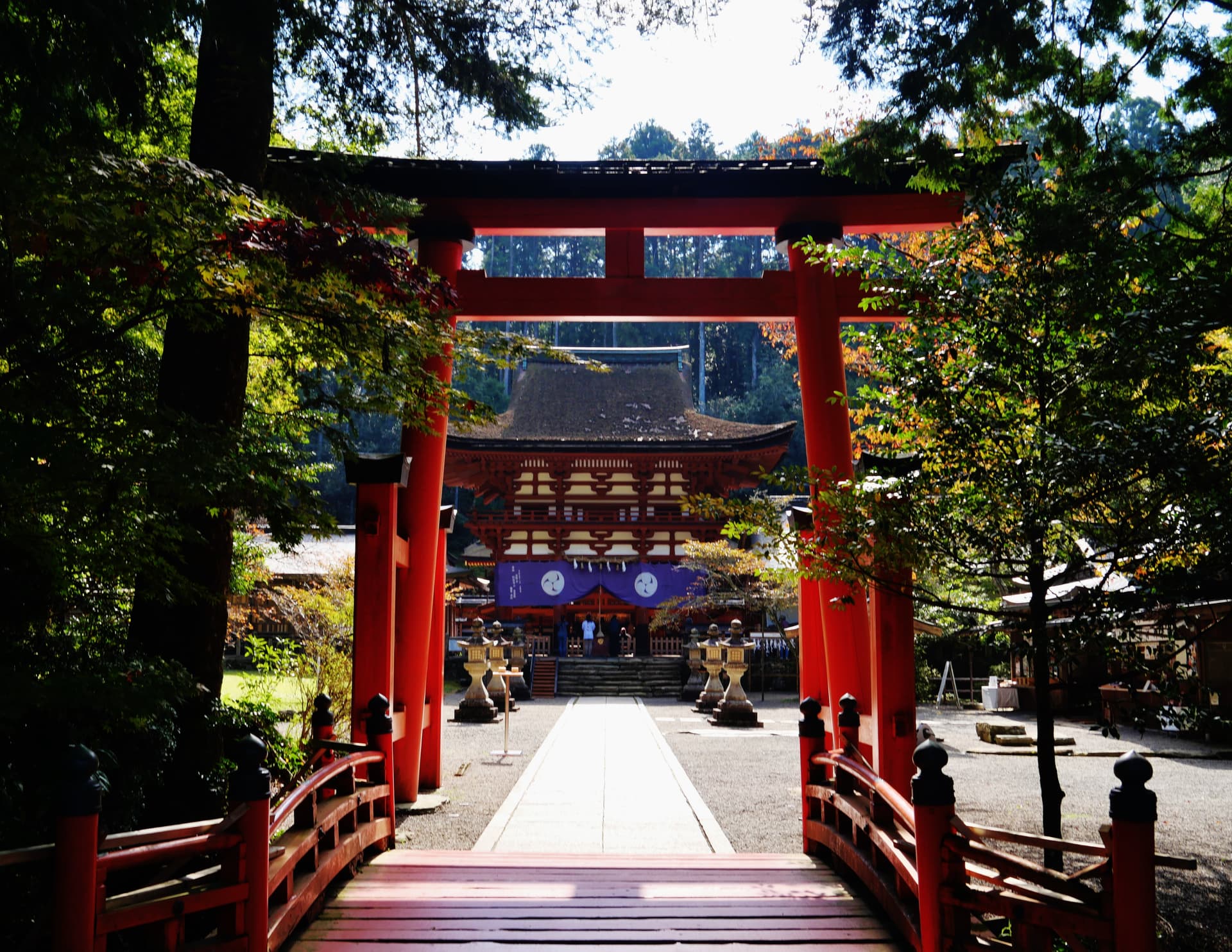
Kokawa-dera is a working Senjū Kannon hall and temple 3 on the thirty-three-station Saigoku Kannon Pilgrimage, a route with more than a thousand years of devotion. Its Hondō is among the route's largest, and the temple was one of Kii's four great religious centers with Kōyasan, Negoro-ji, and Kumano. Its zettai-hibutsu is venerated as Yakuyoke Kannon, associated with protection from calamity and with the National Treasure Kokawadera Engi Emaki now in the Tokyo National Museum.
Temple tradition dates its founding to 770 CE: hunter Ōtomo no Kujiko saw a mysterious light on Mount Kazaraki, renounced hunting, and built a hermitage; the wandering ascetic Dōnan Gyōja later carved the image. Kokawa-dera heads Tendai-Kokawa-ha and once had 550 sub-temples and warrior monks. Its large hall rises above an Edo-period boulder-and-pine karesansui.
Why this place is sacred
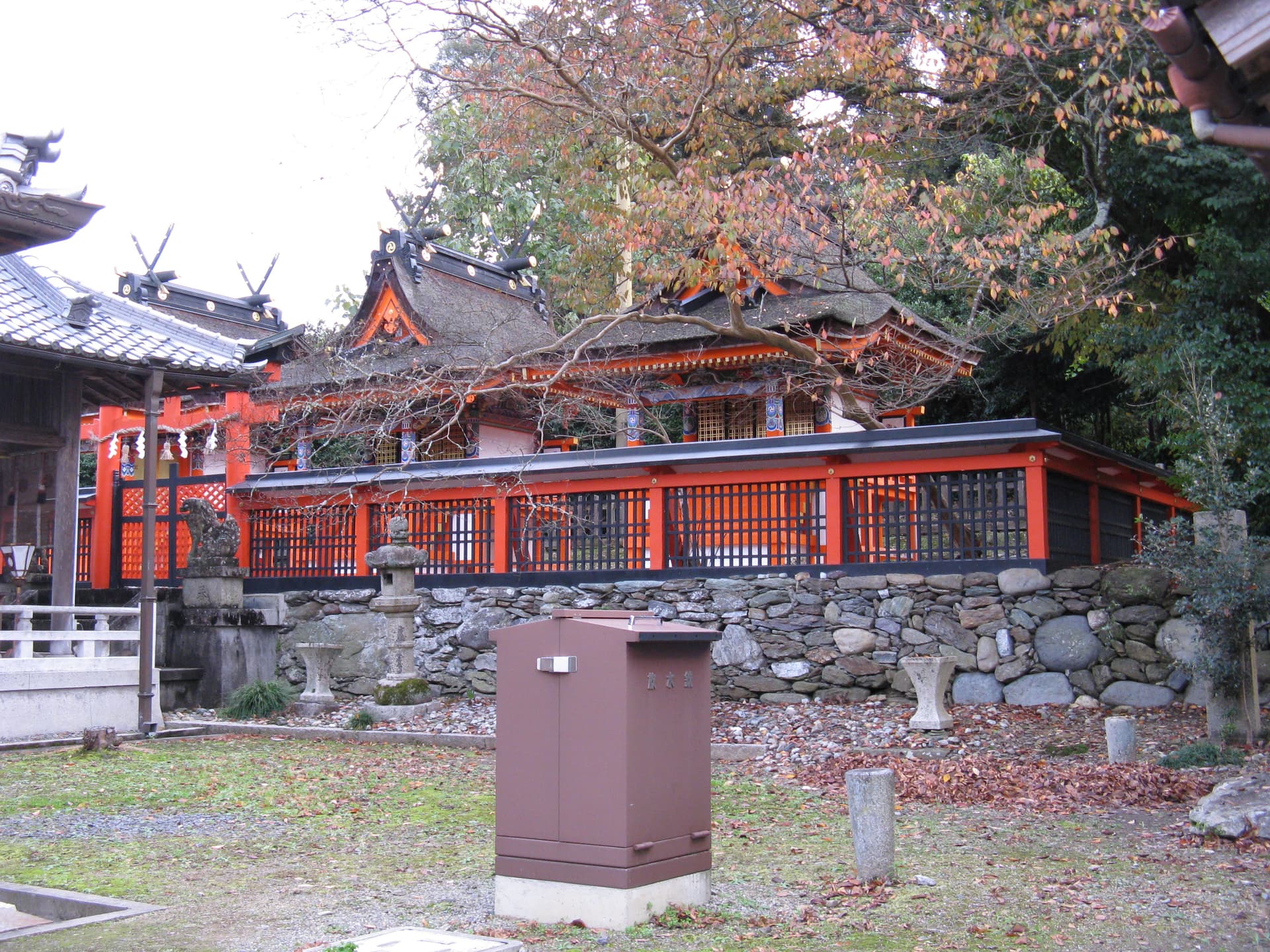
Pilgrims pass the Daimon and bell tower to the large Hondō above a natural-boulder and clipped-pine garden, recalling the complex before its 1585 destruction. Yakuyoke Kannon devotion and the Kokawadera Engi Emaki carry religious and artistic meaning, but the principal image remains absolutely hidden. Tradition says Ōtomo no Kujiko renounced hunting after seeing a light on Mount Kazaraki, built a thatched hermitage, and later received the Senjū Kannon carved by Dōnan Gyōja.
Keep that sacred account distinct from the temple's documented institutional history.
Experience and orientation
Surprise at the size of the Hondō (the largest of the 33 temples), quiet contemplation in the stone garden, sense of historical depth from the medieval Kokawadera Engi Emaki tradition, and ease of access compared to mountainous pilgrimage stops.
Context and lineage
Founded in 770 CE according to temple tradition, by the hunter Ōtomo no Kujiko, who is said to have abandoned hunting and built a small hermitage on the site after encountering a mysterious light on Mount Kazaraki. The image was carved by the wandering ascetic Dōnan Gyōja. Traditional founder: Ōtomo no Kujiko. A hunter, Ōtomo no Kujiko, while pursuing game on Mount Kazaraki, saw a strange light emanating from the ground.
Traditions and practice
Senjū Kannon dhāraṇī recitation, Yakuyoke (calamity-deflection) prayers, sutra chanting, periodic festival processions, goma fire rituals on special days.
Tendai Buddhism — Tendai-Kokawa-ha (Kokawa branch)
ActiveKokawa-dera is the head temple (sōhonzan) of its own Tendai sub-school, the Tendai-Kokawa-ha. In medieval times it was one of the largest Tendai centers in Kii alongside Negoro-ji and Kōyasan, with 550 sub-temples and a substantial warrior-monk presence.
Daily Tendai liturgy, dhāraṇī recitation of Senjū Kannon as Yakuyoke Kannon (deflector of misfortune), monthly Kannon services, goshuin issuance, ritual maintenance of the karesansui-style stone garden.
Katsuragi Shugendō tradition
ActiveKokawa-dera is associated with the Katsuragi Shugen tradition, recognized as a Japan Heritage cultural asset commemorating Shugendō practice in the Katsuragi mountain range.
Historical mountain ascetic practice in the Kazaraki/Katsuragi range, ongoing Shugen-related pilgrim festivals.
Perspectives and open questions
Read Kokawa-dera through distinct economic, military, artistic, living Tendai, and local lenses. Its 40,000-koku holdings and warrior monks illuminate the temple-shōen system dismantled by Hideyoshi in 1585; local Kazaraki/Katsuragi communities retain Shugen-inflected connections, and the hunter-foundation story remains an attributed Saigoku tradition.
Scholarly perspective
Kokawa-dera is regarded as a major case study in medieval Japanese Buddhist economic and military power, with its 40,000-koku landholdings and warrior-monk forces emblematic of the temple-shōen system that Hideyoshi dismantled in 1585. The Kokawadera Engi Emaki is considered one of the foundational works of Japanese narrative scroll painting.
Living and traditional perspectives
Local Kazaraki/Katsuragi communities maintain Shugen-flavored connections, and the temple's hunter-foundation legend is distinctive within Saigoku — most other temples were founded by monks or emperors.
Alternative interpretations
The Yakuyoke Kannon designation locates this temple within Japan's broad apotropaic Buddhist culture; some practitioners read the carved-by-passing-ascetic origin as a model of egalitarian access to enlightenment regardless of social status.
Plan your visit
Access and arrival
10-minute walk from JR Kokawa Station (Wakayama Line). From Wakayama Station: ~30 minutes by JR. Free parking available. Ample bus connections from Hashimoto and Wakayama City.
Respectful visit
Permitted across the grounds and gardens; not inside the Hondō, and not of the hibutsu altar area.
Saisen, incense, candles. Goshuin ¥300 from the temple office. Pilgrim books (nōkyō-chō) signed and stamped on request.
The principal image is a zettai-hibutsu (absolute hidden buddha) and never publicly shown. Walk respectfully around the rock garden; do not step on the stones or trim materials.
Current practical details
Address
2787 Kokawa, Kinokawa, Wakayama 649-6531, Japan
Phone
Hours
Hours, fees, and access can change — verify on the official source before you travel. Practical details last checked Jun 2026.
Location
Map loads as you approach this section.
Pilgrim reflections
A portrait of encounter, not a score
Pilgrims describe what they felt, how present they could become, and whether the place would shape a journey. There are no stars and no ranking of traditions.
No reviewed reflections yet
The first pilgrims can help describe the character of being here.
Share a reflection
Available after an account-backed “Been there.” Every reflection is reviewed before publication.
Nearby sacred places
Explore other sacred places in the region. Proximity does not establish access or travel time; check each place’s guidance.

References
Sources consulted for this page. Source categories describe the publication, not a guarantee that every claim is verified. Traditional accounts and outside interpretations may differ.
- 01Kokawa-dera — Wikipedia contributorsencyclopediaComprehensive history, sect details (Tendai-Kokawa-ha head temple), Important Cultural Properties
- 02Kokawa-dera – Kinokawa, Wakayama Prefecture — Henro.orgguidePilgrim guide with founding legend and practical info
- 03Kokawa-dera Temple — Cultural Asset — Japan Heritage Katsuragi ShugenofficialConfirms Japan Heritage status as Katsuragi Shugen cultural asset
- 04Kokawadera Temple: The Temple of Rock Garden — Kansai OdysseyguideArchitecture of the Hondō and Edo-period rebuilding
- 05Saigoku Kannon Pilgrimage: Kokawadera — Hyogo Times (Hyogo AJET)blogFirst-person pilgrim impressions and Senjū Kannon detail
Pilgrim glossary
- Kannon
- The bodhisattva of compassion, central to many East Asian pilgrimage routes.
- Sutra
- A canonical Buddhist scripture, often chanted as part of practice.
- Tendai
- A Japanese Buddhist school based on the Lotus Sutra, foundational to many later traditions.
Share a photo
Help visitors recognize Kokawa-dera. Every submission is reviewed before publication.