Site type guide
Archaeological Site
Archaeological Site sites reveal how different traditions shape sacred space through architecture, landscape, ritual, and memory.
83 archaeological site sacred sites. Use the country and tradition filters to narrow in.
Atlas summary
Archaeological Site sacred sites overview
Archaeological Site sacred sites span countries, traditions, pilgrimage routes, and sacred landscapes represented in the Pilgrim Map atlas.
Use this guide to compare major country clusters, represented traditions, UNESCO-tagged places, and the map distribution before opening individual site pages.
| Coverage | 83 archaeological site sacred sites across the current atlas. |
|---|---|
| Major countries | |
| Traditions | |
| UNESCO heritage | 7 UNESCO-tagged archaeological site sites appear in this browse view. |
All sites
83
Showing 1-48 of 83 sites in this site-type guide
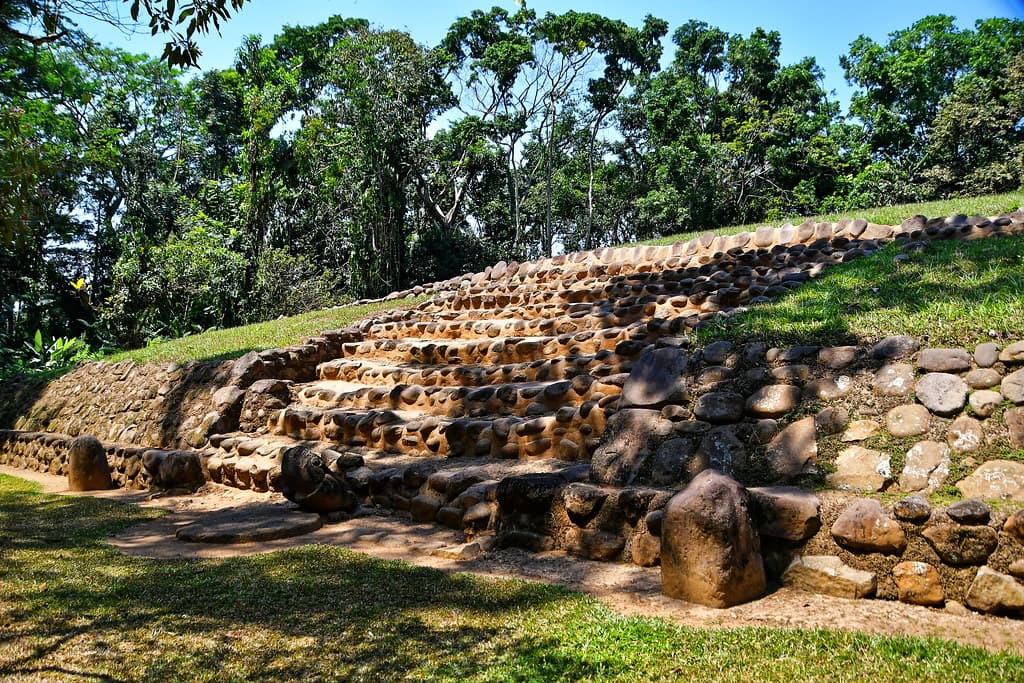
Abaj Takalik
El Asintal, Retalhuleu, Guatemala
Tak'alik Ab'aj is a Preclassic city in Guatemala's Pacific piedmont, inscribed by UNESCO in 2023....

Ahlat Urartian remains
Bitlis, Ahlat, Turkey
Ahlat on the northwestern shore of Lake Van is one of the least-visited and most extraordinary sacred landscapes in Turkey....

Anta da Cunha Baixa
Mangualde, Cunha Baixa, Mangualde, Viseu / Centro, Portugal
In a vineyard valley near Mangualde, the Anta da Cunha Baixa held burials across an unusually long span — from the Late Neolithic through the Bronze Age....
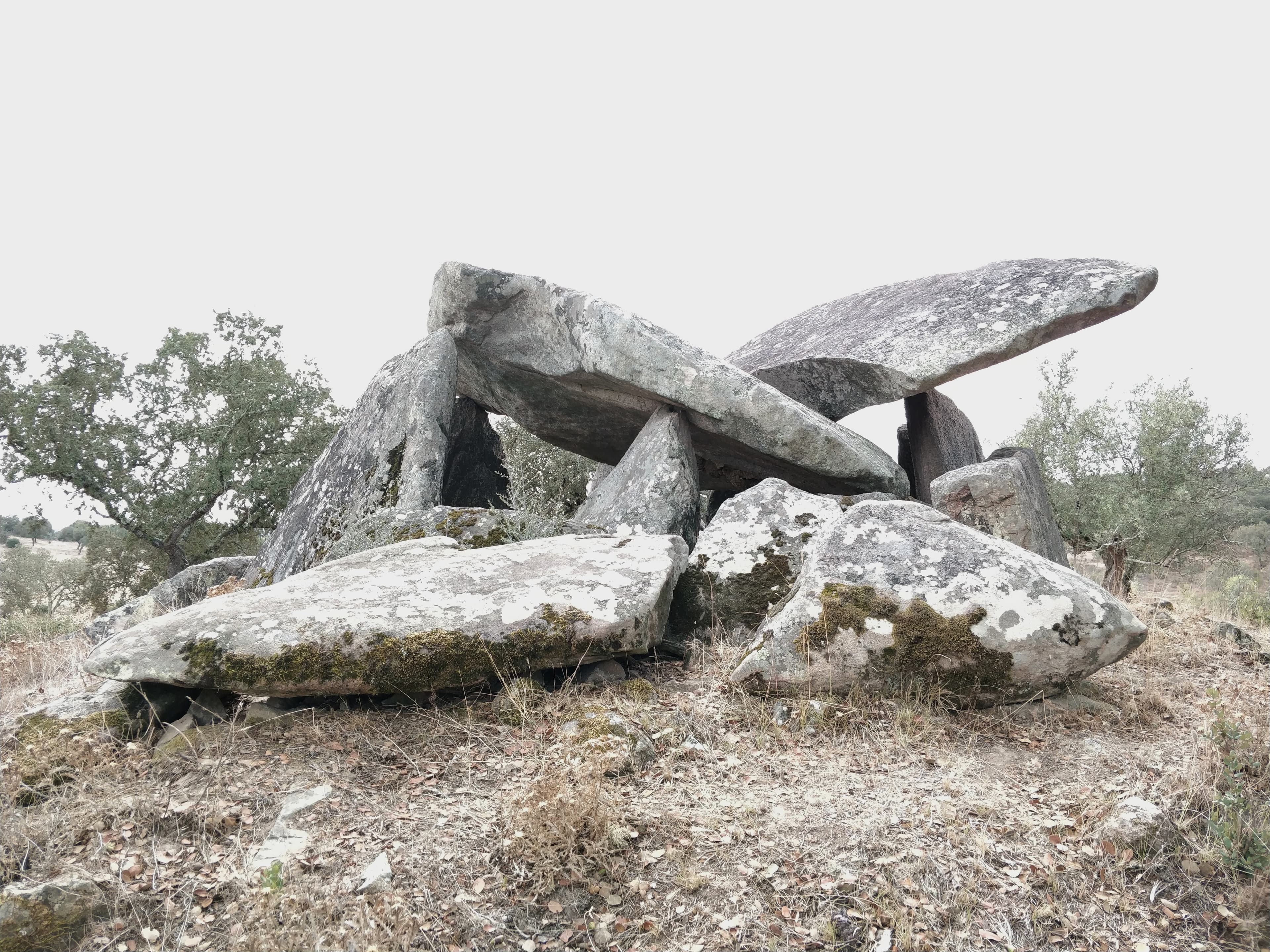
Anta da Herdade da Comenda da Igreja
Montemor-o-Novo, Montemor-o-Novo, Évora / Alentejo, Portugal
Behind two livestock gates on a private Alentejo estate stands a large, well-preserved passage tomb that yielded over 1,500 registered artefacts, including more than 100...

Anta do Tapadão
Crato, Aldeia da Mata, Crato, Portalegre / Alentejo, Portugal
Rising from grazing land outside Aldeia da Mata, the Anta do Tapadão is a corridor dolmen whose seven-orthostat chamber and long stone passage rank among the most intact...

Archaeological Site of Mayapan
Tecoh, Yucatan, Mexico
Mayapan was the political and spiritual heart of the Maya world in the centuries before Spanish contact....
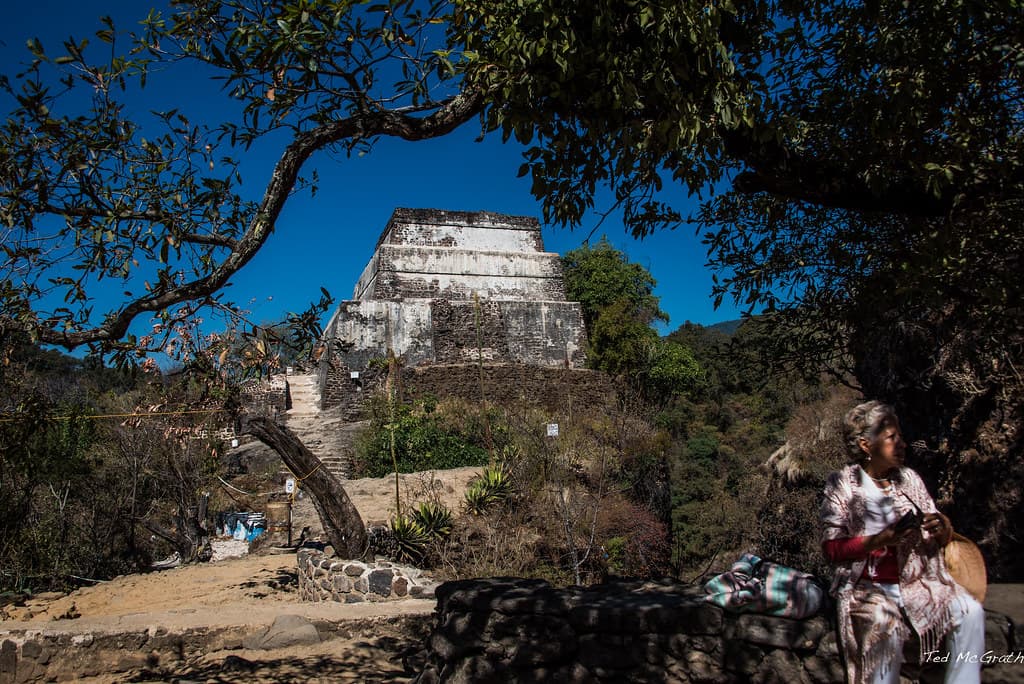
Archaeological Zone Tepozteco
Tepoztlan, Morelos, Mexico
Six hundred meters above the valley floor, on a cliff edge overlooking the town of Tepoztlan, stands a temple dedicated to Tepoztecatl, the Aztec god of pulque, fertility,...

As Nieves Latte Stone Quarry
Songsong / Sinapalo area, Rota, Northern Mariana Islands, Songsong / Sinapalo area, Rota, Northern Mariana Islands, United States
At As Nieves on Rota, nine massive latte shafts and seven capstones sit exactly where their carvers left them, mid-quarry, for reasons no source can confirm....
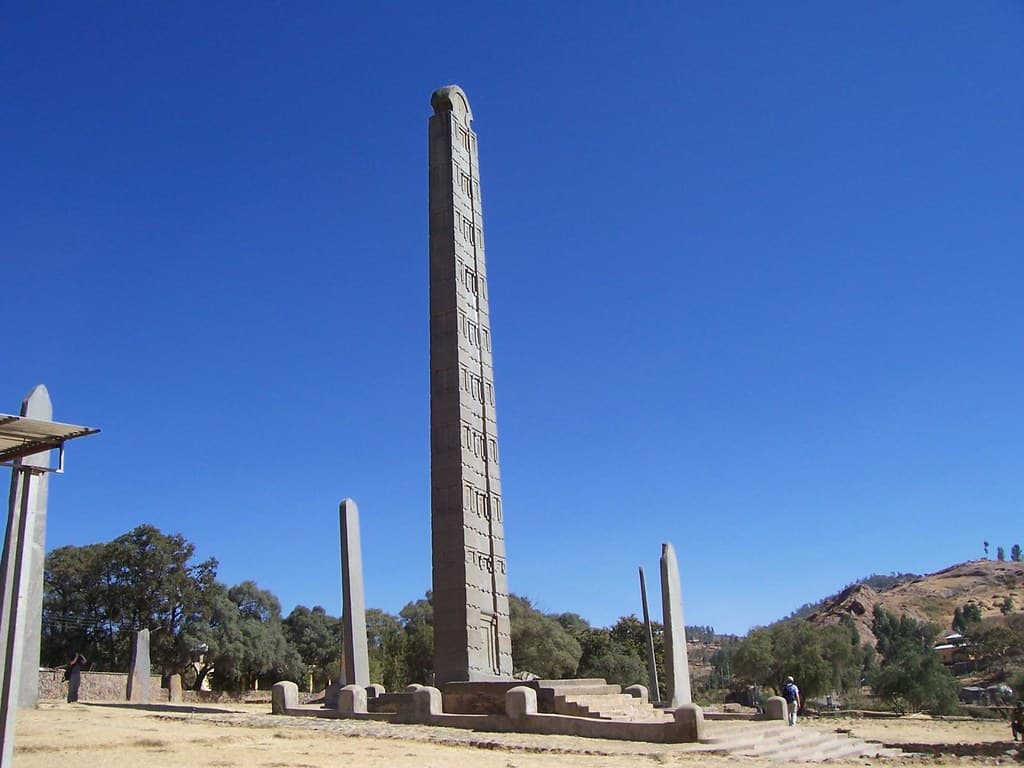
Axum
Axum, Tigray, Ethiopia
Axum is the holiest city in Ethiopian Orthodox Christianity—claimed resting place of the Ark of the Covenant, coronation site of emperors, and origin point of a faith that...

Beinan Archaeological Site Park
Taitung City, Taitung County, Taitung City, Taitung County, Taiwan
Beinan Archaeological Site Park in Taitung preserves the largest known slate-coffin burial complex in the Pacific Rim, holding nearly 1,600 graves from a...

Cancho Roano
Zalamea de la Serena, Zalamea de la Serena, Badajoz, Extremadura, Spain
Cancho Roano stands in the Extremaduran plain as the best-preserved building of Tartessian civilization, an Iron Age Iberian culture shaped by strong Phoenician influence....

Castro of Zambujal
Torres Vedras, Torres Vedras, Lisbon / Lisboa Region, Portugal
Above the Sizandro River near Torres Vedras, Castro do Zambujal preserves one of the most complex fortified settlements of Copper Age Iberia....

Centro Arqueológico de Chinchero
Chinchero, Cusco, Peru
Chinchero is not a ruin. An Inca royal estate, a colonial church with syncretic murals, terraces still walked daily, and a Quechua community whose women have woven on...
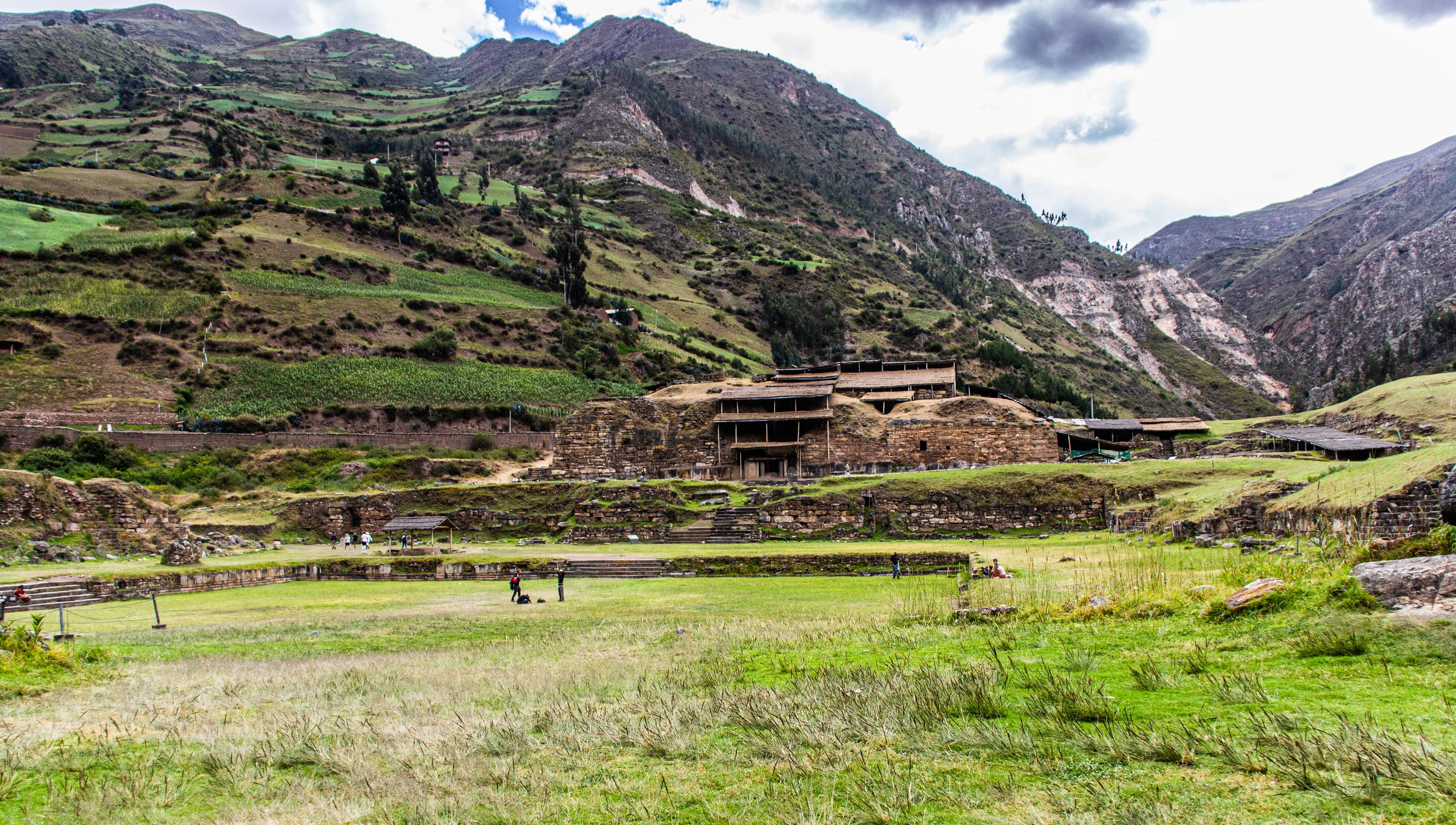
Chavín de Huántar
Chavín de Huantar, Ancash, Peru
Rising from a high Andean valley at the confluence of two rivers, Chavin de Huantar served as the Americas' earliest pilgrimage center for over five hundred years....
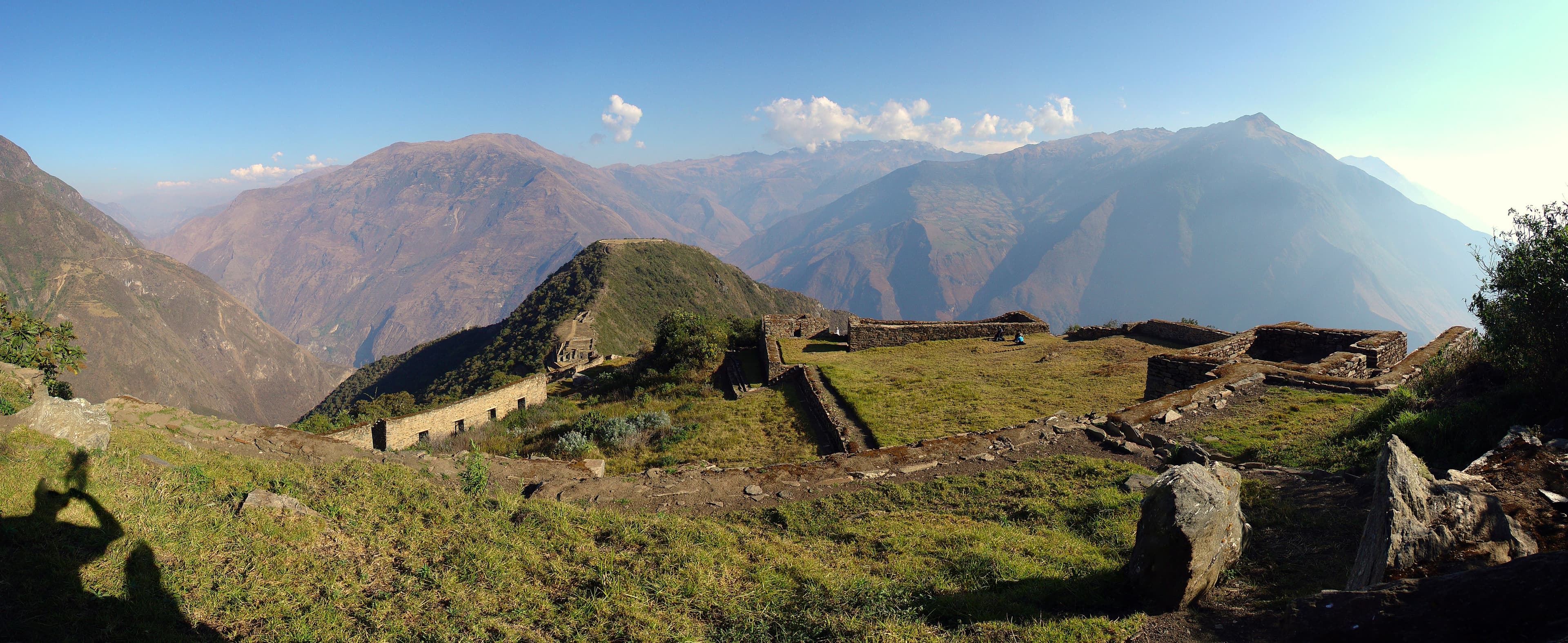
Choquequirao Archaeological Park, Peru
Santa Teresa, Cusco, Peru
While Machu Picchu receives 2,500 visitors daily, Choquequirao sees only about twelve....

Chullpa Lagarto
Sillustani, Puno, Peru
The Chullpa del Lagarto rises above the other funerary towers at Sillustani with the authority its builders intended....

Chullpas Sillustani
Sillustani, Puno, Peru
On a peninsula jutting into Lake Umayo near Puno, ninety-one stone towers stand in various states of preservation — from intact cylinders to tumbled foundations....

Citânia de Briteiros
Guimarães, Briteiros, Guimarães, Braga / Norte, Portugal
On a hilltop above the Ave River valley, Citânia de Briteiros preserves one of the largest and most thoroughly excavated Iron Age hillforts in northwestern Iberia — a...

Citânia de Sanfins
Paços de Ferreira, Sanfins de Ferreira, Paços de Ferreira, Porto / Norte, Portugal
Citânia de Sanfins is a large, fortified Iron Age hillfort of the Gallaeci people, occupied from around the 5th century BCE into the Roman period....

Complejo Arqueológico Q'enqo
Cusco, Cusco, Peru
Q'enqo ('labyrinth') is an Inca ceremonial complex 4 km from Cusco at 3,580m, with an Intihuatana, underground galleries, and zigzag channels.
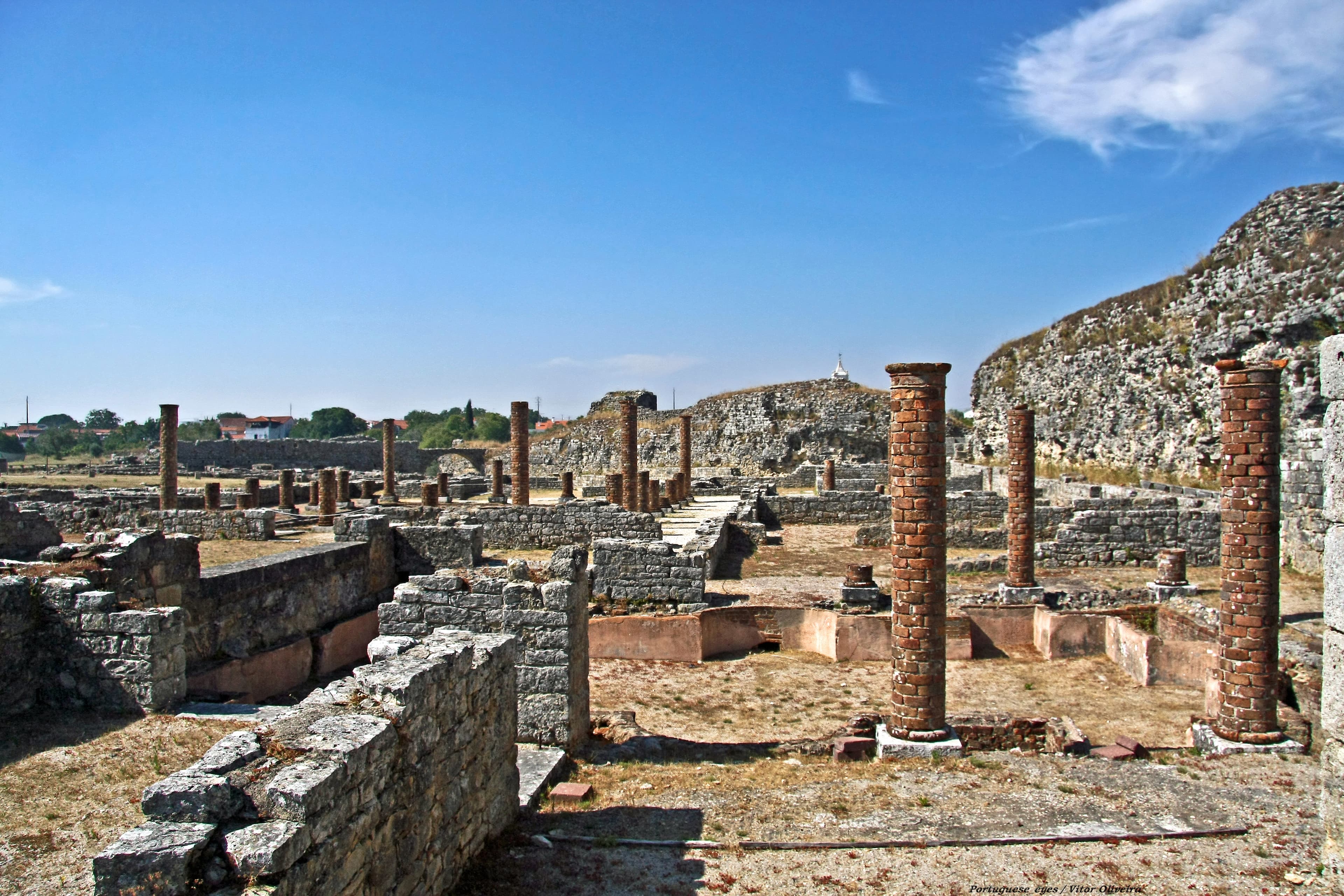
Conímbriga
Condeixa-a-Nova, Condeixa-a-Nova, Coimbra / Centro, Portugal
Conímbriga preserves more of daily Roman provincial life than any other site in Portugal: a forum built for the imperial cult, mosaic-floored villas, and a defensive wall...
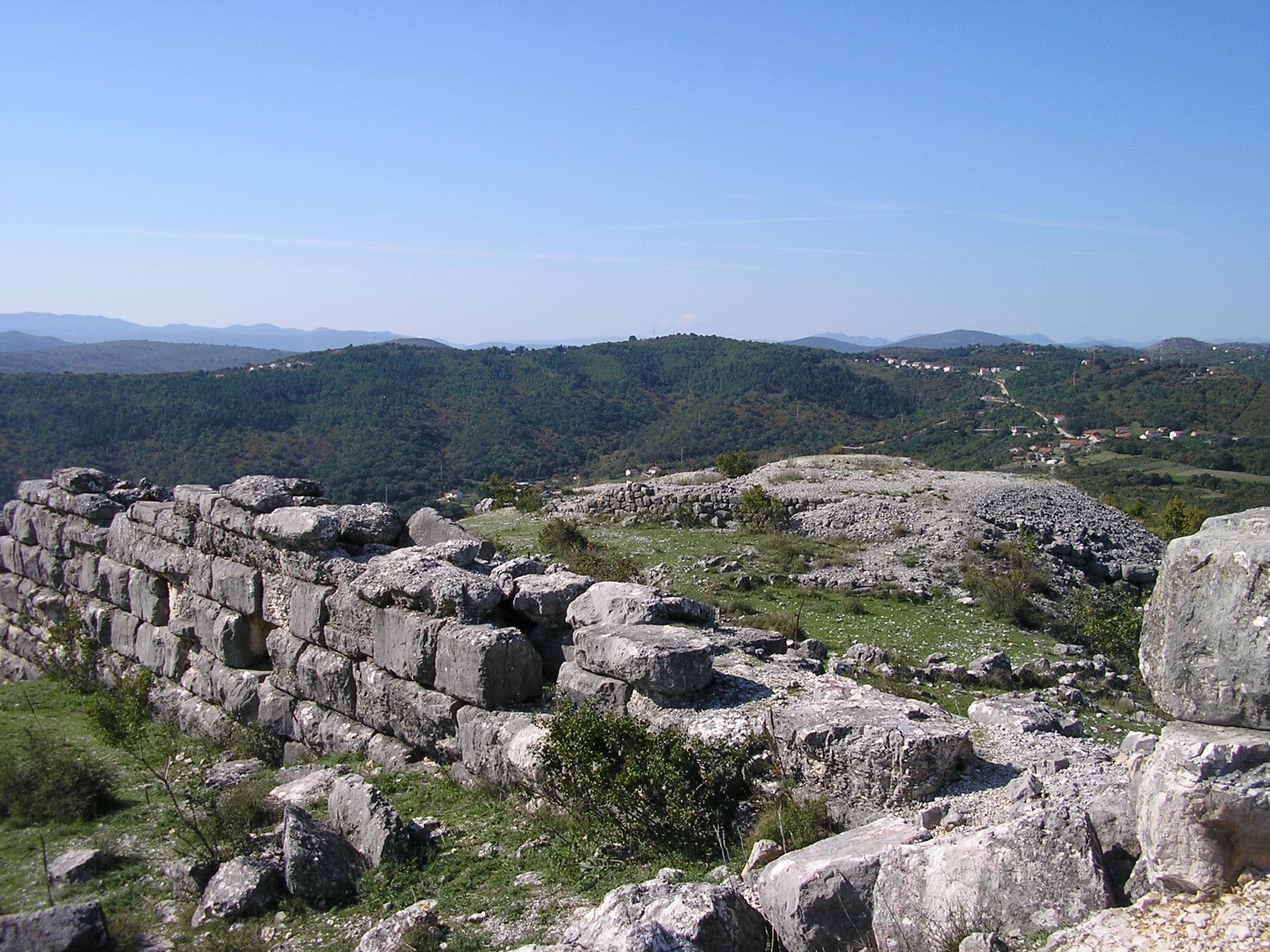
Daorson Illyrian City
Stolac, Federation of Bosnia and Herzegovina, Bosnia and Herzegovina
Daorson rises from a hilltop above the Neretva valley in Herzegovina, the capital of an Illyrian tribe that wove Greek culture into their own....

Dolmen of Carapito I
Aguiar da Beira, Carapito, Aguiar da Beira, Guarda / Centro, Portugal
Near the village of Carapito, a ten-sided polygonal chamber over five metres tall holds two pillars carved with solar and serpentine motifs — among the clearest surviving...

Dolmen of Pendilhe
Vila Nova de Paiva, Pendilhe, Vila Nova de Paiva, Viseu / Centro, Portugal
Nine upright stones enclose the chamber of the Anta de Pendilhe, built by farming communities of the Alto Paiva region around 2900-2640 BCE....
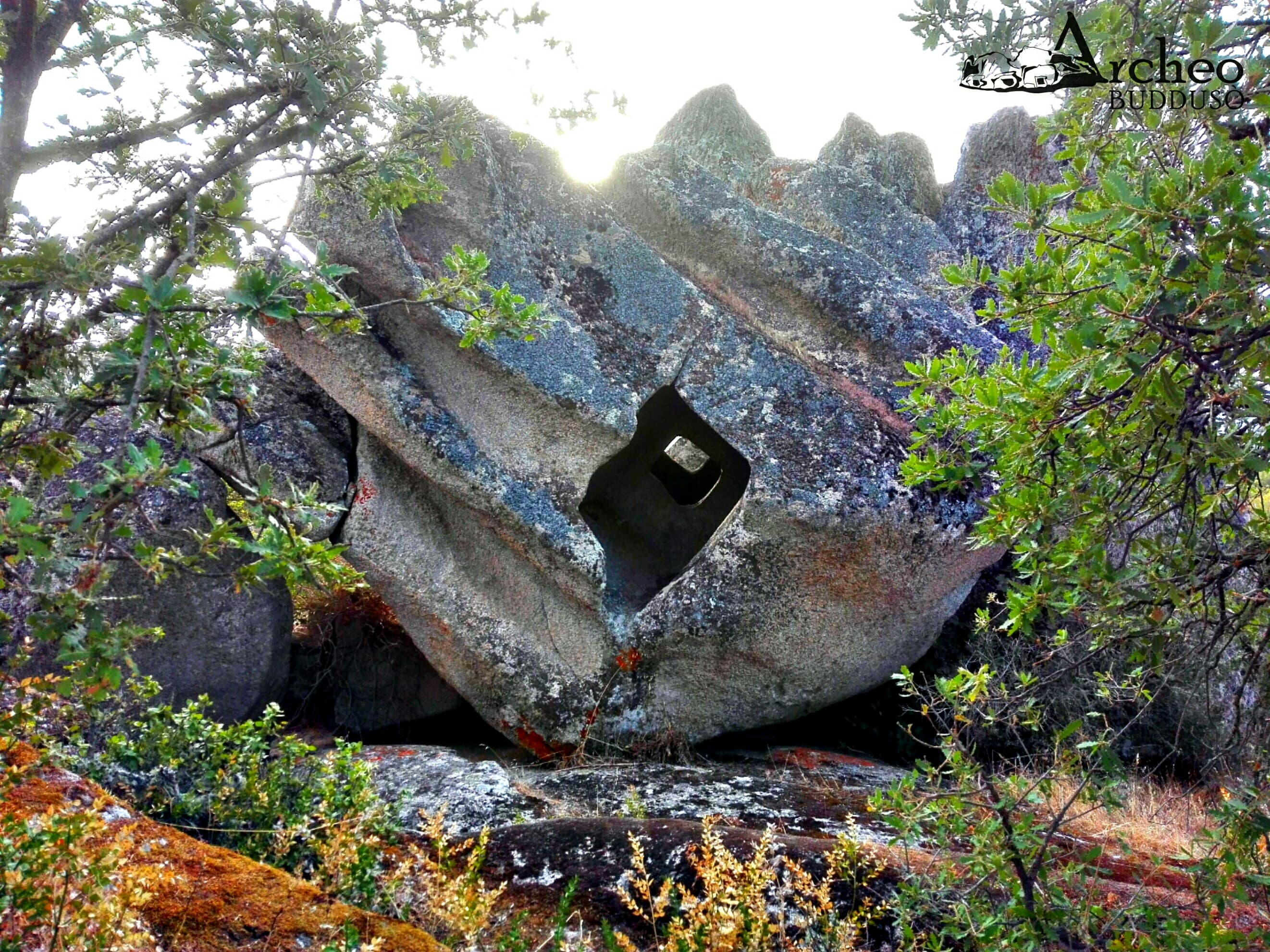
Domus de Janas di Borucca
Budduso, Sardegna, Italy
Near the village of Budduso in northeastern Sardinia, a burial chamber carved from granite five thousand years ago tilts on its displaced boulder — a house for the dead...
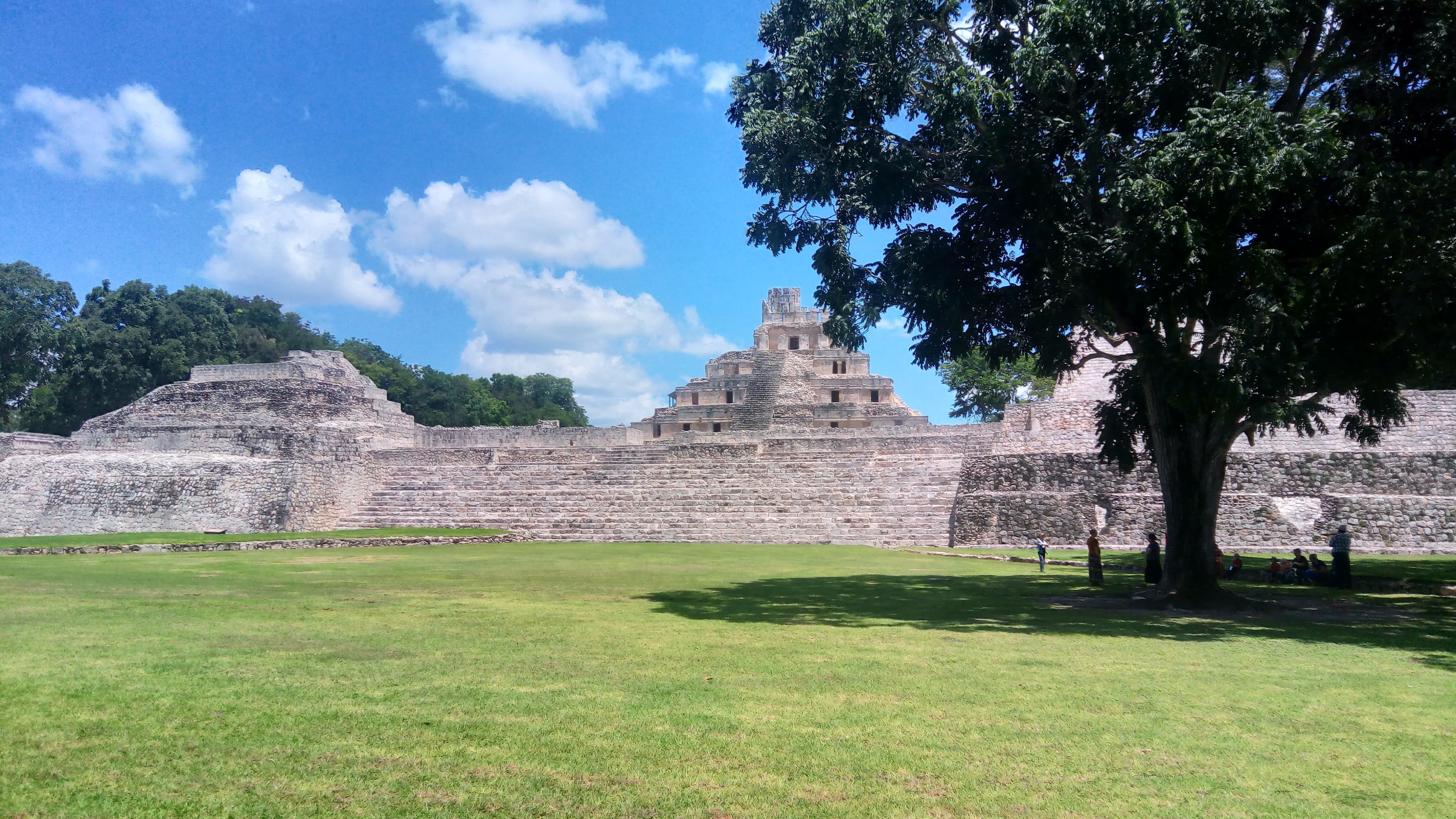
Edzna Archaeological Zone
Municipio de Campeche, Campeche, Mexico
For nearly two millennia, from 400 BCE until the Spanish arrived, Edzna commanded the Campeche lowlands....
El Ushnu
Vilcashuaman, Ayacucho, Peru
At the heart of Vilcashuamán — what the Inca regarded as the geographic centre of their empire — a five-tiered stone platform rises above a trapezoidal plaza....

Empúries Archaeological Site
L'Escala, L'Escala, Girona, Catalonia, Spain
On Catalonia's Costa Brava, Empúries is the only place in Spain where a Greek polis and a Roman city stand side by side, still legible in the ground....

Göbekli Tepe
Haliliye, Şanlıurfa, Turkey
Göbekli Tepe is a Pre-Pottery Neolithic hilltop sanctuary in southeastern Turkey, built approximately 12,000 years ago by mobile hunter-gatherer communities who carved...

Goshono Site
Ichinohe, Iwate Prefecture, Japan
For forty generations, Jomon communities gathered at this river terrace to tend their dead and feed their fires....

Great Dolmen of Zambujeiro
Évora, Valverde, Évora, Évora / Alentejo, Portugal
Seven granite orthostats up to eight meters tall enclose the largest known dolmen chamber in Europe, built by Neolithic communities near Évora roughly six thousand years...

Hierapolis Plutonion and the Cleopatra Pool
Pamukkale, Pamukkale, Denizli, Turkey
Hierapolis was built on a karstic fault that exhales both deadly carbon-dioxide and warm mineral water....
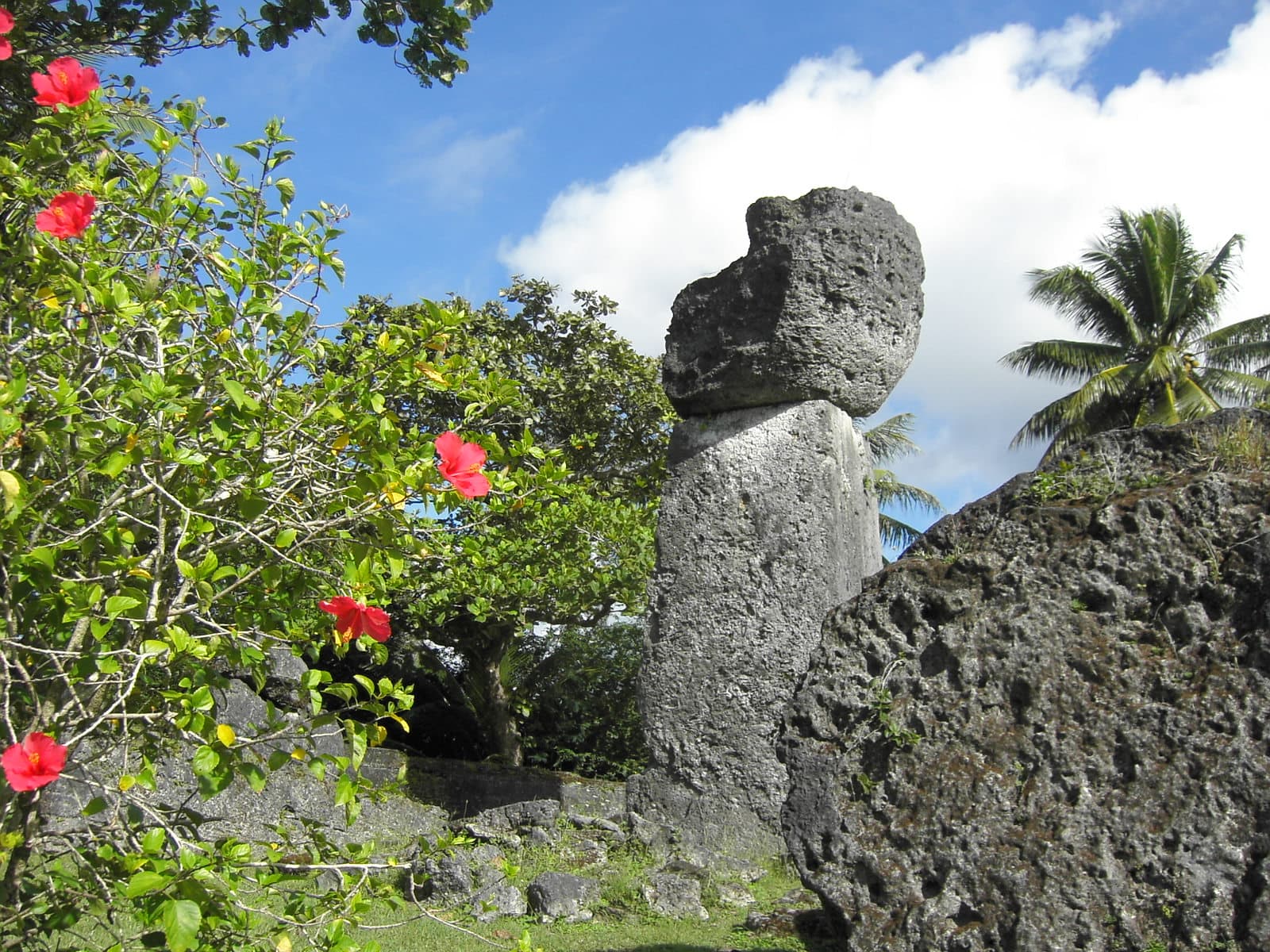
House of Taga
San Jose, Tinian, Northern Mariana Islands, San Jose, Tinian, Northern Mariana Islands, United States
House of Taga holds the largest latte stone formation in the Mariana Islands, twelve massive pillars once supporting a chief's house, now reduced to a single upright shaft...
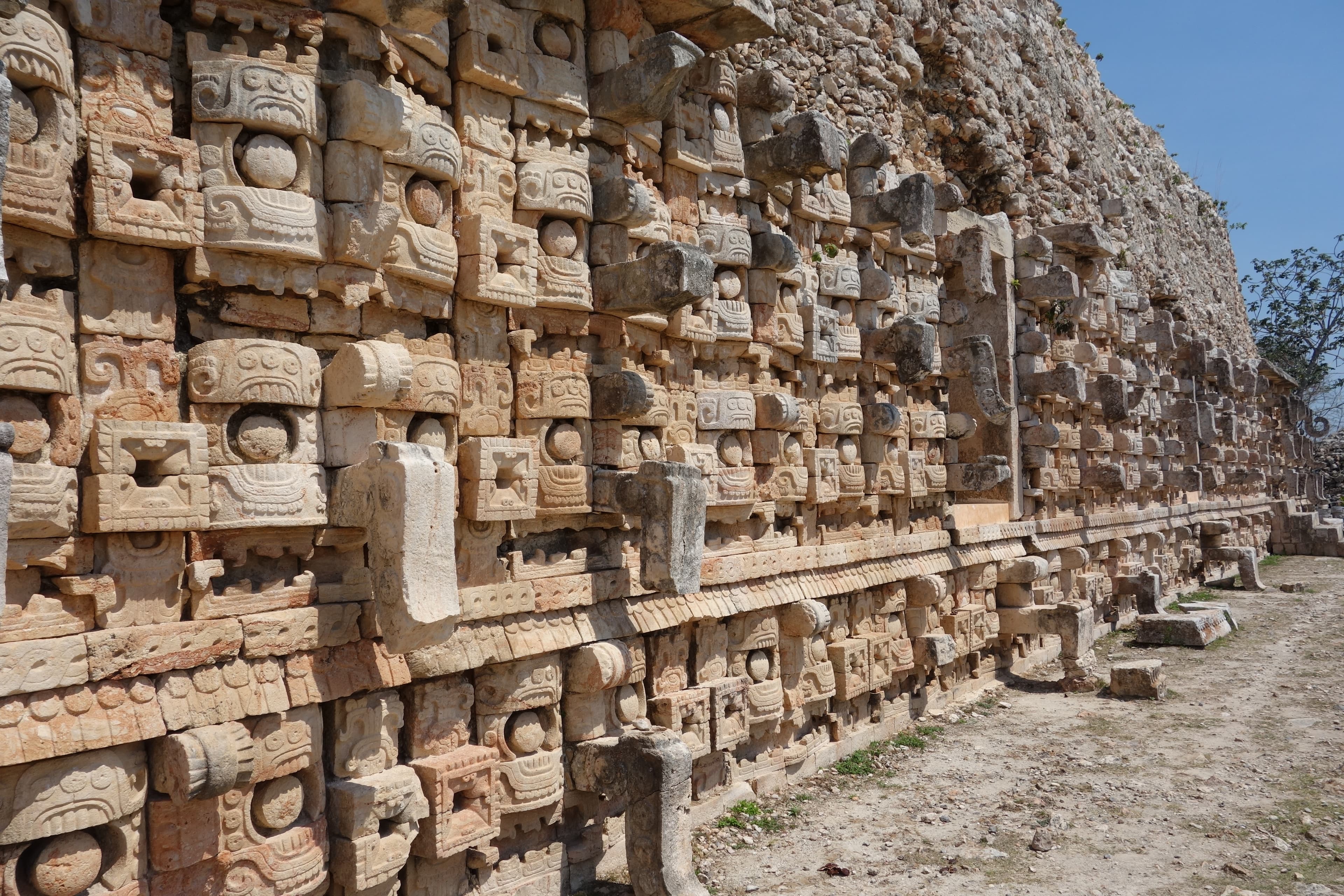
Kabah Archaeological Zone
Santa Elena, Yucatán, Mexico
In the Puuc hills of western Yucatan, where no cenotes break the limestone and rain alone sustains life, the Maya built Kabah and covered its greatest palace with the...
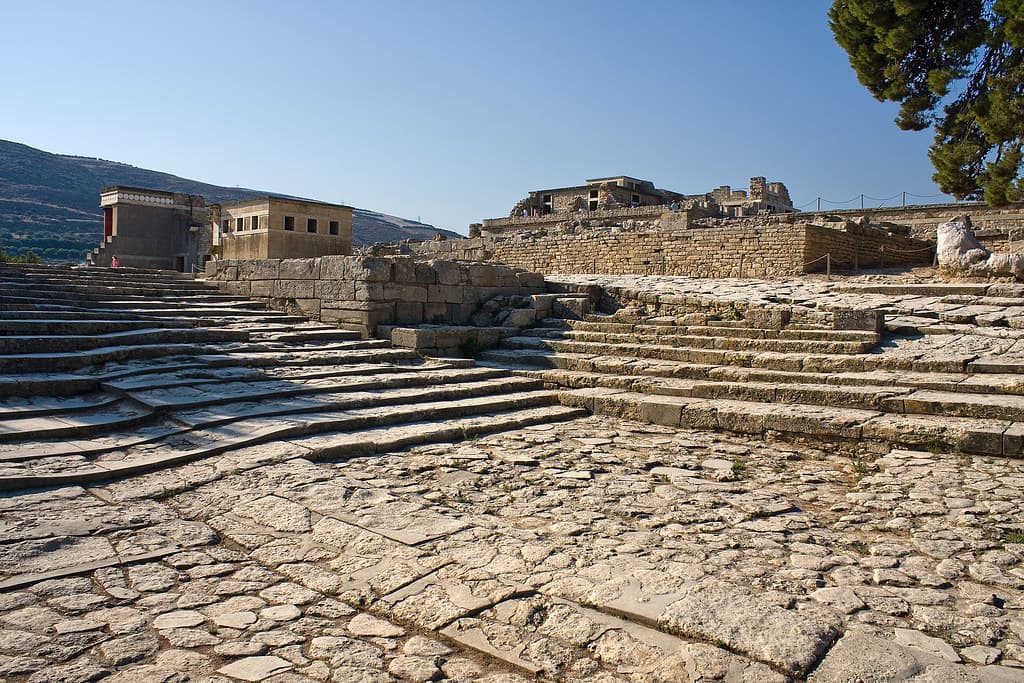
Knossos
Heraklion Municipal Unit, Region of Crete, Greece
Knossos rises from the hills south of Heraklion on Crete, the ceremonial and sacred heart of the Minoan civilization....
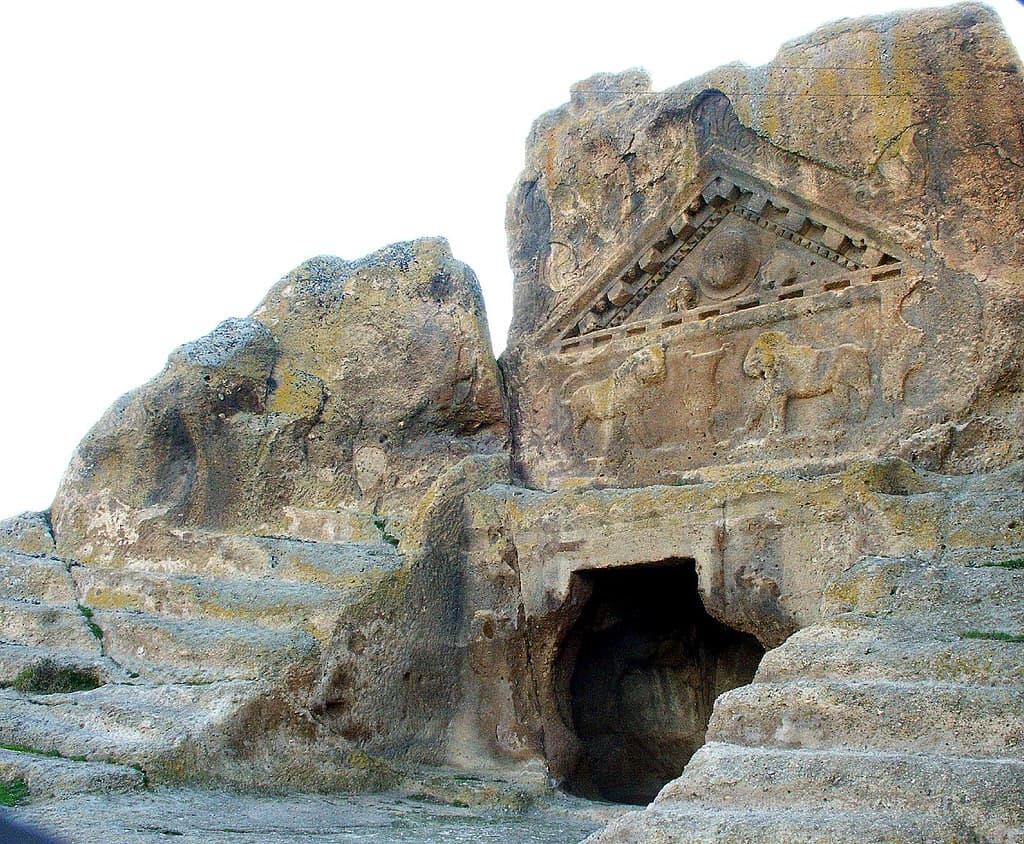
Kümbet
Eskişehir, Seyitgazi, Turkey
Kümbet village in Eskişehir province occupies the site of ancient Meros, a Phrygian city from the Iron Age....

La Ciudad Perdita
Santa Marta, Magdalena, Colombia
Deep in the Sierra Nevada de Santa Marta, 169 stone terraces carved into the mountainside form the remains of a city that the Tairona people built around 800 CE, more than...
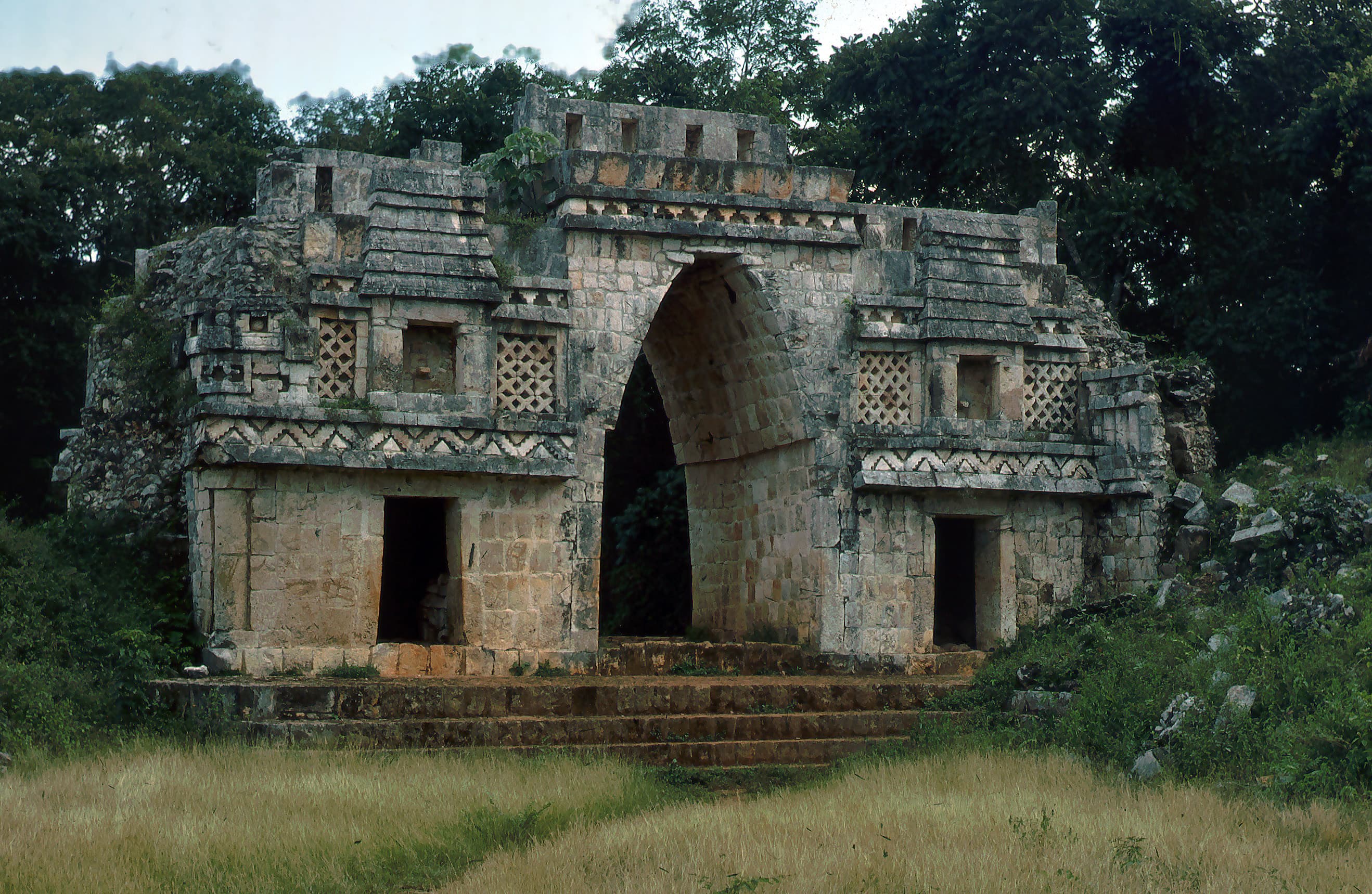
Labna
Santa Elena, Yucatán, Mexico
Rising from the limestone hills of the Puuc region, Labna preserves the most elaborate ceremonial arch in all Maya territory....

Laodicea on the Lycus
Denizli, Denizli, Denizli Province, Turkey
Laodicea on the Lycus was a wealthy Hellenistic and Roman city in Turkey's Lycus Valley, refounded around 261-253 BC by the Seleucid king Antiochus II....
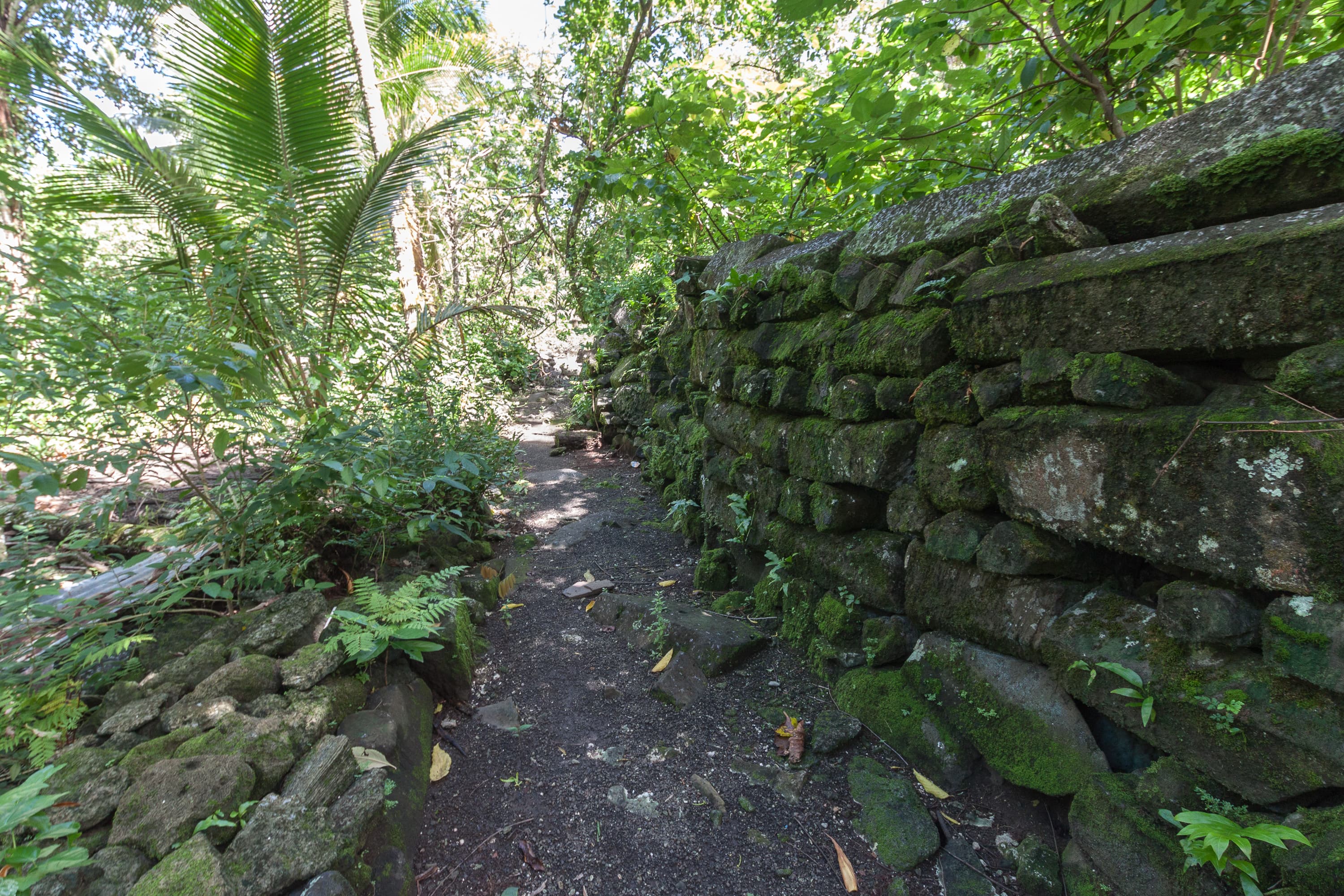
Leluh Ruins
Lelu, Kosrae State, Lelu, Kosrae State, Federated States of Micronesia
Leluh was the political and religious capital of a unified Kosraean kingdom, a walled city of basalt and coral compounds where a paramount chief's remains were guarded by...
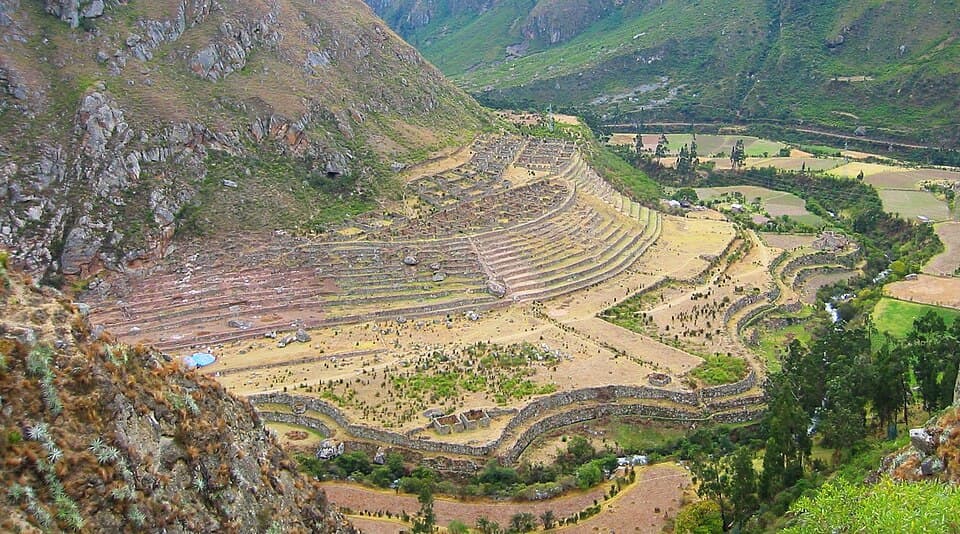
Llactapata
Ollantaytambo district, Ollantaytambo district, Cusco region, Peru
Llactapata sits on a forested ridge across the Aobamba gorge from Machu Picchu, its plaza and long corridor apparently aimed at the June solstice sunrise and at Machu...

Lullingstone Roman Villa
Eynsford, Eynsford, Kent, United Kingdom
In the Darent Valley of Kent, the remains of a Roman farmhouse preserve what is believed to be the earliest purpose-built Christian chapel in the British Isles....
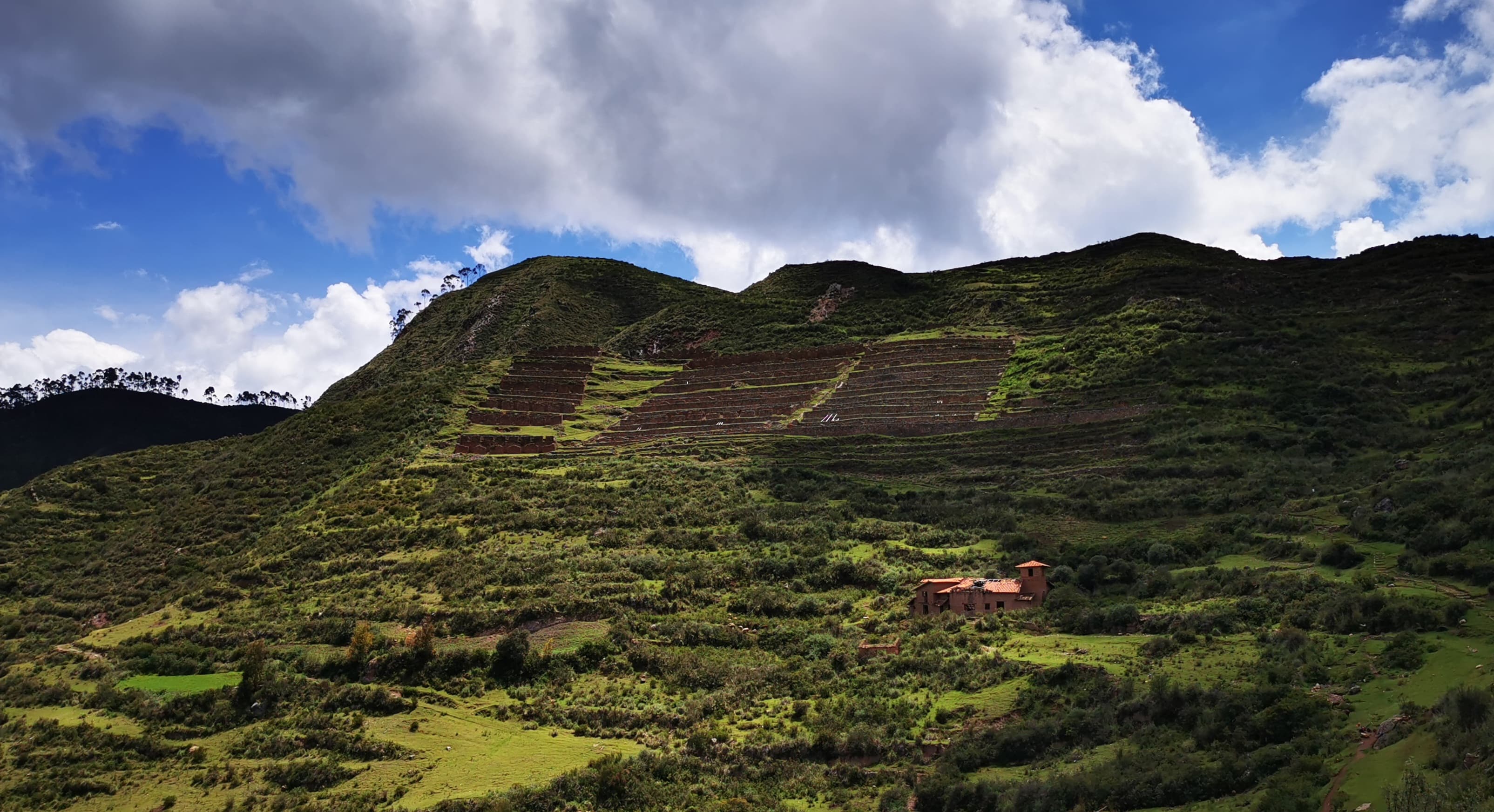
Machuqolqa
Chinchero, Cusco, Peru
Machuqolqa — 'old storehouse' in Quechua — sits at 3,850 metres above the left bank of the Urubamba River, a few minutes from Chinchero....
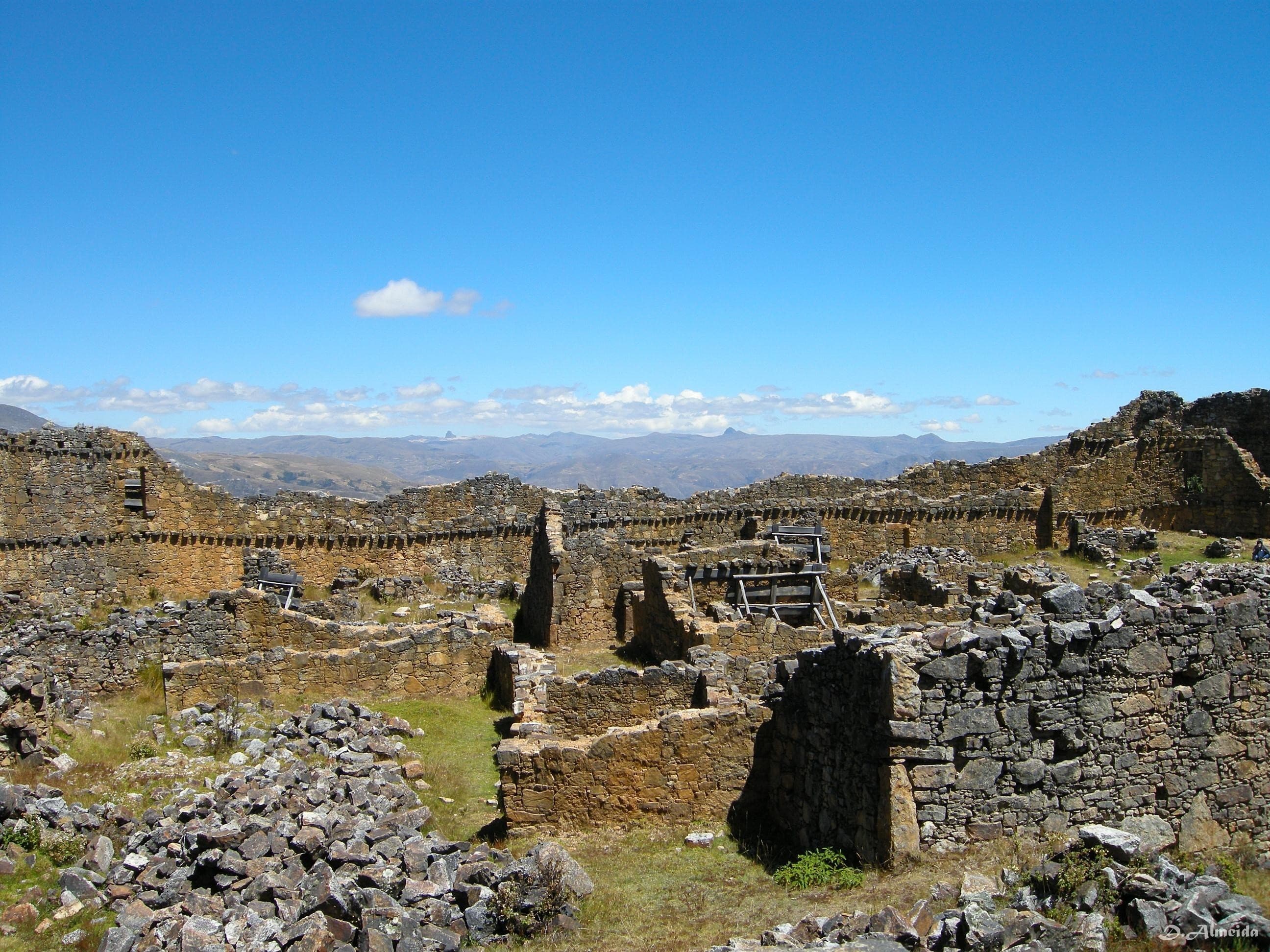
Marcahuamachuco Archaeological Complex
Huamachuco, La Libertad, Peru
On an elongated mesa dominating three mountain valleys in northern Peru, Marcahuamachuco sprawls across 260 hectares—a vast sanctuary built between 400 and 1,200 CE,...
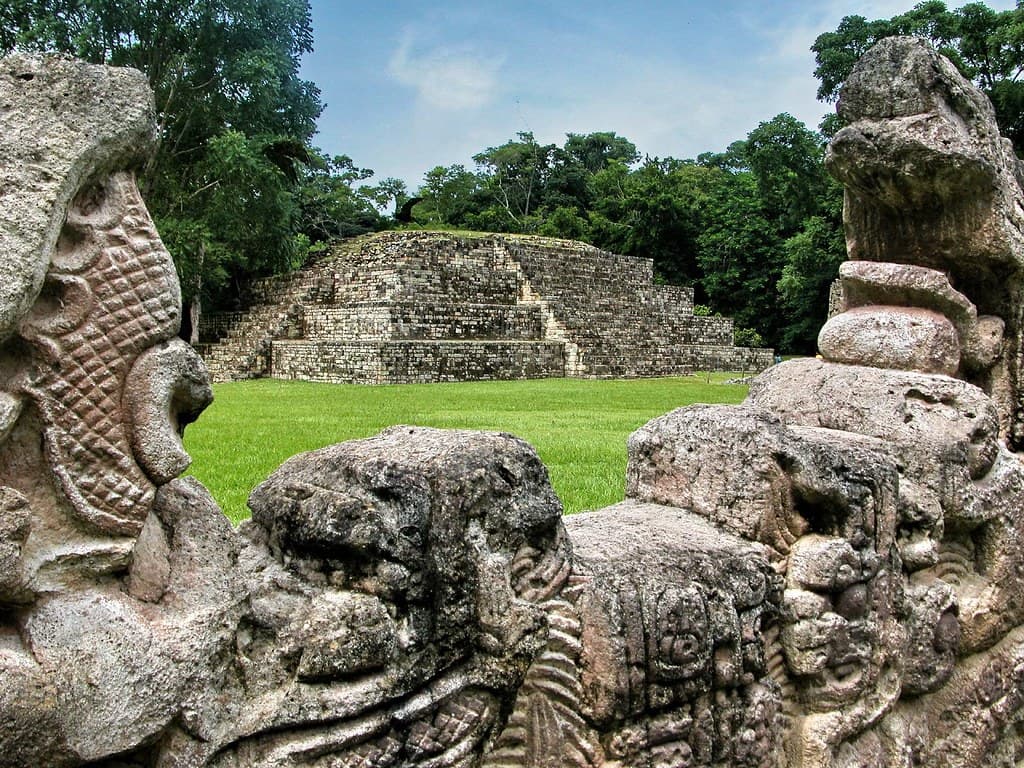
Maya Site of Copan
Copán Ruinas, Copán, Honduras
Copan stands where rulers enacted creation. For 400 years, Maya kings carved themselves as deities in elaborate stelae, believing the stone would hold their divine essence...

Megalithic Monuments of Alcalar
Portimão, Mexilhoeira Grande, Portimão, Faro / Algarve, Portugal
A roughly 10-hectare hilltop above the Algarve holds 17 to 18 megalithic tombs built and reused by Chalcolithic farming communities across more than a millennium, centered...

Menhir of Almendres
Évora, Nossa Senhora de Guadalupe, Évora, Évora / Alentejo, Portugal
Ninety-some granite monoliths, worn smooth by six thousand years of weather, stand in two overlapping ellipses among the cork oaks west of Évora....
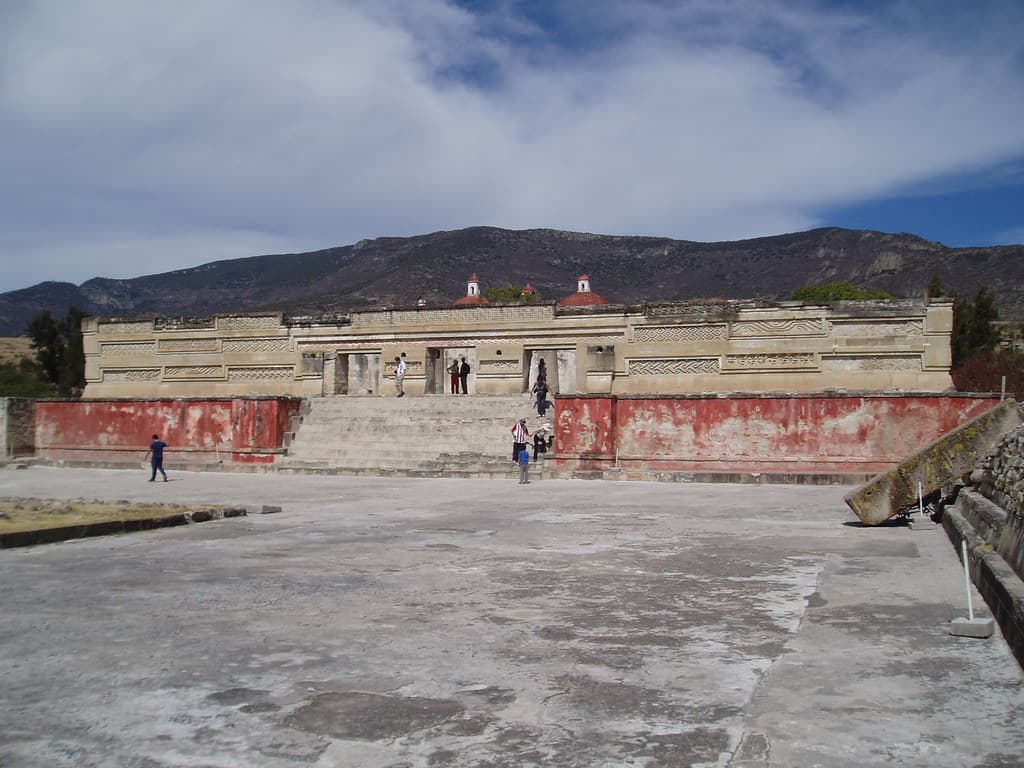
Mitla Archaeological Zone
San Pablo Villa de Mitla, Oaxaca, Mexico
Mitla—from the Nahuatl Mictlan, 'place of the dead'—served as the gateway between worlds for Zapotec civilization....
Showing 1-48 of 83 sites
Key questions
Archaeological Site sacred-site questions
- What archaeological site sacred sites are included?
- Archaeological Site sacred sites are places where this site type carries religious, ritual, cultural, or pilgrimage significance. This guide lists 83 in the current Pilgrim Map atlas.
- Where are these archaeological site sites located?
- Major country clusters include Peru, Portugal, Mexico, Turkey, Spain, Italy.
- Which traditions are represented?
- Traditions represented here include Pre-Columbian, Prehistoric/Megalithic, Ancient Roman, Ancient Greek and Roman, Indigenous, Christianity.
- Can I view archaeological site sacred sites on a map?
- Yes. Compare the country and tradition clusters, switch to map view for geography, then use site pages for practical context and related places.