Site type guide
Buddhist Temple
Buddhist Temple sites reveal how different traditions shape sacred space through architecture, landscape, ritual, and memory.
134 buddhist temple sacred sites. Use the country and tradition filters to narrow in.
Atlas summary
Buddhist Temple sacred sites overview
Buddhist Temple sacred sites span countries, traditions, pilgrimage routes, and sacred landscapes represented in the Pilgrim Map atlas.
Use this guide to compare major country clusters, represented traditions, UNESCO-tagged places, and the map distribution before opening individual site pages.
| Coverage | 134 buddhist temple sacred sites across the current atlas. |
|---|---|
| Major countries | |
| Traditions | |
| UNESCO heritage | 5 UNESCO-tagged buddhist temple sites appear in this browse view. |
By tradition
Refine the atlas
Search within buddhist temple sites
All sites
134
Showing 1-48 of 134 sites in this site-type guide

Akechi-ji (明智寺)
Yokoze, Japan
Akechi-ji is the ninth station of the Chichibu 34 Kannon Pilgrimage in Yokoze, Saitama....

Anko-ji
Japan
Ankō-ji is an independent Tendai temple founded in 775 CE by Prince Kaisei on a wooded hillside north of Takatsuki....
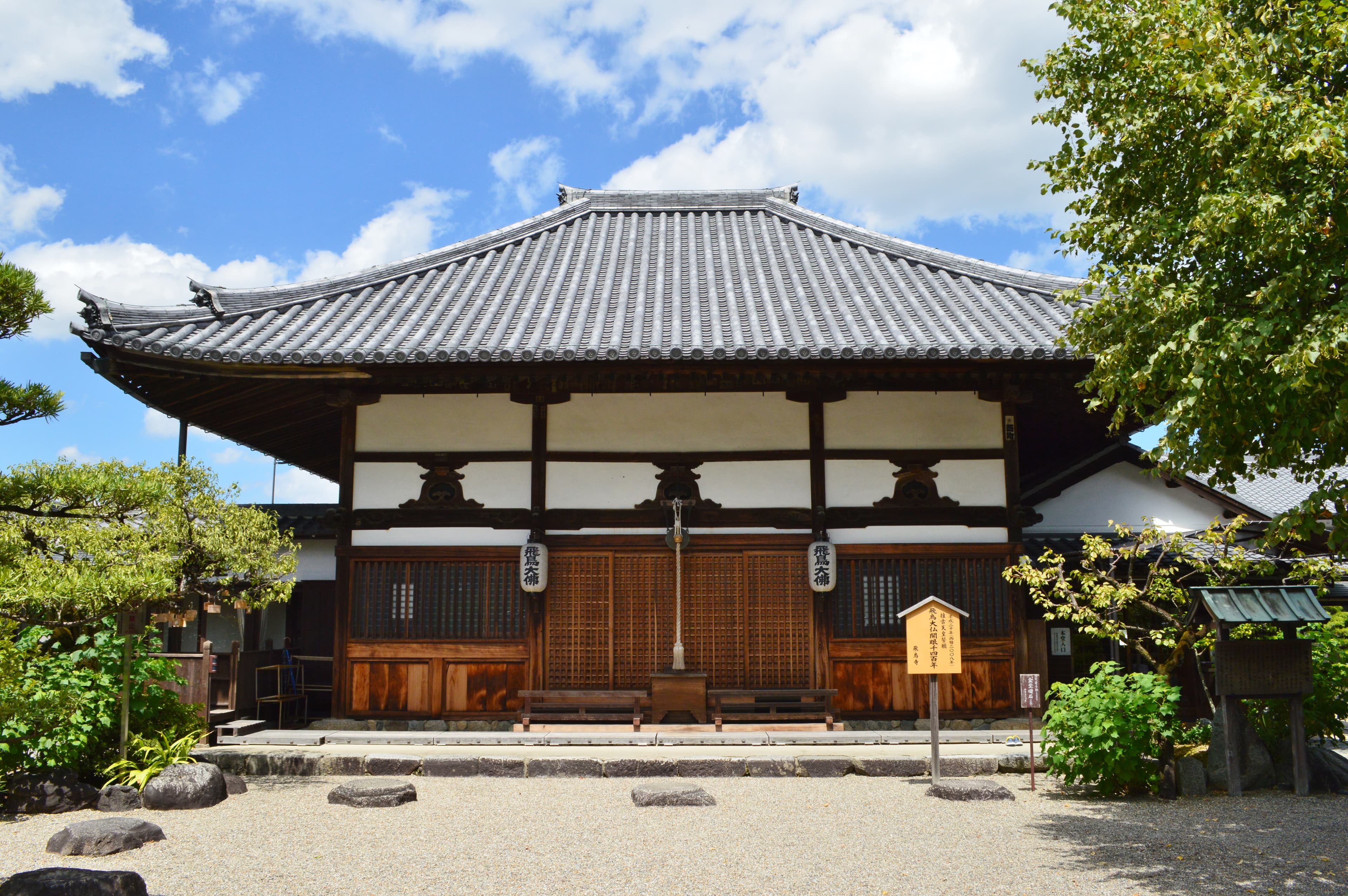
Asuka-dera
Asuka, Nara Prefecture, Japan
In a quiet valley surrounded by rice fields, Japan's oldest surviving Buddha statue has watched from the same location for over 1,400 years....

Biyun Temple, Baihe
Baihe, Tainan City, Baihe, Tainan City, Taiwan
Halfway up Pillow Mountain in the volcanic Guanziling hills, Biyun Temple has sheltered a Guanyin statue carried from Fujian since the turn of the eighteenth century....

Boku'un-ji (卜雲寺)
Yokoze, Japan
Boku'un-ji is the sixth station of the Chichibu 34 Kannon Pilgrimage in Yokoze, Saitama....

Borobudur
Desa Borobudur, Central Java, Indonesia
Rising from the Kedu Plain of Central Java, Borobudur is the world's largest Buddhist monument—a three-dimensional mandala carved in volcanic stone....

Boudhnath (Boudha)
Gokarneshwar Municipality, Bagamati Province, Nepal
Rising 36 meters above Kathmandu's northeastern sprawl, Boudhanath Stupa is one of the largest Buddhist stupas in the world and the most sacred Tibetan Buddhist site...

Buttsū-ji
Mihara, Japan
Buttsū-ji — Omoto-san Buttsū-ji — is the head temple (daihonzan) of the Buttsū-ji branch of Rinzai Zen, founded in 1397 by Kobayakawa Haruhira and Zen master Gucchū Shūkyū...

Chiba-dera
Chiba, Japan
Chiba-dera — also read Senyō-ji — is the 29th station of the Bandō Sanjūsankasho and Chiba City's oldest temple....
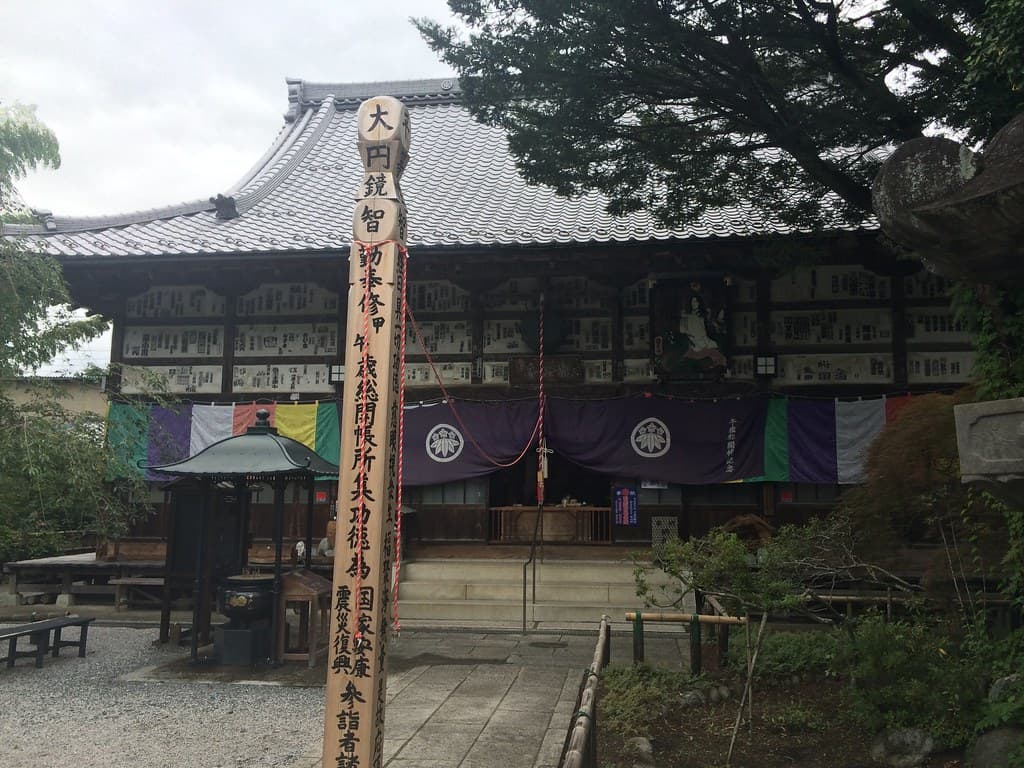
Chōsen-in (長泉院)
Chichibu, Japan
Chōsen-in — Sasado-san Chōsen-in — is the 29th station of the Chichibu 34 Kannon Pilgrimage, a Sōtō Zen temple in the Urayama River valley of Chichibu, Saitama....

Daien-ji (大渕寺)
Chichibu, Japan
Daien-ji — Ryūga-zan Daien-ji — is the 27th station of the Chichibu 34 Kannon Pilgrimage, a Sōtō Zen temple in the Kagemori valley of Chichibu, Saitama....

Daihōon-ji
Japan
Daihōon-ji, known popularly as Senbon Shakadō, holds Kyoto's oldest surviving wooden building inside the city limits — a 1227 National Treasure main hall that survived the...

Daiji-ji (大慈寺)
Yokoze, Japan
Daiji-ji, the tenth station of the Chichibu 34 Kannon Pilgrimage, is a Sōtō Zen temple founded in 1490 in the Yokoze hills....

Daisen-ji
Daisen, Japan
Daisen-ji, the 29th station of the Chūgoku 33 Kannon Pilgrimage, sits high on Mt. Daisen — at 1,729 meters the highest peak in the Chūgoku region....

Daiun-in
Tottori, Japan
Daiun-in in Tottori, the 33rd and final station of the Chūgoku 33 Kannon Pilgrimage, is the route's manzanji — the place where pilgrim journeys complete....

Daxian Temple, Baihe
Baihe, Tainan City, Baihe, Tainan City, Taiwan
Daxian Temple traces its founding to a Guanyin statue the monk Canche could not lift once he set it down at the foot of Pillow Mountain in 1701 — a monastery that has...

Dōji-dō (童子堂)
Chichibu, Japan
Dōji-dō is the twenty-second station of the Chichibu 34 Kannon Pilgrimage — literally 'Children's Hall,' a Shingon Buzan-ha temple where Kannon has been invoked for...

Dōjō-ji
Japan
Dōjō-ji is the oldest documented temple in Wakayama Prefecture, founded in 701 CE by the monk Gien at Emperor Monmu's command....

Eifuku-ji
Japan
Eifuku-ji at Taishi-chō, Osaka, guards the tomb of Prince Shōtoku — Japan's foundational royal patron of Buddhism — alongside his mother and consort in a single circular...

En'yū-ji (円融寺)
Chichibu, Japan
En'yū-ji is the twenty-sixth station of the Chichibu 34 Kannon Pilgrimage — a Rinzai Zen temple of the Kenchō-ji branch with an unusual feature: the Iwai-dō, a stage-built...

Enkō-ji (Myō-ō-in)
Fukuyama, Japan
Enkō-ji, also known as Myō-ō-in, sits on Atago-yama above the Kusado Sengen archaeological site in Fukuyama, Hiroshima....

Enpuku-ji (圓福寺)
Chōshi, Japan
Enpuku-ji is the 27th Bandō station and the easternmost stop of the eastern Kannon circuit....
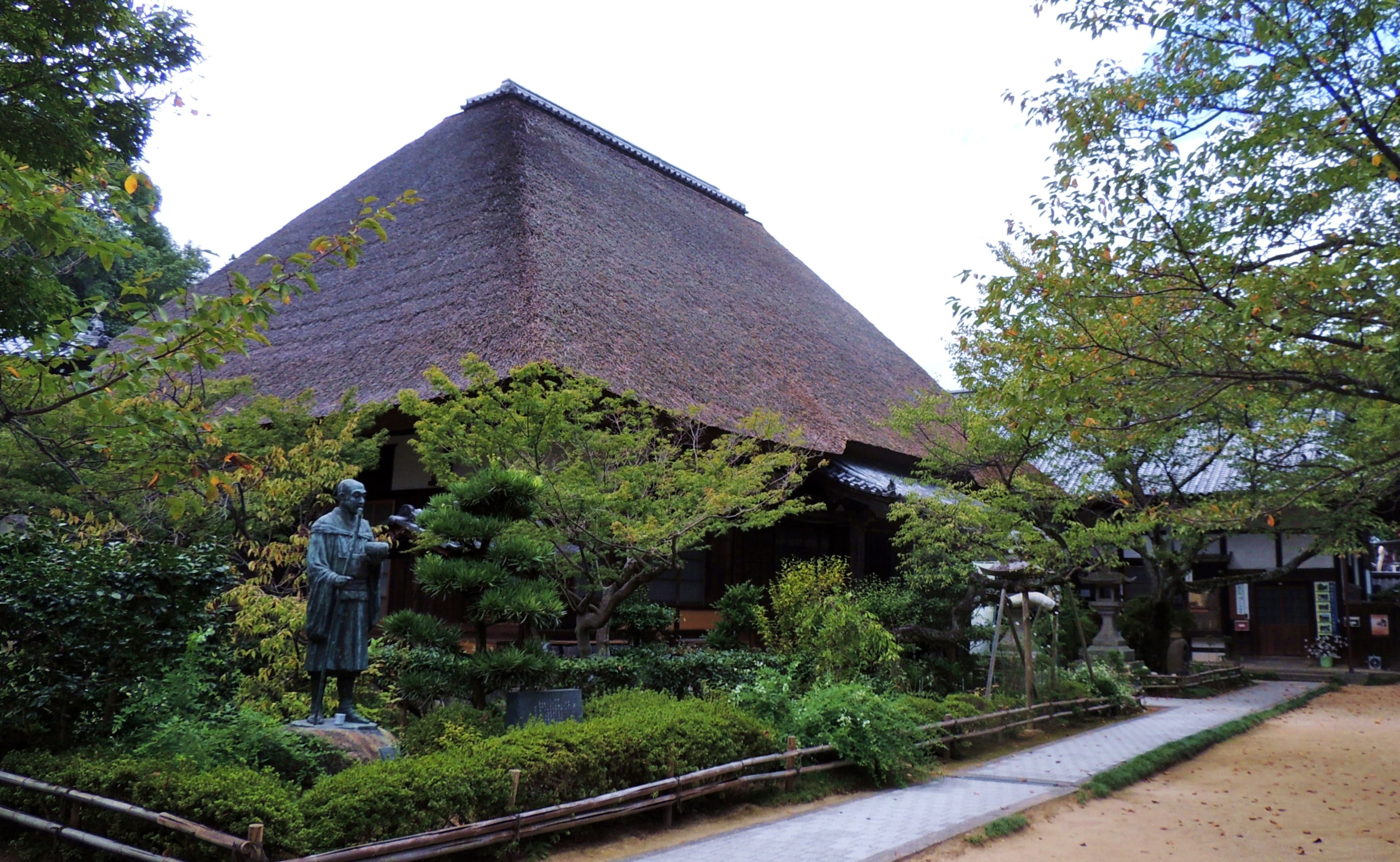
Entsū-ji
Kurashiki, Japan
Entsū-ji crowns a small mountain in Tamashima, Kurashiki, and serves as Chūgoku 33 Kannon Pilgrimage station #7....

Gakuen-ji (Ichijō-in)
Izumo, Japan
Gakuen-ji (Ichijō-in), the 25th station of the Chūgoku 33 Kannon Pilgrimage, occupies a steep forested ridge north of Izumo Taisha....

Gaya-in
Japan
Gaya-in, formally Ōtanizan Daikei-ji Gaya-in, is one of Hyōgo's most important Honzan Shugendō temples — a Tendai-affiliated branch of mountain ascetic Buddhism....
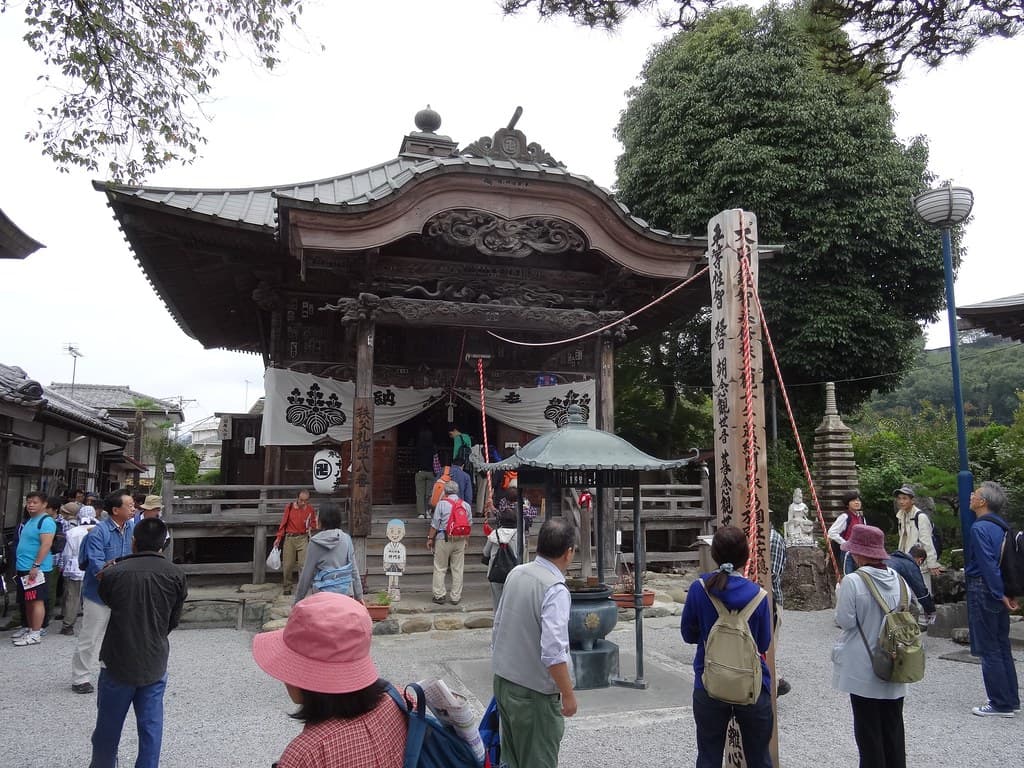
Gōdo-ji (神門寺)
Chichibu, Japan
Gōdo-ji, eighteenth station of the Chichibu 34 Kannon Pilgrimage, is a Sōtō Zen temple whose name 'Divine Gate' (神門) commemorates a stand of sakaki trees that once formed...

Goka-dō (語歌堂)
Yokoze, Japan
Goka-dō is the fifth station of the Chichibu 34 Kannon Pilgrimage in Yokoze, Saitama....

Haiyin Temple, Kinmen
Jinhu, Kinmen County, Jinhu, Kinmen County, Taiwan
Haiyin Temple sits near the summit of Mount Taiwu, Kinmen's highest point, where a Song-dynasty folk shrine gradually became one of the island's most significant Buddhist...

Hase-dera (長谷寺)
Sakurai, Nara Prefecture, Japan
Hase-dera in Kamakura is the fourth station of the Bandō Sanjūsankasho — a hillside temple above Yuigahama beach famous for its Eleven-Headed Kannon, a 9.18-metre gilded...

Hashidate-dō (橋立堂)
Chichibu, Japan
Hashidate-dō — Sekiryū-zan Hashidate-dō — is the 28th station of the Chichibu 34 Kannon Pilgrimage, a Sōtō Zen temple set beneath an eighty-metre limestone cliff in the...

Henshō-ji (Hōkai-in)
Okayama, Japan
Henshō-ji, also known as Hōkai-in, sits at the base of wooded Kongōsan in northern Okayama City....

Hōchō-ji (法長寺)
Yokoze, Japan
Hōchō-ji is the seventh station of the Chichibu 34 Kannon Pilgrimage in Yokoze, Saitama....
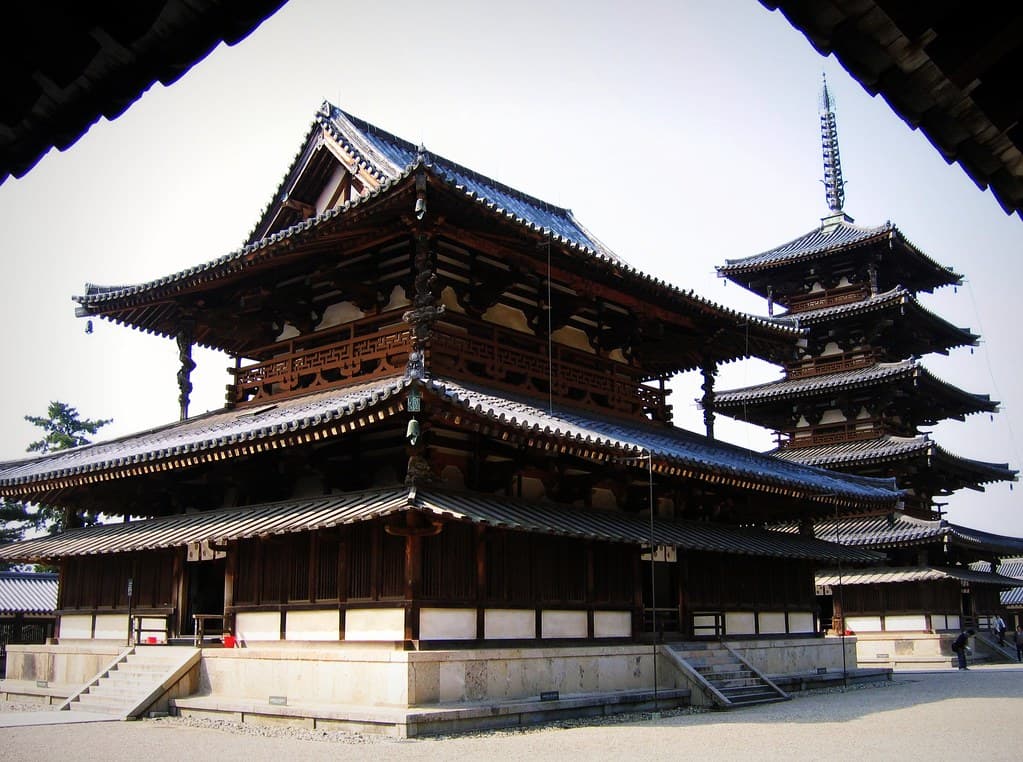
Horyuji
Ikaruga, Nara Prefecture, Japan
The pagoda and main hall of Hōryū-ji have stood for over 1,300 years—the oldest surviving wooden structures on earth....

Hōsen-ji (法泉寺)
Chichibu, Japan
Hōsen-ji is the twenty-fourth station of the Chichibu 34 Kannon Pilgrimage — a Rinzai Zen temple of the Nanzen-ji branch that, until the mid-19th century, was a Shugendō...

Hōshō-ji (法性寺)
Ogano, Japan
Hōshō-ji — Hannya-san Hōshō-ji — is the 32nd station of the Chichibu 34 Kannon Pilgrimage, a Sōtō Zen mountain temple in Ogano set against a sandstone cliff....

Houki-in Temple
Japan
Hōki-in is the Mt. Kōya sub-temple charged each year with carrying fresh monastic robes to Kōbō Daishi at the Okunoin mausoleum, where Kūkai is believed to remain in...

Hōun-ji (法雲寺)
Chichibu, Japan
Hōun-ji — Zuiryū-san Hōun-ji — is the 30th station of the Chichibu 34 Kannon Pilgrimage, founded in 1319 by the Kamakura Zen master Dōin (Dōon) of Kenchō-ji....

Ichihata-ji
Izumo, Japan
Ichihata-ji (Ichibata Yakushi), the 26th station of the Chūgoku 33 Kannon Pilgrimage, sits atop Mt. Ichihata above Lake Shinji....

Ikaruga-dera
Japan
Hyōgo Ikaruga-dera in Taishi-chō was founded by Prince Shōtoku in 606 CE on rice-paddy lands granted to him in Harima Province by Empress Suiko....

Imamiya-bō (今宮坊)
Chichibu, Japan
Imamiya-bō, fourteenth station of the Chichibu 34 Kannon Pilgrimage, is a Rinzai Zen temple of the Nanzen-ji branch on a site that was, for nearly a millennium, a single...

Iwanoue-dō (岩之上堂)
Chichibu, Japan
Iwanoue-dō is the twentieth station of the Chichibu 34 Kannon Pilgrimage, a Rinzai Zen hall of the Nanzen-ji branch perched on a bluff above the Arakawa river....

Jigen-ji (慈眼寺)
Chichibu, Japan
Jigen-ji, thirteenth station of the Chichibu 34 Kannon Pilgrimage, is a Sōtō Zen temple whose name — 'compassionate eyes' — is drawn from a verse of the Kannon Sutra....

Jodo-ji
Japan
Gokurakusan Jōdo-ji in Ono shelters two of the only Buddhist National Treasures in Hyōgo: the 1194 Jōdō-dō, a rare survival of Daibutsu-yō architecture, and Kaikei's...

Jōdo-ji (Daijōritsu-in)
Onomichi, Japan
Jōdo-ji crowns a hill above the Onomichi waterway and serves as Chūgoku 33 Kannon Pilgrimage station #9....

Jōraku-ji (常楽寺)
Chichibu, Japan
Jōraku-ji, eleventh station of the Chichibu 34 Kannon Pilgrimage, was the route's only Tendai temple through the Edo period before fire and Meiji-era reform reshaped it....

Jōrin-ji (定林寺)
Chichibu, Japan
Jōrin-ji, seventeenth station of the Chichibu 34 Kannon Pilgrimage, is a small Sōtō Zen temple founded as an act of warrior repentance....
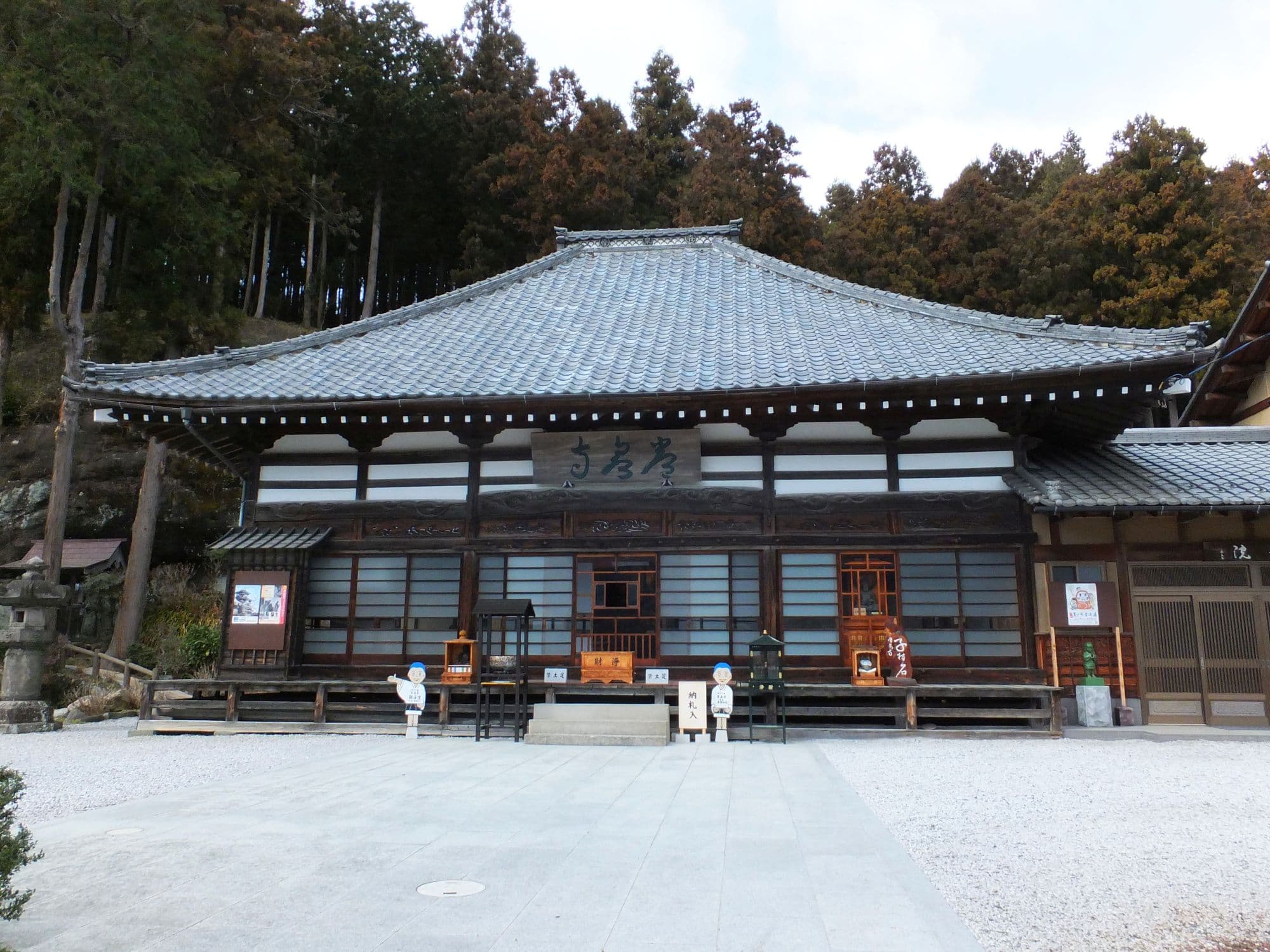
Jōsen-ji (常泉寺)
Chichibu, Japan
Jōsen-ji is the third station of the Chichibu 34 Kannon Pilgrimage in Saitama, Japan....

Kabusan-ji
Japan
Kabusan-ji is a Tendai mountain temple in the hills north of Takatsuki, traditionally founded by En no Gyōja in 697 CE and held to be the place where Bishamonten was first...
Showing 1-48 of 134 sites
Key questions
Buddhist Temple sacred-site questions
- What buddhist temple sacred sites are included?
- Buddhist Temple sacred sites are places where this site type carries religious, ritual, cultural, or pilgrimage significance. This guide lists 134 in the current Pilgrim Map atlas.
- Where are these buddhist temple sites located?
- Major country clusters include Japan, Taiwan, Laos, Bangladesh, Bhutan, Indonesia.
- Which traditions are represented?
- Traditions represented here include Buddhism.
- Can I view buddhist temple sacred sites on a map?
- Yes. Compare the country and tradition clusters, switch to map view for geography, then use site pages for practical context and related places.