Tradition guide
Shinto
Shinto sacred sites often center on kami, forests, mountains, water, gates, seasonal ritual, and shrine landscapes woven into local life.
148 sacred places share this lineage. Use the country links to narrow in.
Atlas summary
Shinto sacred sites overview
Shinto sacred sites connect places through shared lineage, ritual use, memory, and pilgrimage practice across the Pilgrim Map atlas.
Use this page to compare country clusters, common place types, UNESCO-tagged landmarks, and the map distribution before exploring individual site pages.
Dates connected to Shinto
Upcoming festivals, feast days, and pilgrimages tied to Shinto. Add any to your calendar, or see the full observance calendar.
Refine the atlas
Related Shinto guides
Showing 1-48 of 148 sites in this tradition guide
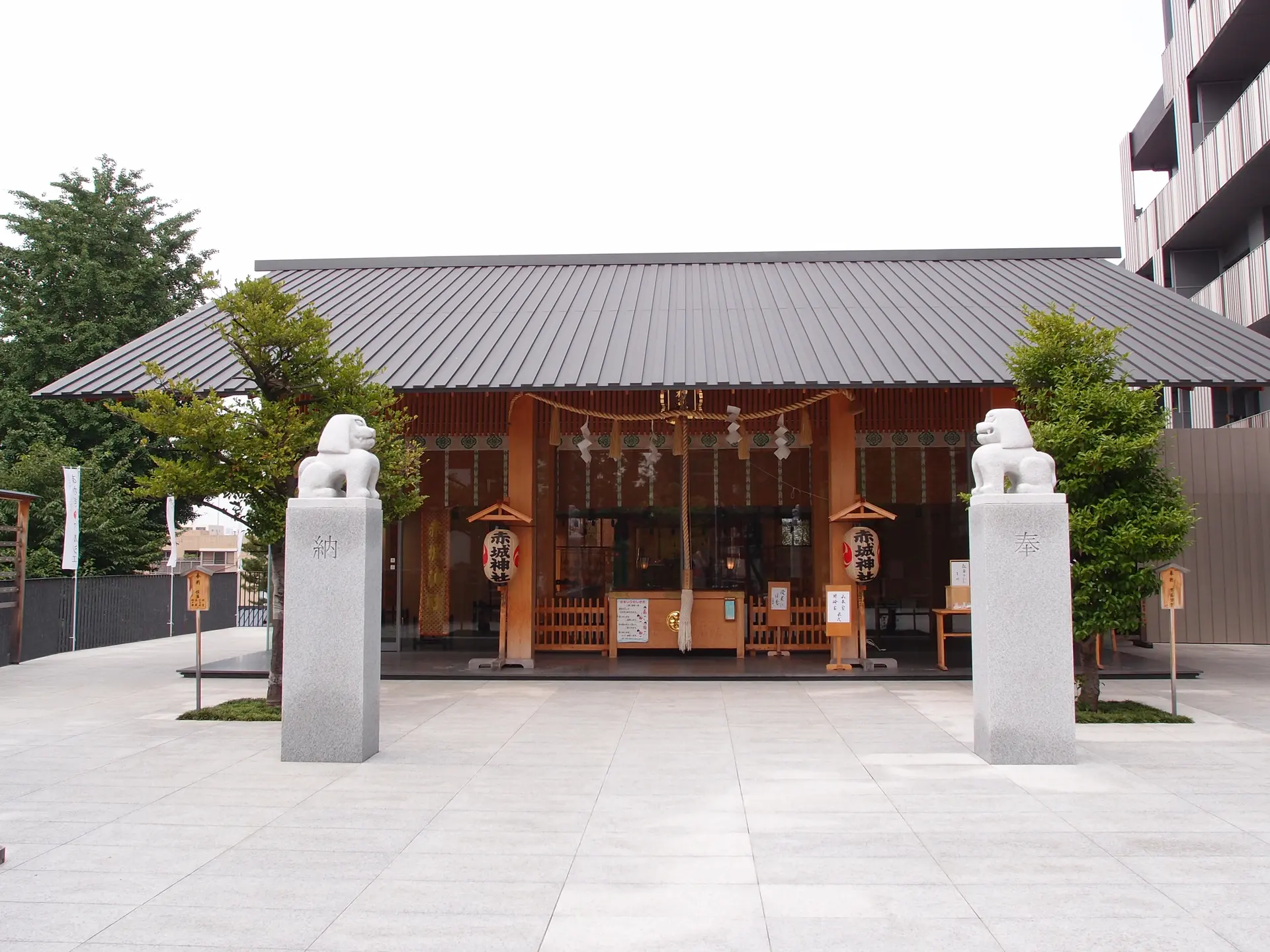
Akagi Shrine
Shinjuku City, Tokyo, Japan
Akagi Shrine (赤城神社) is an active Shinto sacred place in Tokyo. The record is grounded in an exact Google Place ID, nearby coordinates, institutional or reference evidence,...
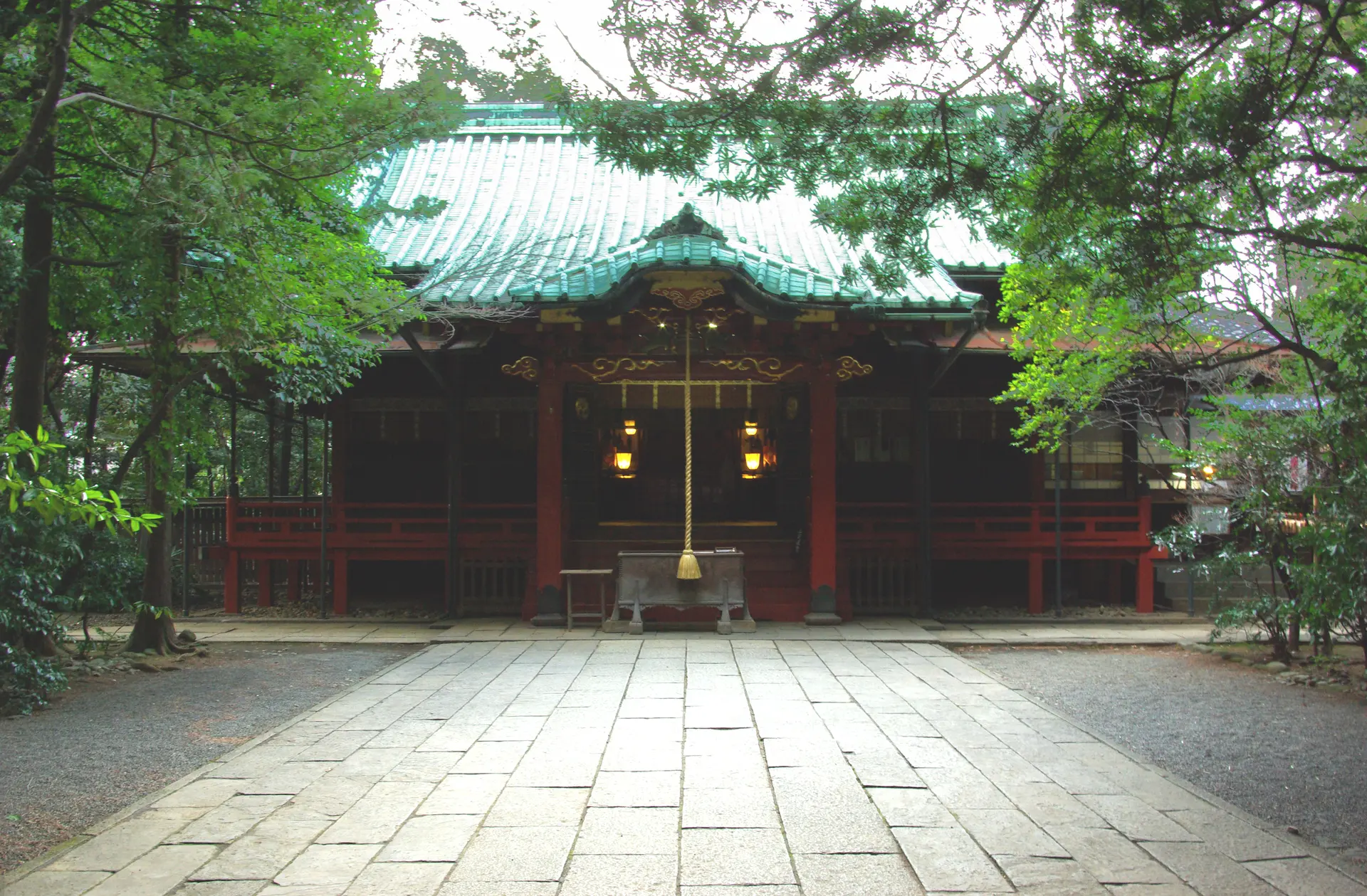
Akasaka Hikawa Shrine
Minato City, Tokyo, Japan
Akasaka Hikawa Shrine (赤坂氷川神社) is an active Shinto sacred place in Tokyo. The record is grounded in an exact Google Place ID, nearby coordinates, institutional or...
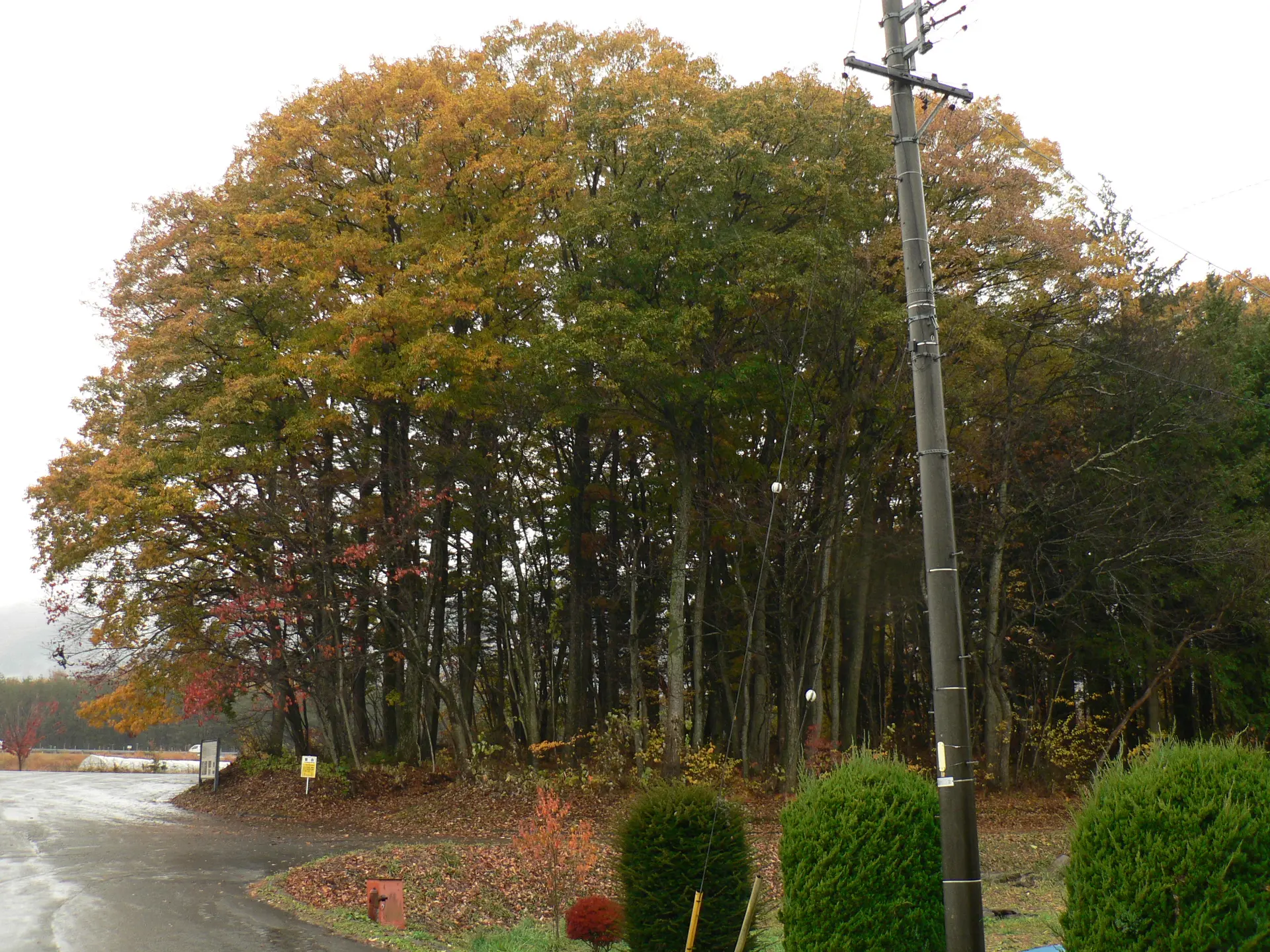
Akyū Ruins
Hara, Nagano Prefecture, Japan
Six thousand years ago, the Jomon people gathered here to tend sacred fires beneath the gaze of Mount Tateshina....
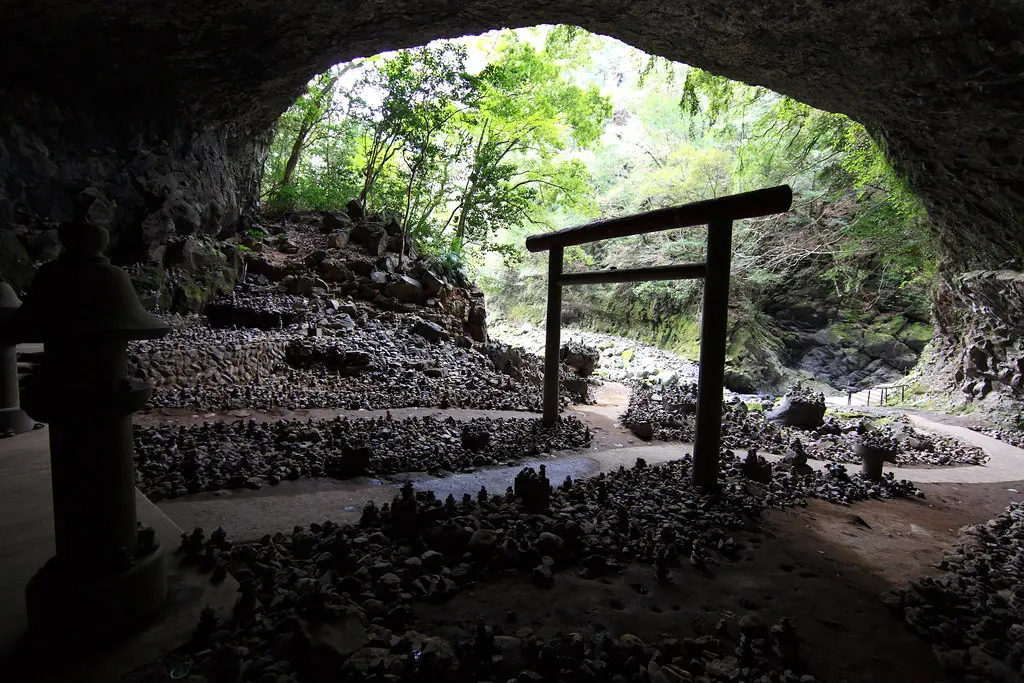
Amanoiwato Shrine
Takachiho, Miyazaki Prefecture, Japan
In a forested gorge in Kyushu's Takachiho region, pilgrims have gathered for centuries at the cave where Amaterasu, the sun goddess and ancestress of Japan's Imperial...
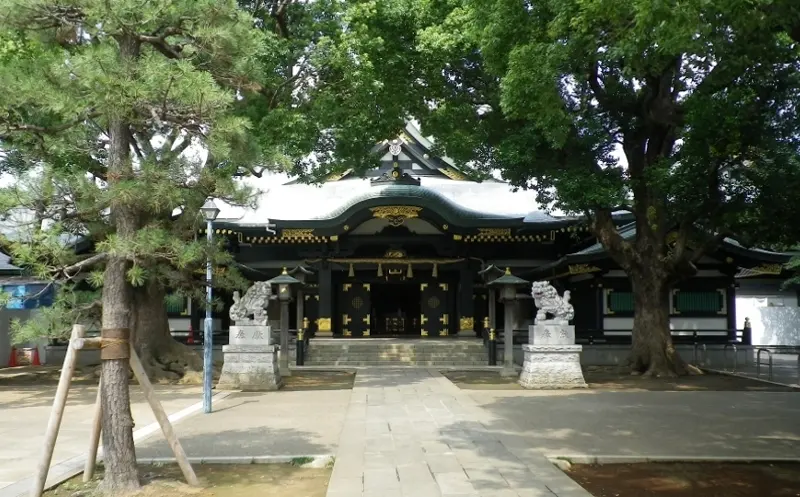
Ana-hachimangu Shrine
Shinjuku City, Tokyo, Japan
Ana-hachimangu Shrine (穴八幡宮) is an active Shinto sacred place in Tokyo. The record is grounded in an exact Google Place ID, nearby coordinates, institutional or reference...
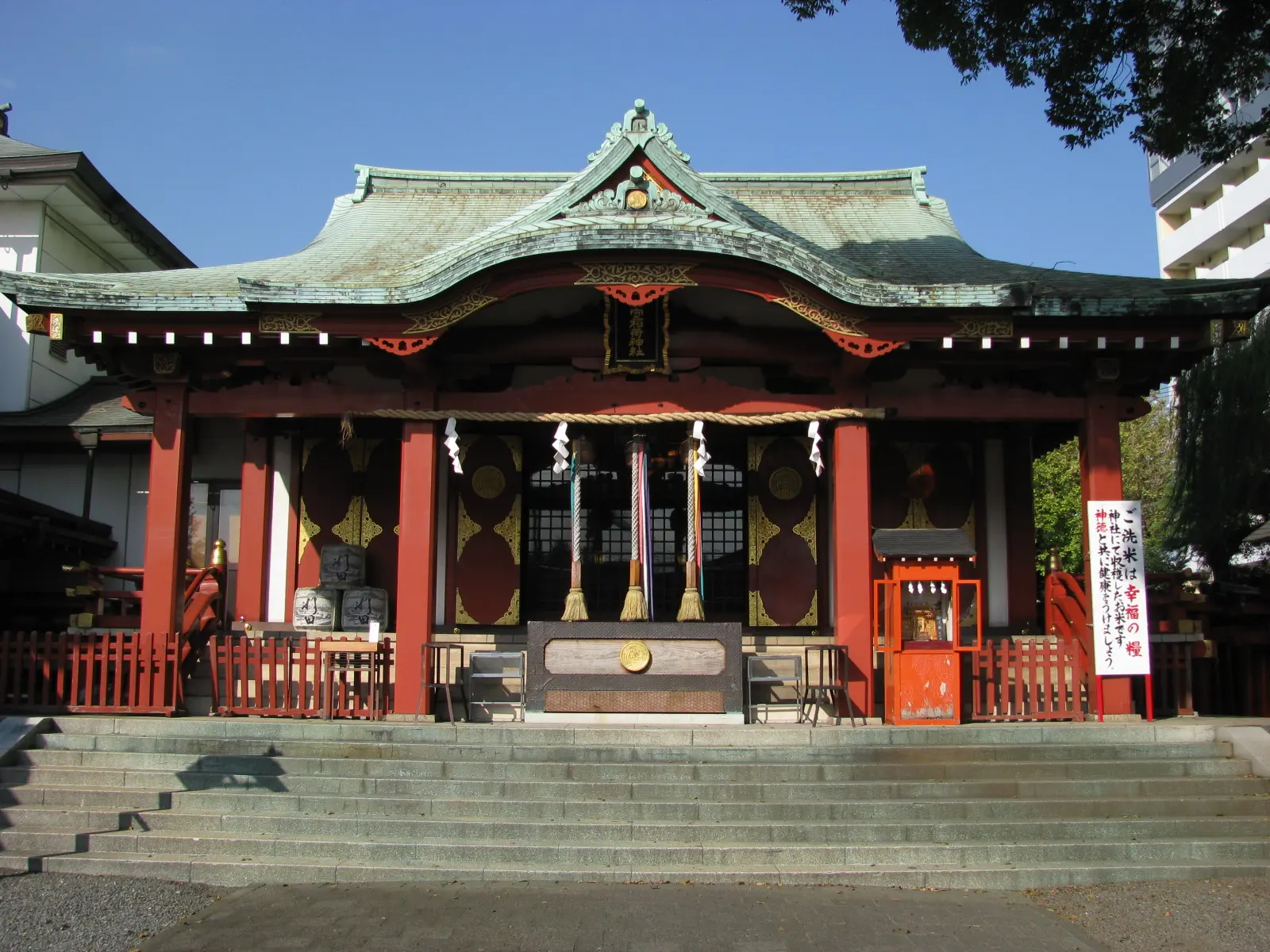
Anamori Inari Shrine
Ota City, Tokyo, Japan
Anamori Inari Shrine (穴守稲荷神社) is an active Shinto sacred place in Tokyo. The record is grounded in an exact Google Place ID, nearby coordinates, institutional or reference...
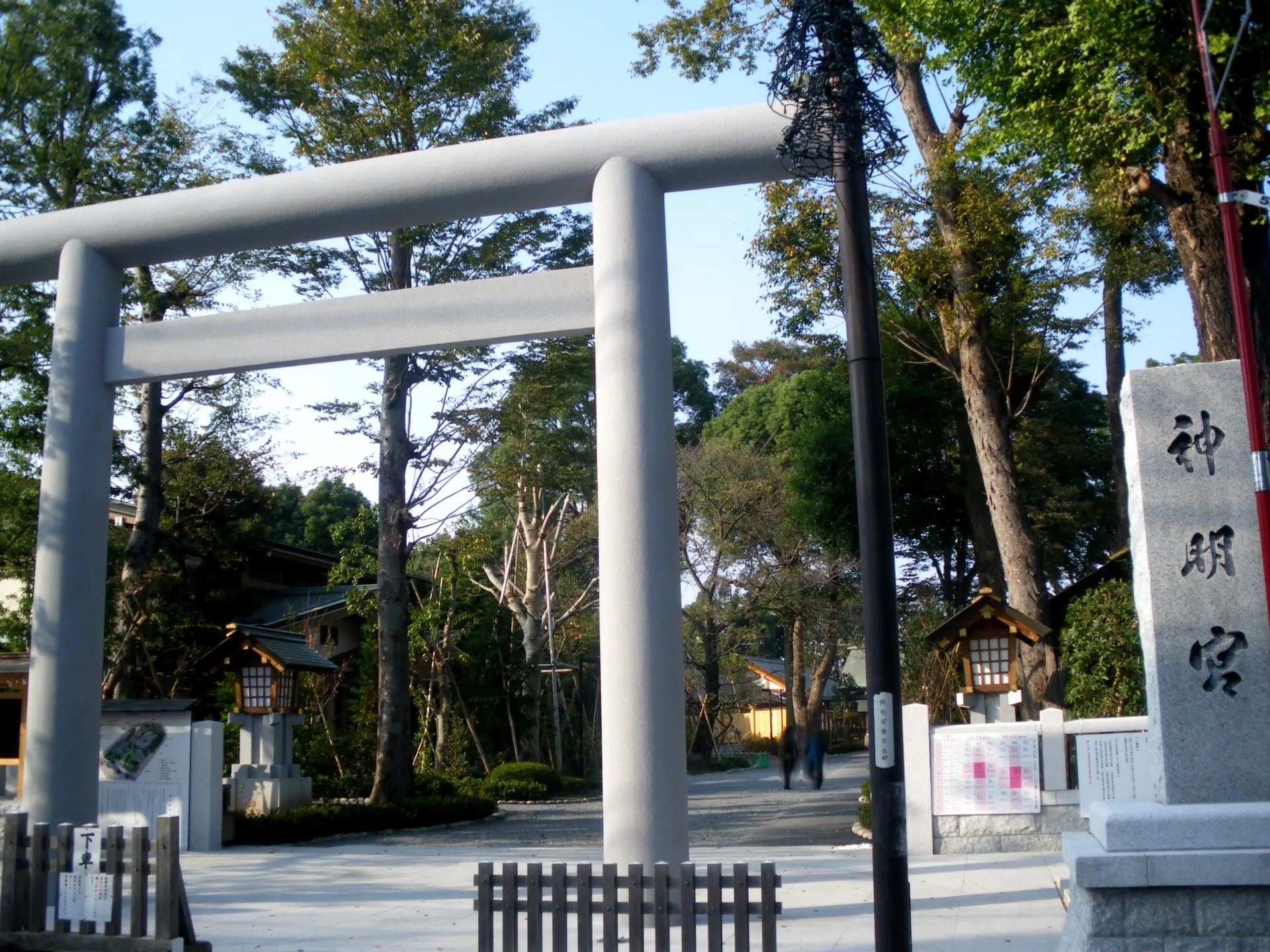
Asagaya Shinmeigū
Suginami City, Tokyo, Japan
Asagaya Shinmeigū (阿佐ヶ谷神明宮) is an active Shinto sacred place in Tokyo. The record is grounded in an exact Google Place ID, nearby coordinates, institutional or reference...
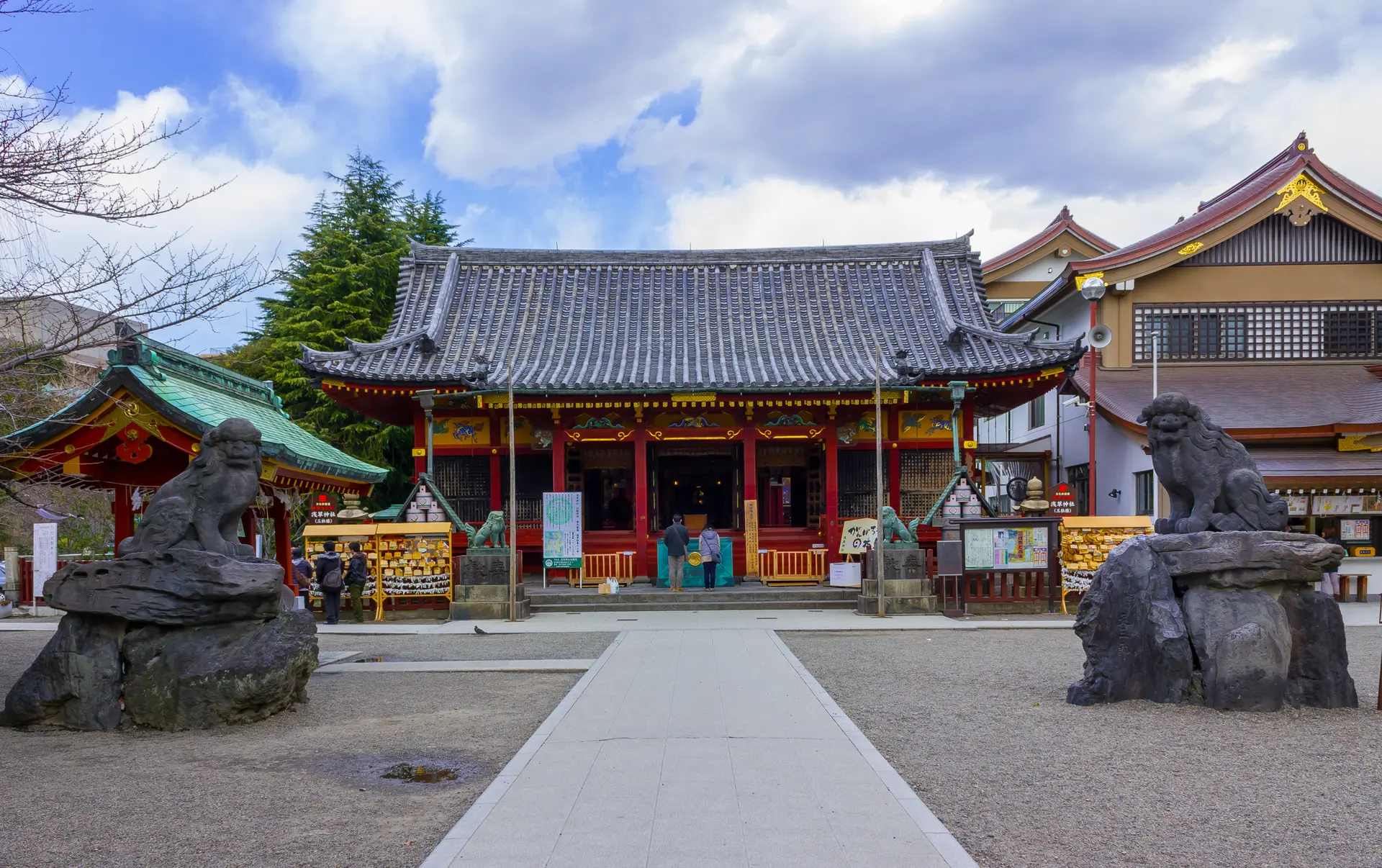
Asakusa Shrine
Taito City, Tokyo, Japan
Asakusa Shrine (浅草神社) is an active Shinto sacred place in Tokyo. The record is grounded in an exact Google Place ID, nearby coordinates, institutional or reference...
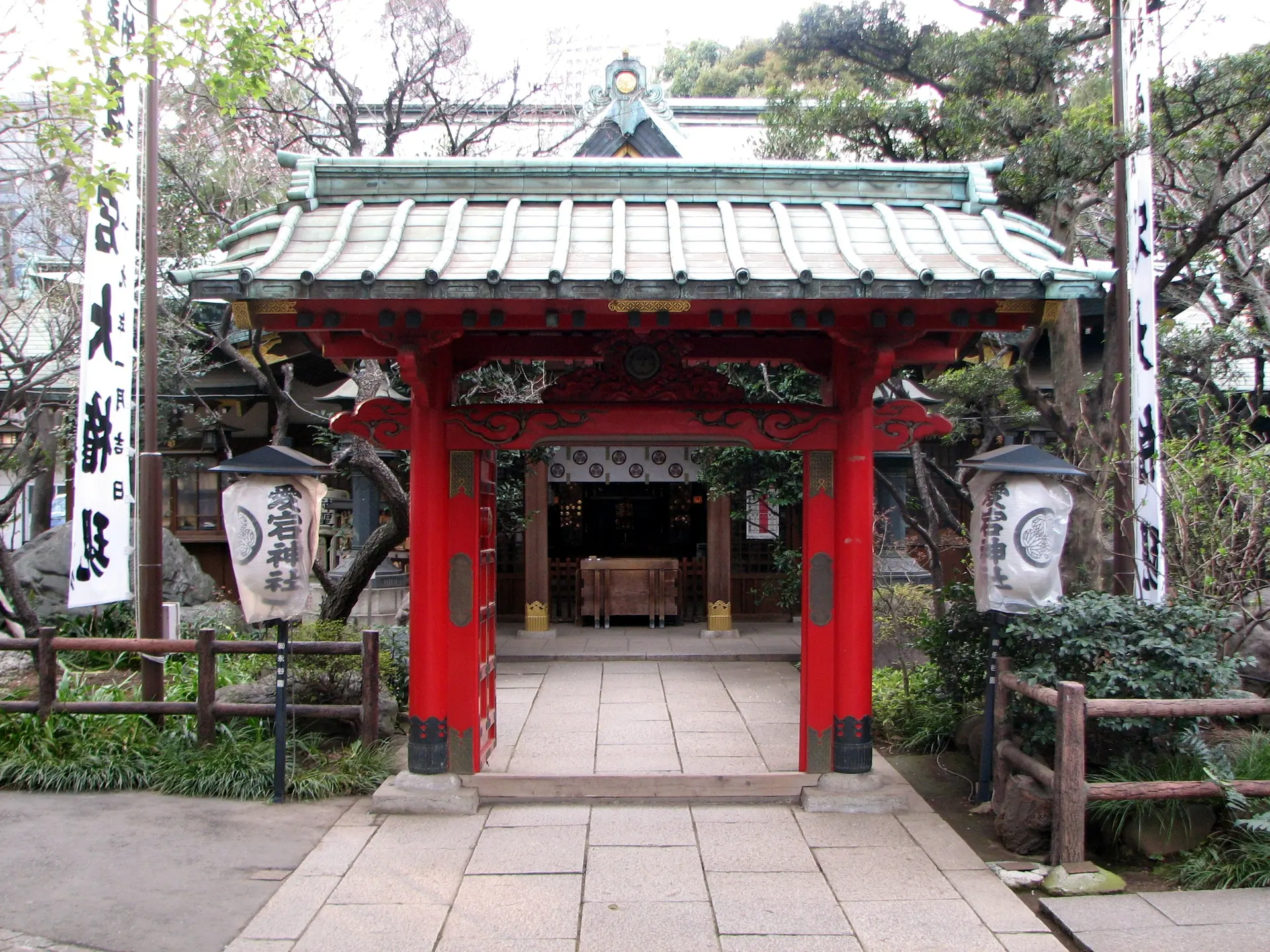
Atago Jinja
Minato City, Tokyo, Japan
Atago Jinja (愛宕神社) is an active Shinto sacred place in Tokyo. The record is grounded in an exact Google Place ID, nearby coordinates, institutional or reference evidence,...
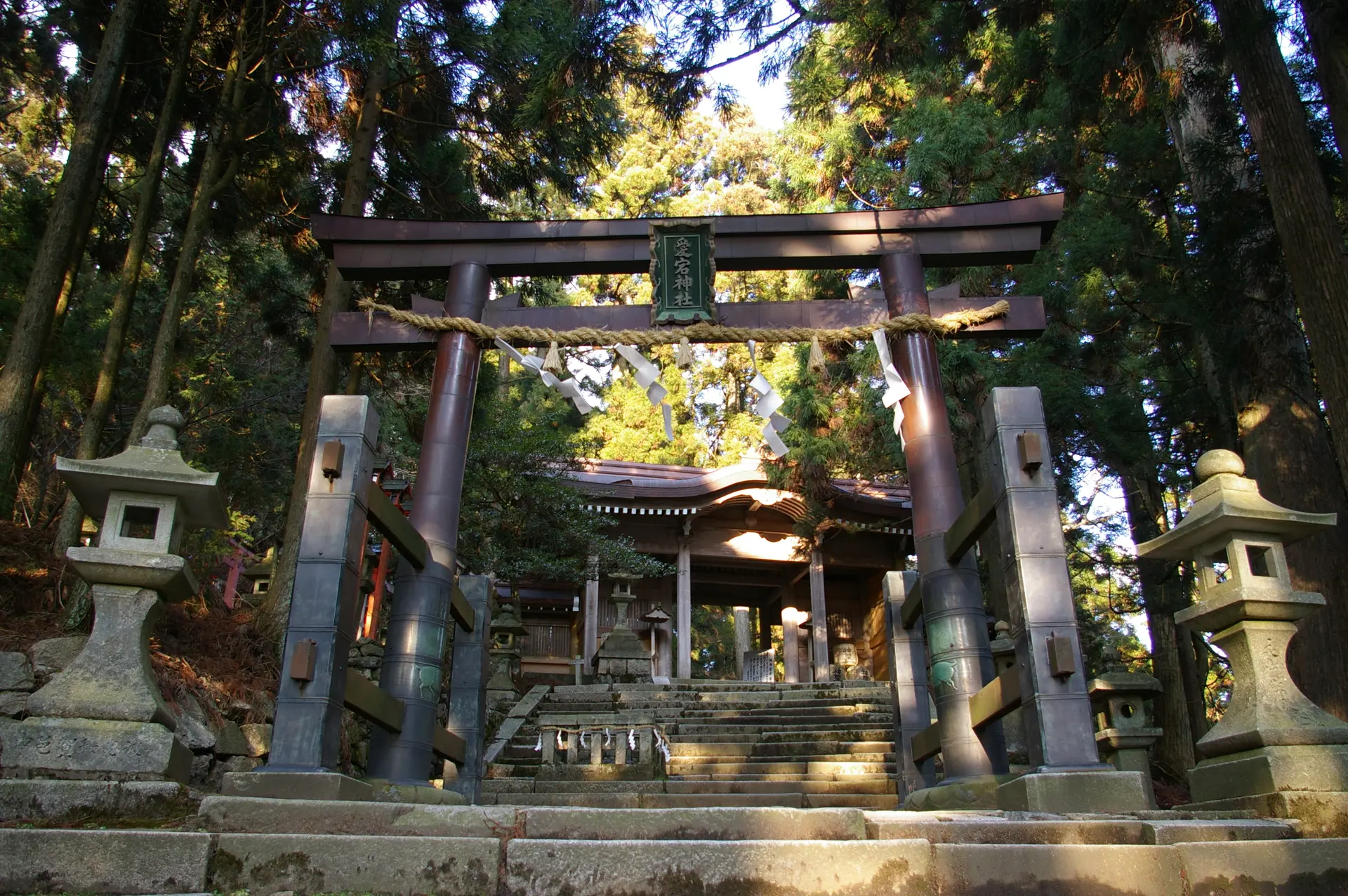
Atago Shrine (Atago Jinja)
Part of Mt. Atago
Kyoto, Kyoto Prefecture, Japan
Atago Shrine crowns Mount Atago at 924 meters, the highest point surrounding Kyoto....
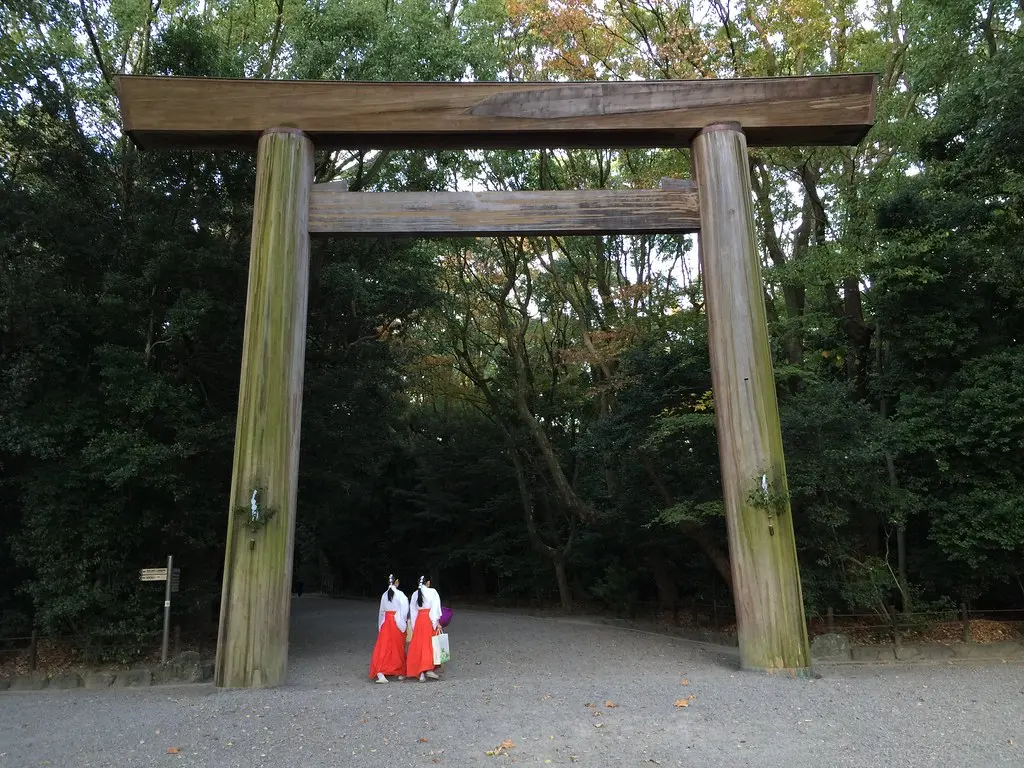
Atsuta Shrine
Nagoya, Aichi Prefecture, Japan
Atsuta Shrine houses Kusanagi-no-tsurugi, the Grass-Cutting Sword—one of three sacred objects that legitimize Japan's Imperial throne....

Awashima Shrine, Kada
Wakayama, Japan
Awashima Shrine in Kada, Wakayama, is associated with women’s prayers, including conception and childbirth. Dolls dedicated by visitors fill its vivid shrine setting....

Ayahiro Falls
Mount Mitake, Tokyo, Japan
Ayahiro Falls lies within Mount Mitake's religious landscape in western Tokyo. Its association with Musashi Mitake Shrine gives the small waterfall a purpose beyond its...
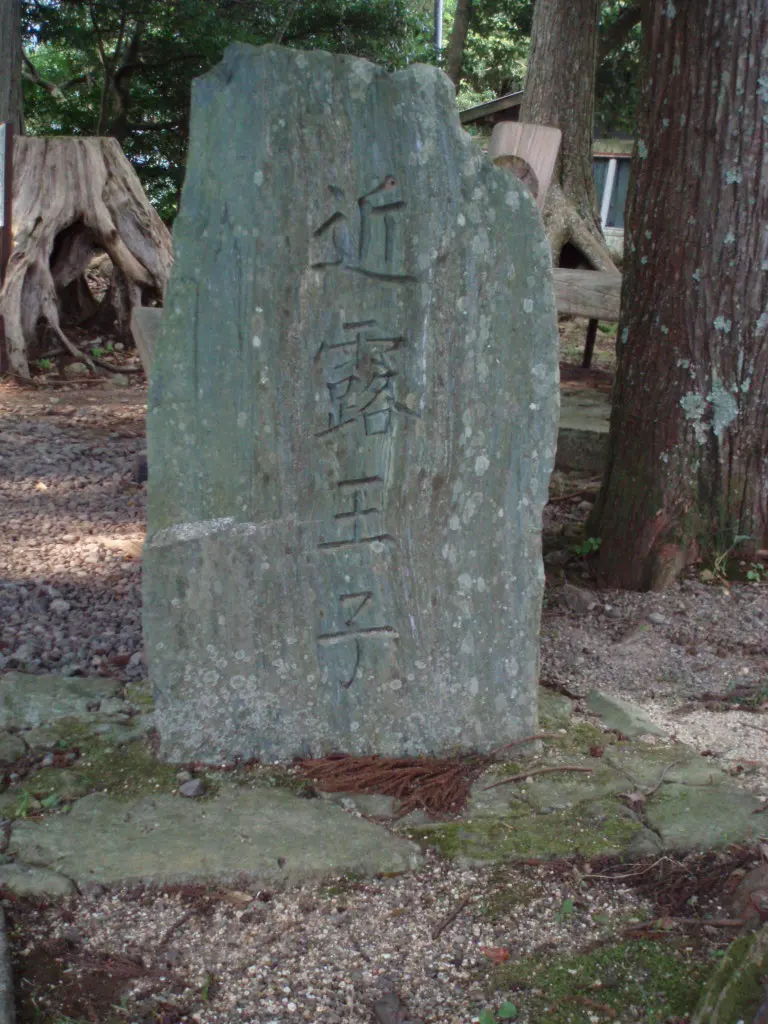
Chikatsuyu-oji
Tanabe, Wakayama Prefecture, Japan
Chikatsuyu-oji (近露王子) is an old oji beside the Hiki River where historical pilgrims performed cold-water purification on the Nakahechi section of the Kumano Kodo....
Chinkaiseki Hachimangu
Itoshima, Fukuoka, Japan
At Chinkaiseki Hachimangu in Itoshima, childbirth prayers are linked to sacred stones and the story of Empress Jingu. The shrine overlooks the Genkai Sea.

Dazaifu Tenmangu
Dazaifu, Fukuoka Prefecture, Japan
Dazaifu Tenmangu, stands in Dazaifu. At Dazaifu Tenmangu, Shinto guides custody. Prayer at Dazaifu Tenmangu addresses Tenjin, the deified Sugawara no Michizane....

Dōgo Onsen
Matsuyama, Ehime, Japan
Dōgo’s bathhouse is a public institution with a sacred narrative beside it.
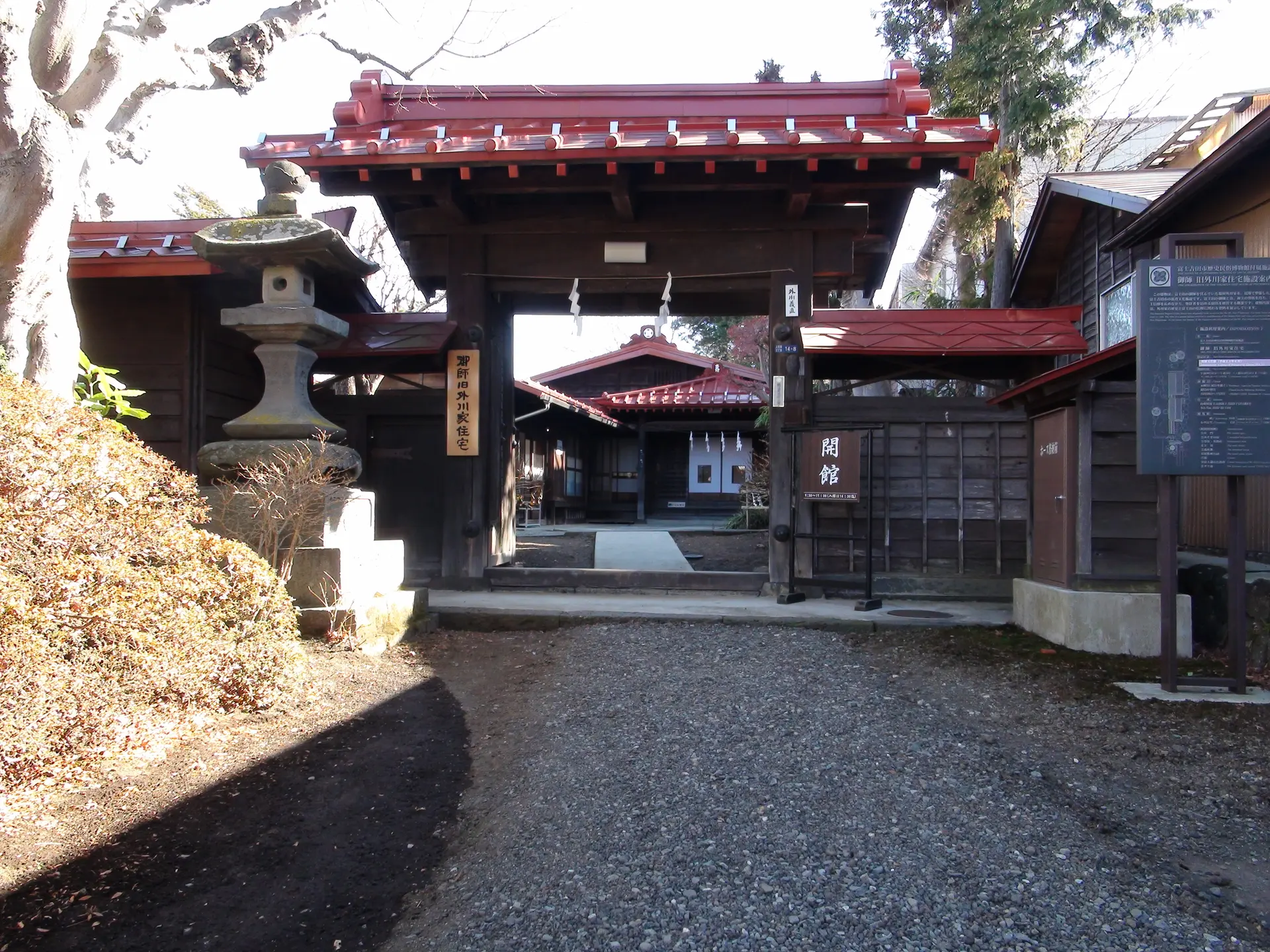
Former Togawa Oshi House
Fujiyoshida, Yamanashi Prefecture, Japan
Former Togawa Oshi House (旧外川家住宅) is a preserved oshi pilgrim-lodging house in Fujiyoshida associated with receiving, guiding, and ritually preparing Fuji-ko pilgrims.
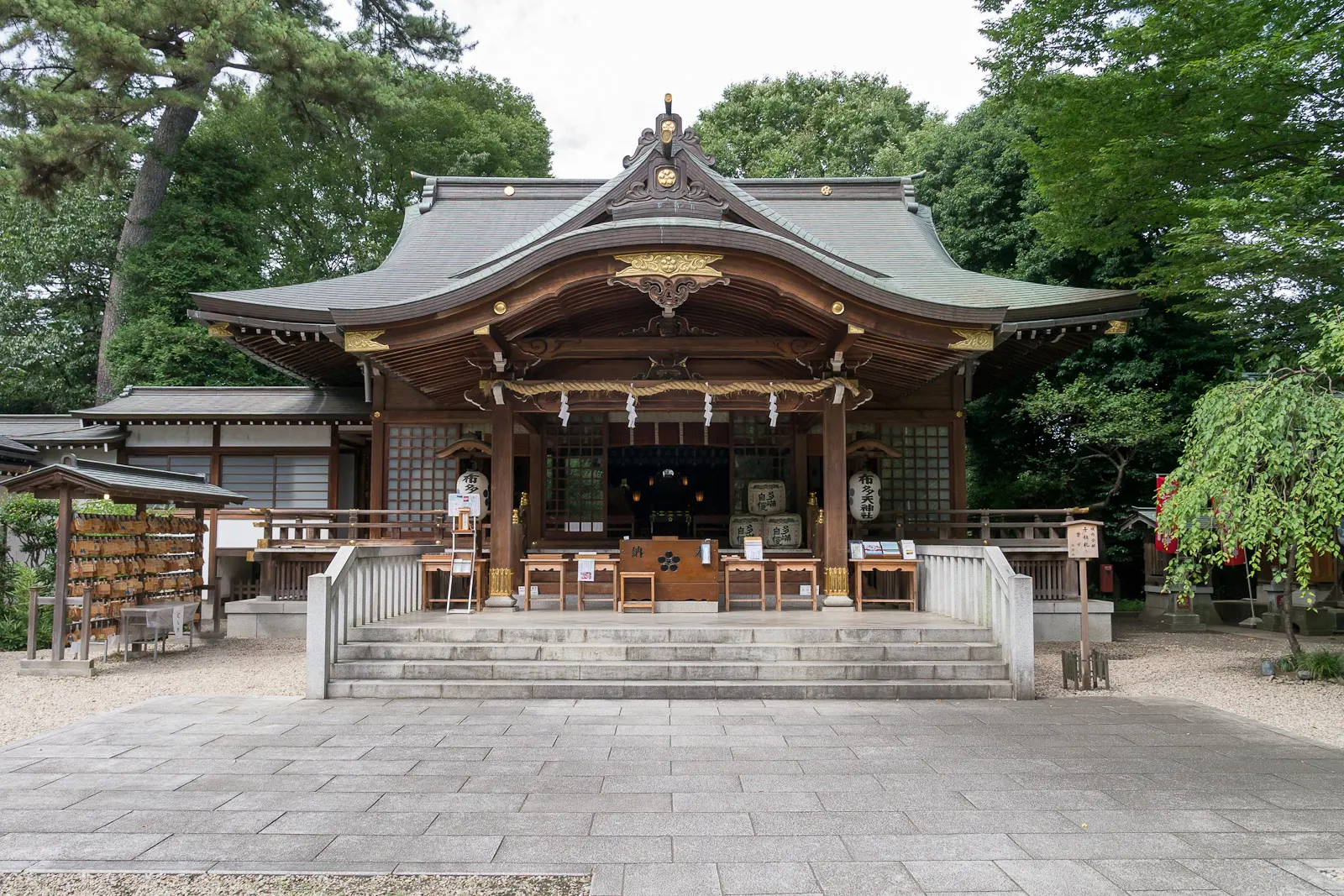
Fuda Tenjin-sha
Chōfugaoka, Tokyo, Japan
Fuda Tenjin-sha (布多天神社) is an active Shinto sacred place in Tokyo. The record is grounded in an exact Google Place ID, nearby coordinates, institutional or reference...

Fugoppe Cave
Yoichi, Hokkaido, Japan
Carved into the walls of a small sea-facing cave near Yoichi, approximately 800 petroglyphs have puzzled scholars since their discovery in 1950....
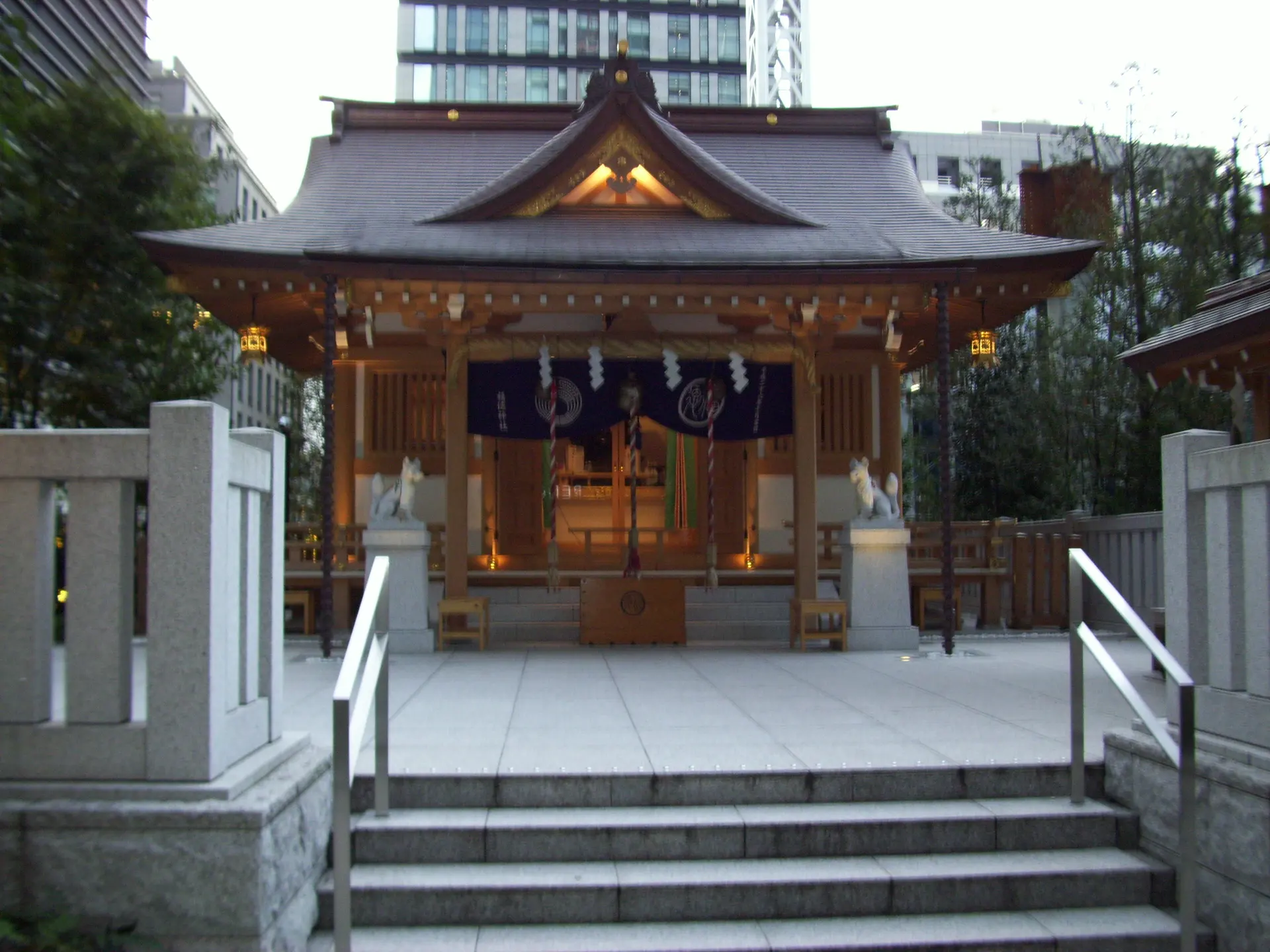
Fukutoku Shrine
Nihonbashimuromachi, Tokyo, Japan
Fukutoku Shrine (福徳神社(芽吹稲荷)) is an active Shinto sacred place in Tokyo. The record is grounded in an exact Google Place ID, nearby coordinates, institutional or reference...
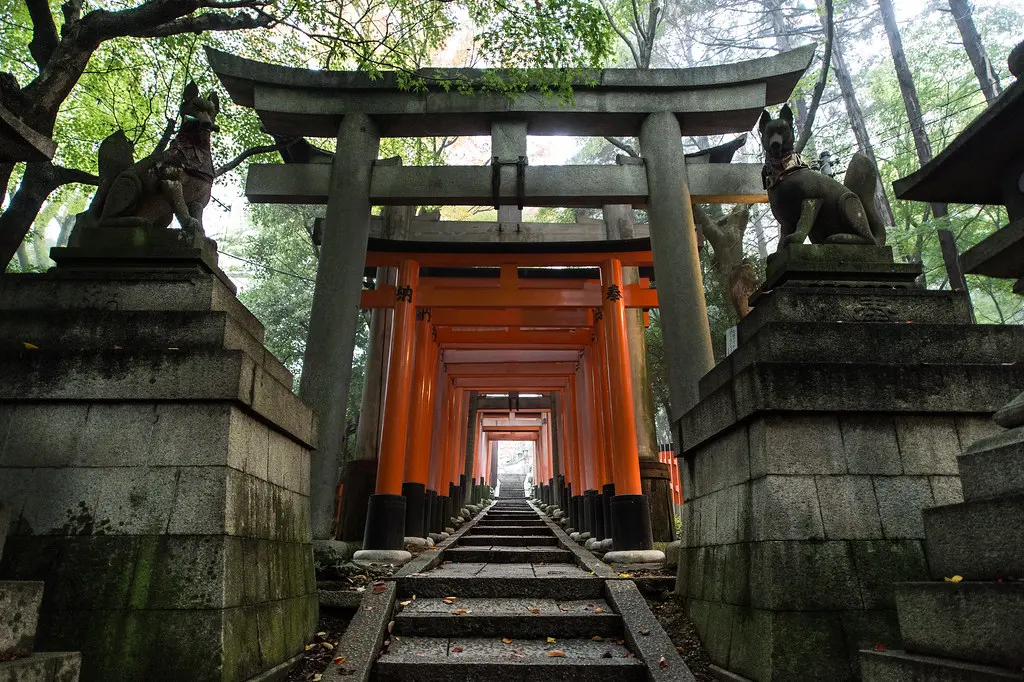
Fushimi Inari-taisha
Kyoto, Kyoto Prefecture, Japan
Since 711 CE, pilgrims have climbed sacred Mount Inari through tunnels of vermilion torii gates—each one donated by someone whose prayers were answered, or who hoped they...
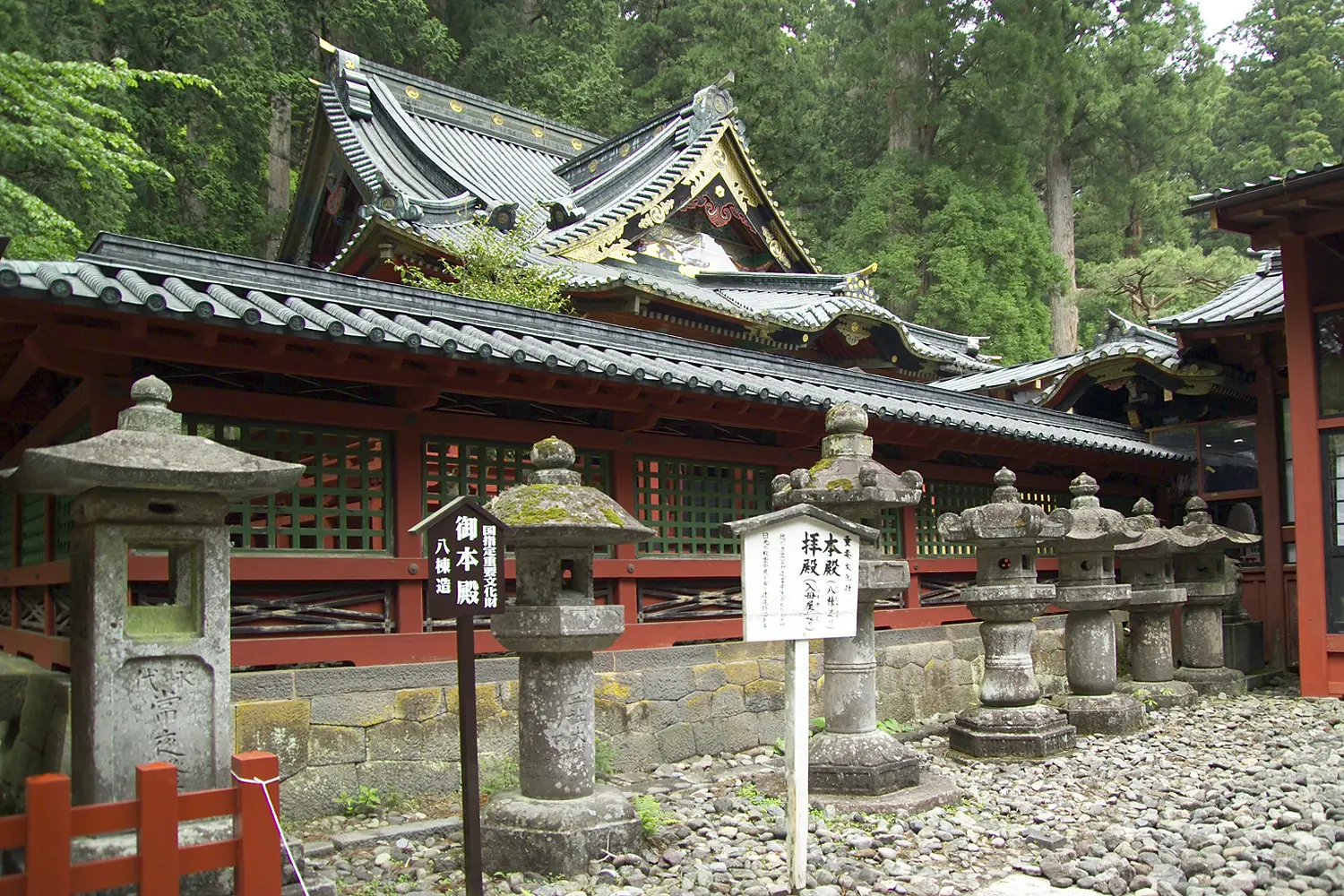
Futarasan Shrine (Nikkō Futarasan Jinja)
Nikko, Tochigi Prefecture, Japan
Futarasan Shrine connects three sacred spaces in a vertical axis of worship: the main shrine at the base of Mount Nantai, the Chuguji by Lake Chuzenji, and the summit...

Gokonomiya Shrine
Kyoto, Japan
Gokonomiya Shrine in Kyoto’s Fushimi district combines devotion to Empress Jingu with a story of fragrant spring water....

Goshono Site
Ichinohe, Iwate Prefecture, Japan
For forty generations, Jomon communities gathered at this river terrace to tend their dead and feed their fires....
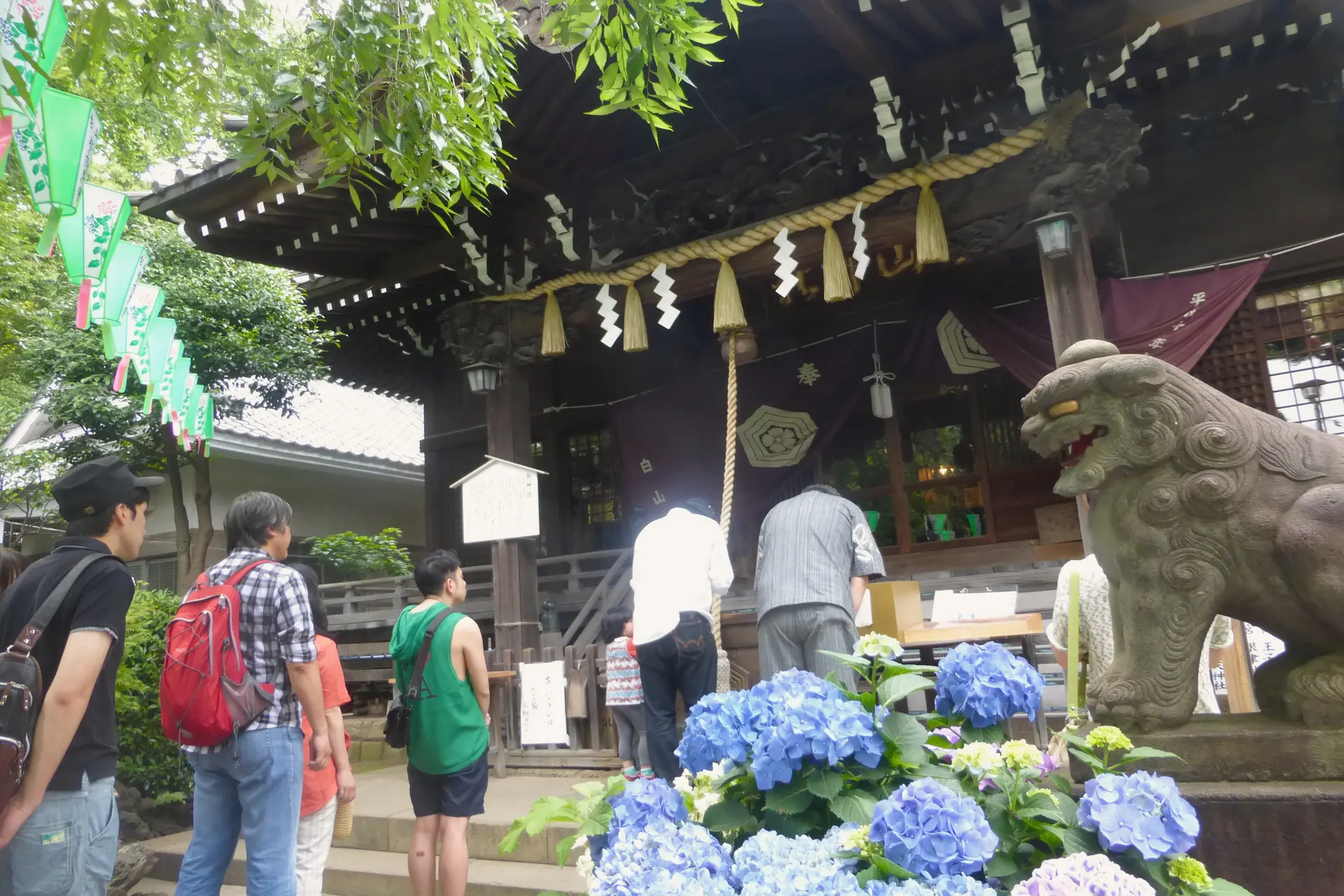
Hakusan Shrine
Bunkyo City, Tokyo, Japan
Hakusan Shrine (白山神社) is an active Shinto sacred place in Tokyo. The record is grounded in an exact Google Place ID, nearby coordinates, institutional or reference...
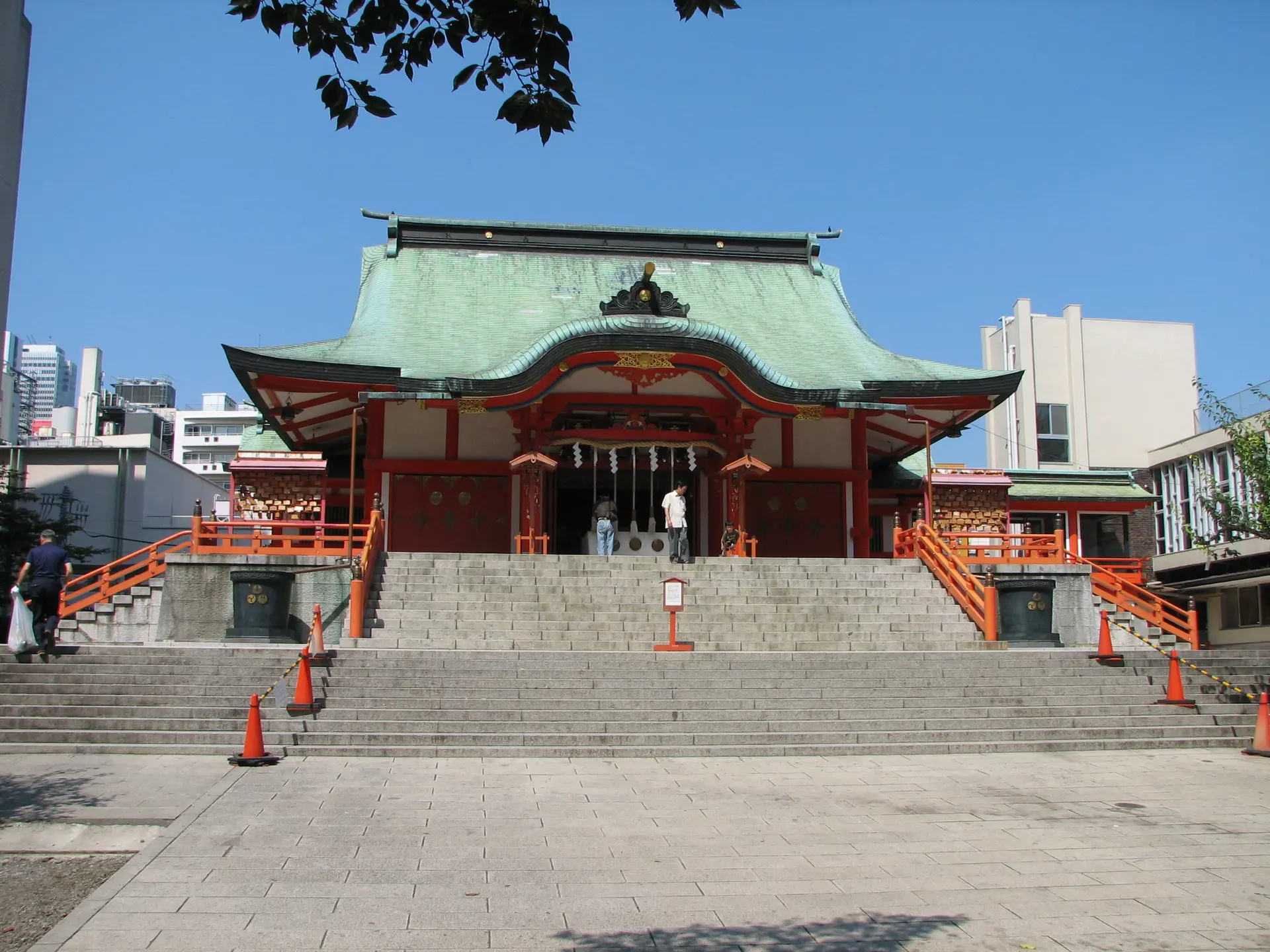
Hanazono Shrine
Shinjuku City, Tokyo, Japan
Hanazono Shrine (花園神社) is an active Shinto sacred place in Tokyo. The record is grounded in an exact Google Place ID, nearby coordinates, institutional or reference...
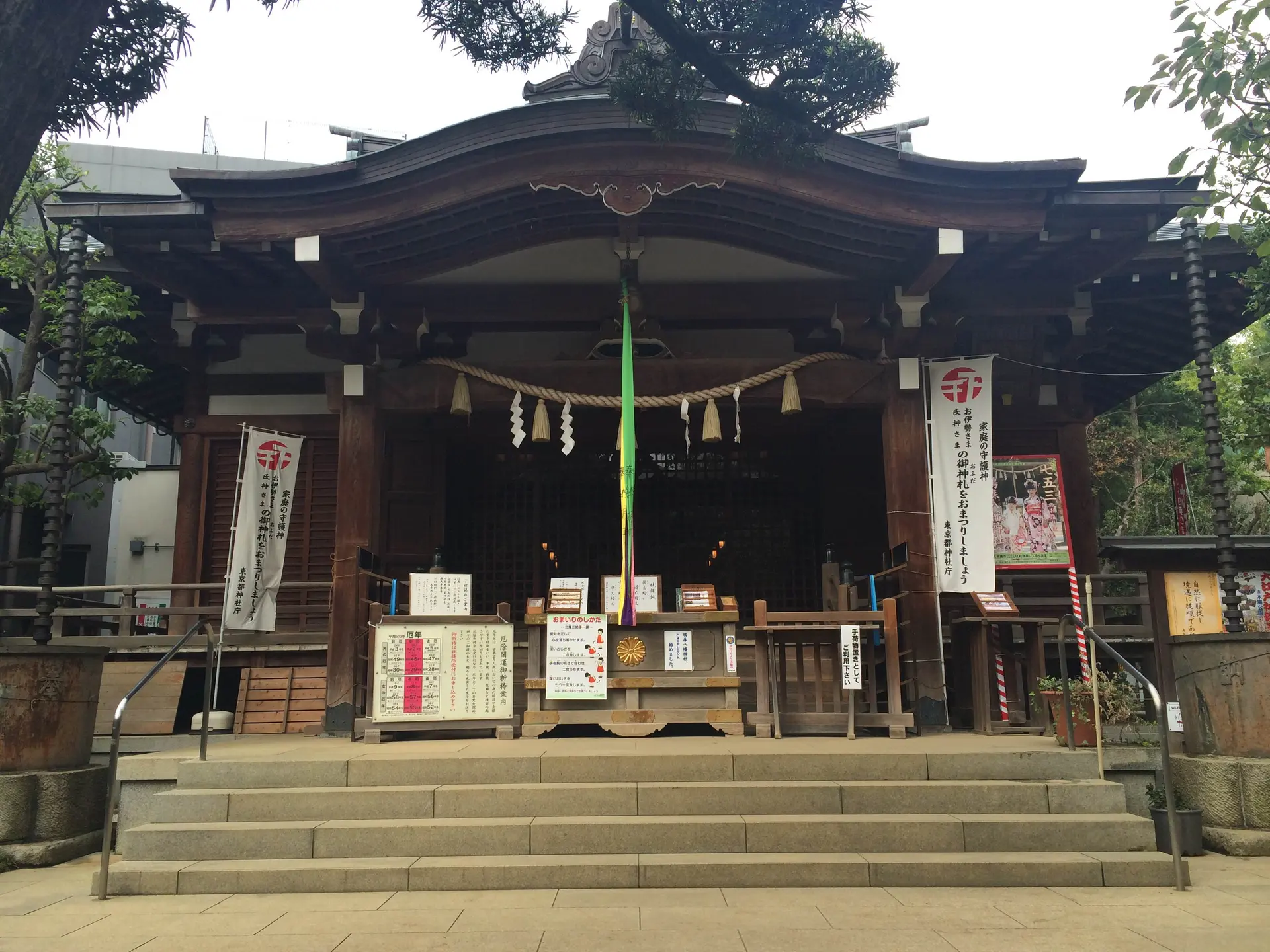
Hatonomori Hachiman Shrine
Shibuya, Tokyo, Japan
Hatonomori Hachiman Shrine (鳩森八幡神社) is an active Shinto sacred place in Tokyo. The record is grounded in an exact Google Place ID, nearby coordinates, institutional or...

Hebikubo Shrine
Shinagawa City, Tokyo, Japan
Hebikubo Shrine (蛇窪神社) is an active Shinto sacred place in Tokyo. The record is grounded in an exact Google Place ID, nearby coordinates, institutional or reference...

Heian-jingū
Kyoto, Kyoto Prefecture, Japan
Kyoto’s imperial beginning and ending held in modern shrine space. Heian-jingū remains an active Shinto shrine....
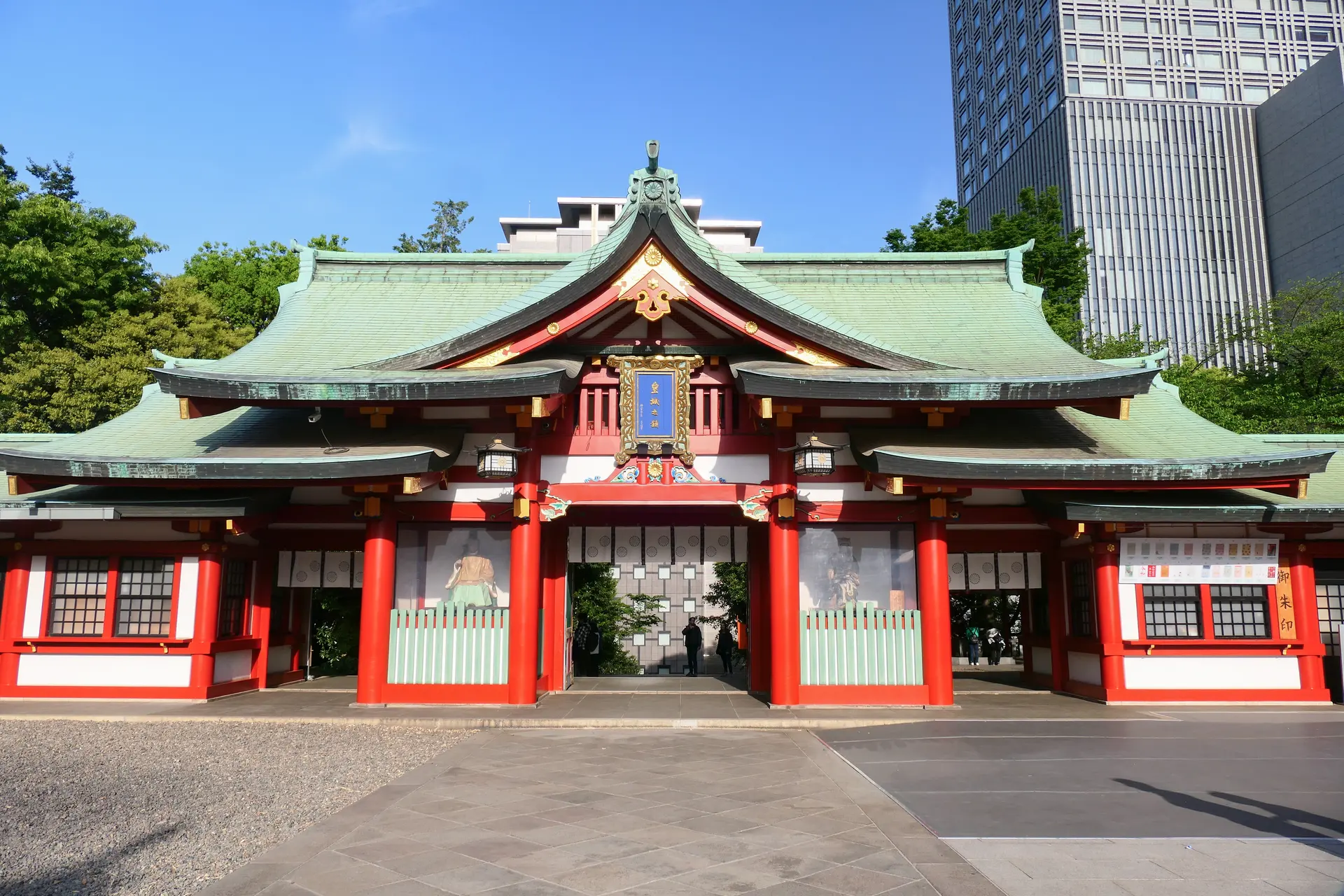
Hie Shrine
Chiyoda City, Tokyo, Japan
Hie Shrine (日枝神社) is an active Shinto sacred place in Tokyo. The record is grounded in an exact Google Place ID, nearby coordinates, institutional or reference evidence,...

Hioka Shrine
Kakogawa, Japan
Hioka Shrine in Kakogawa receives prayers for safe childbirth. Its tradition recalls Princess Inabi-no-Oiratsume and the birth of twins, while the Imigomori observance...

Hiro Shrine
Nachikatsuura, Wakayama Prefecture, Japan
At the base of Japan's tallest single-drop waterfall, Hirou Shrine offers something rare: direct worship of natural phenomenon....
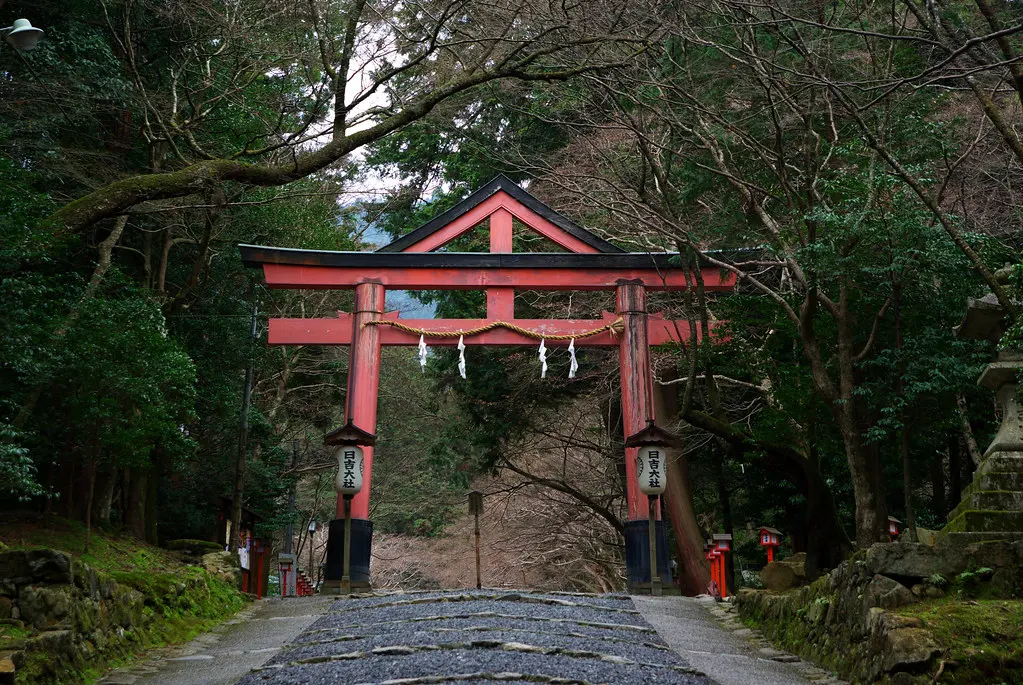
Hiyoshi Taisha
Otsu, Shiga Prefecture, Japan
At the foot of sacred Mount Hiei, Hiyoshi Taisha has served as spiritual guardian for over two thousand years....
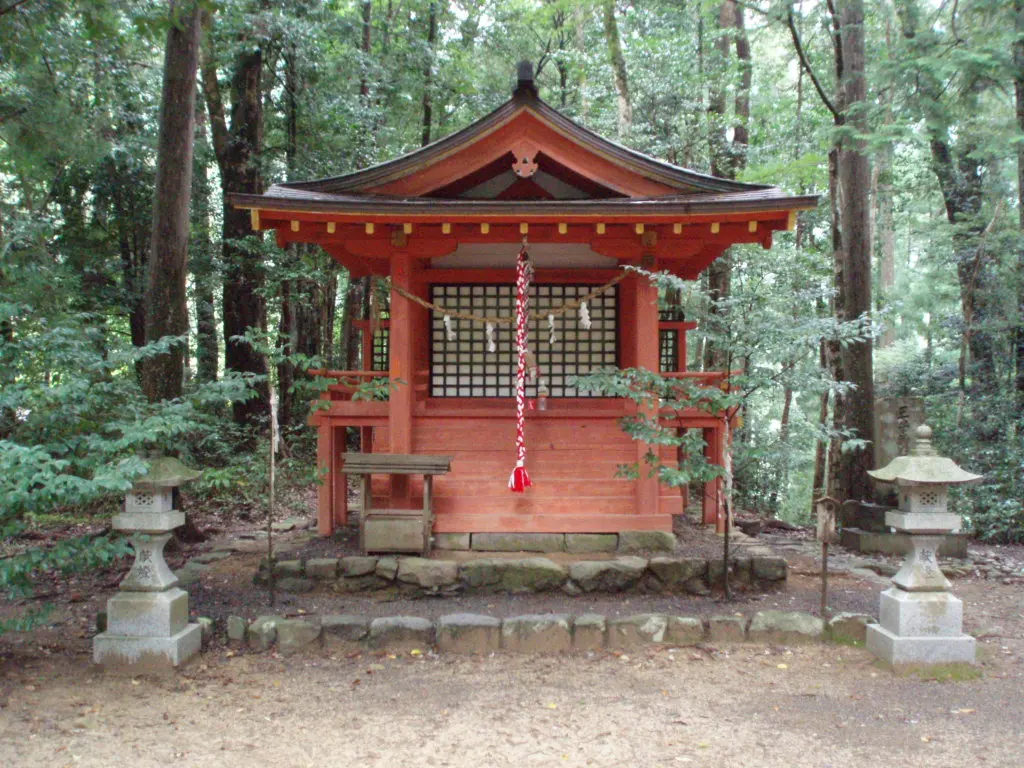
Hosshinmon-oji
Tanabe, Wakayama Prefecture, Japan
Hosshinmon-oji (発心門王子) is a major threshold marking entry into the divine precincts of Kumano Hongu Taisha on the Nakahechi section of the Kumano Kodo....
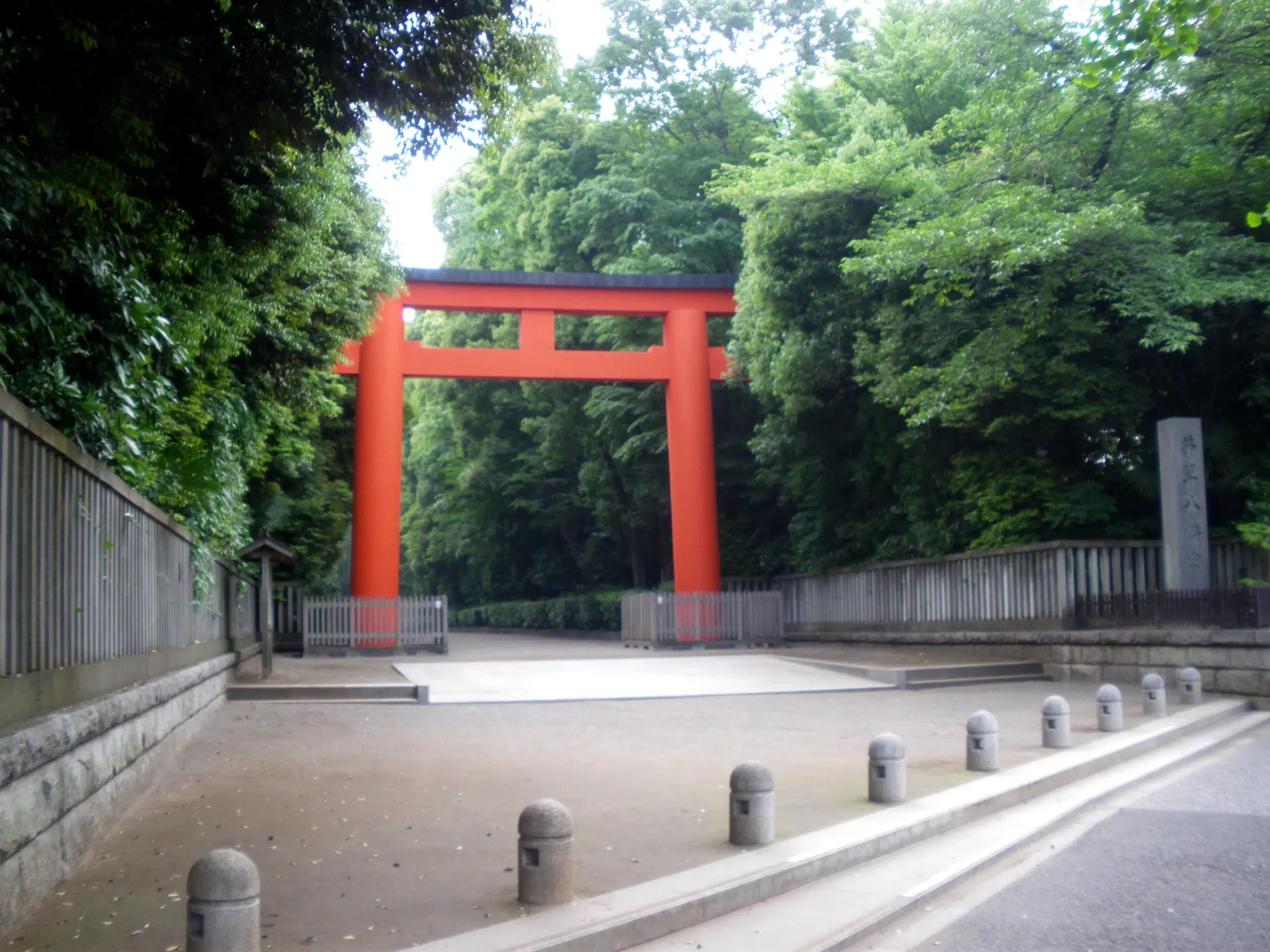
Igusa Hachimangu
Suginami City, Tokyo, Japan
Igusa Hachimangu (井草八幡宮) is an active Shinto sacred place in Tokyo. The record is grounded in an exact Google Place ID, nearby coordinates, institutional or reference...
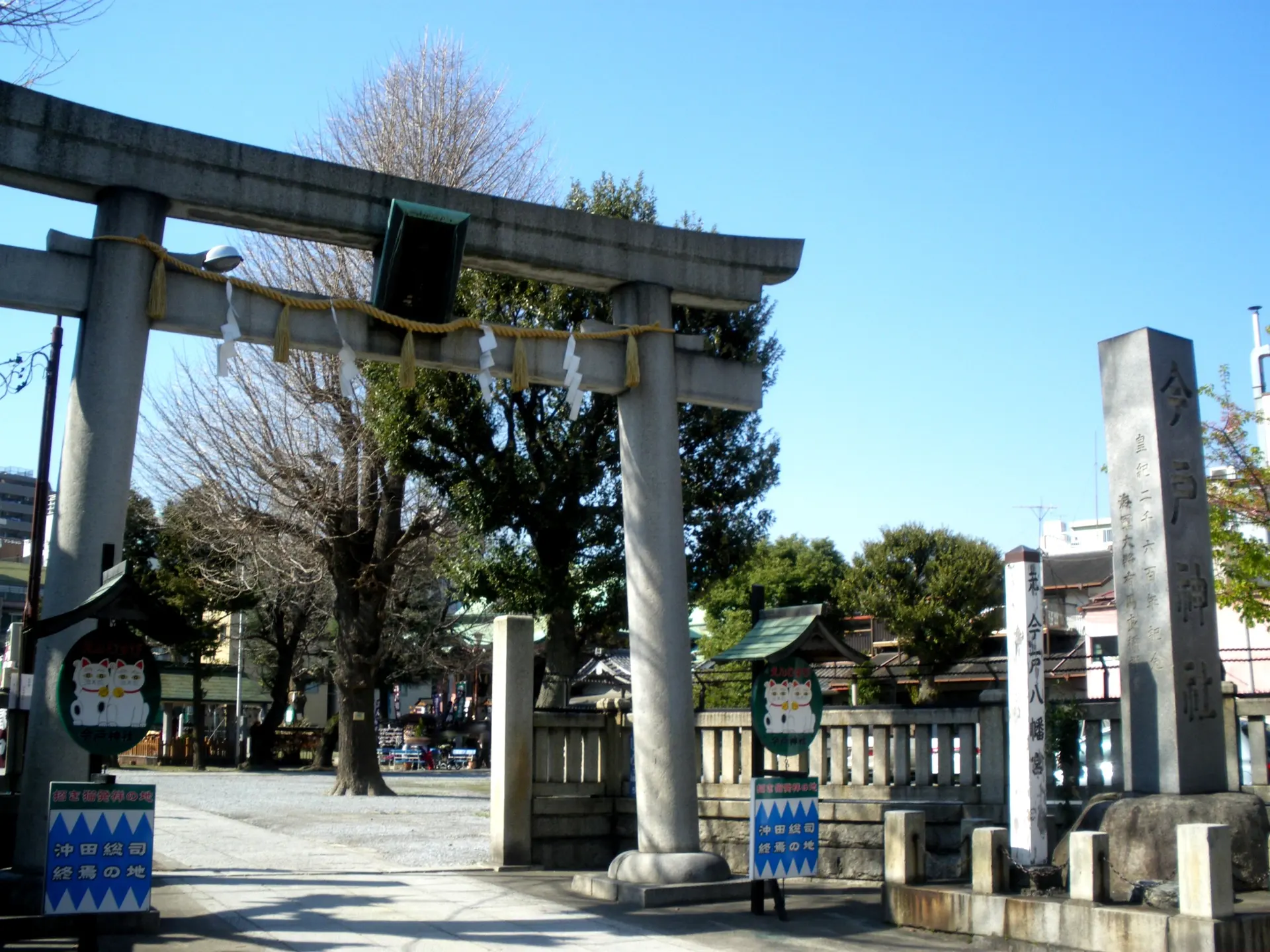
Imado Shrine
Taito City, Tokyo, Japan
Imado Shrine (今戸神社) is an active Shinto sacred place in Tokyo. The record is grounded in an exact Google Place ID, nearby coordinates, institutional or reference evidence,...

Inasa Beach
Izumo, Shimane Prefecture, Japan
In Japanese mythology, a god descended from heaven at this beach, thrust his sword into the sand, and demanded that the ruler of the earthly realm cede power to the sun...
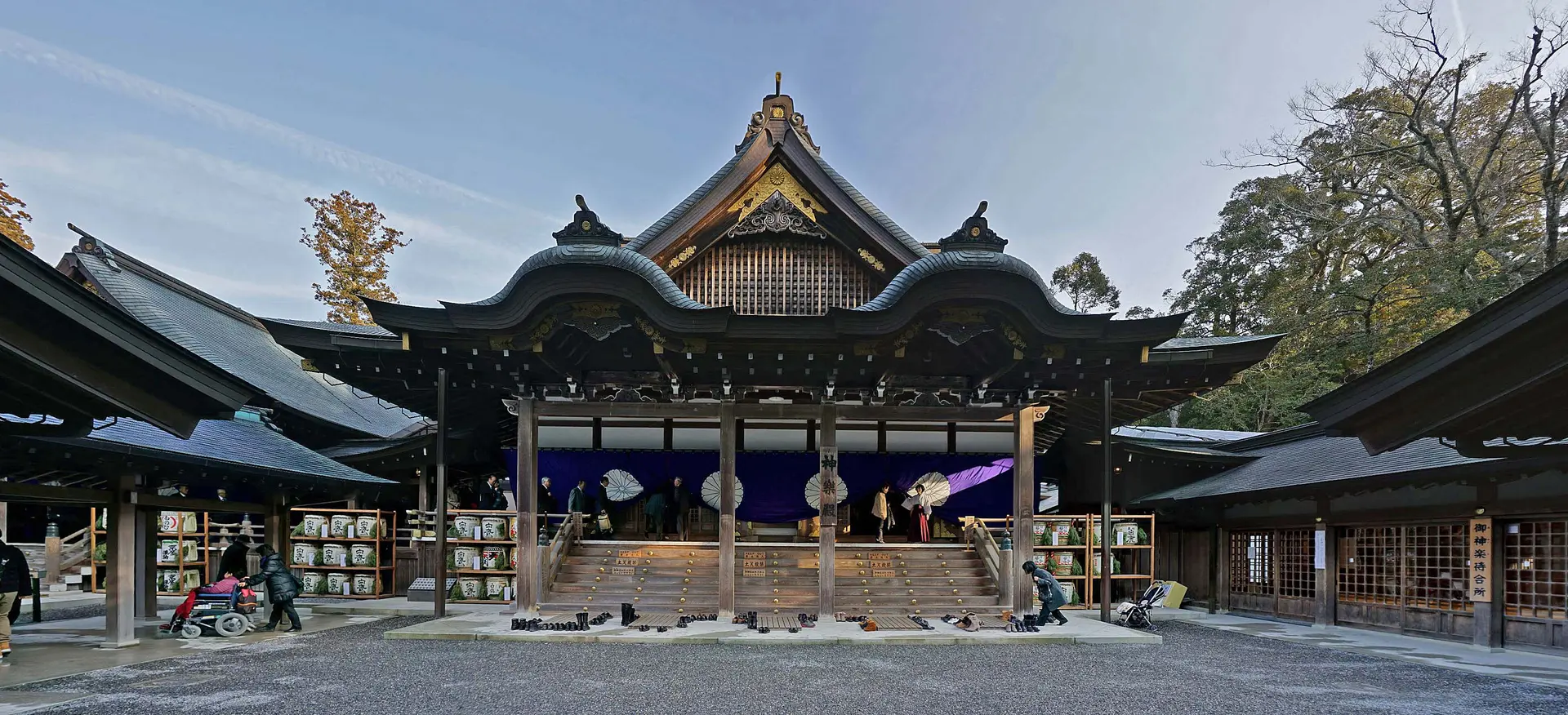
Ise Grand Shrine (Ise Jingū)
Ise, Mie Prefecture, Japan
Deep within a sacred forest in Mie Prefecture stands Ise Jingu, the most venerated Shinto shrine in Japan....
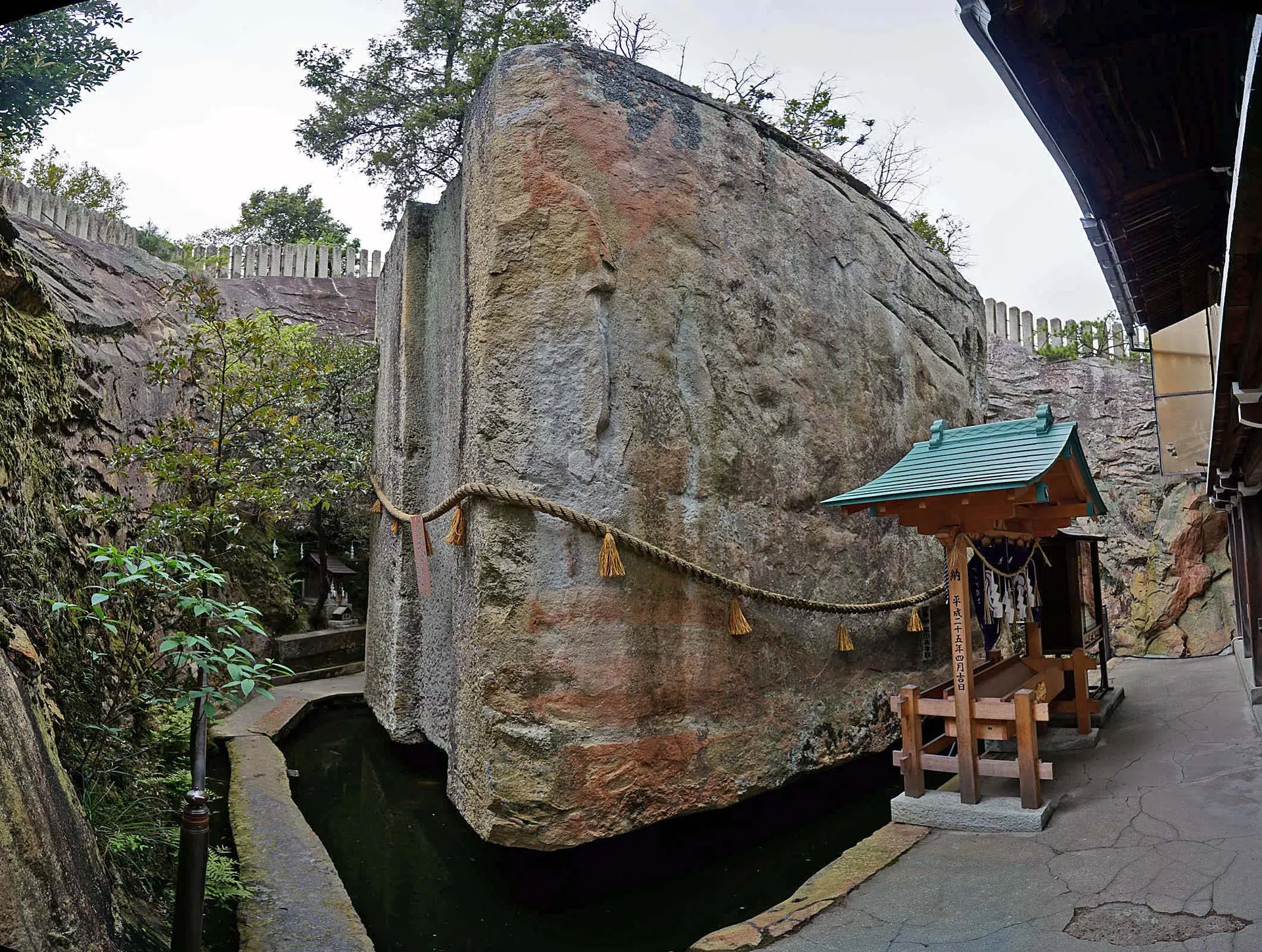
Ishi-no-Hoden, Himeji
Takasago, Hyogo Prefecture, Japan
Rising from a sacred pool whose waters never dry, Ishi-no-Hoden appears to defy gravity itself....
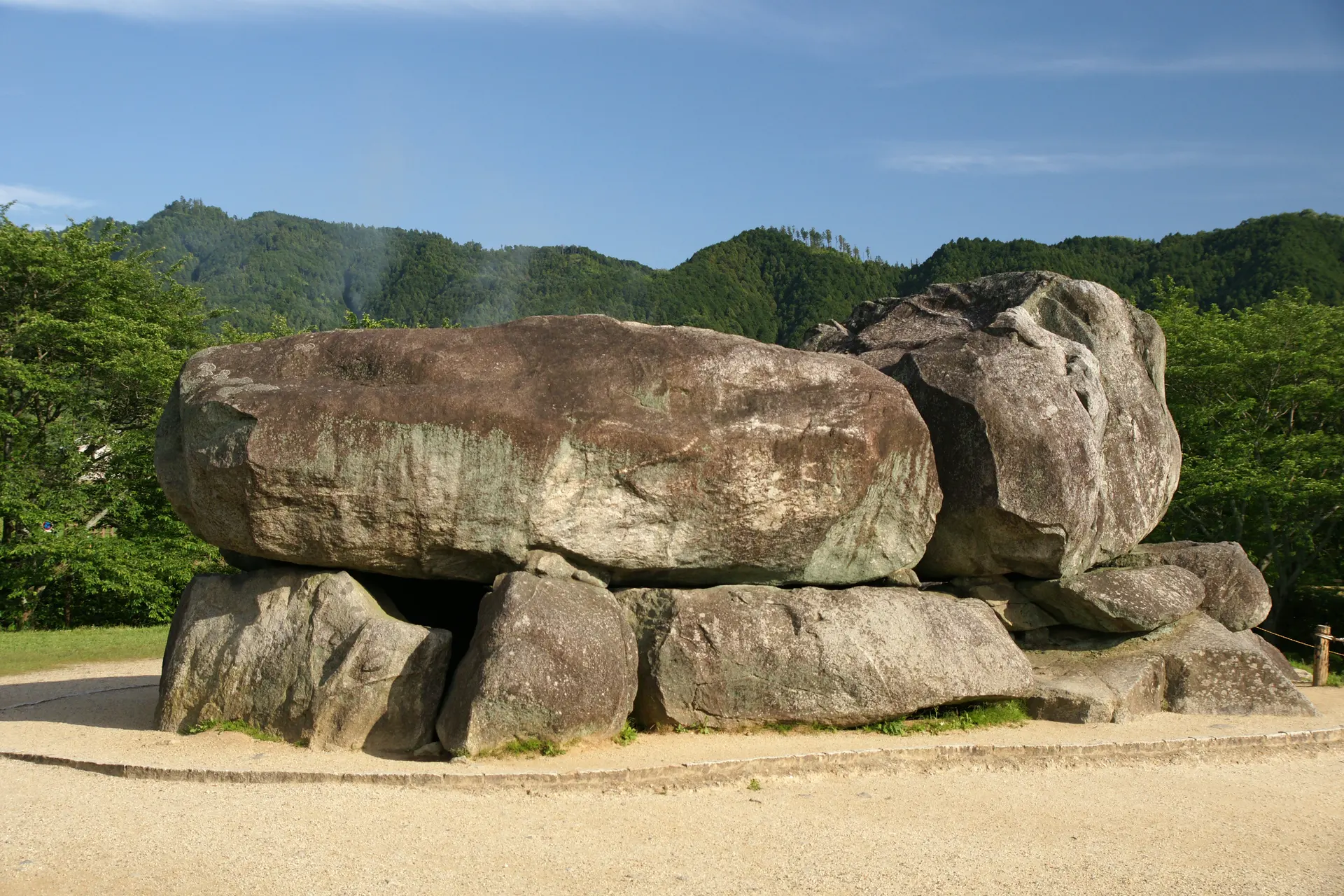
Ishibutai Kofun, Asuka
Asuka, Nara Prefecture, Japan
In the Asuka valley, thirty granite megaliths weighing over 2,200 tons form Japan's largest known ancient burial chamber....

Itsukushima Shrine
Hatsukaichi, Hiroshima Prefecture, Japan
Itsukushima Shrine, stands in Hatsukaichi. At Itsukushima Shrine, Shinto guides custody....

Iwashimizu Hachimangū
Yawata, Kyoto Prefecture, Japan
Hachiman’s protective sanctuary on Mount Otokoyama. Iwashimizu Hachimangū remains an active Shinto shrine....
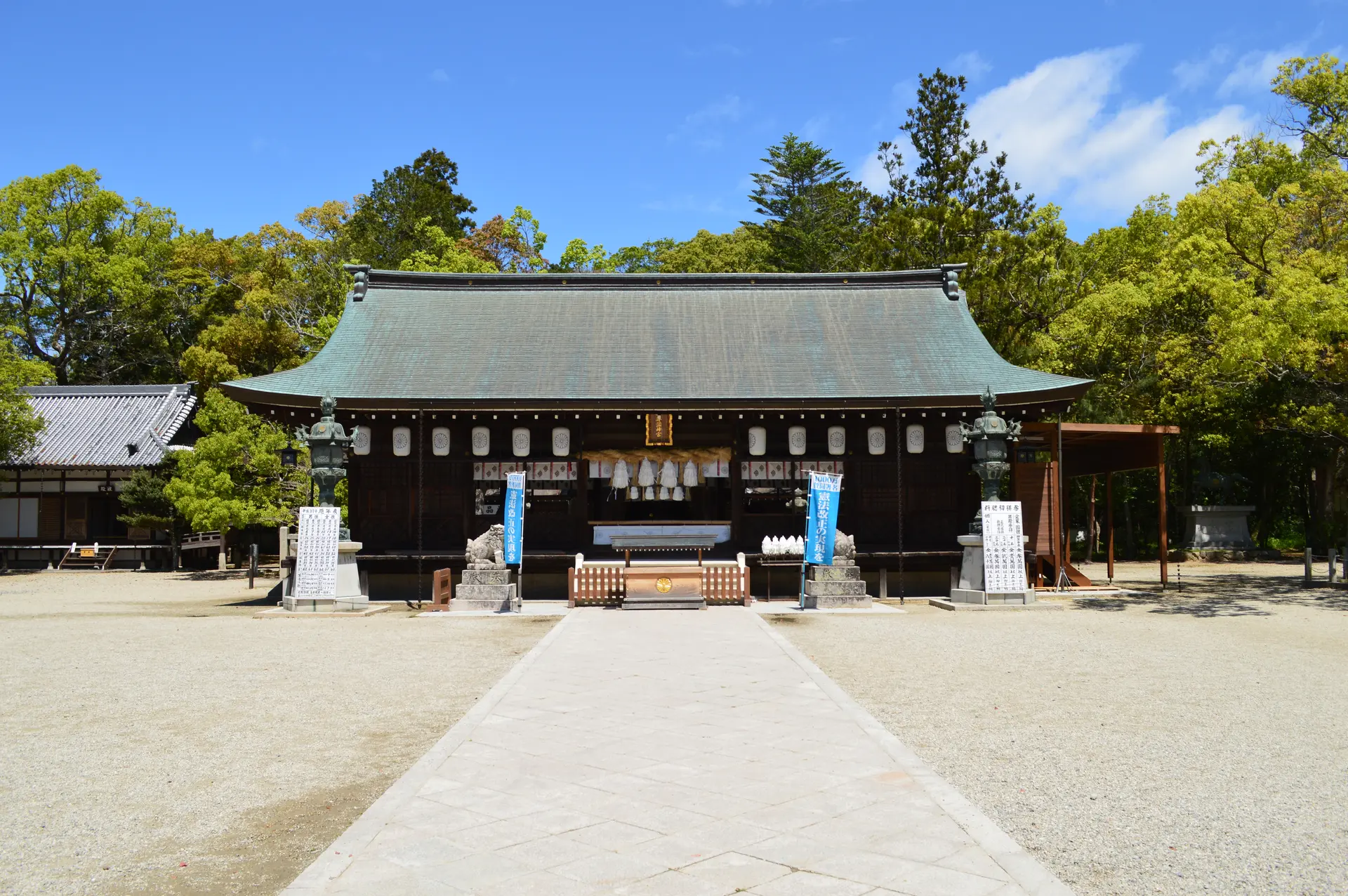
Izanagi Shinto Shrine, Awaji Island
Awaji, Hyogo Prefecture, Japan
On Awaji Island—the first land formed in Japanese creation mythology—stands the shrine built over the tomb of the god who created Japan....

Izumo Taisha (Izumo Grand Shrine)
Izumo, Shimane Prefecture, Japan
Each October by the lunar calendar, something extraordinary happens in Izumo. While the rest of Japan celebrates Kannazuki, the Month Without Gods, this corner of Shimane...
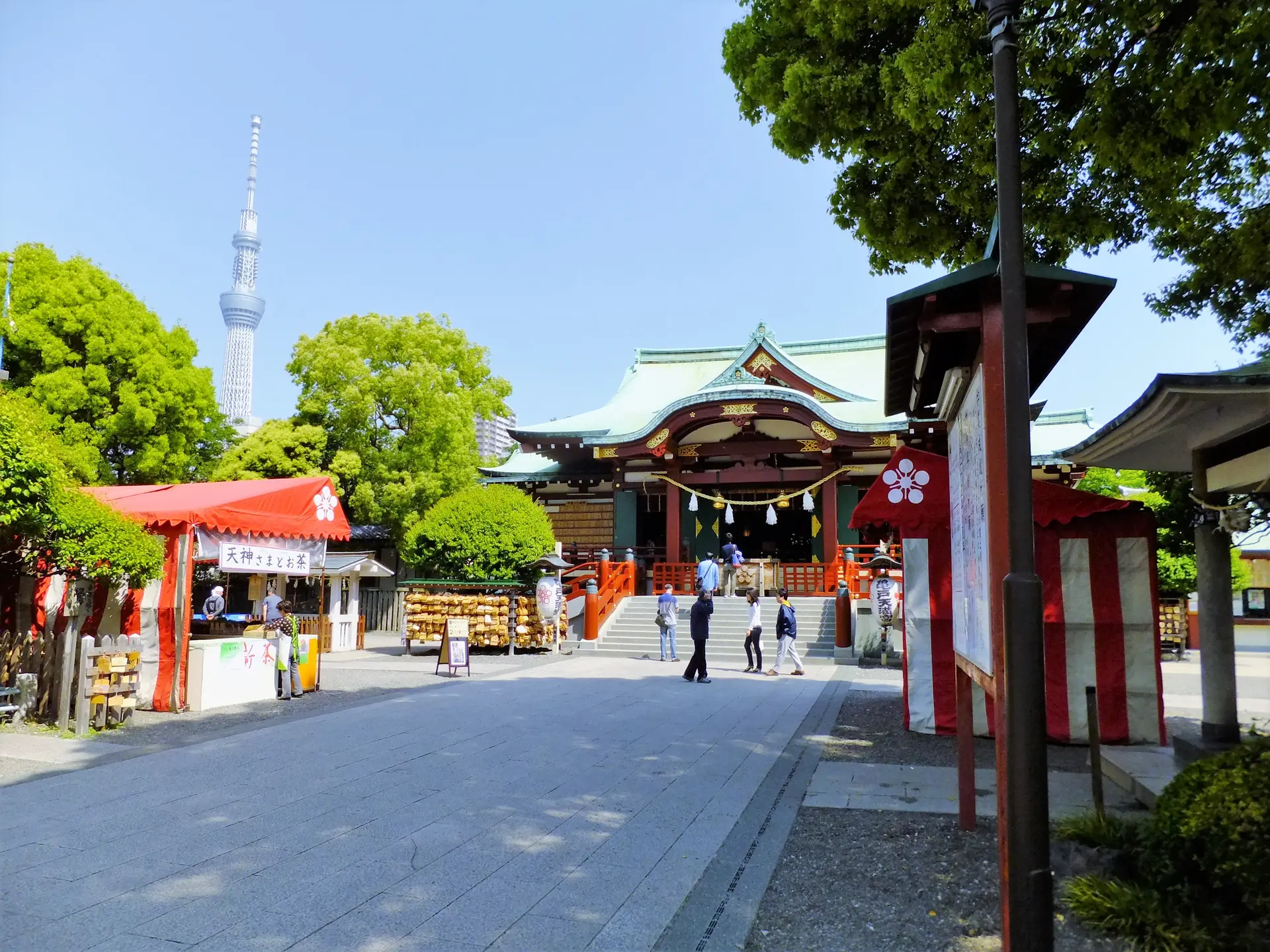
Kameido Tenjin Shrine
Koto City, Tokyo, Japan
Kameido Tenjin Shrine (亀戸天神社) is an active Shinto sacred place in Tokyo. The record is grounded in an exact Google Place ID, nearby coordinates, institutional or reference...

Kamigamo-jinja Shrine
Kyoto, Kyoto Prefecture, Japan
Thunder, mountain form, and cultivated water at Kyoto’s upper Kamo shrine. Kamigamo-jinja Shrine remains an active Shinto shrine....
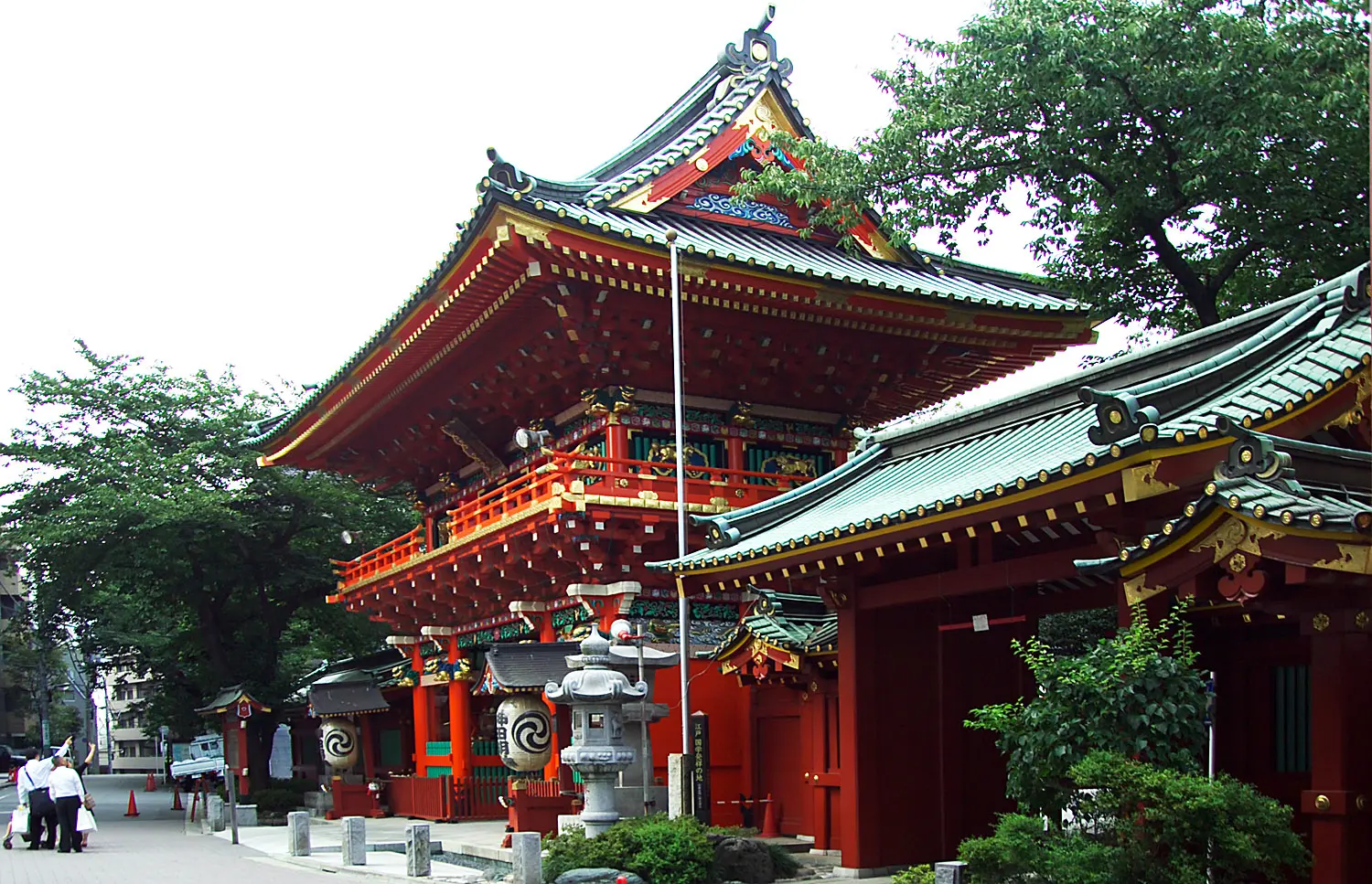
Kanda Myōjin
Chiyoda City, Tokyo, Japan
Kanda Myōjin (神田神社(神田明神)) is an active Shinto sacred place in Tokyo. The record is grounded in an exact Google Place ID, nearby coordinates, institutional or reference...
Showing 1-48 of 148 sites
Key questions
Shinto sacred-site questions
What are Shinto sacred sites?
Shinto sacred sites are places connected by shared lineage, practice, memory, ritual use, or pilgrimage tradition.
Where can I find Shinto sacred sites?
The strongest country clusters in this guide include Japan, Taiwan.
What kinds of places are included?
The guide includes sacred landscapes, pilgrimage places, and ritual or historical sites where available.
Can I map Shinto sacred sites?
Yes. Compare country clusters and physical forms first, then open individual pages for coordinates, historical context, and visitor guidance.