Tradition guide
Pre-Columbian
Pre-Columbian sites connect places through shared lineage, practice, story, and pilgrimage across the global atlas.
93 sacred places share this lineage. Use the country links to narrow in.
Atlas summary
Pre-Columbian sacred sites overview
Pre-Columbian sacred sites connect places through shared lineage, ritual use, memory, and pilgrimage practice across the Pilgrim Map atlas.
Use this page to compare country clusters, common place types, UNESCO-tagged landmarks, and the map distribution before exploring individual site pages.
| Coverage | 93 Pre-Columbian sacred places in the current atlas. |
|---|---|
| Country clusters | |
| UNESCO heritage | 4 UNESCO-tagged Pre-Columbian sites appear in this browse view. |
Refine the atlas
Related Pre-Columbian guides
Showing 1-48 of 93 sites in this tradition guide
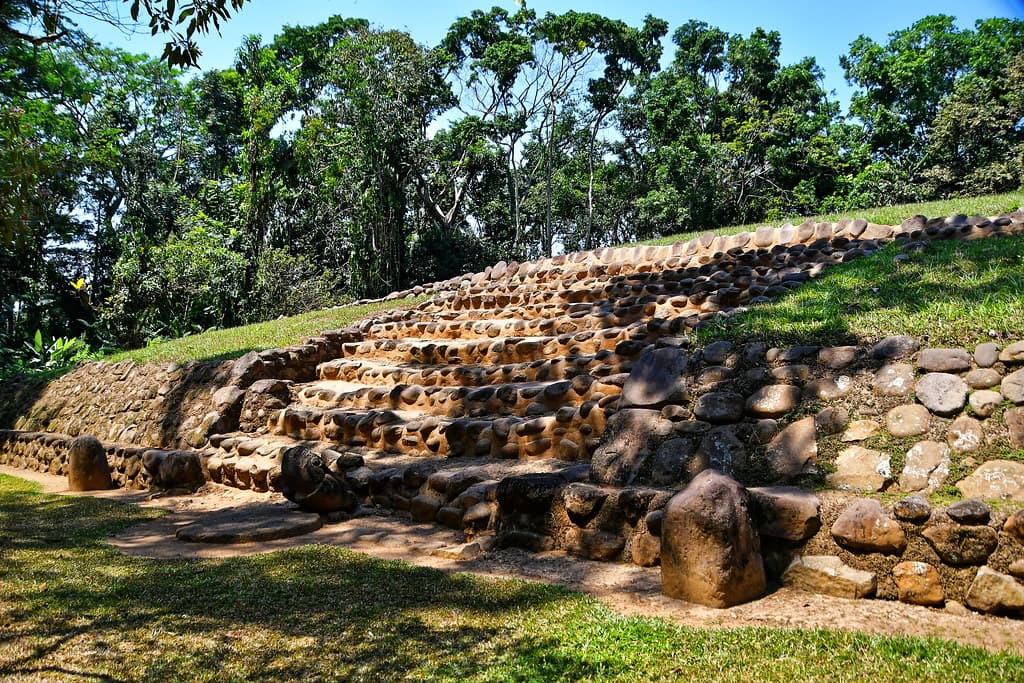
Abaj Takalik
El Asintal, Retalhuleu, Guatemala
Tak'alik Ab'aj is a Preclassic city in Guatemala's Pacific piedmont, inscribed by UNESCO in 2023....
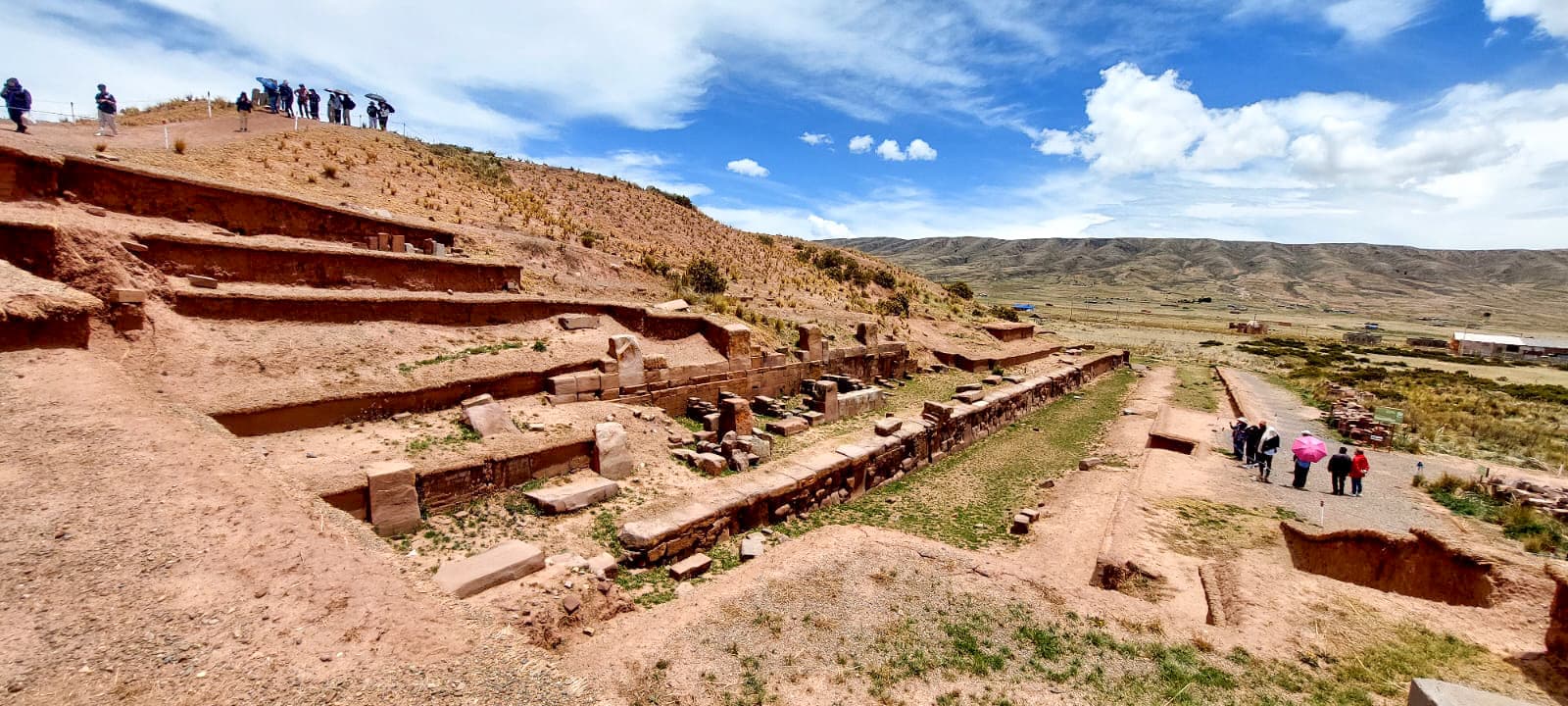
Akapan Pyramid
Part of Tiwanaku Archaeological Site
Tiwanaku, La Paz, Bolivia
The Akapana is the largest structure at Tiwanaku, Bolivia — a seven-tiered stepped pyramid built around 600 AD to replicate the sacred Quimsachata mountains....

Amantani, Pachatata & Pachamama
Part of Lake Titicaca
Santa Rosa, Puno, Peru
Amantani rises from Lake Titicaca with two peaks — Pachatata (Father Earth) and Pachamama (Mother Earth) — each crowned with pre-Inca temples that are opened only once a...
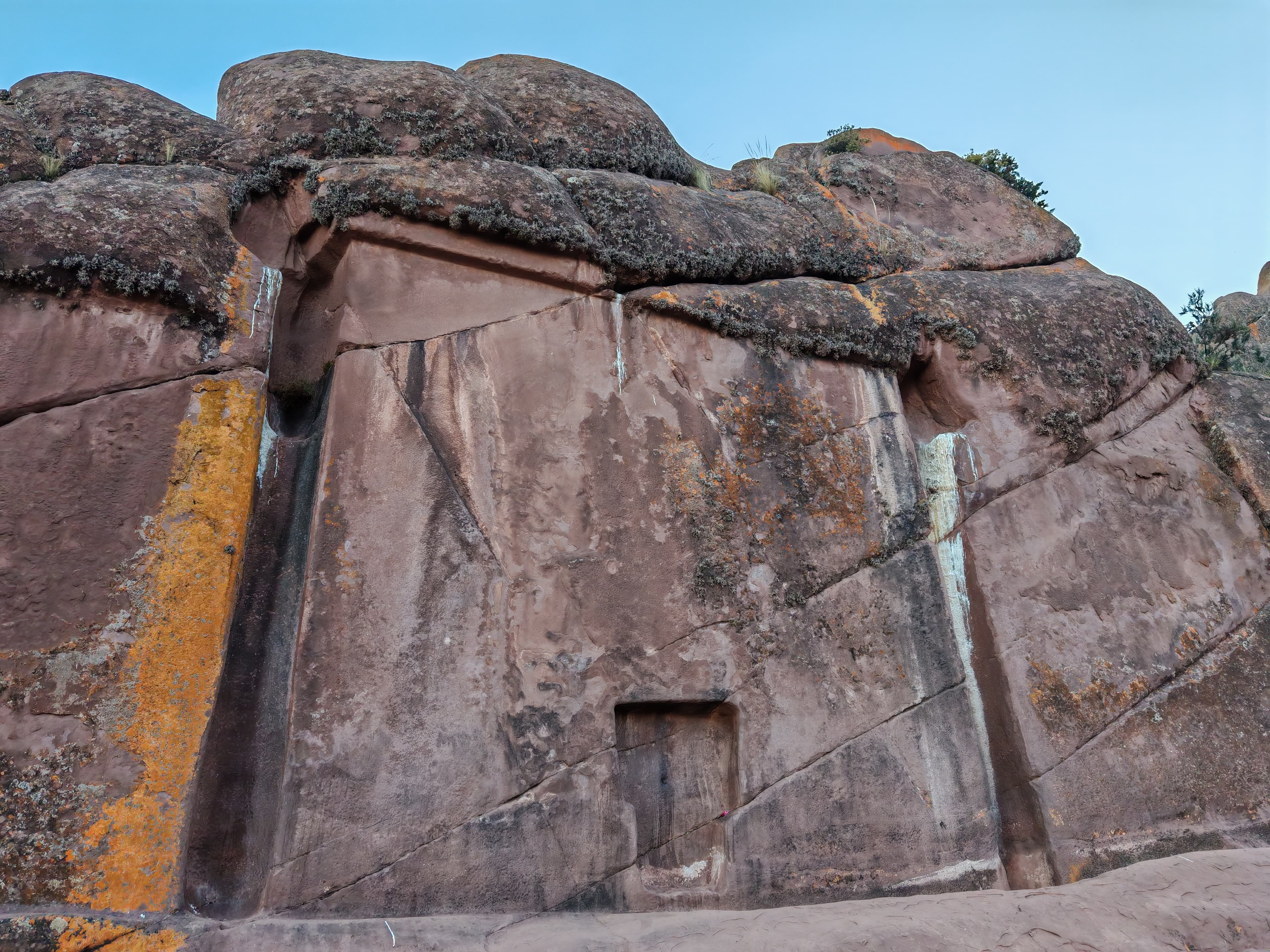
Aramu Muru
Ilave, Puno, Peru
On a volcanic hillside near Lake Titicaca, a T-shaped doorway 7 meters square is carved into solid rock—leading nowhere visible....

Archaeological Sanctuary of Pachacamac
Lurín, Lima Province, Peru
Pachacamac was Peru's most powerful oracle for over a millennium. Named for the creator god Pacha Kamaq—the 'Earth Maker' who could cause earthquakes with a single...

Archaeological Site of Mayapan
Tecoh, Yucatán, Mexico
Mayapan was the political and spiritual heart of the Maya world in the centuries before Spanish contact....
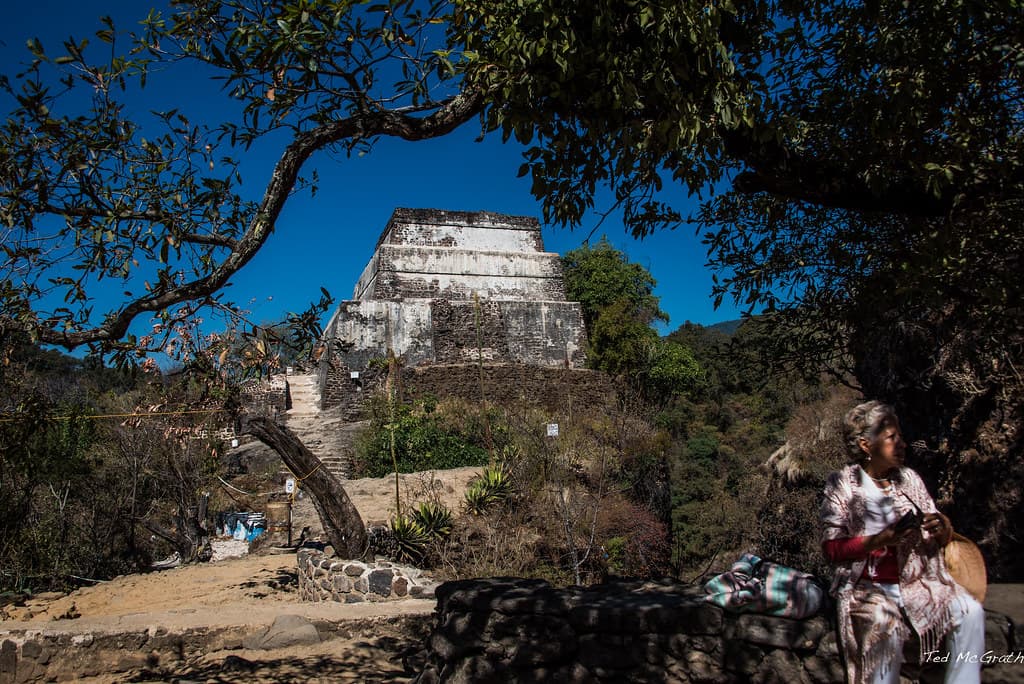
Archaeological Zone Tepozteco
Tepoztlan, Morelos, Mexico
Six hundred meters above the valley floor, on a cliff edge overlooking the town of Tepoztlan, stands a temple dedicated to Tepoztecatl, the Aztec god of pulque, fertility,...

Cahuachi Nazca site
Nazca, Ica, Peru
For five hundred years, pilgrims journeyed across the desert to Cahuachi—not to live but to worship, to bury their dead, and perhaps to participate in the creation of the...

Centro Arqueológico de Chinchero
Chinchero, Cusco, Peru
Chinchero is not a ruin. An Inca royal estate, a colonial church with syncretic murals, terraces still walked daily, and a Quechua community whose women have woven on...
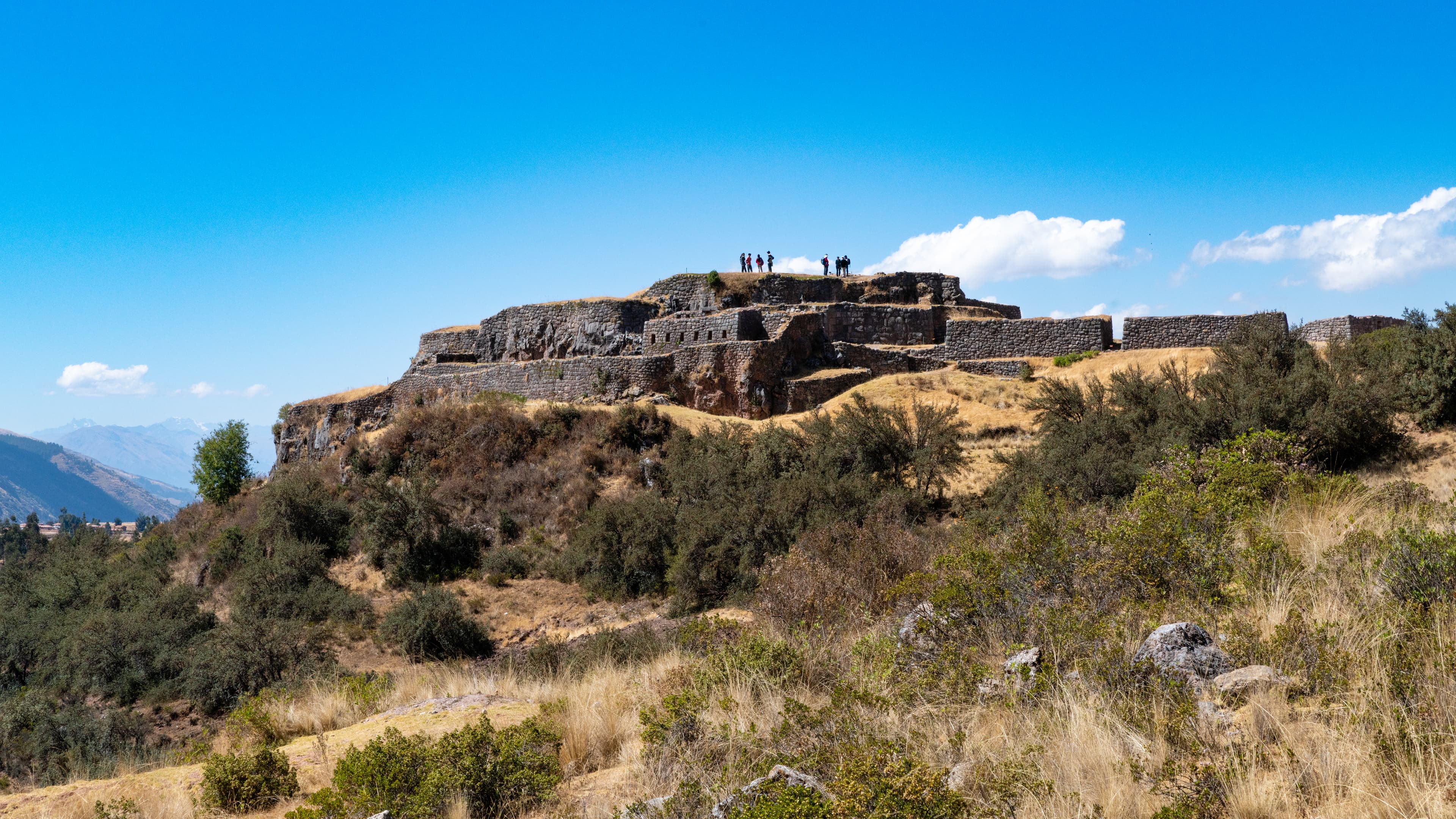
Centro Arqueológico Puka Pukara
Cusco, Cusco, Peru
Puka Pukara sits on high ground 7 km from Cusco. Known as the Red Fortress for the colour its stones take at dusk.

Chichen Itza
Pisté, Yucatán, Mexico
Chichen Itza rises from the Yucatan jungle as one of the most powerful sacred sites in the Americas....
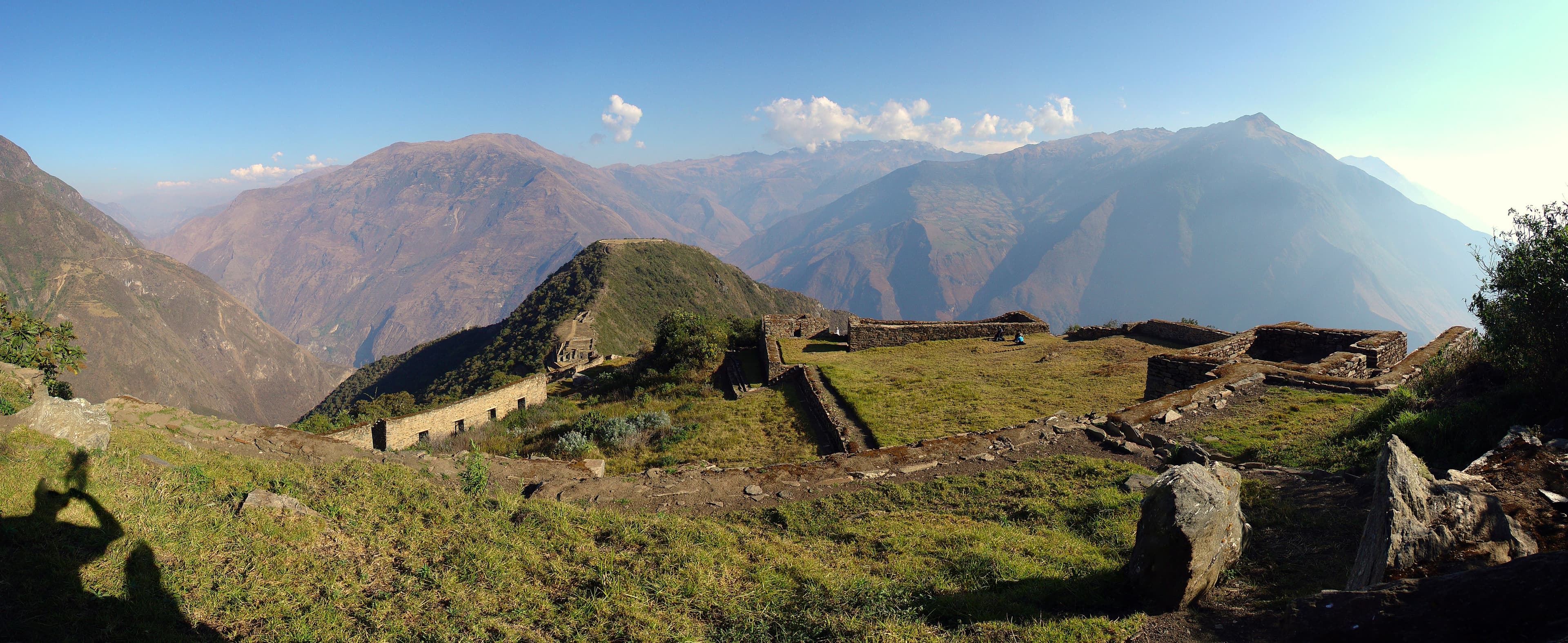
Choquequirao Archaeological Park, Peru
Santa Teresa, Apurimac, Peru
While Machu Picchu receives 2,500 visitors daily, Choquequirao sees only about twelve....

Chullpa Lagarto
Part of Sillustani
Sillustani, Puno, Peru
The Chullpa del Lagarto rises above the other funerary towers at Sillustani with the authority its builders intended....

Chullpas Sillustani
Part of Sillustani
Sillustani, Puno, Peru
On a peninsula jutting into Lake Umayo near Puno, ninety-one stone towers stand in various states of preservation — from intact cylinders to tumbled foundations....
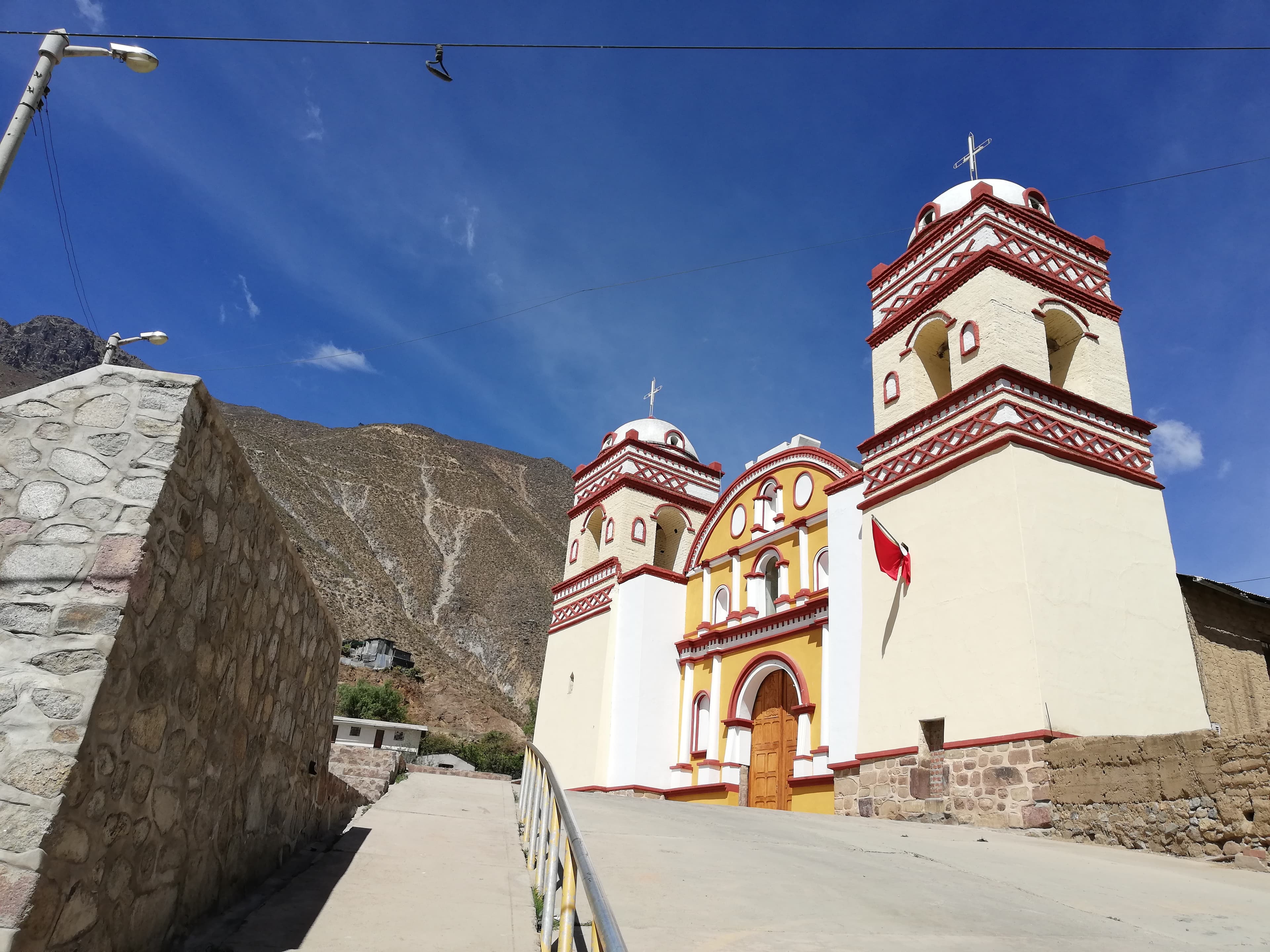
Church of Saint John the Baptist of Huaytara
Huaytará, Huancavelica, Peru
In Huaytara, colonial authorities built the Church of San Juan Bautista directly atop an Inca structure—possibly a Temple of the Sun built by Pachacutec during the...

Coba
Cobá, Quintana Roo, Mexico
Coba was once one of the largest Maya cities, its white roads stretching over one hundred kilometers to connect the ancient world....

Complejo Arqueológico Q'enqo
Cusco, Cusco, Peru
Q'enqo ('labyrinth') is an Inca ceremonial complex 4 km from Cusco at 3,580m, with an Intihuatana, underground galleries, and zigzag channels.
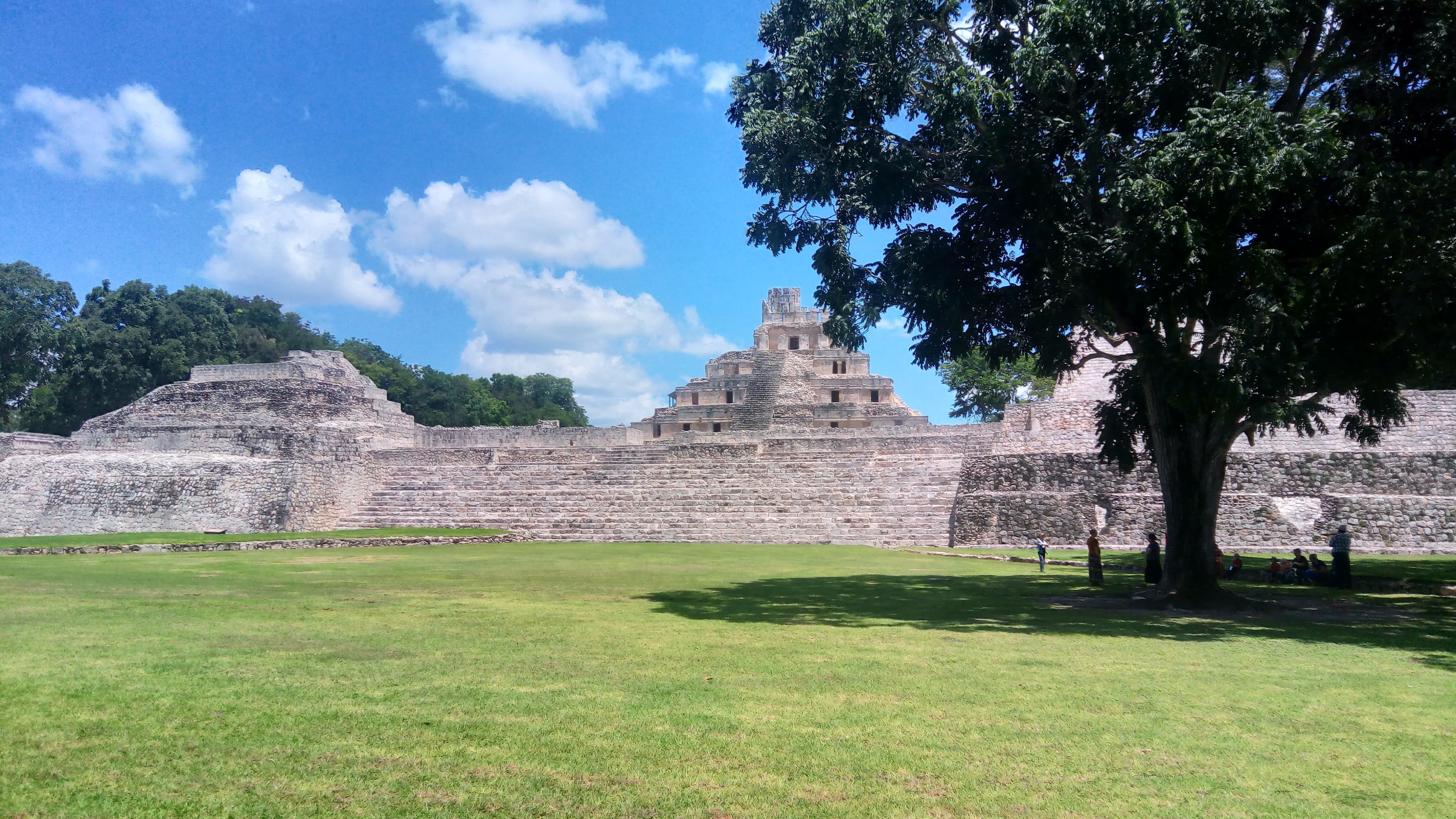
Edzna Archaeological Zone
Municipio de Campeche, Campeche, Mexico
For nearly two millennia, from 400 BCE until the Spanish arrived, Edzna commanded the Campeche lowlands....
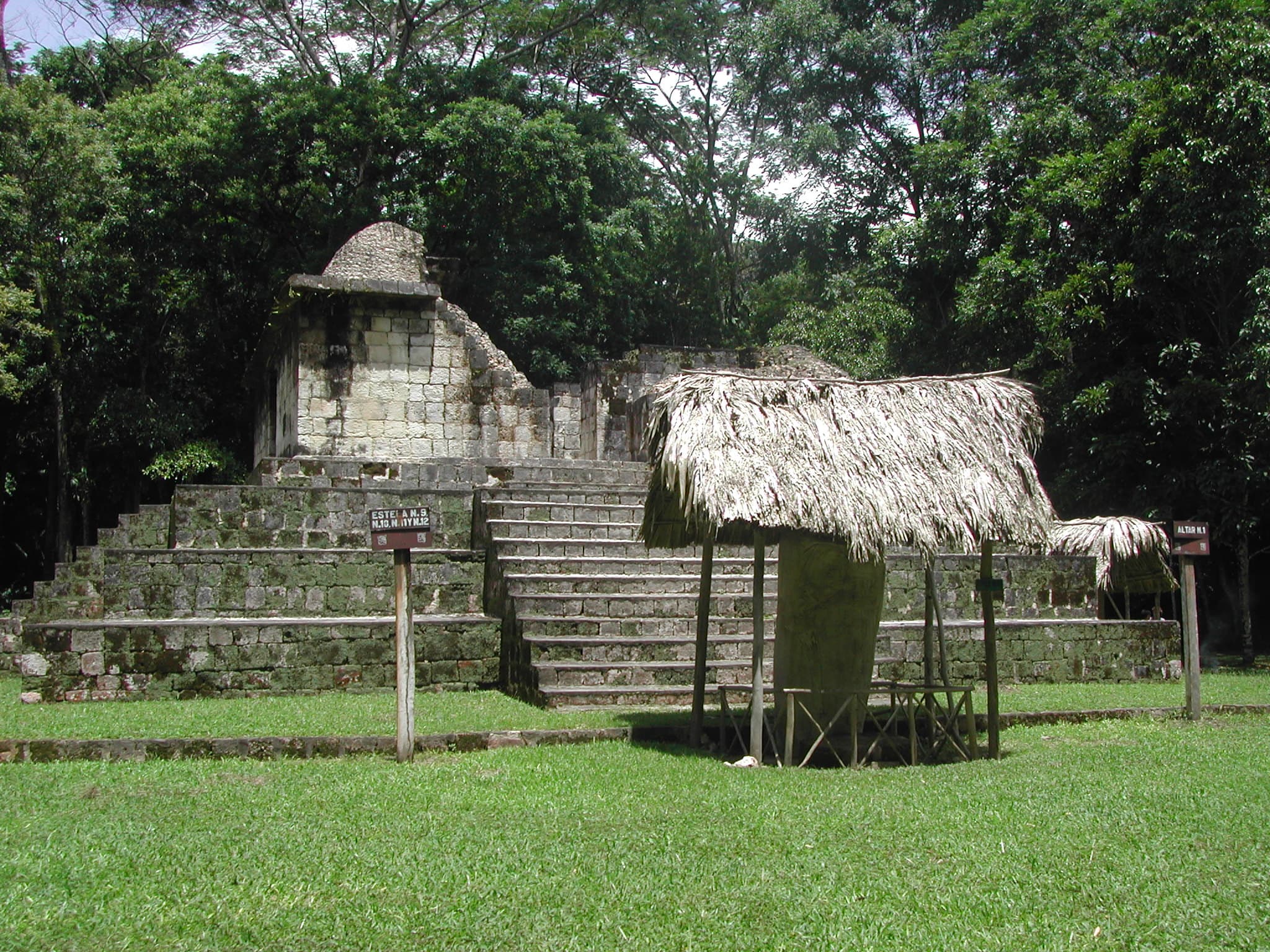
El Ceibal
Sayaxché, Petén, Guatemala
Ceibal sits on forested bluffs above the Pasión River in Petén, Guatemala. It preserves the earliest known formal Maya ceremonial complex, built around 1000 BC, where...

El Infiernito
Villa de Leyva, Boyacá, Colombia
Eight kilometers from the colonial town of Villa de Leyva, 109 stone monoliths stand in the Boyacá highlands at 2,200 meters elevation....

El Templo de los Monos
Part of Complejo Arqueológico Q'enqo
Cusco, Cusco, Peru
Cusilluchayoc (Temple of the Monkeys) is a ceremonial centre carved from living rock 500 metres from Q'enqo Grande.
El Ushnu
Vilcashuaman, Ayacucho, Peru
At the heart of Vilcashuamán — what the Inca regarded as the geographic centre of their empire — a five-tiered stone platform rises above a trapezoidal plaza....
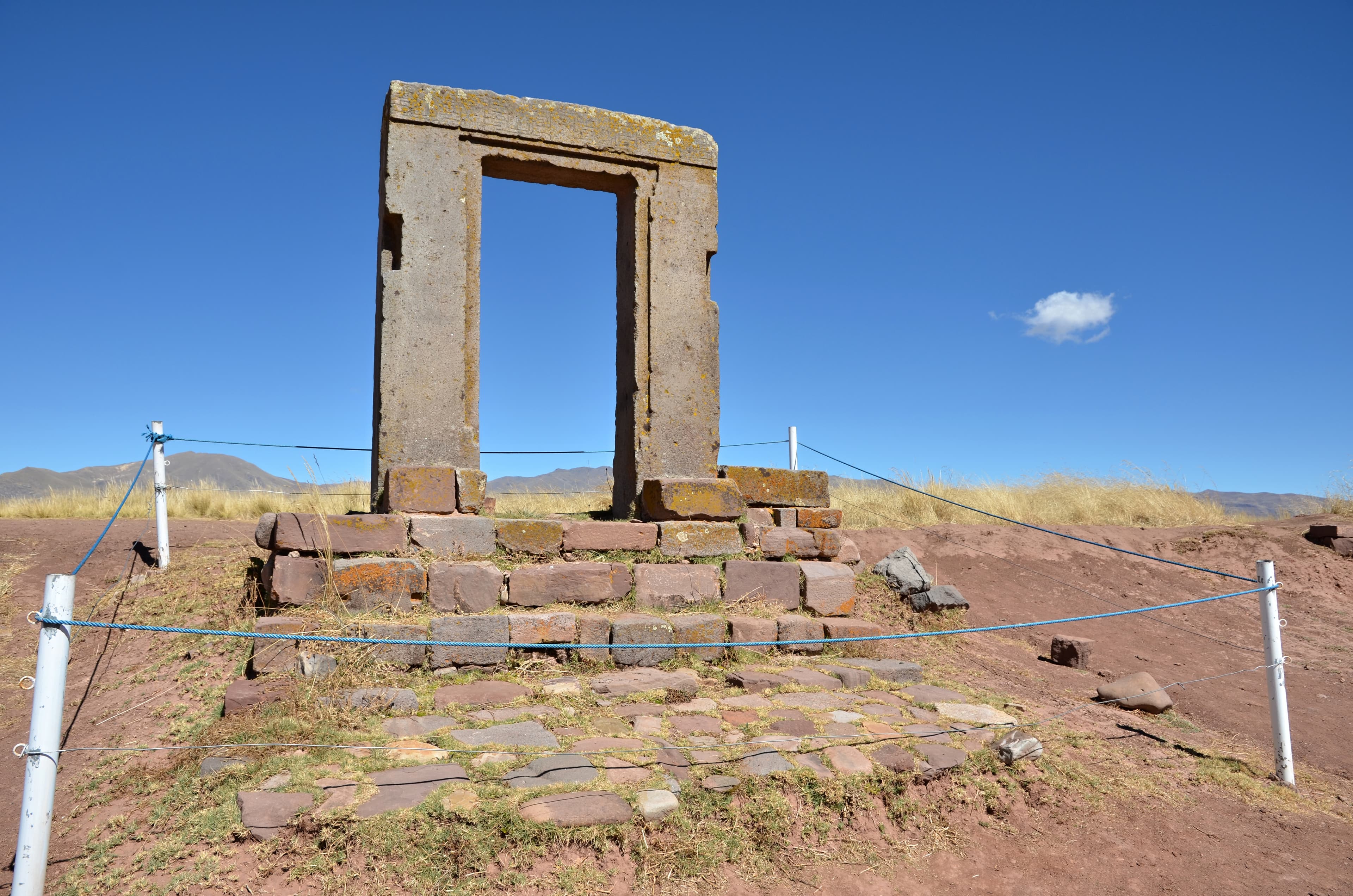
Gate of the Moon
Part of Tiwanaku Archaeological Site
Tiwanaku, La Paz, Bolivia
At Tiwanaku on the Bolivian altiplano, a gateway carved from a single block of andesite stands as the lunar counterpart to the famous Gate of the Sun....
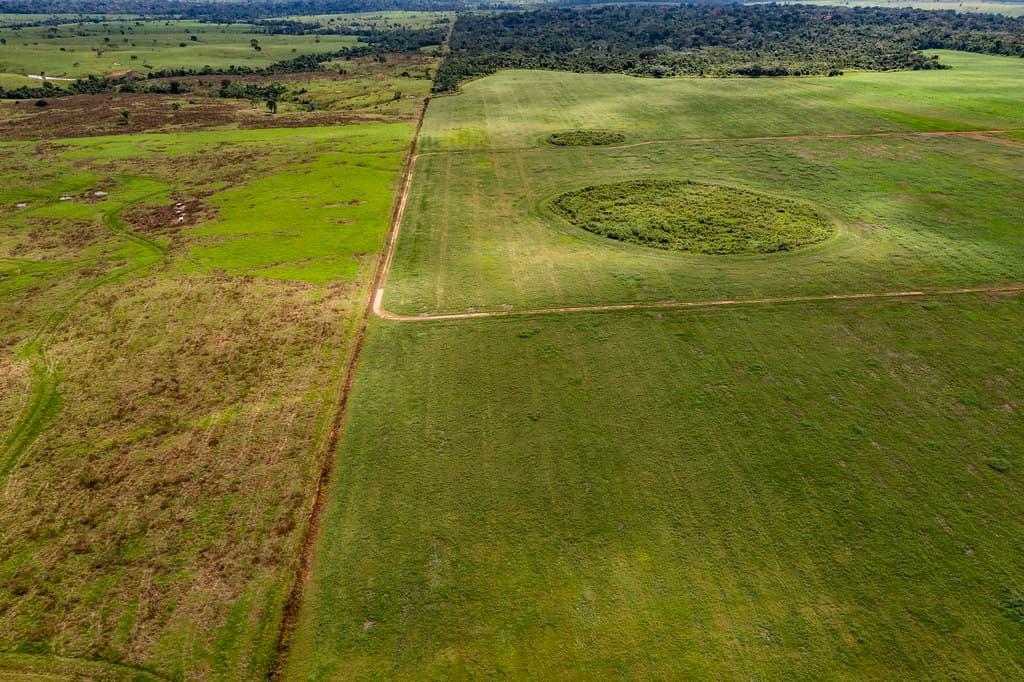
Geoglyphs of Acre, Brazil
Rio Branco, Acre, Brazil
Across thirteen thousand square kilometers of western Amazonia, more than four hundred geometric earthworks lie carved into the land — circles, squares, and compound forms...
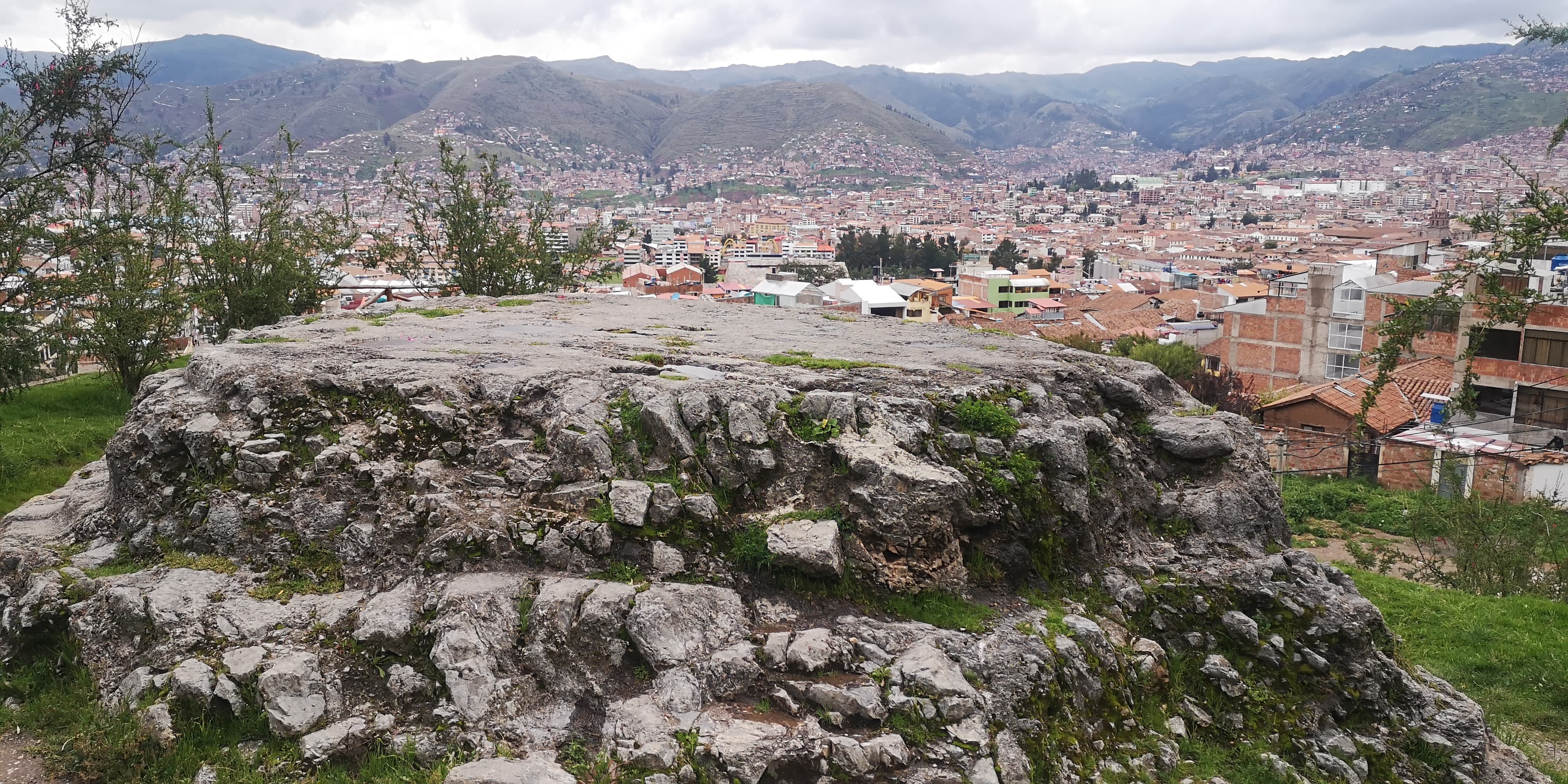
Huaca Pachatosa
Cusco, Cusco, Peru
Huaca Pachatosa is a sacred site in Cusco where excavations revealed evidence of burnt offerings spanning pre-Inca and Inca periods.
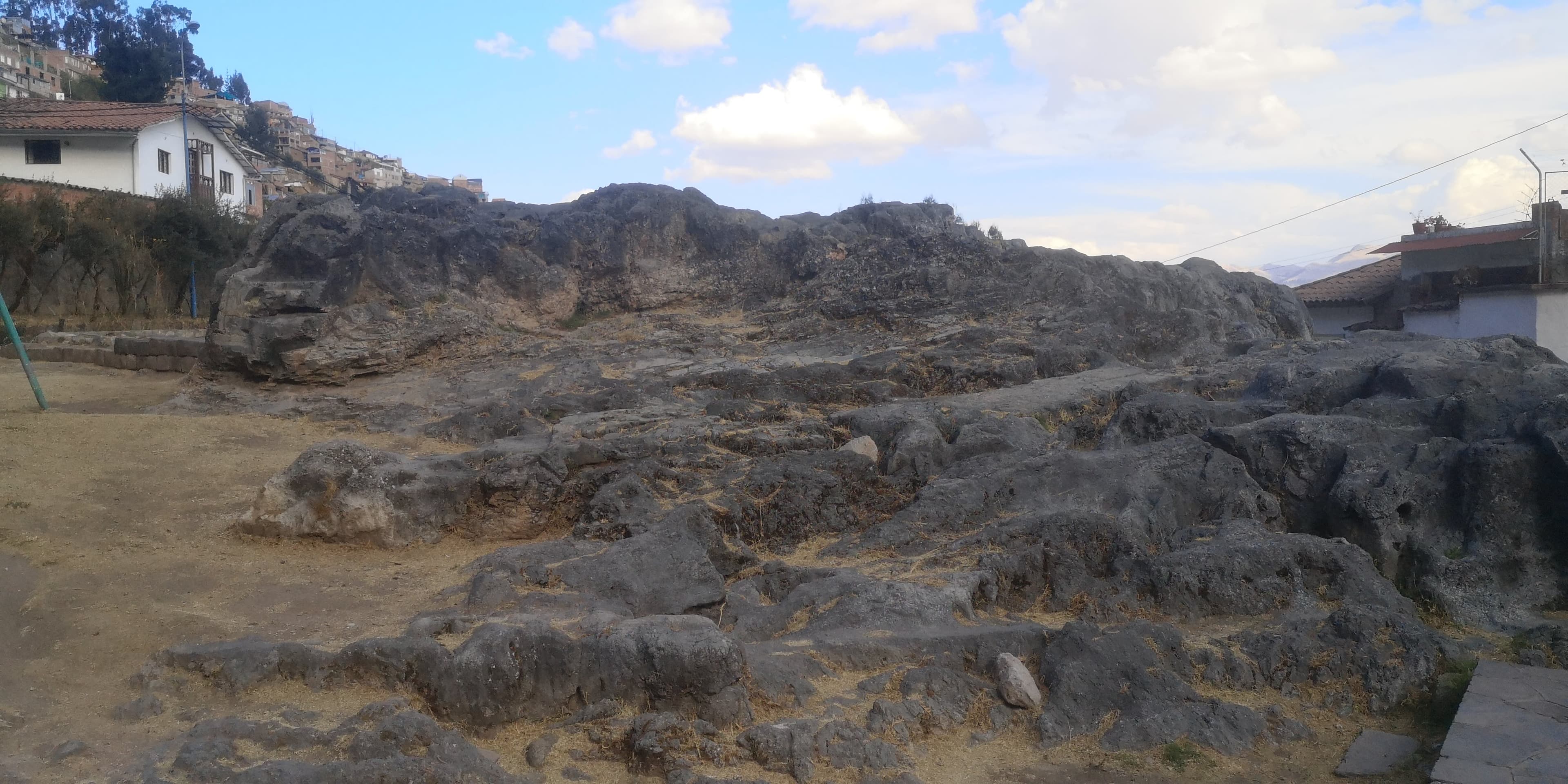
Huaca Sapantiana
Cusco, Cusco, Peru
Huaca Sapantiana is a sacred Inca site in Cusco's San Blas neighbourhood where a carved limestone bedrock sits in a ravine beside a colonial aqueduct....
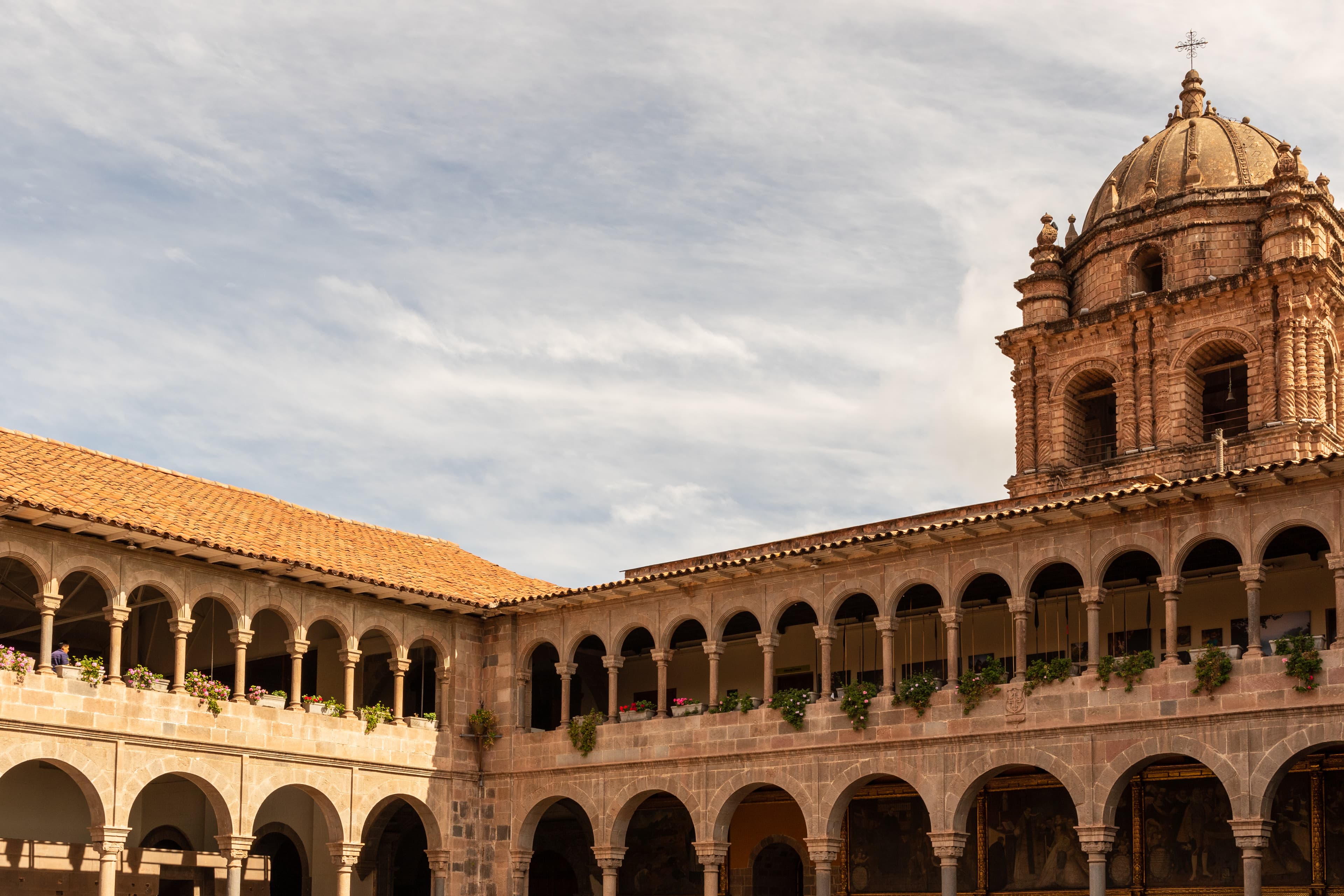
Iglesia de Santo Domingo & Korikancha
Cusco, Cusco, Peru
At the heart of Cusco, the foundations of the Inca Empire's holiest temple rise beneath a Spanish colonial church....

Irazu Volcano
Santa Rosa, Cartago, Costa Rica
At 3,432 meters, Irazu is the tallest active volcano in Costa Rica and one of the few places in the Americas where both the Atlantic and Pacific Oceans are theoretically...

Isla Del Luna
Part of Lake Titicaca
Copacabana, La Paz, Bolivia
Isla de la Luna rises from Lake Titicaca at nearly four thousand metres, the place where Inca cosmology located the birth of the moon....

Isla Del Sol
Part of Lake Titicaca
Copacabana, La Paz, Bolivia
Rising from the deep blue of the world's highest navigable lake, Isla del Sol is the place where Inca cosmology locates the birth of the Sun itself....
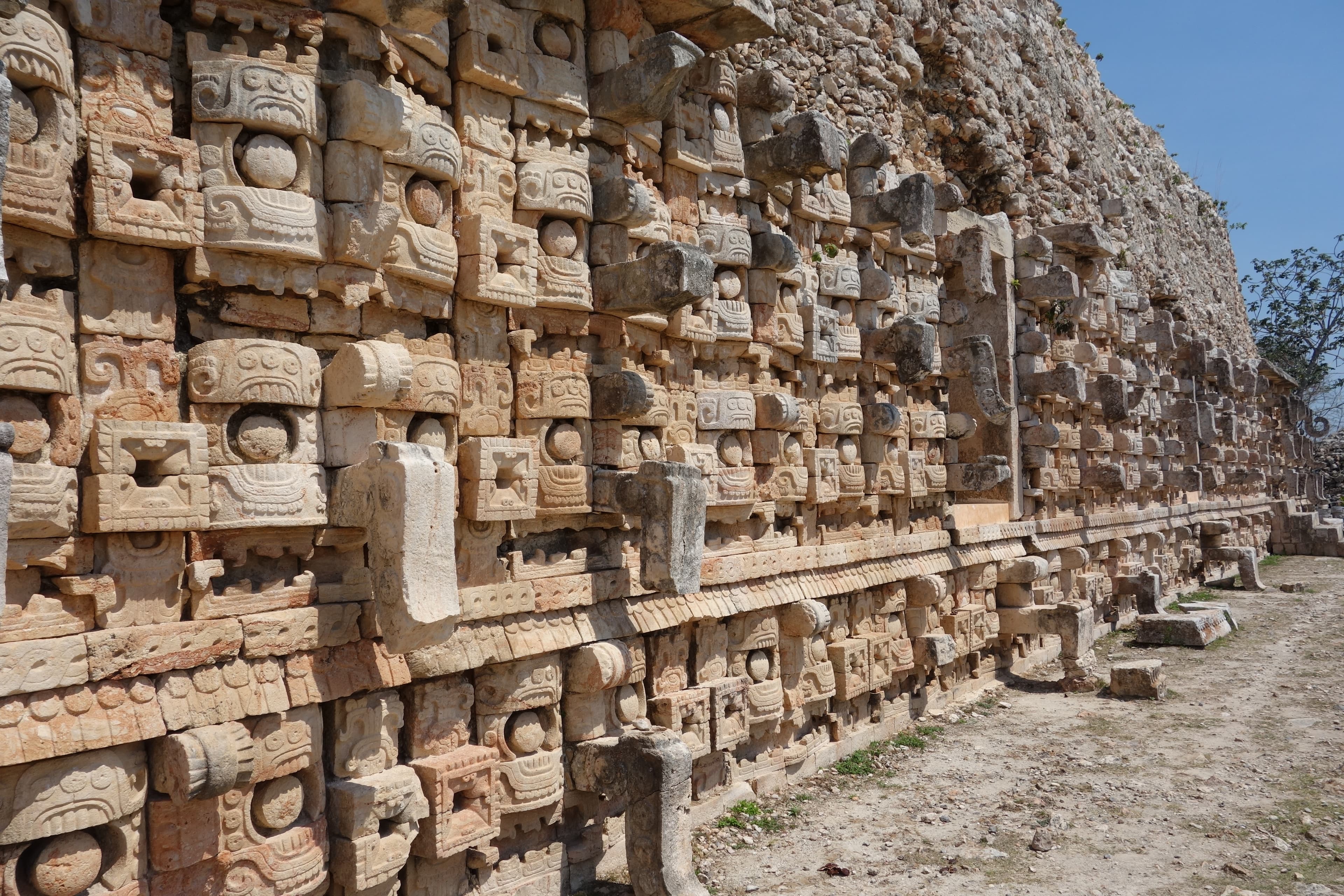
Kabah Archaeological Zone
Santa Elena, Yucatán, Mexico
In the Puuc hills of western Yucatan, where no cenotes break the limestone and rain alone sustains life, the Maya built Kabah and covered its greatest palace with the...

Kalasasaya Temple or Temple of the Standing Stones
Part of Tiwanaku Archaeological Site
Tiwanaku, La Paz, Bolivia
The Kalasasaya rises from the Bolivian Altiplano at nearly 3,850 metres, a vast rectangular enclosure of standing stones engineered to frame the solstice and equinox...

Kaminaljuyu
Guatemala City, Guatemala, Guatemala
Kaminaljuyu was the greatest city of the southern Maya highlands in the Preclassic, its name meaning Hill of the Dead....
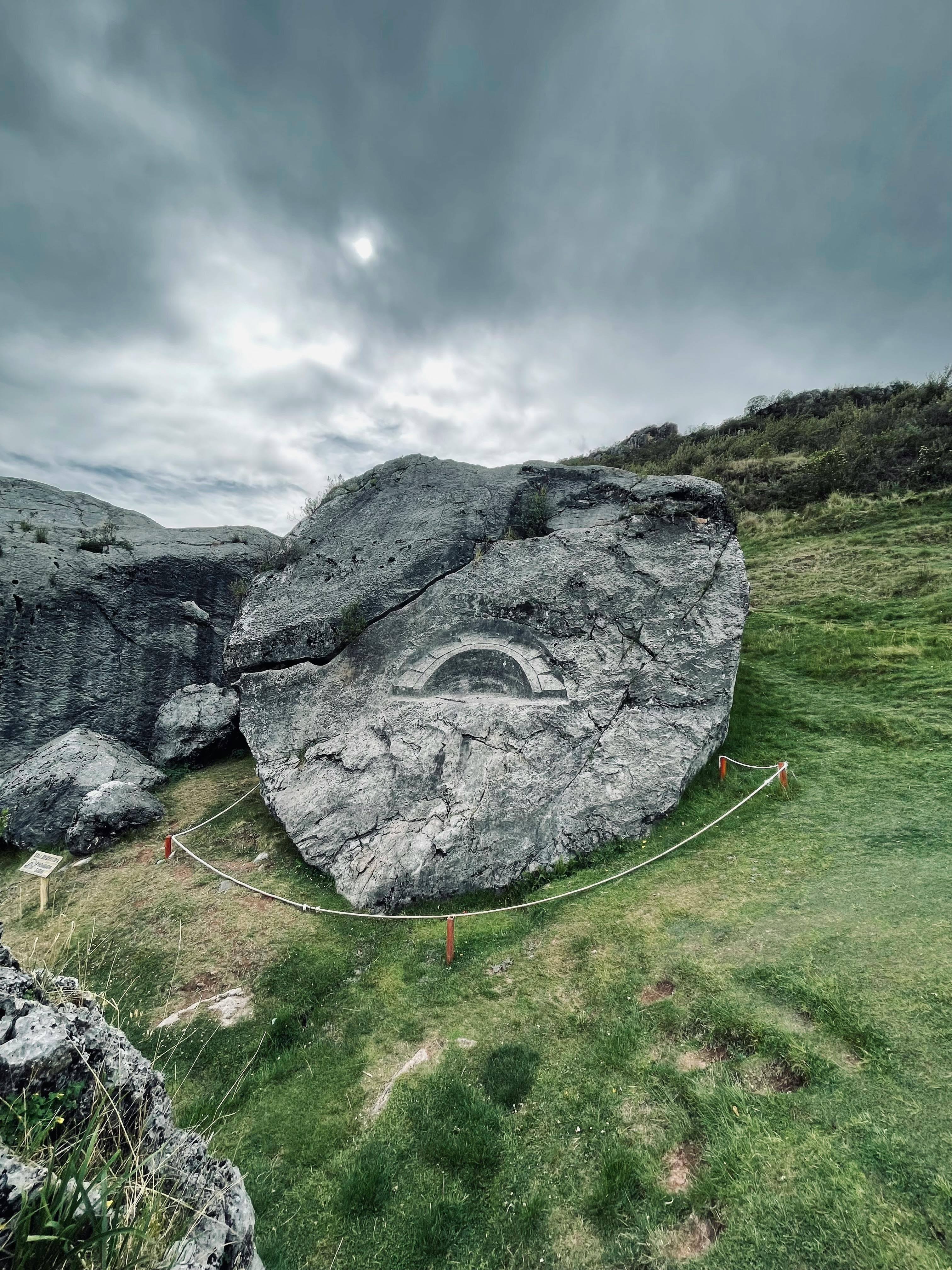
Killarumiyoq
Ancahuasi, Cusco, Peru
Hidden in the hills above Cusco, Killarumiyoq preserves the Inca's most elaborate dedication to Mama Quilla, the Moon Goddess....
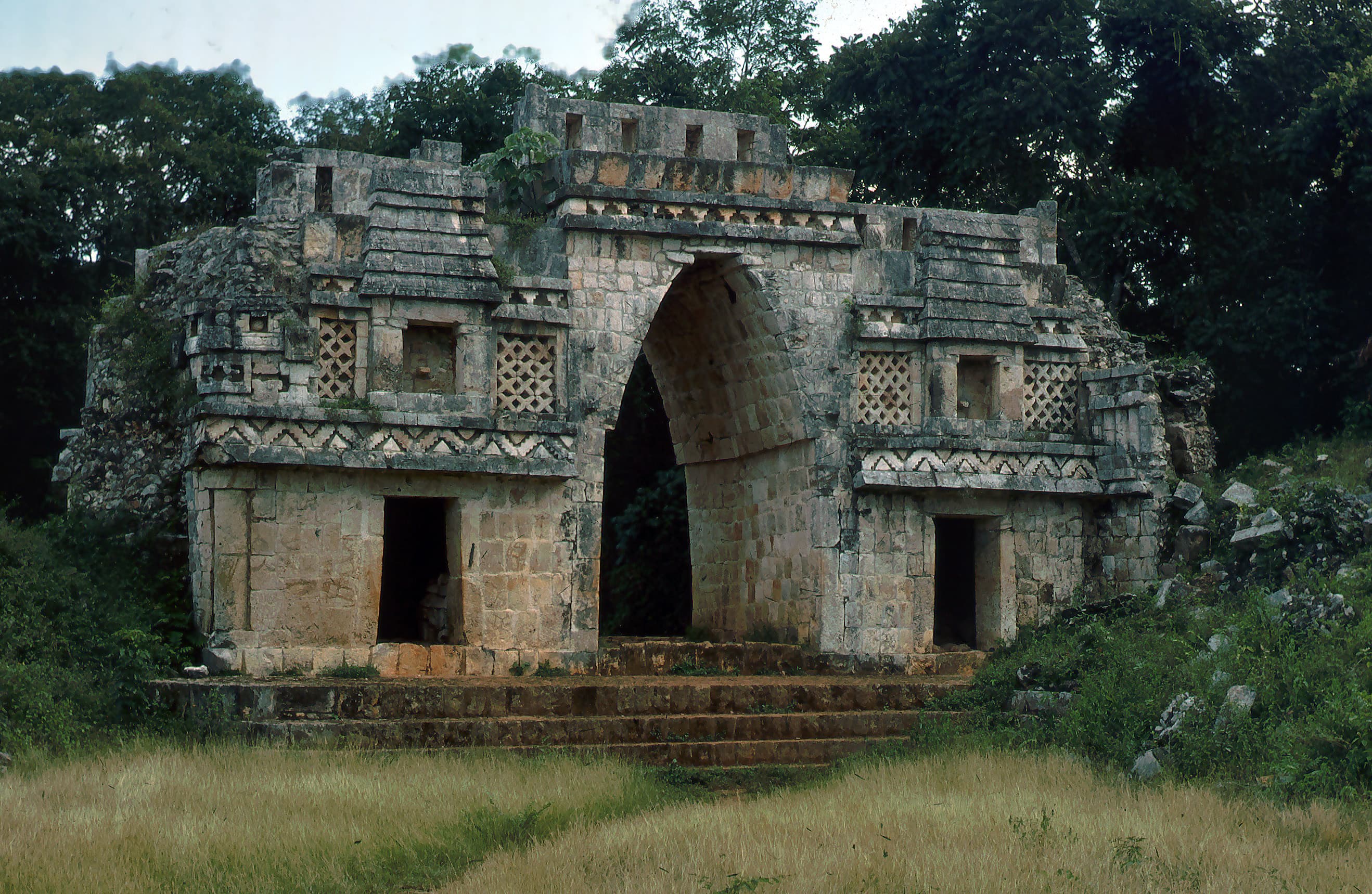
Labna
Santa Elena, Yucatán, Mexico
Rising from the limestone hills of the Puuc region, Labna preserves the most elaborate ceremonial arch in all Maya territory....

Líneas de Nazca
Nazca, Ica, Peru
Across fifty square kilometres of Peruvian desert, the Nazca people etched more than a thousand kilometres of lines and hundreds of figures into the earth between 500 BC...

Machu Picchu
Machupicchu, Cusco, Peru
For nearly four hundred years, Machu Picchu waited in the cloud forest, abandoned but not destroyed, its stones slowly embraced by jungle while Spanish conquistadors...
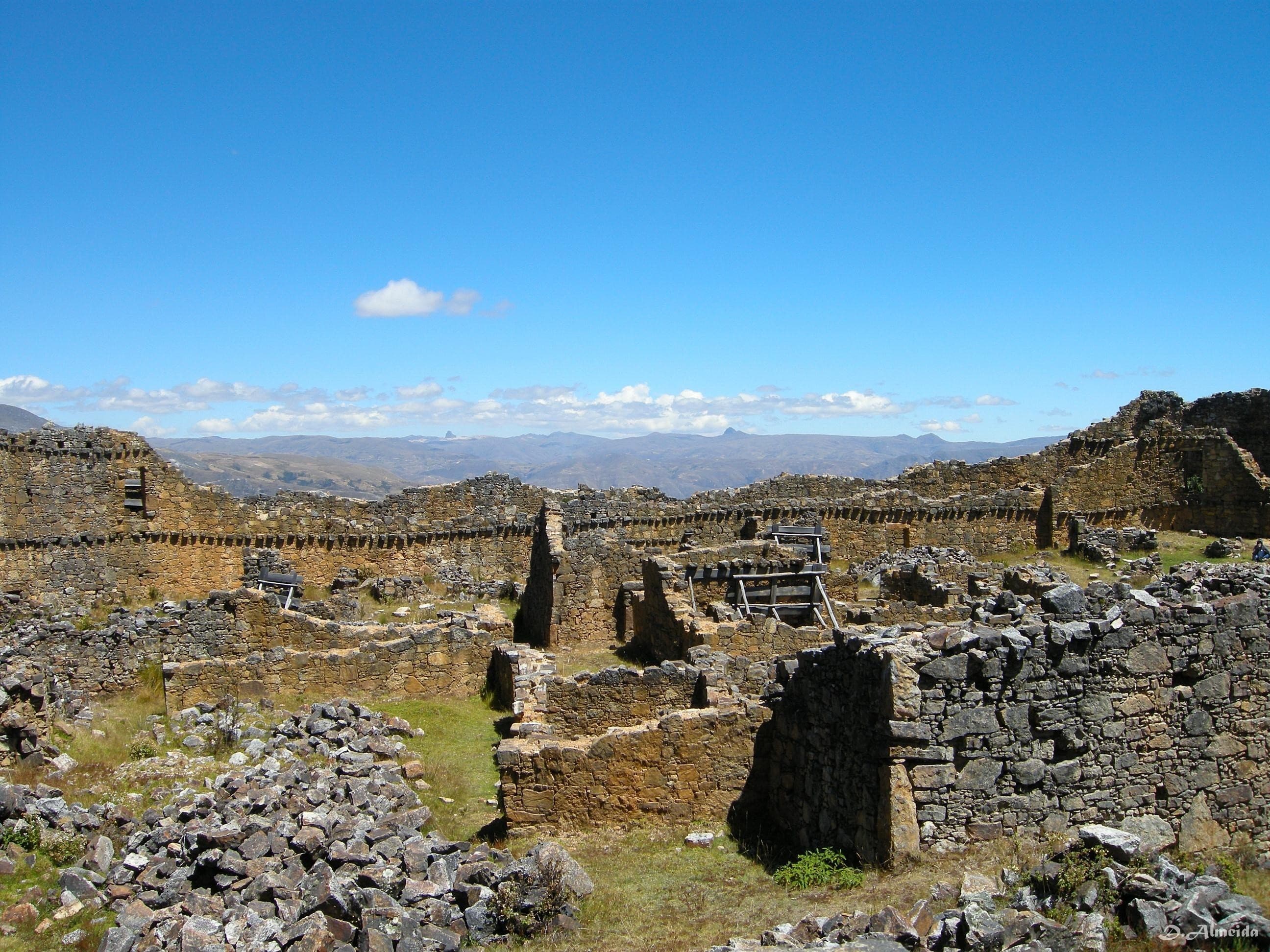
Marcahuamachuco Archaeological Complex
Huamachuco, La Libertad, Peru
On an elongated mesa dominating three mountain valleys in northern Peru, Marcahuamachuco sprawls across 260 hectares—a vast sanctuary built between 400 and 1,200 CE,...
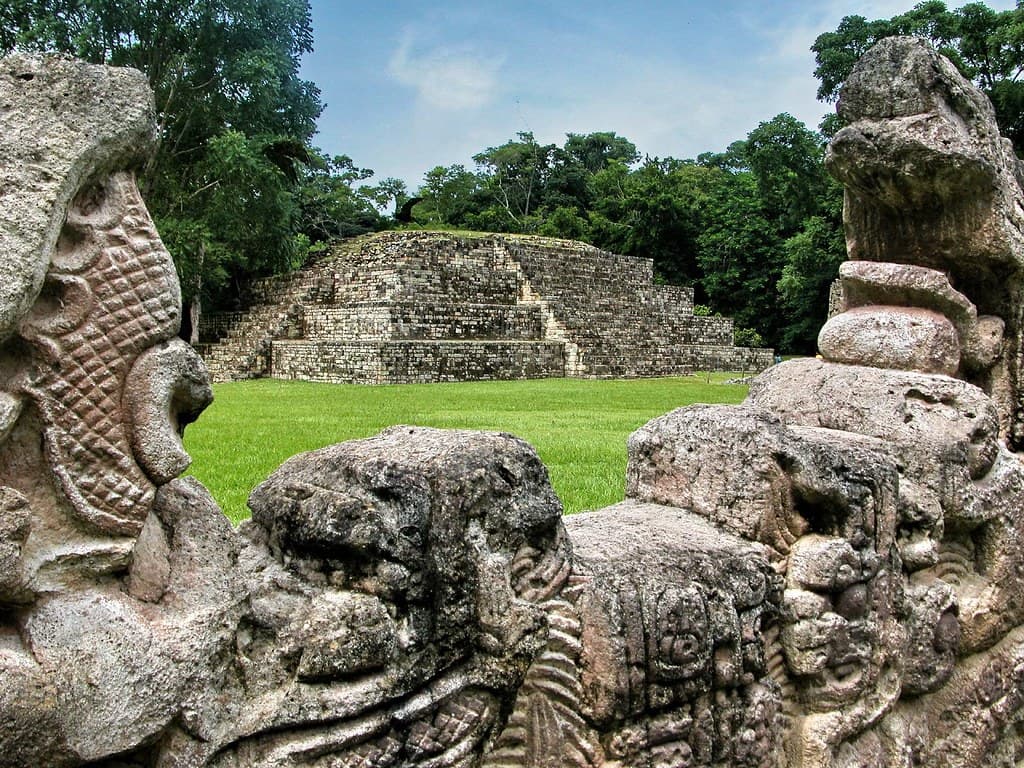
Maya Site of Copan
Copán Ruinas, Copán, Honduras
Copan stands where rulers enacted creation. For 400 years, Maya kings carved themselves as deities in elaborate stelae, believing the stone would hold their divine essence...
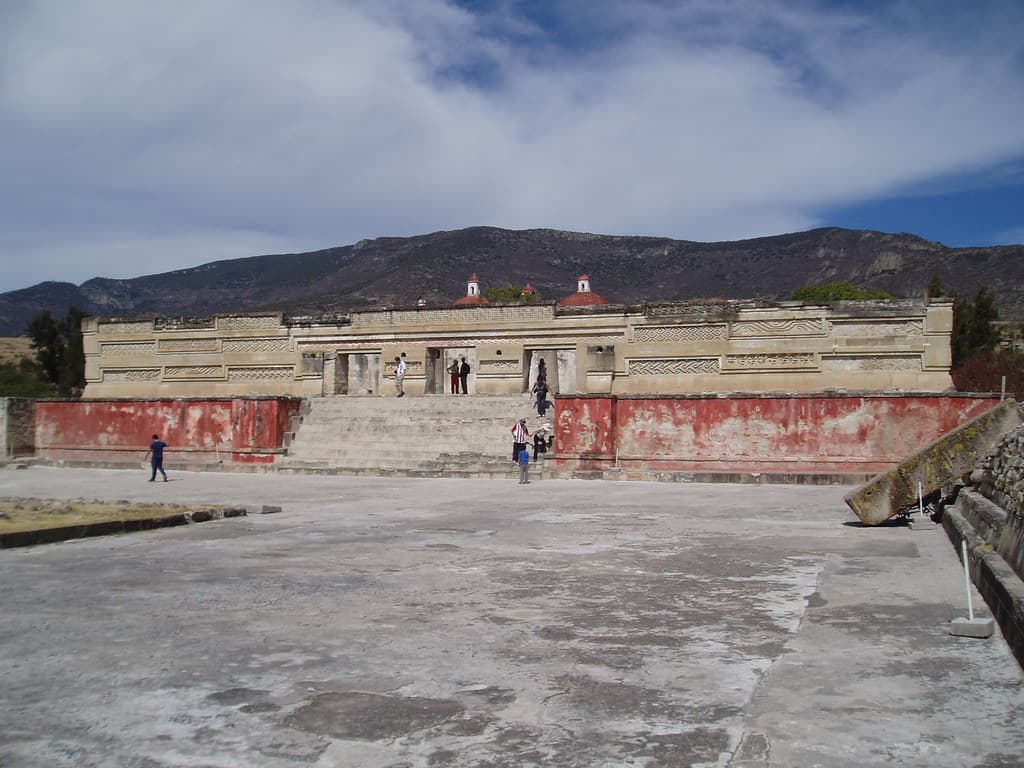
Mitla Archaeological Zone
San Pablo Villa de Mitla, Oaxaca, Mexico
Mitla—from the Nahuatl Mictlan, 'place of the dead'—served as the gateway between worlds for Zapotec civilization....
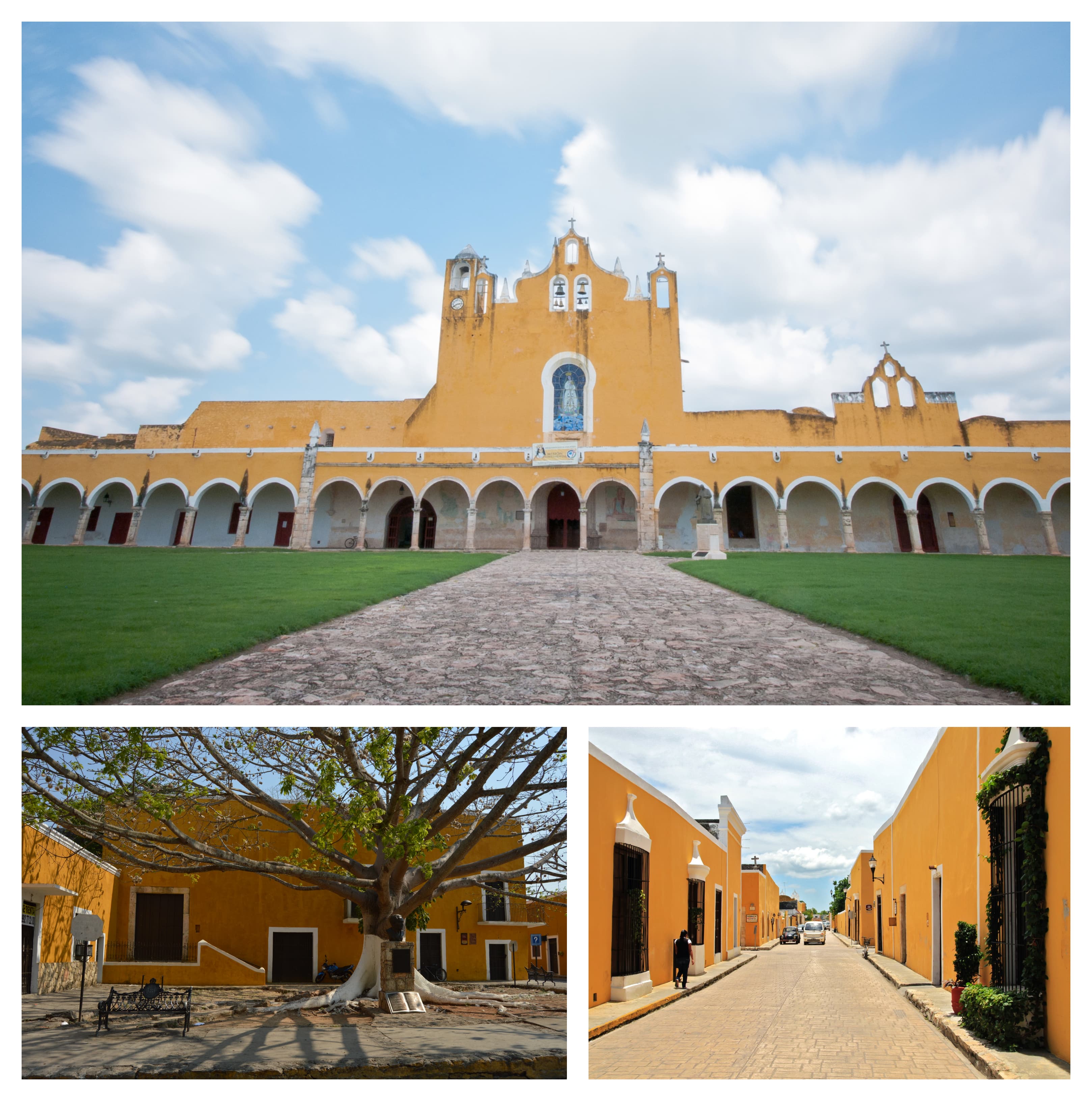
Monastery of San Antonio de Padua, Izamal
Izamal, Yucatán, Mexico
In the heart of Yucatán's Yellow City, Franciscan friars built one of Mexico's largest church atriums directly atop a leveled Maya temple platform, using its own carved...

Monte Alban Archaeological Zone
Santa Cruz Xoxocotlán, Oaxaca, Mexico
Monte Alban rises 400 meters above the Valley of Oaxaca—a mountaintop that the Zapotec literally carved into a capital city beginning around 500 BCE....
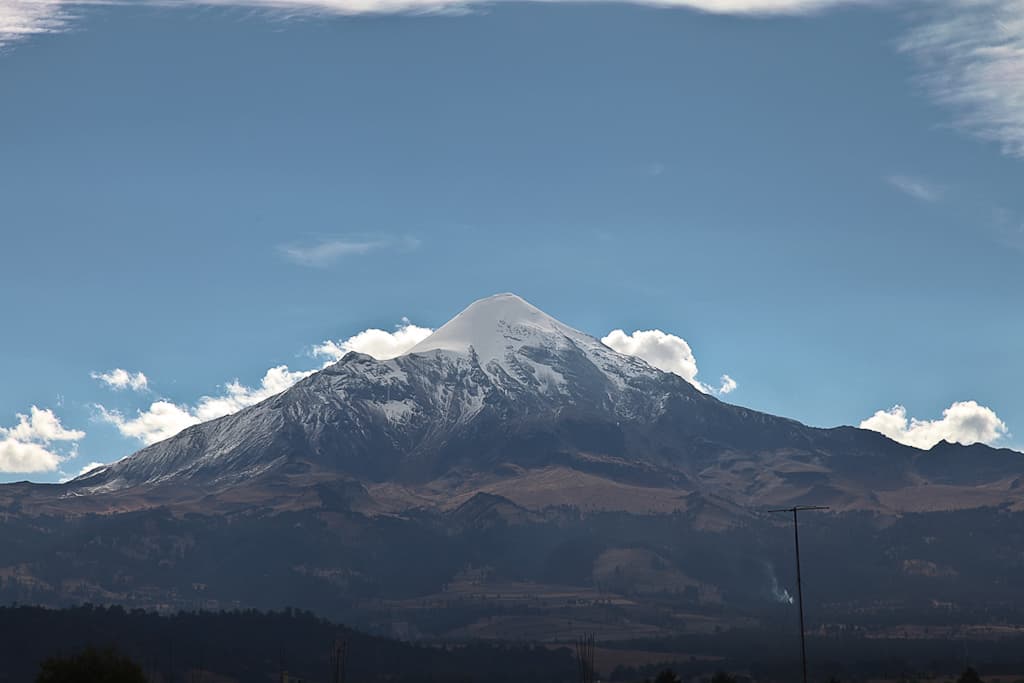
Mt. Citlatepetl Orizaba
Tlachichuca, Puebla, Mexico
Citlaltepetl—Star Mountain in Nahuatl—rises 5,636 meters above sea level, the highest peak in Mexico and third highest in North America....
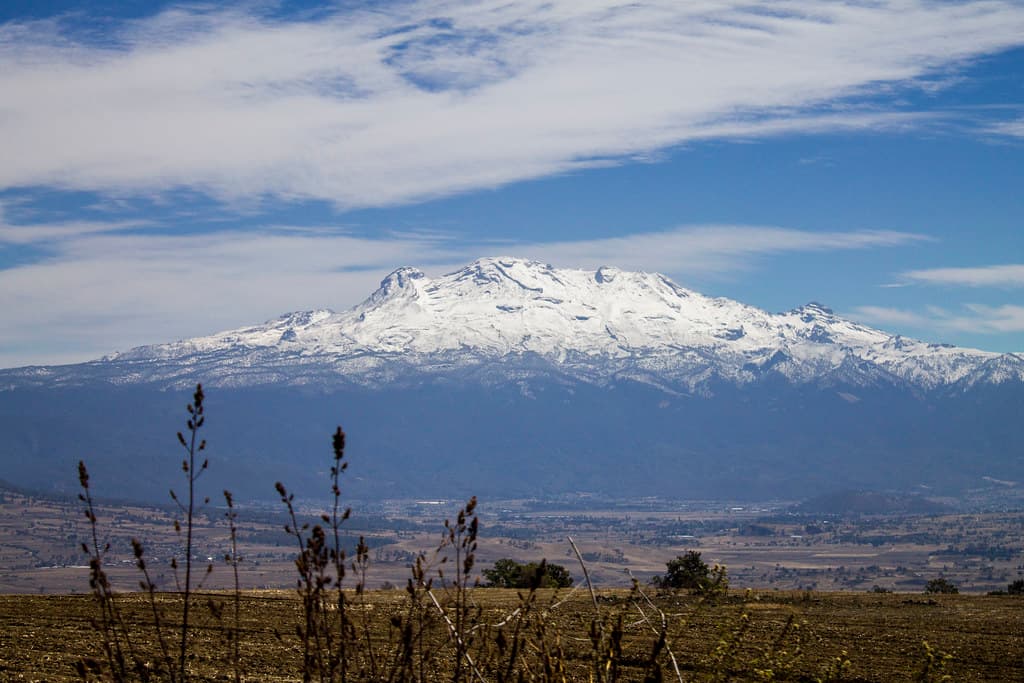
Mt. Iztaccihuatl
Tlalmanalco, Puebla, Mexico
Iztaccihuatl rises 5,230 meters above the Valley of Mexico, her four peaks forming the shape of a woman lying in eternal sleep—head, chest, knees, and feet draped in snow....
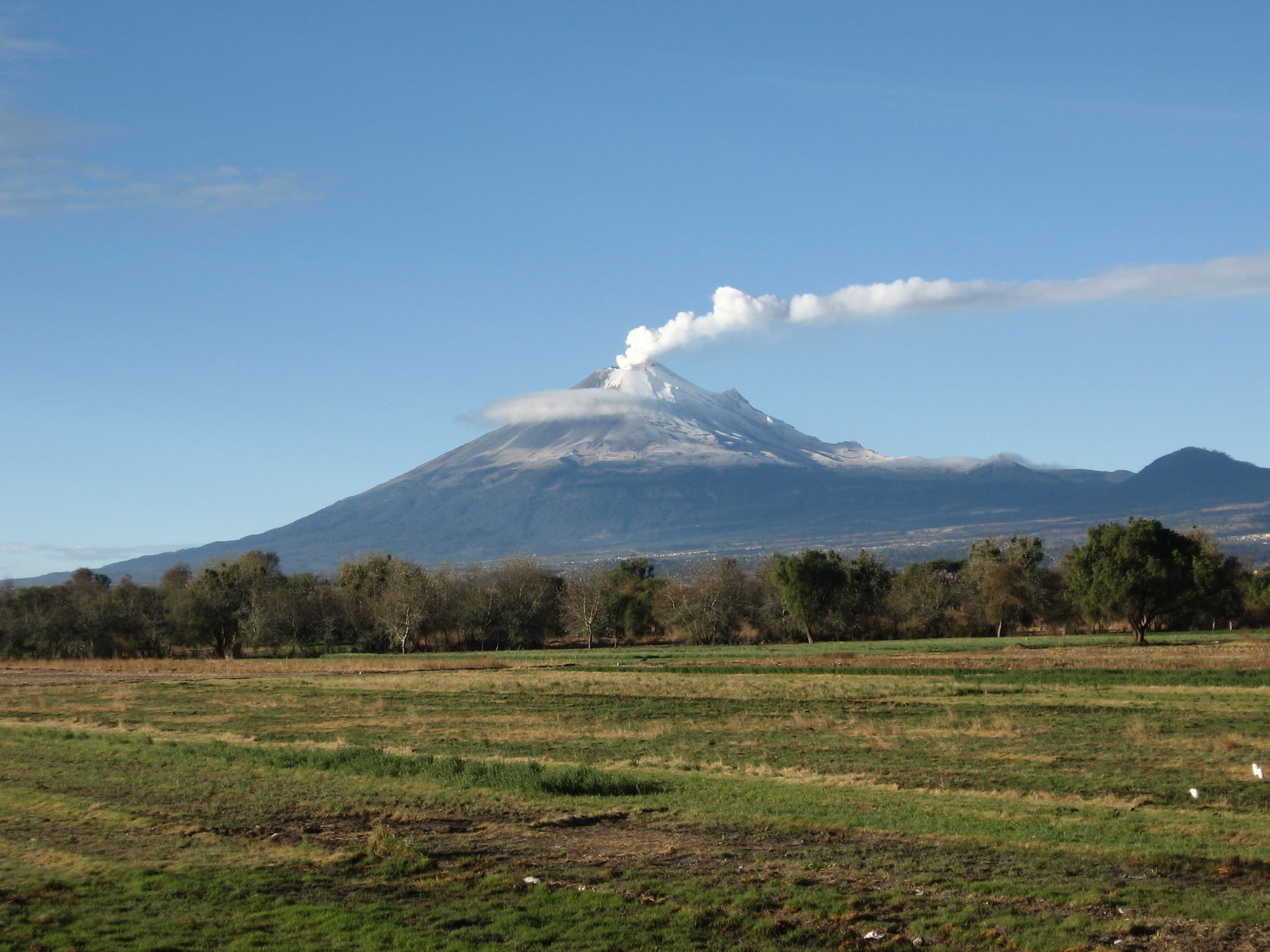
Mt. Popocatepetl
Atlautla, Mexico, Mexico
Popocatepetl—Smoking Mountain—is Mexico's second highest peak and one of its most active volcanoes, continuously erupting since 2005....
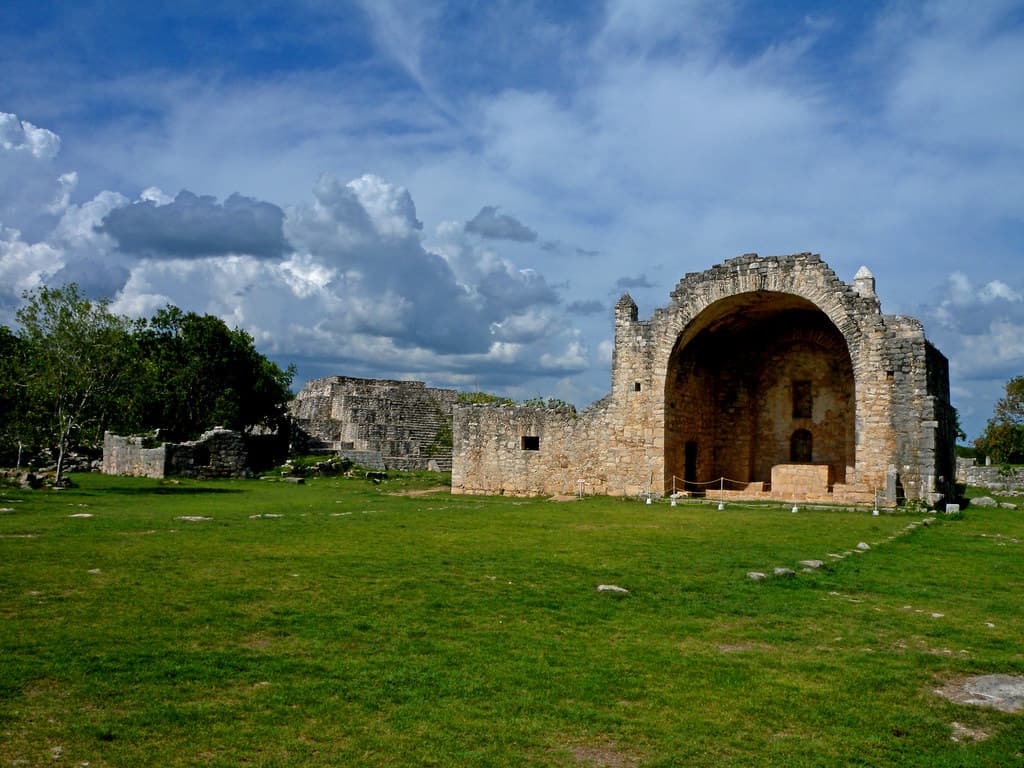
Museum of the Mayan Village at Dzibilchaltun
Mérida, Yucatán, Mexico
Dzibilchaltun—'the place where there is writing on the stones'—was inhabited from 1500 BCE until the Spanish Conquest, one of the longest continuously occupied sites in...
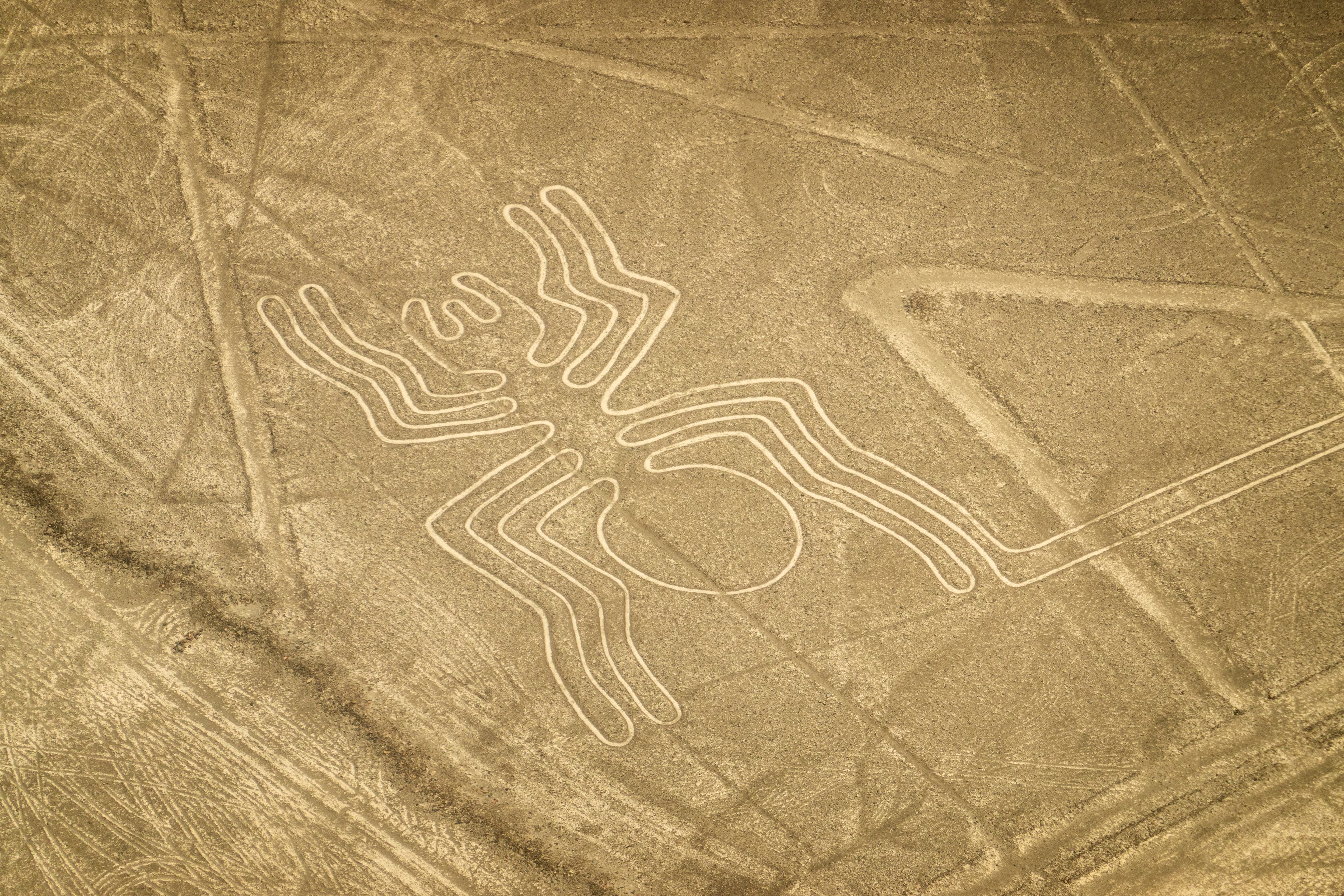
Nasca - El Araña
Part of Líneas de Nazca
Nazca, Ica, Peru
The Spider geoglyph measures forty-seven metres in length and is rendered with remarkable anatomical detail....

Nasca - El Árbol
Part of Líneas de Nazca
Nazca, Ica, Peru
The Tree geoglyph consists of a short, thick trunk that splits and expands into numerous large branches decorated with smaller twig-like extensions in a lush, flourishing...
Showing 1-48 of 93 sites
Key questions
Pre-Columbian sacred-site questions
What are Pre-Columbian sacred sites?
Pre-Columbian sacred sites are places connected by shared lineage, practice, memory, ritual use, or pilgrimage tradition.
Where can I find Pre-Columbian sacred sites?
The strongest country clusters in this guide include Peru, Mexico, Bolivia, Guatemala, Brazil, Colombia.
What kinds of places are included?
The guide includes sacred landscapes, pilgrimage places, and ritual or historical sites where available.
Can I map Pre-Columbian sacred sites?
Yes. Compare country clusters and physical forms first, then open individual pages for coordinates, historical context, and visitor guidance.