Mt. Citlatepetl Orizaba
The Star Mountain, Mexico's highest peak, where glaciers that witnessed Aztec pilgrims may vanish by 2030
Understand sacred places, explore living traditions, and learn how to engage respectfully with Pilgrim Map.
Access has not been verified. Check current local guidance before planning a visit.
Tlachichuca, Puebla, Mexico
Read the sources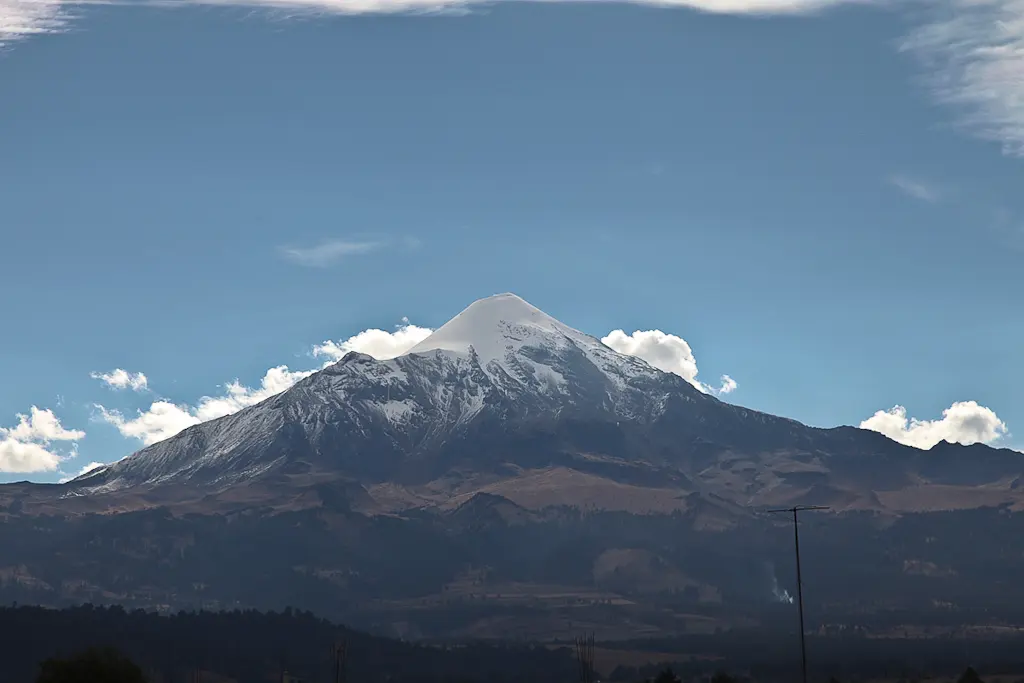
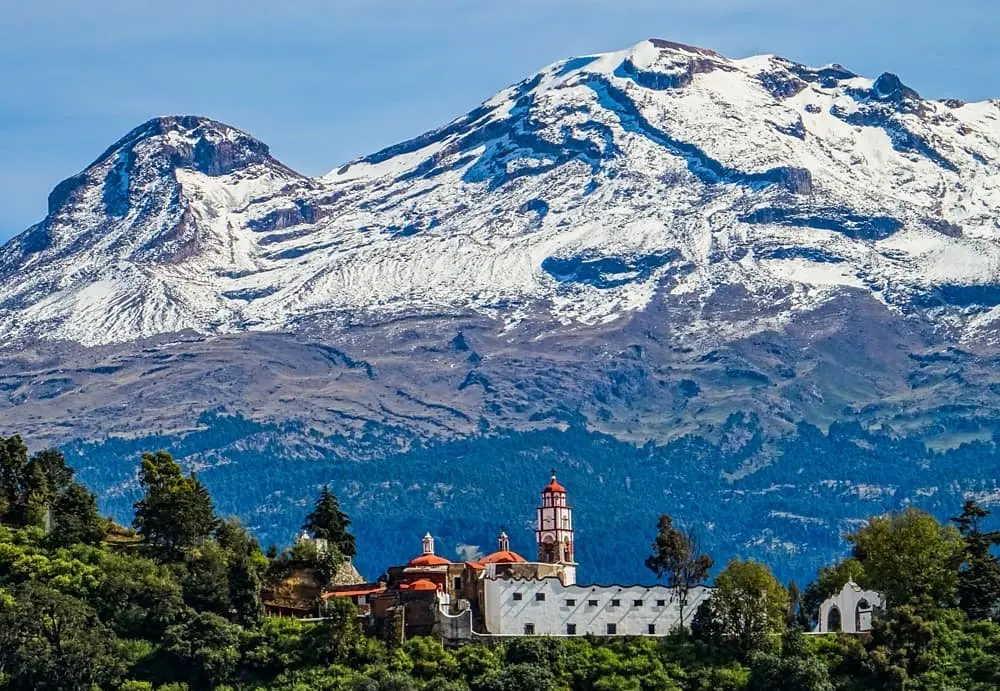
Image of Mt. Citlatepetl Orizaba. Image source
Visit essentials
A quick read before you go
- Duration
- 2-3 days including acclimatization and summit attempt.
- Etiquette
- Approach with the preparation mountaineering requires and the reverence sacred sites deserve.
Overview
From ships approaching Veracruz in the Gulf of Mexico, 110 kilometers away, Citlaltepetl—Pico de Orizaba—dominates the western horizon. At 5,636 meters, Mexico's highest peak and the third highest in North America after Denali and Mount Logan, this stratovolcano commands visibility and reverence across distances that dwarf human measure.
The Nahuatl name captures what the Aztecs saw: citlal(in) meaning star, tepetl meaning mountain. Under moonlight, the snow-capped summit resembles a celestial body, a star descended to earth or earth ascending toward the stars. The Totonacs shared this reverence, and the Tlaxcaltecs gave the mountain another name: Poyauhtecatl, 'the one that colours or illuminates,' remembering their lost country in the peak that marked its boundary.
The cultural significance extends beyond naming. Ancient civilizations believed the volcano was home to gods and spirits, its imposing presence associated with divine power and fertility. The snowy summit symbolized purity and strength; the height provided the cosmic axis that Mesoamerican cosmology required. Alignments from sites in the Basin of Mexico—including Mount Tlaloc—pointed toward Citlaltepetl to track solar cycles, making the mountain participant in calendrical accuracy that governed agricultural and ceremonial life.
The volcano formed during three stages beginning in the mid-Pleistocene. Its last recorded eruption occurred in 1846—recent enough to remind climbers that this is not merely landscape but active geological presence. The summit crater measures 400 by 600 meters; the approach from valley to peak traverses every climate zone Mexico contains.
But the ice that defined Citlaltepetl for millennia is disappearing. UNAM projections indicate the remaining glaciers may vanish entirely by 2030—within five years. What the Aztecs saw as eternal snow, what gave the Star Mountain its name and its power, is melting in real time. Climbers today witness not just summit achievement but geological farewell.
To climb Citlaltepetl now is to participate in ending. The glaciers that begin at 4,900-5,000 meters, requiring crampons and ice axes and mountaineering skill, may not exist for the next generation. The Star Mountain will remain Mexico's highest peak, but it will not be the mountain the Aztecs revered, the Totonacs honored, the Tlaxcaltecs remembered. The gods who dwelt in eternal snow will have lost their dwelling.
Why this place is sacred
The threshold at Citlaltepetl opens at altitude where breath fails and perception shifts. At 5,636 meters, the body enters conditions it was not evolved to sustain; the mind, oxygen-deprived, opens to what lower elevations obscure. This is the physical dimension of the mountain's thinness—the simple fact that climbing high enough changes consciousness.
But the cultural dimension runs deeper. The Aztecs who named this Star Mountain understood it as cosmic axis, the point where earth and sky connected. Under moonlight, the snow-capped summit resembled a celestial body, making the mountain's sacredness visible to anyone who looked. The alignments from ceremonial sites in the Basin of Mexico that pointed toward Citlaltepetl participated in astronomical observation, tracking solar cycles that governed agricultural and ritual life. To see the mountain was to see cosmic connection.
The divine associations multiplied significance. Ancient civilizations believed gods and spirits inhabited the volcano; its eruptions demonstrated power beyond human control; its perpetual snow symbolized purity that mortal effort could not achieve. To climb was to approach what ordinary life could not reach.
The contemporary dimension adds urgency that the ancients did not face. The glaciers that give Citlaltepetl its name—the eternal snow that makes it Star Mountain—are disappearing. UNAM projections suggest extinction by 2030, within five years. The Gran Glaciar Norte that climbers currently traverse may not exist for the next generation.
This pending loss transforms climbing from recreation to witness. Every mountaineer who crosses the glacier now participates in geological farewell. The ice beneath their crampons holds what the Aztecs saw, what the Totonacs honored, what five centuries of climbers have traversed. It is melting. The thinness at Citlaltepetl now includes the thinning of the ice itself—the membrane between what was and what will be wearing through in real time.
To summit today is to touch what will not be touched much longer. The gods who dwelt in eternal snow will lose their dwelling. The Star Mountain will remain Mexico's highest peak but will not be the mountain that gave it that name. The thinness at Citlaltepetl is the thinness of ending—the final years when what was sacred can still be approached in the form that made it sacred.
Citlaltepetl served as sacred mountain in Aztec and Totonac cosmology, its summit connecting earth and sky, its celestial appearance under moonlight marking it as cosmic axis, its alignment used for astronomical observation and calendrical accuracy.
From pre-Columbian sacred geography through colonial observation to contemporary mountaineering pilgrimage and climate witness. The glaciers that defined the mountain face extinction by approximately 2030.
Experience and orientation
This is not a hike. Citlaltepetl demands mountaineering experience, technical equipment, and respect for altitude that has killed the unprepared. The standard approach takes 2-3 days including acclimatization; the summit attempt crosses glaciers beginning at 4,900 meters; the altitude (5,636 meters) creates conditions where judgment fails and weather kills.
Most climbers approach from Tlachichuca on the mountain's western side. The drive from Mexico City, Puebla, or Veracruz brings you to this launching point where guides can be arranged, equipment rented, and logistics organized. Going with an experienced guide is strongly recommended—the mountain claims lives regularly.
The first day typically involves transport to the Piedra Grande hut at approximately 4,260 meters. This basic shelter serves as base camp for acclimatization and summit preparation. Spend time here letting your body adjust; rushing altitude kills.
The summit attempt begins well before dawn, often around midnight. Headlamps illuminate the path as you climb scree and rock toward the snow line. At around 4,900-5,000 meters, the glacier begins. Crampons bite into ice that has existed for millennia and may not exist much longer.
The crossing of the glacier is where Citlaltepetl's sacred dimension becomes visceral. This is the eternal snow the Aztecs revered, the Star Mountain's defining feature, the ice that made this peak a cosmic axis. And it is melting. Every step participates in what may be the final generation of glacier crossings.
The summit, if weather permits and fitness suffices, rewards with views that explain why civilizations found this peak sacred. The Gulf of Mexico lies to the east; the highlands spread west; the sky surrounds you at altitude where few humans have stood. Stay only briefly—weather changes kill—and begin the descent that is more dangerous than the ascent.
Return to Piedra Grande, to Tlachichuca, to whatever life awaits below. Carry with you what the mountain offered: altitude, effort, ice that will not exist much longer, and whatever the Star Mountain revealed to those who approached on its terms.
Primary access via Tlachichuca on western slopes. Piedra Grande hut at approximately 4,260 meters serves as base camp. North Face is the most popular and technical route. Best season: November-March.
Context and lineage
The volcano formed during three stages beginning in the mid-Pleistocene, building the stratovolcano that rises to 5,636 meters—the highest point in Mexico, the third highest in North America. Its last recorded eruption occurred in 1846.
Long before geological dates mattered, the mountain shaped human understanding. The Aztecs named it Citlaltepetl—Star Mountain—because the snow-capped summit resembled a celestial body under moonlight. The Totonacs shared reverence for the peak that dominated their coastal homeland's western horizon. The Tlaxcaltecs called it Poyauhtecatl, 'the one that colours or illuminates,' remembering their lost territory in the mountain that marked its boundary.
The mountain's sacred function extended beyond naming. Alignments from ceremonial sites in the Basin of Mexico, including Mount Tlaloc, pointed toward Citlaltepetl to track solar cycles. The mountain participated in calendrical accuracy that governed agricultural and ritual life. Ancient civilizations believed gods and spirits inhabited the volcano; its perpetual snow symbolized purity and strength beyond human achievement.
The first Spanish ascent occurred in 1522, when Hernan Cortes's men climbed seeking sulfur for gunpowder. They brought practical purposes to a mountain that had served sacred ones. Subsequent centuries saw the peak become mountaineering objective as much as religious site.
Today, the sacred dimension confronts ecological reality. The Gran Glaciar Norte, Mexico's largest glacier, faces extinction. UNAM projections suggest the remaining glaciers may vanish entirely by 2030. The eternal snow that gave the Star Mountain its name and its power is melting in real time. Climbers who cross the glacier now participate in geological farewell—the final years when what was sacred can be approached in the form that made it sacred.
Pre-Columbian sacred geography; colonial observation; contemporary mountaineering culture. No continuous lineage of practitioners but the mountain has served regional spiritual understanding for millennia.
Aztec and Totonac peoples
Pre-Columbian reverence
Traditions and practice
Offerings to mountain gods, astronomical observation using the peak for calendar alignment, reverence for the cosmic axis that connected earth and sky.
Mountaineering pilgrimage—climbing as embodied spiritual practice. Environmental witnessing—documenting glacial recession. Conservation efforts to preserve what remains of the mountain's ecological heritage.
If you climb, approach as pilgrimage rather than conquest. Recognize the glacier you cross as sacred heritage disappearing in real time. Document what you see for those who may not have the opportunity. Contribute to conservation efforts that might extend the glaciers' existence.
Mesoamerican Sacred Mountain Tradition
ActiveCitlaltepetl served as cosmic axis in Aztec, Totonac, and Tlaxcaltecan understanding—the Star Mountain connecting earth and sky, its snow symbolizing purity and divine presence.
Pre-Columbian offerings and astronomical observation. Contemporary mountaineering pilgrimage. Environmental witness and conservation.
Perspectives and open questions
Citlaltepetl can be understood as geological formation, as sacred mountain in pre-Columbian cosmology, as mountaineering objective, or as climate change witness—the glaciers that defined it disappearing in real time.
Scholarly perspective
Glaciologists document the recession that threatens the mountain's defining feature. Archaeologists study the astronomical alignments that incorporated the peak into ceremonial calendars. Historians trace the mountain's role in regional cultural identity.
Living and traditional perspectives
For communities in the mountain's shadow, Citlaltepetl remains sacred presence. The glacier's disappearance represents loss that exceeds ecological measurement.
Alternative interpretations
Some mountaineers experience the summit as inherently spiritual—altitude and effort creating conditions for transcendence regardless of cultural framework.
Open questions
The precise date of glacial extinction cannot be predicted with certainty. The full extent of pre-Columbian ritual activity on the mountain is not documented.
Plan your visit
Access and arrival
Piedra Grande hut at approximately 4,260 meters for climbers. Full services in Tlachichuca and surrounding towns.
Respectful visit
Full mountaineering equipment: crampons, ice axe, helmet, winter clothing, layers for extreme conditions.
Document responsibly. The glacial recession merits recording but not at the cost of safety.
The climb itself is offering. Treat the mountain's environment with the care sacred sites deserve.
Park entrance fees apply. Respect all park regulations and climbing protocols.
This is serious mountaineering requiring proper equipment, experience, and guide services. Altitude kills the unprepared. Weather changes rapidly. Do not attempt without appropriate preparation.
Current practical details
Address
Pico de Orizaba, 75529 Puebla, Mexico
Hours, fees, and access can change — verify on the official source before you travel. Practical details last checked Jun 2026.
Location
Map loads as you approach this section.
Pilgrim reflections
A portrait of encounter, not a score
Pilgrims describe what they felt, how present they could become, and whether the place would shape a journey. There are no stars and no ranking of traditions.
No reviewed reflections yet
The first pilgrims can help describe the character of being here.
Share a reflection
Available after an account-backed “Been there.” Every reflection is reviewed before publication.
Nearby sacred places
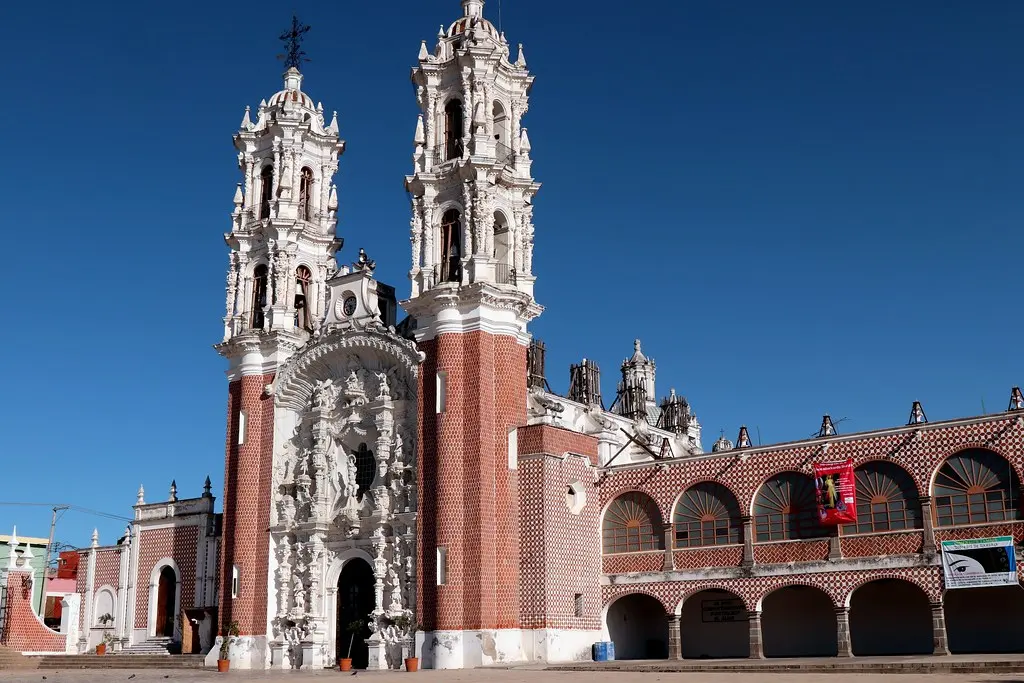
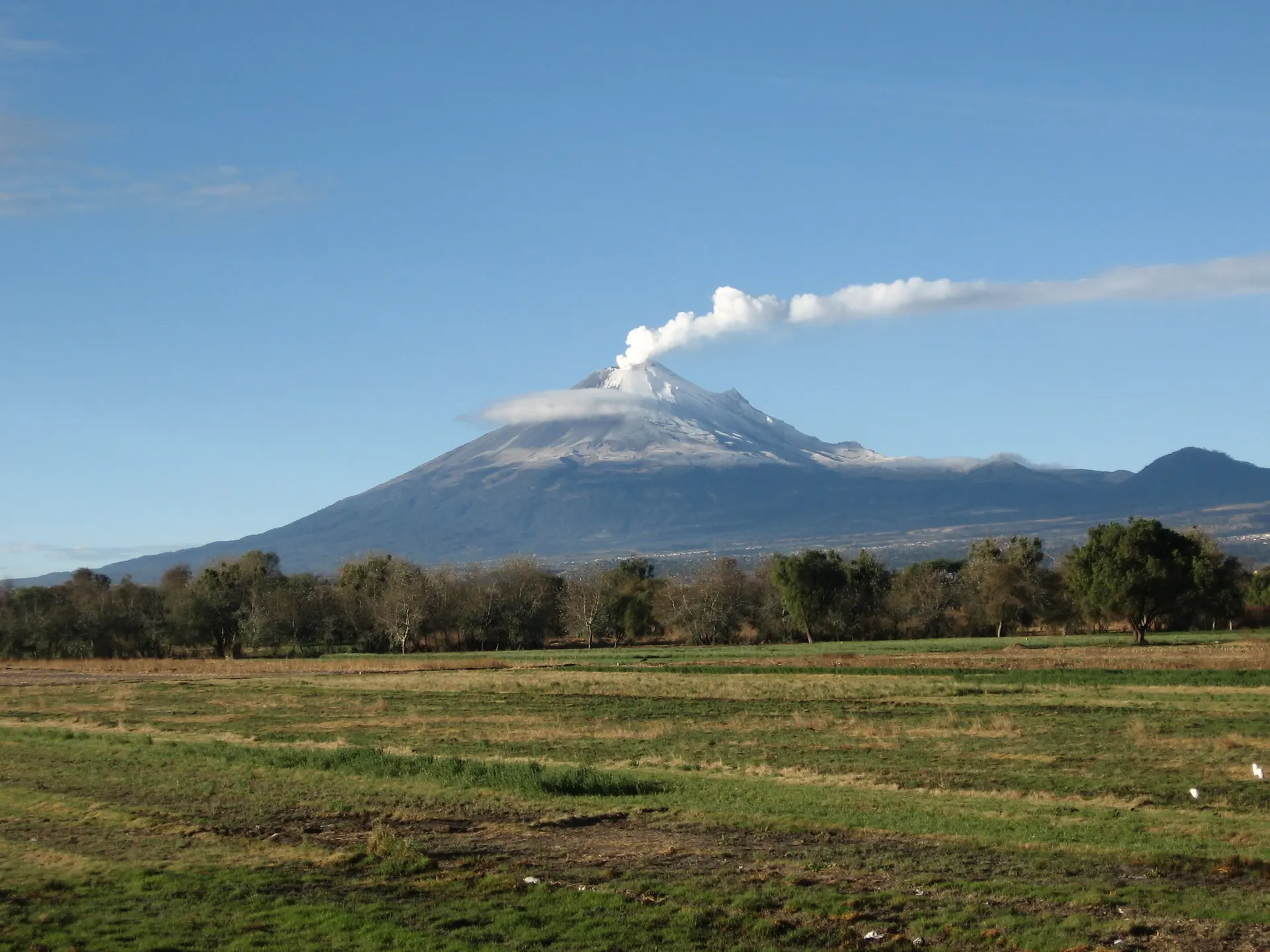
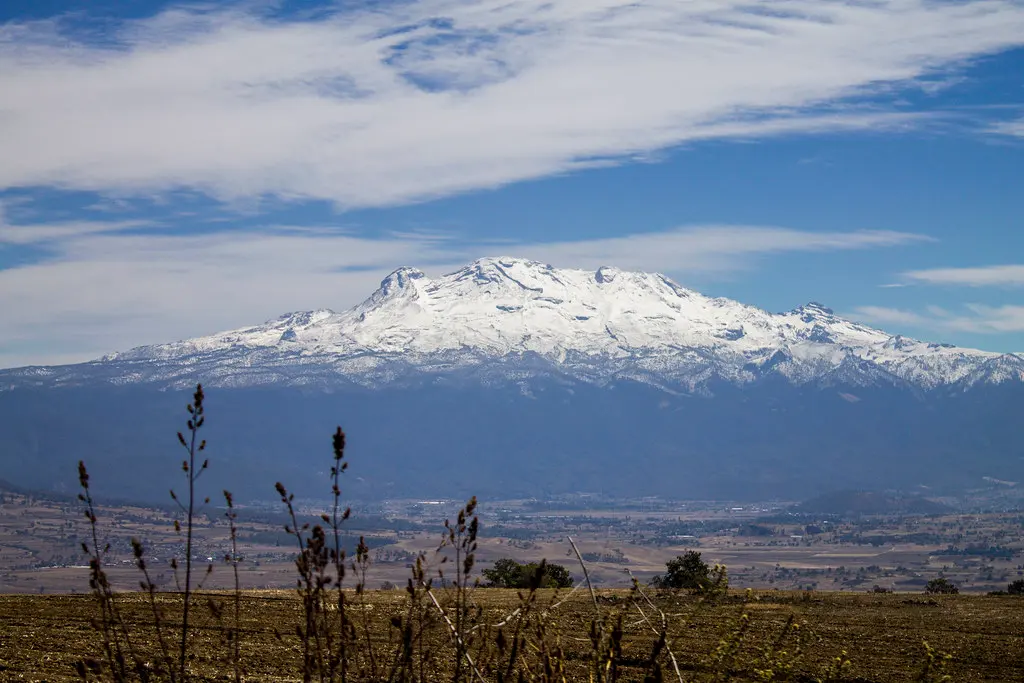
Explore other sacred places in the region. Proximity does not establish access or travel time; check each place’s guidance.
References
Sources consulted for this page. Source categories describe the publication, not a guarantee that every claim is verified. Traditional accounts and outside interpretations may differ.
- 01Pico de Orizaba - WikipediaSource context
- 02Pico de Orizaba - BritannicaSource context
- 03Pico de Orizaba - Global Volcanism ProgramSource context
- 04Pico de Orizaba - SummitPostSource context
- 05Pico de Orizaba: The Highest Mountain in Mexico - Ultimate KilimanjaroSource context
- 06The Majestic Pico de Orizaba - Mexico HistoricoSource context
Share a photo
Help visitors recognize Mt. Citlatepetl Orizaba. Every submission is reviewed before publication.