Site type guide
Pyramid
Crawlable taxonomy page generated from the current site detail schema and used in the internal linking graph.
Countries to explore next
Traditions represented here
12 sites
Browse this type across countries, traditions, and sacred landscapes.

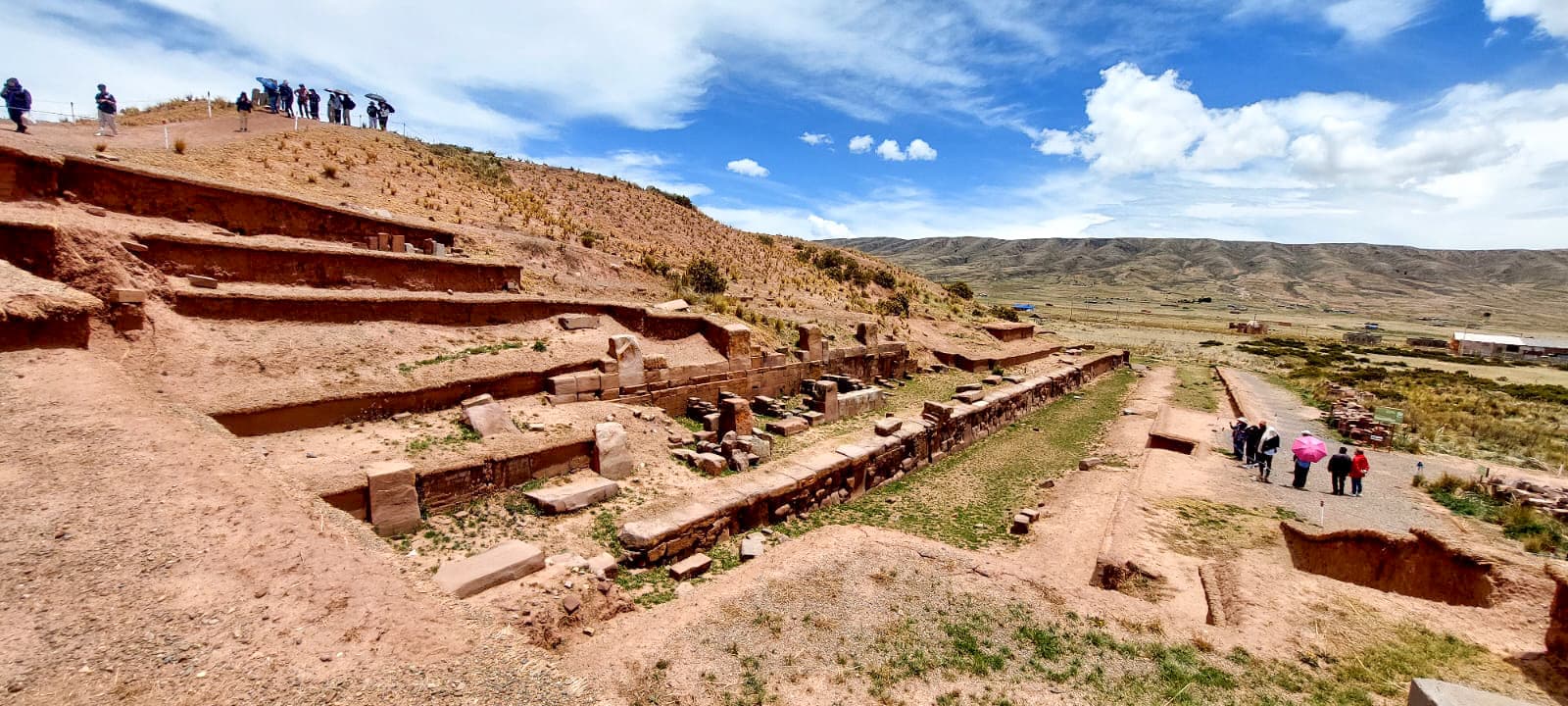
Akapan Pyramid
Tiwanaku, La Paz, Bolivia
Akapan Pyramid in Tiwanaku, La Paz, Bolivia.

Bent Pyramid
Dahshur, Dahshur, Egypt
The Bent Pyramid rises from the desert at Dahshur with a silhouette like no other: steep at the base, then abruptly shallower at the 47-meter mark. Something happened here 4,600 years ago that forced the builders to change their plan. The result is frozen decision-making—a monument to adaptation that also preserves the best surviving example of original pyramid limestone casing. Stand before the Bent Pyramid and you see what all pyramids were meant to look like.

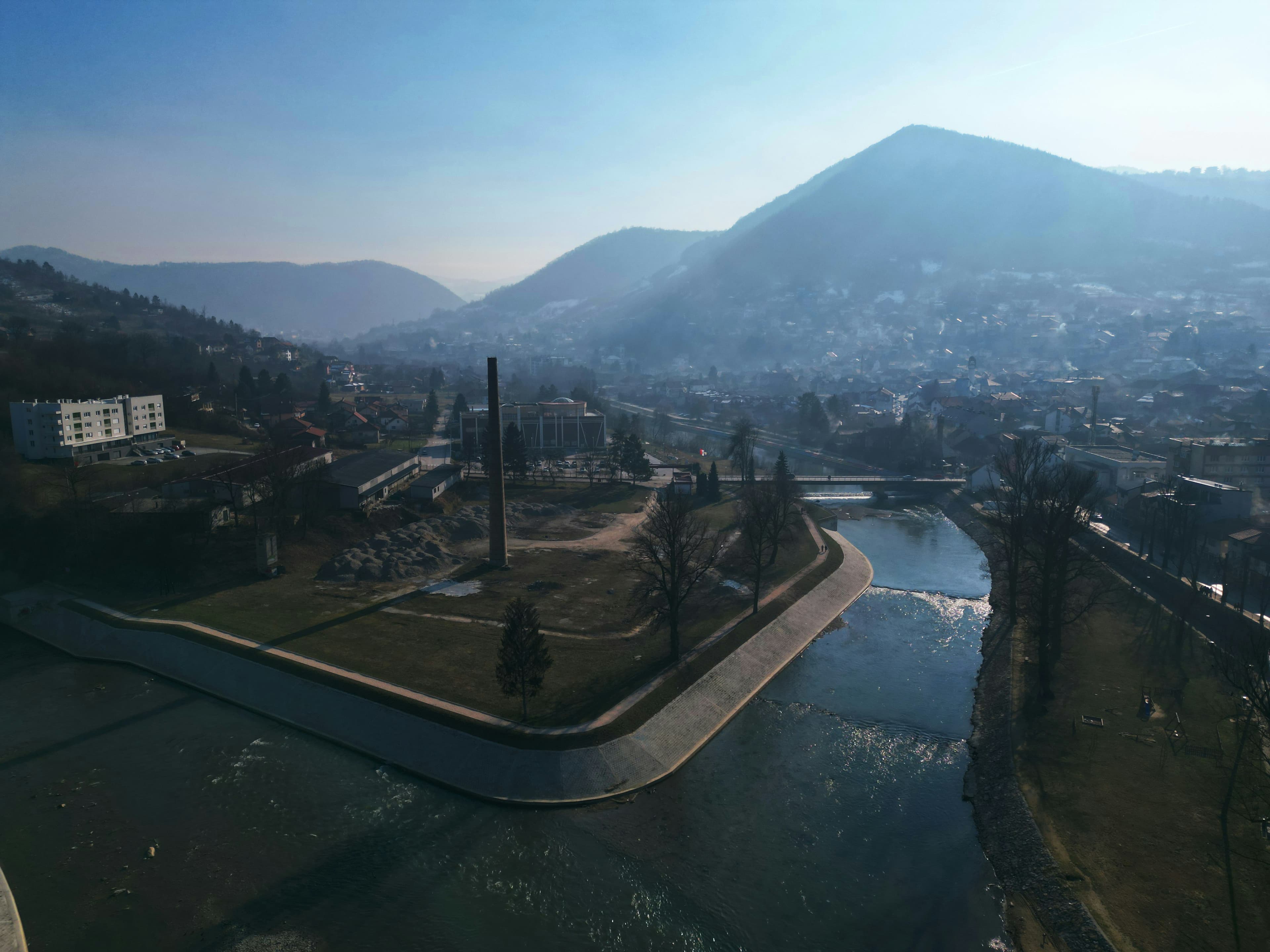
Bosnian Pyramids, Visoko
Visoko, Federation of Bosnia and Herzegovina, Bosnia and Herzegovina
Bosnian Pyramids, Visoko is a pyramid of sacred significance. Approximate coordinates: 43.97661, 18.17639. Attributes: built, cultural, archaeological. Located in Federacija Bosne i Hercegovine, Bosna i Hercegovina / Босна и Херцеговина.
Cholula
Cholula de Rivadavia, Puebla, Mexico
Cholula is a pyramid of sacred significance. Approximate coordinates: 19.05871, -98.30219. Attributes: built, cultural, archaeological, ceremonial. Cholula may refer to: Located in Puebla, Mexico.
Church of Our Lady of Remedies & Great Pyramid of Cholula
Cholula de Rivadavia, Puebla, Mexico
Church of Our Lady of Remedies & Great Pyramid of Cholula is a church & pyramid of sacred significance. Approximate coordinates: 19.05818, -98.30167. Attributes: built, cultural, archaeological, pilgrimage. Tradition: Christianity. Associated figure: Our Lady of Remedies. Located in Puebla, Mexico.

Great Pyramid of Giza
Giza, Giza, Egypt
Great Pyramid of Giza is a pyramid of sacred significance. Approximate coordinates: 29.97924, 31.13420. Attributes: built, cultural, archaeological. Tradition: Ancient Egyptian. Associated figure: Khufu. Mythological context: Ancient Egyptian mythology. Recognized as a UNESCO World Heritage Site. The Great Pyramid of Giza is the largest Egyptian pyramid. It served as the tomb of pharaoh Khufu, who ruled during the Fourth Dynasty of the Old Kingdom. Built c. 2600 BC, over a period of about 26 years, the pyramid is the oldest of the Seven Wonders of the Ancient World, and the only wonder that has remained largely intact. It is the most famous monument of the Giza pyramid complex, which is part of the UNESCO World Heritage Site Memphis and its Necropolis . It is situated at the northeastern end of the line of the three main pyramids at Giza. Initially standing at 146.6 metres (481 feet), the Great Pyramid was the world s tallest human-made structure for more than 3,800 years. Over time, most of the smooth white limestone casing was removed, which lowered the pyramid s height to the current 138.5 metres (454.4 ft); what is seen today is the underlying core structure. The base was measured to be about 230.3 metres (755.6 ft) square, giving a volume of roughly 2.6 million cubic metres (92 million cubic feet), which includes an internal hillock. The dimensions of the pyramid were 280 royal cubits (146.7 m; 481.4 ft) high, a base length of 440 cubits (230.6 m; 756.4 ft), with a seked of 5+1/2 palms (a slope of 51°50 40 ). The Great Pyramid was built by quarrying an estimated 2.3 million large blocks, weighing 6 million tonnes in total. The majority of the stones are not uniform in size or shape, and are only roughly dressed. The outside layers were bound together by mortar. Primarily local limestone from the Giza Plateau was used for its construction. Other blocks were imported by boat on the Nile: white limestone from Tura for the casing, and blocks of granite from Aswan, weighing up to 80 tonnes, for the King s Chamber structure. There are three known chambers inside of the Great Pyramid. The lowest was cut into the bedrock, upon which the pyramid was built, but remained unfinished. The so-called Queen s Chamber and King s Chamber, which contain a granite sarcophagus, are above ground, within the pyramid structure. Hemiunu, Khufu s vizier, is believed by some to be the architect of the Great Pyramid. Many varying scientific and alternative hypotheses attempt to explain the exact construction techniques, but, as is the case for other such structures, there is no definite consensus. The funerary complex around the pyramid consisted of two mortuary temples connected by a causeway (one close to the pyramid and one near the Nile); tombs for the immediate family and court of Khufu, including three smaller pyramids for Khufu s wives; an even smaller satellite pyramid ; and five buried solar barques. Located in الجيزة, الجيزة, Egypt.

Pyramid of Djoser
Saqqara, Saqqara, Egypt
Before Giza, before the true pyramids, there was this: six limestone tiers rising from the desert at Saqqara, humanity's first monumental stone building. The Step Pyramid was conceived not merely as a tomb but as an eternal machine—a complete environment where Pharaoh Djoser would celebrate festivals forever, receive offerings perpetually, and ascend to the circumpolar stars. Its architect Imhotep became the first named builder in history, later worshipped as a god.

Pyramid of Khafre
Giza, Giza, Egypt
The Pyramid of Khafre appears to be the tallest at Giza, though it is not. Built on bedrock ten meters higher than his father Khufu's monument, Khafre's pyramid creates an optical illusion of dominance. Look closely at the apex: the white limestone casing still clinging there is the only surviving glimpse of how all the Giza pyramids once appeared—brilliant beacons visible from the Nile. The Great Sphinx crouches beside Khafre's causeway, likely his creation too. Father, son, and the guardian between them: a family necropolis spanning three generations.

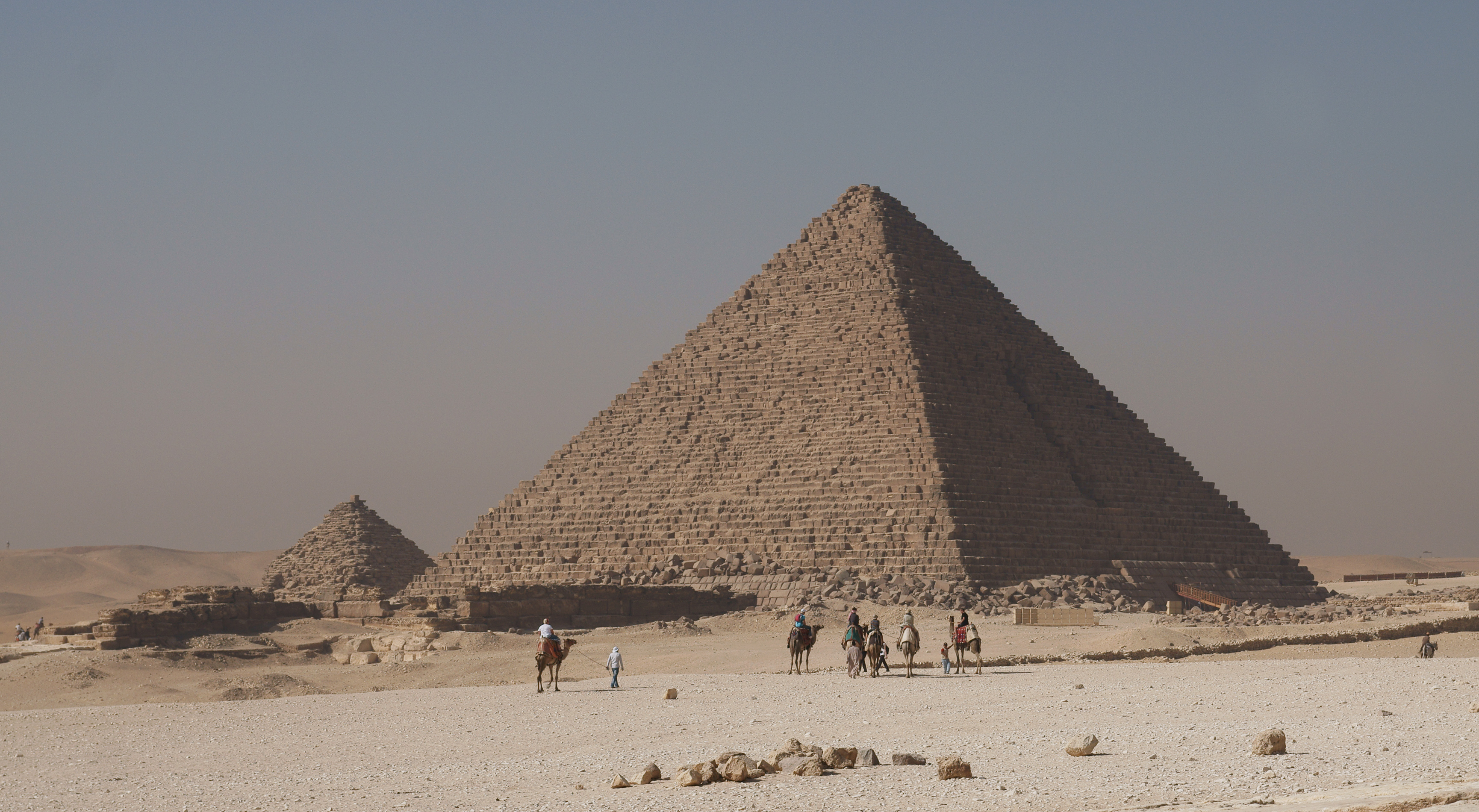
Pyramid of Menkaure
Giza, Giza, Egypt
The Pyramid of Menkaure completes what three generations of pyramid builders began at Giza. Though smallest of the three great pyramids, its interior is the most elaborate—pink granite chambers, carved decorative panels, a vaulted ceiling. Menkaure's basalt sarcophagus was discovered here in 1837 but lies now at the bottom of the Mediterranean, lost when the ship carrying it to England sank. The empty chamber asks what endures when even stone cannot preserve what we most valued.

Pyramid of the Moon, Teotihuacán
San Juan Teotihuacan, State of Mexico, Mexico
Pyramid of the Moon, Teotihuacán in San Juan Teotihuacan, State of Mexico, Mexico.

Pyramid of the Sun, Teotihuacán
San Juan Teotihuacan, State of Mexico, Mexico
Pyramid of the Sun, Teotihuacán in San Juan Teotihuacan, State of Mexico, Mexico.

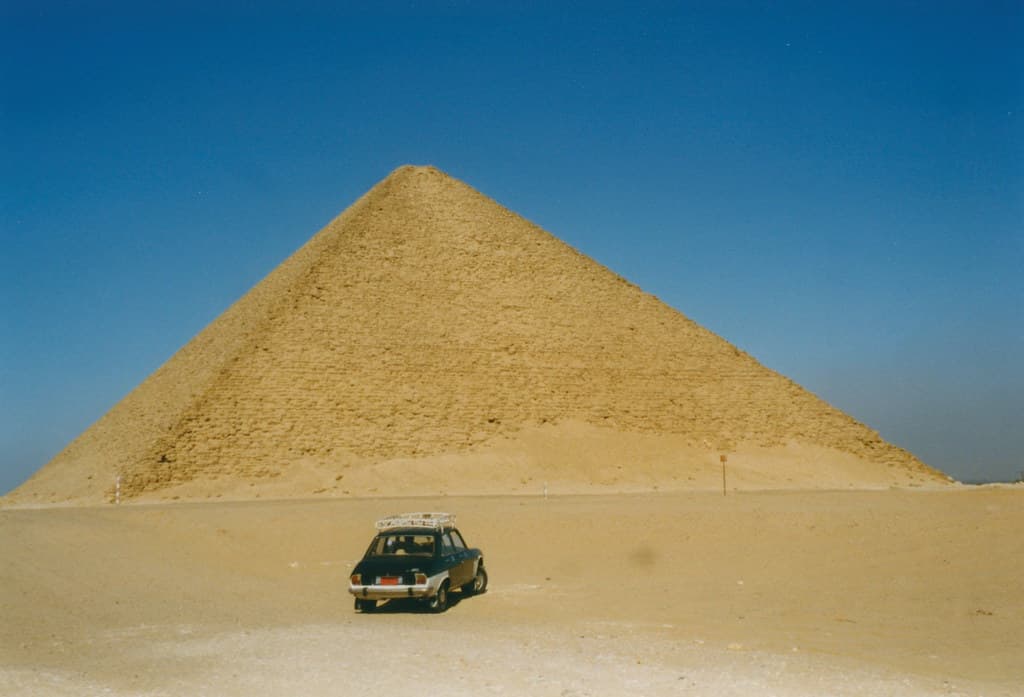
Red Pyramid
Dahshur, Dahshur, Egypt
The Red Pyramid stands as proof of mastery achieved. After the collapsed pyramid at Meidum and the necessary angle change at the Bent Pyramid, Sneferu's engineers finally built what they had been working toward: the world's first successful true smooth-sided pyramid. The red limestone visible today once gleamed white beneath Tura casing, earning it the ancient name 'Sneferu Shines.' Inside, three chambers with corbelled ceilings have held for 4,600 years without cracking despite two million tons of stone above.