Site type guide
Unknown
Unknown sites reveal how different traditions shape sacred space through architecture, landscape, ritual, and memory.
8 unknown sacred sites. Use the country and tradition filters to narrow in.
Atlas summary
Unknown sacred sites overview
Unknown sacred sites span countries, traditions, pilgrimage routes, and sacred landscapes represented in the Pilgrim Map atlas.
Use this guide to compare major country clusters, represented traditions, UNESCO-tagged places, and the map distribution before opening individual site pages.
| Coverage | 8 unknown sacred sites across the current atlas. |
|---|---|
| Major countries | |
| Traditions |
By tradition
All sites
8
Showing 1-8 of 8 sites in this site-type guide
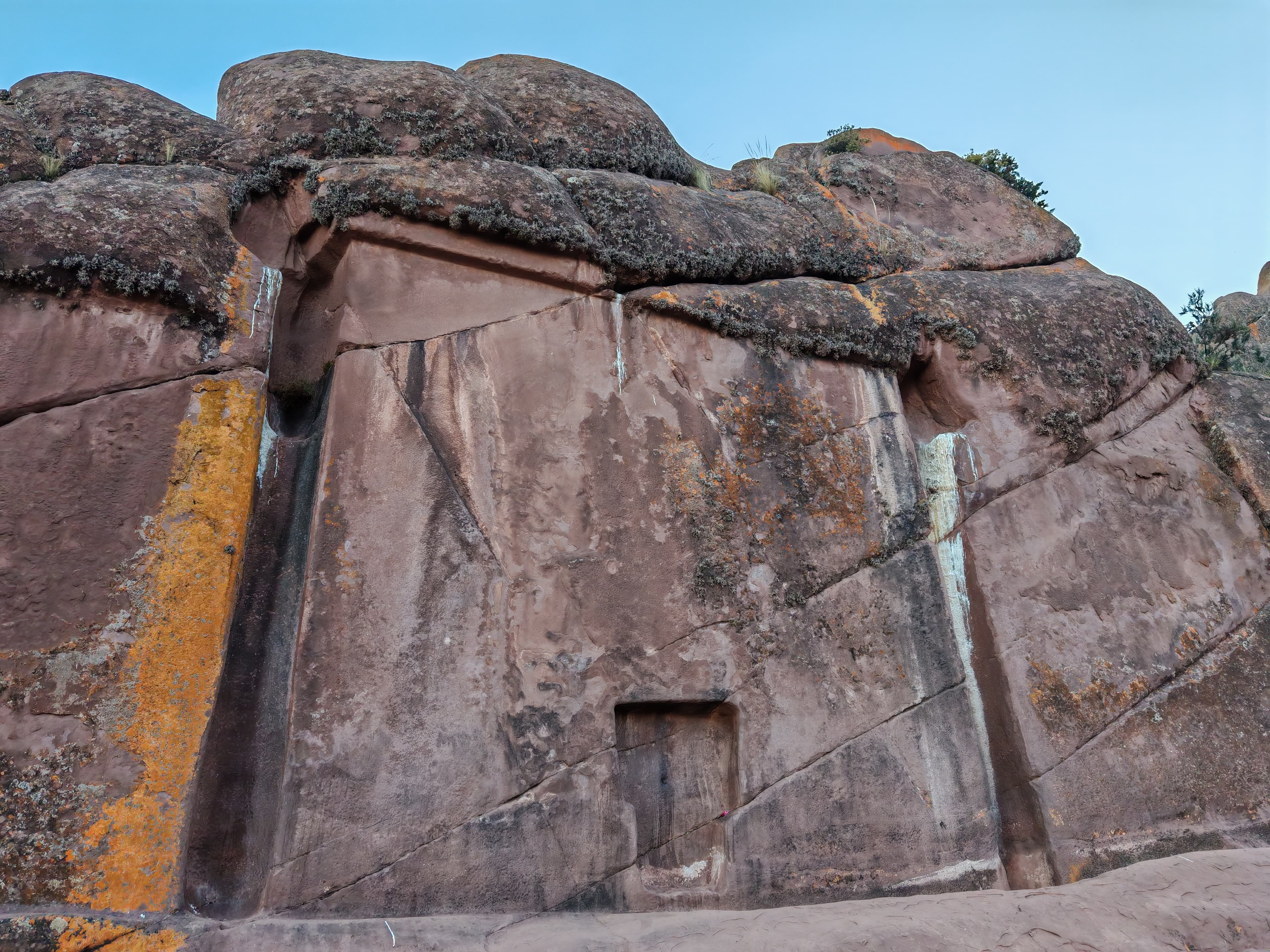
Aramu Muru
Ilave, Puno, Peru
On a volcanic hillside near Lake Titicaca, a T-shaped doorway 7 meters square is carved into solid rock—leading nowhere visible....

Cahuachi Nazca site
Nazca, Ica, Peru
For five hundred years, pilgrims journeyed across the desert to Cahuachi—not to live but to worship, to bury their dead, and perhaps to participate in the creation of the...
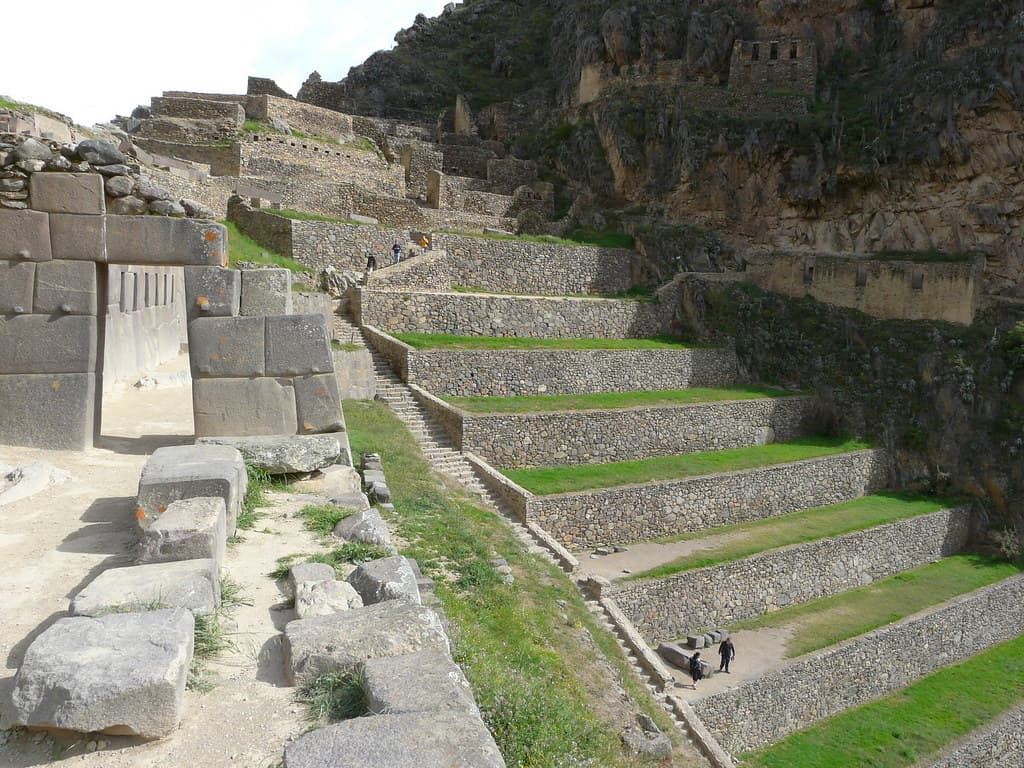
Ollantaytambo Archeological Site
Compone, Cusco, Peru
At Ollantaytambo, terraces rise like stairs for giants, and six colossal stone blocks mark an unfinished Temple of the Sun that will never be completed....
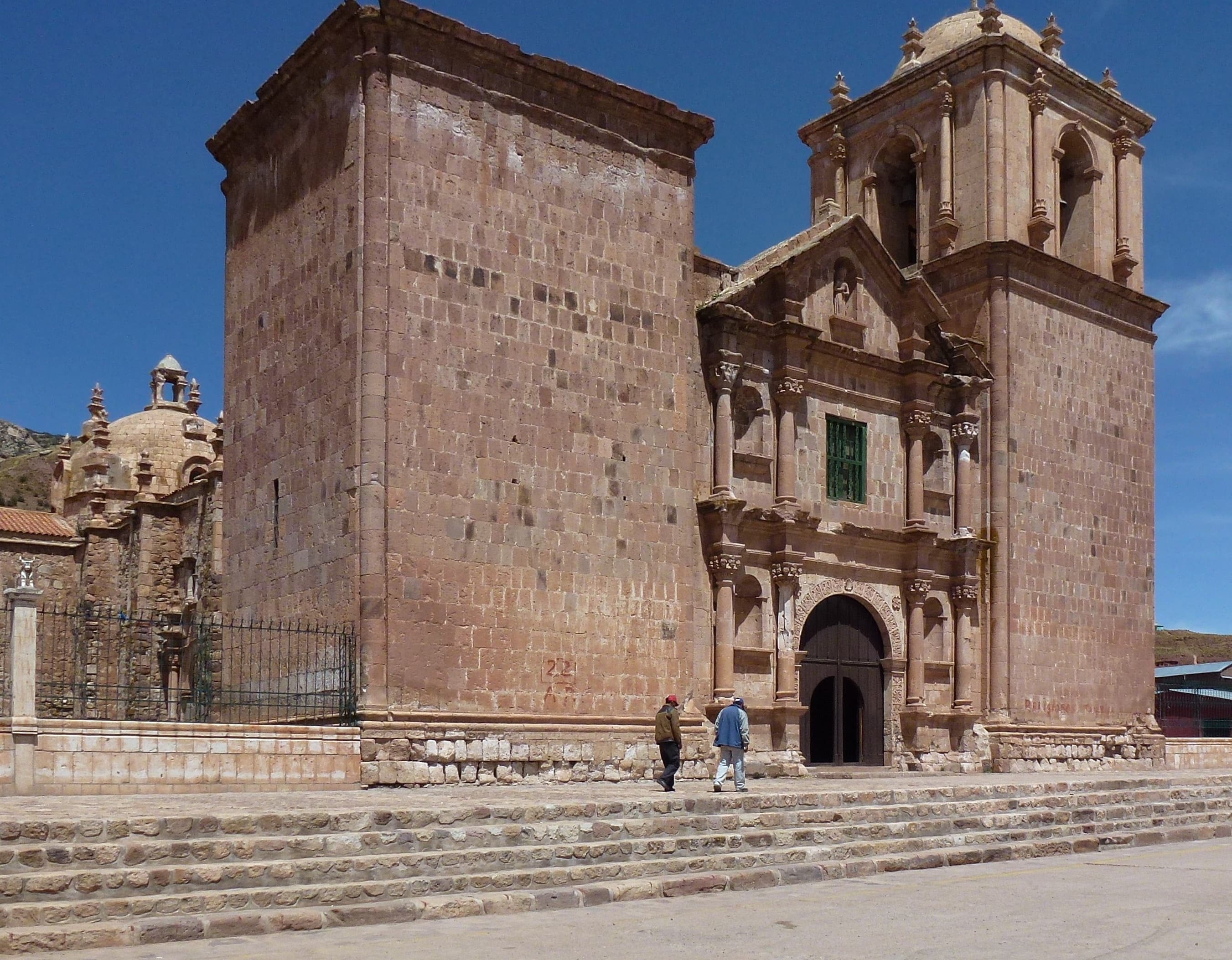
Pukara, Templo Santa Isabel
Pukara, Puno, Peru
Long before the Inca, Pukara dominated the northern Lake Titicaca basin. Beginning around 1,800 BCE, this was the region's first large urban center, with a ceremonial...
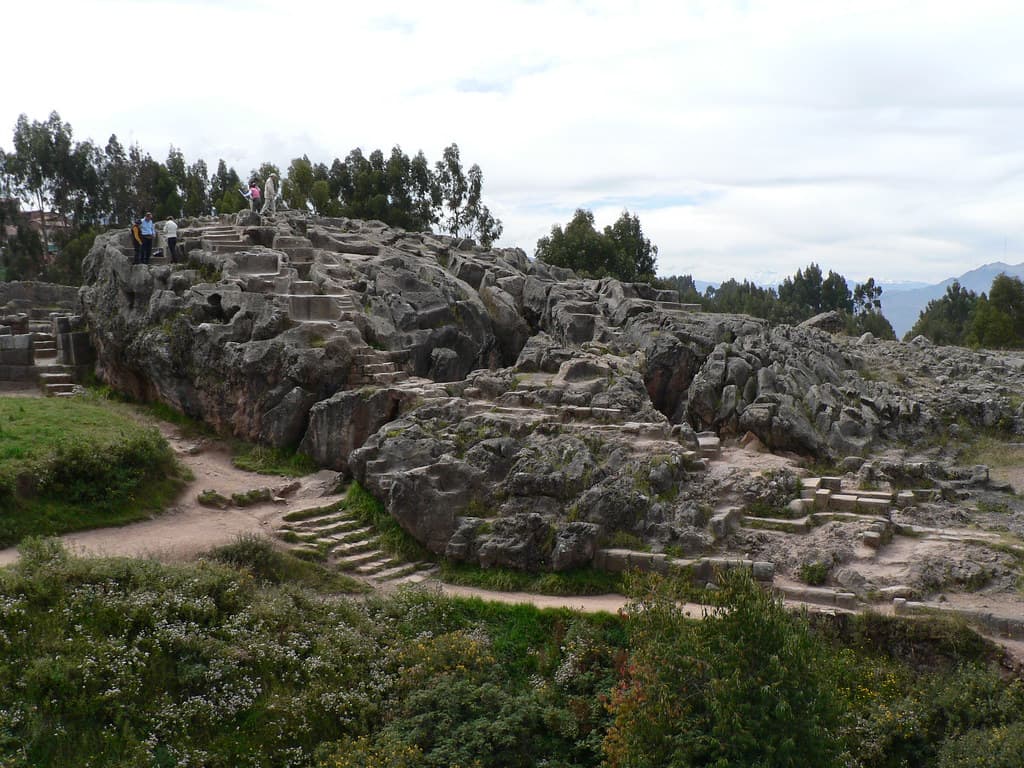
Q'enco Archeological Complex
Cuzco, Cusco, Peru
Q'enco rises from Socorro hill, four kilometers from Cusco—a huaca carved entirely from living rock....
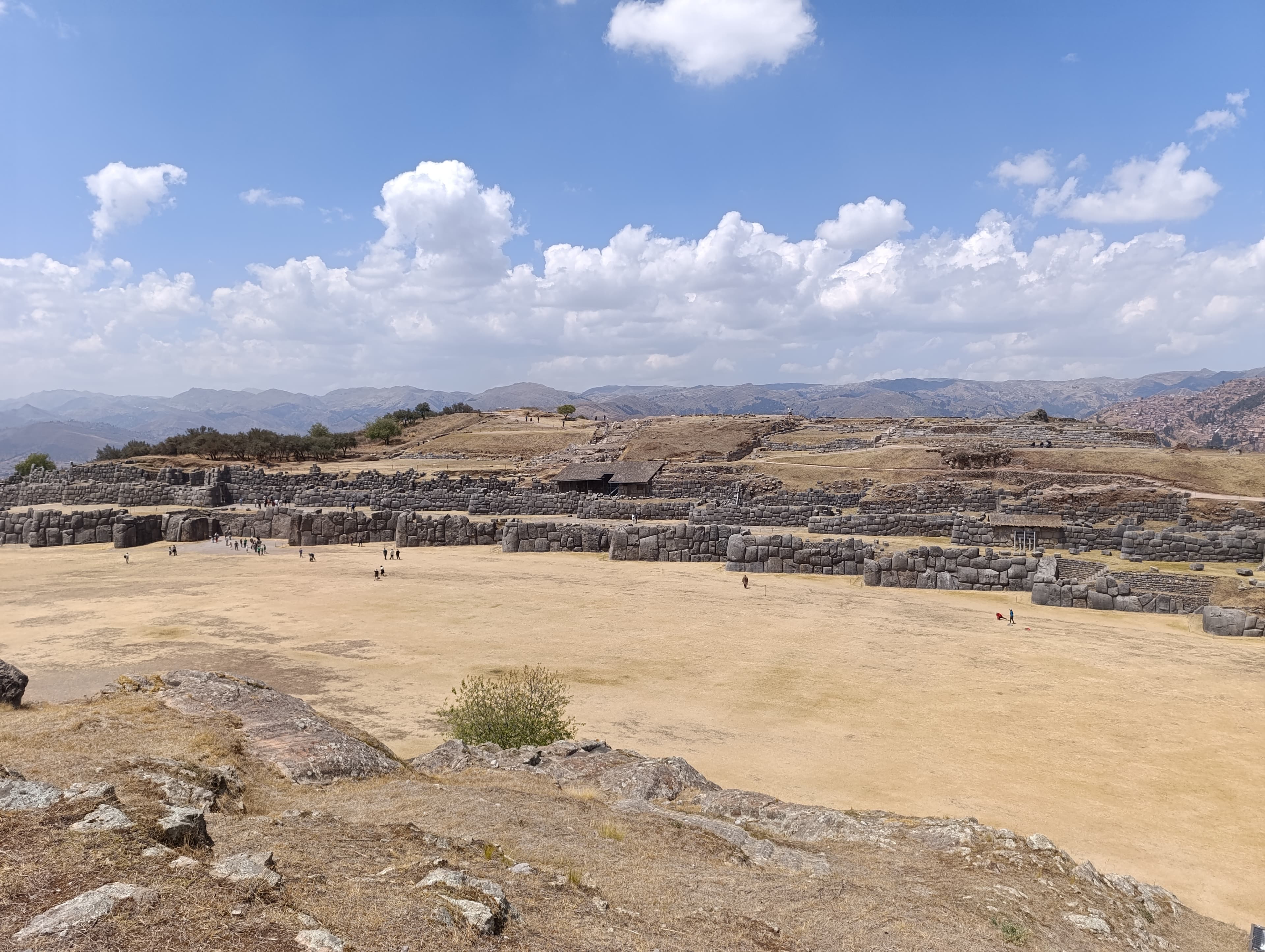
Saqsaywaman
Cuzco, Cusco, Peru
If Cusco was laid out by the Inca in the shape of a puma, Sacsayhuaman represents the head....
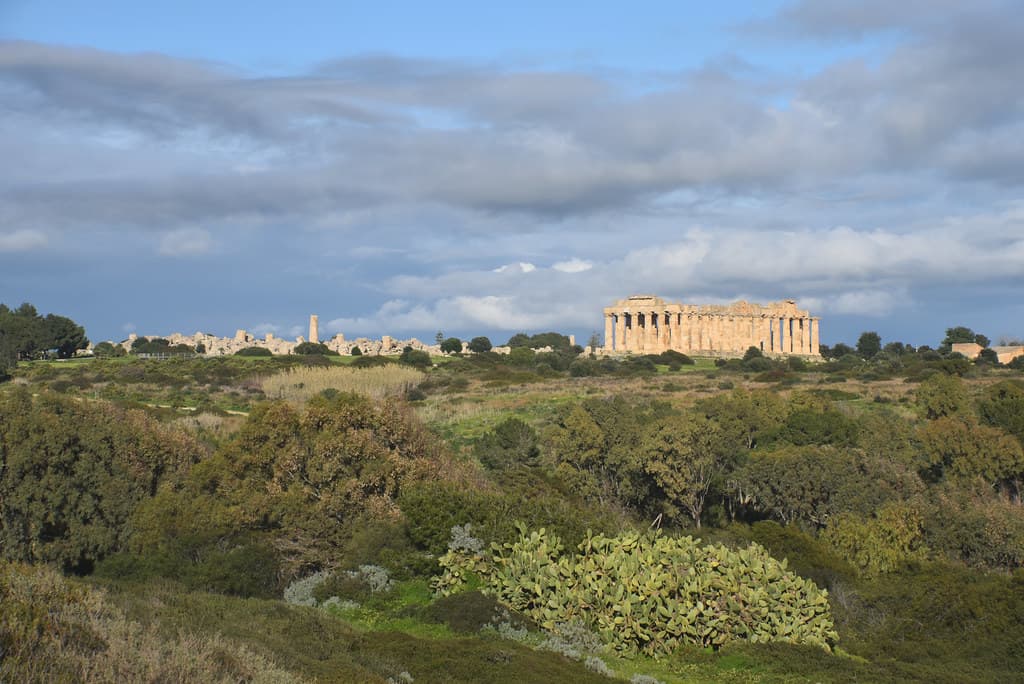
Selinunte Archeological Park
Castelvetrano, Trapani, Italy
Selinunte was the westernmost Greek colony in Sicily, a frontier city that built eight massive temples between 590 and 420 BC before Carthage destroyed it in 409 BC....

Sillustani
Atuncolla, Puno, Peru
On a peninsula jutting into Lake Umayo, funeral towers rise against the altiplano sky....
Key questions
Unknown sacred-site questions
- What unknown sacred sites are included?
- Unknown sacred sites are places where this site type carries religious, ritual, cultural, or pilgrimage significance. This guide lists 8 in the current Pilgrim Map atlas.
- Where are these unknown sites located?
- Major country clusters include Peru, Italy.
- Which traditions are represented?
- Traditions represented here include Pre-Columbian, Ancient Greek and Roman.
- Can I view unknown sacred sites on a map?
- Yes. Compare the country and tradition clusters, switch to map view for geography, then use site pages for practical context and related places.