Huaca Sapantiana
Where a sacred Inca stone sits alone in a ravine, and a colonial aqueduct rises from its own stolen blocks
Understand sacred places, explore living traditions, and learn how to engage respectfully with Pilgrim Map.
Access has not been verified. Check current local guidance before planning a visit.
Cusco, Cusco, Peru
Read the sources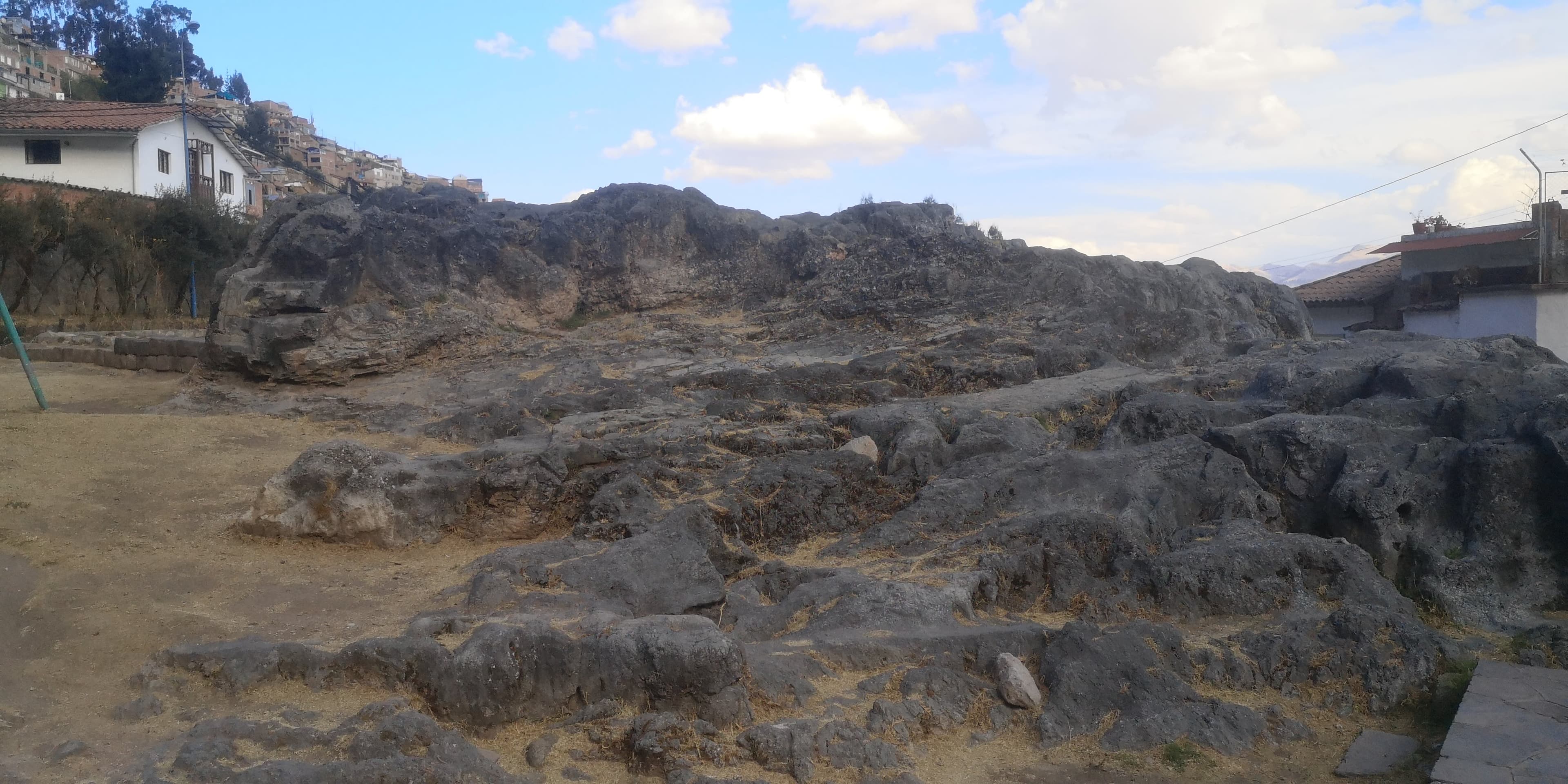
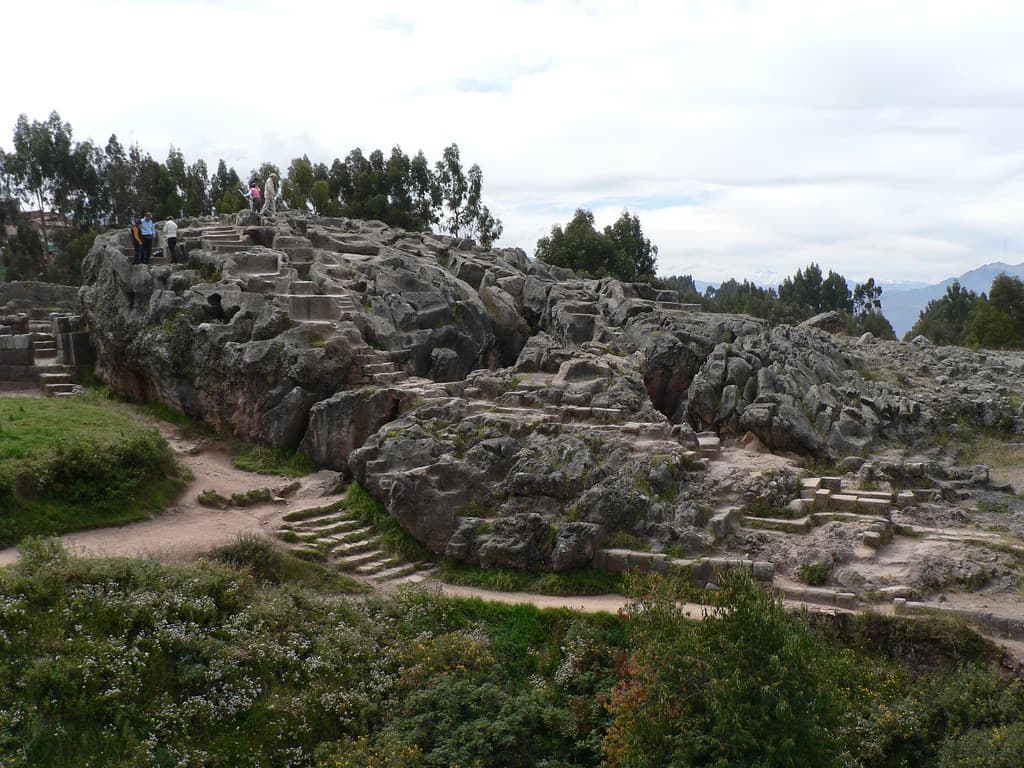
Image of Huaca Sapantiana. Image source · CC-BY-SA-4.0
Visit essentials
A quick read before you go
- Duration
- 30-45 min.
- Access
- On foot from San Blas.
Overview
Huaca Sapantiana occupies a ravine in Cusco's San Blas neighbourhood, where the huaca—a large piece of carved limestone bedrock—sits among cobbled paths and natural surroundings. Its name derives from the Quechua tiana, “seat,” and sapan, “unique.” The site belonged to the ayllu of Manco Cápac and formed part of the ceque system. In the 17th–18th centuries, Jesuits built an aqueduct here incorporating Inca stones, creating a palimpsest of devotion and engineering.
Why this place is sacred
The huaca sits alone. The ceque system connected this point to the Coricancha, to other huacas, to the entire cosmological framework. The colonial aqueduct was built from the very stones of the sacred precinct. The water still flows. The stone still sits.
Ceque system node. Water worship.
Inca to colonial to archaeological heritage.
Experience and orientation
The walk from San Blas transitions from tourist bustle to cobbled quiet. The huaca occupies the space with the stillness of something far older than anything around it.
Find the stone first. Then look at the aqueduct. The relationship between them is the site.
Context and lineage
Part of the ceque system. Ayllu of Manco Cápac.
Pre-Inca through Inca to colonial to present.
Manco Cápac
Mythical first Inca
Traditions and practice
Water rituals, offerings to huaca.
Informal offerings.
Walk in silence. Observe layers.
Inca state religion
HistoricalCeque system node.
Water rituals.
Andean spirituality
ActiveHuacas as concentrated energy.
Informal offerings.
Perspectives and open questions
Inca sacred geography meets colonial appropriation.
Scholarly perspective
Part of ceque system.
Living and traditional perspectives
Huacas as concentrated earth energy.
Alternative interpretations
N/A.
Open questions
Precise rituals unclear.
Plan your visit
Access and arrival
On foot from San Blas.
Central Cusco.
Respectful visit
Walking shoes.
Permitted.
Coca leaves or flowers following Andean custom.
Do not damage stone | Respect offerings
Do not damage stone.
Current practical details
Address
F2QC+7Q2, C. Tandapata, Cusco 08002, Peru
Hours
Hours, fees, and access can change — verify on the official source before you travel. Practical details last checked Jun 2026.
Location
Map loads as you approach this section.
Pilgrim reflections
A portrait of encounter, not a score
Pilgrims describe what they felt, how present they could become, and whether the place would shape a journey. There are no stars and no ranking of traditions.
No reviewed reflections yet
The first pilgrims can help describe the character of being here.
Share a reflection
Available after an account-backed “Been there.” Every reflection is reviewed before publication.
Nearby sacred places
Explore other sacred places in the region. Proximity does not establish access or travel time; check each place’s guidance.
References
Sources consulted for this page. Source categories describe the publication, not a guarantee that every claim is verified. Traditional accounts and outside interpretations may differ.
- 01Sapantiana: The Colonial Aqueduct - CuscoPeru.com — CuscoPeru.comguideOverview of site combining Inca huaca and colonial aqueduct
- 02Complete Guide to Visiting the Colonial Aqueduct of Sapantiana — Life ExpeditionsguidePractical visitor information
- 03Colonial Aqueduct of Sapantiana - Illapa — IllapaguideSacred huaca and aqueduct description
- 04Discover the Ancient Charm of Huaca Sapantiana — EvendoguideBasic description
Share a photo
Help visitors recognize Huaca Sapantiana. Every submission is reviewed before publication.