Tradition guide
Buddhism
Buddhist sacred sites trace the movement of teachings, relics, monastic communities, cave practice, stupas, temples, and pilgrimage routes across Asia and beyond.
737 sacred places share this lineage. Use the country links to narrow in.
Atlas summary
Buddhism sacred sites overview
Buddhism sacred sites connect places through shared lineage, ritual use, memory, and pilgrimage practice across the Pilgrim Map atlas.
Use this page to compare country clusters, common place types, UNESCO-tagged landmarks, and the map distribution before exploring individual site pages.
| Coverage | 737 Buddhism sacred places in the current atlas. |
|---|---|
| Country clusters | |
| UNESCO heritage | 75 UNESCO-tagged Buddhism sites appear in this browse view. |
Dates connected to Buddhism
Upcoming festivals, feast days, and pilgrimages tied to Buddhism. Add any to your calendar, or see the full observance calendar.
Refine the atlas
Related Buddhism guides
Showing 385-432 of 737 sites in this tradition guide
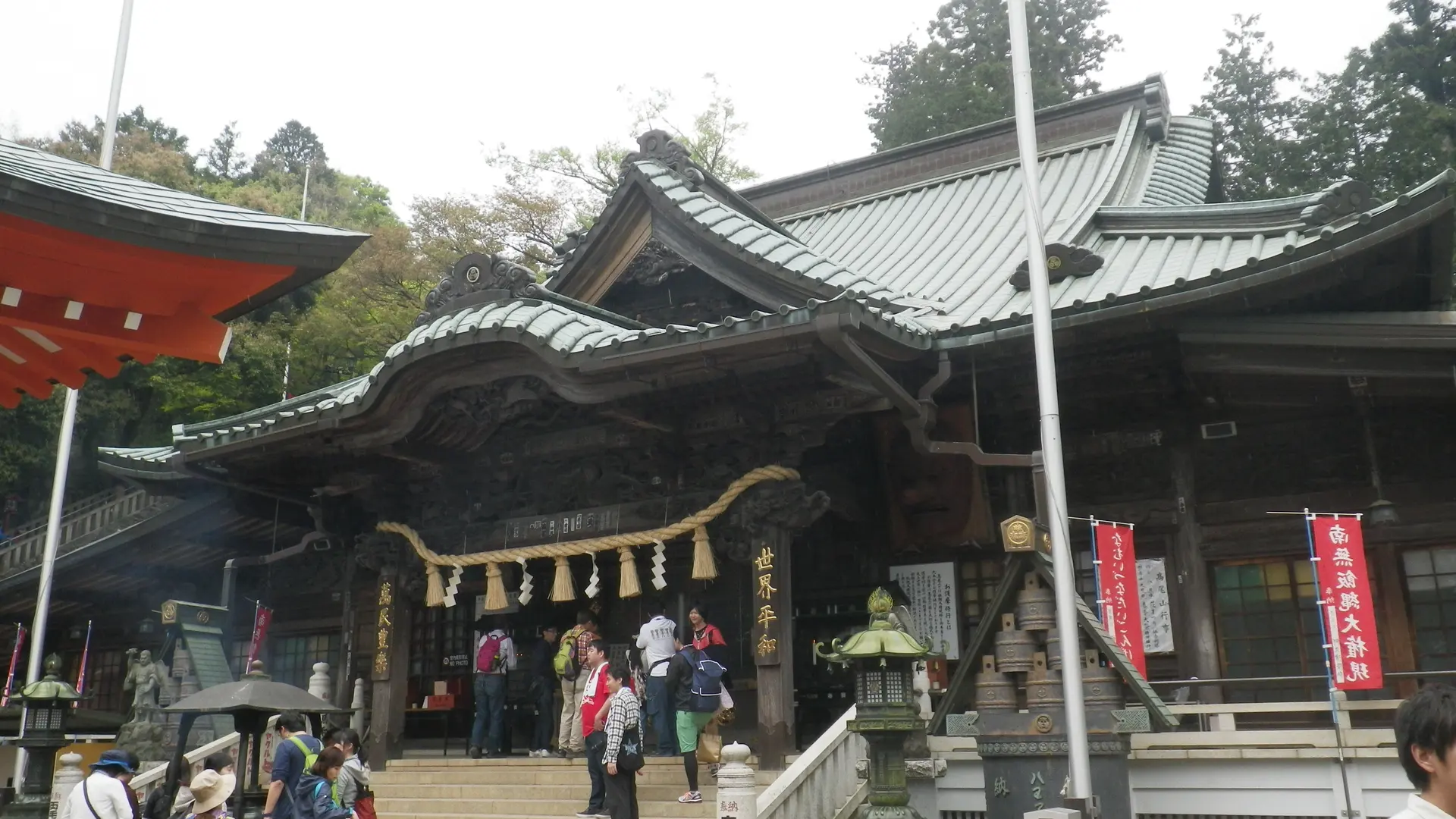
Mount Takao Yakuō-in
Hachioji, Tokyo, Japan
Mount Takao Yakuō-in (高尾山 薬王院 有喜寺) is an active Japanese Buddhism sacred place in Tokyo....

Mount Yudono
Tsuruoka, Yamagata Prefecture, Japan
Mount Yudono is the culminating mountain of the Dewa Sanzan pilgrimage of rebirth in Yamagata....
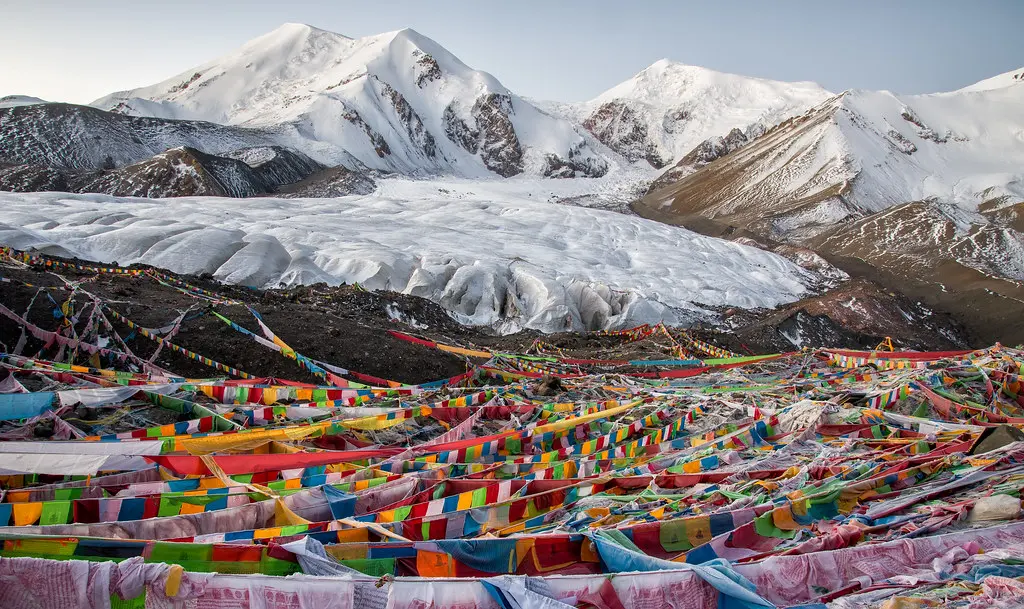
Mt. Amnye Machen
Maqên, Qinghai, China
Amnye Machen rises to 6,282 meters from the grasslands of the Golok Tibetan Autonomous Prefecture in Qinghai Province, an entire mountain range wrapped in the great bend...
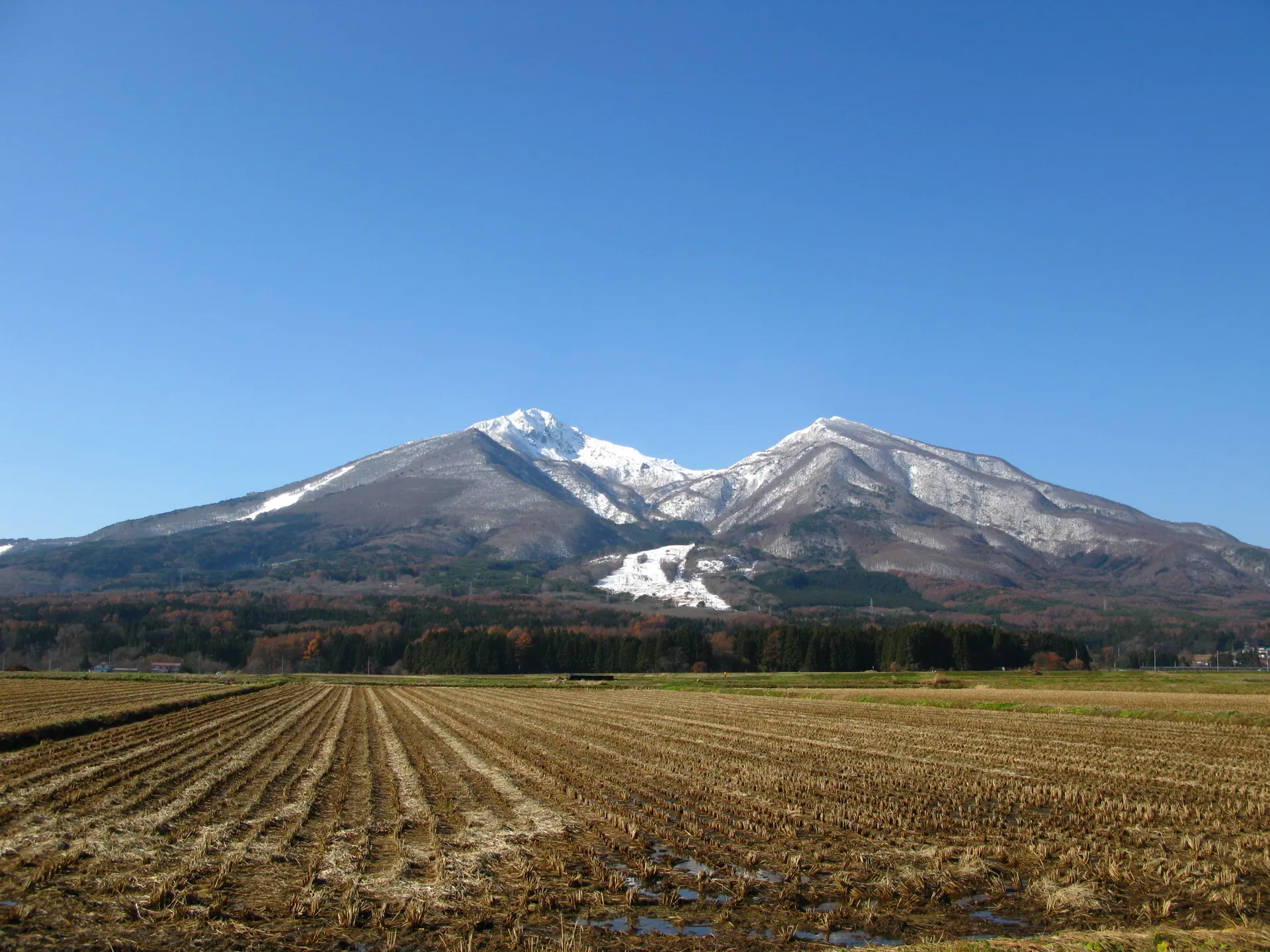
Mt. Bandai
Inawashiro, Fukushima Prefecture, Japan
Mount Bandai rises in Fukushima as a transformed sacred peak. Called 'rock ladder to the sky' in ancient times, the mountain was reshaped by an 1888 eruption that created...
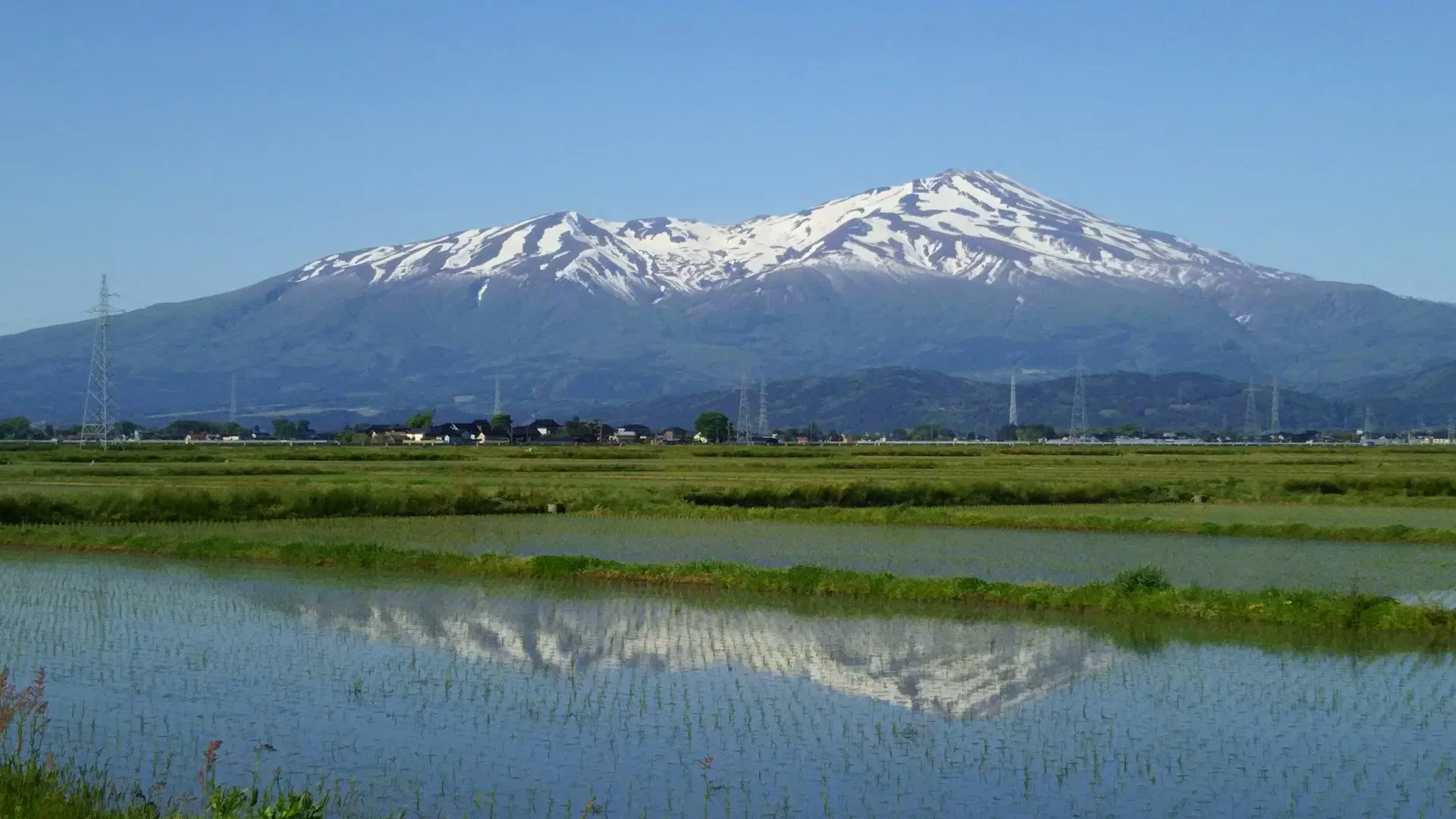
Mt. Chokai
Yuza, Yamagata Prefecture, Japan
Rising 2,236 meters at the border of Yamagata and Akita Prefectures, Mount Chokai has drawn mountain worshippers since ancient times....
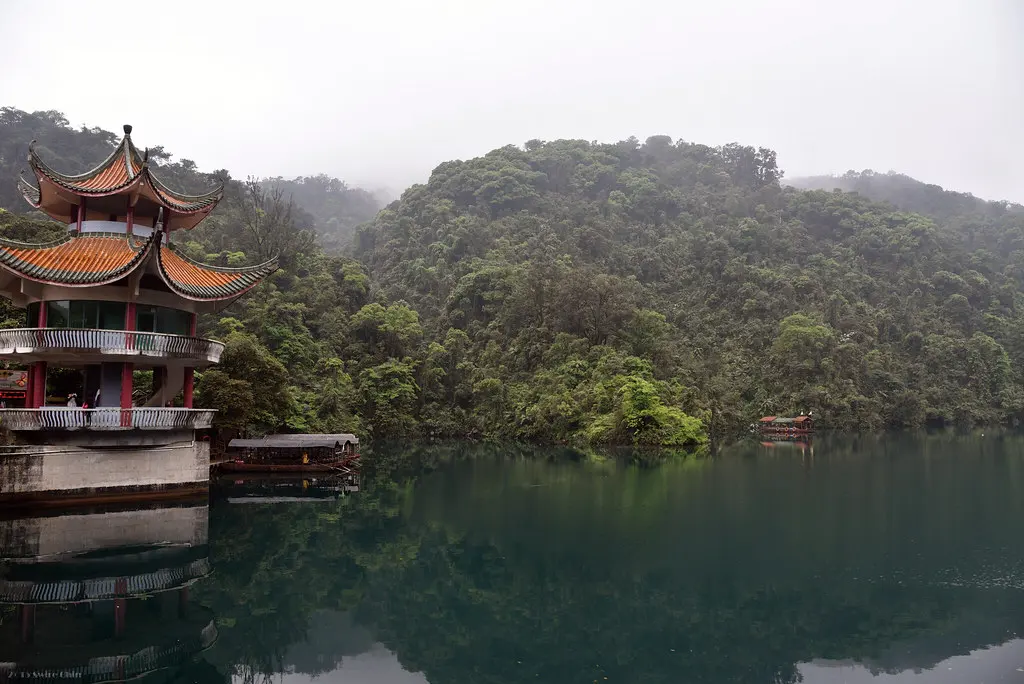
Mt. Dinghushan
Dinghu District, Guangdong, China
Dinghushan rises above the city of Zhaoqing in Guangdong Province, a mountain of ancient subtropical forest sheltering Qingyun Temple, one of the most important Buddhist...
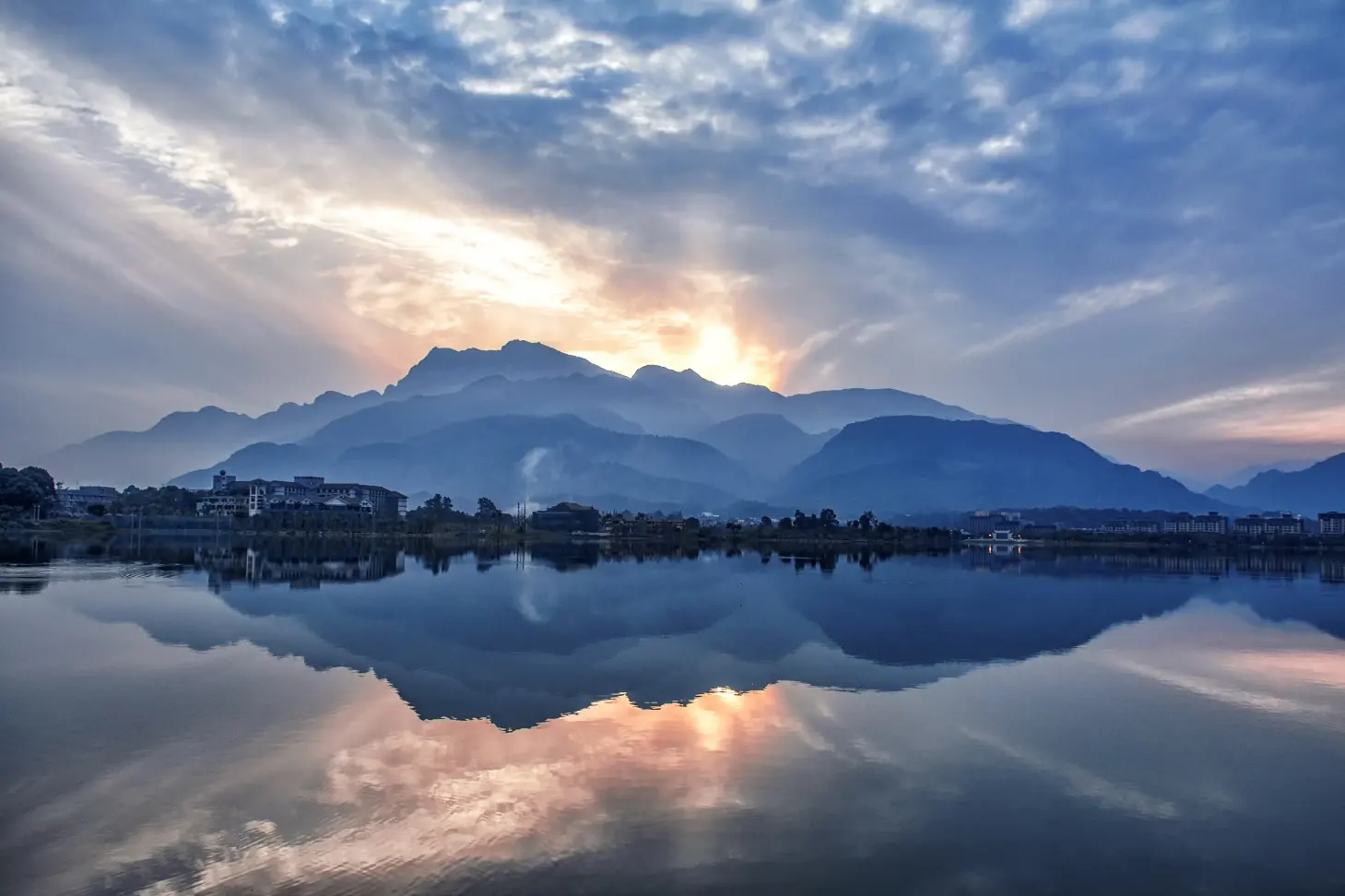
Mt. Emei Shan
双水井, Sichuan, China
Mount Emei rises 3,099 meters from the Sichuan Basin, one of the Four Sacred Buddhist Mountains of China and the bodhimanda of Samantabhadra, the bodhisattva of universal...

Mt. Fanjing, Guizhou, China
Yinjiang Tujia and Miao Autonomous County, Guizhou, China
Fanjingshan rises 2,570 meters from the forests of northeastern Guizhou Province, a UNESCO World Heritage Site recognized for its extraordinary biodiversity and revered as...

Mt. Fuji
Fujinomiya, Shizuoka Prefecture, Japan
Mount Fuji rises 3,776 meters in nearly perfect symmetry—a form so iconic it has come to represent Japan itself....

Mt. Gu Shan
Gushan, Fujian, China
Gu Shan, Drum Mountain, rises from the eastern suburbs of Fuzhou in Fujian Province, its summit crowned by a rock that resonates like a drum in wind and rain....
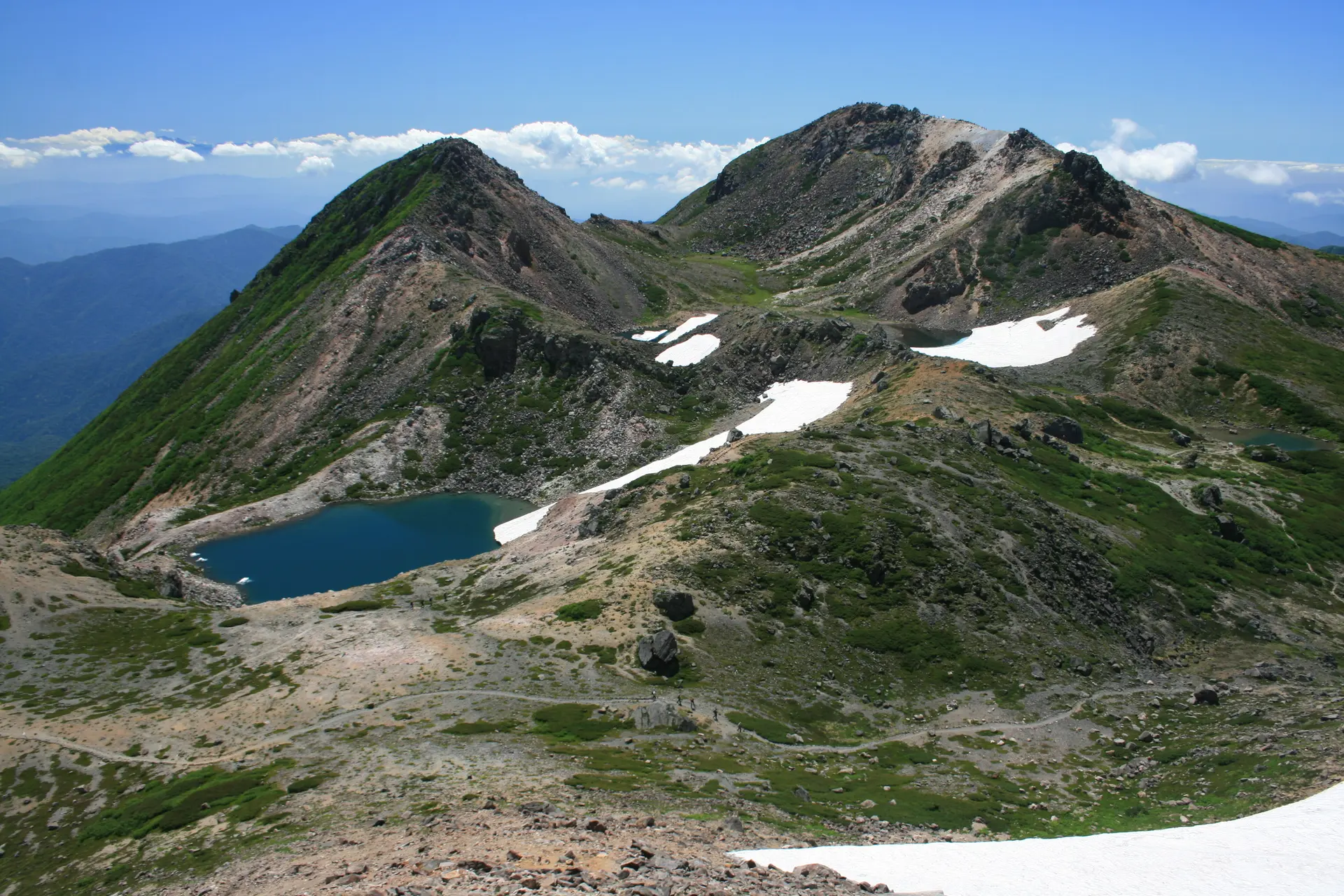
Mt. Haku
Hakusan, Ishikawa Prefecture, Japan
Blanketed in snow for much of the year, Mount Haku—the White Mountain—has drawn pilgrims for over thirteen centuries....
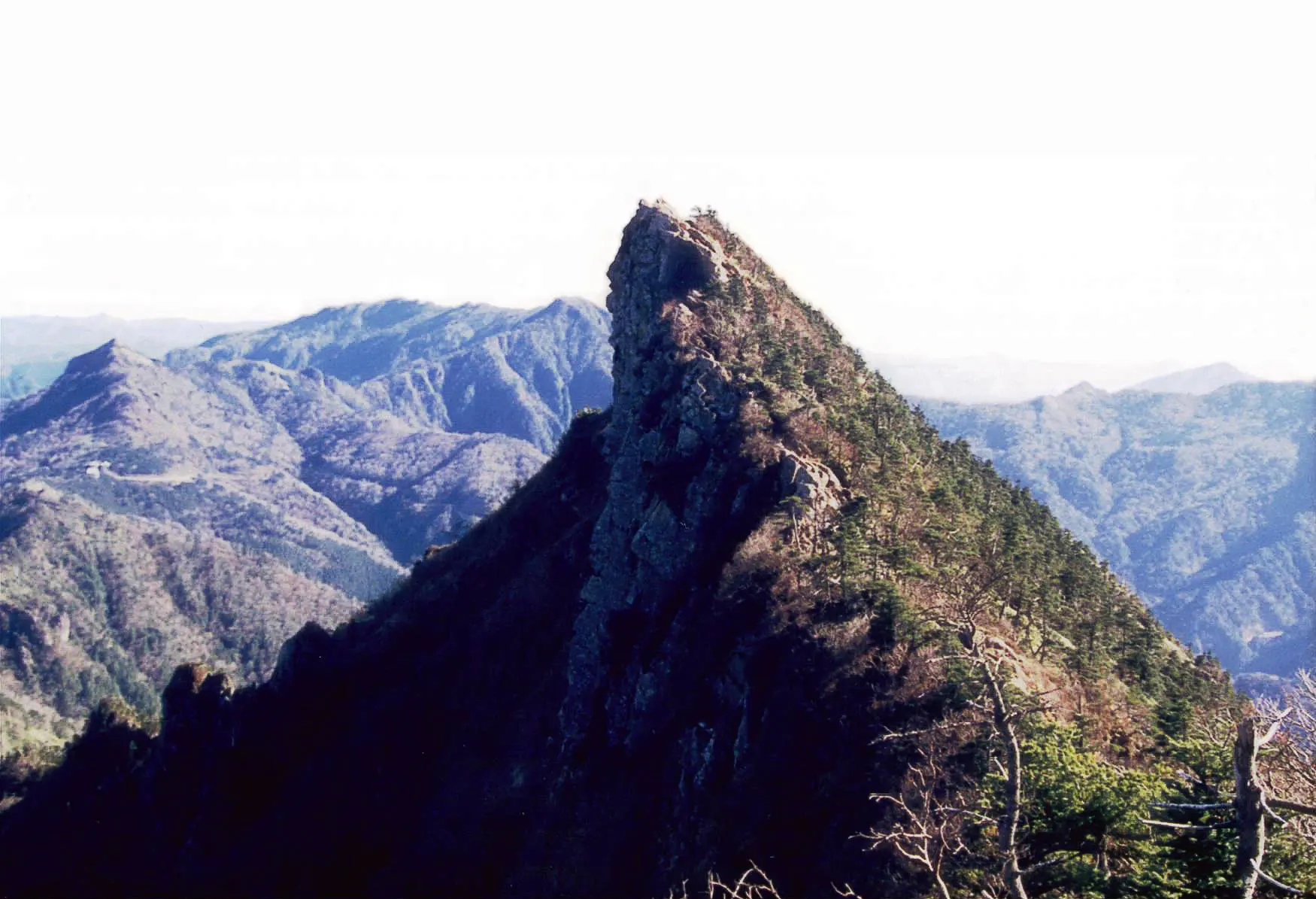
Mt. Ishizuchi
Saijo, Ehime Prefecture, Japan
Mount Ishizuchi stands as the highest peak in western Japan and one of the Seven Sacred Mountains....
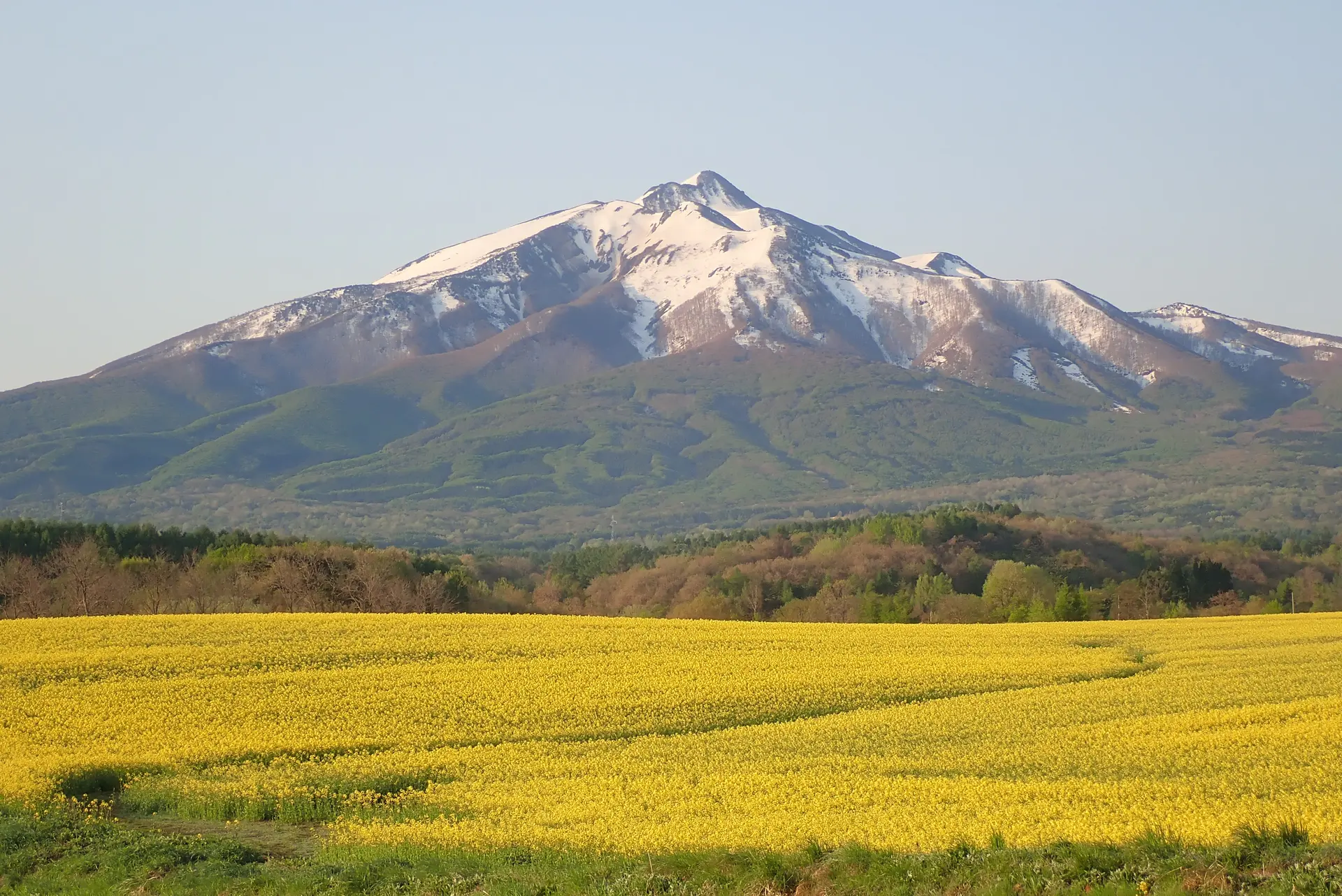
Mt. Iwaki
Hirosaki, Aomori Prefecture, Japan
Rising 1,625 meters above Aomori Prefecture, Mount Iwaki dominates the Tsugaru region as its highest peak and spiritual guardian....

Mt. Jiuhua Shan
Chizhou, Anhui, China
Jiuhua Shan rises from the Anhui countryside as one of China's Four Sacred Buddhist Mountains, dedicated to Ksitigarbha — the bodhisattva who vowed not to achieve...

Mt. Kaimon
Ibusuki, Kagoshima Prefecture, Japan
At the southern tip of Kyushu, Mount Kaimon rises in such perfect conical form that locals call it 'Satsuma Fuji.' This 924-meter peak has drawn worshippers since ancient...

Mt. Katsuragi
Gose, Nara Prefecture, Japan
The Katsuragi Mountains are where Japanese mountain mysticism was born. In 634 CE, En no Gyoja—the legendary founder of Shugendo—entered the world at the foot of these...

Mt. Mai Ji Shan
Maiji, Gansu, China
Maijishan rises from the forests of Gansu Province as a solitary haystack-shaped cliff, its red sandstone face honeycombed with 194 caves containing approximately 7,800...

Mt. Meili Xue
Zogang County, Tibet Autonomous Region, China
Kawagebo, the 6,740-meter summit of the Meili Snow Mountains on the Yunnan-Tibet border, is the highest unclimbed peak over 6,000 meters in the world....
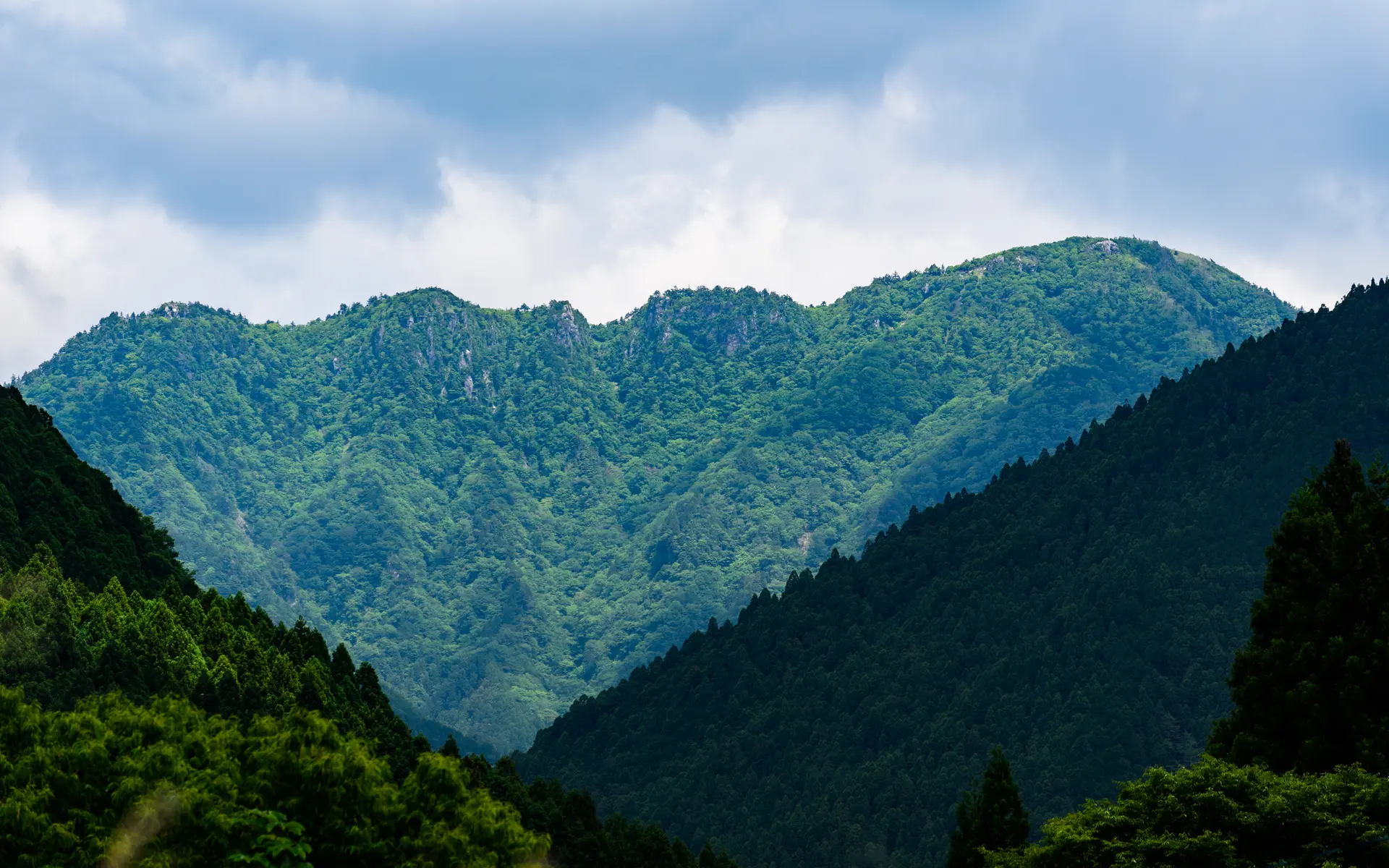
Mt. Omine (Mount Sanjō)
Tenkawa, Nara Prefecture, Japan
Mount Omine is the headquarters of Shugendo—Japan's tradition of mountain asceticism—and perhaps its most intensely sacred site....

Mt. Ontake
Otaki, Nagano Prefecture, Japan
Japan's second highest volcano has drawn pilgrims for over a thousand years. White-robed devotees still purify under waterfalls before ascending Mount Ontake, following...

Mt. Pu Tuo Shan
Putuo District, Zhejiang, China
Putuo Shan is a small island in the East China Sea that serves as the earthly home of Guanyin — the Bodhisattva of Compassion and the most beloved figure in Chinese...
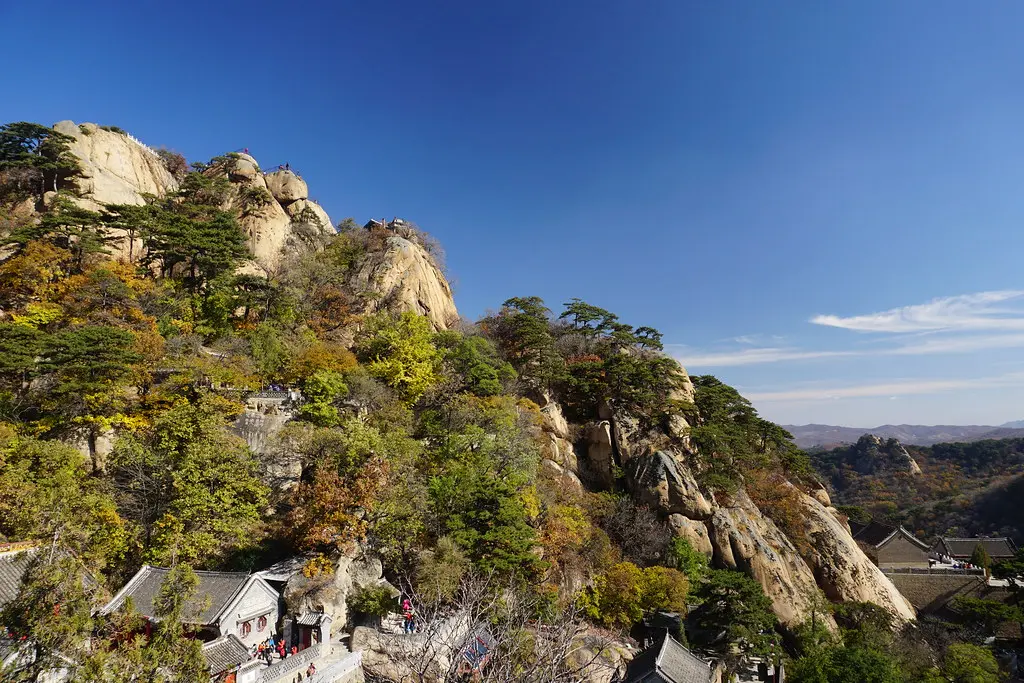
Mt. Qian Shan, Liaoning
Wenquan Subdistrict, Liaoning, China
Qian Shan — Thousand Mountain — rises from the Liaoning plain in northeastern China with 999 peaks, each said to resemble a lotus petal....

Mt. Song Shan
Gongyi, Henan, China
Mount Song is the central mountain of China's Five Great Mountains and the cosmological center of the directional Wuyue system....

Mt. Targo and Lake Dangra
Targo, Tibet Autonomous Region, China
Mount Targo and Lake Dangra, also called Tangra Yumco, form a paired sacred landscape in Upper Tibet. This page keeps the existing mountain-and-lake identity together....

Mt. Tiantai Shan
Tiantai County, Zhejiang, China
Mount Tiantai is the birthplace of Tiantai Buddhism, the first purely Chinese school of Buddhist philosophy....

Mt. Wu Tai Shan
Taihuai, Shanxi, China
Mount Wutai is the earthly home of Manjushri, the Bodhisattva of Wisdom, identified in the Avatamsaka Sutra as residing on a Clear Cool Mountain in the northeast....

Mt. Yoshino
Yoshino, Nara Prefecture, Japan
Mount Yoshino is where Japanese mountain mysticism was born. In the 7th century, the ascetic En no Gyoja achieved spiritual awakening here and founded Shugendo—the path of...
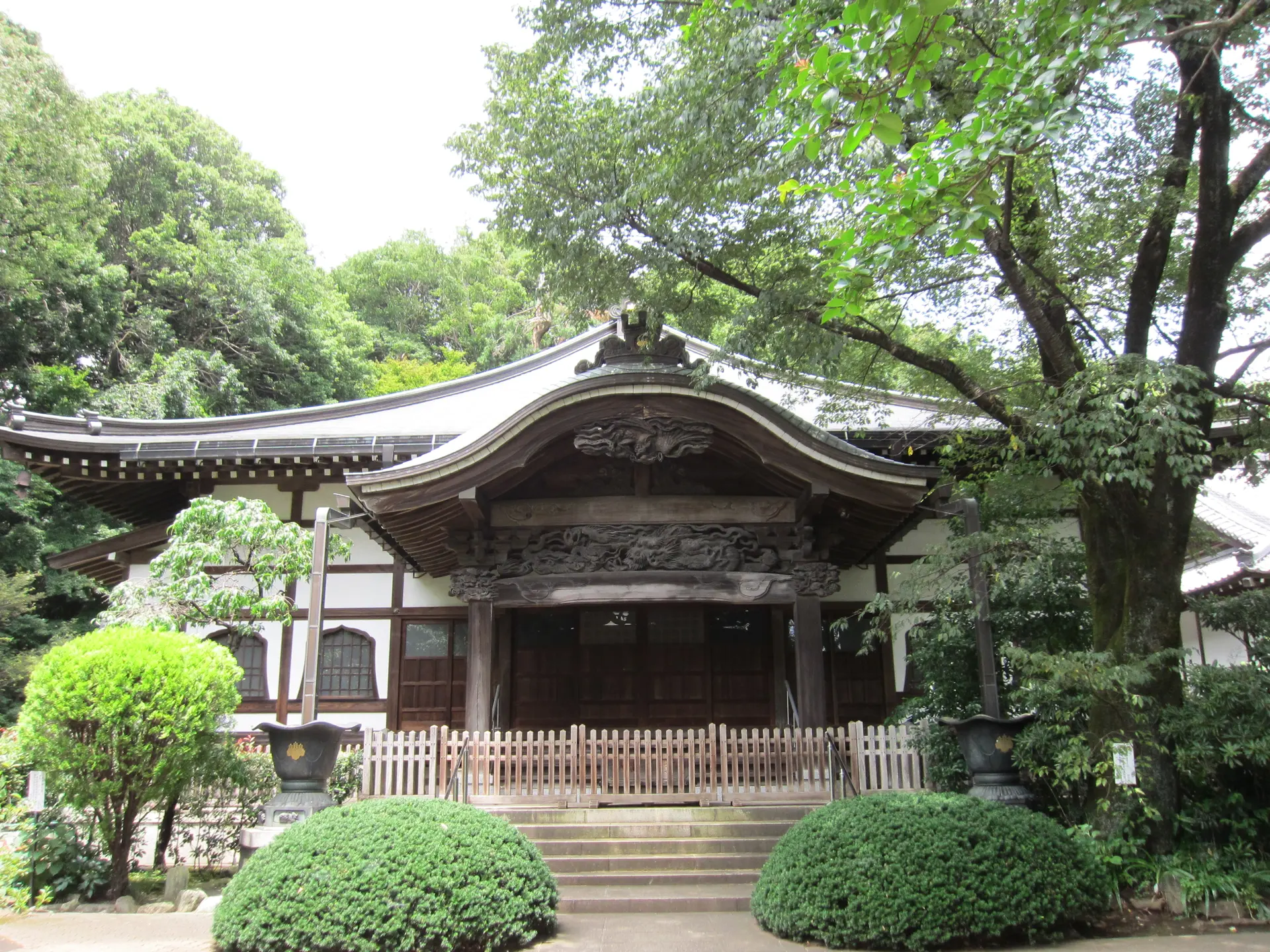
Musashi Kokubunji
Kokubunji, Tokyo, Japan
Musashi Kokubunji (武蔵国分寺) is an active Shingon Buddhism sacred place in Tokyo. The record is grounded in an exact Google Place ID, nearby coordinates, institutional or...

Muthiyangana Raja Maha Vihara
Badulla, Badulla, Badulla District, Uva Province, Sri Lanka
Muthiyangana Raja Maha Vihara is a documented temple in Badulla, Badulla District, Uva Province, Sri Lanka, connected with Buddhism....
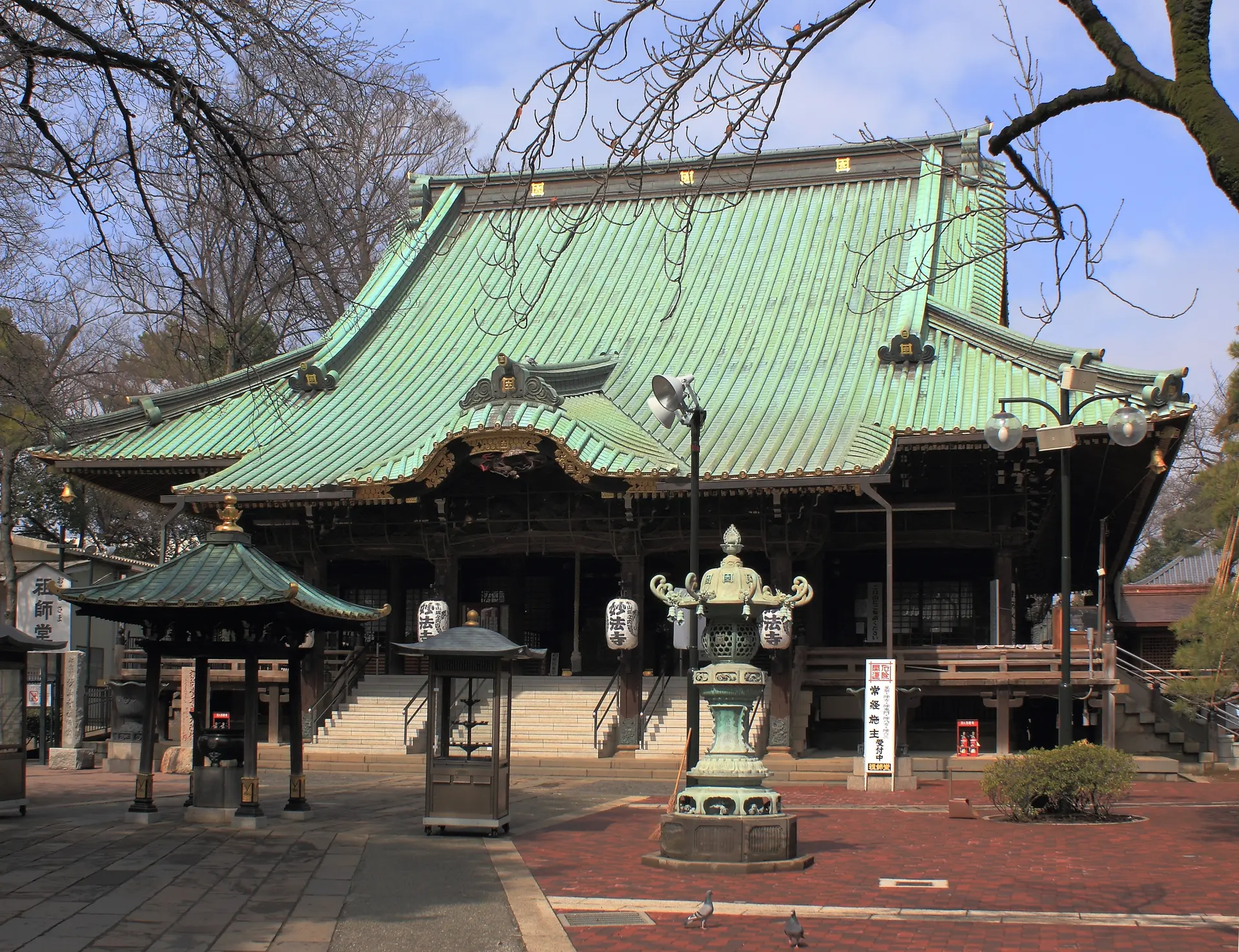
Myoho-ji
Suginami City, Tokyo, Japan
Myoho-ji (妙法寺) is an active Nichiren Buddhism sacred place in Tokyo. The record is grounded in an exact Google Place ID, nearby coordinates, institutional or reference...

Myōshin-ji
Kyoto, Kyoto Prefecture, Japan
A vast Rinzai head temple ordered around training and lineage. Myōshin-ji remains an active Rinzai Zen Buddhism, Myōshin-ji school temple....
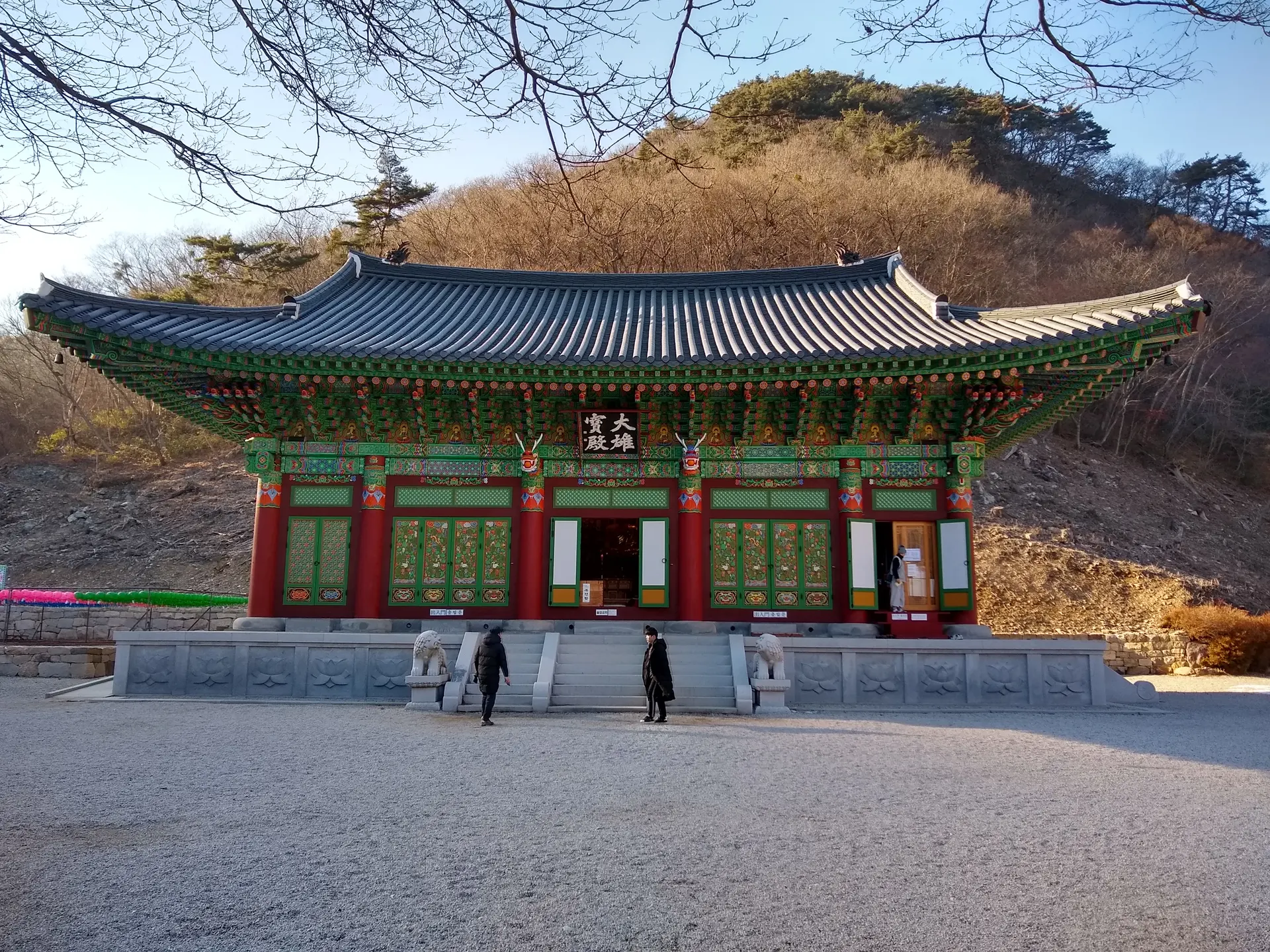
Naejangsa Temple
Jeongeup, Jeollabuk-do, South Korea
Naejangsa is famous when maples turn, but its strongest historical fact is not seasonal color....

Nagadeepa Purana Vihara
Nainativu, Nainativu, Jaffna District, Northern Province, Sri Lanka
Nagadeepa Purana Vihara is a documented temple in Nainativu, Jaffna District, Northern Province, Sri Lanka, connected with Buddhism....
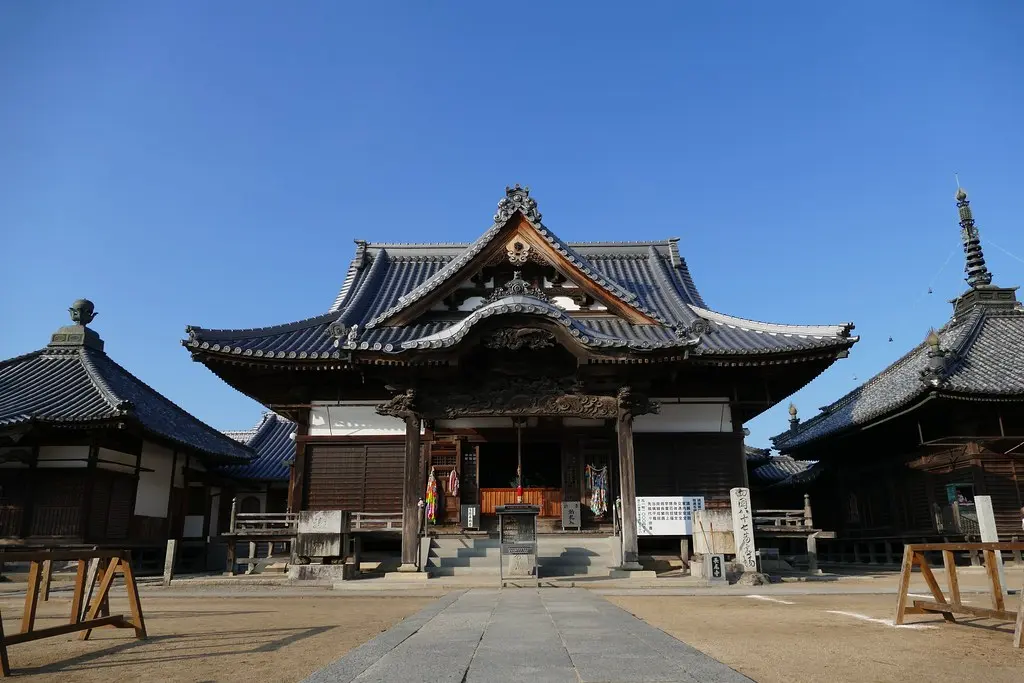
Nagao-ji
Sanuki, Kagawa Prefecture, Japan
Nagao-ji is the eighty-seventh of the eighty-eight Shikoku temples — the second-to-last, set in the open Nagao district of Sanuki under an enormous camphor canopy....
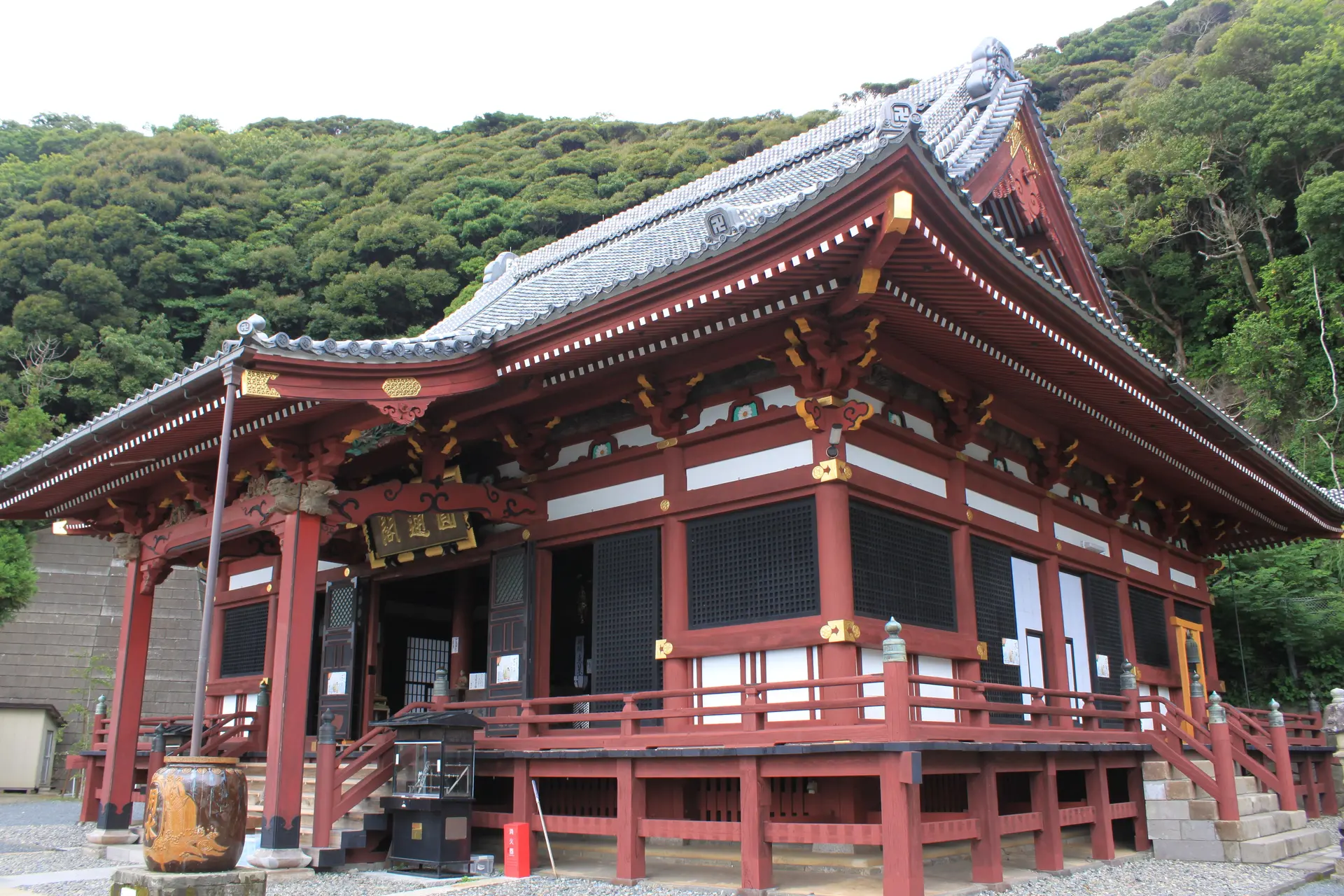
Nago-ji
Tateyama, Chiba Prefecture, Japan
Nago-ji — Fudaraku-san Nago-ji — is the 33rd and final station of the Bandō Sanjūsankasho, set on a forested mid-slope of Mt. Nago in Tateyama, Chiba....

Nakayama-dera
Takarazuka, Hyogo Prefecture, Japan
Nakayama-dera is station 24 on the Saigoku Kannon Pilgrimage, a Shingon Buddhism — Nakayama branch temple in Hyogo dedicated to Jūichimen Kannon....
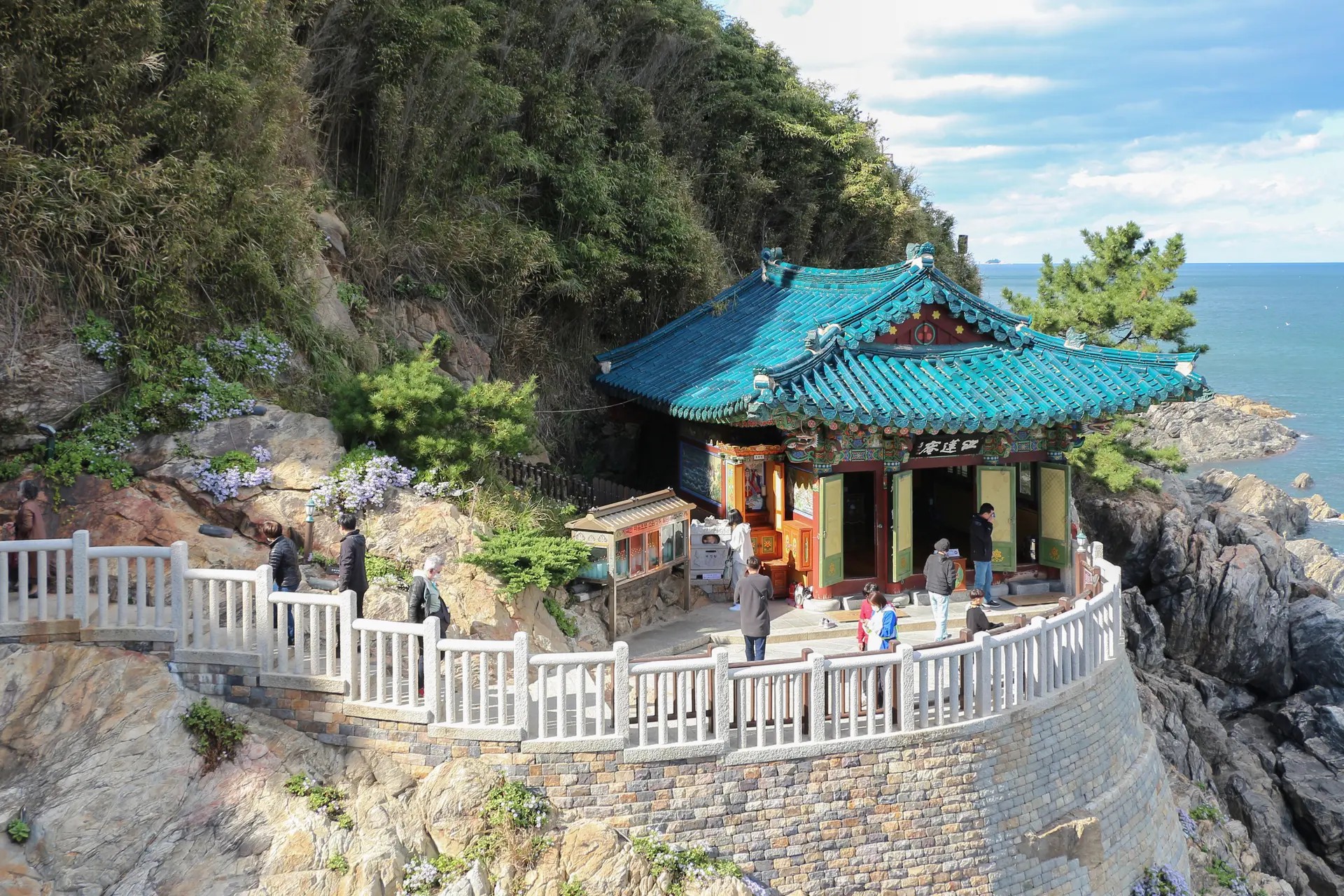
Naksansa Temple
Yangyang, Gangwon-do, South Korea
Naksansa faces the East Sea from a coastal slope where Avalokitesvara devotion has been cultivated for centuries....

Namo Buddha
Kavrepalanchok, Bagmati Province, Nepal
In the hills southeast of Kathmandu, a stupa marks where an early incarnation of the Buddha made the ultimate sacrifice....

Nan'endō (Kofuku-ji)
Part of Kofuku-ji
Nara, Nara Prefecture, Japan
Nan'endō (Kōfuku-ji) is station 9 on the Saigoku Kannon Pilgrimage, a Hossō school temple in Nara dedicated to Fukūkenjaku Kannon....
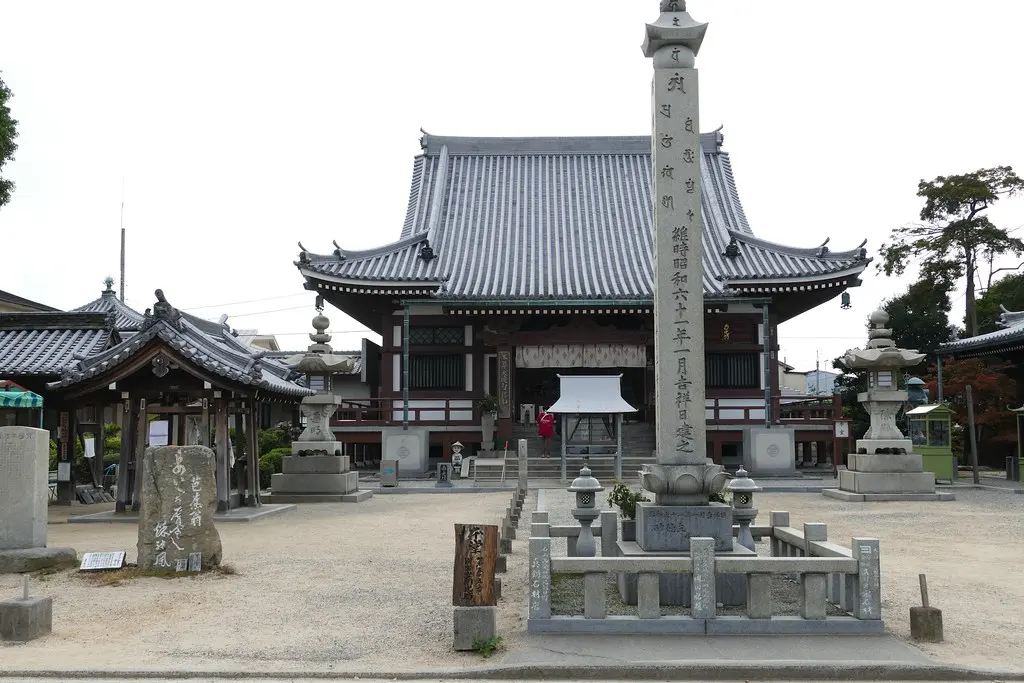
Nankōbō
Imabari, Ehime Prefecture, Japan
Temple 55 of the Shikoku henro is the only one of the 88 whose name ends in 'bō' — priest's lodging — a vestige of its origin as a sub-temple of the great Bekku Ōyamazumi...

Nanzen-ji
Kyoto, Kyoto Prefecture, Japan
Imperial retreat transformed into a head temple of Rinzai Zen. Nanzen-ji remains an active Rinzai Zen Buddhism, Nanzen-ji school temple....

Nariai-ji
Miyazu, Kyoto Prefecture, Japan
Nariai-ji is station 28 on the Saigoku Kannon Pilgrimage, a Hashidate Shingon-shū temple in Kyoto dedicated to Shō Kannon....

Naritasan Shinsho-ji
Narita, Chiba Prefecture, Japan
Naritasan Shinsho-ji, stands in Narita. At Naritasan Shinsho-ji, Shingon Buddhism, Chisan school guides custody. Prayer at Naritasan Shinsho-ji addresses Fudō Myōō....

Negoro-ji
Takamatsu, Kagawa Prefecture, Japan
Negoro-ji stands at 365 metres on the slopes of Mt. Aomine, deep in the cedar forest of the Goshikidai plateau....

Nichirin-ji
Daigo, Ibaraki Prefecture, Japan
Nichirin-ji sits on the eighth station of Mt. Yamizo, the highest peak in Ibaraki....

Ninna-ji
Kyoto, Kyoto Prefecture, Japan
Imperial memory and Shingon practice among Omuro’s late cherries. Ninna-ji remains an active Shingon Buddhism, Omuro school temple....
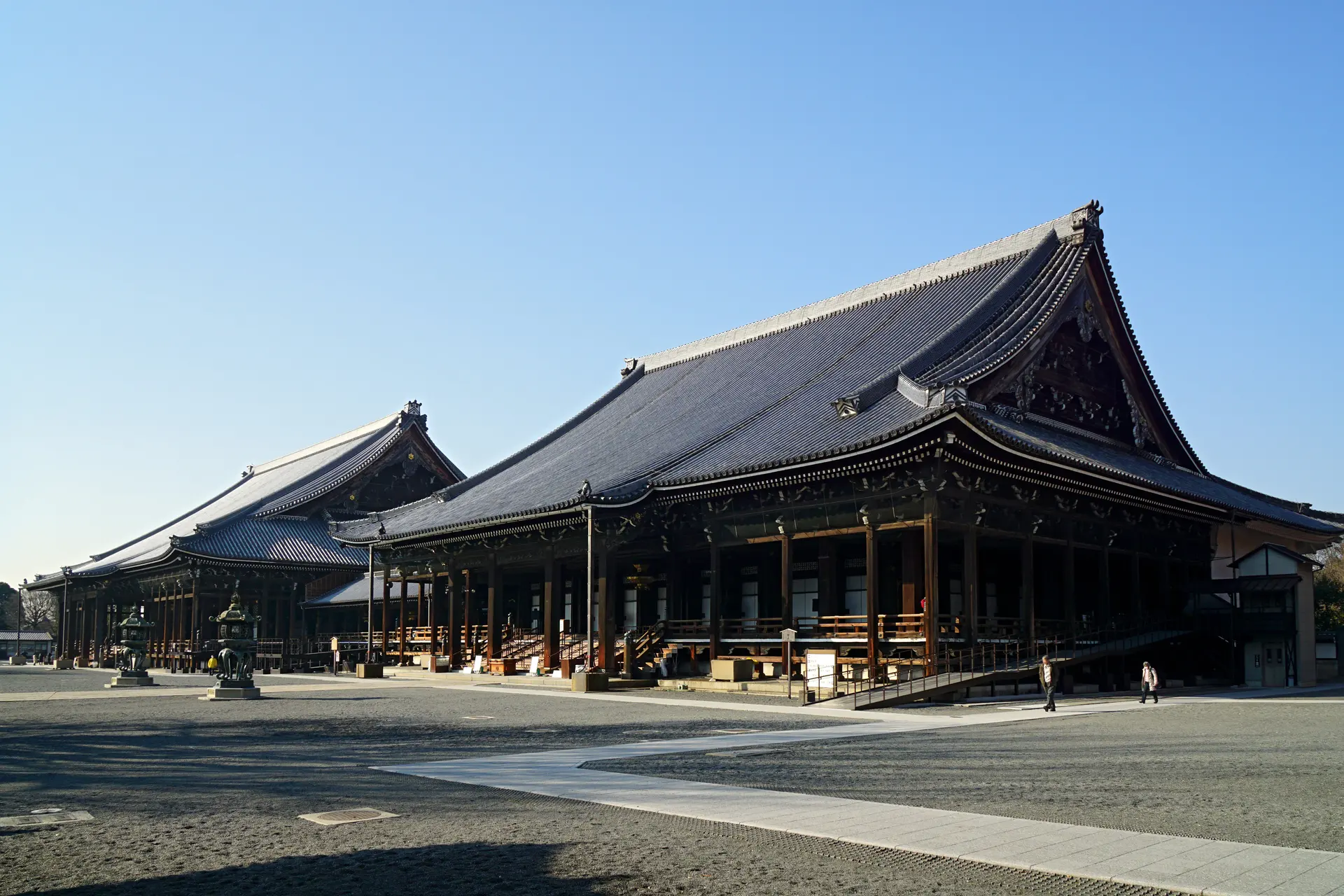
Nishi Hongan-ji
Kyoto, Kyoto Prefecture, Japan
A vast congregational home for hearing the Dharma of Amida. Nishi Hongan-ji remains an active Jōdo Shinshū Buddhism, Hongwanji-ha temple....
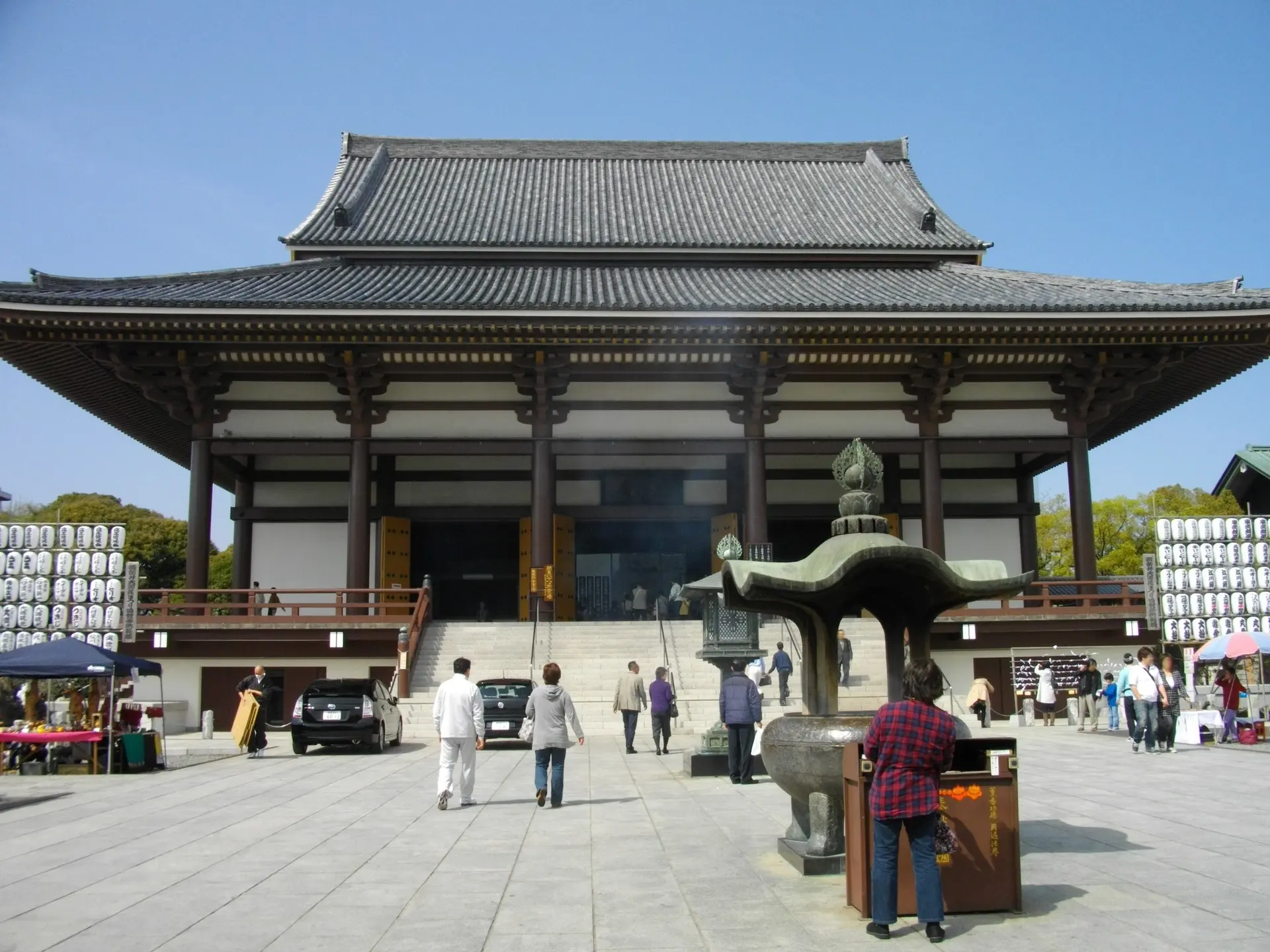
Nishiarai Daishi
Adachi City, Tokyo, Japan
Nishiarai Daishi (西新井大師 總持寺) is an active Shingon Buddhism sacred place in Tokyo....
Showing 385-432 of 737 sites
Key questions
Buddhism sacred-site questions
What are Buddhism sacred sites?
Buddhism sacred sites are places connected by shared lineage, practice, memory, ritual use, or pilgrimage tradition.
Where can I find Buddhism sacred sites?
The strongest country clusters in this guide include Japan, Thailand, South Korea, China, Bhutan, Vietnam.
What kinds of places are included?
The guide includes sacred landscapes, pilgrimage places, and ritual or historical sites where available.
Can I map Buddhism sacred sites?
Yes. Compare country clusters and physical forms first, then open individual pages for coordinates, historical context, and visitor guidance.