Country guide
Bhutan
24 sacred sites across 8 regions.
Prominent site types
Bumthang District
7 sites

Choedrak Monastery
Gyaltsa, Bumthang District, Bhutan
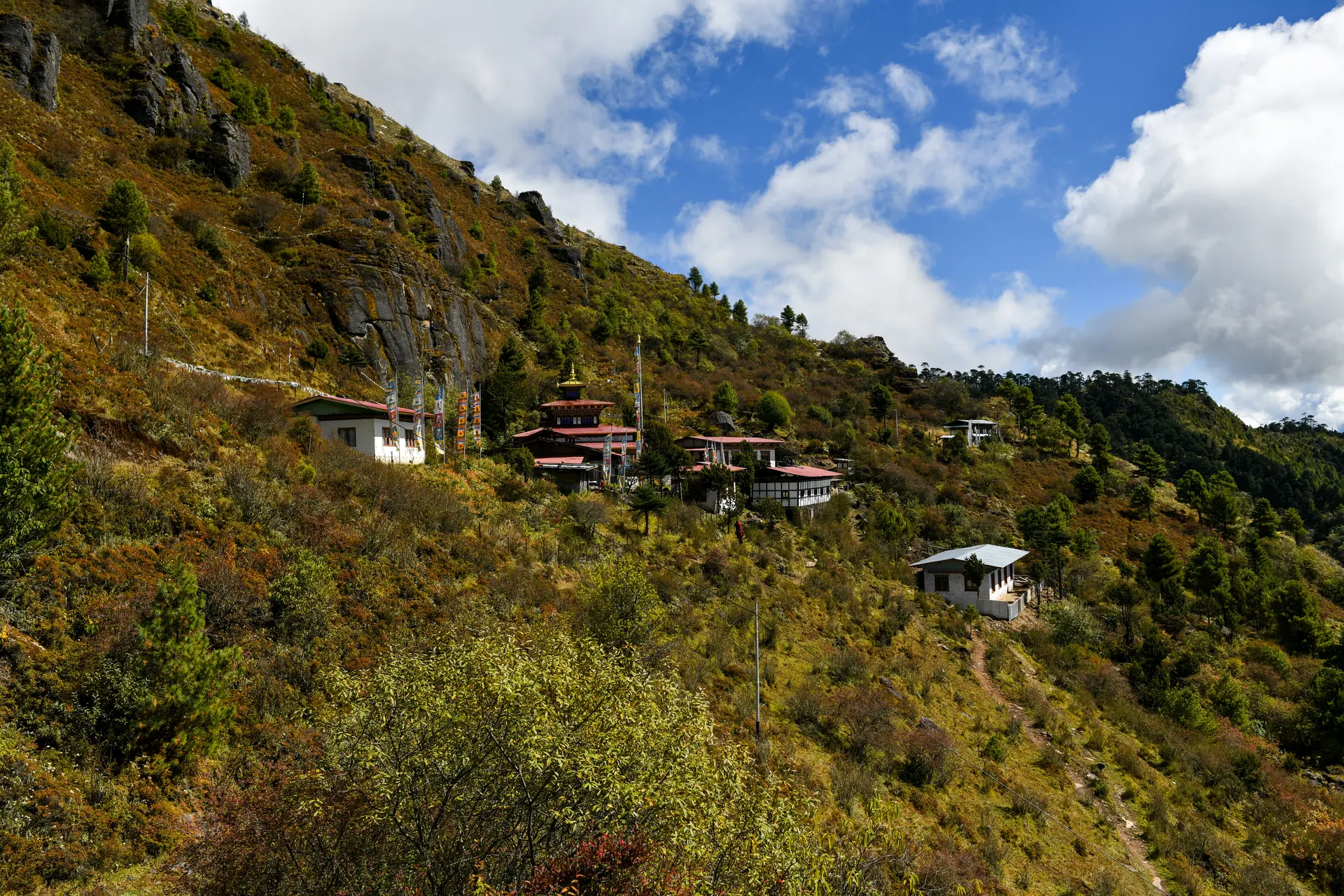
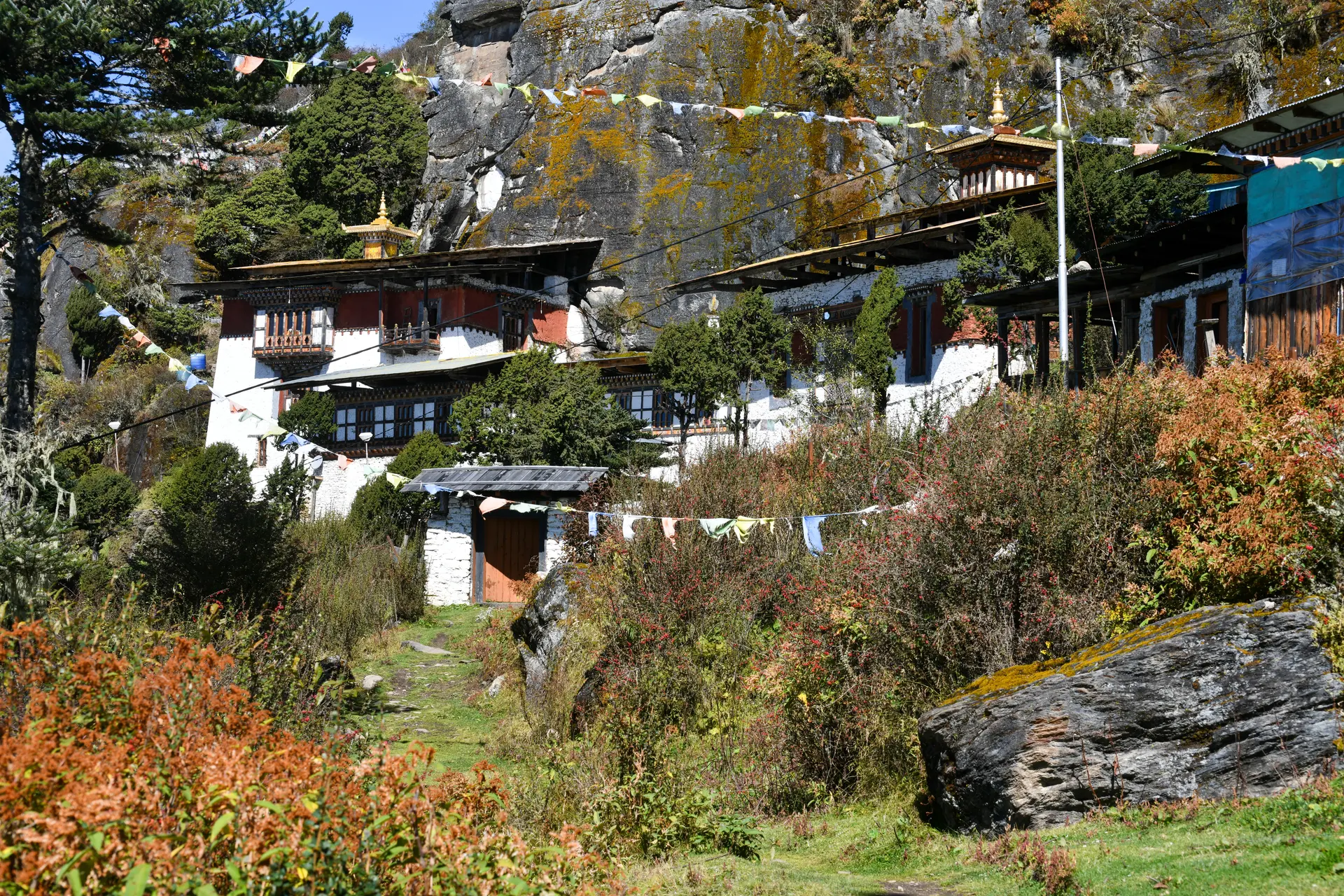
Choedrak Monastery is a monastery of sacred significance. Approximate coordinates: 27.53398, 90.68707. Attributes: built, cultural, pilgrimage. Tradition: Buddhism. Associated figure: Guru Rinpoche. Mythological context: Buddhist. Choedrak Monastery is a Buddhist monastery in Bhutan, located at an altitude of 3,800 metres, not far from Tharpaling Monastery in Bumthang District. Guru Rinpoche is said to have meditated at this spot. It is 37 kilometers from Chamkhar and takes one hour to reach from the motorable road end at Tharpaling monastery. Choedrak Goenpa can also be reached after three-hour hike from Lamey Goenpa in Choekhor Valley. It is one of the four sacred cliffs of Guru Rinpoche in Bumthang. The other three are Kunzangdrak, Shukdrak and Thowadrak. Located in Gyaltsa, བུམ་ཐང་རྫོང་ཁག་, འབྲུགཡུལ་.

Choeje Dra Monastery
Gyaltsa, Bumthang District, Bhutan
Choeje Dra Monastery is a monastery of sacred significance. Approximate coordinates: 27.53390, 90.68731. Attributes: built, cultural, pilgrimage. Tradition: Buddhist. Located in Gyaltsa, བུམ་ཐང་རྫོང་ཁག་, འབྲུགཡུལ་.

Jampa Lhakhang
Dawathang_Dorjibi_ Kashingtsawa, Bumthang District, Bhutan
Jampa Lhakhang is a monastery of sacred significance. Approximate coordinates: 27.57536, 90.73353. Attributes: built, cultural. Tradition: Buddhist. Located in Dawathang_Dorjibi_ Kashingtsawa, བུམ་ཐང་རྫོང་ཁག་, འབྲུགཡུལ་.

Konchogsum Lhakhang, Bumthang
Pedtsheling_Tamzhing, Bumthang District, Bhutan
Konchogsum Lhakhang, Bumthang is a buddhist temple of sacred significance. Approximate coordinates: 27.58555, 90.73936. Attributes: built, cultural, pilgrimage. Tradition: Buddhism. Associated figure: Buddha. Mythological context: Buddhist Mythology. Located in Pedtsheling_Tamzhing, བུམ་ཐང་རྫོང་ཁག་, འབྲུགཡུལ་.

Kurje Monastery
Dawathang_Dorjibi_ Kashingtsawa, Bumthang District, Bhutan
Kurje Monastery is a monastery of sacred significance. Approximate coordinates: 27.58711, 90.73027. Attributes: built, cultural, pilgrimage. Tradition: Buddhist. Associated figure: Guru Rinpoche. Mythological context: Buddhist mythology. Located in Dawathang_Dorjibi_ Kashingtsawa, བུམ་ཐང་རྫོང་ཁག་, འབྲུགཡུལ་.

Mebar tsho (Burning Lake)
Bezur_Kuenzangdrag, Bumthang District, Bhutan
Mebar tsho (Burning Lake) is a site of sacred significance. Approximate coordinates: 27.53938, 90.81149. Located in Bezur_Kuenzangdrag, བུམ་ཐང་རྫོང་ཁག་, འབྲུགཡུལ་.

Tamshing Monastery
Pedtsheling_Tamzhing, Bumthang District, Bhutan
Tamshing Monastery is a site of sacred significance. Approximate coordinates: 27.58753, 90.73776. Located in Pedtsheling_Tamzhing, བུམ་ཐང་རྫོང་ཁག་, འབྲུགཡུལ་.
Paro District
5 sites

Drukyal Dzong
Nyechhu_Shar-ri, Paro District, Bhutan
Drukyal Dzong is a dzong of sacred significance. Approximate coordinates: 27.50332, 89.32214. Attributes: built, cultural, archaeological. Tradition: Buddhist. Located in Nyamjey_Phangdo, སྤ་རོ་རྫོང་ཁག་, འབྲུགཡུལ་.

Kyichu Monastery
Satsam, Paro District, Bhutan
Kyichu Monastery is a monastery of sacred significance. Approximate coordinates: 27.44114, 89.37550. Attributes: built, cultural, pilgrimage. Tradition: Buddhism. Located in སྤ་རོ་རྫོང་ཁག་, འབྲུགཡུལ་.

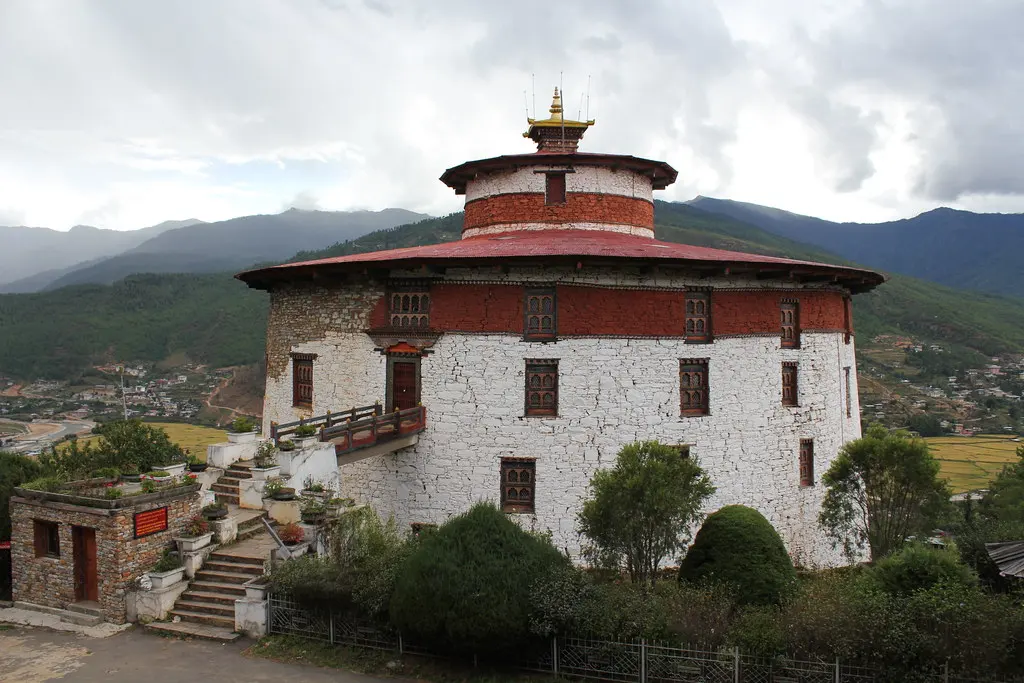
Paro National Museum
Hoongrel Gewog, Paro District, Bhutan
Paro National Museum is a site of sacred significance. Approximate coordinates: 27.42910, 89.42593. Located in སྤ་རོ་རྫོང་ཁག་, འབྲུགཡུལ་.

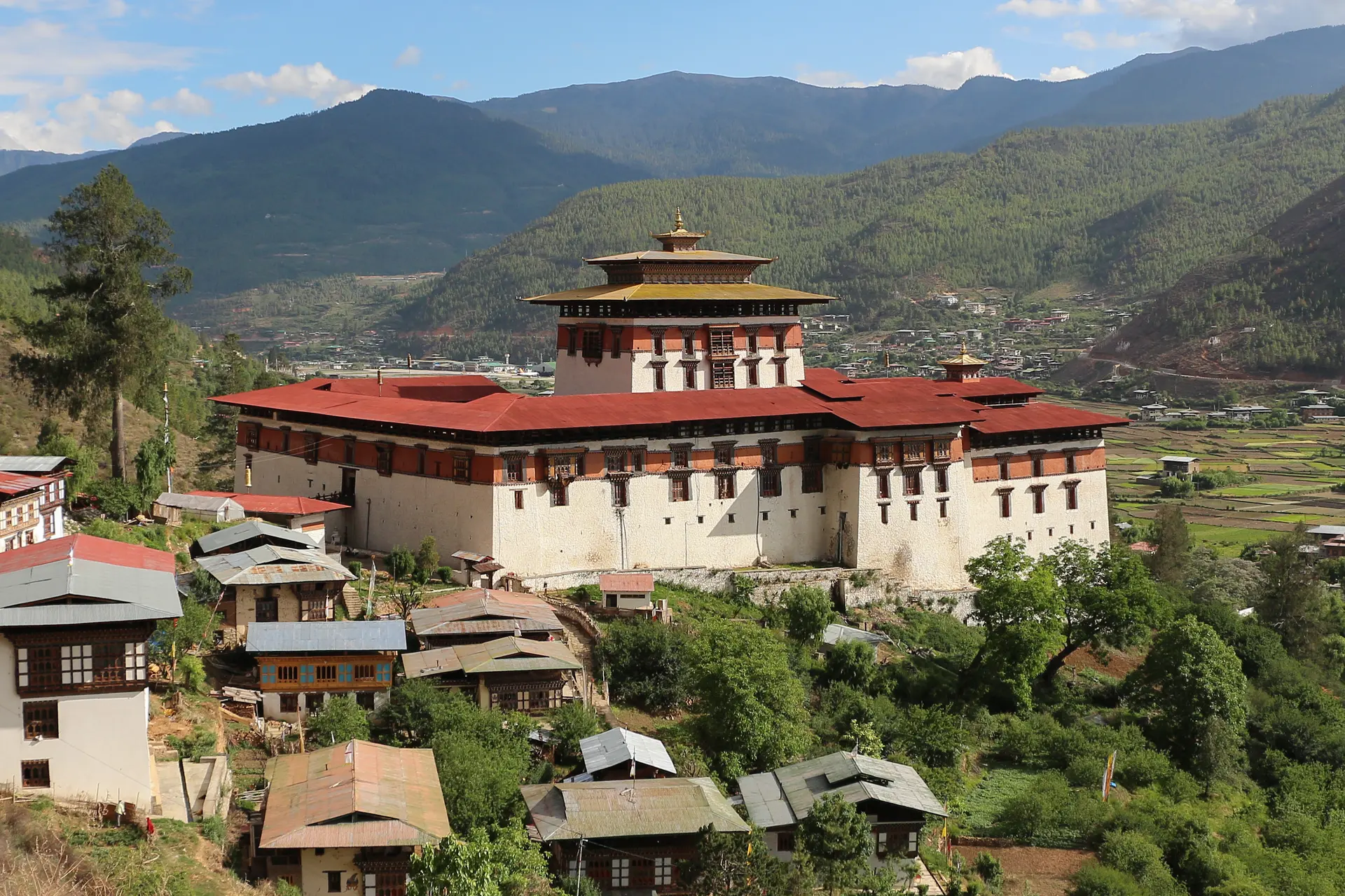
Rinpung Dzong
Hoongrel Gewog, Paro District, Bhutan
Rinpung Dzong is a site of sacred significance. Approximate coordinates: 27.42689, 89.42296. Rinpung Dzong, sometimes referred to as Paro Dzong, is a large dzong - Buddhist monastery and fortress - of the Drukpa Lineage of the Kagyu school in Paro District, Bhutan. It houses the district Monastic Body as well as government administrative offices of Paro Dzongkhag. It is listed as a tentative site in Bhutan s Tentative List for UNESCO inclusion. Located in སྤ་རོ་རྫོང་ཁག་, འབྲུགཡུལ་.

Taktsang Monastery (Tiger’s Nest)
Nyechhu_Shar-ri, Paro District, Bhutan
Taktsang Monastery (Tiger’s Nest) is a site of sacred significance. Approximate coordinates: 27.49196, 89.36338. Located in Nyechhu_Shar-ri, སྤ་རོ་རྫོང་ཁག་, འབྲུགཡུལ་.
Punakha District
2 sites

Chimi Lhakhang
Oomtekha, Punakha District, Bhutan
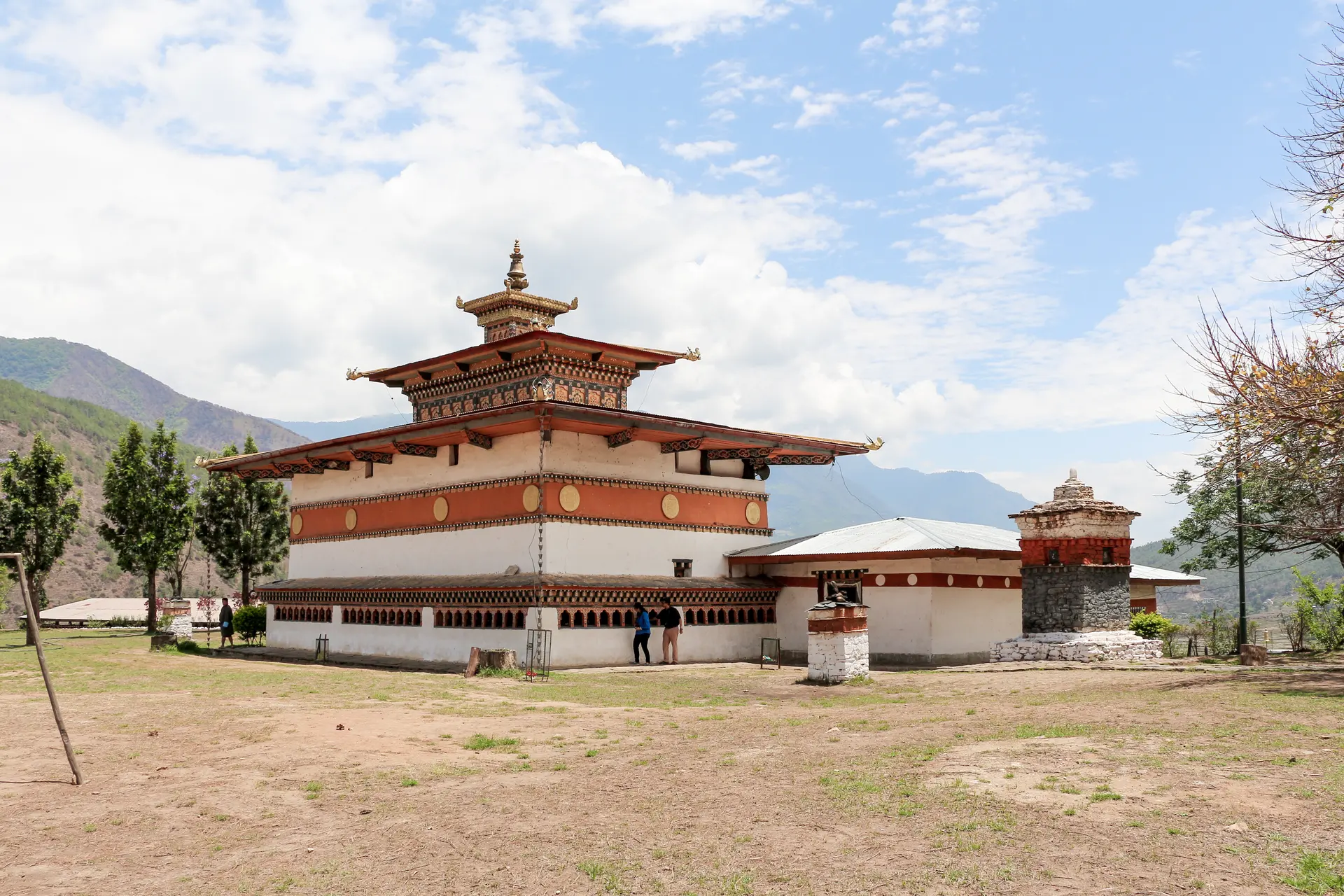
Chimi Lhakhang is a monastery of sacred significance. Approximate coordinates: 27.52715, 89.87806. Attributes: built, cultural, pilgrimage, ceremonial. Tradition: Buddhist. Associated figure: Drukpa Kunley. Mythological context: Buddhist. Chimi Lhakhang (Dzongkha: ཁྱི་མེད་ལྷ་ཁང), also known as Chime Lhakhang or Monastery or temple, is a Buddhist monastery in Punakha District, Bhutan. Located near Lobesa, it stands on a round hillock and was founded and built in 1499 by the Drukpa Kagyu lama Ngawang Chogyal, who was the 14th abbot of Ralung Monastery. Due to its construction in the location where the demoness who turned into dog was subdued, the temple was named Chimi Lhakhang or Khimey Lhakhang. According to Lam Drukpa Kuenley s biography, the original name of the temple was Khibur/Chibur Lhakhang. Although Khi/Chi is a dog, bur refers to a stack or mound that was created after the tamed dog has been buried. The site was blessed by Ngawang Chogyal s cousin, Drukpa Kunley (1455–1529), who also built a chorten on the site. In preparing and blessing the site it is said that Lama Kunley subdued a demon of Dochu La with his magic thunderbolt of wisdom and trapped it in a rock at the location close to where the chorten now stands. He was known as the Mad Saint or “Divine Madman” for his unorthodox ways of teaching Buddhism by singing, humour and outrageous behaviour, which amounted to being bizarre, shocking and with sexual overtones. He is also the saint who advocated the use of phallus symbols as paintings on walls and as flying carved wooden phalluses on house tops at four corners of the eaves. The monastery is the repository of the original wooden symbol of phallus that Kunley brought from Tibet. This wooden phallus is decorated with a silver handle and is used to bless people who visit the monastery on pilgrimage, particularly women seeking blessings to beget children. The tradition at the monastery is to strike pilgrims on the head with a 10-inch (25 cm) wooden phallus (erect penis). Traditionally symbols of an erect penis in Bhutan have been intended to drive away the evil eye and malicious gossip. Located in Sobsokha Yuwakha Zhika, སྤུ་ན་ཁ་རྫོང་ཁག་, འབྲུགཡུལ་.

Punakha Dzong
Yebisa, Punakha District, Bhutan
Punakha Dzong is a site of sacred significance. Approximate coordinates: 27.58220, 89.86309. The Punakha Dzong, also known as Pungthang Dewa chhenbi Phodrang (meaning the palace of great happiness or bliss ), is the administrative centre of Punakha District in Punakha, Bhutan. Constructed by Ngawang Namgyal, 1st Zhabdrung Rinpoche, in 1637–38, it is the second oldest and second-largest dzong in Bhutan and one of its most majestic structures. The dzong houses the sacred relics of the southern Drukpa Lineage of the Kagyu school of Tibetan Buddhism, including the Rangjung Kharsapani and the sacred remains of Ngawang Namgyal and the tertön Pema Lingpa. Punakha Dzong was the administrative center and the seat of the Government of Bhutan until 1955 when the capital was moved to Thimphu. It is listed as a tentative site in Bhutan s Tentative List for UNESCO inclusion. Located in Yebisa, སྤུ་ན་ཁ་རྫོང་ཁག་, འབྲུགཡུལ་.
Samdrup Jongkhar District
1 sites
Thimphu District
3 sites

Cheri Monastery/Chagri Monastery
Boegarna_Dodennang, Thimphu District, Bhutan
Cheri Monastery/Chagri Monastery is a monastery of sacred significance. Approximate coordinates: 27.59555, 89.62536. Attributes: built, cultural, pilgrimage. Tradition: Buddhism. Located in Boegarna_Dodennang, ཐིམ་ཕུ་རྫོང་ཁག་, འབྲུགཡུལ་.

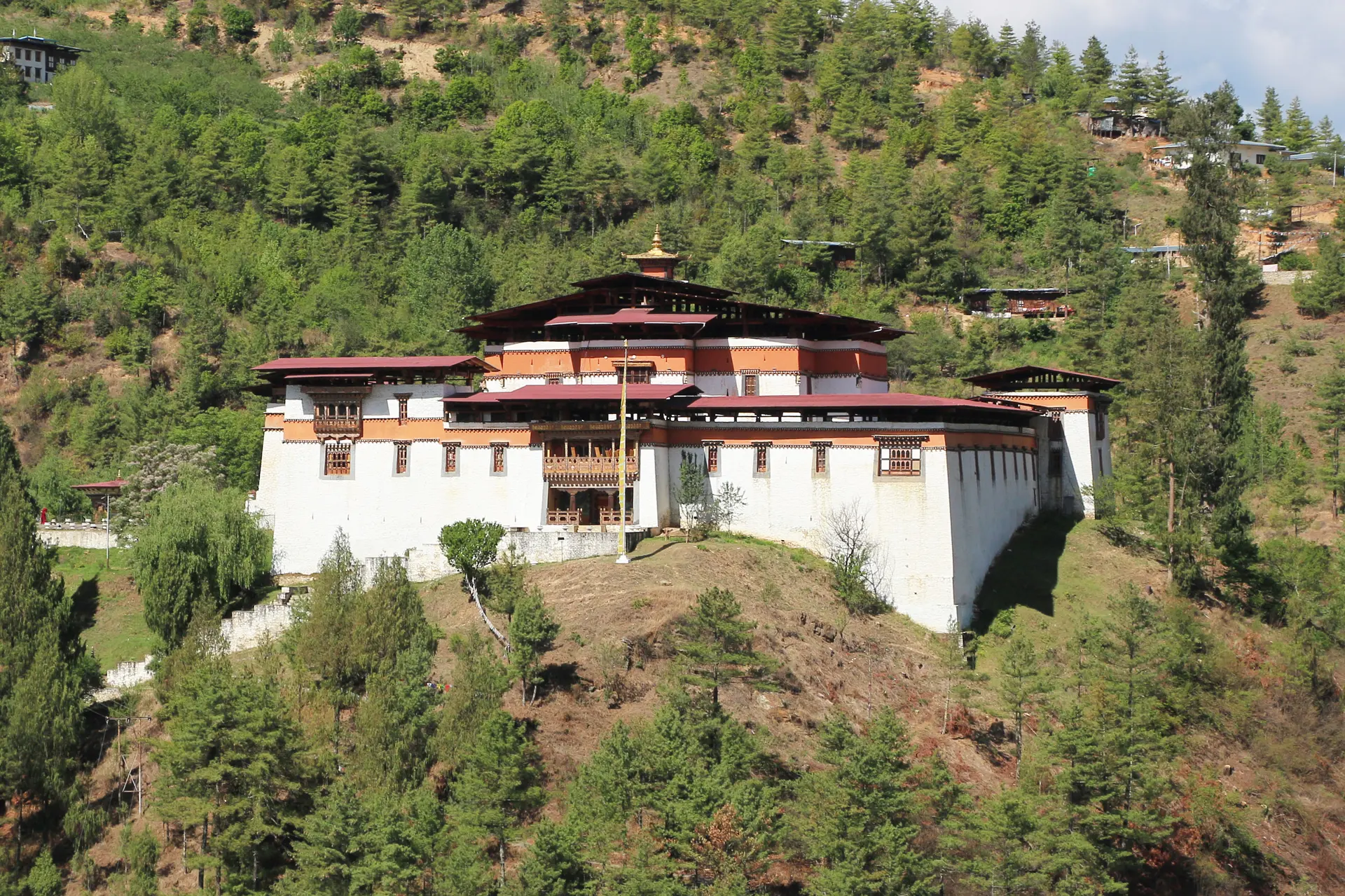
Simtokha Dzong
Thimphu, Thimphu District, Bhutan
Simtokha Dzong is a site of sacred significance. Approximate coordinates: 27.43818, 89.66972. Simtokha Dzong ( dzong means castle-monastery ) also known as Sangak Zabdhon Phodrang (Bhutanese language meaning: Palace of the Profound Meaning of Secret Mantras ) is a small dzong. It was built in 1628 by Zhabdrung Ngawang Namgyal, who unified Bhutan. It is the first of its kind built in Bhutan. An important historical monument and former Buddhist monastery, today it houses one of the premier Dzongkha language learning institutes. It recently underwent renovation. Located in ཐིམ་ཕུ, ཐིམ་ཕུ་རྫོང་ཁག་, འབྲུགཡུལ་.

Tango Monastery
Boegarna_Dodennang, Thimphu District, Bhutan
Tango Monastery is a site of sacred significance. Approximate coordinates: 27.59306, 89.63874. The Tango Monastery is a Buddhist monastery located 14 kilometres (8.7 mi) to the north of the capital city of Thimphu in Bhutan, near Cheri Mountain. It was founded by Phajo Drugom Zhigpo (1184? - 1251?) in the 13th century and built in its present form by Tenzin Rabgye, the 4th Temporal Ruler in 1688. In 1616, the Tibetan lama Shabdrung Ngawang Namgyal meditated in its cave. The self-emanated form of the wrathful Hayagriva is deified in the monastery. It belongs to the Drukpa Kagyu School of Buddhism in Bhutan. Located in Boegarna_Dodennang, ཐིམ་ཕུ་རྫོང་ཁག་, འབྲུགཡུལ་.
Trashigang District
1 sites
Trongsa District
2 sites

Tadzong National Museum, Trongsa
Bagochen Boolingpang Ueling, Trongsa District, Bhutan
Tadzong National Museum, Trongsa is a site of sacred significance. Approximate coordinates: 27.49931, 90.50762. Located in Bagochen Boolingpang Ueling, ཀྲོང་གསར་རྫོང་ཁག་, འབྲུགཡུལ་.

Trongsa Dzong
Bagochen Boolingpang Ueling, Trongsa District, Bhutan
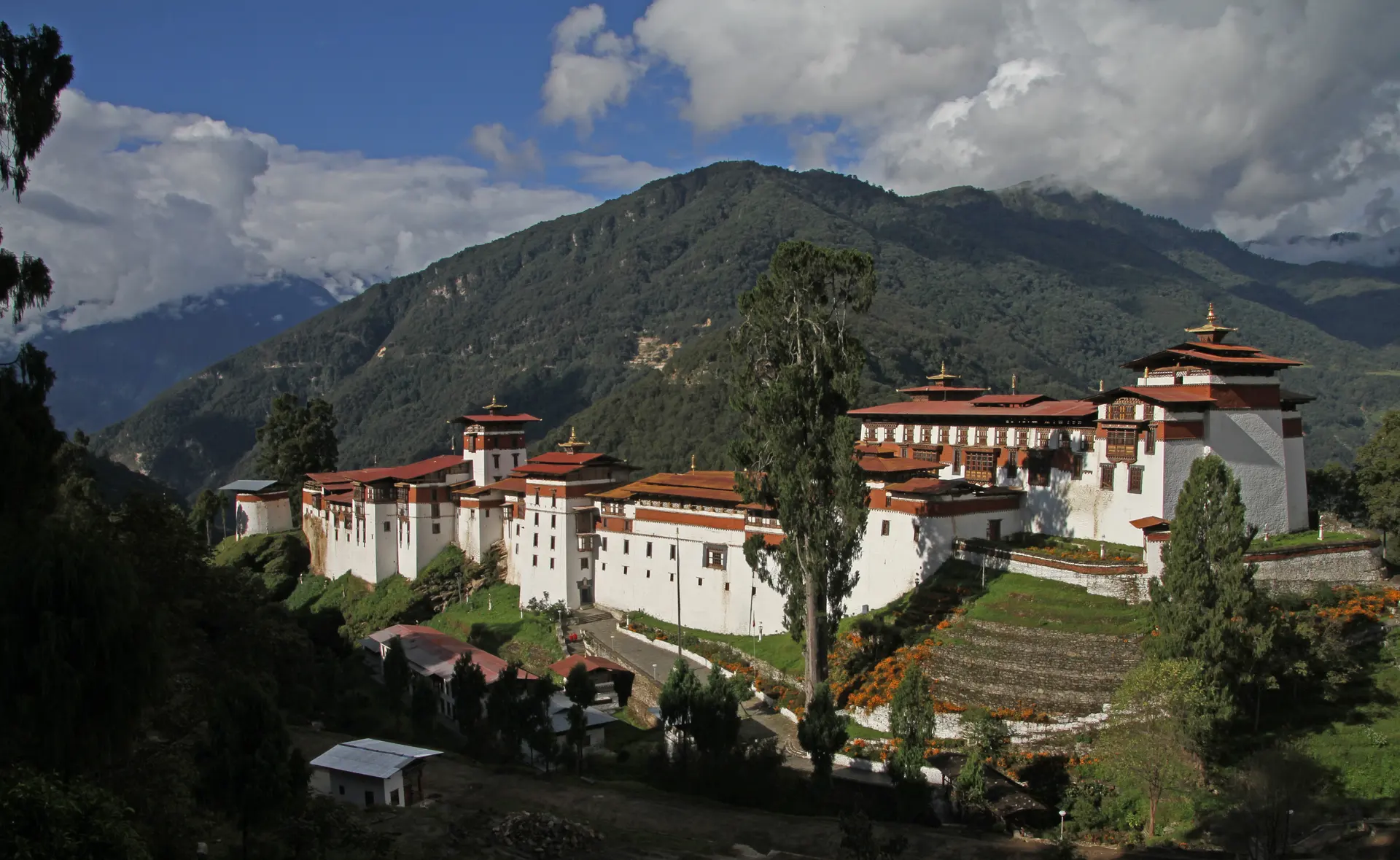
Trongsa Dzong is a site of sacred significance. Approximate coordinates: 27.49970, 90.50497. Trongsa Dzong is the largest dzong fortress in Bhutan, located in Trongsa (formerly Tongsa) in Trongsa district, in the centre of the country. Built on a spur overlooking the gorge of the Mangde River, a temple was first established at the location in 1543 by the Drukpa lama, Nagi Wangchuk son of Ngawang Chhojey. In 1647, his great-grandson Shabdrung Ngawang Namgyal (Shabdrung or Zhabdrung being his title), constructed the first dzong to replace it, called Chökhor Rabtentse Dzong with a shorter version of Choetse Dzong. It was enlarged several times during the 18th century; the Chenrezig Lhakang was built in 1715 and a whole complex, including the Maitreya (Jampa) temple, was added in 1771. The dzong has since been repaired on several occasions; it was damaged during the 1897 Assam earthquake and underwent extensive renovation in 1927 and 1999. Trongsa Dzong, the largest dzong at a striking location, is an important administrative building, providing the headquarters of the government of Trongsa District. Trongsa provides a strategic central location to control Bhutan and for centuries it was the seat of the Wangchuck dynasty of penlops (governors) who effectively ruled over much of eastern and central Bhutan, and from 1907 have been Kings of Bhutan. It is also a major monastic complex, with around 200 monks. During the summer months, the monastic community often relocates to Kurje Monastery in the Bumthang Valley. It contains a notable printing house, responsible for the printing of many religious texts in Bhutan.). It is listed as a tentative site in Bhutan s Tentative List for UNESCO inclusion. Located in Bagochen Boolingpang Ueling, ཀྲོང་གསར་རྫོང་ཁག་, འབྲུགཡུལ་.
Wangdue Phodrang District
3 sites

Baylangdra Temple
Lengbi, Wangdue Phodrang District, Bhutan
Baylangdra Temple is a temple of sacred significance. Approximate coordinates: 27.62377, 90.03646. Attributes: built, cultural, pilgrimage. Located in Lengbi, དབང་འདུས་ཕོ་བྲང་རྫོང་ཁག་, འབྲུགཡུལ་.

Gangteng Monastery
Gangteng, Wangdue Phodrang District, Bhutan
Gangteng Monastery is a monastery of sacred significance. Approximate coordinates: 27.48478, 90.16474. Attributes: built, cultural, pilgrimage, ceremonial. Tradition: Buddhism. Associated figure: Pema Lingpa. Mythological context: Tibetan Buddhism. Gangteng Monastery (Dzongkha: སྒང་སྟེང་དགོན་པ ), also known as Gangtey Gonpa or Gangtey Monastery, is a monastery of Nyingmapa school of Tibetan Buddhism, the main seat of the Pema Lingpa tradition, located in the Wangdue Phodrang District in central Bhutan. The monastery, also known by the Gangtey village that surrounds it, is in the Phobjikha Valley where the black-necked cranes visit in winters to roost. The black-necked cranes circle the monastery three times on arrival and repeat when returning to Tibet. The monastery s history traces to the early 17th century and back to the prophecies made by the terton (treasure finder) Pema Lingpa in the late 15th century. The monastery is one of the main seats of the religious tradition based on Pema Lingpa s revelations and one of the two main centres of the Nyingmapa school of Buddhism in the country. A Nyingma monastic college or shedra, Do-ngag Tösam Rabgayling, has been established above the village. The descent of the first king of Bhutan, Gongsar Ugyen Wangchuck of the Wangchuck Dynasty of Bhutan, which continues to rule Bhutan is traced to the clan of the Dungkhar Choje, a subsidiary of the clan of Khouchung Choje whose founder was Kunga Wangpo, the fourth son of Pema Lingpa. Located in Gangteng, དབང་འདུས་ཕོ་བྲང་རྫོང་ཁག་, འབྲུགཡུལ་.

Wangdue Phodrang Dzong
Dzonkhag Thromde, Wangdue Phodrang District, Bhutan
Wangdue Phodrang Dzong is a site of sacred significance. Approximate coordinates: 27.47446, 89.89682. Located in Dzonkhag Thromde, དབང་འདུས་ཕོ་བྲང་རྫོང་ཁག་, འབྲུགཡུལ་.