Country guide
Japan
Japan's sacred geography layers Shinto shrine landscapes, Buddhist temple networks, mountain ascetic practice, island pilgrimage, and urban devotional sites.
545 sacred sites across 64 regions. Use the tradition links to narrow in.
Sacred journeys
Pilgrimages in Japan
Follow routes that connect sacred places across Japan. Mapped-place counts reflect the current atlas. Showing 6 of 10 mapped routes.
Buddhism · Shikoku
Shikoku 88 Temple Pilgrimage
四国八十八ヶ所霊場
Eighty-eight temples around an island, a circuit walked beside Kūkai across thirteen centuries.
88 mapped places in Japan · 88-station pilgrimage
Buddhism · Kansai
New Saigoku Kannon Pilgrimage
新西国三十三所
A modern Kansai Kannon circuit organized in 1932 to make the old route walkable for working pilgrims.
38 mapped places in Japan · 33 numbered stations + auxiliary places
Buddhism · Kansai
Saigoku Kannon Pilgrimage
西国三十三所
The oldest Kannon circuit in Japan — thirty-three temples across western Honshu, walked since the eighth century.
36 mapped places in Japan · 33 numbered stations + auxiliary places
Buddhism · Kantō
Chichibu 34 Kannon Pilgrimage
秩父三十四観音霊場
Thirty-four temples in a single Saitama valley — the third leg that makes the Hyakkasho complete.
34 mapped places in Japan · 34-station pilgrimage
Buddhism · Kantō
Bandō Sanjūsankasho Pilgrimage
坂東三十三観音霊場
Thirty-three temples to Kannon across the eastern plain, a circuit of compassion shaped by twelfth-century warriors and walked still.
33 mapped places in Japan · 33-station pilgrimage
Buddhism · Chūgoku
Chūgoku 33 Kannon Pilgrimage
中国三十三観音霊場
A modern Kannon circuit across western Honshu, established in 1981 to honor temples that lay outside the great medieval routes.
29 mapped places in Japan · 33-station pilgrimage
Browse by region
Explore Japan region by region
Open a regional guide to see its sacred sites, traditions, and map.
Show all 63 regions
Explore Japan by facet
Traditions
Physical forms
Dates connected to Japan
Upcoming festivals, feast days, and pilgrimages tied to Japan. Add any to your calendar, or see the full observance calendar.
- Add
Kamiari-sai (Festival of the Gods)
Nov 29 – Sun, Dec 6, 2026Festival
Izumo Taisha (Izumo Grand Shrine)
Refine the atlas
Related Japan guides
Showing 241-288 of 545 sites in this country guide
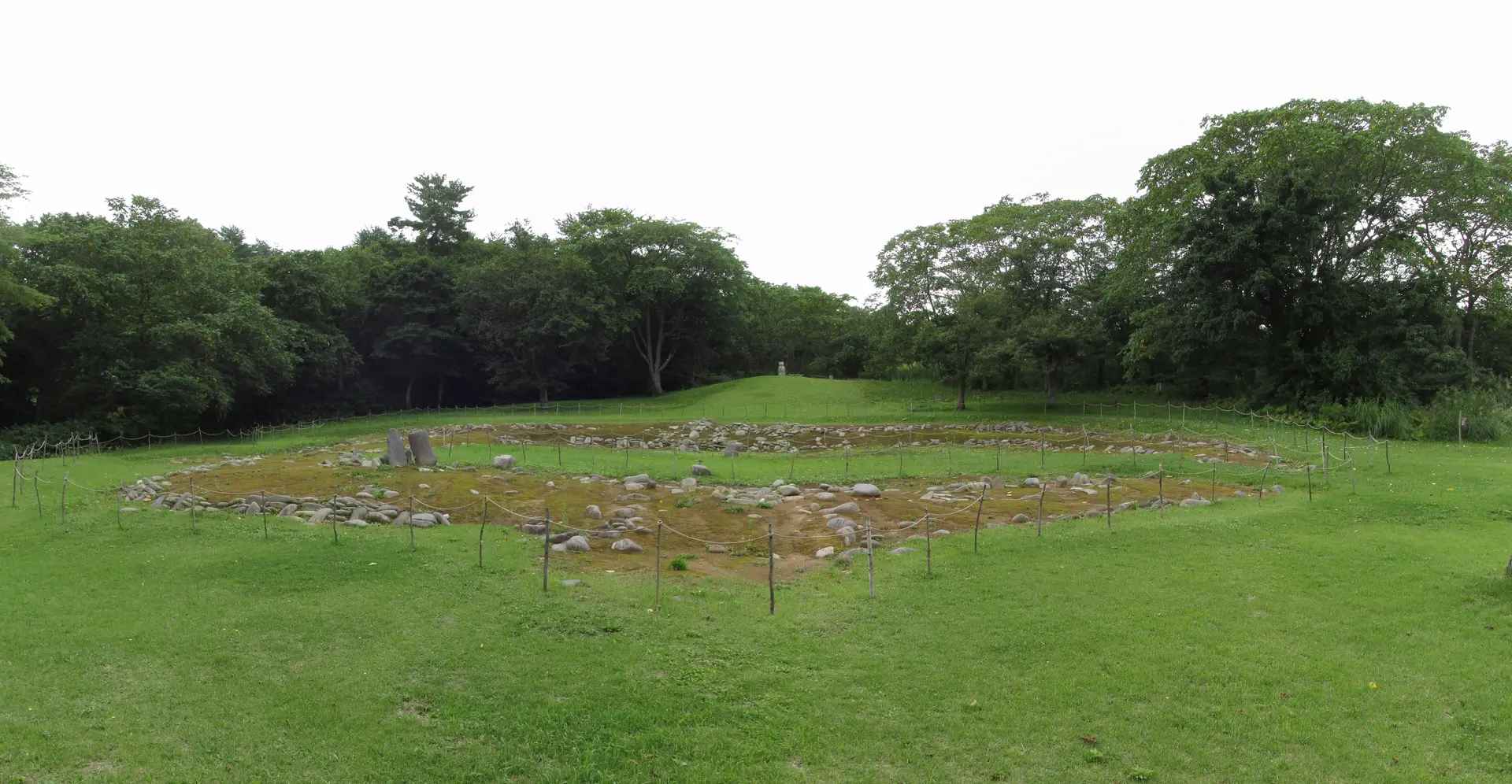
Komakino Stone Circle
Aomori, Aomori Prefecture, Japan
Four thousand years ago, Jomon communities leveled a hilltop and arranged nearly three thousand stones in a configuration so distinctive that archaeologists named it the...

Komyo-ji
Hyogo Prefecture, Japan
Gobusan Kōmyō-ji crowns Mt. Gobusan in Katō, Hyōgo — a Kōyasan Shingon temple traced to 594 CE and holding an Eleven-Faced Thousand-Armed Thousand-Eyed Kannon as honzon....
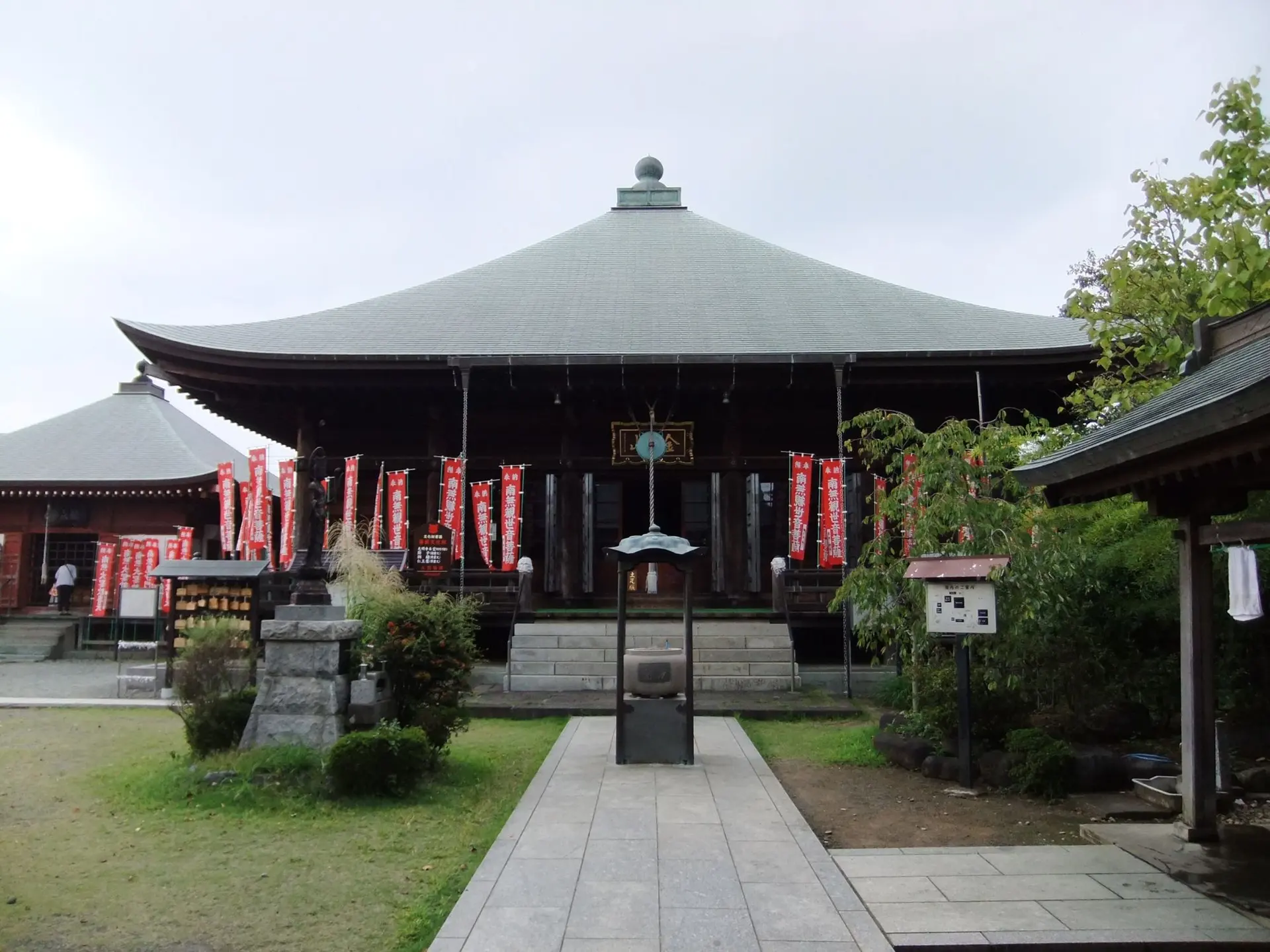
Kōmyō-ji
Hiratsuka, Kanagawa Prefecture, Japan
Kōmyō-ji at Mount Kaname — known to villagers and mothers as Kaname Kannon — preserves a Sacred Kannon said to have been found in the sea by an ama diver in 702 CE....
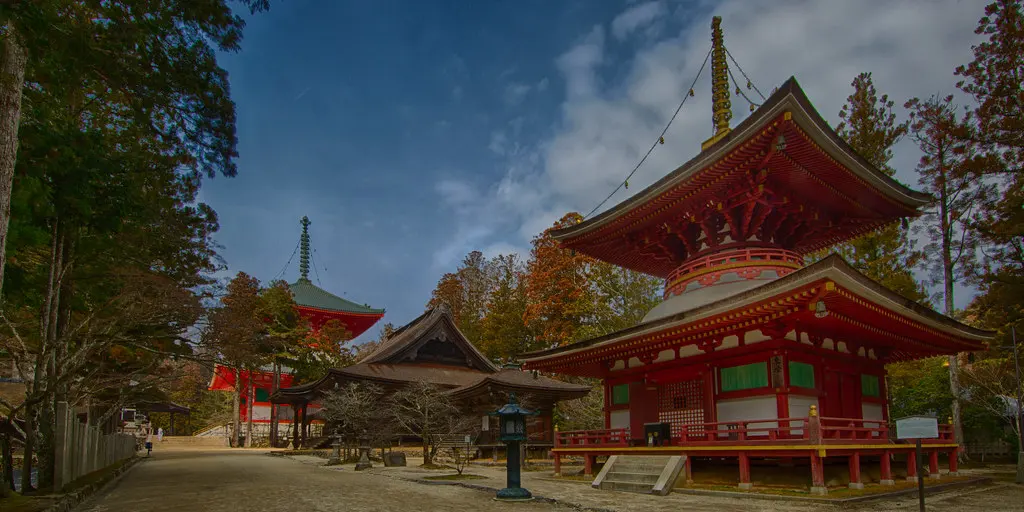
Kongo-ji
Osaka Prefecture, Japan
Founded by Gyōki on Mount Amano in the Tenpyō era and revived in the late Heian period by the monk Akan, Amano-san Kongō-ji became known as Nyonin Kōya — Women's Kōyasan —...

Kongobu-ji Temple (Mt. Koya)
Koya, Wakayama Prefecture, Japan
High in the mountains of Wakayama, Kongobu-ji serves as headquarters of Shingon Buddhism, the esoteric tradition Kobo Daishi brought from China in 806 CE....
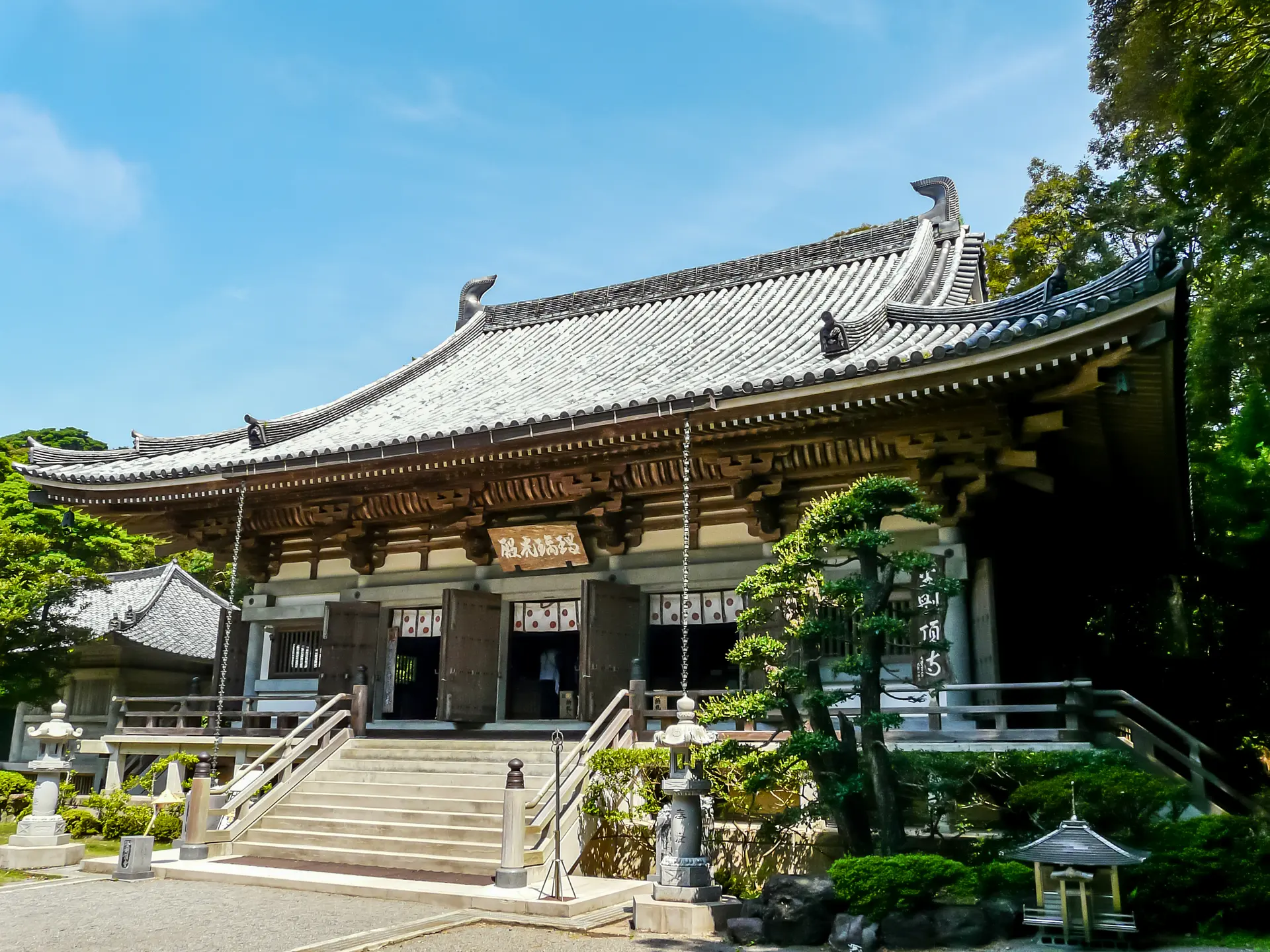
Kongōchō-ji
Muroto, Kochi Prefecture, Japan
Kongōchō-ji crowns a wooded promontory on the western side of Cape Muroto, the second of the Muroto Sanzan triad....
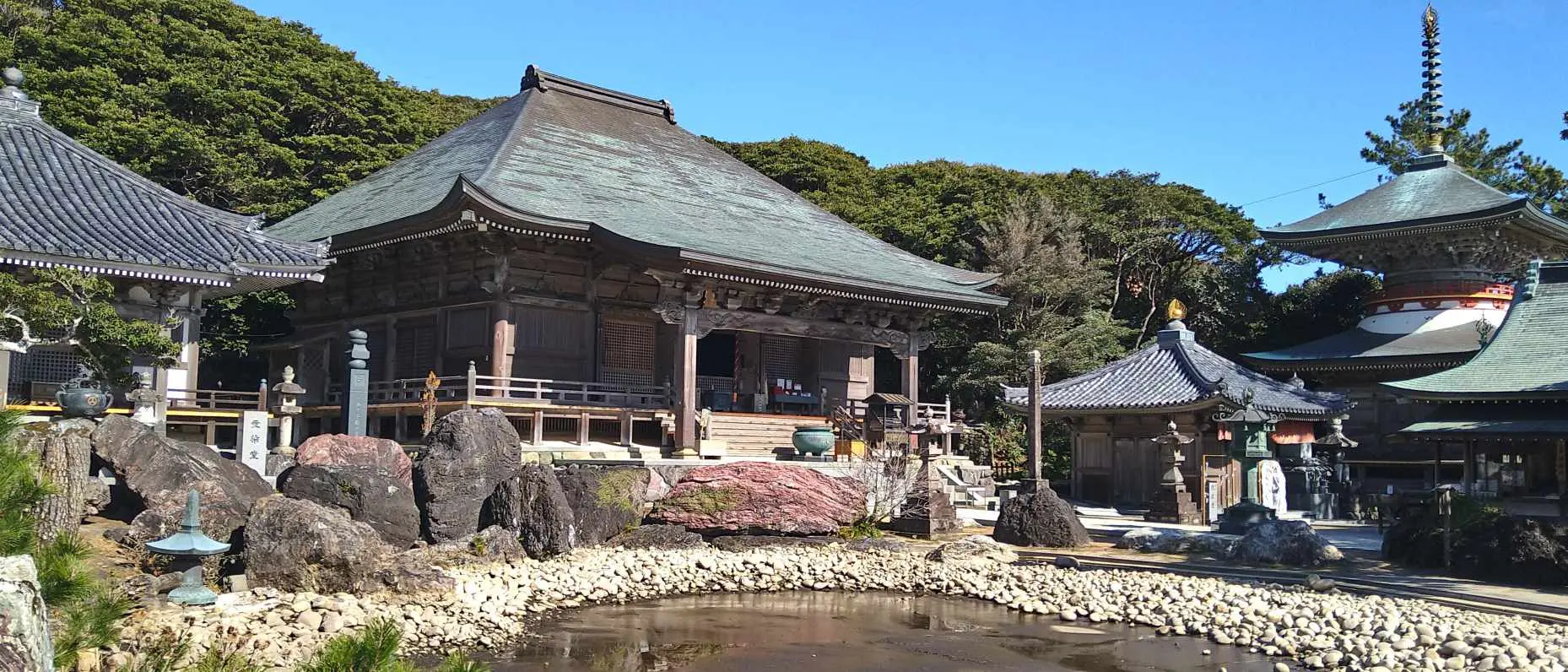
Kongōfuku-ji
Tosashimizu, Kochi Prefecture, Japan
Kongōfuku-ji is the thirty-eighth stop on the Shikoku 88, set at the tip of Cape Ashizuri — the southernmost point of Shikoku....
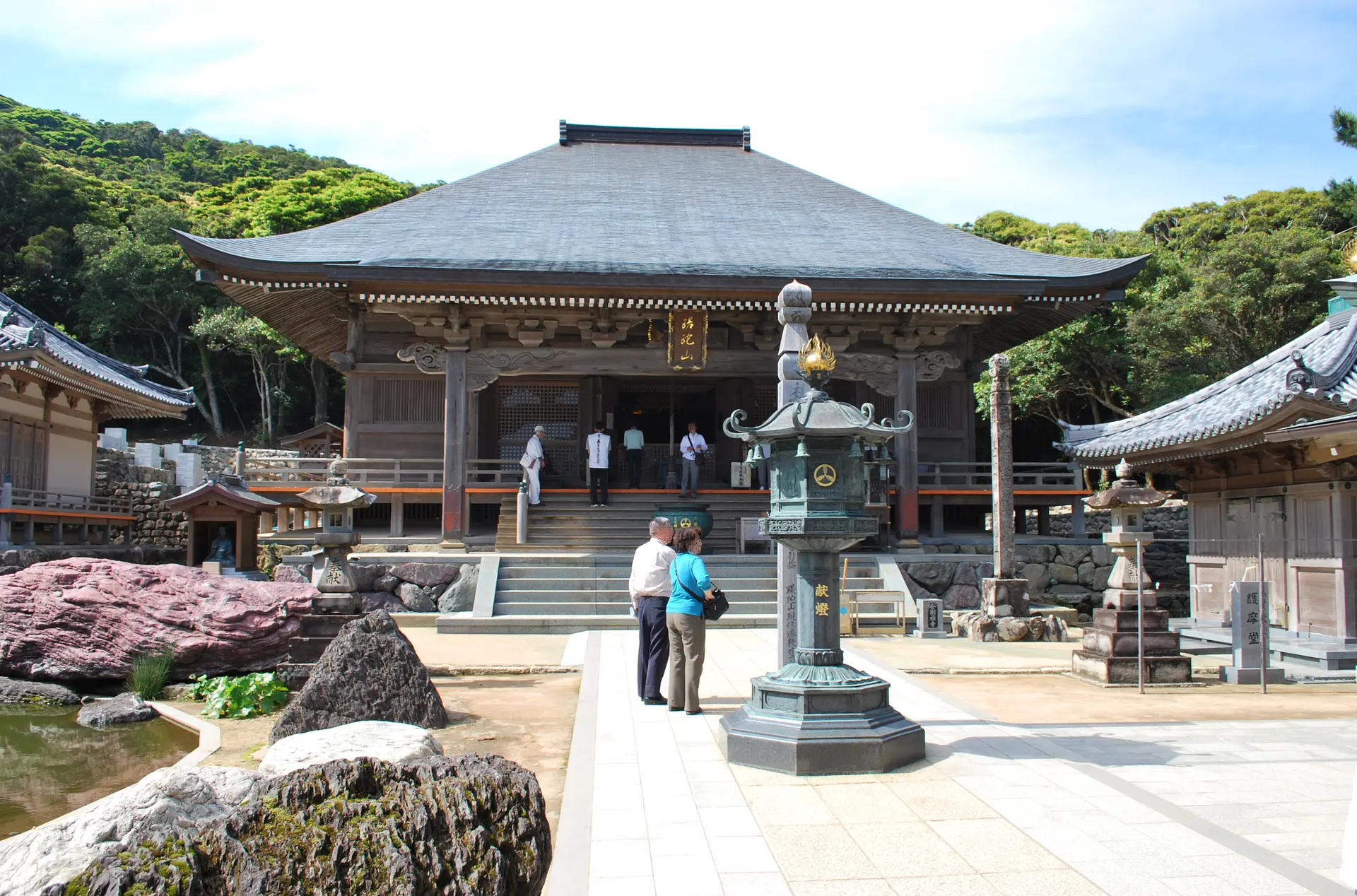
Kongofukuji Temple, Tosashimizu
Tosashimizu, Kochi Prefecture, Japan
At the southernmost tip of Shikoku, where land yields to endless ocean, stands the temple Kobo Daishi founded after sensing the presence of Fudaraku—Kannon's Pure...

Kongojo-ji
Hyogo Prefecture, Japan
Nagusayama Kongōjō-ji in Fukusaki, Hyōgo, traces its founding to 597 CE under the Korean monk Ekan during Empress Suiko's reign....

Konji Waterfall
Tokushima, Japan
Konji Waterfall belongs to the religious landscape of Konjiji in Tokushima. Official regional interpretation describes pilgrims purifying themselves at the falls before...
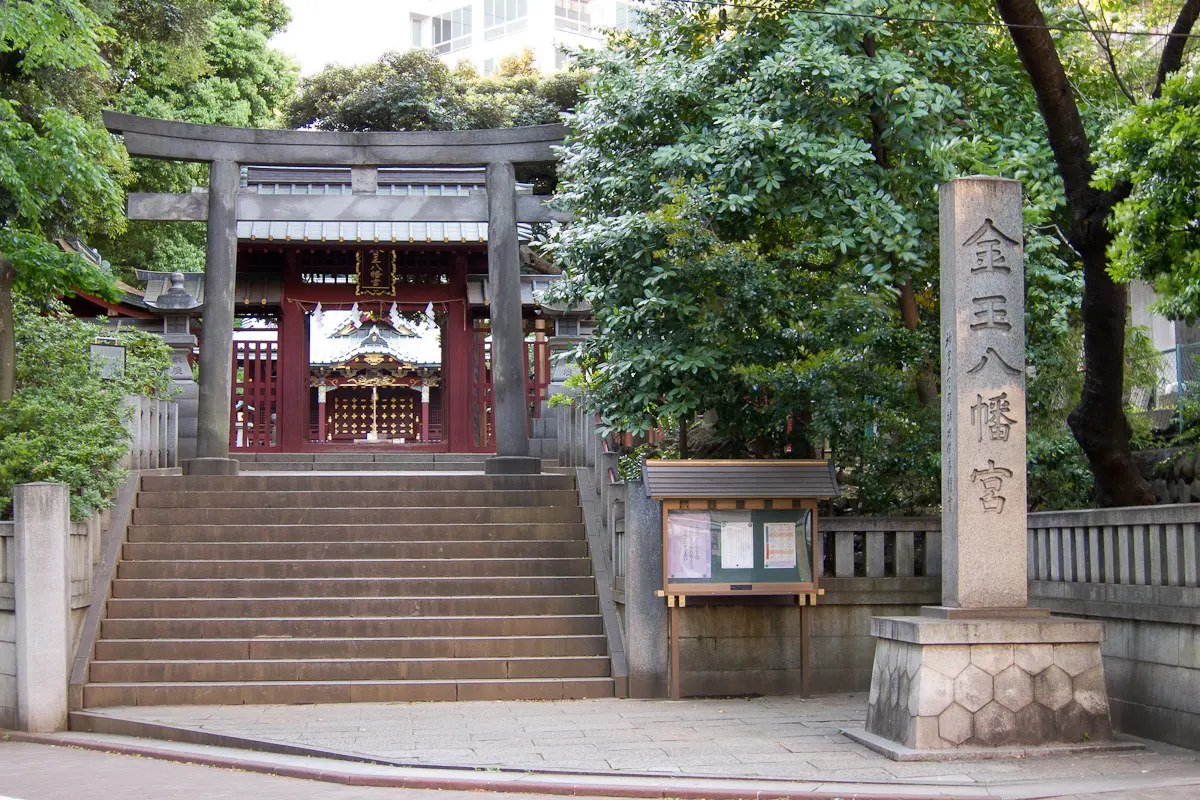
Konno Hachiman-gu Shrine
3-chōme-5-12 Shibuya, Tokyo, Japan
Konno Hachiman-gu Shrine (金王八幡宮) is an active Shinto sacred place in Tokyo. The record is grounded in an exact Google Place ID, nearby coordinates, institutional or...

Kōnomine-ji
Yasuda, Kochi Prefecture, Japan
Kōnomine-ji rests at 450 metres on Mt. Konomine, often described as the most physically demanding station on the Tosa stretch....
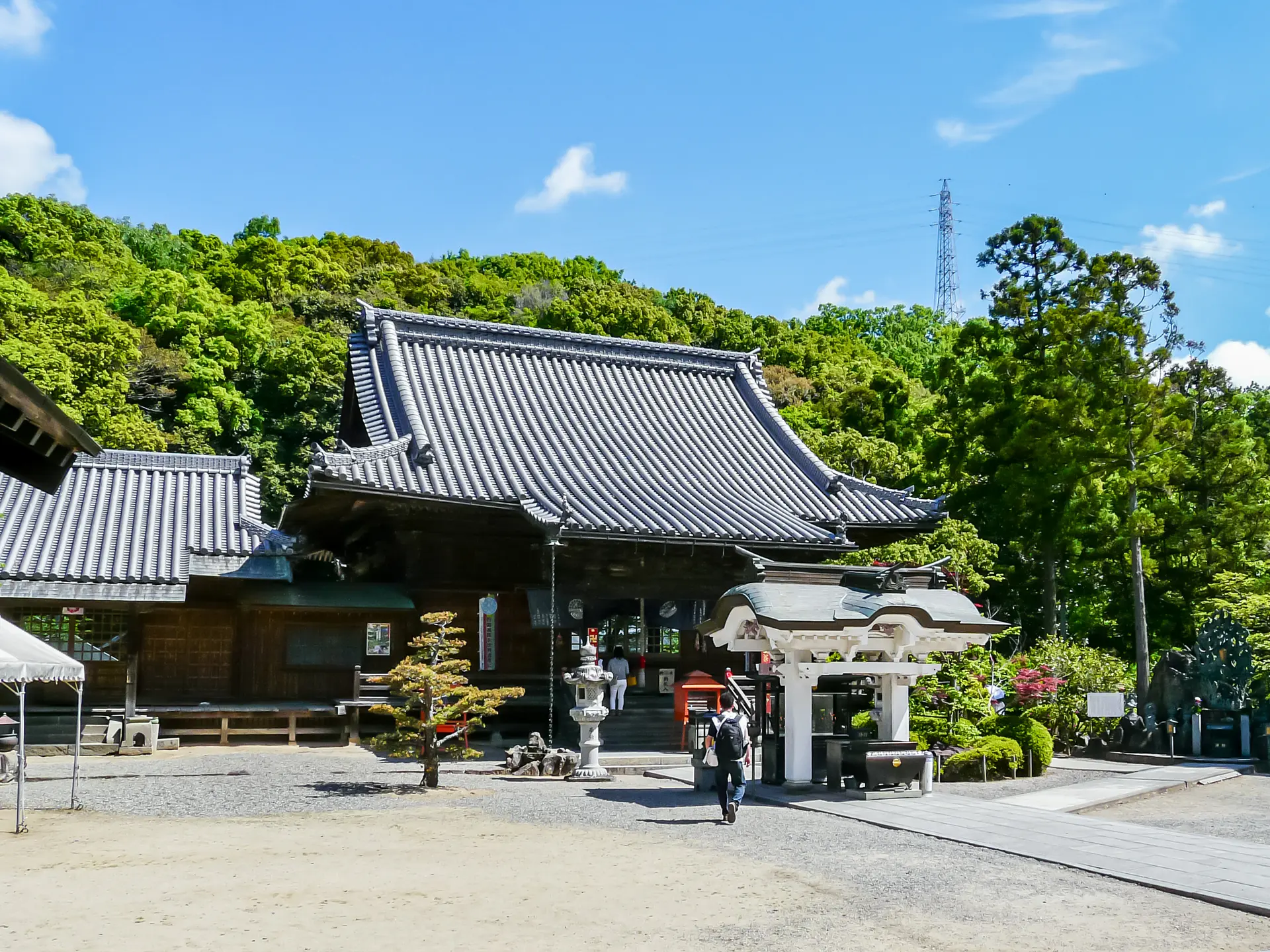
Konsen-ji
Itano, Tokushima Prefecture, Japan
Konsen-ji is Temple 3 of the Shikoku 88, in Itano, Tokushima. Pilgrims peer into a well dug by Kūkai whose water is said to look gold; a clear reflection is read as a sign...
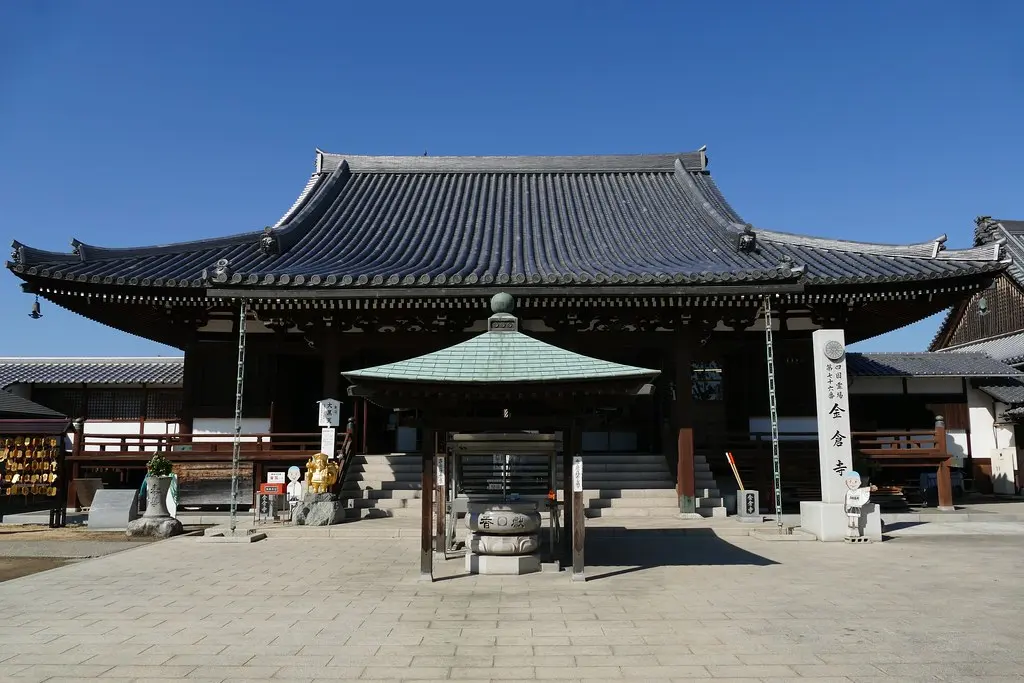
Konzō-ji
Zentsūji, Kagawa Prefecture, Japan
Temple 76 Konzō-ji is the birthplace of Chishō Daishi Enchin (814–891), founder of the Tendai Jimon school and fifth abbot of Enryaku-ji on Mt Hiei....

Kōon-ji
Saijō, Ehime Prefecture, Japan
Kōon-ji is the 61st fudasho on the Shikoku 88 and the head temple of the Shingon-shū Goki-ha sub-school....

Kōryū-ji
Kyoto, Kyoto Prefecture, Japan
Miroku’s poised stillness within one of Kyoto’s earliest temples. Kōryū-ji remains an active Shingon Buddhism temple....
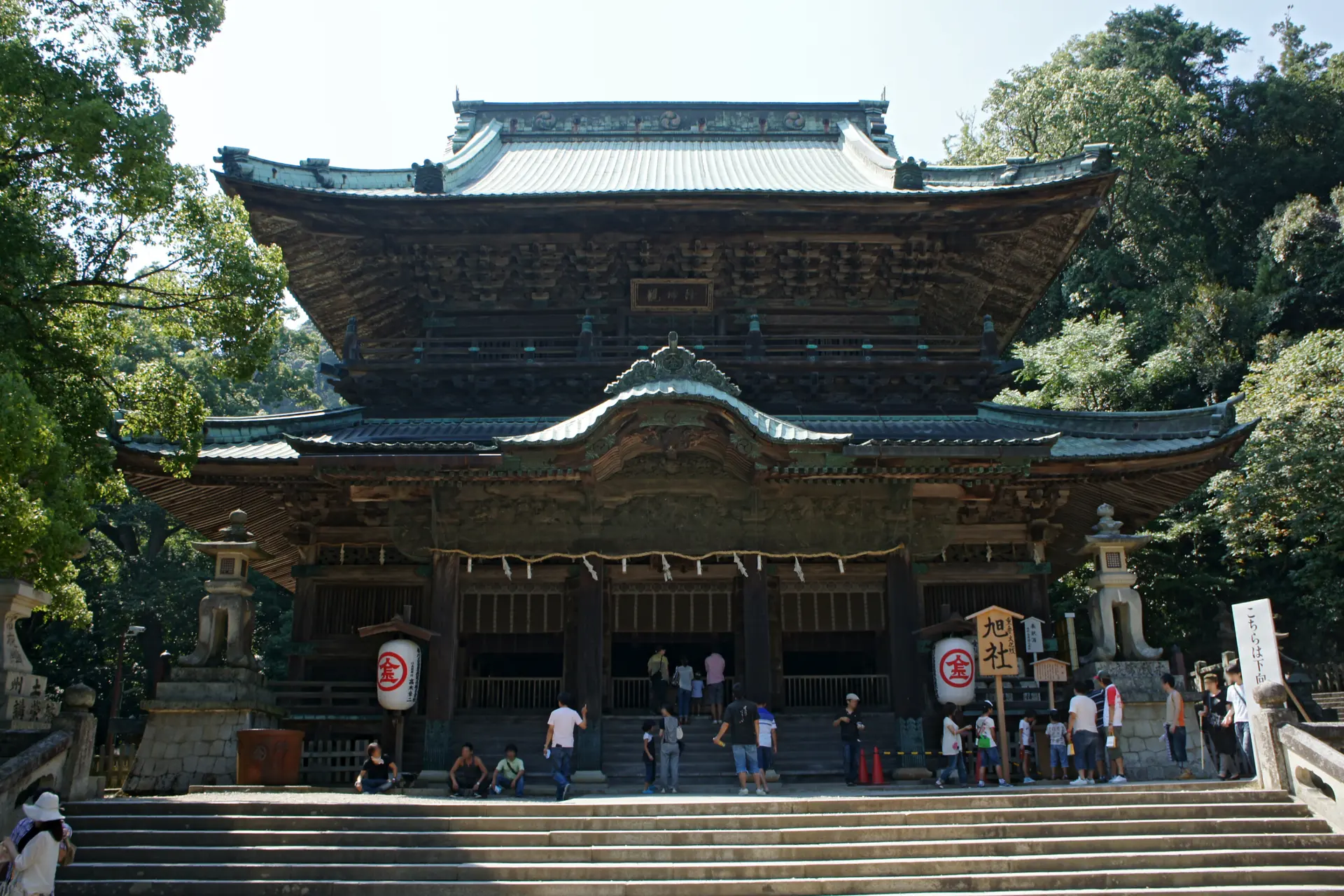
Kotohira shrine, Kotohira, Japan
Kotohira, Kagawa Prefecture, Japan
On sacred Mount Zozu rises Japan's most beloved guardian of sailors. For centuries, fishermen and naval crews, merchants and mariners have climbed up to 1,368 stone steps...
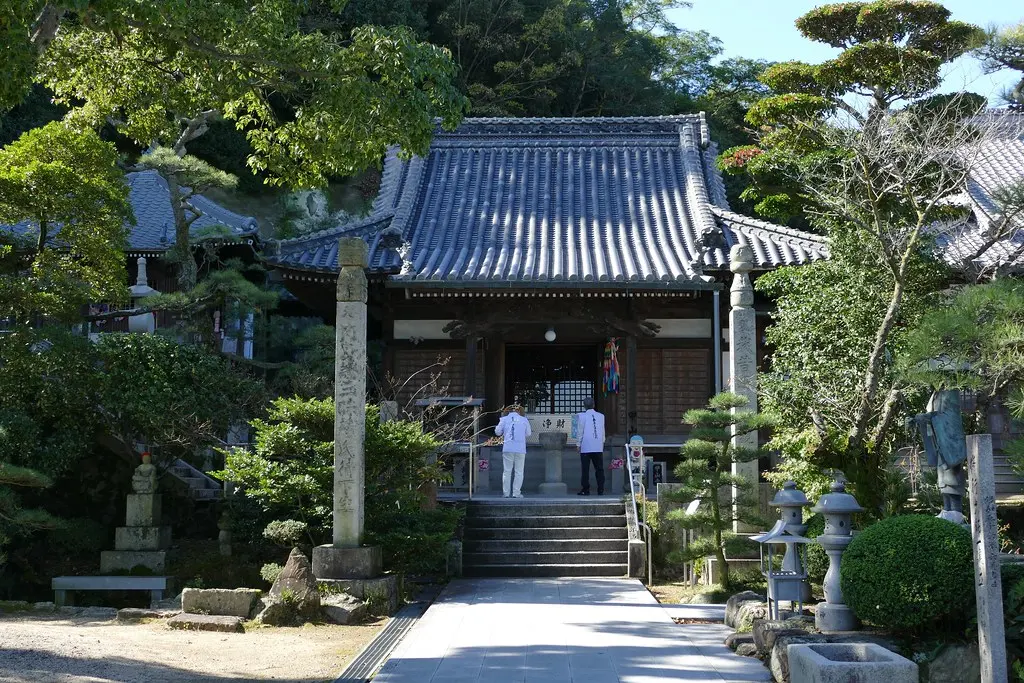
Kōyama-ji
Zentsūji, Kagawa Prefecture, Japan
Temple 74 Kōyama-ji stands at the foot of Mt Kōyama in Zentsūji City, where Kūkai is said to have prayed for the success of the Mannoike reservoir repair in 821 — a...
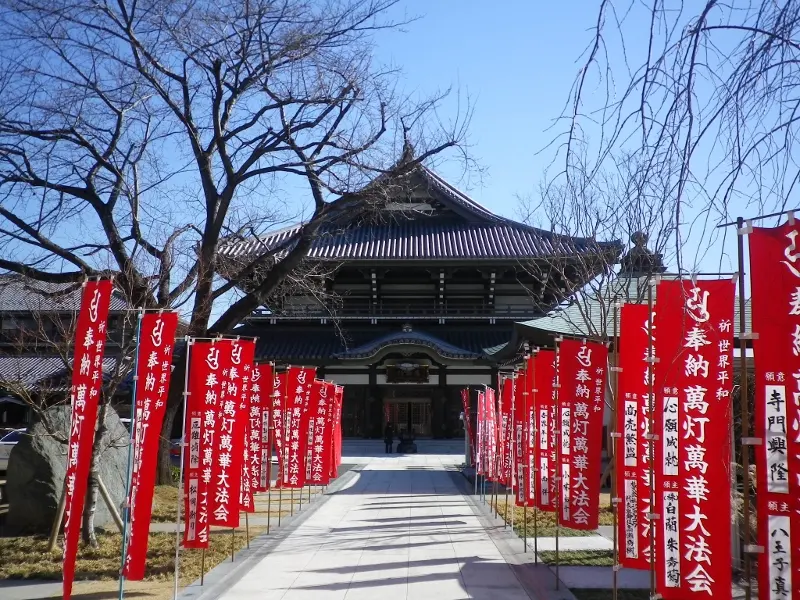
Koyasan Tokyo Betsuin
港区 Minato City, Tokyo, Japan
Koyasan Tokyo Betsuin (高野山 東京別院) is an active Shingon Buddhism sacred place in Tokyo....

Koyasu Kannonji, Suzuka
Suzuka, Japan
Koyasu Kannonji in Suzuka is a Shingon Buddhist temple whose White-Robed Kannon is associated with prayers for childbirth....
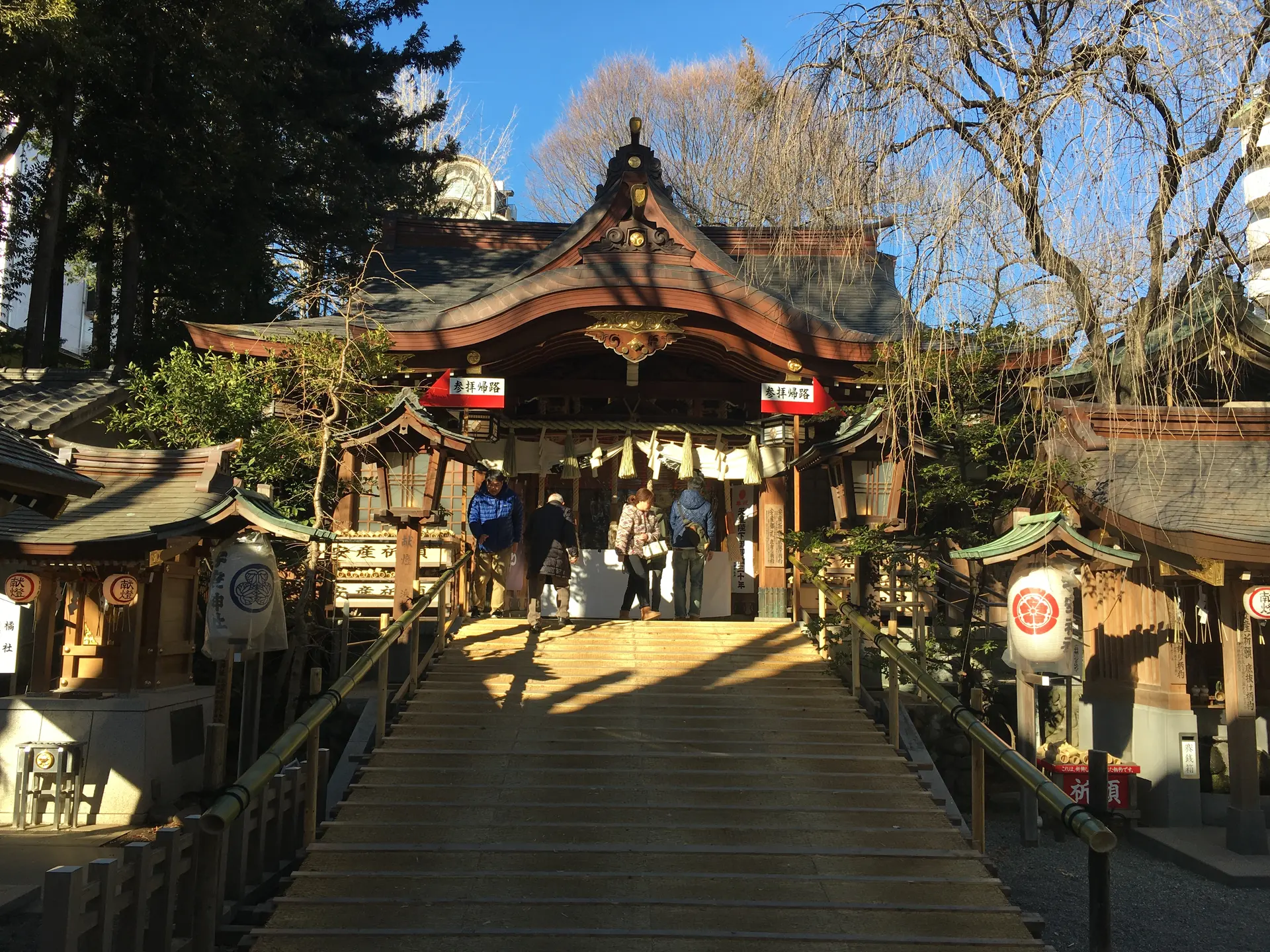
Koyasu Shrine
Hachioji, Tokyo, Japan
Koyasu Shrine (子安神社) is an active Shinto sacred place in Tokyo. The record is grounded in an exact Google Place ID, nearby coordinates, institutional or reference...

Kōzan-ji
Shimonoseki, Yamaguchi Prefecture, Japan
Kōzan-ji — Kinzan Kōzan-ji — in Chōfu, Shimonoseki, holds Japan's oldest dated Zenshūyō ('Zen-style') Buddhist hall: a 1320 Butsuden, designated a National Treasure....
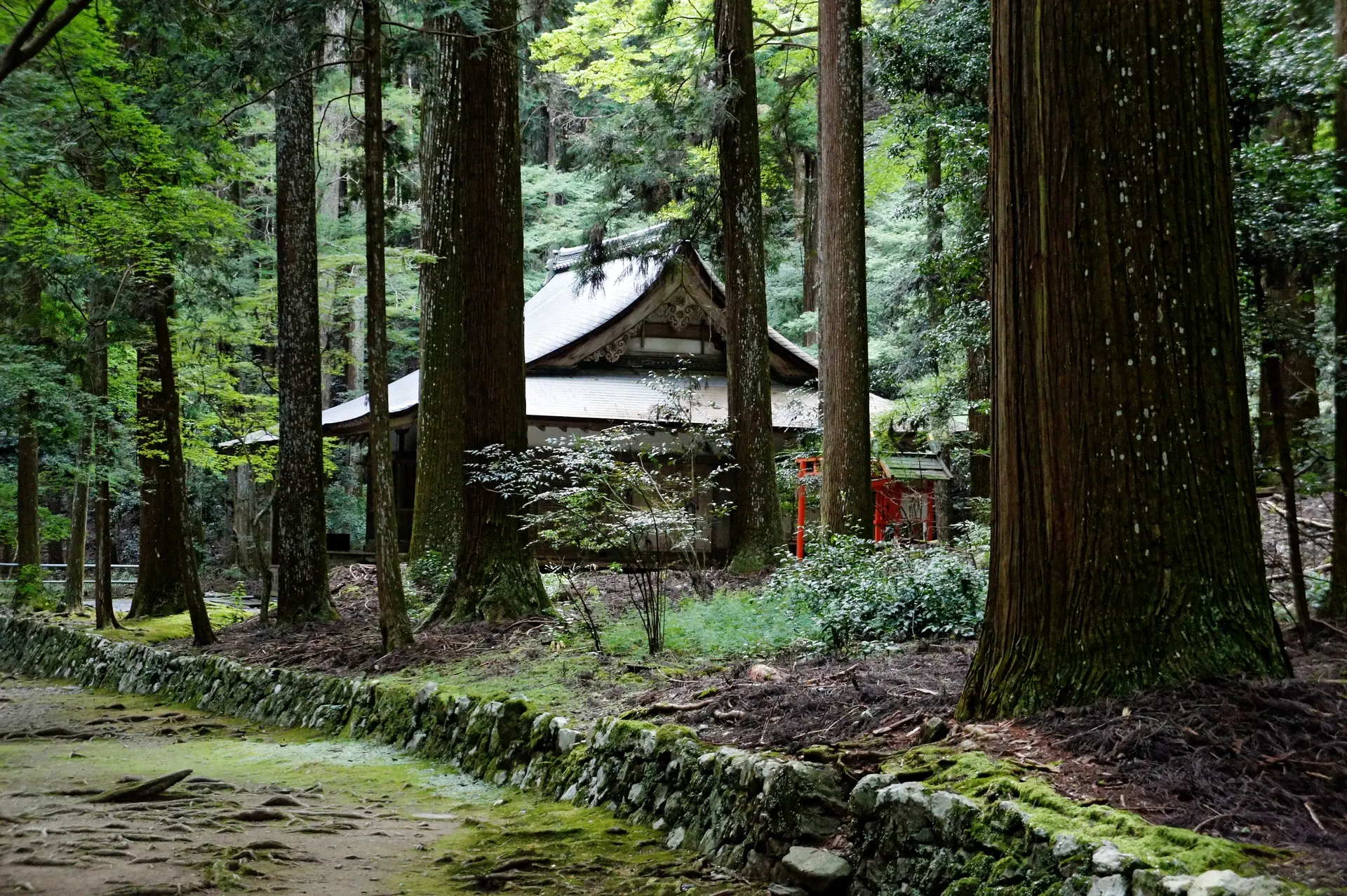
Kōzan-ji (Kyoto)
Kyoto, Kyoto Prefecture, Japan
Myoe’s mountain discipline above the cedar paths of Toganoo. Kōzan-ji (Kyoto) remains an active Shingon Buddhism temple....

Kōzō-ji
Kisarazu, Chiba Prefecture, Japan
Kōzō-ji — known as Takakura Kannon — is the 30th station of the Bandō Sanjūsankasho, set in the wooded inland hills of Kisarazu, Chiba....

Kuhonbutsu Joshin-ji Temple
Setagaya City, Tokyo, Japan
Kuhonbutsu Joshin-ji Temple (九品山 唯在念佛院 淨眞寺(浄真寺)) is an active Japanese Buddhism sacred place in Tokyo....

Kumadani-ji
Awa, Tokushima Prefecture, Japan
Kumadani-ji is Temple 8 of the Shikoku 88, in Awa, Tokushima. The 1687 Niōmon is one of the largest gates on the entire 88-temple route, designated a Tokushima Cultural...
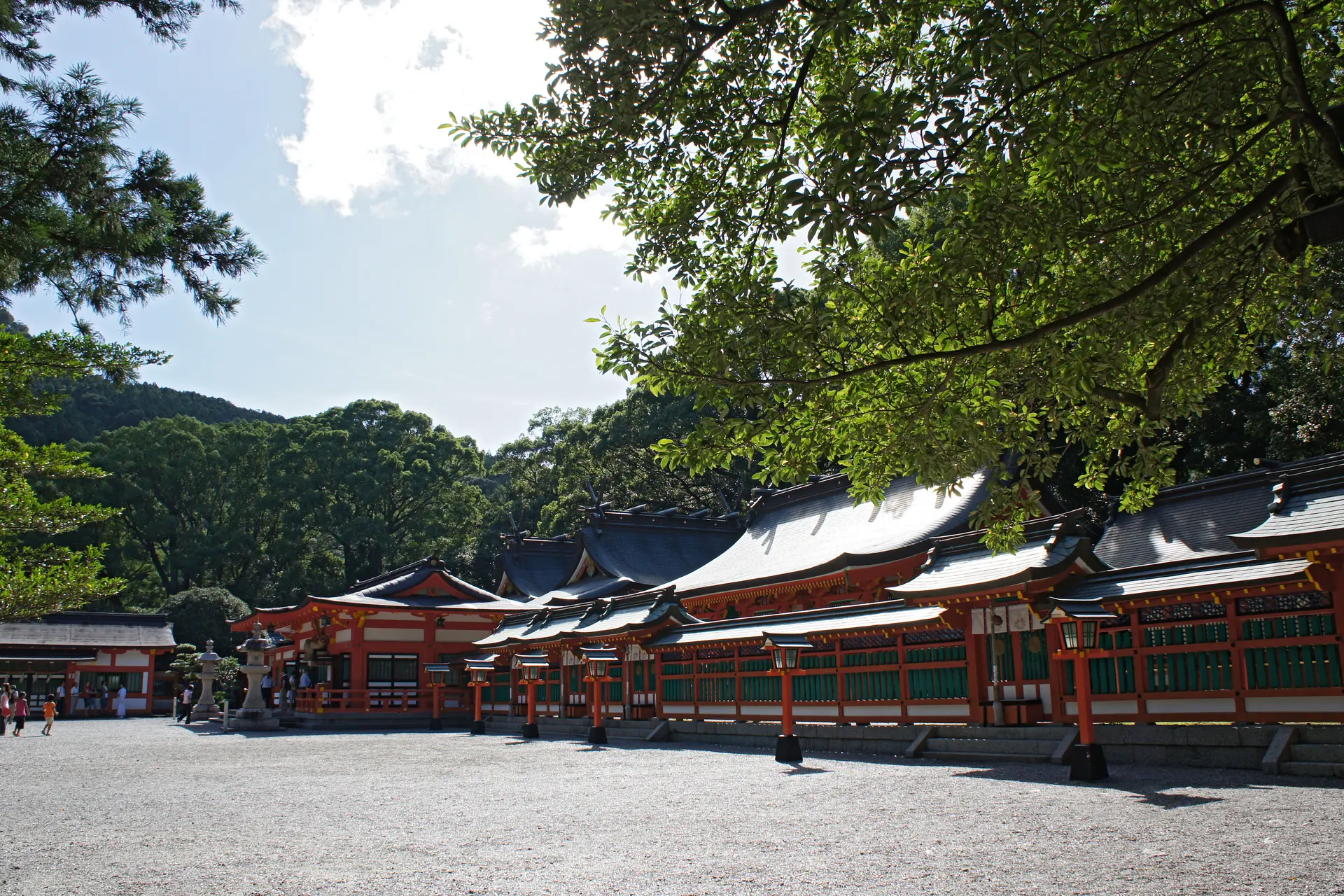
Kumano Hayatama Taisha
Shingū, Wakayama Prefecture, Japan
Kumano Hayatama Taisha stands at the mouth of the Kumano River where it meets the sea, one of three grand shrines that have drawn pilgrims for over a millennium....

Kumano Hongū Taisha
Tanabe, Wakayama Prefecture, Japan
For over a thousand years, every path of the Kumano Kodo pilgrimage has led here....
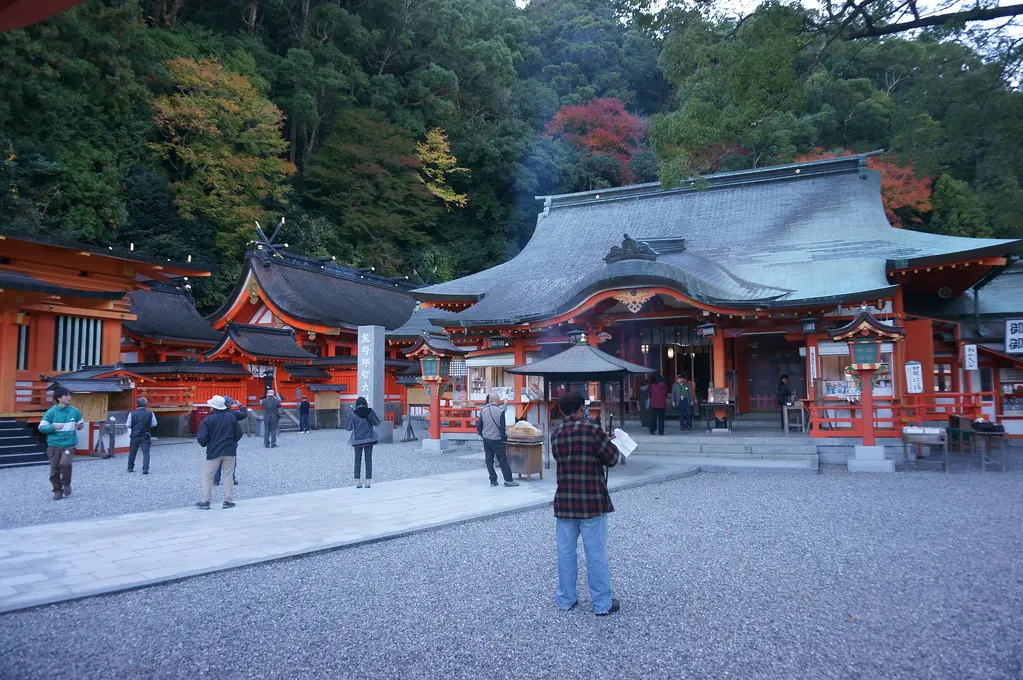
Kumano-Nachi Grand Shrine
Nachikatsuura, Wakayama Prefecture, Japan
One of the three great Kumano shrines, Kumano Nachi Taisha rises on Mt. Nachi above Japan's tallest waterfall....
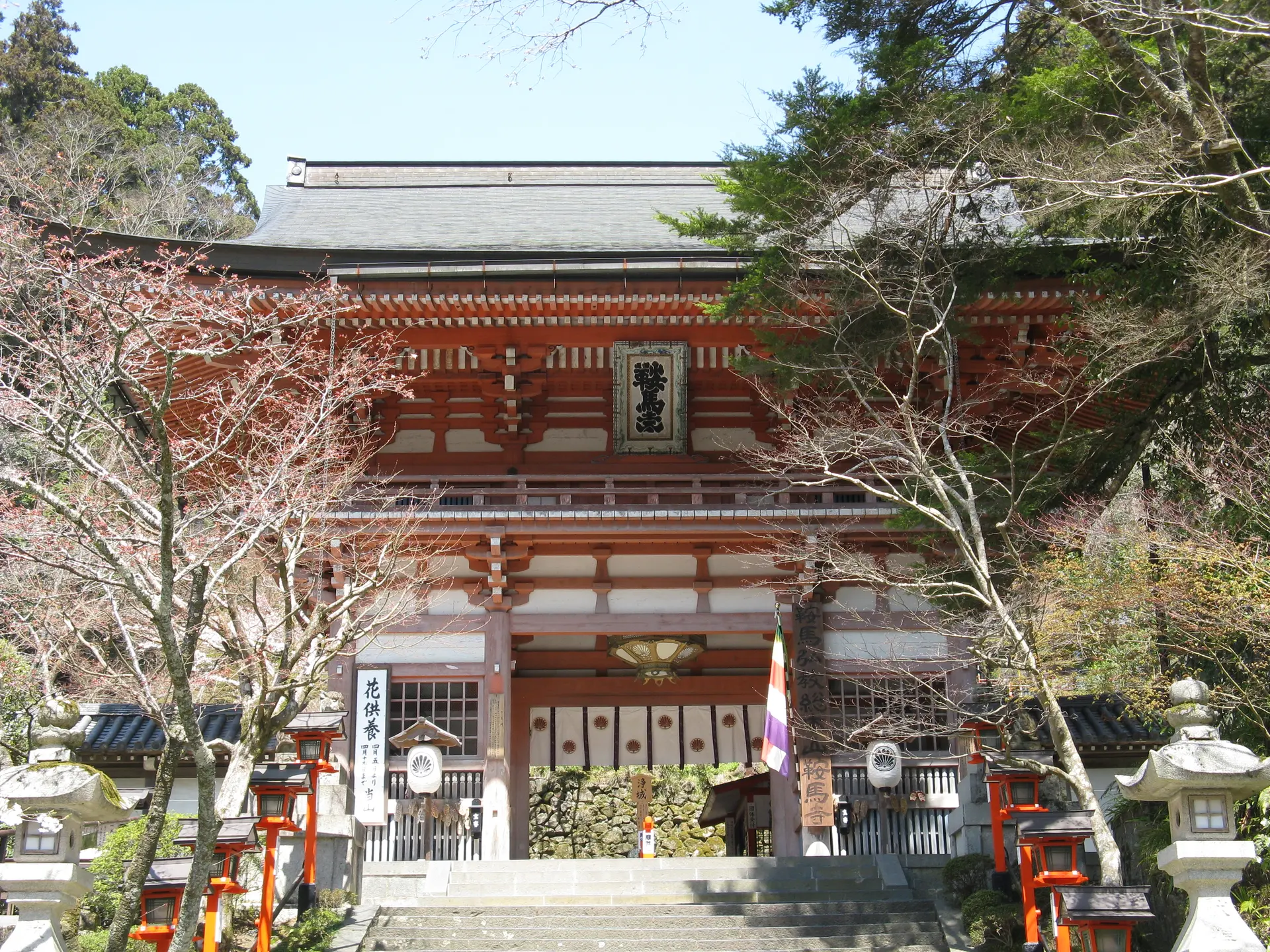
Kurama-dera Temple
Kyoto, Kyoto Prefecture, Japan
Rising 584 meters above Kyoto's northern edge, Mount Kurama has drawn seekers for over twelve centuries....

Kurume Suitengu
Kurume, Japan
Kurume’s Suitengu is the head shrine of the Suitengu tradition, distinct from the well-known Tokyo shrine....
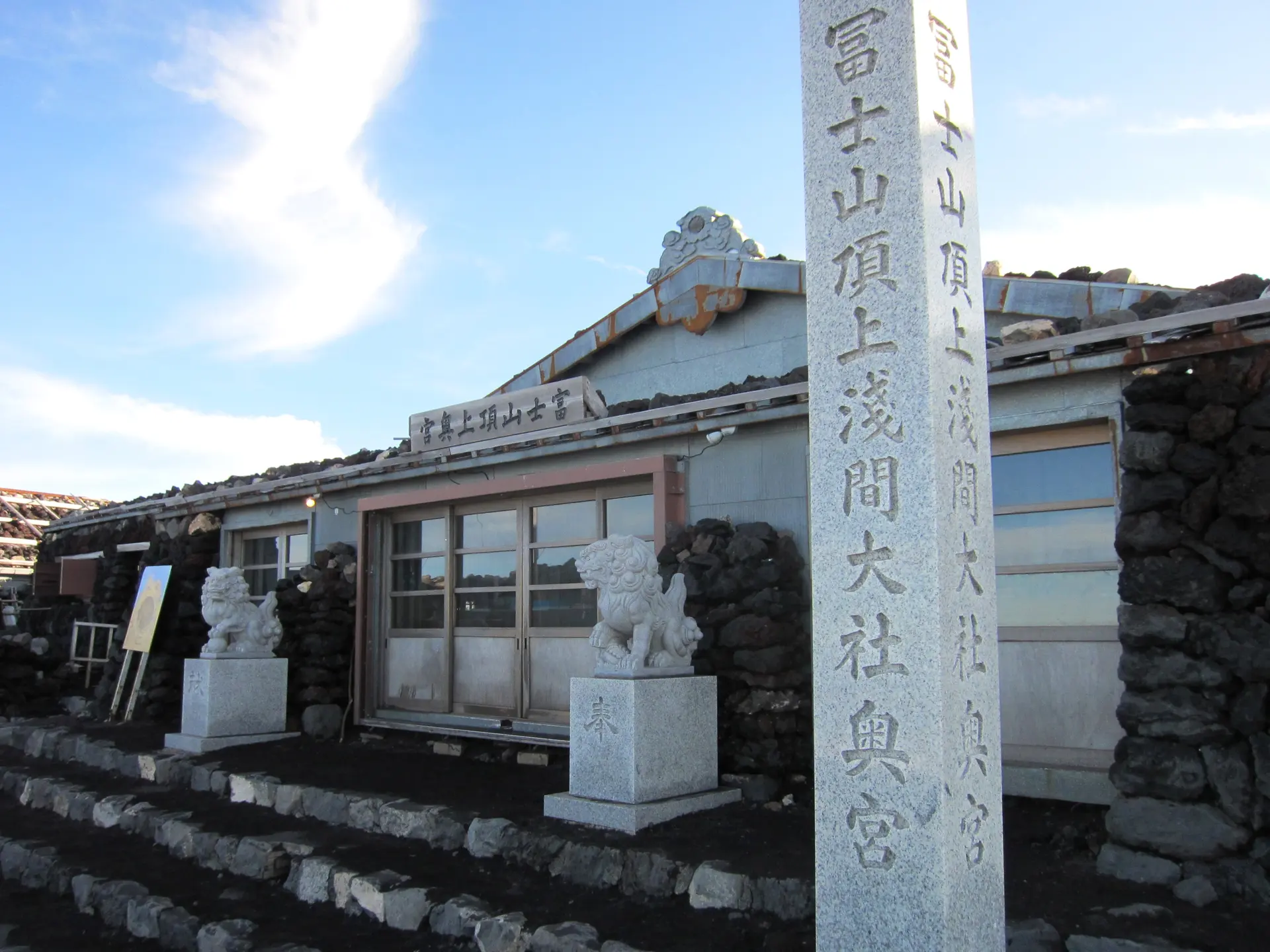
Kusushi-jinja Shrine
Fujiyoshida, Yamanashi Prefecture, Japan
Kusushi-jinja Shrine (久須志神社) is the Sengen shrine at the northern side of Mount Fuji's summit crater, reached near the top of the Yoshida and Subashiri routes.

Kyūshō-ji
Chichibu, Saitama Prefecture, Japan
Kyūshō-ji is the twenty-fifth station of the Chichibu 34 Kannon Pilgrimage — a Sōtō Zen temple known by its older nickname Otehan-dera, 'Hand-Seal Temple,' for the legend...

Maegami-ji
Saijō, Ehime Prefecture, Japan
Maegami-ji is the 64th fudasho on the Shikoku 88 and the principal Buddhist anchor of the Mt. Ishizuchi sacred-mountain cult....

Mandara-ji
Zentsūji, Kagawa Prefecture, Japan
Mandara-ji is the ancestral temple of the Saeki clan, into which Kūkai was born....

Mangan-ji
Hyogo Prefecture, Japan
Mangan-ji at Kawanishi, Hyōgo, is a Kōyasan Shingon temple founded by imperial decree of Emperor Shōmu in the Nara period....

Mangan-ji
Tochigi, Tochigi Prefecture, Japan
Izurusan Mangan-ji, station 17 of the Bandō Kannon pilgrimage, sits in a karst valley north of Tochigi City....

Mani-ji
Tottori, Tottori Prefecture, Japan
Mani-ji is a special temple (tokubetsu reijō) of the Chūgoku 33 Kannon Pilgrimage on Mt. Mani north of Tottori City....

Manpuku-ji
Uji, Kyoto Prefecture, Japan
Ming monastic form and Chinese chanting in Japanese Obaku Zen. Manpuku-ji remains an active Ōbaku Zen Buddhism temple....
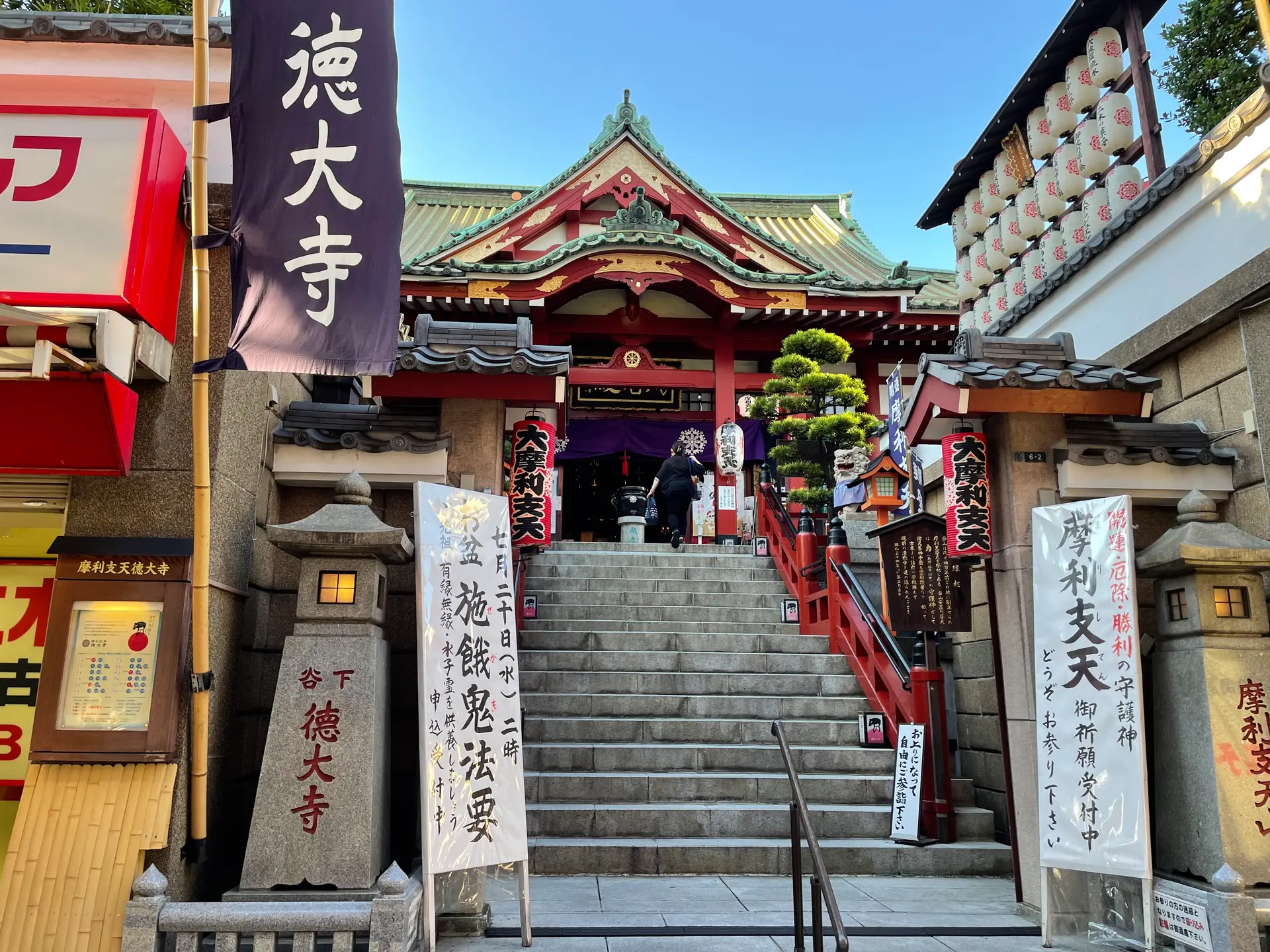
Marishiten Tokudaiji Temple
Taito City, Tokyo, Japan
Marishiten Tokudaiji Temple (日蓮宗 妙宣山 徳大寺) is an active Nichiren Buddhism sacred place in Tokyo....
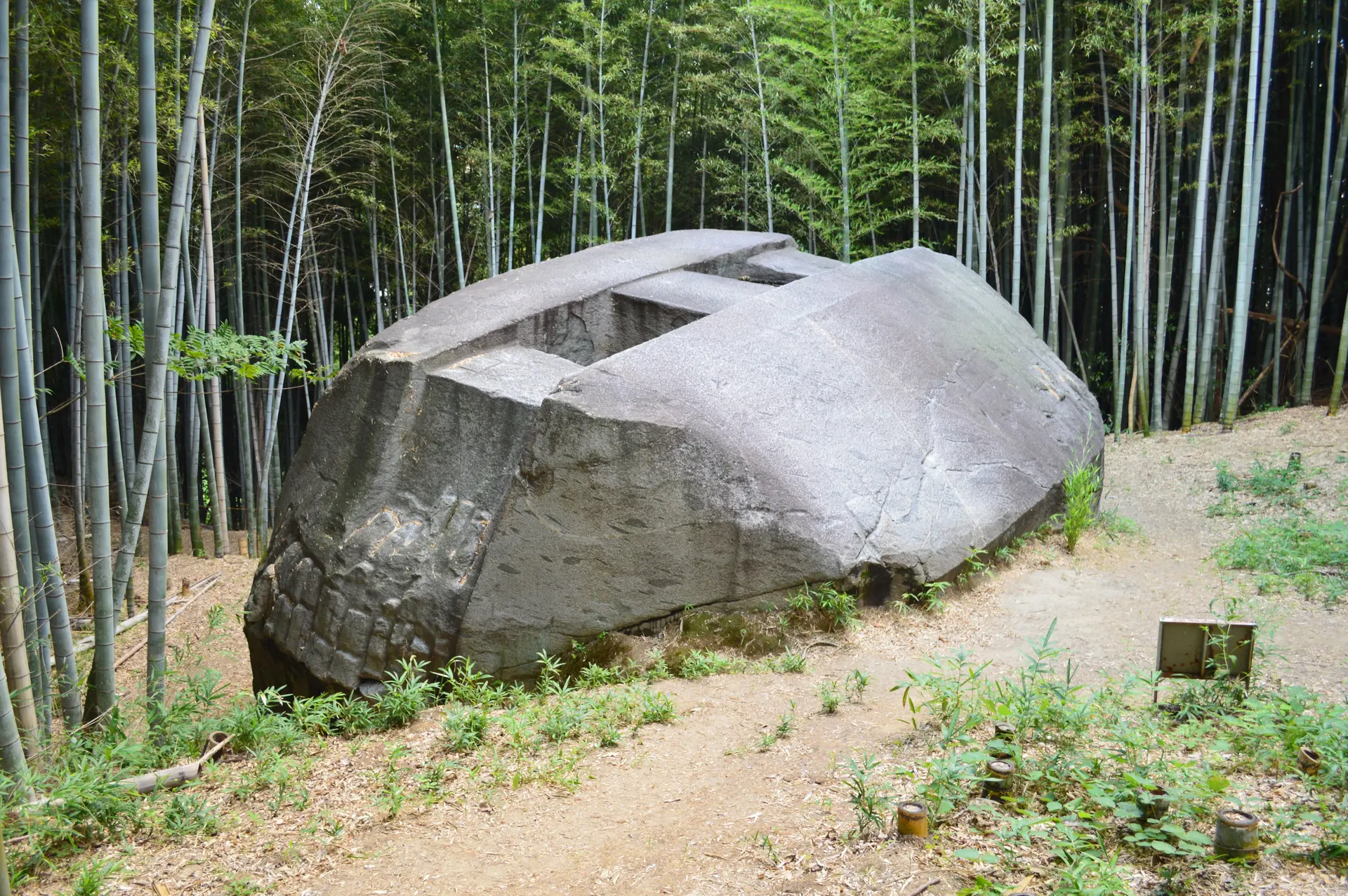
Masuda Iwafune, Asuka
Kashihara, Nara Prefecture, Japan
Hidden in a bamboo forest near Asuka, an 800-ton carved granite boulder defies explanation. Who carved Masuda Iwafune? Why?...
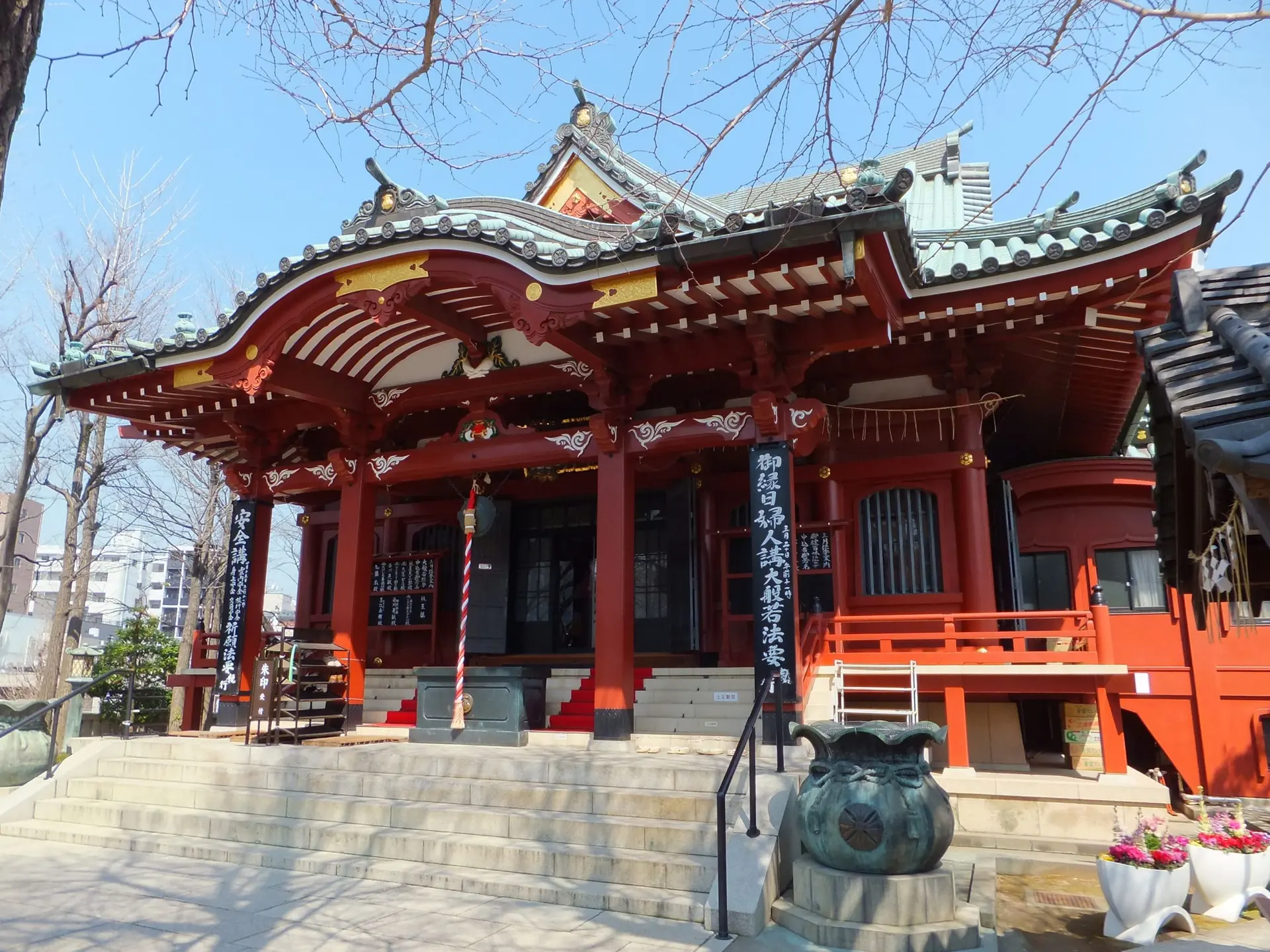
Matsuchiyama Shoden
Taito City, Tokyo, Japan
Matsuchiyama Shoden (待乳山 本龍院(待乳山聖天)) is an active Japanese Buddhism sacred place in Tokyo....

Matsunoo-dera
Maizuru, Kyoto Prefecture, Japan
Matsunoo-dera is station 29 on the Saigoku Kannon Pilgrimage, a Shingon-shū Daigo-ha temple in Kyoto dedicated to Batō Kannon....

Matsunoo-taisha Shrine
Kyoto, Kyoto Prefecture, Japan
Mountain water and the kami honored by generations of brewers. Matsunoo-taisha Shrine remains an active Shinto shrine....

Meiji Shrine
Tokyo, Tokyo, Japan
Rising from the heart of Tokyo, Meiji Shrine offers one of the world's most dramatic sacred thresholds....

Meiseki-ji
Seiyo, Ehime Prefecture, Japan
Meiseki-ji is the forty-third temple of the Shikoku 88 and one of the few stops not affiliated with Shingon....
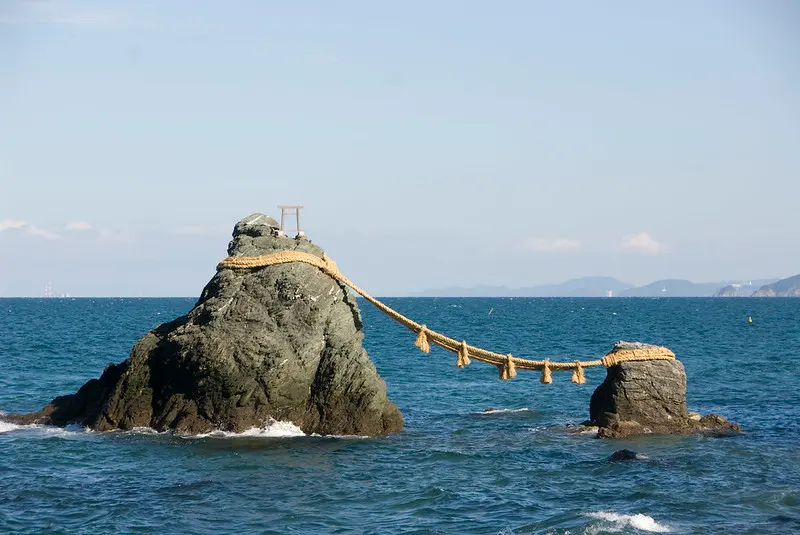
Meoto Iwa
Ise, Mie Prefecture, Japan
Two rocks rise from the sea at Futami, joined by a massive shimenawa rope weighing over one ton....
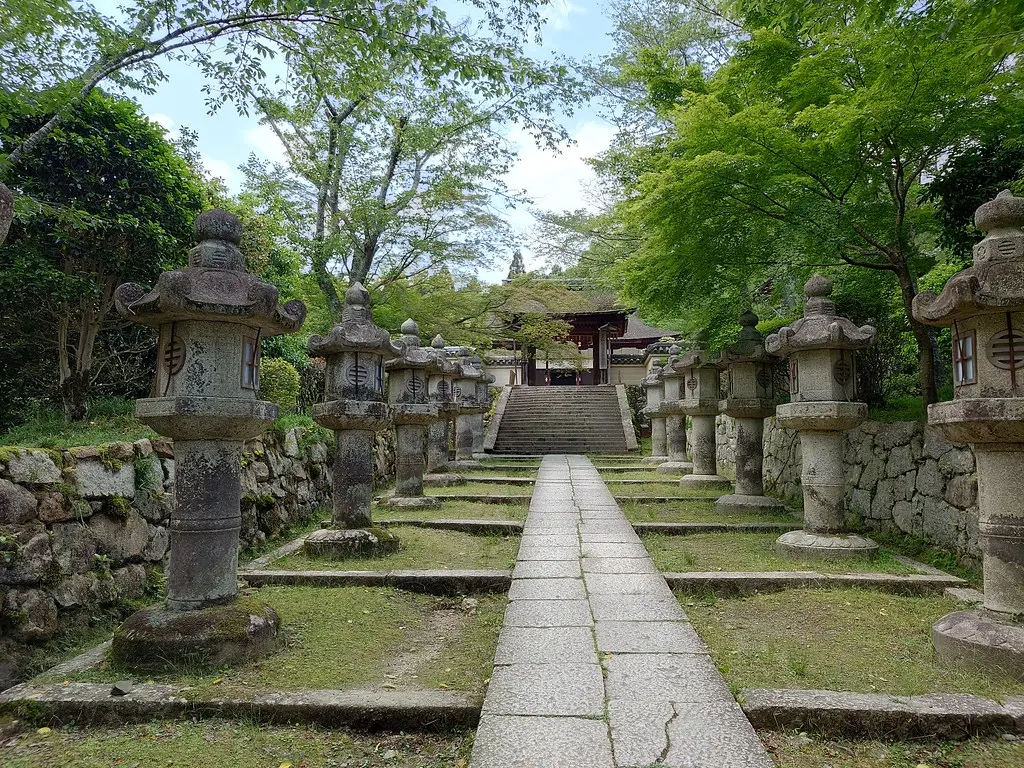
Mii-dera
Otsu, Shiga Prefecture, Japan
Mii-dera has earned its nickname—the Phoenix Temple—through seven destructions and seven risings....
Showing 241-288 of 545 sites
Key questions
Japan sacred-site questions
What sacred sites can I explore in Japan?
Pilgrim Map lists sacred places in Japan across living worship sites, heritage landmarks, pilgrimage destinations, and culturally significant landscapes. The current guide lists 545 sites organized by region and tradition.
Which traditions are represented in Japan?
The most represented traditions include Buddhism, Shinto, Shingon Buddhism, Christianity, Shinto / Buddhism, Tendai Buddhism.
How should I plan a sacred-site visit in Japan?
Start with regional clusters, compare nearby places on the map, then open individual site pages for coordinates, etiquette, and sacred context where available.
Can I view Japan sacred sites on a map?
Yes. Switch to map view to compare geographic clusters, then open individual site pages for coordinates, visiting context, and related places.