Sannai-Maruyama Site
1,700 years of continuous settlement, Japan's largest Jomon archaeological site
Understand sacred places, explore living traditions, and learn how to engage respectfully with Pilgrim Map.
Access has not been verified. Check current local guidance before planning a visit.
Aomori, Aomori Prefecture, Japan
Read the sources
Image of Sannai-Maruyama Site. Image source · CC-BY-2.5
Visit essentials
A quick read before you go
- Duration
- Allow 2-4 hours for a comprehensive visit, including the museum and the reconstructed…
- Access
- Located in Aomori City, Aomori Prefecture.
Overview
Walk the grounds of Sannai-Maruyama and you walk through nearly two millennia of continuous human settlement. From approximately 5,900 years ago until about 4,200 years ago—a span of 1,700 years—the Jomon people lived on this coastal terrace in what is now Aomori City. To grasp this duration, consider: the entire span from ancient Rome to today is shorter than the time Sannai-Maruyama was continuously occupied.
The site extends across 42 hectares, making it the largest Jomon settlement known. When major excavations began in 1992, what emerged overturned assumptions about Japan's prehistoric peoples. Evidence of chestnut cultivation showed these were not simply hunter-gatherers but people who shaped their environment according to long-term vision. Jade from Niigata and obsidian from Hokkaido demonstrated trade networks spanning hundreds of kilometers.
The sheer scale of construction—particularly the six-pillar building whose reconstruction now towers over the site—indicated organizational capacity that had been underestimated.
The six-pillar structure is the site's most striking feature. Six massive post holes, each 2 meters in diameter and spaced at precise 4.2-meter intervals, once supported a building that likely stood 15 meters tall. Whether this was watchtower, ceremonial hall, or astronomical observatory remains debated. What is certain is that building it required sustained cooperative effort and served purposes beyond mere shelter.
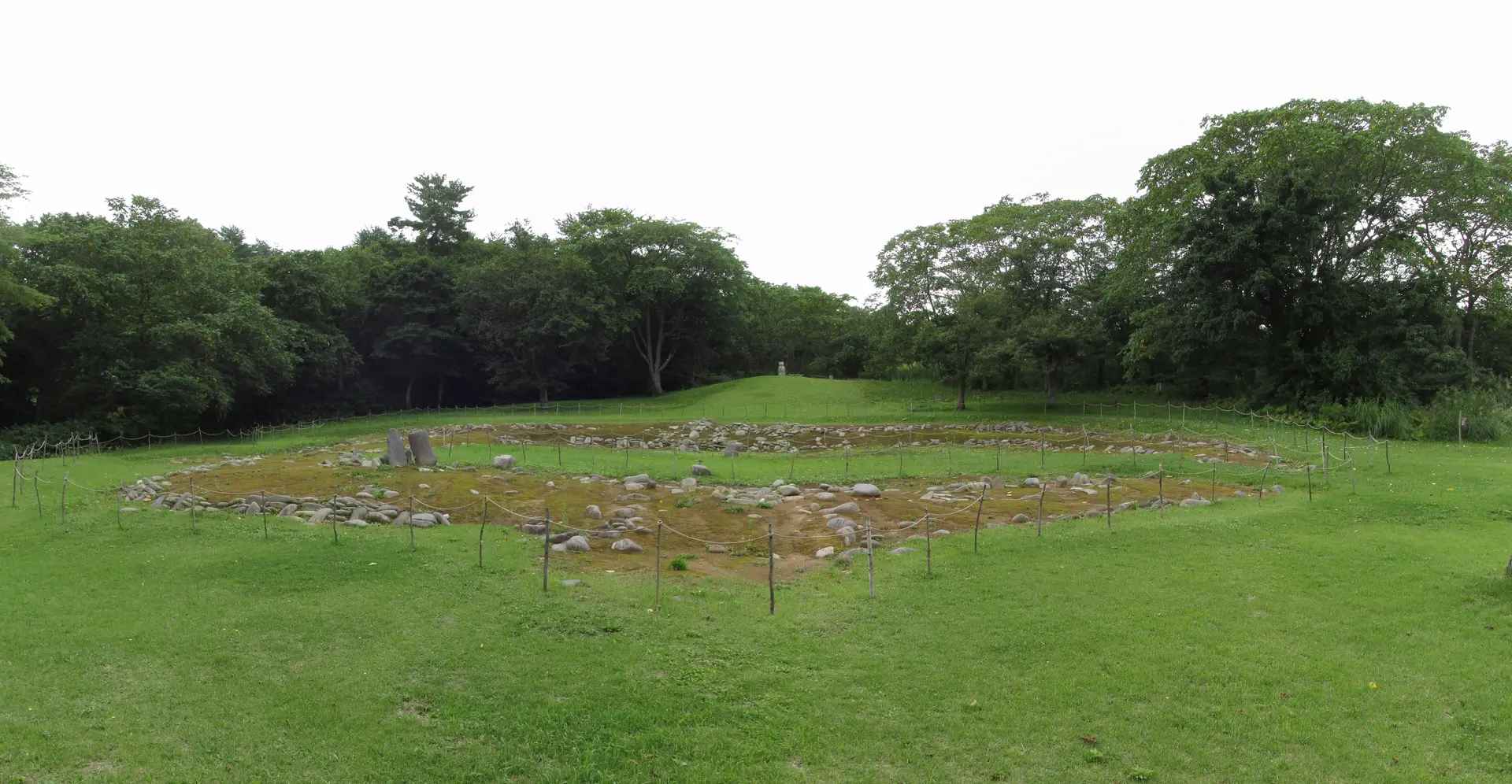
The settlement's layout reveals careful planning. Dwellings clustered in designated areas. Storage pits grouped separately. Burial rows aligned with precision, the dead laid in orderly patterns that speak to organized ancestor veneration. This was not random accumulation but deliberate sacred geography—different spaces for different purposes, all held in meaningful relationship.
Designated a Special National Historic Site in 2000 and inscribed as UNESCO World Heritage in 2021, Sannai-Maruyama draws more international visitors than any other Jomon site. What they find is not merely archaeology but encounter with a society that achieved remarkable things across the span of 80 generations.
Why this place is sacred
Seventeen hundred years. The mind struggles to hold this duration. When the first settlers established themselves at Sannai-Maruyama, the Egyptian pyramids were new. When the settlement was finally abandoned, the pyramids were already ancient. Eighty generations lived, died, and were buried here, each inheriting the accumulated knowledge and practice of those who came before, each adding their own contribution to the whole.
This duration creates a particular quality of presence. The ground at Sannai-Maruyama is not merely dirt but the compressed residue of seventeen centuries of human activity. Storage pits were dug, filled, covered over, forgotten, and dug again in new locations. Dwellings were built, occupied, abandoned, and replaced. The dead were buried in rows that grew generation by generation. Layer upon layer of human life accumulated in this single place.
The six-pillar building anchors the site's power. Its reconstruction towers 15 meters overhead, visible from across the grounds, inescapable in its presence. Standing beneath it, looking up at the posts that replicate what the Jomon built approximately 4,600 years ago, scale becomes tangible. These people, with no metal tools, no draft animals, no wheels, erected a structure that rivals modern buildings in height. Why? The answer remains unclear—watchtower, ceremonial hall, symbol of community identity—but the achievement is undeniable.
The aligned burial rows add another dimension to the thinness. Pit graves stretch in orderly lines, generation after generation of the dead laid in patterns that speak to organized remembrance. When you walk past these burial areas, you walk past centuries of accumulated ancestors. The Jomon at Sannai-Maruyama did not forget their dead; they incorporated them into the sacred geography of the settlement.
Evidence of plant cultivation deepens the site's resonance. The Jomon here cultivated chestnuts, managing forests to ensure sustained production. This was not opportunistic gathering but long-term planning, shaping the environment to serve future generations. The vision required for such cultivation—planting trees whose nuts your grandchildren will harvest—speaks to a relationship with time that transcends individual lifespans.
The museum's 1,700 artifacts, including 500 designated as Important Cultural Properties, give material form to this accumulated past. Pottery, tools, ornaments, figurines—the objects the Jomon made and used across seventeen centuries are gathered here, tangible evidence of lives lived in this place.
Sannai-Maruyama was a permanent settlement where the Jomon people lived continuously for approximately 1,700 years. The planned layout separated different functions: dwelling areas for the living, storage pits for preserved food, burial grounds for the dead, ceremonial structures for community gatherings. The six-pillar building likely served ritual or calendrical purposes that required monumental expression. Evidence of chestnut cultivation and long-distance trade in jade and obsidian indicates economic sophistication.
The scale of the settlement—42 hectares with reconstructed buildings showing dozens of pit dwellings—suggests a regional center that may have coordinated activities across a broader territory.
Settlement at Sannai-Maruyama began approximately 5,900 years ago, during the Early Jomon period. Over the following centuries, the community grew and developed, with construction of the six-pillar building occurring around 4,600 years ago, during the Middle Jomon period.
Approximately 4,200 years ago, the settlement was abandoned. The reasons are not fully understood—environmental change, population pressure, social factors—but after seventeen centuries of continuous occupation, the Jomon left Sannai-Maruyama and did not return.
The site remained known through the centuries. The name 'Sannai-Maruyama' appears in Edo-period records. Local awareness that unusual objects could be found here persisted, though the site's full significance was not understood.
Major excavations beginning in 1992 revealed the extraordinary scale and sophistication of the settlement. What had been planned as a baseball stadium site became instead Japan's most important Jomon archaeological project. The decision to preserve the site rather than proceed with development reflected growing recognition of its value.
In 2000, Sannai-Maruyama was designated a Special National Historic Site. Reconstruction of significant structures, including the six-pillar building and numerous pit dwellings, allowed visitors to experience something of the settlement's original character.
UNESCO World Heritage inscription came in 2021, as part of the 'Jomon Prehistoric Sites in Northern Japan' property.
Experience and orientation
The experience of Sannai-Maruyama begins with scale. The 42-hectare site extends across a coastal terrace, far larger than most visitors expect for a prehistoric settlement. Walking the grounds takes time—this is not a site to rush through but a place to explore at the pace of contemplation.
The six-pillar building dominates the visual field. Its reconstruction, based on the post holes discovered during excavation, rises 15 meters above the surrounding terrain. Standing beneath it, looking up through the crossed timbers, the scale of Jomon construction becomes visceral. These people, working only with stone tools and human muscle, created architecture that commands attention across millennia.
The reconstructed pit dwellings offer a different experience. Entering these structures—stepping down into the sunken floor, looking up at the roof structure, sitting where Jomon families once sat—creates an intimate encounter with prehistoric life. The dwellings vary in size, from modest family homes to larger structures that may have served communal purposes. Moving between them, you sense the variation within Jomon society.
The burial rows are marked but not excavated. Walking past these areas, you pass the graves of generations, laid in orderly lines over the centuries of the settlement's occupation. The precision of the alignment speaks to organized remembrance—these were not casual burials but the incorporation of the dead into the planned sacred geography of the community.
The Sannaimaruyama Jomon Culture Center museum holds approximately 1,700 artifacts, of which 500 are designated Important Cultural Properties. Pottery in the distinctive Jomon rope-patterned style, stone tools of remarkable craftsmanship, jade ornaments from Niigata, obsidian tools from Hokkaido—the objects give material presence to the lives lived here. The evidence of chestnut cultivation, displayed through carbonized remains and pollen analysis, challenges assumptions about Jomon economy.
Hands-on programs offer direct engagement with Jomon culture. Visitors can try making pottery in the Jomon style, grinding acorns as the settlement's inhabitants did, experiencing something of prehistoric material life. These programs are particularly valuable for children and for adults who learn through doing.
The museum's exhibits on the site's discovery and preservation tell another story—the twentieth-century choice to protect this place rather than build a stadium over it, the ongoing archaeological research that continues to reveal new aspects of Jomon life.
Begin at the Sannaimaruyama Jomon Culture Center and its artifacts, then walk through reconstructed pit dwellings, the six-pillar building, and marked burial areas. Allow 2–4 hours. Hours are 9:00–17:00, extended in summer.
Context and lineage
No written records exist from the Jomon period. The settlement's history is reconstructed from archaeological evidence: the layers of occupation in the earth, the objects left behind, the patterns of construction and burial that accumulated over seventeen centuries.
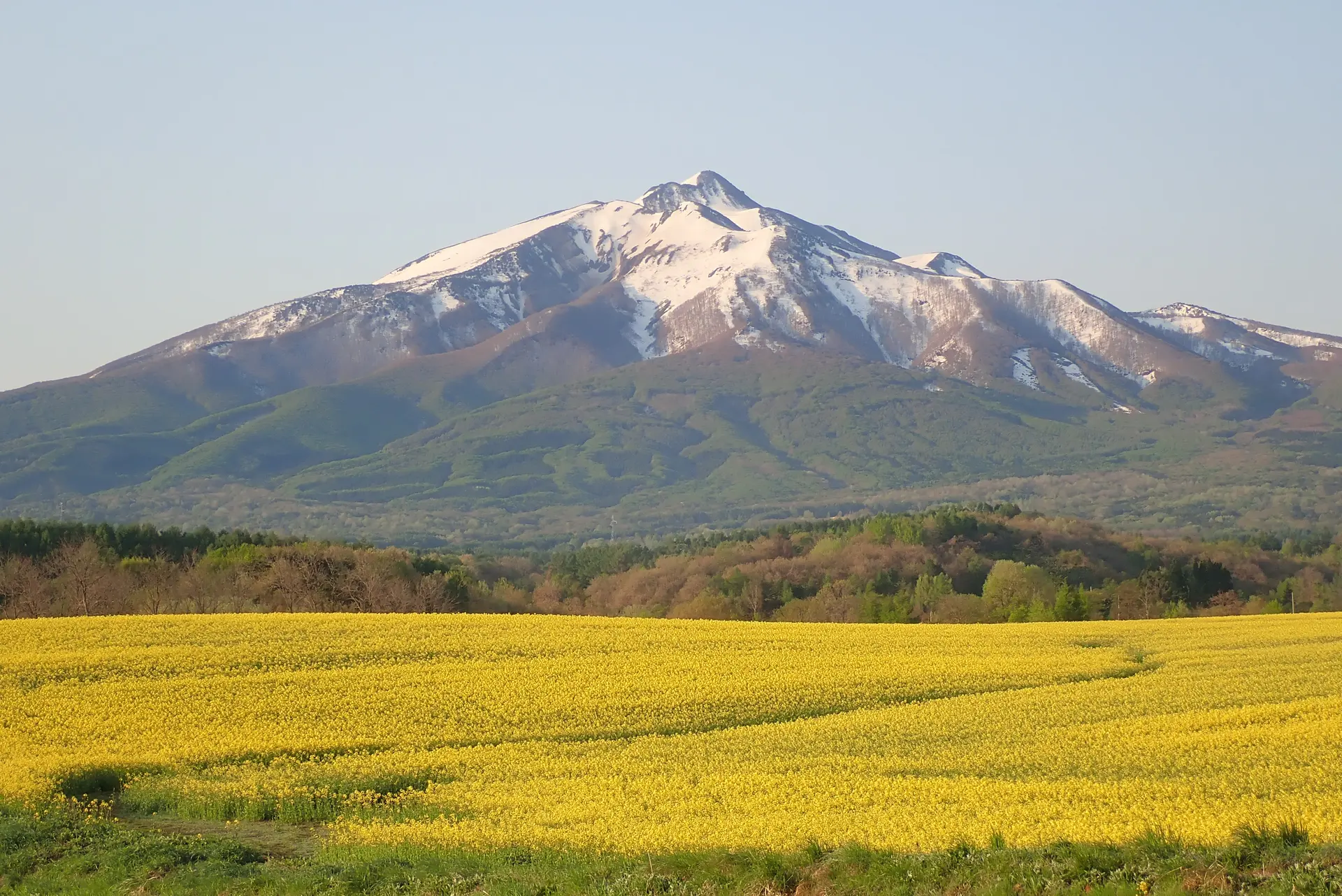
The Jomon people who settled Sannai-Maruyama chose a coastal terrace at the foot of the Hakkoda Mountains, along the Okidate River. The location offered access to multiple ecological zones: the river for freshwater and fish, the coast for marine resources, the forests for game and plants. Within this sustaining landscape, they built a permanent home that would endure for eighty generations.
Evidence of chestnut cultivation suggests active environmental management from early in the settlement's history. The Jomon did not simply forage but shaped the forest to produce the resources they needed. This required long-term vision—planting trees that would not bear fruit for years, maintaining groves that would feed descendants. Such cultivation challenges the category 'hunter-gatherer' and suggests a relationship with the land closer to horticulture.
Trade networks connected Sannai-Maruyama to distant regions. Jade from Niigata, hundreds of kilometers to the southwest, appears in the archaeological record. Obsidian from Hokkaido, across the Tsugaru Strait to the north, provided material for tools. These connections indicate that Sannai-Maruyama was not an isolated settlement but part of a broader Jomon world linked by exchange and relationship.
Sannai-Maruyama belongs to the Jomon cultural tradition that flourished in the Japanese archipelago for over 10,000 years. Within this long continuity, the site represents a period of florescence: increasing settlement size, more elaborate material culture, construction of monumental architecture.
The Jomon people of Sannai-Maruyama were not ethnically distinct from other Jomon but represented a particularly successful and sophisticated expression of Jomon culture. Their connections to communities across northern Japan, evidenced by trade goods, demonstrate that cultural practices and materials moved across considerable distances.
No continuous tradition connects to the specific practices at Sannai-Maruyama. When the settlement was abandoned approximately 4,200 years ago, its particular expressions of Jomon culture ceased. Yet patterns visible here—ancestor veneration, plant cultivation, the creation of ceremonial architecture—anticipate themes in later Japanese traditions.
The archaeological study of Sannai-Maruyama has fundamentally revised understanding of Jomon culture. The evidence of plant cultivation challenged assumptions about hunter-gatherer limitations. The scale of construction demonstrated organizational capacity that had been underestimated. The site's contribution to Jomon scholarship continues as research proceeds.
Traditions and practice
The Jomon of Sannai-Maruyama buried their dead in aligned pit graves, organizing the ancestors in rows that grew over generations. This precise arrangement indicates structured remembrance, ceremonies that placed each new death in relationship to those who had died before. The burial areas occupied designated zones within the settlement's sacred geography.
Rituals likely occurred at large-scale structures, including the six-pillar building. While the specific ceremonies are not recoverable, the investment required to build such structures indicates they served purposes beyond practical function. Seasonal gatherings, rites of passage, commemorations of the dead—such activities leave material traces that the archaeological record preserves.
Chestnut cultivation involved its own cycle of practices: planting, tending, harvesting, processing, storing. The carbonized remains of chestnuts and the storage pits that preserved them speak to this annual rhythm. Large middens containing shells and bones indicate communal feasting—gatherings where food was shared and social bonds renewed.
Trade in jade and obsidian may have carried ceremonial dimensions. These materials were not merely practical but precious, coming from distant sources and perhaps carrying meanings related to their origins. The presence of jade ornaments suggests ritual adornment.
No active religious practices occur at Sannai-Maruyama today. The site is managed for preservation and education as part of Japan's UNESCO World Heritage property.
The museum offers comprehensive interpretation of Jomon culture, displaying artifacts and explaining the settlement's significance. Educational programs allow direct engagement with Jomon material practices.
Hands-on programs include pottery-making in Jomon style, experiencing the distinctive rope-patterned technique that gives the culture its name. Food processing activities demonstrate how the Jomon prepared acorns and other gathered foods. These programs offer embodied connection to prehistoric life.
Begin at the museum to orient yourself before exploring the site. The artifacts on display provide context for understanding what you will see outside.
Walk the grounds at a contemplative pace. This is a large site—42 hectares—and rushing through it misses the scale of what the Jomon built and maintained.
Enter the reconstructed pit dwellings. Sit inside, look up at the roof structure, imagine the space occupied by a Jomon family. The intimacy of these structures contrasts with the monumentality of the six-pillar building.
Stand beneath the six-pillar structure and look up. Whatever its specific purpose—and this remains debated—the achievement of its construction is undeniable. Let the scale speak.
Acknowledge the burial areas as you pass them. Seventeen centuries of the dead lie here, arranged in rows by a community that did not forget its ancestors.
If time permits, participate in hands-on programs. Making pottery or processing food as the Jomon did creates connection that looking alone cannot provide.
Jomon Spirituality
HistoricalSannai-Maruyama reveals Jomon spiritual sophistication at a scale found nowhere else. The settlement's 1,700 years of continuous occupation demonstrate cultural continuity across approximately 80 generations. The reconstructed six-pillar building—15 meters tall—speaks to monumental construction for purposes beyond mere dwelling. The planned settlement layout separated living, storage, and burial zones, indicating understanding of sacred geography. Aligned burial rows show organized ancestor veneration maintained over centuries. Evidence of chestnut cultivation and long-distance trade in jade and obsidian reveals a society that planned for the future and maintained relationships across vast distances. UNESCO World Heritage inscription confirms the outstanding universal value of this Jomon achievement.
Burial ceremonies in aligned pit graves organized the dead in relationship to each other and to the living settlement. Rituals at large-scale pillar structures brought the community together for purposes that the archaeological record preserves but cannot fully explain. Seasonal ceremonies likely related to cultivation cycles, harvesting, and processing of chestnuts and other foods. Trade and gathering of spiritually significant materials—jade from Niigata, obsidian from Hokkaido—connected the settlement to distant regions. Communal activities in large structures created and renewed social bonds across the seventeen centuries of occupation.
Perspectives and open questions
Sannai-Maruyama has transformed scholarly understanding of Jomon culture. The evidence of plant cultivation, long-distance trade, and monumental construction challenged assumptions about what 'hunter-gatherers' could achieve. Yet the specific beliefs and practices of the settlement's inhabitants remain beyond our full understanding. What the Jomon thought about the six-pillar building, how they understood their relationship to the ancestors buried in rows, what ceremonies marked the turning of their years—these questions exceed the evidence.
Scholarly perspective
Archaeologists recognize Sannai-Maruyama as the single most important site for understanding Jomon culture. The 1,700-year occupation span provides evidence of cultural development over time. The settlement's scale—42 hectares—indicates a major population center.
The evidence of chestnut cultivation fundamentally revised understanding of Jomon economy. The Jomon were not simply hunter-gatherers but cultivators who managed their environment for sustained production. This challenges evolutionary frameworks that assume agriculture is more advanced than foraging.
Long-distance trade in jade and obsidian demonstrates that the Jomon maintained relationships across considerable distances. Sannai-Maruyama was not isolated but connected to a broader Jomon world.
The six-pillar building's function remains debated. Its scale suggests monumental purposes—ritual, astronomical, symbolic. The 4.2-meter spacing of the posts may reflect a modular measurement system. The height of the reconstruction (15 meters) is based on proportional analysis of post hole dimensions.
The aligned burial rows indicate organized ancestor veneration. The precision of arrangement speaks to structured practice maintained over centuries.
UNESCO inscription in 2021 acknowledged the outstanding universal value of the Jomon achievement. A 2024 survey found Sannai-Maruyama to be the most popular Jomon site among international tourists.
Living and traditional perspectives
No continuous tradition connects to Sannai-Maruyama. The Jomon population gradually gave way to later peoples and cultures. The specific practices of the settlement—the ceremonies, the beliefs, the social organization—were not preserved in transmitted form.
Yet patterns visible at Sannai-Maruyama anticipate later Japanese traditions. Ancestor veneration, carefully organized in burial rows, suggests attitudes toward the dead that would continue through Japanese history. Plant cultivation, with its long-term vision and environmental management, anticipates later agricultural societies. The creation of monumental architecture for ceremonial purposes finds echoes in later shrine and temple construction.
The site thus represents both a specific cultural expression that ended and a set of patterns that persisted in transformed form.
Alternative interpretations
Some visitors are drawn to Sannai-Maruyama by interest in sustainable communities—the site's 1,700-year continuity suggests lessons for societies seeking long-term viability. Others focus on the mysterious six-pillar structure, exploring theories about its astronomical or spiritual function that exceed current evidence.
Open questions
The specific function of the six-pillar building remains debated. Was it watchtower, ceremonial hall, or astronomical observatory? The evidence does not decide among these possibilities. The building may have served multiple purposes, or purposes we have not imagined.
The reasons for the site's abandonment after 1,700 years are not fully understood. Environmental change, population pressure, social conflict—various factors have been proposed. After eighty generations of continuous occupation, something ended the settlement. What that was remains unclear.
The specific beliefs of the Jomon—their cosmology, their understanding of death and ancestry, their explanation for their own social practices—are not recoverable. The material record shows what they did; it cannot tell us what they thought.
Plan your visit
Access and arrival
Located in Aomori City, Aomori Prefecture. Bus from JR Aomori Station takes approximately 30 minutes. Free shuttle from Shin-Aomori Station during peak seasons. The site is positioned on a coastal terrace along the Okidate River at the foot of the Hakkoda Mountains. Admission includes access to museum and site.
Accommodations available throughout Aomori City, from budget to upscale. Traditional ryokan and modern hotels serve visitors. The site is accessible as a half-day or full-day excursion from Aomori.
Respectful visit
No specific dress code. Dress for comfort and for walking outdoors. The site is extensive; comfortable walking shoes are recommended. Summers can be warm; winters are cold. Dress in layers.
Photography is permitted throughout the site and museum. Flash photography may be restricted for conservation purposes. Respect other visitors when photographing.
Not applicable. This is an archaeological and educational site, not an active place of worship.
Do not disturb archaeological features or attempt to collect artifacts. Stay on designated paths where indicated. Follow all posted guidelines. Respect closed areas.
Treat Sannai-Maruyama as archaeology and as the resting place of ancient dead. Visitor restraint protects both; follow all posted conservation boundaries.
Current practical details
Address
Maruyama-305 Sannai, Aomori, 038-0031, Japan
Phone
Hours
Hours, fees, and access can change — verify on the official source before you travel. Practical details last checked Jun 2026.
Location
Map loads as you approach this section.
Pilgrim reflections
A portrait of encounter, not a score
Pilgrims describe what they felt, how present they could become, and whether the place would shape a journey. There are no stars and no ranking of traditions.
No reviewed reflections yet
The first pilgrims can help describe the character of being here.
Share a reflection
Available after an account-backed “Been there.” Every reflection is reviewed before publication.
Nearby sacred places
Explore other sacred places in the region. Proximity does not establish access or travel time; check each place’s guidance.

References
Sources consulted for this page. Source categories describe the publication, not a guarantee that every claim is verified. Traditional accounts and outside interpretations may differ.
- 01Special Historic Site Sannai Maruyama Site - Official Website — Aomori PrefectureofficialOfficial site information
- 02Sannai Maruyama Site - Jomon Prehistoric Sites — World Heritage Jomon Prehistoric SitesofficialOfficial World Heritage information
- 03Jomon Prehistoric Sites - JNTO — Japan National Tourism OrganizationSource contextNational tourism authority
- 04Step into Japan's Prehistoric Jōmon Culture - Nippon.com — Nippon.comnewsCultural journalism
- 05Sannai-Maruyama Site - Wikipedia — Wikipedia contributorsencyclopediaGeneral overview
Share a photo
Help visitors recognize Sannai-Maruyama Site. Every submission is reviewed before publication.