Country guide
Japan
Japan's sacred geography layers Shinto shrine landscapes, Buddhist temple networks, mountain ascetic practice, island pilgrimage, and urban devotional sites.
545 sacred sites across 64 regions. Use the tradition links to narrow in.
Sacred journeys
Pilgrimages in Japan
Follow routes that connect sacred places across Japan. Mapped-place counts reflect the current atlas. Showing 6 of 10 mapped routes.
Buddhism · Shikoku
Shikoku 88 Temple Pilgrimage
四国八十八ヶ所霊場
Eighty-eight temples around an island, a circuit walked beside Kūkai across thirteen centuries.
88 mapped places in Japan · 88-station pilgrimage
Buddhism · Kansai
New Saigoku Kannon Pilgrimage
新西国三十三所
A modern Kansai Kannon circuit organized in 1932 to make the old route walkable for working pilgrims.
38 mapped places in Japan · 33 numbered stations + auxiliary places
Buddhism · Kansai
Saigoku Kannon Pilgrimage
西国三十三所
The oldest Kannon circuit in Japan — thirty-three temples across western Honshu, walked since the eighth century.
36 mapped places in Japan · 33 numbered stations + auxiliary places
Buddhism · Kantō
Chichibu 34 Kannon Pilgrimage
秩父三十四観音霊場
Thirty-four temples in a single Saitama valley — the third leg that makes the Hyakkasho complete.
34 mapped places in Japan · 34-station pilgrimage
Buddhism · Kantō
Bandō Sanjūsankasho Pilgrimage
坂東三十三観音霊場
Thirty-three temples to Kannon across the eastern plain, a circuit of compassion shaped by twelfth-century warriors and walked still.
33 mapped places in Japan · 33-station pilgrimage
Buddhism · Chūgoku
Chūgoku 33 Kannon Pilgrimage
中国三十三観音霊場
A modern Kannon circuit across western Honshu, established in 1981 to honor temples that lay outside the great medieval routes.
29 mapped places in Japan · 33-station pilgrimage
Browse by region
Explore Japan region by region
Open a regional guide to see its sacred sites, traditions, and map.
Show all 63 regions
Explore Japan by facet
Traditions
Physical forms
Dates connected to Japan
Upcoming festivals, feast days, and pilgrimages tied to Japan. Add any to your calendar, or see the full observance calendar.
- Add
Kamiari-sai (Festival of the Gods)
Nov 29 – Sun, Dec 6, 2026Festival
Izumo Taisha (Izumo Grand Shrine)
Refine the atlas
Related Japan guides
Showing 49-96 of 545 sites in this country guide
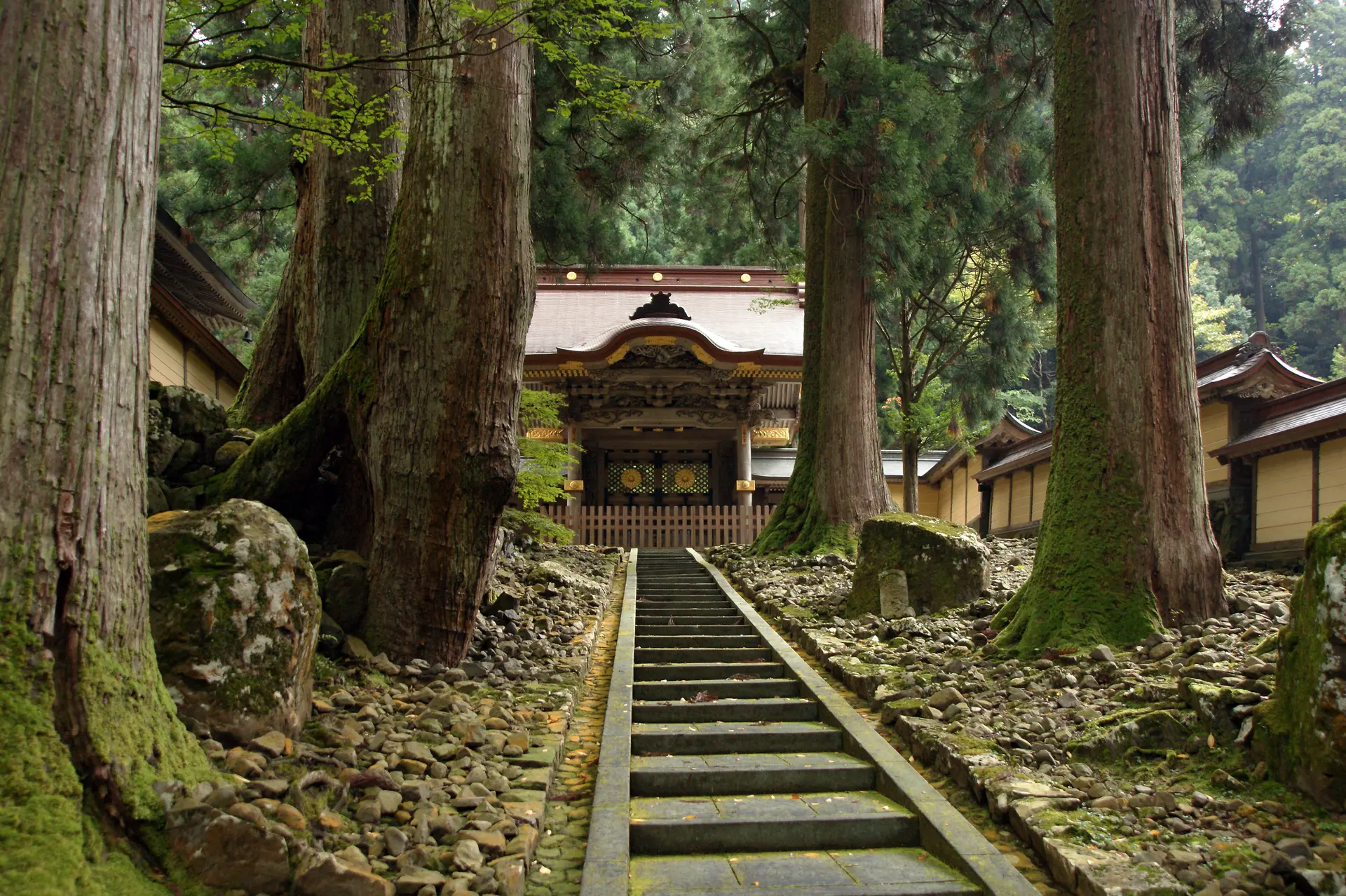
Daihonzan Eiheiji (Eihei Temple)
Eiheiji Town, Fukui Prefecture, Japan
Hidden in the cedar forests of Fukui Prefecture, Eiheiji stands as one of the two head temples of Soto Zen Buddhism....

Daihōon-ji
Kyoto Prefecture, Japan
Daihōon-ji, known popularly as Senbon Shakadō, holds Kyoto's oldest surviving wooden building inside the city limits — a 1227 National Treasure main hall that survived the...

Daiji-ji
Yokoze, Saitama Prefecture, Japan
Daiji-ji, the tenth station of the Chichibu 34 Kannon Pilgrimage, is a Sōtō Zen temple founded in 1490 in the Yokoze hills....
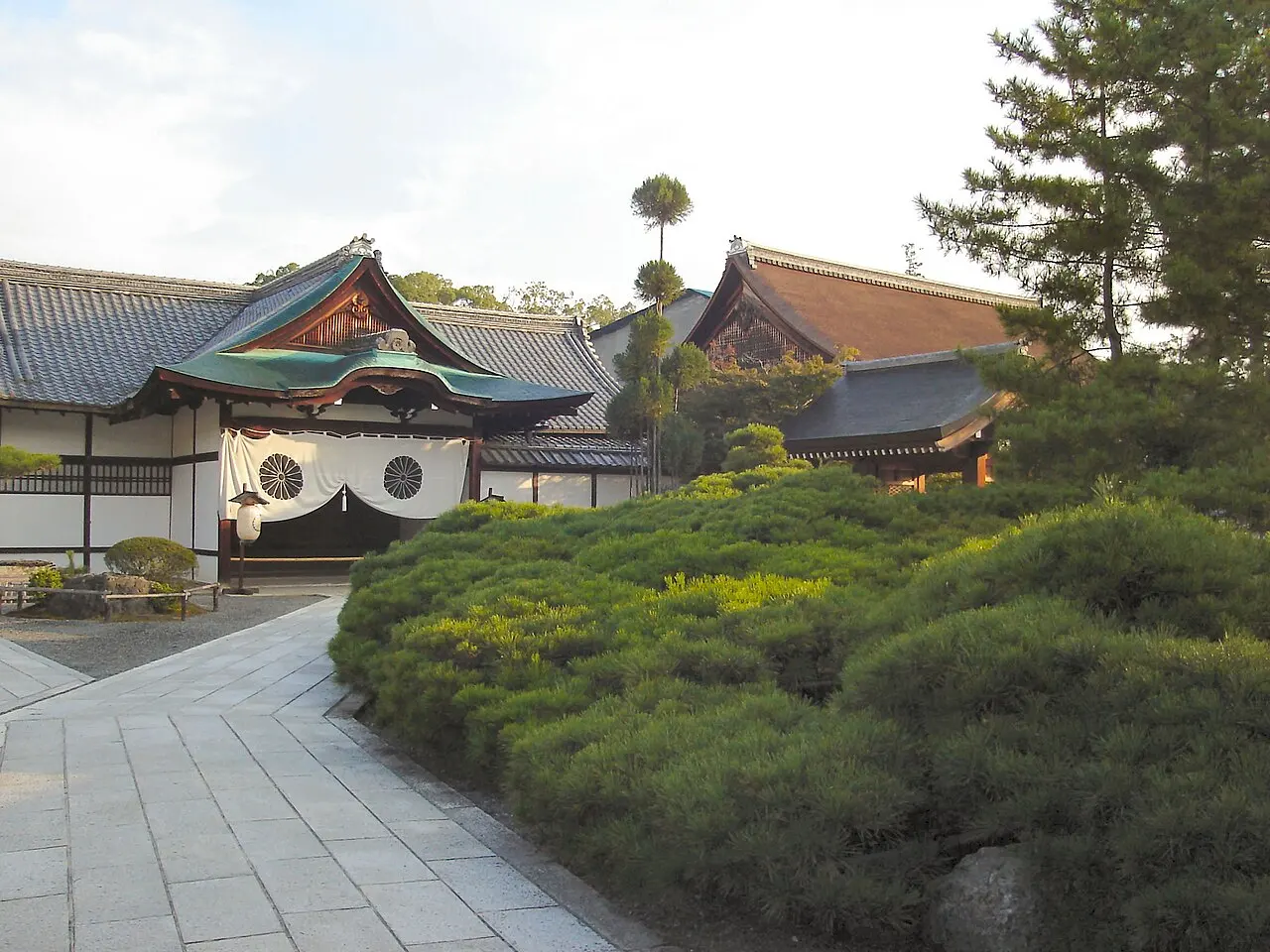
Daikaku-ji
Kyoto, Kyoto Prefecture, Japan
Heart Sutra, flower practice, and imperial memory beside Osawa Pond. Daikaku-ji remains an active Shingon Buddhism, Daikaku-ji school temple....

Daikō-ji
Mitoyo, Kagawa Prefecture, Japan
Daikō-ji, also known as Komatsuoji, sits in farmland on a low hill in Mitoyo, Kagawa....
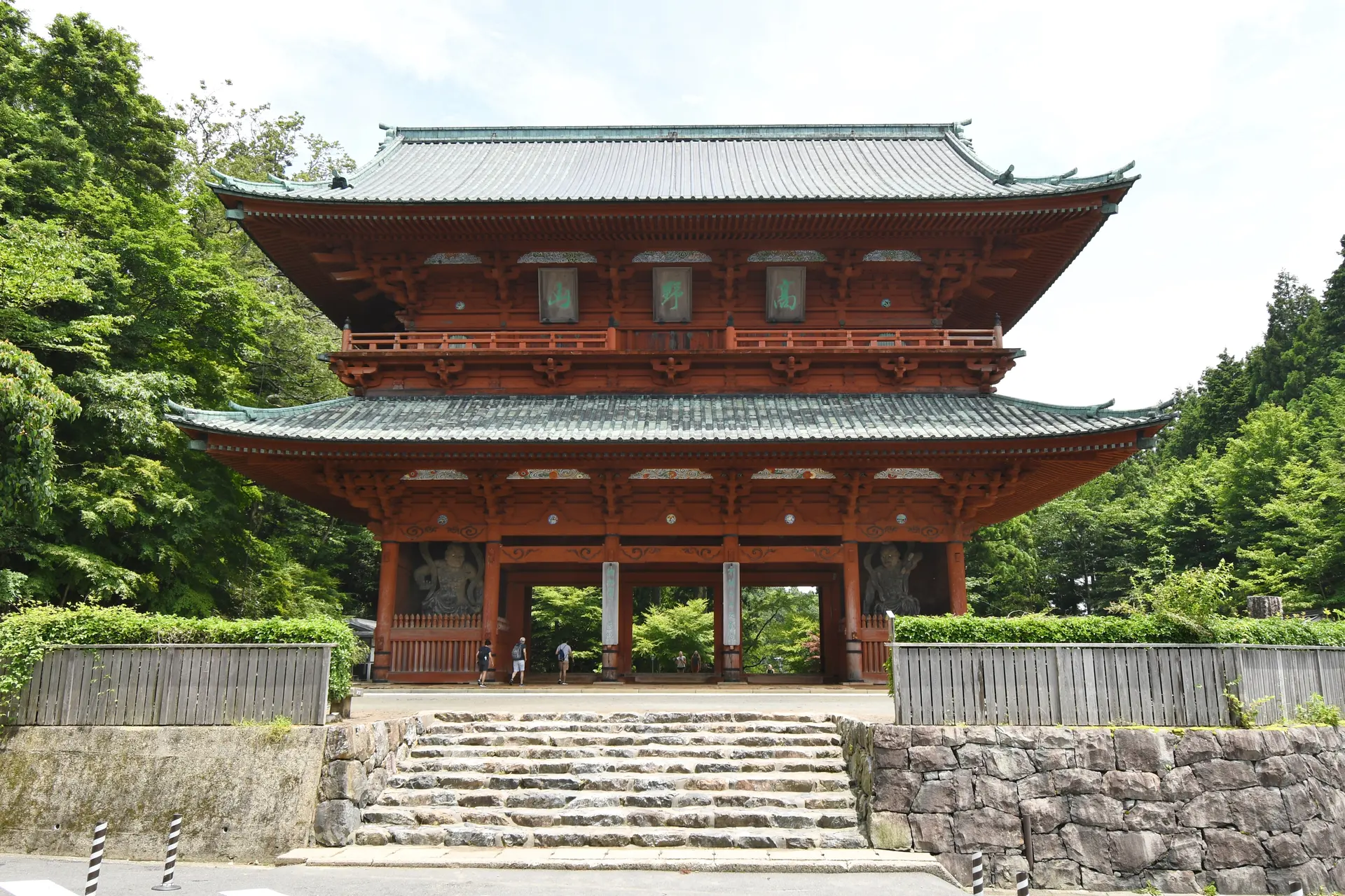
Daimon Gate
Koyasan, Wakayama Prefecture, Japan
Daimon Gate (大門) is the monumental western gate of Koyasan and a dramatic arrival threshold from Choishi-michi.
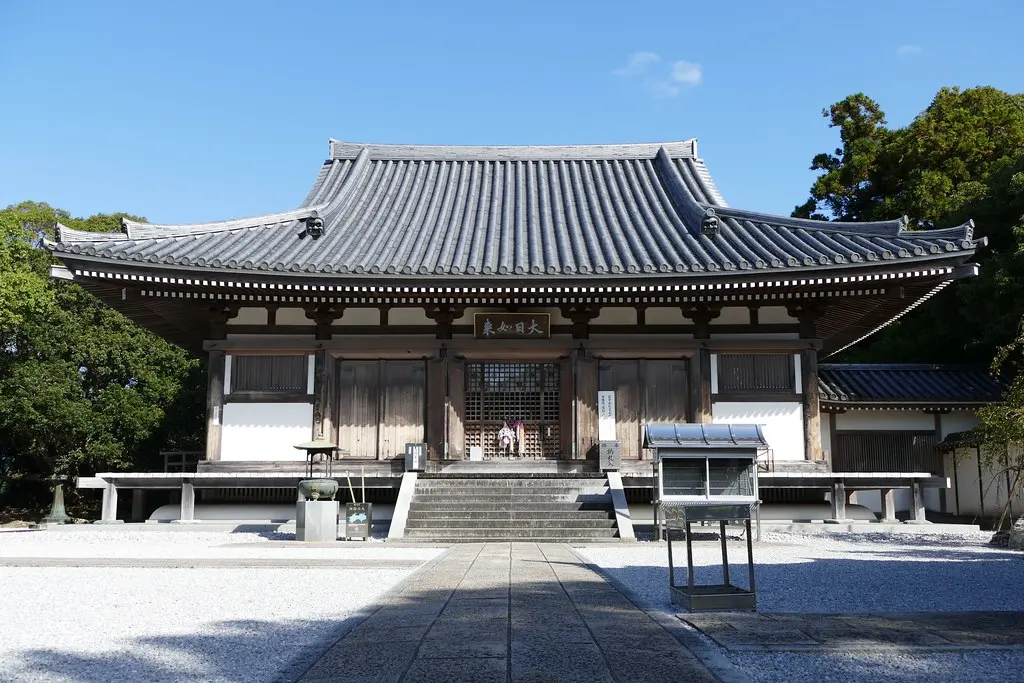
Dainichi-ji
Kōnan, Kochi Prefecture, Japan
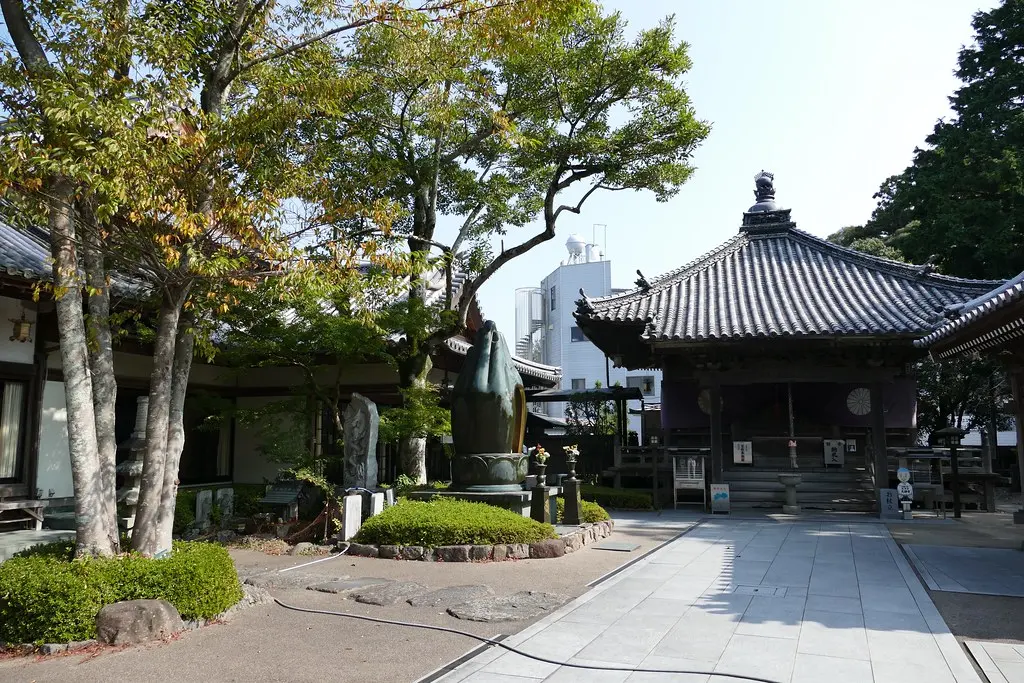
Dainichi-ji enshrines Dainichi Nyorai, the cosmic Buddha at the centre of Shingon doctrine, in a wooded precinct in rural Kōnan....
Dainichi-ji
Tokushima, Tokushima Prefecture, Japan
Dainichi-ji stands directly across the road from Awa Ichinomiya Shrine, the highest-ranked Shintō shrine of Awa Province....

Dainichi-ji
Itano, Tokushima Prefecture, Japan
Dainichi-ji is Temple 4 of the Shikoku 88, in Itano, Tokushima. It enshrines Dainichi Nyorai, the cosmic Buddha at the center of Shingon esotericism....

Daisen-ji
Daisen, Tottori Prefecture, Japan
Daisen-ji, the 29th station of the Chūgoku 33 Kannon Pilgrimage, sits high on Mt. Daisen — at 1,729 meters the highest peak in the Chūgoku region....

Daitoku-ji
Kyoto, Kyoto Prefecture, Japan
A living Zen township of subtemples, gardens, and tea memory. Daitoku-ji remains an active Rinzai Zen Buddhism, Daitoku-ji school temple....

Daiun-in
Tottori, Tottori Prefecture, Japan
Daiun-in in Tottori, the 33rd and final station of the Chūgoku 33 Kannon Pilgrimage, is the route's manzanji — the place where pilgrim journeys complete....
Danjo Garan
Koyasan, Wakayama Prefecture, Japan
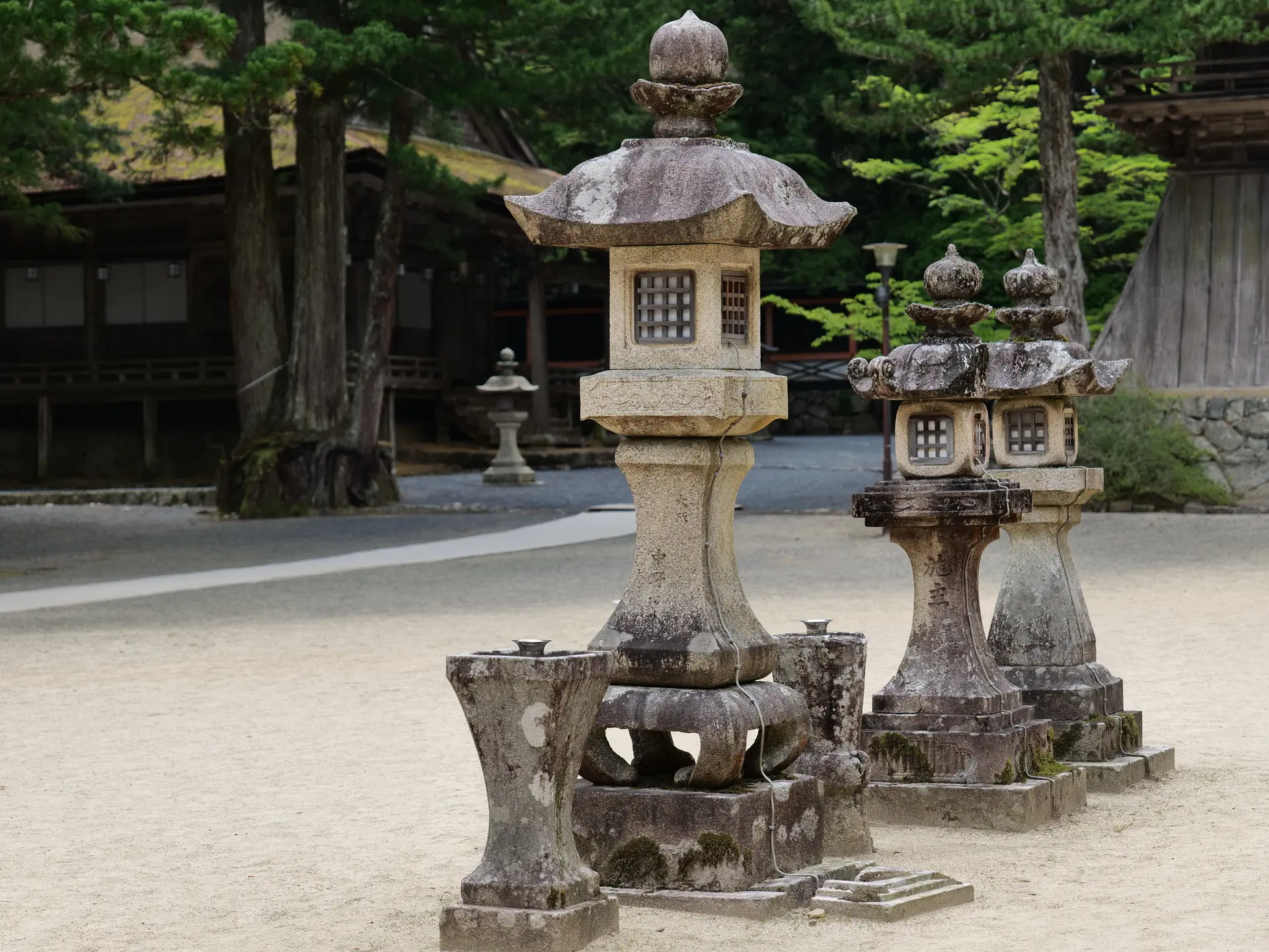
Danjo Garan (壇上伽藍) is Koyasan's central monastic complex, associated with Kobo Daishi's establishment of the mountaintop center.

Dazaifu Tenmangu
Dazaifu, Fukuoka Prefecture, Japan
Dazaifu Tenmangu, stands in Dazaifu. At Dazaifu Tenmangu, Shinto guides custody. Prayer at Dazaifu Tenmangu addresses Tenjin, the deified Sugawara no Michizane....
Denzuin
Bunkyo City, Tokyo, Japan
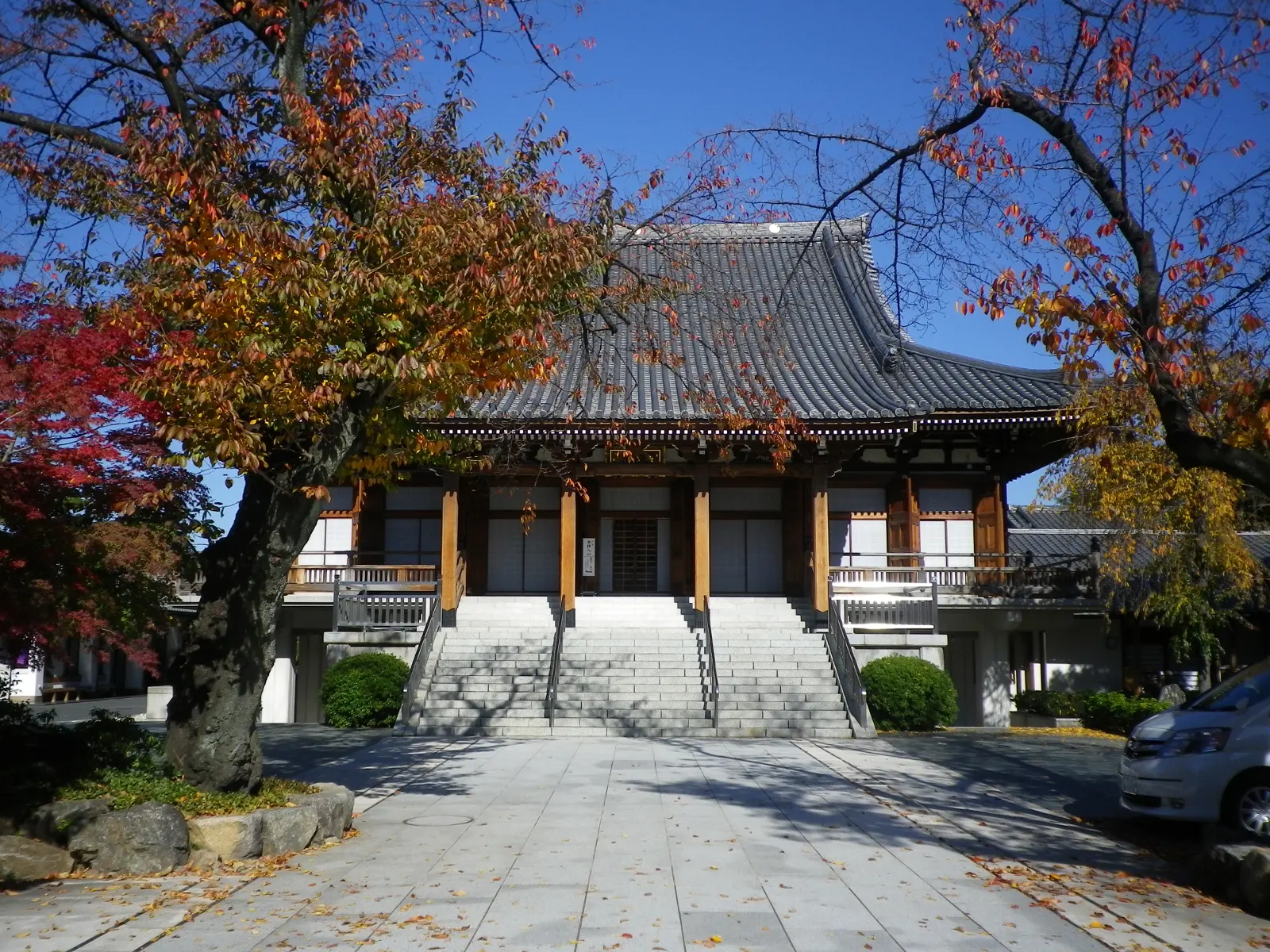
Denzuin (傳通院) is an active Japanese Buddhism sacred place in Tokyo. The record is grounded in an exact Google Place ID, nearby coordinates, institutional or reference...
Dewa Shrine and Mt. Haguro
Tsuruoka, Yamagata Prefecture, Japan
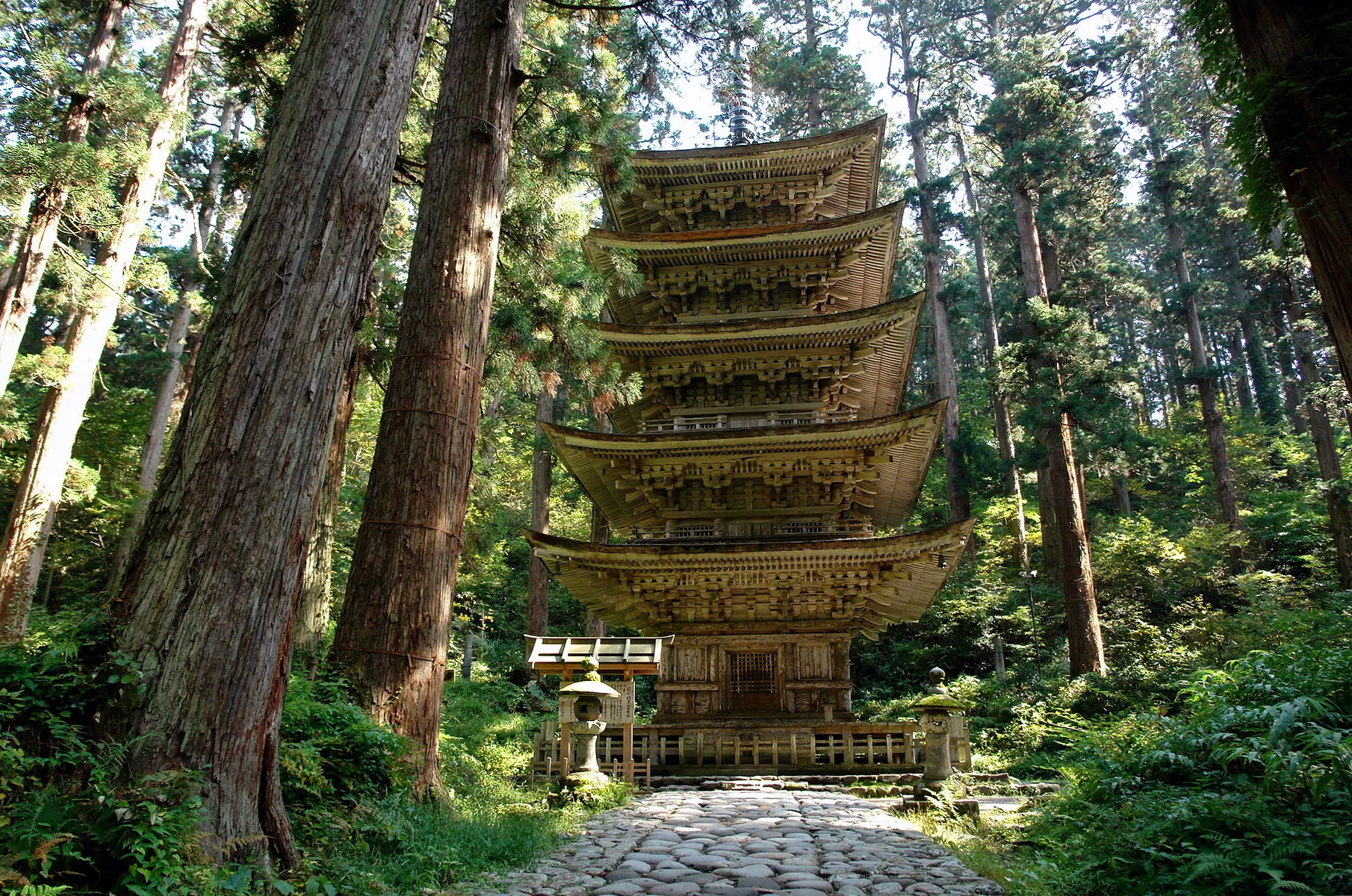
Mount Haguro rises in Yamagata as the gateway to the Three Mountains of Dewa - Japan's most powerful journey of spiritual death and rebirth....

Dōgo Onsen
Matsuyama, Ehime, Japan
Dōgo’s bathhouse is a public institution with a sacred narrative beside it.

Dōji-dō
Chichibu, Saitama Prefecture, Japan
Dōji-dō is the twenty-second station of the Chichibu 34 Kannon Pilgrimage — literally 'Children's Hall,' a Shingon Buzan-ha temple where Kannon has been invoked for...

Dōjō-ji
Wakayama Prefecture, Japan
Dōjō-ji is the oldest documented temple in Wakayama Prefecture, founded in 701 CE by the monk Gien at Emperor Monmu's command....

Dōryū-ji
Tadotsu, Kagawa Prefecture, Japan
Temple 77 Dōryū-ji in Tadotsu is known on the Shikoku route as the Eye-Healing Yakushi (me-naoshi Yakushi)....

Egami Church
Goto, Nagasaki Prefecture, Japan
Egami Church, stands in Goto. At Egami Church, Roman Catholicism guides custody. Prayer at Egami Church addresses Jesus Christ and the Virgin Mary within Catholic....
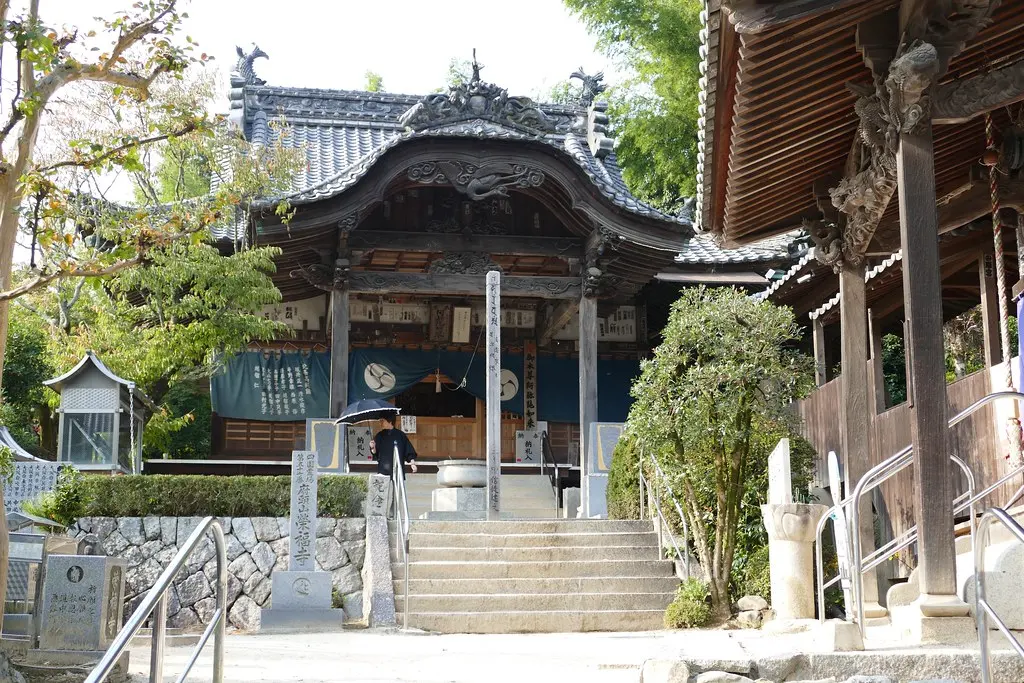
Eifuku-ji
Imabari, Ehime Prefecture, Japan
Eifuku-ji sits in a quiet bamboo and cedar grove on a low hill above Imabari, the 57th stop on the Shikoku 88-temple pilgrimage....

Eifuku-ji
Osaka Prefecture, Japan
Eifuku-ji at Taishi-chō, Osaka, guards the tomb of Prince Shōtoku — Japan's foundational royal patron of Buddhism — alongside his mother and consort in a single circular...

Eikan-dō (Zenrin-ji)
Kyoto, Kyoto Prefecture, Japan
Amida turns back for those who have fallen behind. Eikan-dō (Zenrin-ji) remains an active Jōdo Buddhism, Seizan Zenrin-ji school temple....
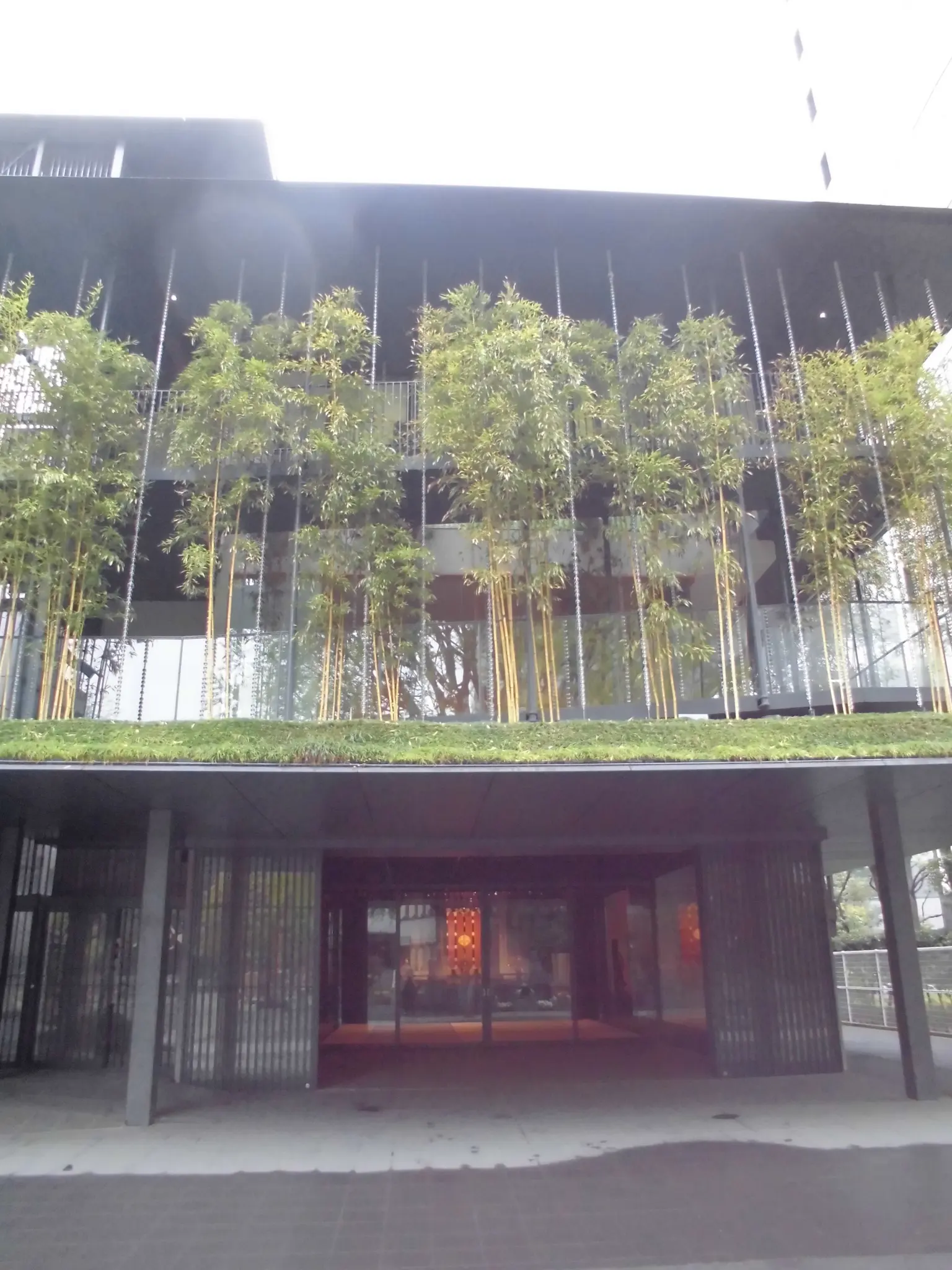
Ekōin Temple
Sumida City, Tokyo, Japan
Ekōin Temple (回向院) is an active Jōdo-shū Buddhism sacred place in Tokyo. The record is grounded in an exact Google Place ID, nearby coordinates, institutional or reference...

En'yū-ji
Chichibu, Saitama Prefecture, Japan
En'yū-ji is the twenty-sixth station of the Chichibu 34 Kannon Pilgrimage — a Rinzai Zen temple of the Kenchō-ji branch with an unusual feature: the Iwai-dō, a stage-built...
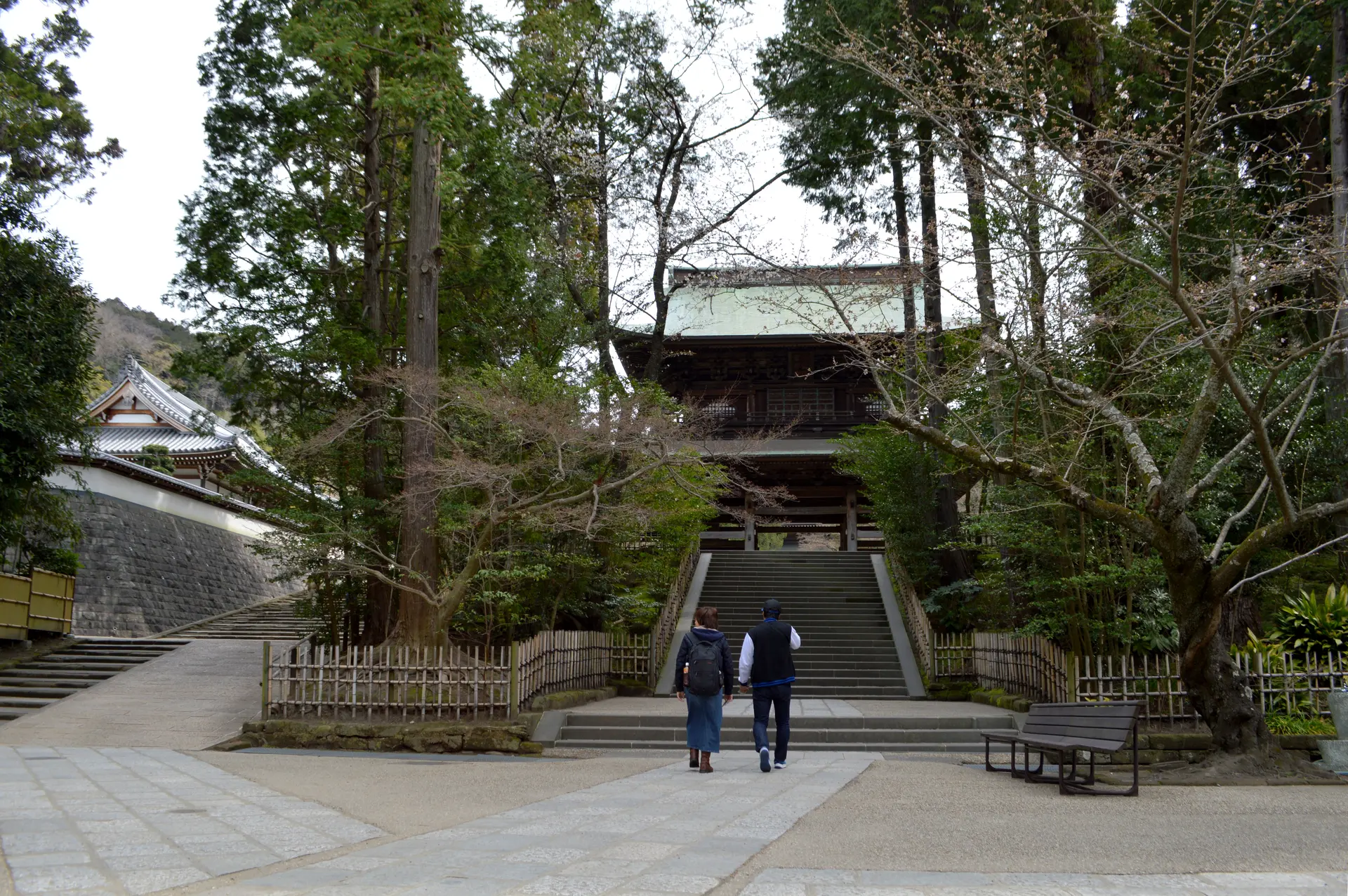
Engaku-ji
Kamakura, Kanagawa Prefecture, Japan
Engaku-ji, stands in Kamakura. At Engaku-ji, Rinzai Zen Buddhism, Engaku-ji school guides custody....

Engyō-ji
Himeji, Hyogo Prefecture, Japan
Engyo-ji is station 27 on the Saigoku Kannon Pilgrimage, a Tendai Buddhism temple in Hyogo dedicated to Nyoirin Kannon....

Enkō-ji (Myō-ō-in)
Fukuyama, Hiroshima Prefecture, Japan
Enkō-ji, also known as Myō-ō-in, sits on Atago-yama above the Kusado Sengen archaeological site in Fukuyama, Hiroshima....

Enkōji
Sukumo, Kochi Prefecture, Japan
Enkō-ji is the thirty-ninth and final temple of the Tosa (Kōchi) section of the Shikoku 88, set in Sukumo....
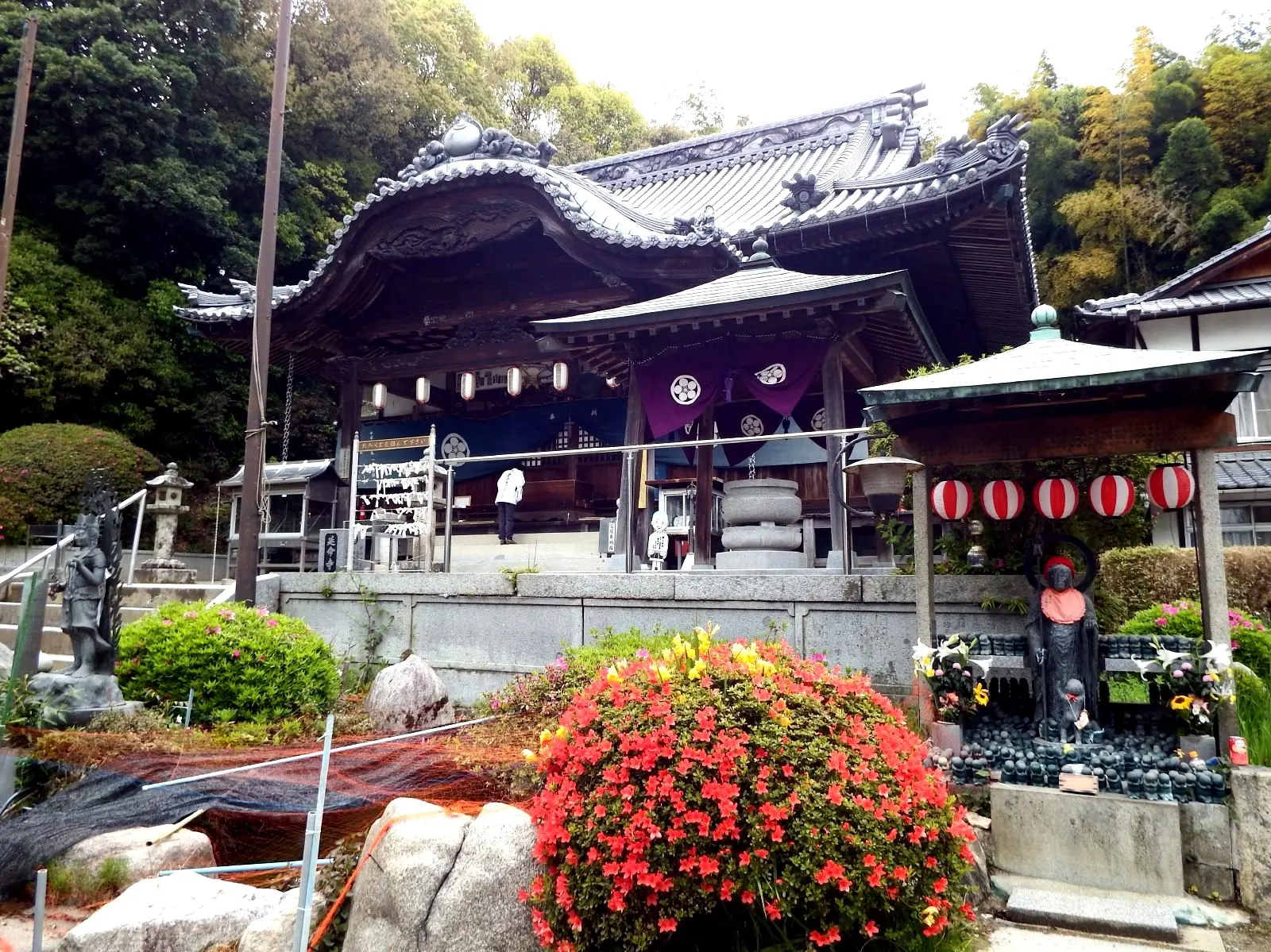
Enmei-ji
Imabari, Ehime Prefecture, Japan
Temple 54 of the Shikoku henro is the first of six temples clustered around Imabari....

Enmyō-ji
Matsuyama, Ehime Prefecture, Japan
Temple 53 of the Shikoku henro is small, layered, and unusually plural. Its Shingon Hondō houses an Amida Nyorai principal image — uncommon for the school....

Enpuku-ji
Chōshi, Chiba Prefecture, Japan
Enpuku-ji is the 27th Bandō station and the easternmost stop of the eastern Kannon circuit....
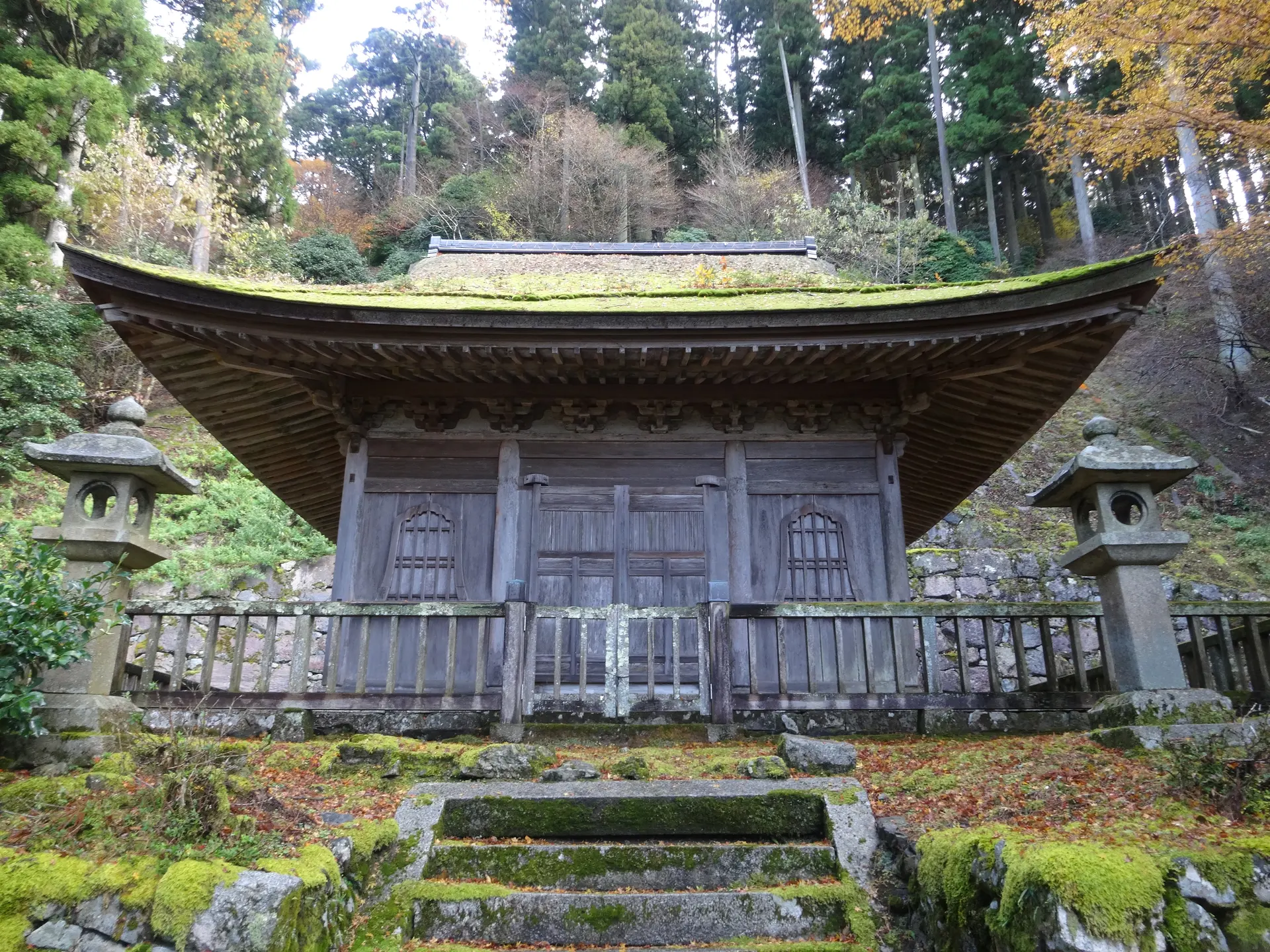
Enryaku-ji temple and Mt. Hiei
Otsu, Shiga Prefecture, Japan
Enryaku-ji stands as the root of Japanese Buddhism, the mountain monastery that trained the founders of virtually every major Buddhist school in Japan....
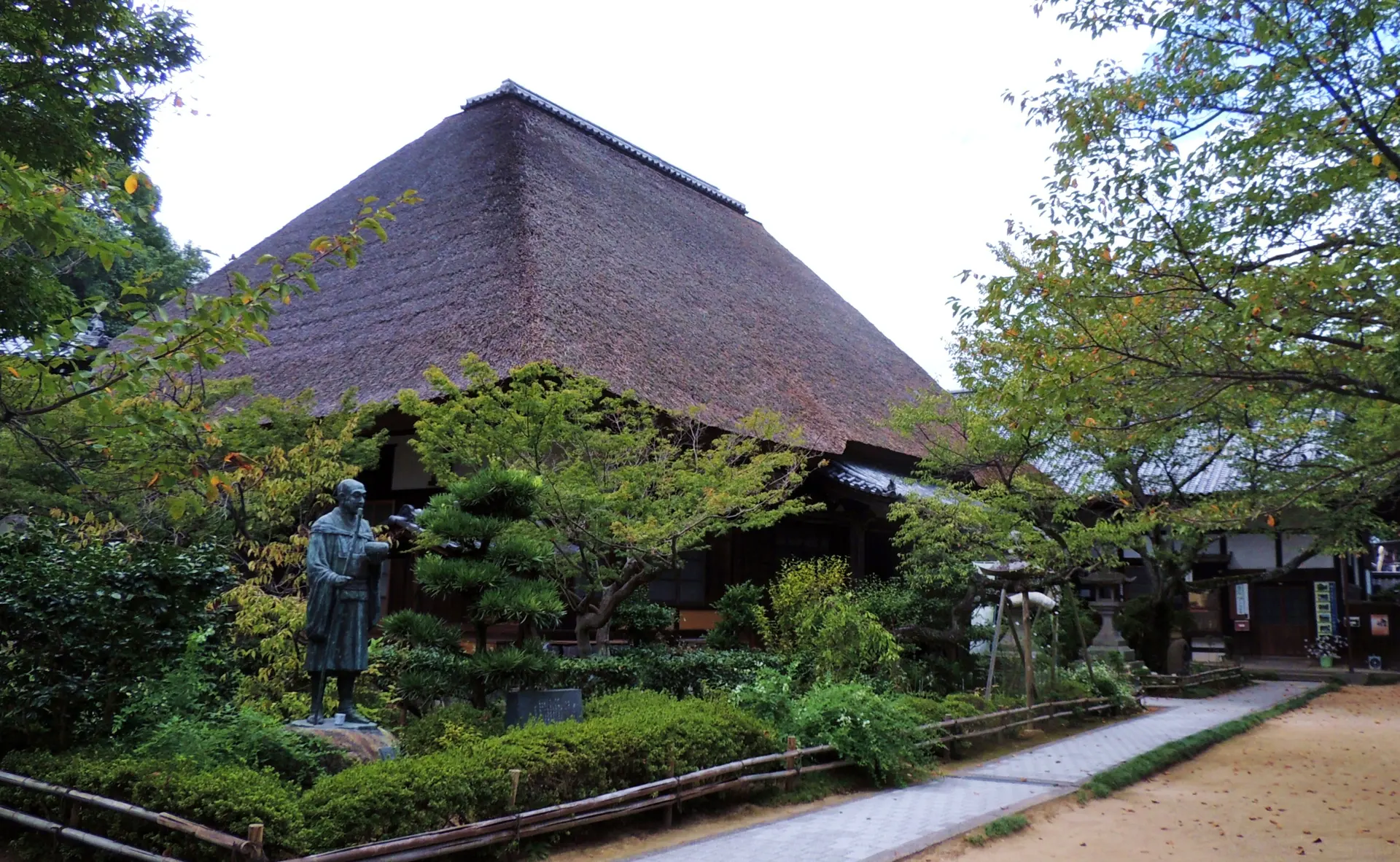
Entsū-ji
Kurashiki, Okayama Prefecture, Japan
Entsū-ji crowns a small mountain in Tamashima, Kurashiki, and serves as Chūgoku 33 Kannon Pilgrimage station #7....
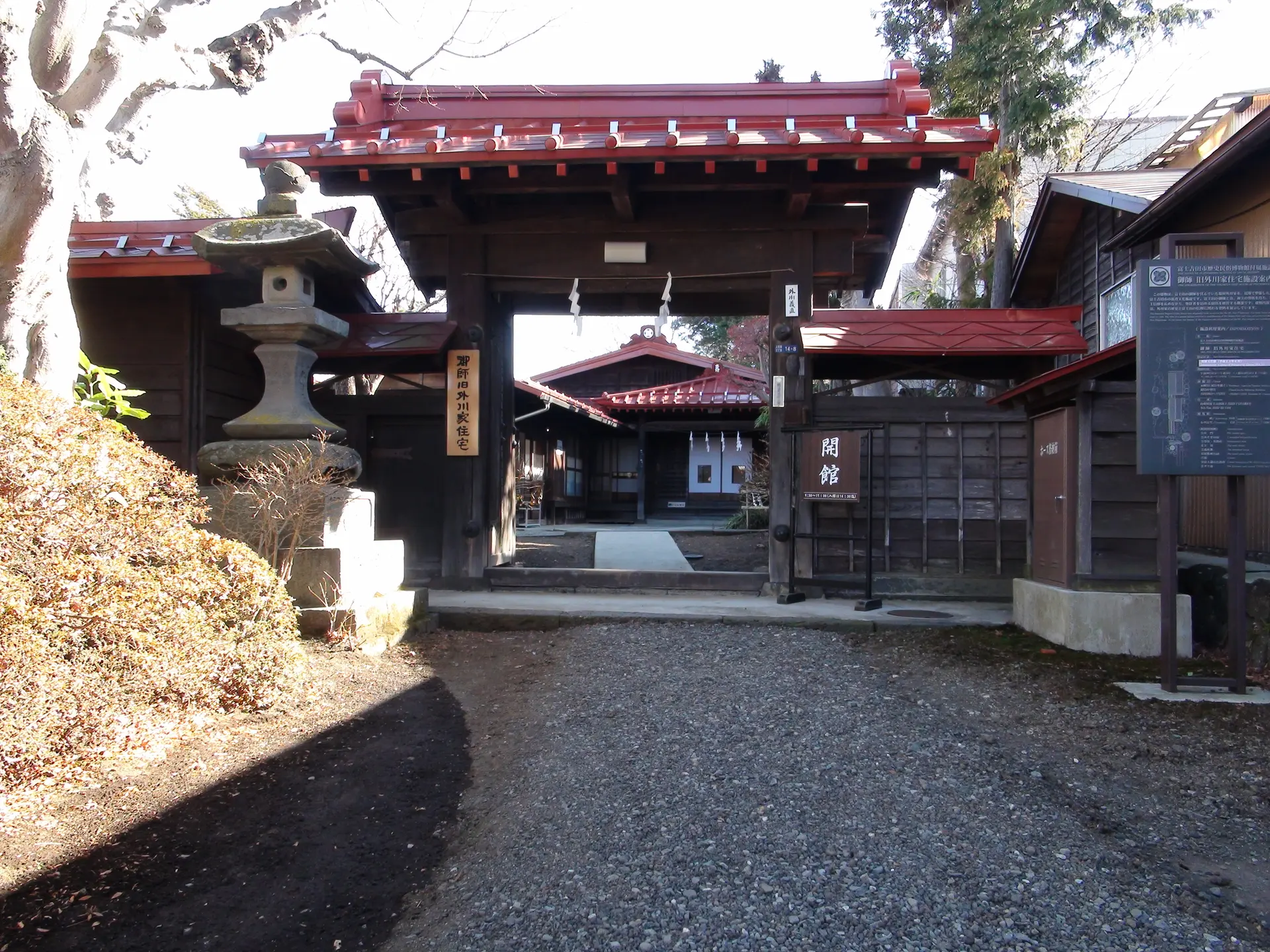
Former Togawa Oshi House
Fujiyoshida, Yamanashi Prefecture, Japan
Former Togawa Oshi House (旧外川家住宅) is a preserved oshi pilgrim-lodging house in Fujiyoshida associated with receiving, guiding, and ritually preparing Fuji-ko pilgrims.
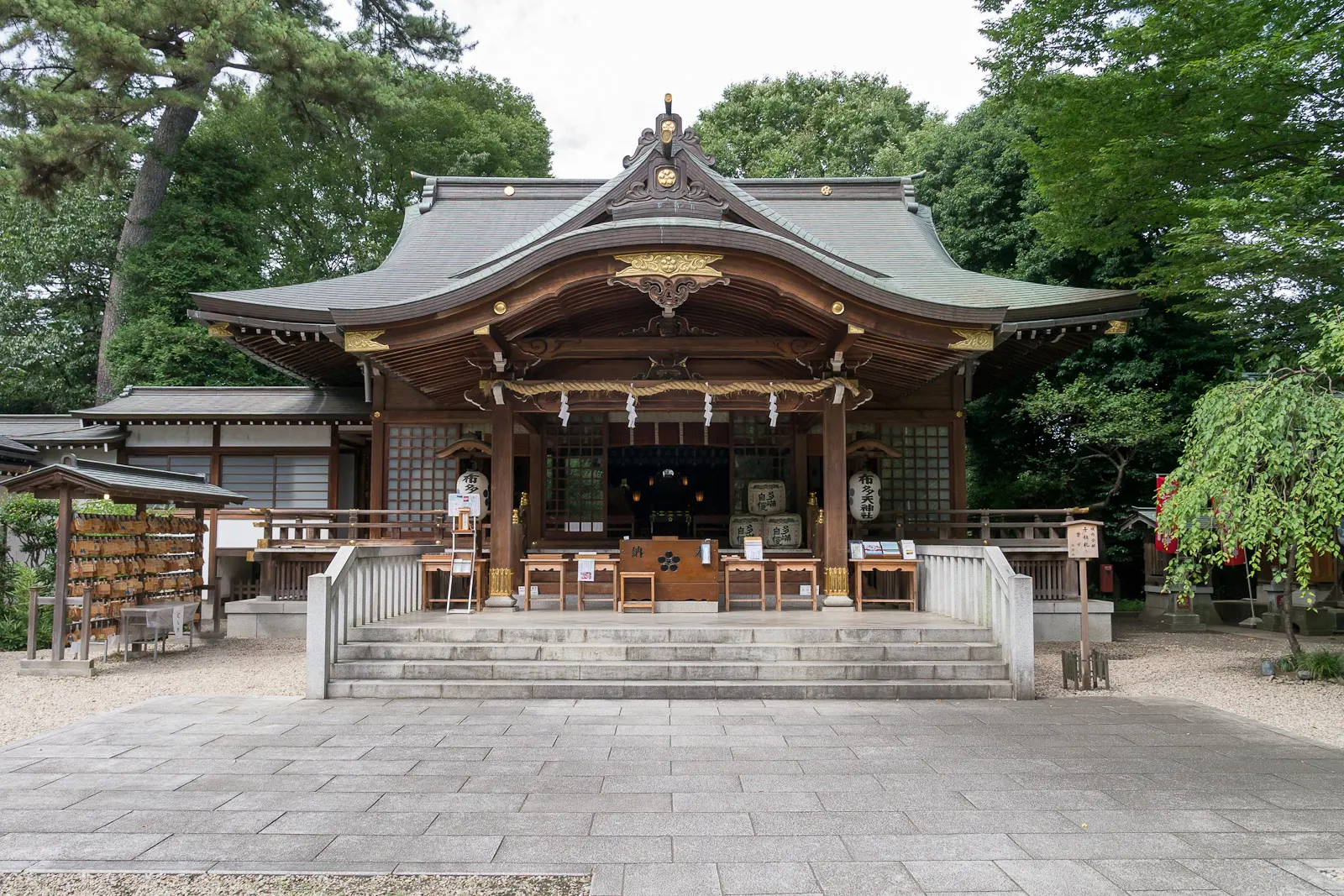
Fuda Tenjin-sha
Chōfugaoka, Tokyo, Japan
Fuda Tenjin-sha (布多天神社) is an active Shinto sacred place in Tokyo. The record is grounded in an exact Google Place ID, nearby coordinates, institutional or reference...

Fugoppe Cave
Yoichi, Hokkaido, Japan
Carved into the walls of a small sea-facing cave near Yoichi, approximately 800 petroglyphs have puzzled scholars since their discovery in 1950....

Fujii-dera
Fujiidera, Osaka Prefecture, Japan
Fujii-dera is station 5 on the Saigoku Kannon Pilgrimage, a Shingon-shū Omuro-ha temple in Osaka dedicated to Senju Kannon. Founded in the early 8th century....
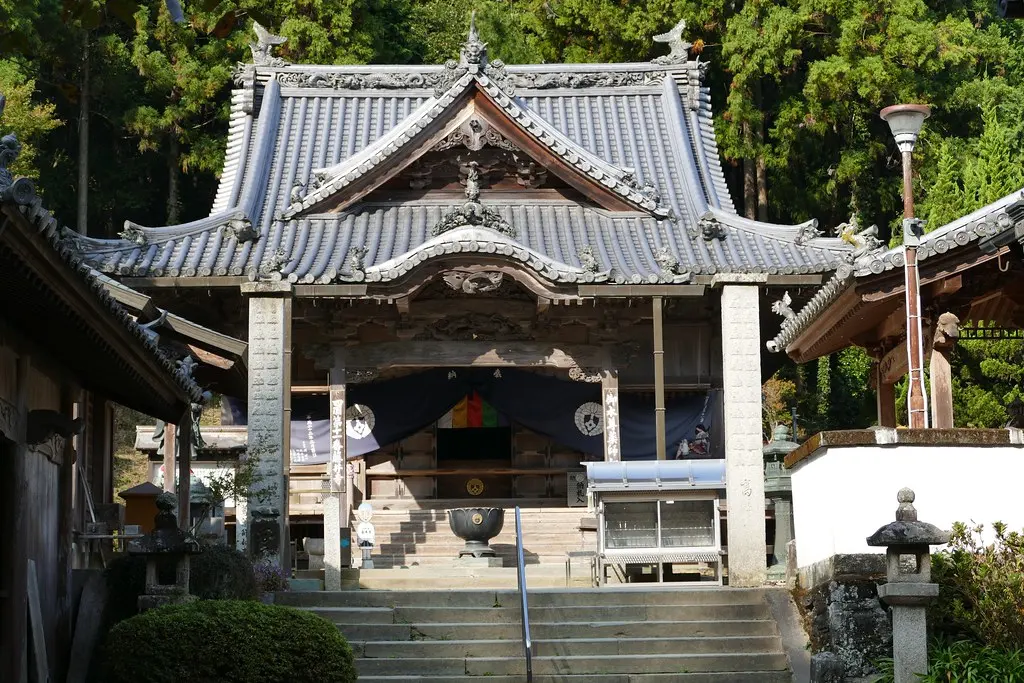
Fujii-dera
Yoshinogawa, Tokushima Prefecture, Japan
Fujii-dera sits at the foot of a steep mountain ridge in Yoshinogawa, the threshold temple before the most demanding stretch of the Shikoku 88....
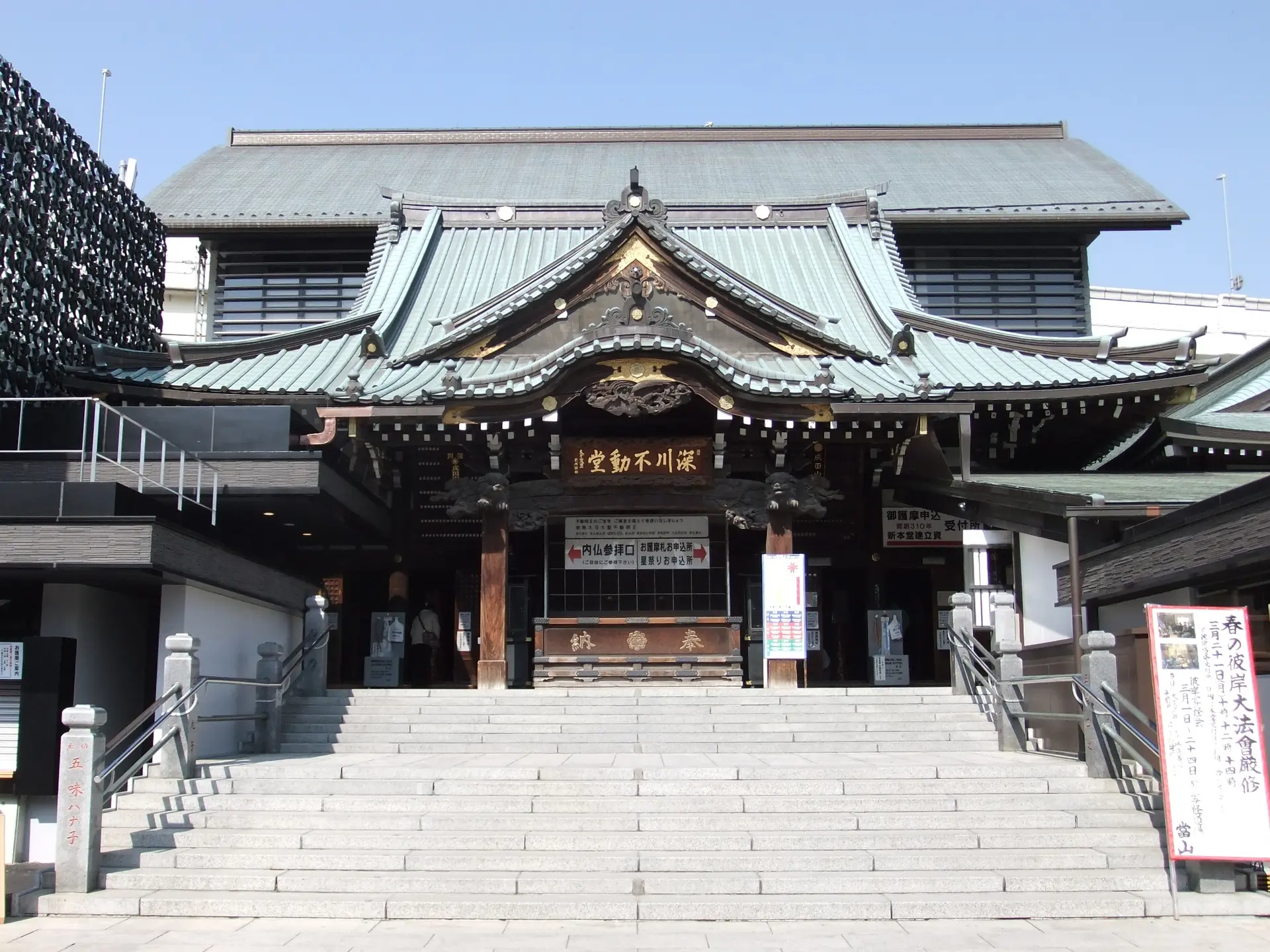
Fukagawa Fudō-dō
Koto City, Tokyo, Japan
Fukagawa Fudō-dō (深川不動堂 (成田山東京別院)) is an active Shingon Buddhism sacred place in Tokyo....
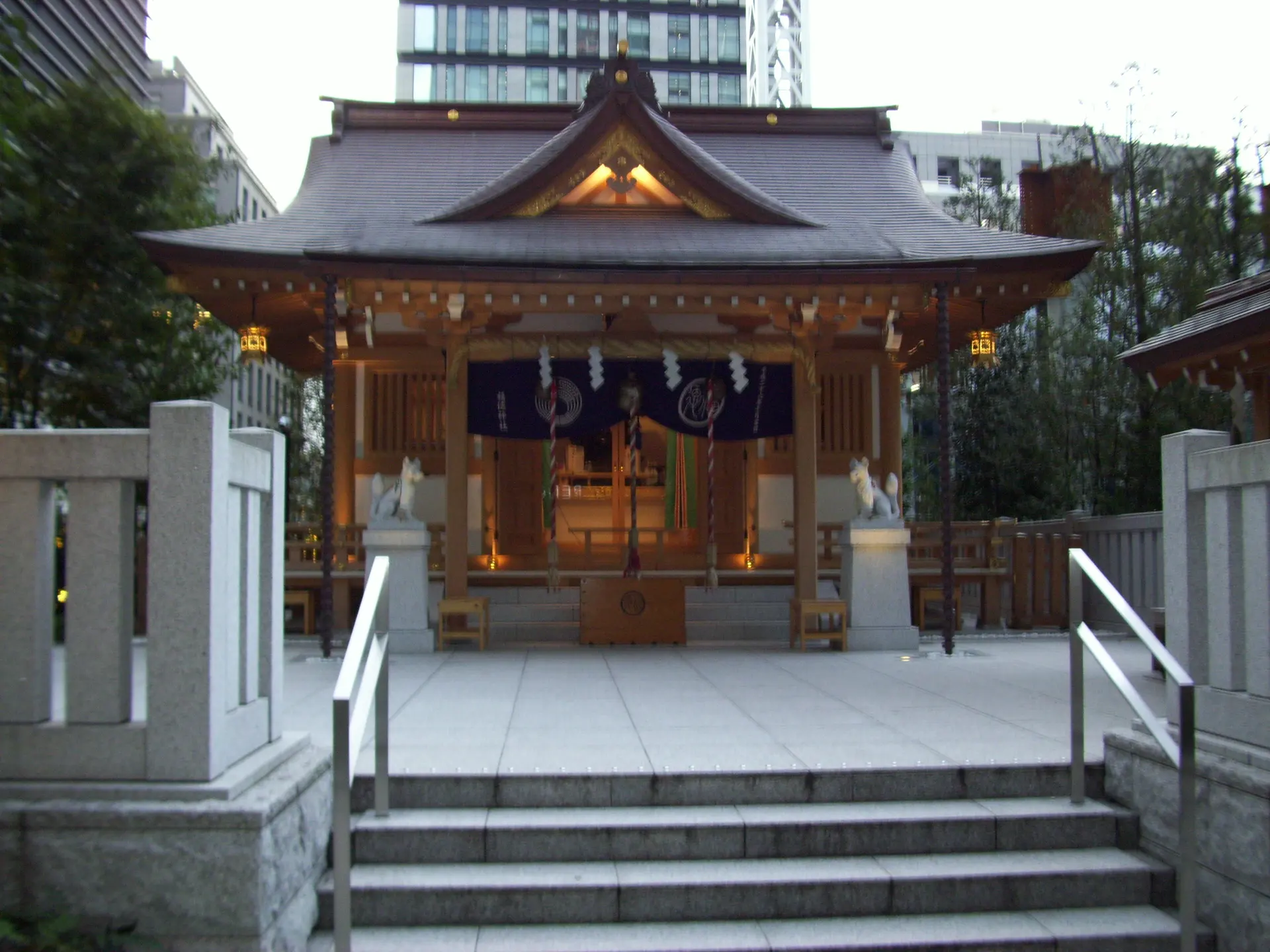
Fukutoku Shrine
Nihonbashimuromachi, Tokyo, Japan
Fukutoku Shrine (福徳神社(芽吹稲荷)) is an active Shinto sacred place in Tokyo. The record is grounded in an exact Google Place ID, nearby coordinates, institutional or reference...
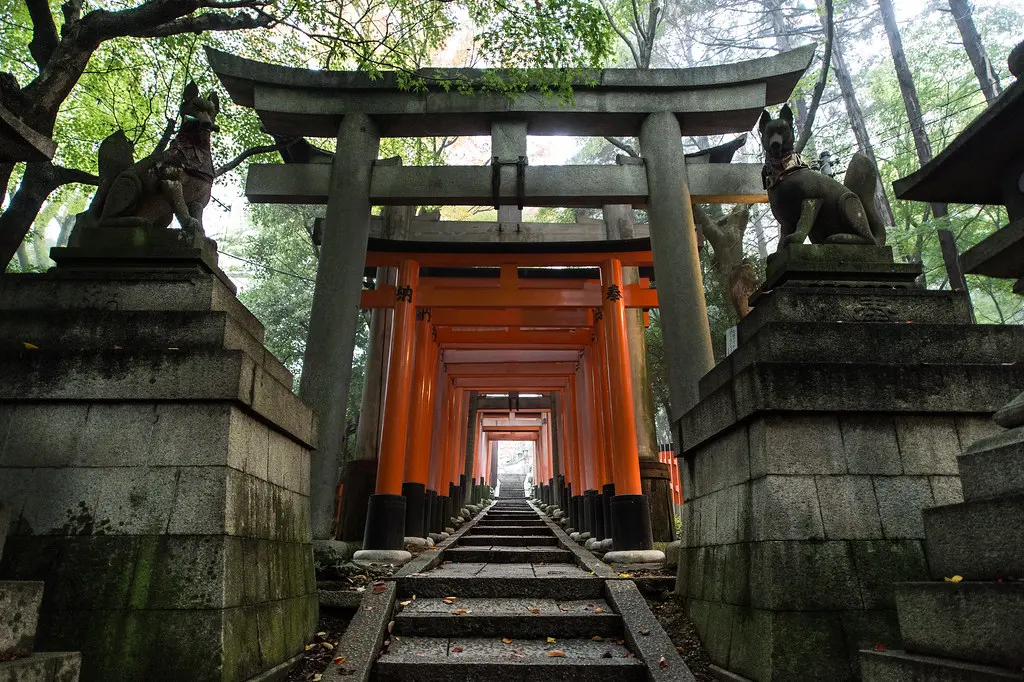
Fushimi Inari-taisha
Kyoto, Kyoto Prefecture, Japan
Since 711 CE, pilgrims have climbed sacred Mount Inari through tunnels of vermilion torii gates—each one donated by someone whose prayers were answered, or who hoped they...
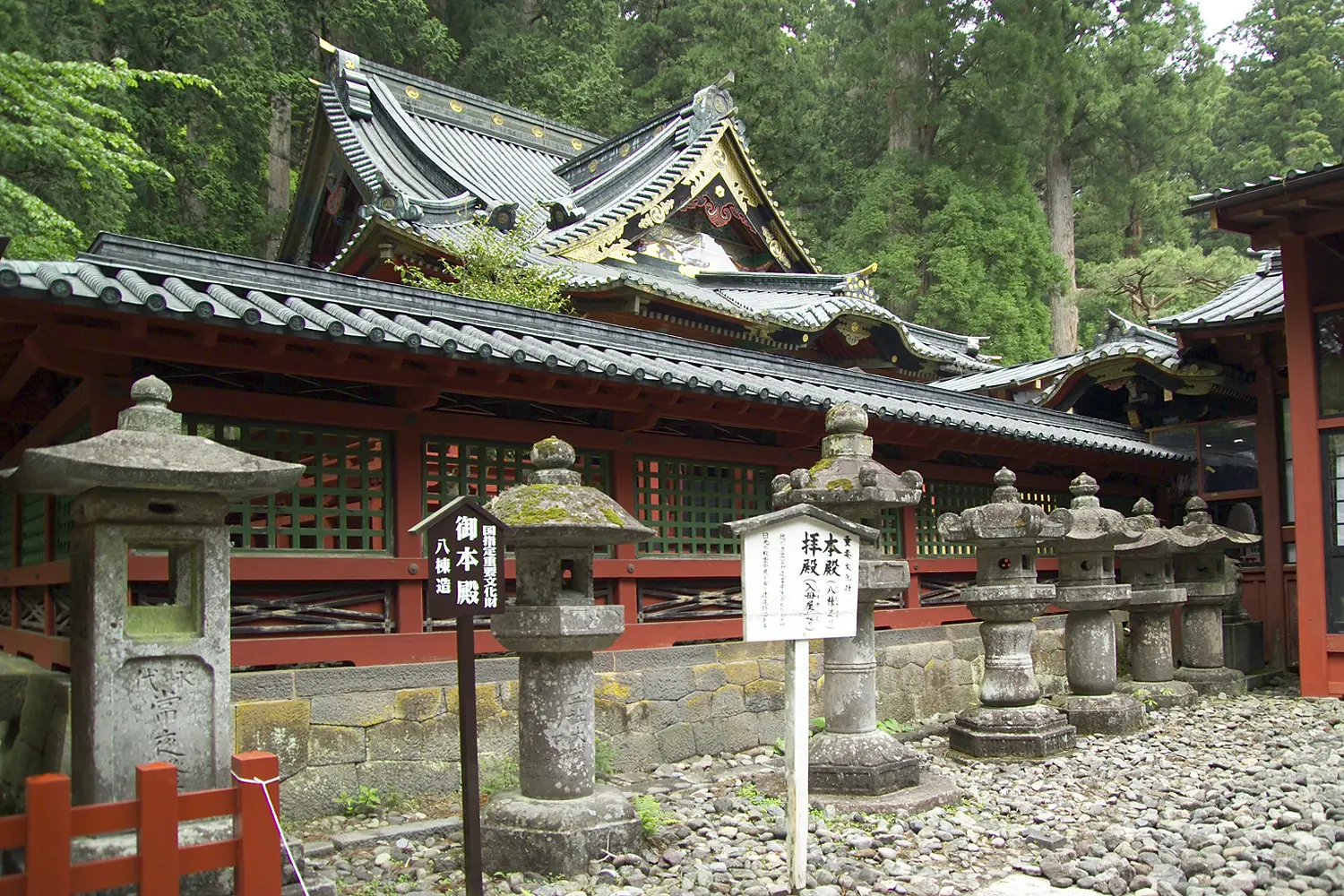
Futarasan Shrine (Nikkō Futarasan Jinja)
Nikko, Tochigi Prefecture, Japan
Futarasan Shrine connects three sacred spaces in a vertical axis of worship: the main shrine at the base of Mount Nantai, the Chuguji by Lake Chuzenji, and the summit...

Gakuen-ji (Ichijō-in)
Izumo, Shimane Prefecture, Japan
Gakuen-ji (Ichijō-in), the 25th station of the Chūgoku 33 Kannon Pilgrimage, occupies a steep forested ridge north of Izumo Taisha....
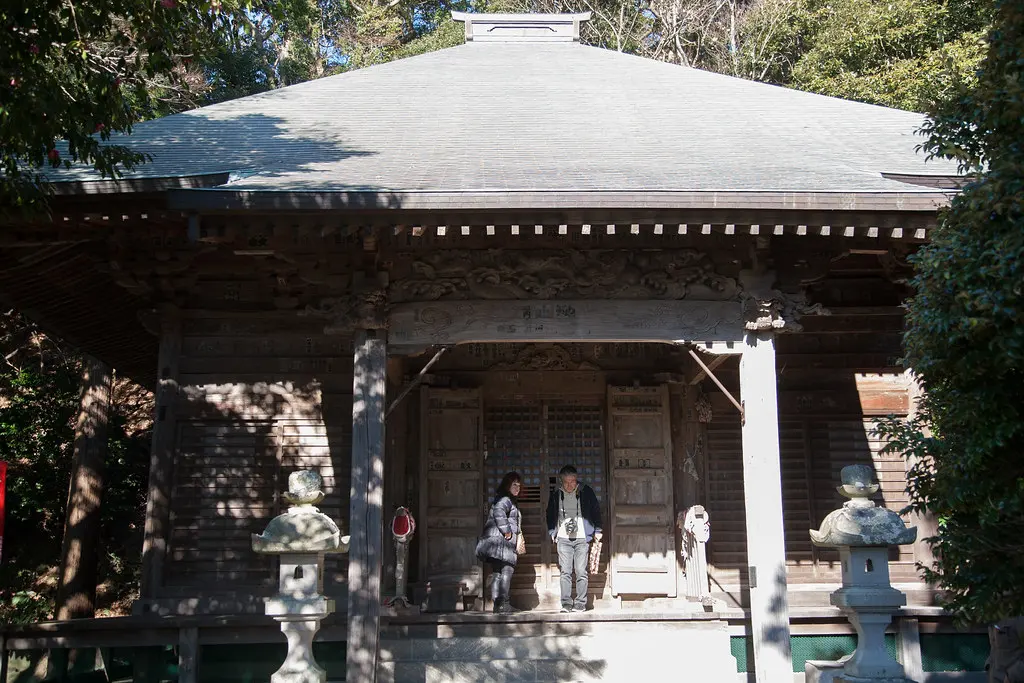
Ganden-ji
Zushi, Kanagawa Prefecture, Japan
Ganden-ji — locally known as Iwadono Kannon — is the second station of the Bandō Sanjūsankasho, set on a hilltop above Zushi....
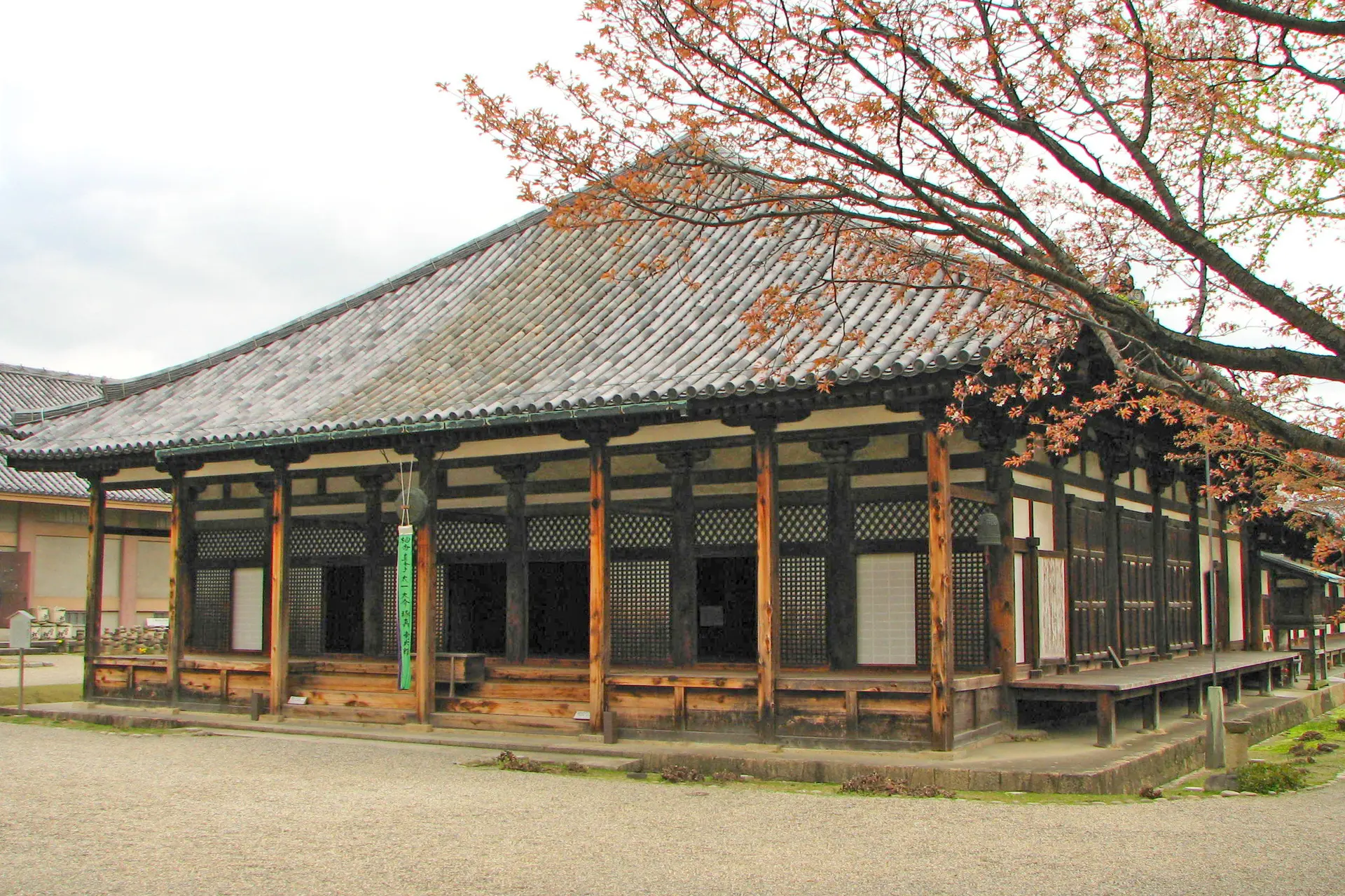
Gango-ji
Nara, Nara Prefecture, Japan
Gango-ji, stands in Nara. At Gango-ji, Shingon Ritsu Buddhism guides custody. Prayer at Gango-ji addresses Chikō Mandala Amida imagery, Kannon, and Jizō....
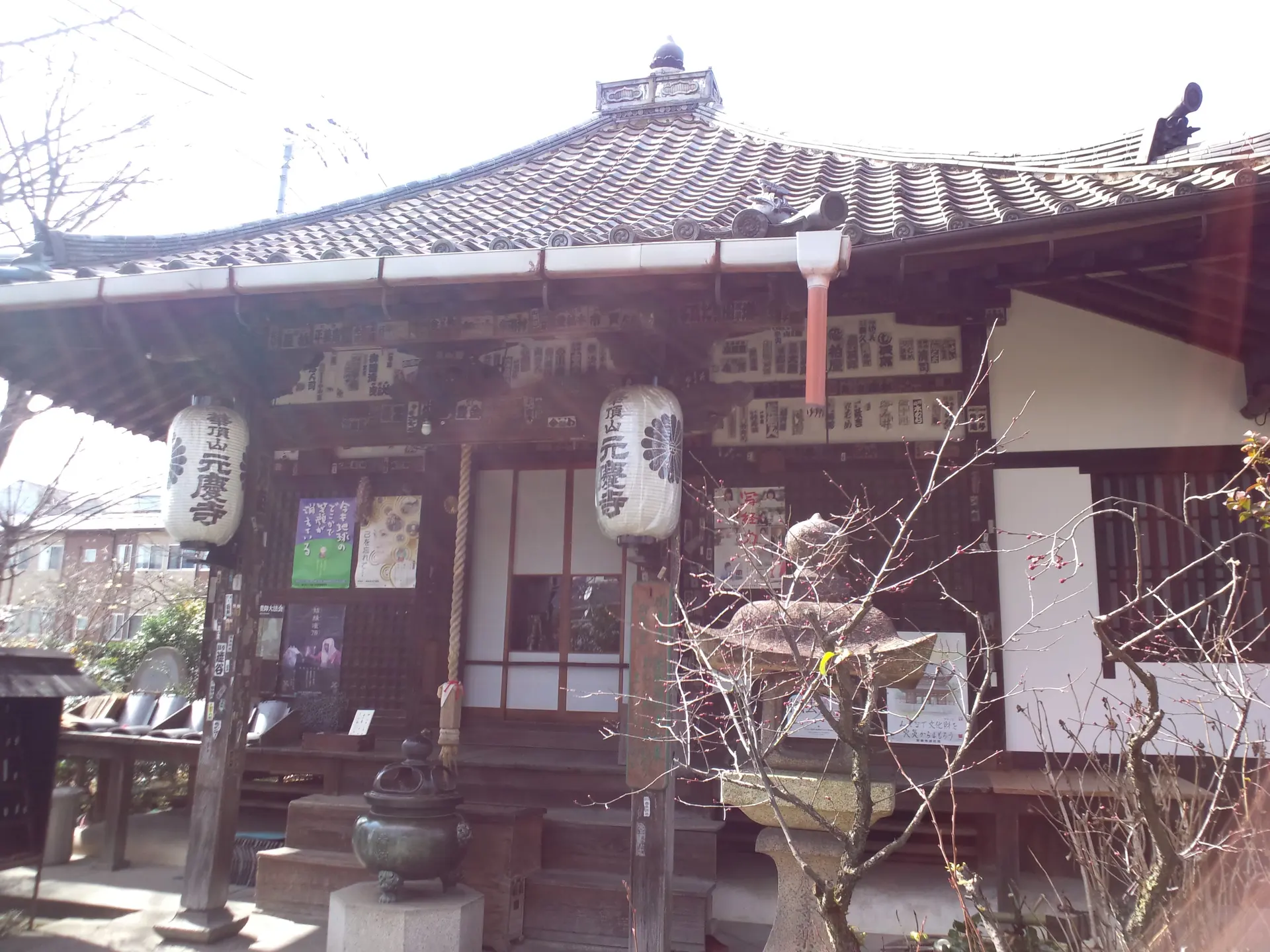
Gankei-ji
Kyoto City, Kyoto Prefecture, Japan
Gankei-ji is station bangai-gankei-ji on the Saigoku Kannon Pilgrimage, a Tendai Buddhism temple in Kyoto dedicated to Kannon....
Showing 49-96 of 545 sites
Key questions
Japan sacred-site questions
What sacred sites can I explore in Japan?
Pilgrim Map lists sacred places in Japan across living worship sites, heritage landmarks, pilgrimage destinations, and culturally significant landscapes. The current guide lists 545 sites organized by region and tradition.
Which traditions are represented in Japan?
The most represented traditions include Buddhism, Shinto, Shingon Buddhism, Christianity, Shinto / Buddhism, Tendai Buddhism.
How should I plan a sacred-site visit in Japan?
Start with regional clusters, compare nearby places on the map, then open individual site pages for coordinates, etiquette, and sacred context where available.
Can I view Japan sacred sites on a map?
Yes. Switch to map view to compare geographic clusters, then open individual site pages for coordinates, visiting context, and related places.