Fujii-dera
Saigoku temple 5: a working Senju Kannon hall in the Kansai pilgrimage round
Understand sacred places, explore living traditions, and learn how to engage respectfully with Pilgrim Map.
Access has not been verified. Check current local guidance before planning a visit.
Fujiidera, Osaka Prefecture, Japan
Read the sources
Visit essentials
A quick read before you go
- Duration
- 45–90 minutes typical; 1.5–2 hours on the 18th to absorb the market and image viewing.
- Access
- 5-minute walk from Fujiidera Station on the Kintetsu Minami-Osaka Line — about 15 minutes from…
Overview
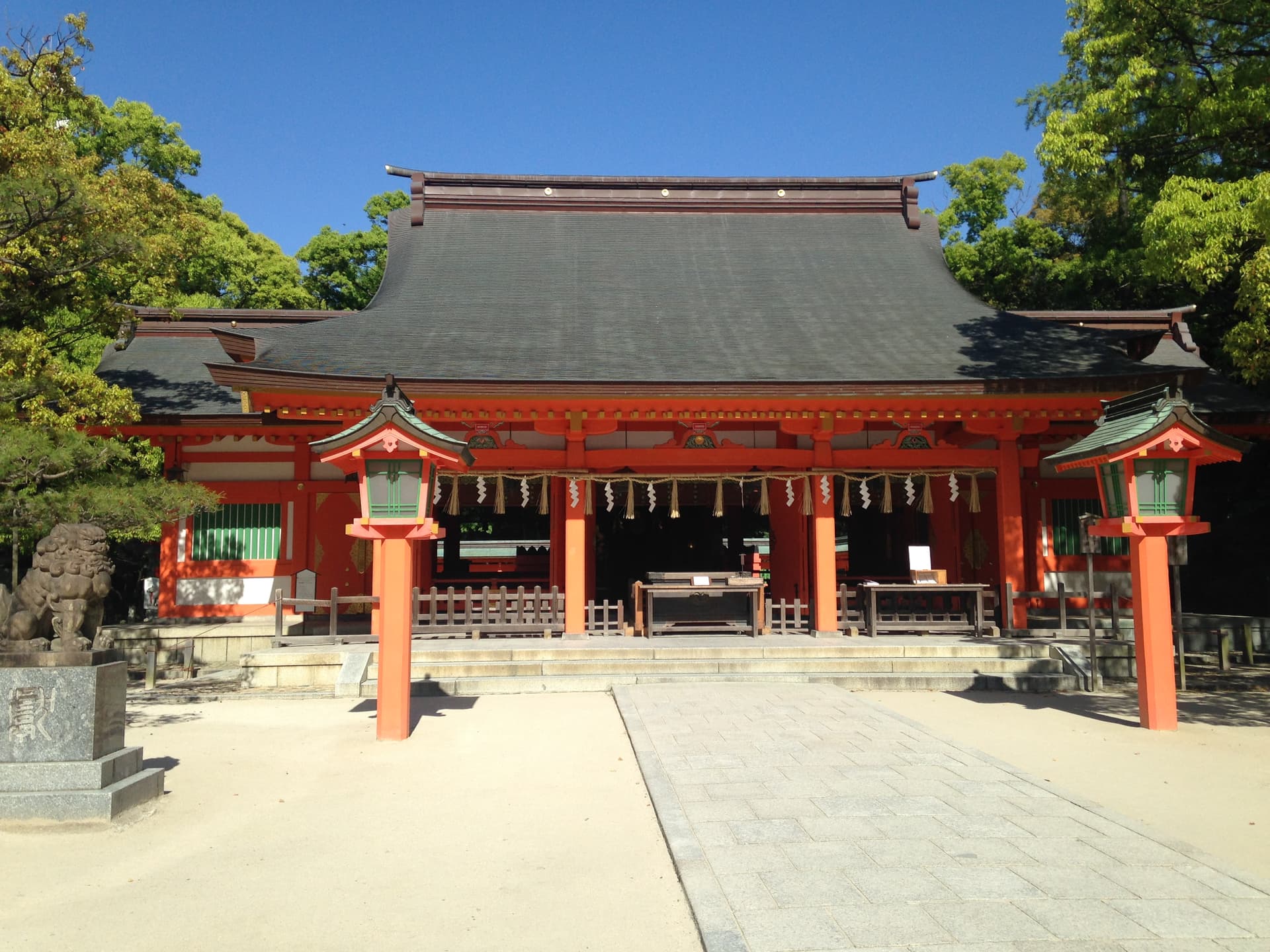
Fujii-dera is a working Shingon Senjū Kannon hall and temple 5 on the thirty-three-station Saigoku Kannon Pilgrimage, a route with more than a thousand years of devotion. Its National Treasure principal image is an 8th-century hollow dry-lacquer Kannon with 1,041 realized arms; most Japanese 'thousand-armed' images use 42 arms symbolically. Authoritative tradition says Emperor Shōmu commissioned it in 725, at age 42, to avert misfortune for himself and the realm, with Gyōki conducting the eye-opening.
An alternative account traces the temple to a 7th-century Kudara-no-Fujii clan chapel founded by descendants of immigrants from Baekje, Korea. Fujii-dera belongs to Shingon-shū Omuro-ha, headquartered at Ninna-ji, and sustains esoteric Kannon devotion in Kawachi.
Why this place is sacred
Fujii-dera sits in residential Fujiidera City near the UNESCO-listed Furuichi Kofun burial-mound group. On the 18th of each month, the principal image is revealed and a local-goods market fills the precinct, continuing medieval pilgrimage-market life. The 1,041-armed National Treasure makes Senjū Kannon's many forms of aid materially visible. Tradition links its commission to Emperor Shōmu's age-42 protection prayer and its eye-opening to Gyōki; the alternative Kudara-no-Fujii origin connects the site to early Korean Buddhist heritage.
These attributed histories should remain distinct from the image's documented material record.
Experience and orientation
Awe at the visible thousand-plus arms of the Senjū Kannon when the inner altar is opened on the 18th, surprise at the temple's accessible urban location, vibrant atmosphere on monthly market days, and the contrast between Tempyō-era artistry and modern Osakan suburbs.
Context and lineage
Founded in the early 8th century. Most authoritative tradition holds Emperor Shōmu commissioned the principal Senjū Kannon in 725, with the temple's eye-opening ceremony presided over by the priest Gyōki; an alternative account traces the temple to a 7th-century clan chapel of the Kudara-no-Fujii family (immigrant descendants from Baekje, Korea). Imperial founder: Emperor Shōmu.
Tradition holds that Emperor Shōmu, at age 42 (a yakudoshi 'unlucky' year in Japanese tradition), commissioned the Senjū Kannon to pray for protection against misfortune for himself and the realm.
Traditions and practice
Esoteric Shingon liturgy, Senjū Kannon dhāraṇī recitation, monthly opening of the principal image (the 18th), goma fire rituals, ancestral memorial services. The annual Wisteria Festival in late April–early May celebrates the temple's namesake fuji (wisteria) flowers.
Shingon-shū Omuro-ha
ActiveFujii-dera belongs to the Omuro-ha branch of Shingon Buddhism, headquartered at Ninna-ji in Kyoto. It preserves an unbroken tradition of esoteric Kannon worship and is central to the Senjū Kannon devotional cult in Kawachi (eastern Osaka).
Esoteric Shingon liturgy with Senjū Kannon mantra and dhāraṇī, monthly public opening of the principal image (every 18th), goma fire rituals, sutra copying, ancestral memorial services.
Perspectives and open questions
Read Fujii-dera through distinct art-historical, living Shingon, and local lenses. Its fully realized thousand-arm Kannon is a major 8th-century dry-lacquer work; city identity follows the temple's name, while wisteria imagery draws on 葛井, 'wisteria well.'
Scholarly perspective
The Fujii-dera Senjū Kannon is the foundational example of fully realized thousand-arm iconography in Japanese Buddhist sculpture, and one of the highest achievements of 8th-century kanshitsu (dry-lacquer hollow) technique — comparable in art-historical importance to the Tōdai-ji Birushana but at much smaller scale. Modern X-ray and photogrammetric studies of the image are ongoing.
Living and traditional perspectives
Local Fujiidera identity is closely tied to the temple — the city is named after the temple, not the other way around. Wisteria (fuji) imagery in civic life flows directly from the temple's name (葛井 — 'wisteria well').
Alternative interpretations
In Shingon esoteric reading, Senjū Kannon's thousand arms represent the bodhisattva's infinite skillful means (upāya) to save sentient beings; each hand bears a different tool, weapon, or symbolic gesture corresponding to a specific form of suffering. The Fujii Kannon's anatomically realized arms make this teaching uniquely visible.
Plan your visit
Access and arrival
5-minute walk from Fujiidera Station on the Kintetsu Minami-Osaka Line — about 15 minutes from Osaka Abenobashi Terminal. The temple is in central Fujiidera City, fully urban access. Free admission to grounds; small fee to enter the Hondō for image viewing.
Respectful visit
Permitted on the grounds; strictly forbidden inside the Hondō and of the principal image when revealed. The wisteria gardens and main hall exterior are the popular photographic subjects.
Saisen, incense, candles. Goshuin ¥300. On the 18th, simple food and craft purchases at the open-air market support the temple economy.
Photography of the Senjū Kannon is prohibited. Quiet voices in the Hondō. On the 18th and during the Wisteria Festival, expect crowds — patient queueing for darshan of the image is normal.
Current practical details
Address
1-chōme-16-21 Fujiidera, Osaka 583-0024, Japan
Phone
Hours
Hours, fees, and access can change — verify on the official source before you travel. Practical details last checked Jun 2026.
Location
Map loads as you approach this section.
Pilgrim reflections
A portrait of encounter, not a score
Pilgrims describe what they felt, how present they could become, and whether the place would shape a journey. There are no stars and no ranking of traditions.
No reviewed reflections yet
The first pilgrims can help describe the character of being here.
Share a reflection
Available after an account-backed “Been there.” Every reflection is reviewed before publication.
Nearby sacred places
Explore other sacred places in the region. Proximity does not establish access or travel time; check each place’s guidance.



References
Sources consulted for this page. Source categories describe the publication, not a guarantee that every claim is verified. Traditional accounts and outside interpretations may differ.
- 01Fujii-dera — Wikipedia contributorsencyclopediaSect (Shingon-shū Omuro-ha), founding, National Treasure principal image
- 02Fujidera Temple — Osaka Convention & Tourism Bureau (OSAKA-INFO)officialOfficial Osaka tourism site
- 03Fujii-dera – Fujiidera, Osaka Prefecture — Henro.orgguidePilgrim-specific guide
- 04Fujiidera Temple - Saigoku Kannon Pilgrimage — Tale of Genji projectblogDetail on the 1041-arm statue and Tempyō-era artistry
- 05Fujiidera Temple and the Goddess with 1,000 Arms — Kansai OdysseyguidePractical information and monthly opening of the principal image
Pilgrim glossary
- Kannon
- The bodhisattva of compassion, central to many East Asian pilgrimage routes.
- Bodhisattva
- An enlightened being who postpones full nirvana to help others toward awakening.
- Shingon
- An esoteric Japanese Buddhist school emphasizing ritual, mantra, and mandala practice.
Share a photo
Help visitors recognize Fujii-dera. Every submission is reviewed before publication.