Ichijō-ji
Saigoku temple 26: a working Shō Kannon hall in the Kansai pilgrimage round
Understand sacred places, explore living traditions, and learn how to engage respectfully with Pilgrim Map.
Access has not been verified. Check current local guidance before planning a visit.
Kasai, Hyogo Prefecture, Japan
Read the sources
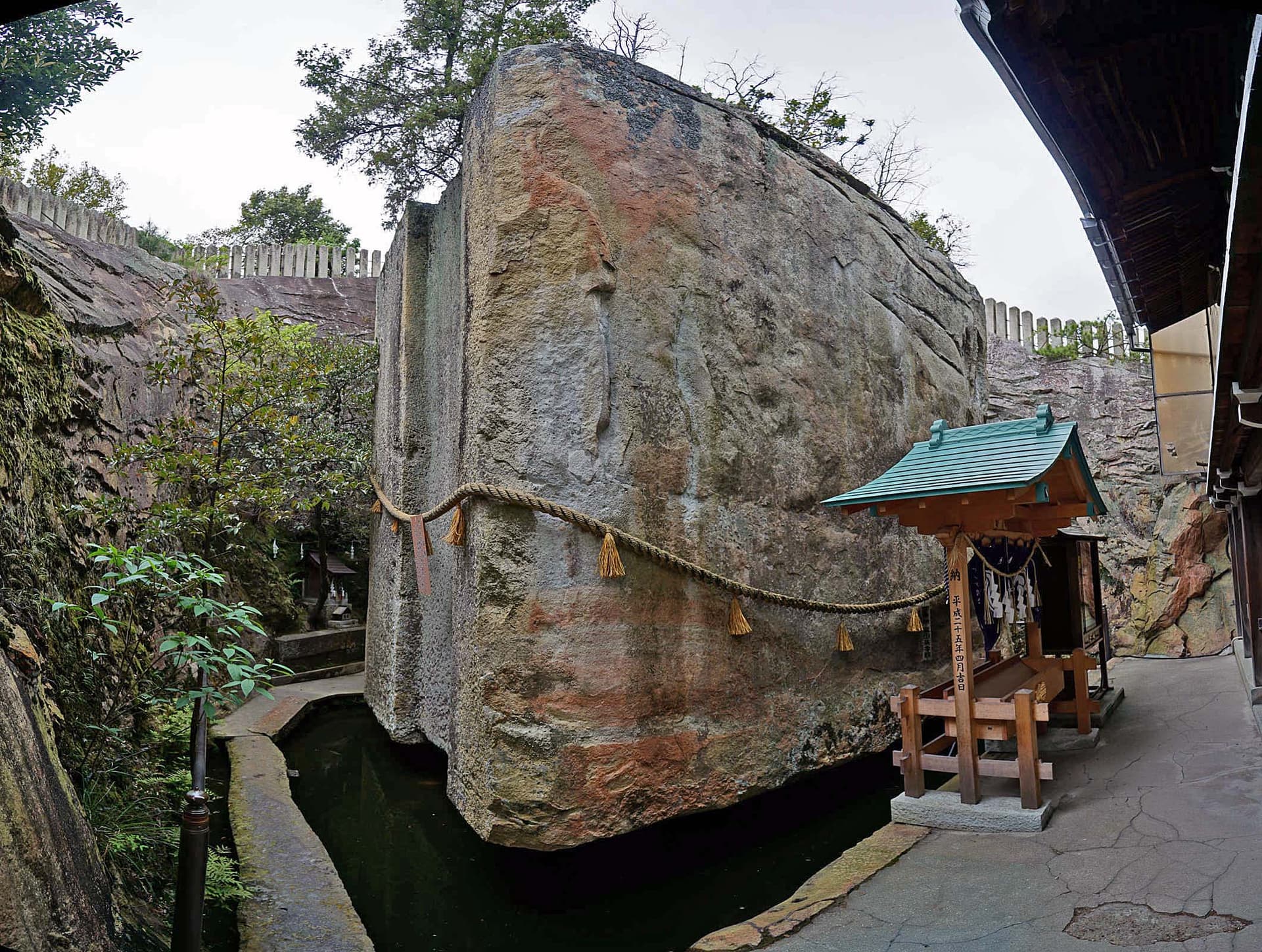
Image of Ichijō-ji (一乗寺). Image source · CC-BY-2.5
Station 26 of 33
Saigoku Kannon PilgrimageVisit essentials
A quick read before you go
- Duration
- 1.5–2 hours including stair climb and pagoda viewing
- Access
- From JR/Sanyo Himeji Station North Exit, Shinki Bus to 'Hokkezan Ichijoji' (~40 min), 10-minute…
Overview
Ichijō-ji is temple 26 of the thirty-three-station Saigoku Kannon Pilgrimage, a route that has organized Kansai Kannon devotion for more than a thousand years. This ancient mountain temple holds one of Japan's oldest Kannon images and a National Treasure pagoda dated 1171, a rare late-Heian survivor within more than 1,300 years of continuous devotion.
Tradition says the Indian monk Hōdō Sennin arrived on a purple cloud during Empress Suiko's reign and founded Ichijō-ji on Mt. Hokke at Emperor Kōtoku's command in 650 CE, the 1st year of Hakuchi, enshrining Shō Kannon. The Tendai-affiliated complex is among western Japan's oldest.
A forested mountainside stairway climbs past the pagoda to the Konjikidō. Centuries-old wooden architecture remains in ritual use, and the National Treasure pagoda frames the ascent toward the hidden Kannon.
Why this place is sacred
A forested stone stairway climbs past the 1171 National Treasure pagoda to the Konjikidō and hidden Kannon. Centuries-old wooden architecture remains in ritual use, joining rare late-Heian fabric to more than 1,300 years of Kannon devotion and one of Japan's oldest Kannon images.
Tradition says Hōdō Sennin came from India on a purple cloud during Empress Suiko's reign, then founded Ichijō-ji on Mt. Hokke at Emperor Kōtoku's command in 650 and enshrined Shō Kannon. The mountain name Hokke-zan, 'Lotus Mountain,' identifies the setting with Lotus Sutra-centered Tendai practice.
Experience and orientation
Pilgrims describe the moment of cresting the stairs and seeing the 1171 pagoda framed against forest as one of the most photographed and spiritually striking arrivals on the Saigoku route. The Konjikidō main hall feels intimate and lived-in.
Context and lineage
650 CE (1st year of Hakuchi era), founded by Hōdō Sennin at the request of Emperor Kōtoku Hōdō Sennin (founder); reconstruction in late Heian period using donations gathered by kanjin priests; pagoda completed 1171 Hōdō Sennin, said to have arrived in Japan from India on a purple cloud during the reign of Empress Suiko, eventually founded Ichijō-ji on Mt.
Traditions and practice
Hannya Shingyō and Kannon-kyō recitation, sange (flower scattering) inside the Hondō, nōkyō stamping
Tendai Buddhism (天台宗)
ActiveFounded by the Indian ascetic Hōdō Sennin in 650 CE under Emperor Kōtoku; one of the oldest Tendai-affiliated temples in western Japan.
Sutra chanting; Hannya Shingyō recitation; Saigoku nōkyō stamping; Scattering of flowers (sange) inside main hall
Perspectives and open questions
The Hōdō Sennin foundation is legendary, while the late-7th- to early-8th-century Shō Kannon and 1171 pagoda support the temple's antiquity. Local devotion understands the Indian monk's arrival as a direct transmission of Buddhism to western Japan and Mt. Hokke as Lotus Sutra terrain.
Scholarly perspective
The Hōdō Sennin founding tradition is legendary, but the temple's antiquity is supported by the late-7th to early-8th c. Shō Kannon honzon and the 1171 pagoda. The pagoda is a definitive example of late Heian wayō architecture.
Living and traditional perspectives
Local devotion frames Hōdō Sennin's arrival as a transmission of Indian Buddhism directly to western Japan and the Mt. Hokke landscape as Lotus Sutra terrain.
Alternative interpretations
Tendai esoteric (taimitsu) reading: the pagoda's central pole as Mt. Sumeru axis and the Shō Kannon as the simple, foundational form from which the other Kannon manifestations radiate.
Plan your visit
Access and arrival
From JR/Sanyo Himeji Station North Exit, Shinki Bus to 'Hokkezan Ichijoji' (~40 min), 10-minute walk; by car ~10 min from Kakogawa-Kita IC on Sanyo Expressway with paid parking
Respectful visit
Permitted on grounds and of pagoda exterior; avoid photographing altar interior; no flash near cultural properties
Coin offerings, incense, candles; nōkyō fee at pilgrim office
Honzon is hibutsu — special viewings only; pagoda interior generally closed; remove shoes before entering main hall
Current practical details
Address
821-17 Sakamotochō, Kasai, Hyogo 675-2222, Japan
Phone
Hours
Hours, fees, and access can change — verify on the official source before you travel. Practical details last checked Jun 2026.
Location
Map loads as you approach this section.
Pilgrim reflections
A portrait of encounter, not a score
Pilgrims describe what they felt, how present they could become, and whether the place would shape a journey. There are no stars and no ranking of traditions.
No reviewed reflections yet
The first pilgrims can help describe the character of being here.
Share a reflection
Available after an account-backed “Been there.” Every reflection is reviewed before publication.
Nearby sacred places
Explore other sacred places in the region. Proximity does not establish access or travel time; check each place’s guidance.



References
Sources consulted for this page. Source categories describe the publication, not a guarantee that every claim is verified. Traditional accounts and outside interpretations may differ.
- 01Ichijō-ji — Wikipedia contributorsencyclopediaPagoda built 1171, National Treasure; honzon late 7th–early 8th c. Important Cultural Property
- 02[Kasai City] Hokkezan Ichijoji, the 26th temple of the 33 Saigoku Pilgrimage — MATCHAguideVisitor and access info
- 03Ichijoji Temple — taleofgenji.orgguideSaigoku 26 overview
- 04Ichijo-ji Temple, Home to Hyogo's Oldest Pagoda — Kansai OdysseyguidePagoda architecture detail
- 05Hokkesan Ichijyoji Temple — GuidoorguideFounding date 650 CE under Emperor Kotoku
Pilgrim glossary
- Honzon
- The principal Buddhist deity enshrined as a temple's central object of worship.
- Kannon
- The bodhisattva of compassion, central to many East Asian pilgrimage routes.
- Sutra
- A canonical Buddhist scripture, often chanted as part of practice.
- Tendai
- A Japanese Buddhist school based on the Lotus Sutra, foundational to many later traditions.
Share a photo
Help visitors recognize Ichijō-ji. Every submission is reviewed before publication.