Atago Shrine (Atago Jinja)
Part ofMt. Atago
Japan's supreme sanctuary of fire prevention atop sacred Mount Atago
Understand sacred places, explore living traditions, and learn how to engage respectfully with Pilgrim Map.
Access has not been verified. Check current local guidance before planning a visit.
Kyoto, Kyoto Prefecture, Japan
Read the sources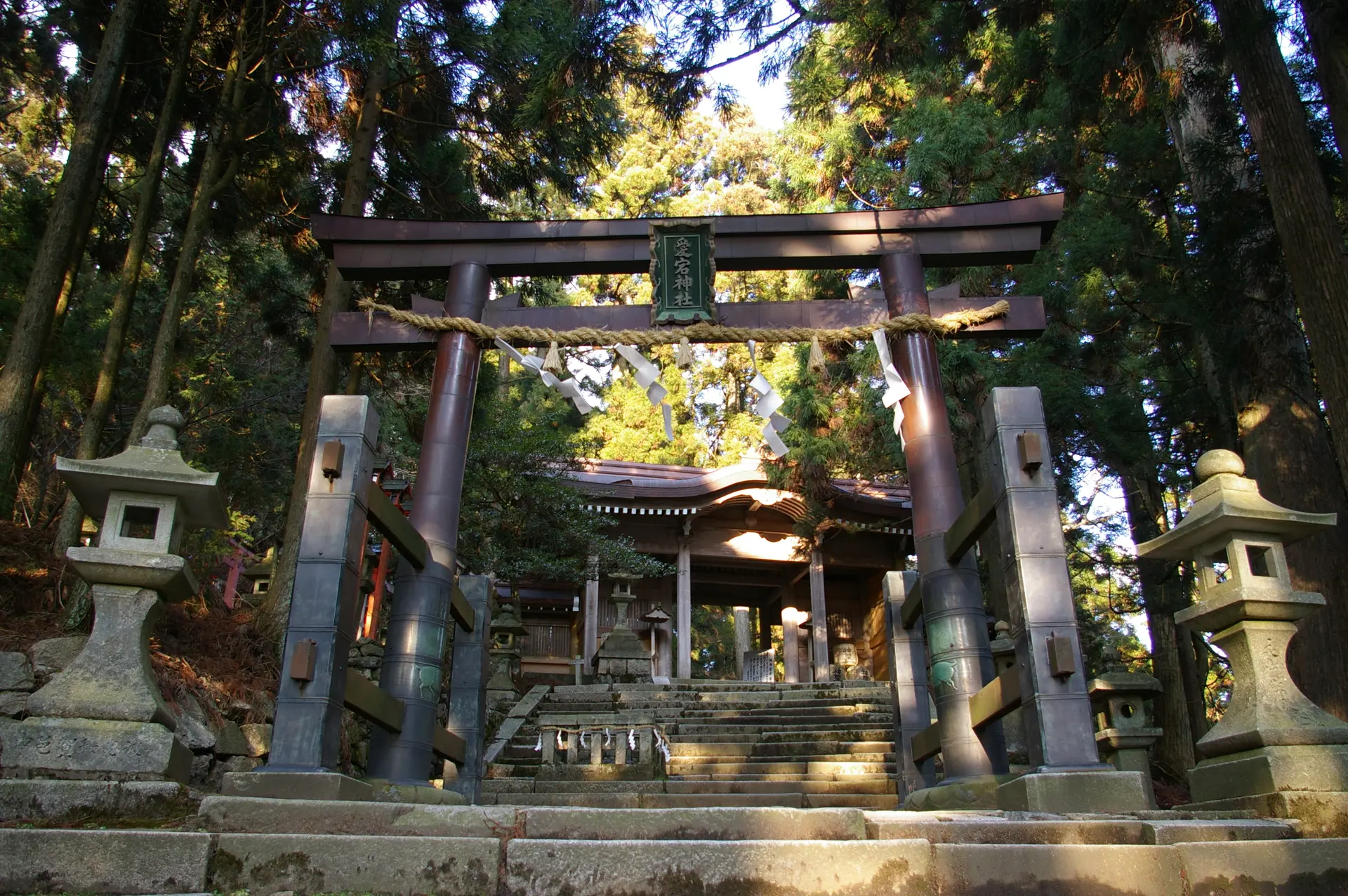
Visit essentials
A quick read before you go
- Duration
- 4-5 hours round trip including worship time at summit.
- Access
- Accessible year-round; shrine may have specific operating hours.
Overview
After a 4-5-hour climb through Mount Atago's forested slopes, Atago Shrine forms Japan's spiritual apex of fire worship. It is the sohonsha, the head shrine from which approximately 900 Atago shrines nationwide derive power. The network, extending from Hokkaido to Kyushu, began with priest Taicho's 8th-century White Cloud Temple. Atago enshrines Kagutsuchi, the fire god whose birth killed his mother Izanami in Japanese mythology: fire sustains life yet can annihilate it, and the destroyer, properly honoured, prevents destruction.
Tradition also names the mountain's great tengu Tarobo as leader of all Japanese tengu. Charged under Emperor Monmu with clearing the mountain of demons, sages En-no-gyoja and Taicho saw Tarobo surrender and become its guardian, joining fierce protection to fire worship. During Sennichi Mairi, the Thousand Day Pilgrimage, pilgrims climb through the night of July 31 and arrive at sunrise, receiving what one thousand ordinary visits provide.
Their hi-no-yojin amulets carry genuine protective power from the source to homes that, through this blessing, may never have known fire.
Why this place is sacred
The thinness at Atago Shrine represents concentrated potency rather than subtle atmosphere. Multiple sources of spiritual power converge at this summit. Kagutsuchi, the fire god, establishes the shrine's fundamental character as seat of fire's transformative and protective power. Tarobo, the tengu who became guardian rather than adversary, adds fierce protective presence. The accumulated devotion of pilgrims across 1,300 years has saturated the ground with human intention focused on protection.
This concentration makes the shrine particularly effective for its purpose. Those seeking fire prevention blessing come to the source, the head shrine from which all other Atago shrines draw power. The hi-no-yojin amulets distributed here carry the original charge, undiluted by distance from the mountain.
The demanding climb contributes to the shrine's thinness. By the time pilgrims reach the summit, they have been transformed by physical effort according to Shugendo principle. The ordinary self that began at Kiyotaki has been refined by exertion, made more receptive to spiritual transmission. The blessing received at this summit enters a different person than the one who started climbing.
During Sennichi Mairi, the accumulated energy of thousands climbing together amplifies individual experience. The tradition teaches that this single night visit equals one thousand ordinary visits, a teaching that reflects both the concentrated power of the festival and the transformed state of those who complete the night climb.
Taicho founded White Cloud Temple at the summit in the 8th century to honor the mountain's spiritual power. The subsequent development of fire deity worship created the shrine's primary function: protection against the fires that constantly threatened wooden Japanese cities.
During the medieval period, syncretic Atago Gongen worship developed, combining the Shinto fire god with Buddhist Jizo and Shugendo mountain practices. The Meiji government's 1868 separation of Shinto and Buddhism 'purified' the shrine, removing Buddhist elements while maintaining its essential character. The network of approximately 900 branch shrines developed over centuries as the Atago faith spread throughout Japan.
Experience and orientation
The experience of Atago Shrine cannot be separated from the climb that precedes it. Beginning at Kiyotaki, the trail ascends steadily through forest, passing stone markers and smaller shrines that punctuate the route. The physical demands of the climb, the rhythmic breathing, the accumulating fatigue, the gradual removal from ordinary life, these transform the pilgrim before arrival.
Emerging at the summit after 2-2.5 hours of climbing, the shrine buildings resolve from the mountain landscape as destination finally reached. The sense of accomplishment mingles with the awareness of entering sacred space. Traditional shrine architecture houses the fire god and his attendants, the physical forms through which divine presence can be approached.
Worship follows standard Shinto forms. Purification at the temizu, approach through the torii, prayers and offerings at the main hall. Yet here these universal forms carry particular weight because this is not any shrine but the head shrine of fire protection worship in Japan. The blessing received, the amulet acquired, carry the full power of the source.
During Sennichi Mairi, the experience transforms utterly. Climbing through darkness with thousands of others, arriving at sunrise, receiving blessing in the liminal state between exhaustion and exhilaration, this becomes peak experience. The tradition teaching that one visit on this night equals 1,000 visits reflects the intensified state of those who complete it.
Prepare adequately for the demanding climb: proper footwear, water, snacks, layers for changing temperatures. Begin at Kiyotaki, accessible by bus from Kyoto. Allow 2-2.5 hours for ascent. At the summit, follow standard shrine protocol. Acquire the hi-no-yojin amulet to carry protective power home.
Context and lineage
At the beginning of the 8th century, a priest called Taicho climbed Mount Atago, cleared an area, and founded Hakuunji (White Cloud Temple). During Emperor Monmu's reign, the mountain was infested with tengu, including the particularly powerful Tarobo. The sages En-no-gyoja and Taicho were charged with clearing the mountain. When Tarobo surrendered, he became the mountain's protector and eventually was regarded as leader of all tengu in Japan.
Atago Shrine is the head shrine (sohonsha) of approximately 900 Atago shrines throughout Japan. This network developed over centuries as the Atago faith spread from the mountain to protect communities across the nation. Each branch shrine draws power from the source.
Taicho
Temple founder
En-no-gyoja
Shugendo founder
Tarobo
Tengu guardian
Kagutsuchi
Fire deity
Traditions and practice
Shugendo mountain asceticism has been practiced here since the 8th century. Fire prevention prayers and blessings have protected Japanese communities for over 1,300 years. Tengu veneration honored the guardian spirit. The Sennichi Mairi night pilgrimage has been observed for centuries.
Year-round pilgrimage and worship continue. Fire prevention prayers are offered at the main hall. Hi-no-yojin protective amulets are distributed to worshipers. Regular shrine festivals punctuate the calendar. The Sennichi Mairi on July 31 - August 1 attracts thousands for the night climb credited with 1,000 days of blessing.
Treat the climb as spiritual practice, not merely physical exercise. Set intention before beginning. At the summit, offer prayers and receive blessing with full attention. Acquire the hi-no-yojin amulet to carry the mountain's protective power into daily life. Place it in your home according to shrine instructions. If possible, participate in Sennichi Mairi to experience the full power of communal night pilgrimage.
Shinto / Atago-shinko
ActiveAtago Shrine is the head shrine of approximately 900 Atago shrines across Japan dedicated to fire prevention. The shrine enshrines Kagutsuchi, the fire god, as hi-fuse no kami (fire-preventing deity). This faith was especially important in cities where wooden buildings made fires devastating.
Pilgrimage to mountain shrine, Sennichi Mairi festival, fire prevention prayers, acquisition of hi-no-yojin amulets
Shugendo
ActiveMount Atago has been a Shugendo training ground since the 8th century. Mountain ascetics spread Kagutsuchi worship as fire prevention practice. The legendary En-no-gyoja and Taicho subdued the tengu Tarobo who became the mountain's guardian.
Mountain asceticism, pilgrimage as spiritual discipline, tengu veneration, integration of physical effort and spiritual development
Perspectives and open questions
Atago Shrine can be understood through Shinto theology, historical analysis, and esoteric interpretation.
Scholarly perspective
Atago Shrine represents the apex of Japan's fire prevention faith, a religious tradition developed in response to the real threat of devastating fires in wooden cities. The syncretic combination of Shinto fire deity worship with Buddhist Jizo and Shugendo mountain asceticism created a unique religious complex. The shrine's network of 900 branches demonstrates how successful religious innovations spread through Japanese society.
Living and traditional perspectives
In Shinto belief, Kagutsuchi genuinely dwells at Atago Shrine and provides protection when properly honored. The tengu Tarobo guards the mountain as supernatural presence. Pilgrimage here creates real relationship with these powers, and the hi-no-yojin amulets carry actual protective efficacy.
Alternative interpretations
Some view Atago as a powerful energy center where tengu energy can be accessed for protection and spiritual power. The mountain's geomantic position relative to Kyoto suggests it may serve as guardian of the ancient capital's spiritual boundaries. Boar imagery around the shrine connects to pre-Buddhist mountain worship.
Open questions
The full nature of tengu Tarobo and his role as tengu leader remains partially obscured. The pre-Buddhist history of the mountain awaits fuller investigation. The origin of the Sennichi Mairi tradition and its specific calendrical timing require further research.
Plan your visit
Access and arrival
Accessible year-round; shrine may have specific operating hours. Free admission. Bus from Kyoto to Kiyotaki, then mountain trail. Taxi to trailhead also possible.
Return to Kyoto for accommodations. No lodging at the shrine. For Sennichi Mairi, plan to climb through the night with return by morning.
Respectful visit
Hiking attire with proper footwear for the mountain climb. Respectful attire at the shrine; avoid shorts and sleeveless tops if possible.
Permitted in most areas including along the trail. Some restrictions may apply at the main hall interior.
Coins for offering boxes. Prayers for fire protection are the primary devotional act. Acquire hi-no-yojin amulet to carry blessing home.
{"Prepare adequately for demanding mountain hike","Follow standard Shinto shrine etiquette","Purify at temizu before worship","Bow before entering through torii","Maintain appropriate reverence in shrine precincts"}
The climb is demanding and requires adequate preparation. Bring water, snacks, appropriate footwear, and layers. Check weather conditions. Maintain reverence throughout; this is pilgrimage, not hiking.
Current practical details
Address
Japan, 〒616-8458 Kyoto, Ukyo Ward, Sagaatagochō, 1−1
Phone
Hours
Hours, fees, and access can change — verify on the official source before you travel. Practical details last checked Jun 2026.
Location
Map loads as you approach this section.
Pilgrim reflections
A portrait of encounter, not a score
Pilgrims describe what they felt, how present they could become, and whether the place would shape a journey. There are no stars and no ranking of traditions.
No reviewed reflections yet
The first pilgrims can help describe the character of being here.
Share a reflection
Available after an account-backed “Been there.” Every reflection is reviewed before publication.
Nearby sacred places
Explore other sacred places in the region. Proximity does not establish access or travel time; check each place’s guidance.

References
Sources consulted for this page. Source categories describe the publication, not a guarantee that every claim is verified. Traditional accounts and outside interpretations may differ.
- 01Atago Shrine (Kyoto) - Wikipedia — Wikipedia contributorsencyclopediaComprehensive overview
- 02Atago Gongen - Wikipedia — Wikipedia contributorsencyclopediaDeity information
- 03Atago ascent - Green Shinto — Green ShintospiritualShinto religious context
- 04Kagutsuchi-no-Mikoto: The Japanese Fire God — Your Secret JapanspiritualDeity and cultural context
- 05Atago Sennichi Mairi - Traditional Kyoto — Traditional KyotospiritualFestival information
Pilgrim glossary
- Jizo
- A bodhisattva who protects travelers, children, and the deceased; common in Japanese roadside shrines.
- Torii
- The traditional Japanese gate marking the entrance to a Shinto sacred area.
Share a photo
Help visitors recognize Atago Shrine (Atago Jinja). Every submission is reviewed before publication.