Tradition guide
Jomon
Jomon sites connect places through shared lineage, practice, story, and pilgrimage across the global atlas.
10 sacred places share this lineage. Use the country and site-type filters to narrow in.
Atlas summary
Jomon sacred sites overview
Jomon sacred sites connect places through shared lineage, ritual use, memory, and pilgrimage practice across the Pilgrim Map atlas.
Use this page to compare country clusters, common place types, UNESCO-tagged landmarks, and the map distribution before exploring individual site pages.
| Coverage | 10 Jomon sacred places in the current atlas. |
|---|---|
| Country clusters | |
| Common place types |
By country
By site type
Refine the atlas
Search within Jomon sites
Showing 1-10 of 10 sites in this tradition guide
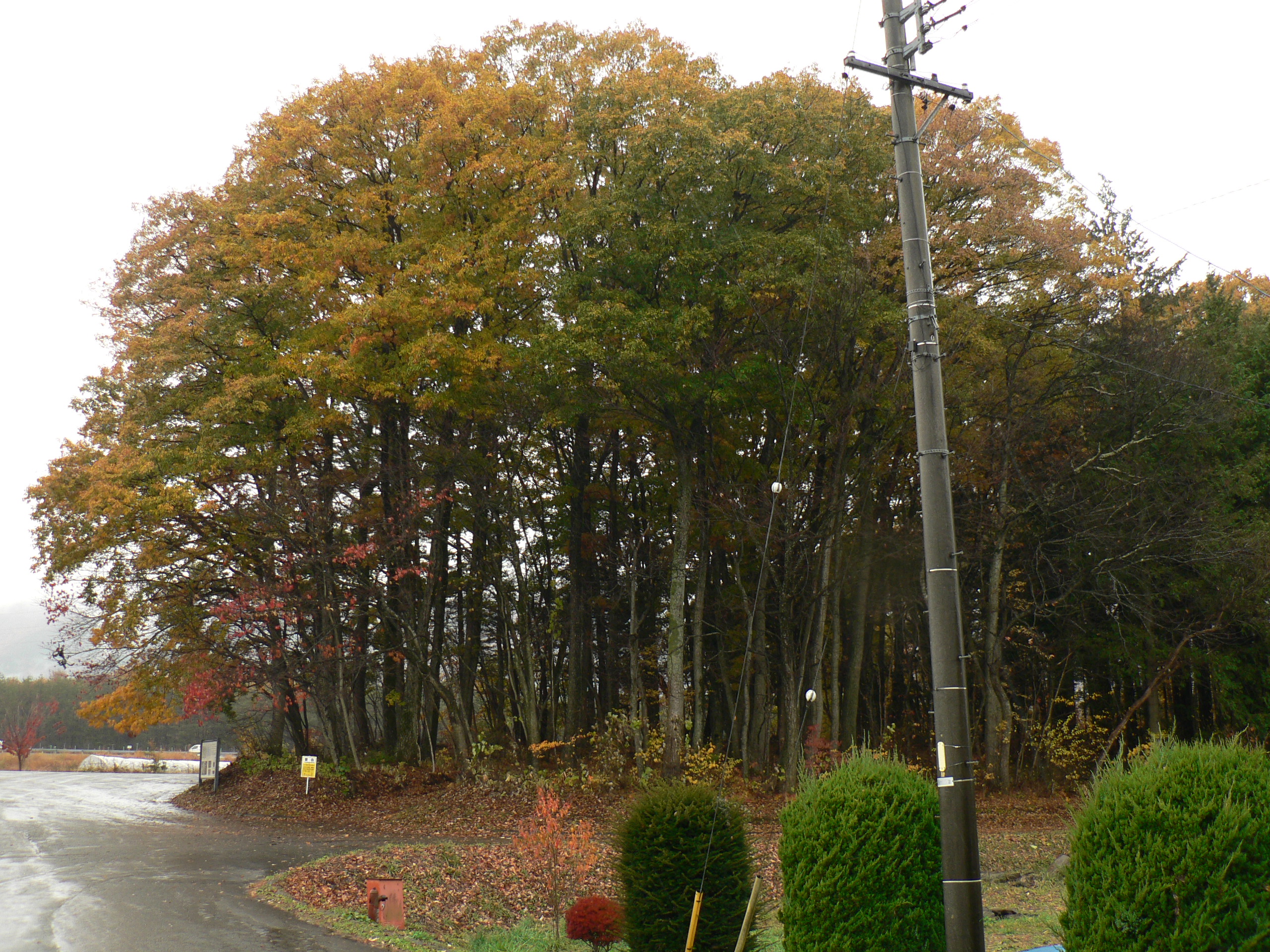
Akyū Ruins
Hara, Nagano Prefecture, Japan
Six thousand years ago, the Jomon people gathered here to tend sacred fires beneath the gaze of Mount Tateshina....

Fugoppe Cave
Yoichi, Hokkaidō, Japan
Carved into the walls of a small sea-facing cave near Yoichi, approximately 800 petroglyphs have puzzled scholars since their discovery in 1950....

Goshono Site
Ichinohe, Iwate Prefecture, Japan
For forty generations, Jomon communities gathered at this river terrace to tend their dead and feed their fires....
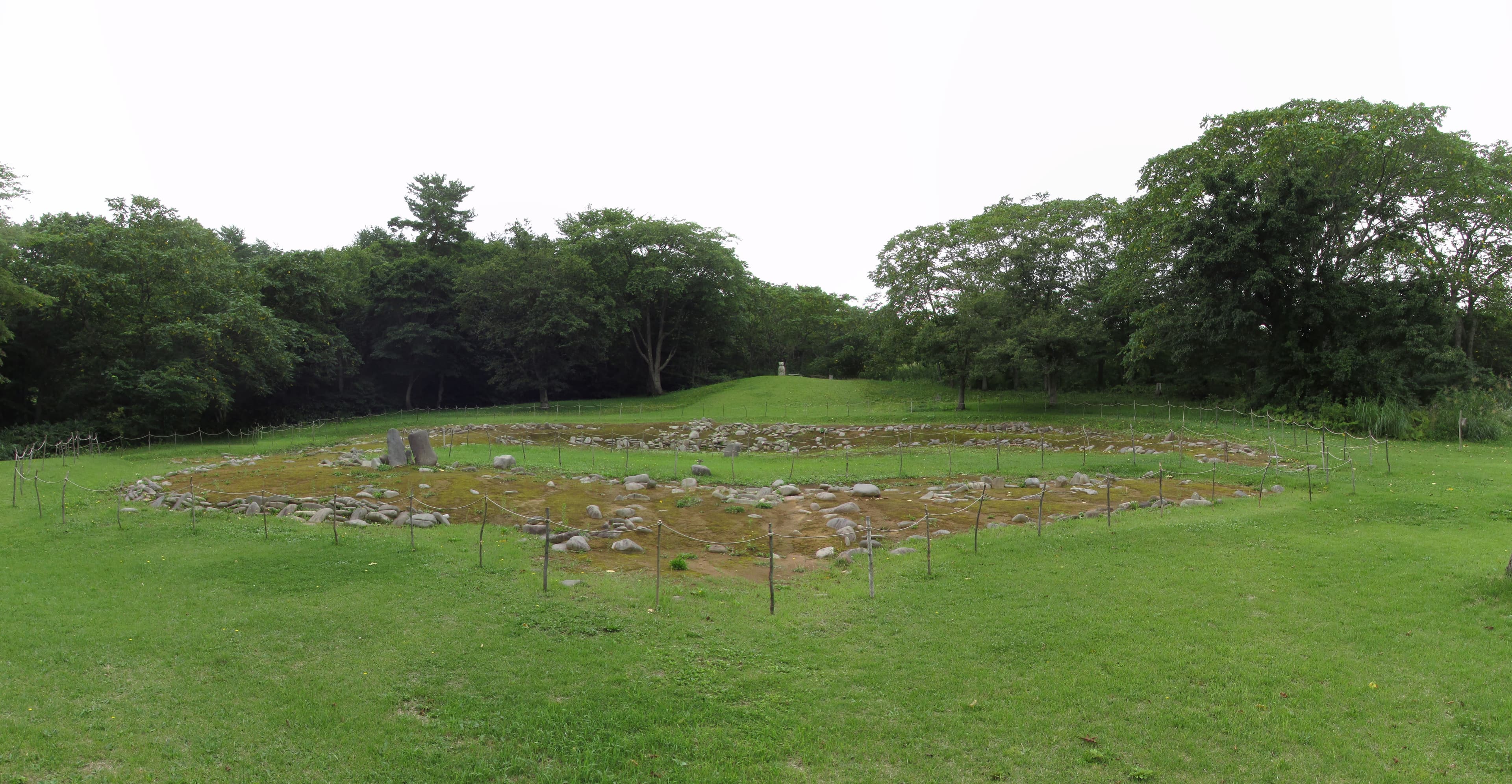
Komakino Stone Circle
Aomori, Aomori Prefecture, Japan
Four thousand years ago, Jomon communities leveled a hilltop and arranged nearly three thousand stones in a configuration so distinctive that archaeologists named it the...

Ōmori Katsuyama Stone Circle
Hirosaki, Aomori Prefecture, Japan
Three thousand years ago, the Jomon people positioned this stone circle with extraordinary precision: on the shortest day of the year, the setting sun descends directly...

Ōyu Stone Circles
Kazuno, Akita Prefecture, Japan
On a plateau above the Oyu River in northern Japan, two stone circles have watched the summer solstice sun set along the same axis for 4,000 years....

Sannai-Maruyama Site
Aomori, Aomori Prefecture, Japan
For seventeen centuries, the Jomon people lived at Sannai-Maruyama, cultivating chestnuts, trading jade across hundreds of kilometers, and building structures that still...

Tabata Stone Circle
Machida, Tokyo, Japan
Five minutes from a Tokyo train station, a ring of stones marks where Jomon peoples gathered three thousand years ago....

Washinoki Stone Circle
Mori, Hokkaidō, Japan
Beneath a highway tunnel in southwestern Hokkaido lies Japan's largest stone circle, a 4,000-year-old Jomon burial site that was nearly destroyed by modern construction....

Yubunezawa Stone Circle
Takizawa, Iwate Prefecture, Japan
Four thousand years ago, Jomon peoples of northern Japan established this ground exclusively for the dead and for ceremony....
Key questions
Jomon sacred-site questions
- What are Jomon sacred sites?
- Jomon sacred sites are places connected by shared lineage, practice, memory, ritual use, or pilgrimage tradition.
- Where can I find Jomon sacred sites?
- The strongest country clusters in this guide include Japan.
- What kinds of places are included?
- Common place types include stone circle, archaeological site, cave.
- Can I map Jomon sacred sites?
- Yes. Compare country clusters and site types first, then open individual pages for coordinates, historical context, and visitor guidance.