Akyū Ruins
Japan's oldest stone circle, where Jomon fire ceremonies honored the sacred mountain
Understand sacred places, explore living traditions, and learn how to engage respectfully with Pilgrim Map.
Access has not been verified. Check current local guidance before planning a visit.
Hara, Nagano Prefecture, Japan
Read the sources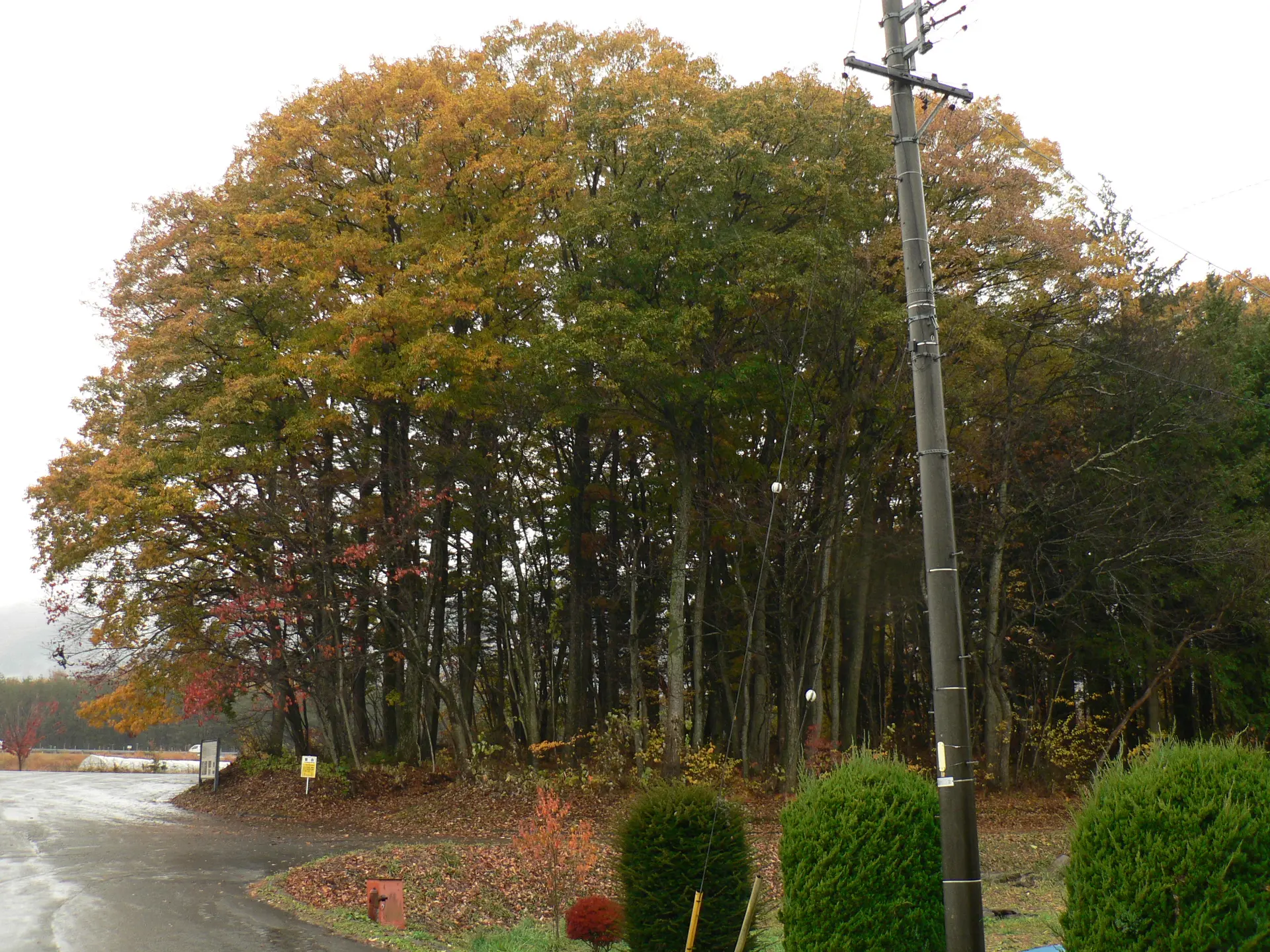
Image of Akyū Ruins. Image source · CC-BY-SA-4.0
Visit essentials
A quick read before you go
- Duration
- Allow 1-2 hours for the forest walk and contemplative engagement with the landscape.
- Access
- By car: The site is located north of Hara Interchange on the Chuo Expressway.
Overview
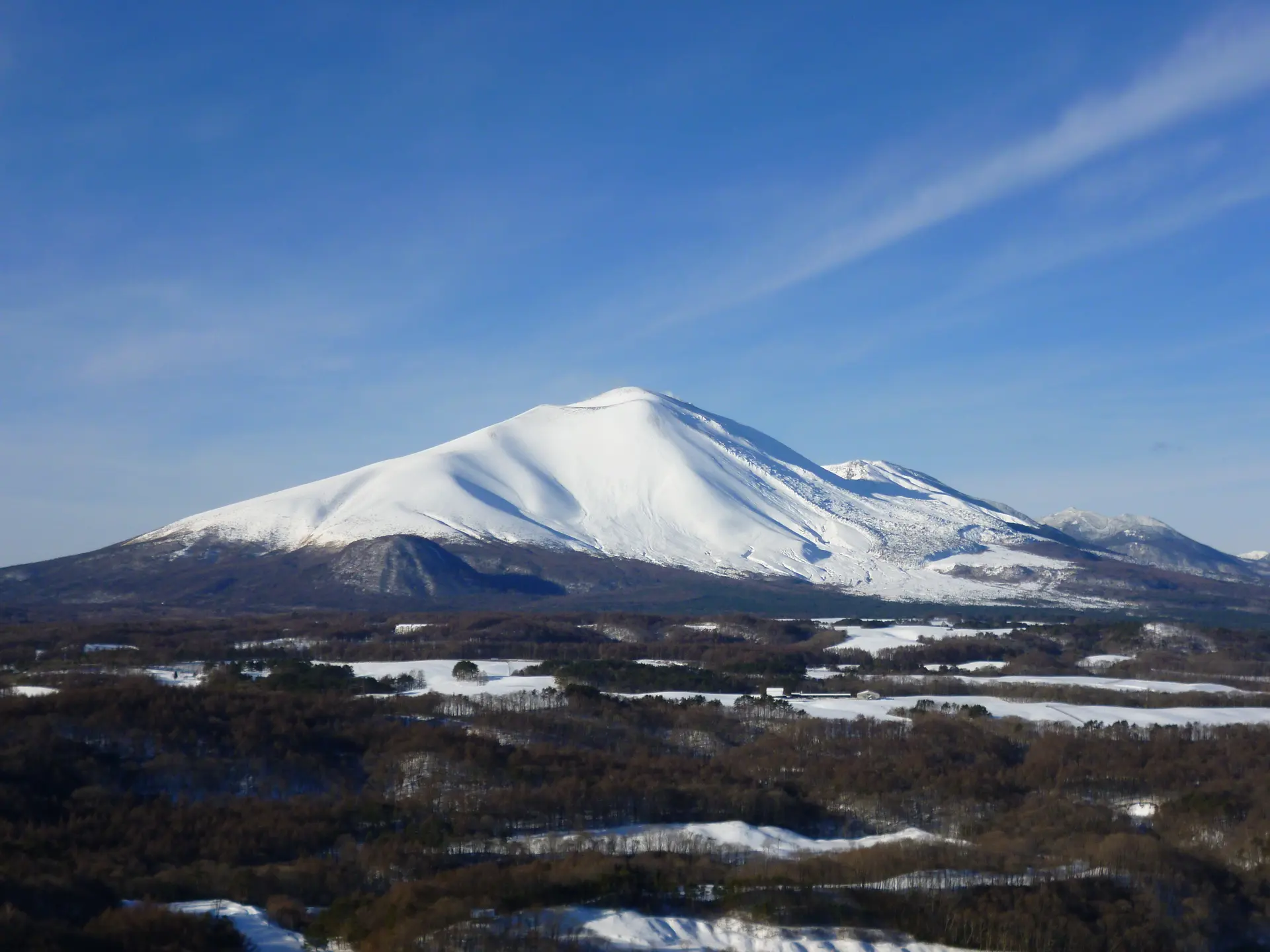
Akyū is one of Japan’s earliest known expressions of organized spirituality. For more than two millennia from approximately 4500 BCE, Jomon communities gathered on this mountain ridge for fire ceremonies, burials, and deliberate orientation toward Mount Tateshina.
More than 100,000 stones formed concentric circles across 40,000 square metres. At their centre stood a 120-centimetre granite pillar, scarred by flames intense enough to scorch its surface. Its alignment with Mount Tateshina reflects a cosmos that included mountain spirits and ancestral presences.
Construction of the Chuo Expressway exposed the ceremonial landscape in 1975. Archaeologists documented it urgently before the remains were reburied for preservation and the highway built above. Visitors now walk through Akyū no Mori (Akyū Forest) over the hidden stones, facing the same mountains that drew Jomon attention. The physical site remains beyond reach, but its relationship to the landscape persists.
Why this place is sacred
The concept of the 'thin place'—a location where the membrane between ordinary and sacred reality grows permeable—finds ancient expression at Akyū. Several factors marked this site as such for its Jomon builders.
The alignment toward Mount Tateshina was foundational. The standing stone at the site's heart was positioned to face this peak, visible from the ceremonial grounds. In many traditions worldwide, mountains serve as conduits between earthly and celestial realms. The Jomon peoples of this region appear to have shared this understanding.
Fire served as mediator. The central stone bears evidence of burning so intense it altered the granite's surface. Fire ceremonies likely transformed offerings, perhaps carrying prayers or sacrifices from the human world to wherever mountain spirits dwell. The presence of burned ceremonial pottery and ritual objects supports this interpretation.
The dead rested here among the living's ceremonies. Burial grounds were not separated from ritual space but integrated within it. Stone arrangements surrounded graves in patterns suggesting careful attention to the placement of the deceased. This integration of death into the ceremonial landscape indicates a cosmology where ancestors remained present, accessible, part of the community's ongoing spiritual life.
The elevation itself may have mattered. At 904 meters, the site sits on a ridge between two rivers, exposed to sky and mountain. The Jomon peoples could have built their ceremonial center anywhere in this region—they chose this prominence, this exposure, this particular relationship to the peaks.
Archaeological evidence indicates Akyū began as a residential settlement during the Early Jomon period (approximately 4500 BCE). Over centuries, it transformed into a primarily ceremonial center, suggesting its spiritual significance grew until it outweighed practical considerations. By the Middle Jomon period, the site had become one of the largest ritual complexes in prehistoric Japan.
The transformation from village to ceremonial center occurred gradually across nearly two millennia. This evolution suggests the site's sacred character was not imposed but discovered—revealed through generations of experience that confirmed this location as spiritually significant.
Experience and orientation
The experience of Akyū requires a particular kind of imagination—the willingness to feel toward what cannot be seen.
The forest path through Akyū no Mori passes above the buried stones. Knowing this transforms an ordinary woodland walk. The ground beneath your feet is not simply soil and root but six millennia of human seeking. The trees grow in earth enriched by ceremonies whose full meaning we can only approximate.
Mount Tateshina still dominates the skyline as it did for Jomon worshippers. Standing where they stood—or rather, above where they stood—and facing the same peak creates a vertical link across time. The mountain has not moved, and neither, it seems, has the human response to its presence.
At the Yatsugatake Museum of Art, the experience becomes tangible. Here rest the ritual objects themselves. To stand before them is to recognize hands that shaped them six thousand years ago, fingers that held them in firelight, voices that spoke words we cannot recover but whose intention—to reach toward something beyond the immediately visible—we understand.
Visitors often describe a contemplative quality to the Akyū experience. There is no dramatic ruin to photograph, no reconstructed temple to enter. What remains is subtler: a landscape that once meant everything to people who left us only stones and pottery and the evidence of their fires. That subtlety can feel disappointing to those seeking spectacle. To those seeking connection across deep time, it can feel like exactly enough.
Approach Akyū as a place of contemplation rather than visual spectacle. The ruins' invisibility is part of the experience—an exercise in attending to what we know is present but cannot perceive directly. Begin at the Yatsugatake Museum of Art to establish connection with the physical artifacts. Then walk the forest paths above the buried site, letting imagination collaborate with knowledge. Face Mount Tateshina. Notice what arises.
Context and lineage
The Jomon period left no written records, so Akyū has no founding narrative in the conventional sense. Yet the archaeological evidence tells its own story: a community that settled this ridge and, over generations, found it increasingly significant for reasons that transcended daily survival.
The gradual accumulation of over 100,000 ritual stones across two millennia suggests not a single act of construction but an ongoing practice—each generation adding to what previous generations had built, the site growing in power as it grew in material presence.
The alignment toward Mount Tateshina may have emerged from observation over decades or centuries. Perhaps Jomon stargazers noticed how the mountain marked seasonal turning points. Perhaps dreamers or seers received instructions. The deliberateness of the alignment is clear; its origin is not.
The Jomon peoples who built Akyū left no continuous lineage of practice. Yet the themes they established—mountain veneration, fire ceremony, integration of burial grounds with sacred space—persist in Japanese spirituality. Some researchers see in Akyū the deep roots of concepts central to Shinto: the reverence for sacred mountains (shinbokusan), the belief in spirits inhabiting natural features (kami), the practice of offerings through fire (goma, though this term emerged much later with Buddhist influence).
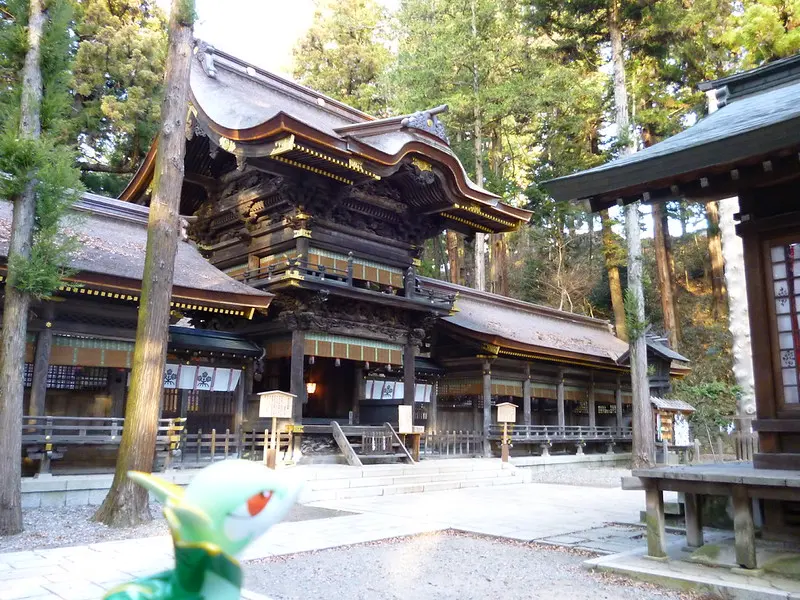
The nearby Suwa Taisha—one of Japan's oldest and most significant Shinto shrines—continues mountain worship traditions in this same region. Whether any thread of practice actually connects Suwa Taisha to the Jomon ceremonies at Akyū cannot be proven. But the continuity of intuition—that these mountains matter, that they warrant human attention and ceremony—seems evident.
Traditions and practice
Archaeological evidence allows partial reconstruction of Jomon practices at Akyū. Fire occupied the center—literally and symbolically. The standing stone at the site's heart bears marks of repeated intense burning, indicating ceremonies where flames reached temperatures sufficient to scar granite. Burned ritual objects and ceremonial pottery fragments surround this central feature.
Burial practices involved careful arrangement of stones around graves. The integration of burial grounds within the ceremonial complex suggests the dead were not separated from community ritual life but remained participants—perhaps audiences, perhaps recipients of ceremony, perhaps protectors.
Seasonal gatherings likely occurred, given the site's scale. A ceremonial center serving a single community would not require 40,000 square meters of ritual space. Akyū appears to have drawn people from across the region for occasions whose timing may have aligned with solar events—the standing stone's orientation toward Mount Tateshina could have marked solstice or equinox.
No religious practice continues at Akyū. The site serves educational and contemplative purposes rather than ceremonial ones.
Without active tradition to guide practice, visitors must find their own modes of engagement. Some approaches others have found meaningful:
At the museum, move slowly through the exhibits. The objects on display were created for purposes we can name but not fully comprehend. Hold them with your attention. Notice which pieces draw you. Wonder about the hands that made them.
In the forest, walk without hurry. The buried stones cannot be seen, but the earth that holds them can be felt beneath your steps. Notice the mountains—the same mountains Jomon peoples watched. Notice what arises when you stand still and face Mount Tateshina.
Silence serves this site. The ceremonies that once rang here have fallen quiet. Meeting that quiet with more quiet creates space for whatever remains.
Jomon spirituality
HistoricalThe Akyū ruins represent one of the earliest known expressions of Jomon ceremonial culture. The site demonstrates sophisticated spiritual practices emerging during the Early Jomon period—mountain worship directed toward Mount Tateshina, fire ceremonies conducted around a central standing stone, burial practices integrated with ritual space. These elements suggest a cosmology where mountains served as sacred presences, fire as mediator between realms, and the dead remained part of community spiritual life.
Fire rituals centered on the standing stone, with flames intense enough to scar granite. Burial ceremonies with stone arrangements around graves. Seasonal gatherings drawing people from across the region. Creation and use of ceremonial pottery distinct from daily vessels.
Perspectives and open questions
Akyū can be approached through multiple frameworks: as an archaeological site documenting prehistoric Japan, as evidence of early spiritual practice, as a landscape holding meaning beyond what documentation can capture, or as all of these simultaneously.
Scholarly perspective
Archaeological consensus recognizes Akyū as one of Japan's most significant Early Jomon sites. The excavations of 1975 revealed ceremonial architecture earlier and more sophisticated than previously understood. The transition from residential to primarily ceremonial use provides crucial evidence for Jomon social and religious development.
The stone circle configuration and alignment toward Mount Tateshina demonstrate astronomical and cosmological knowledge. Prior to the discovery of Sannai-Maruyama in 1992, Akyū was considered Japan's largest Jomon site. Its scale of construction indicates community organization capable of sustained cooperative effort across generations.
Debate continues regarding the exact purpose of the massive stone accumulation and the specific nature of ceremonies performed. What remains clear is that this site held exceptional importance for Jomon peoples across two millennia of use.
Living and traditional perspectives
The site predates any living tradition by thousands of years. No direct lineage connects Akyū to contemporary practice, yet its patterns form a clear continuum with later Japanese spiritual traditions.
Some researchers interpret Akyū as proto-Shinto, seeing in its mountain alignment and fire ceremonies the roots of practices that would eventually formalize as shrine worship. Others caution against projecting later traditions backward onto Jomon remains. The Jomon peoples had their own cosmology, their own understanding of what they did and why. We can observe its material traces; we cannot assume we understand its meaning as they did.
Alternative interpretations
Some writers have compared Akyū to European megalithic sites like Stonehenge, seeing global patterns in prehistoric monument building. The stone circle configuration, the astronomical alignments, and the apparent ceremonial function invite such comparisons. Whether these similarities reflect cultural contact, shared human tendencies, or coincidence remains debated.
Others frame Akyū as evidence of sophisticated Jomon knowledge systems underestimated by mainstream archaeology—suggesting these 'hunter-gatherers' possessed spiritual and cosmological understanding rivaling or exceeding later civilizations.
Open questions
Fundamental questions about Akyū remain unanswerable with current evidence. Why this particular location was chosen for such intensive ceremonial development, what specific rites the fire ceremonies involved, what words or songs accompanied them, what experiences participants sought or received—all this lies beyond recovery.
The reburial that protects the site's physical remains also ensures many of these questions may never be fully addressed. The stones keep their secrets.
Plan your visit
Access and arrival
By car: The site is located north of Hara Interchange on the Chuo Expressway. Approximately 15 minutes from Suwa-Minami IC or 20 minutes from Kobuchizawa IC.
By public transport: From JR Chino Station, taxi approximately 30 minutes. Weekend buses run to the Yatsugatake area but schedules are limited—confirm current service before planning.
The Yatsugatake Museum of Art is the primary facility for understanding the site and viewing excavated artifacts.
Accommodations are available in the surrounding Yatsugatake area and in nearby Suwa. The region offers options ranging from traditional Japanese inns (ryokan) to modern hotels.
Respectful visit
No specific requirements. The forest paths benefit from comfortable walking shoes. Weather in the Yatsugatake region can change quickly; layers are advisable.
Photography is permitted in the forest area. Museum photography policies apply inside the Yatsugatake Museum of Art—check current guidelines.
No active tradition governs offerings. Some visitors leave small natural offerings (stones, leaves) at meaningful spots in the forest. This is neither prohibited nor prescribed.
The buried ruins beneath the highway cannot be accessed under any circumstances. The preservation of the site depends on this remaining undisturbed. In the forest, stay on designated paths.
The actual ruins are not accessible—they lie buried beneath the highway and cannot be excavated. Visitors should not attempt to access areas beyond designated paths. The site's preservation depends on it remaining undisturbed.
Current practical details
Address
Hara, Suwa District, Nagano 391-0100, Japan
Phone
Hours
Hours, fees, and access can change — verify on the official source before you travel. Practical details last checked Jun 2026.
Location
Map loads as you approach this section.
Pilgrim reflections
A portrait of encounter, not a score
Pilgrims describe what they felt, how present they could become, and whether the place would shape a journey. There are no stars and no ranking of traditions.
No reviewed reflections yet
The first pilgrims can help describe the character of being here.
Share a reflection
Available after an account-backed “Been there.” Every reflection is reviewed before publication.
Nearby sacred places
Explore other sacred places in the region. Proximity does not establish access or travel time; check each place’s guidance.


References
Sources consulted for this page. Source categories describe the publication, not a guarantee that every claim is verified. Traditional accounts and outside interpretations may differ.
- 01阿久遺跡 - 星降る中部高地の縄文世界 — Jomon Japan Heritage PortalofficialOfficial Japan Heritage portal with detailed archaeological information
- 02阿久遺跡 - 日本遺産ポータルサイト — Agency for Cultural Affairs, JapanofficialOfficial government heritage designation information
- 03八ヶ岳美術館 - 原村歴史民俗資料館 — Yatsugatake Museum of ArtofficialMuseum housing artifacts from the site
- 04阿久遺跡 - Comprehensive Database of Archaeological Site Reports Japan — National Research Institute for Cultural PropertiesacademicOfficial archaeological excavation reports database
- 05Circles of stone: exploring the monuments of Jomon Japan — The Past MagazineacademicArchaeological analysis of Jomon stone circles
- 06阿久遺跡 - 大昔調査会 — Suwa Tourism AssociationSource contextLocal organization with detailed site information
- 07Akyū ruins - Wikipedia (English) — Wikipedia contributorsencyclopediaGood overview of site history, discovery, and archaeological significance
- 08阿久遺跡 - Wikipedia (Japanese) — Wikipedia contributorsencyclopediaMore detailed information in Japanese including ritual significance
Share a photo
Help visitors recognize Akyū Ruins. Every submission is reviewed before publication.