Dolmen Sa Coveccada
The Mediterranean's largest dolmen rises from Sardinian trachyte
Understand sacred places, explore living traditions, and learn how to engage respectfully with Pilgrim Map.
Access has not been verified. Check current local guidance before planning a visit.
Mores, Sassari, Italy
Read the sources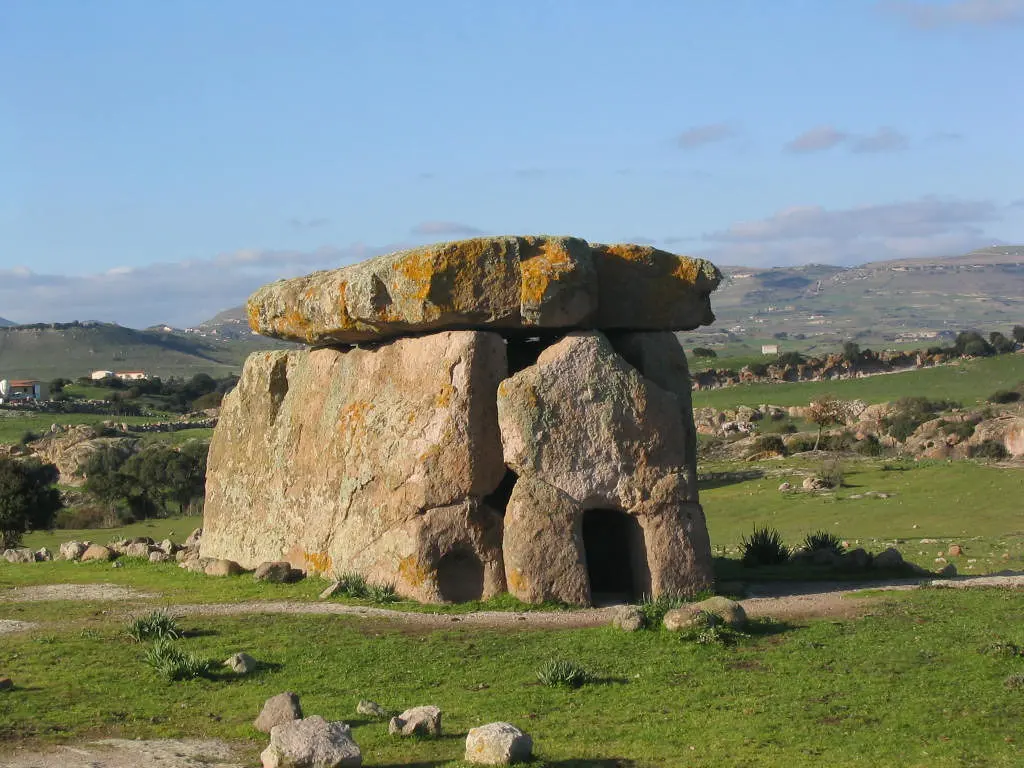
Image of Dolmen Sa Coveccada. Image source
Visit essentials
A quick read before you go
- Duration
- 30-45 minutes
- Access
- By car from Mores, head south.
Overview
Sa Coveccada's 18-tonne capstone covers a 4.18-by-1.14-metre chamber in a structure rising 2.7 metres and extending 5 metres across the plateau—evidence of a Neolithic community's shared resources and labour. Built by the Ozieri culture at the end of the 3rd millennium BCE, it marks the shift from hypogeal chambers cut into rock to monumental aerial tombs displayed above ground.
A small 'soul hole' through the front orthostat, like openings in dolmens across France, Spain, and Portugal, admitted the dead and offerings. It also sustained contact between living and dead, perhaps allowing speech with ancestors: a portal as well as a passage.
Why this place is sacred
The Ozieri culture marked a turning point in Sardinian treatment of the dead. Earlier generations had carved chambers into rock—the domus de janas, houses of the fairies, that dot the island. But the Ozieri builders raised stone above ground. They created monuments that could be seen, that announced the presence of the dead to all who passed.
Sa Coveccada represents this transition at its most ambitious. The three orthostatic slabs of grey-pink trachyte stand on housing channels carved into the bedrock. The 18-tonne capstone rests on these supports, a feat of engineering that required coordinated effort, shared resources, collective will. This was not the work of a single family but of a community organized around the sacred task of housing the dead.
The dimensions speak: 5 meters long, 2.5 meters wide, 2.7 meters high. The burial chamber within measures 4.18 by 1.14 meters—space for multiple burials, multiple generations, multiple returns by the living to honor what was deposited there.
The 'soul hole' in the front slab is a Mediterranean feature. Similar openings appear in dolmens across France, Spain, and Portugal, suggesting shared understanding of how the dead should enter their final dwelling. Through this small passage, bodies were introduced; through it, offerings followed. The hole maintained connection between worlds.
Inside, the niche carved into the left wall held funerary equipment. The dead required provisions—vessels, tools, perhaps food and drink. The living returned to replenish what was consumed on journeys we cannot map. The relationship between the quick and the dead was not severed at burial but continued through the architecture of the tomb.
The visibility of Sa Coveccada was intentional. The Neolithic builders chose a trachyte plateau south of Mores, a location where their monument could be seen from a distance. This was not hidden burial but displayed burial—a statement that the dead of this community warranted the largest memorial their technology could achieve.
The restoration in 2010 addressed a split in the capstone that threatened collapse. After nearly 5,000 years, the monument required intervention to continue what its builders intended. That intervention succeeded; Sa Coveccada stands restored, available for contemporary contemplation of Neolithic ambition and care.
Collective burial chamber and place of offerings for the dead. Transition from hypogeal to aerial tomb construction. Largest dolmen in Sardinia. Soul hole for passage of dead and offerings. Niche for funerary equipment.
End of 3rd millennium BCE: Dolmen constructed by Ozieri culture. October 2010: Restoration of split capstone. Modern era: Archaeological preservation.
Experience and orientation
The approach to Sa Coveccada reveals the monument before arrival. The Neolithic builders chose a trachyte plateau precisely for this visibility—the dolmen can be seen from a distance, a marker on the landscape that announced the presence of the dead to all who passed.
Drawing closer, the scale registers. The capstone alone weighs 18 tonnes. The three orthostatic slabs that support it are massive, fitted into housing channels that the builders carved into bedrock. The grey-pink trachyte glows in sunlight, lending warmth to stone that has stood for nearly 5,000 years.
The structure rises 2.7 meters from the plateau, extends 5 meters in length, spans 2.5 meters in width. These dimensions make Sa Coveccada the largest dolmen in Sardinia and among the largest in the Mediterranean. Standing before it, you face the ambition of Neolithic communities who commanded resources sufficient for monumental construction.
The 'soul hole' in the front slab draws attention. This small opening—similar to those found in dolmens across Western Europe—served as the passage for the dead and their offerings. Looking through it, you see the chamber within: 4.18 meters long, 1.14 meters wide, space for collective burial across generations.
The niche carved into the left interior wall marks where funerary offerings were placed. The provisions for the dead required storage; the living who returned to replenish them needed a designated location. The architecture served relationships that continued after death.
The 2010 restoration preserved what the Neolithic builders created. The split in the capstone that threatened collapse has been addressed. The monument continues what it has done for nearly 5,000 years: marking this landscape as a place where the dead were housed with care commensurate with their importance.
Dolmen Sa Coveccada is located on a large trachyte plateau south of Mores in the province of Sassari. The monument is clearly visible from a distance.
Context and lineage
At the end of the 3rd millennium BCE, the Ozieri culture of Sardinia was transforming how the dead were housed. Earlier generations had carved chambers into rock; the Ozieri builders raised stone above ground. On a trachyte plateau south of Mores, they created their most ambitious monument: three massive orthostatic slabs supporting an 18-tonne capstone, a burial chamber accessed through a 'soul hole' in the front slab, an interior niche for funerary offerings.
Sa Coveccada became the largest dolmen in Sardinia and among the largest in the Mediterranean—a statement of collective commitment to the sacred dead that has endured for nearly 5,000 years.
Built by Ozieri culture of Recent Neolithic Sardinia. Marks transition from hypogeal (rock-cut) to aerial (above-ground) tomb construction. No descendant tradition preserves original practices.
Traditions and practice
Collective burials in the chamber. Passage of dead and offerings through soul hole. Funerary equipment stored in wall niche. Returns by the living to maintain relationship with dead.
Archaeological site visitation.
Approach the monument across the plateau to appreciate its visibility and scale. Examine the soul hole in the front slab. Consider the 18-tonne capstone and what its placement required. Note the grey-pink trachyte that gives the dolmen its distinctive appearance.
Ozieri Culture Burial Tradition
HistoricalSa Coveccada represents the Ozieri culture (end of 3rd millennium BCE) at its most ambitious—the largest dolmen in Sardinia and among the largest in the Mediterranean. The transition from hypogeal to aerial tomb construction marks a shift in how the dead were housed and displayed.
No longer practiced. Archaeological evidence indicates collective burials, soul hole passage, and offerings in wall niche.
Perspectives and open questions
Sa Coveccada offers encounter with the Mediterranean's largest dolmen—an 18-tonne testament to Neolithic ambition in housing the sacred dead.
Scholarly perspective
Largest dolmen in Sardinia and among largest in Mediterranean. Built at end of 3rd millennium BCE by Ozieri culture. Marks transition from hypogeal to aerial tomb construction. Soul hole similar to Western European dolmens. Restored 2010.
Living and traditional perspectives
No living tradition preserves Ozieri culture practices.
Alternative interpretations
The soul hole and connections to Iberian/French dolmen traditions have attracted interest in Mediterranean cultural networks and shared understandings of death and passage.
Open questions
The specific burial rituals. The identity of those interred. The ceremonies at the soul hole. The relationship to other regional monuments.
Plan your visit
Access and arrival
By car from Mores, head south. The dolmen is visible from a distance on the trachyte plateau. Car recommended; limited public transport.
Accommodations in Mores, Torralba, or Sassari.
Respectful visit
No dress code. Comfortable walking shoes.
Photography permitted.
None; archaeological site.
Respect archaeological structure | Do not climb on stonework
The plateau can be hot in summer.
Current practical details
Address
07013 Mores, Metropolitan City of Sassari, Italy
Hours, fees, and access can change — verify on the official source before you travel. Practical details last checked Jun 2026.
Location
Map loads as you approach this section.
Pilgrim reflections
A portrait of encounter, not a score
Pilgrims describe what they felt, how present they could become, and whether the place would shape a journey. There are no stars and no ranking of traditions.
No reviewed reflections yet
The first pilgrims can help describe the character of being here.
Share a reflection
Available after an account-backed “Been there.” Every reflection is reviewed before publication.
Nearby sacred places
Explore other sacred places in the region. Proximity does not establish access or travel time; check each place’s guidance.
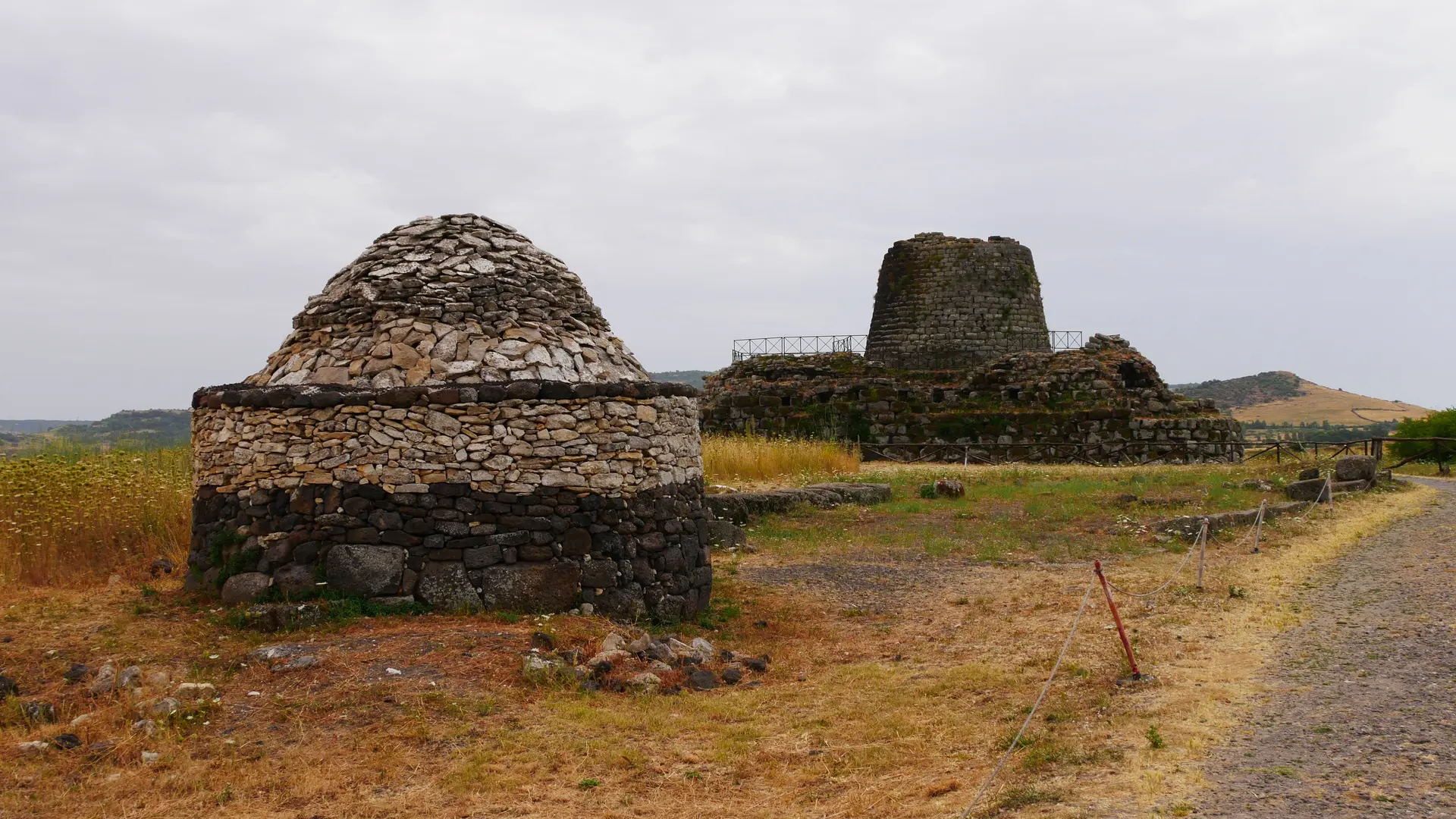
Nuraghe of Saint Constantine, Sa domo de su re (The house of the king)
Turalva/Torralba, Sassari, Italy
7.1 km away
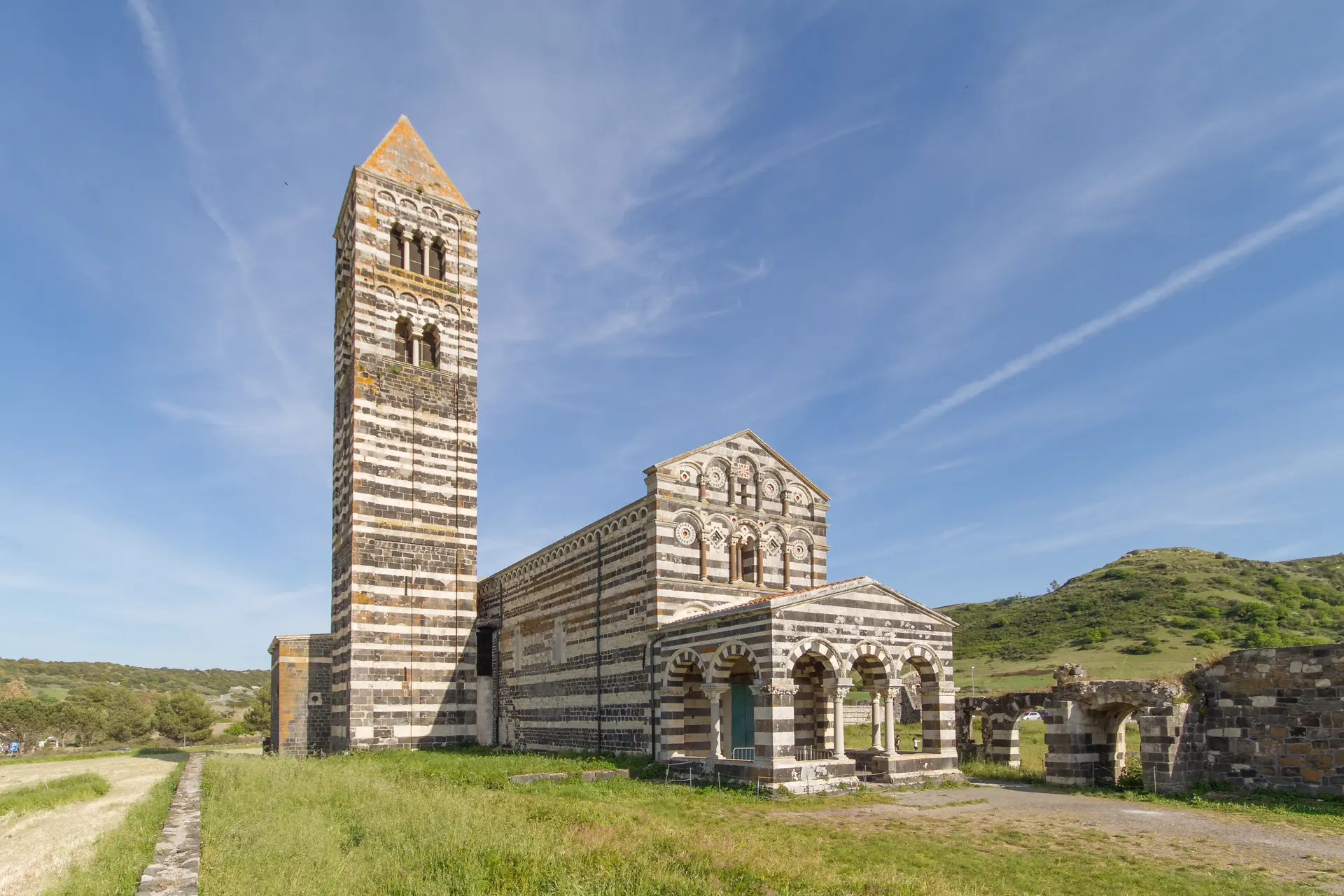
Church of the Holy Trinity Saccargia (Basilica della Santissima Trinita de Saccargia)
Codronzanu/Codrongianos, Sassari, Italy
19.0 km away

Altare Rupestre di Santo Stefano
Oscheri/Oschiri, Sassari, Italy
23.2 km away
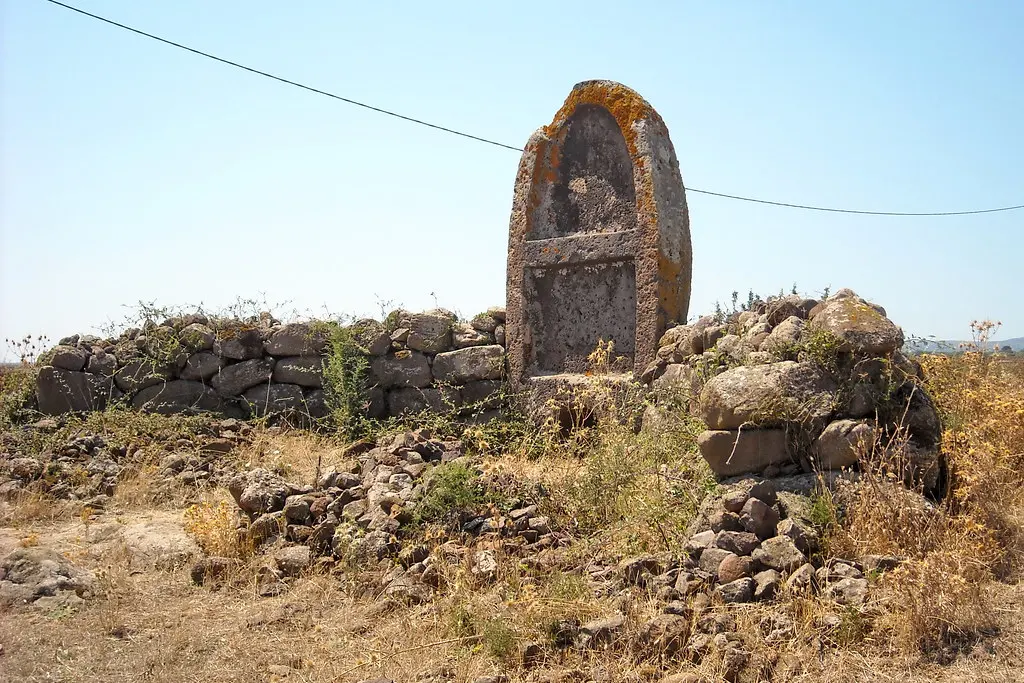
Tomb of Giants and Nuraghe Imbertighe
Bòrore/Borore, Nuoro, Italy
35.3 km away
References
Sources consulted for this page. Source categories describe the publication, not a guarantee that every claim is verified. Traditional accounts and outside interpretations may differ.
- 01Dolmen & Menhirs: archaeological sites in Sardinia | Italia.it — Italia.itofficialOfficial Italian tourism
- 02Sa Coveccada Dolmen | Megalithic Portal — Megalithic PortalSource contextDetailed measurements and archaeological information
- 03Dolmen Sa Coveccada | Lonely Planet — Lonely PlanetguideTravel guide information
- 04Dolmen Sa Coveccada | Port of Olbia — Porto di OlbiaSource contextVisitor information
Share a photo
Help visitors recognize Dolmen Sa Coveccada. Every submission is reviewed before publication.