Basilica Santuario Nostra Signora di Bonaria
Where a miracle from the sea became Sardinia's most beloved devotion
Understand sacred places, explore living traditions, and learn how to engage respectfully with Pilgrim Map.
Access has not been verified. Check current local guidance before planning a visit.
Cagliari, Cagliari, Italy
Read the sources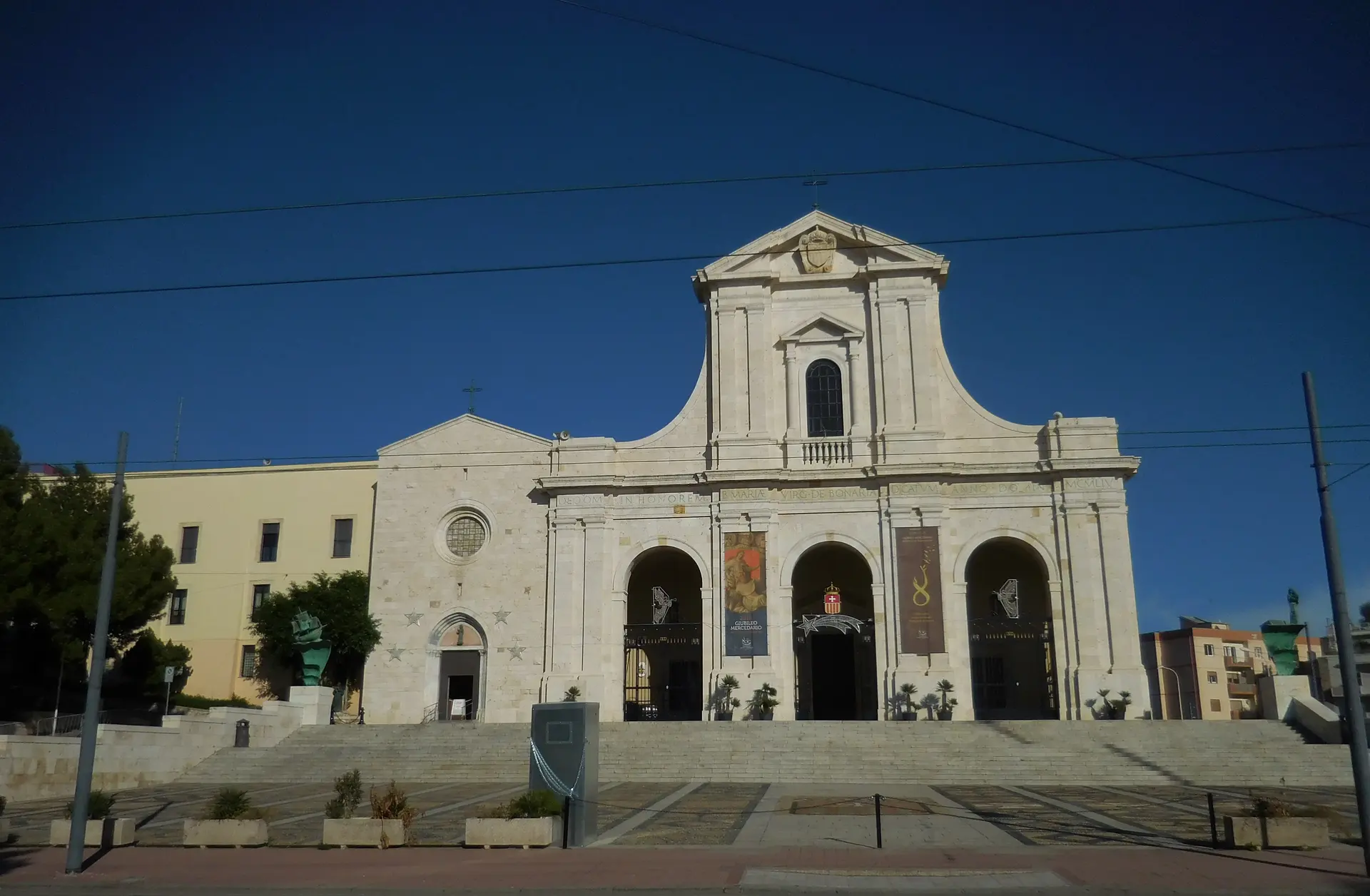
Image of Basilica Santuario Nostra Signora di Bonaria. Image source · CC-BY-SA-4.0
Visit essentials
A quick read before you go
- Duration
- 1-2 hours for sanctuary, basilica, and museum
- Access
- By car via Viale Bonaria.
Overview
The story travels with the sea. On March 25, 1370, a ship caught in a terrible storm jettisoned its cargo to save the crew. When one crate entered the water, the storm immediately ceased. That crate floated to the beach below Bonaria hill, where Mercedarian friars had maintained a sanctuary since 1335. No one on the beach could lift it—until the friars arrived and raised it effortlessly.
Inside was a wooden statue of the Virgin Mary holding the Christ Child, a lit candle still burning in her right hand.
The devotion that followed has never ceased. Sailors began visiting the sanctuary before voyages, seeking the protection of Nostra Signora di Bonaria—Our Lady of Fair Winds, Star of the Sea. An ivory votive ship, donated by an anonymous pilgrim in the 15th century and suspended by hemp rope before the apse, is said to move with the winds outside the Gulf of Cagliari. Fishermen and merchants have checked its direction for centuries before setting sail.
In 1907, Pope Pius X proclaimed the Virgin of Bonaria the Patroness Maxima of all Sardinia—not merely a local devotion but the island's supreme spiritual protector. Four popes have visited: Paul VI in 1970, John Paul II in 1985, Benedict XVI in 2008, and Francis in 2013. When the Argentine pope arrived, he honored a connection centuries old: Buenos Aires was named by Spanish conquistadors after this very shrine, carrying Sardinian devotion across the Atlantic.
Sites inside
Why this place is sacred
The miracle at the heart of this shrine carries the drama of the sea. A ship caught in storm, cargo jettisoned in desperation, immediate calm when one particular crate entered the water. The crate floating to shore at precisely the beach below a sanctuary already dedicated to the Virgin. No one able to lift it until the Mercedarian friars arrived—who raised it without effort.
Inside, a statue of the Virgin and Child, and in the Virgin's hand, a candle still burning.
This is not ancient history lost to myth. The event is dated precisely: March 25, 1370. The witnesses are documented. The statue remains, surrounded by nearly seven centuries of accumulated devotion. Every element of the story—the storm, the calm, the floating crate, the lit candle—speaks of intervention, of a power that chose this place and these people.
The devotion of sailors amplifies the shrine's significance. For those whose lives depended on wind and wave, the Virgin of Bonaria became essential protection. The ivory ship suspended before the apse, donated by an anonymous 15th-century pilgrim, reportedly moves to indicate wind direction in the Gulf of Cagliari. Whether meteorological curiosity or continued miracle, fishermen checked its position before voyages. The ex-voto offerings filling the museum—model ships, anchors, paintings of rescues at sea—testify to centuries of answered prayers.
The papal recognitions have been extraordinary. Pius X's 1907 declaration made the Virgin of Bonaria the Patroness Maxima of Sardinia—the island's supreme spiritual protector. Four popes have visited in person: Paul VI, John Paul II, Benedict XVI, and Francis. When Pope Francis arrived in 2013, he honored a connection that spans the Atlantic: Buenos Aires, his home city, was named by Spanish conquistadors after this very shrine.
The devotion planted on a Sardinian hilltop traveled with colonizers to the New World.
The Mercedarian friars have maintained continuous presence since 1335. Their order was founded to ransom Christians held captive—appropriate guardians for a shrine that protects those at the mercy of the sea. The original Gothic sanctuary, first example of Catalan-Gothic architecture in Sardinia, still houses the miraculous statue. The massive neoclassical basilica, begun in 1704 and completed only in 1960 after wartime destruction, provides grand liturgical space.
But the heart remains the small Gothic church and the statue that arrived from the sea.
Sanctuary founded 1324 by Catalans during conquest of Cagliari. Given to Mercedarian Friars 1335. Became Marian shrine after miraculous arrival of Virgin's statue in 1370. Basilica construction began 1704 to accommodate growing pilgrimage.
1324: Sanctuary built. 1335: Given to Mercedarians. 1370: Miraculous statue arrives. 1704: Basilica construction begins. 1907: Virgin proclaimed Patroness Maxima. 1926: Basilica officially completed. 1943: Allied bombing damages basilica. 1960: Reconstruction completed. 1998: Final restoration. Four papal visits 1970-2013.
Experience and orientation
The approach climbs Bonaria hill, rising above the city toward the sea. The complex crowns the summit—Gothic sanctuary, massive basilica, museum, and park creating a pilgrimage precinct that has served devotees for nearly seven centuries. The view extends across Cagliari to the Mediterranean, the sea from which the Virgin's statue came.
Two churches occupy the site, and both deserve attention. The neoclassical basilica, begun in 1704 and finally completed in 1960 after wartime destruction, offers grand liturgical space—massive columns, soaring nave, the scale appropriate to Sardinia's most important shrine. But the heart lies in the smaller Gothic sanctuary next door.
The 14th-century sanctuary is the first example of Catalan-Gothic architecture in Sardinia. Its intimacy contrasts with the basilica's grandeur. Here, the miraculous statue occupies the place of honor—the Virgin and Child who arrived by sea in 1370, the candle still symbolically burning after nearly seven centuries. Before the statue hangs the ivory votive ship, suspended by hemp rope, said to move with the winds outside the Gulf. Sailors for centuries checked its direction before voyages.
The museum extends the encounter. Three rooms and a cloister corridor display centuries of votive offerings—model ships from those saved at sea, golden crowns, goblets, relics, and a silver anchor offered by Queen Margherita di Savoia. Each object tells a story of danger, prayer, and rescue. The collective witness of generations who found protection in the Virgin of Bonaria fills these rooms.
The park surrounding the complex offers space for reflection. The nearby Monumental Cemetery provides additional contemplative atmosphere. The hilltop location creates natural separation from the city below, a sense of ascent appropriate to pilgrimage.
The Basilica and Sanctuary of Nostra Signora di Bonaria stands on Bonaria hill in southeastern Cagliari, about 1km from Via Roma. The complex includes the 14th-century Gothic sanctuary, the 18th-20th century neoclassical basilica, a museum, and surrounding park.
Context and lineage
When Catalans conquered Cagliari from the Pisans in 1324, they built a sanctuary to the Virgin on Bonaria hill—'good air' in Catalan, a healthy height above the swampy lowlands. In 1335, King Alfonso donated the church to the Mercedarian Friars. Then on March 25, 1370, a ship caught in storm jettisoned cargo to save the crew. One crate calmed the waters as it entered the sea. It floated to the beach below Bonaria hill.
No one could lift it until the Mercedarian friars arrived—who raised it effortlessly. Inside was a wooden statue of the Virgin and Child, a lit candle still burning in the Virgin's hand. Devotion to Nostra Signora di Bonaria—Our Lady of Fair Winds—began immediately and has never ceased.
The sanctuary is maintained by the Order of the Blessed Virgin Mary of Mercy (Mercedarians) since 1335. The Virgin of Bonaria is the Patroness Maxima of Sardinia. The shrine is one of Italy's most important Marian pilgrimage sites.
King Alfonso the Gentle
Pope Pius X
Pope Francis
Traditions and practice
Sailors' devotion before voyages. Checking the ivory ship's direction to discern winds. Offering ex-votos after rescue at sea. Pilgrimage for the Virgin's intercession.
Daily Mass in basilica and sanctuary. Pilgrimage to the miraculous statue. Museum visits. Feast celebrations: April 24 (Feast of Our Lady of Bonaria), March 25 (arrival of statue), first Sunday of July (summer feast with sea procession).
Visit both the Gothic sanctuary and the neoclassical basilica. In the sanctuary, pray before the miraculous statue and observe the ivory ship said to indicate winds. Visit the museum to see centuries of votive offerings. If possible, attend the sea procession on the first Sunday of July.
Roman Catholicism
ActiveThe most important Catholic shrine in Sardinia. The Virgin of Bonaria (Our Lady of Fair Winds) is the Patroness Maxima of the island, proclaimed 1907. The miraculous statue arrived by sea in 1370. Four popes have visited (Paul VI, John Paul II, Benedict XVI, Francis). Buenos Aires was named after this shrine.
Daily Mass, pilgrimage, veneration of the miraculous statue, feast days with sea procession.
Perspectives and open questions
The Sanctuary of Nostra Signora di Bonaria offers encounter with Sardinia's most beloved Marian devotion—a statue that arrived by sea in 1370 and has protected sailors ever since.
Scholarly perspective
The sanctuary is documented from 1324, the miraculous statue tradition from 1370. The connection between Buenos Aires and Bonaria is historically established. The Gothic sanctuary is recognized as the first Catalan-Gothic architecture in Sardinia. The Mercedarian presence since 1335 is documented.
Living and traditional perspectives
Catholic tradition holds that the Virgin's statue arrived miraculously during a storm, the candle still burning when the crate was opened. The ivory ship moves to indicate winds. The Virgin of Bonaria is the Patroness Maxima of Sardinia, supreme spiritual protector of the island.
Alternative interpretations
The hilltop location ('Bon Ayre' meaning 'good air') suggests the site was recognized as special before Christian use. The maritime devotion connects to ancient Mediterranean goddess traditions associated with the sea.
Open questions
The origin of the statue before it was placed on the ship. Whether the hilltop had pre-Christian sacred significance. The mechanism of the wind-indicating ivory ship.
Plan your visit
Access and arrival
By car via Viale Bonaria. Parking available. Public buses serve the area.
Full range of accommodations in Cagliari. Hotels near the port and historic center within walking distance.
Respectful visit
Modest dress required. Shoulders and knees covered.
Photography generally permitted; restrictions during services.
Candles available. Donations appreciated.
Free admission | Modest dress required | Quiet in sanctuary | Museum has separate hours
Modest dress required. The basilica can be crowded during feast days and papal visits. Museum has separate hours.
Current practical details
Address
Piazza Bonaria, 2, 09125 Cagliari CA, Italy
Phone
Hours
Hours, fees, and access can change — verify on the official source before you travel. Practical details last checked Jun 2026.
Location
Map loads as you approach this section.
Pilgrim reflections
A portrait of encounter, not a score
Pilgrims describe what they felt, how present they could become, and whether the place would shape a journey. There are no stars and no ranking of traditions.
No reviewed reflections yet
The first pilgrims can help describe the character of being here.
Share a reflection
Available after an account-backed “Been there.” Every reflection is reviewed before publication.
Nearby sacred places
Explore other sacred places in the region. Proximity does not establish access or travel time; check each place’s guidance.
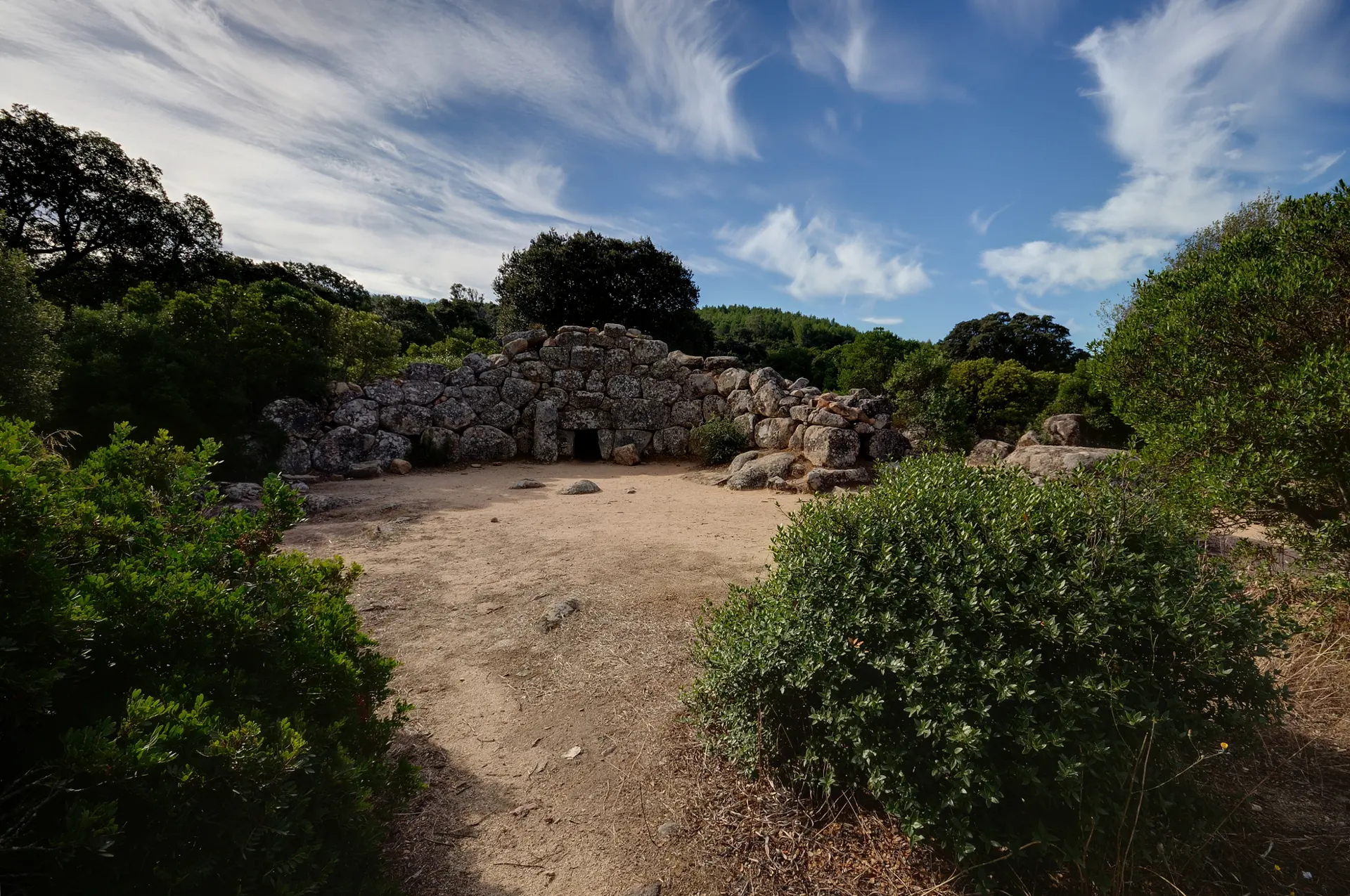
Giant’s Grave of Sa Domu e s’Orcu
Quartùcciu/Quartucciu, Cagliari, Italy
20.8 km away
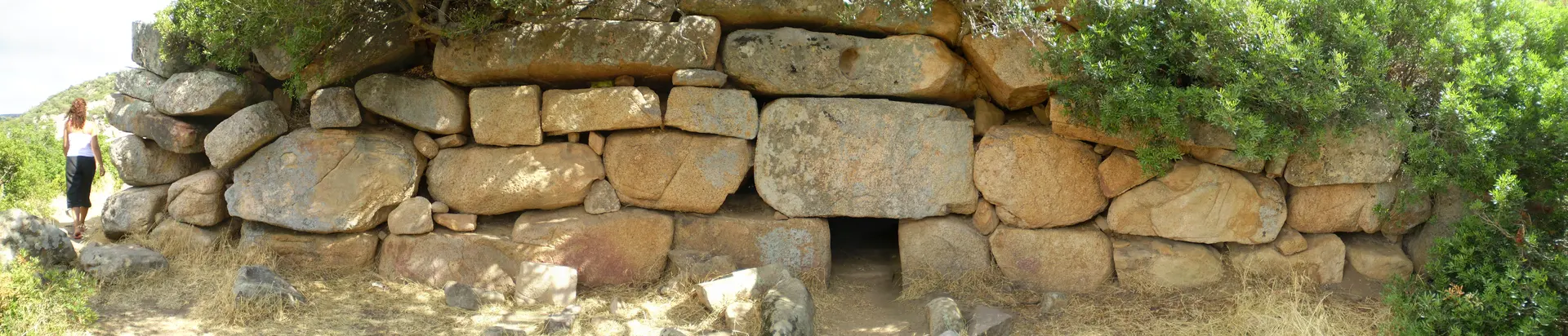
The Giants' Tomb of Barranc Mannu, Sa Tuerredda
Santadi, South Sardinia, Italy
33.2 km away
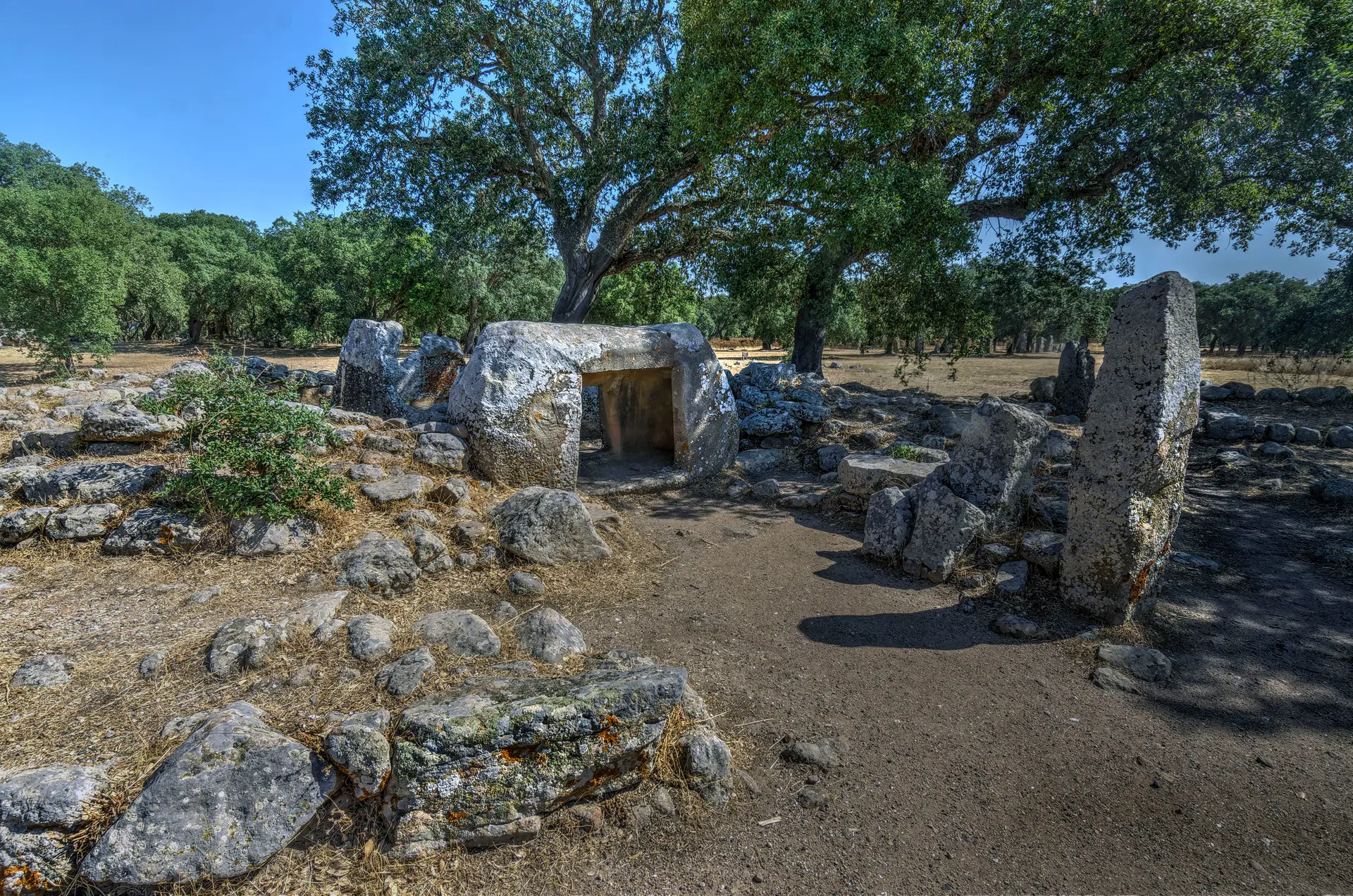
Necropolis of Pranu Mutteddu
Goni, South Sardinia, Italy
38.2 km away
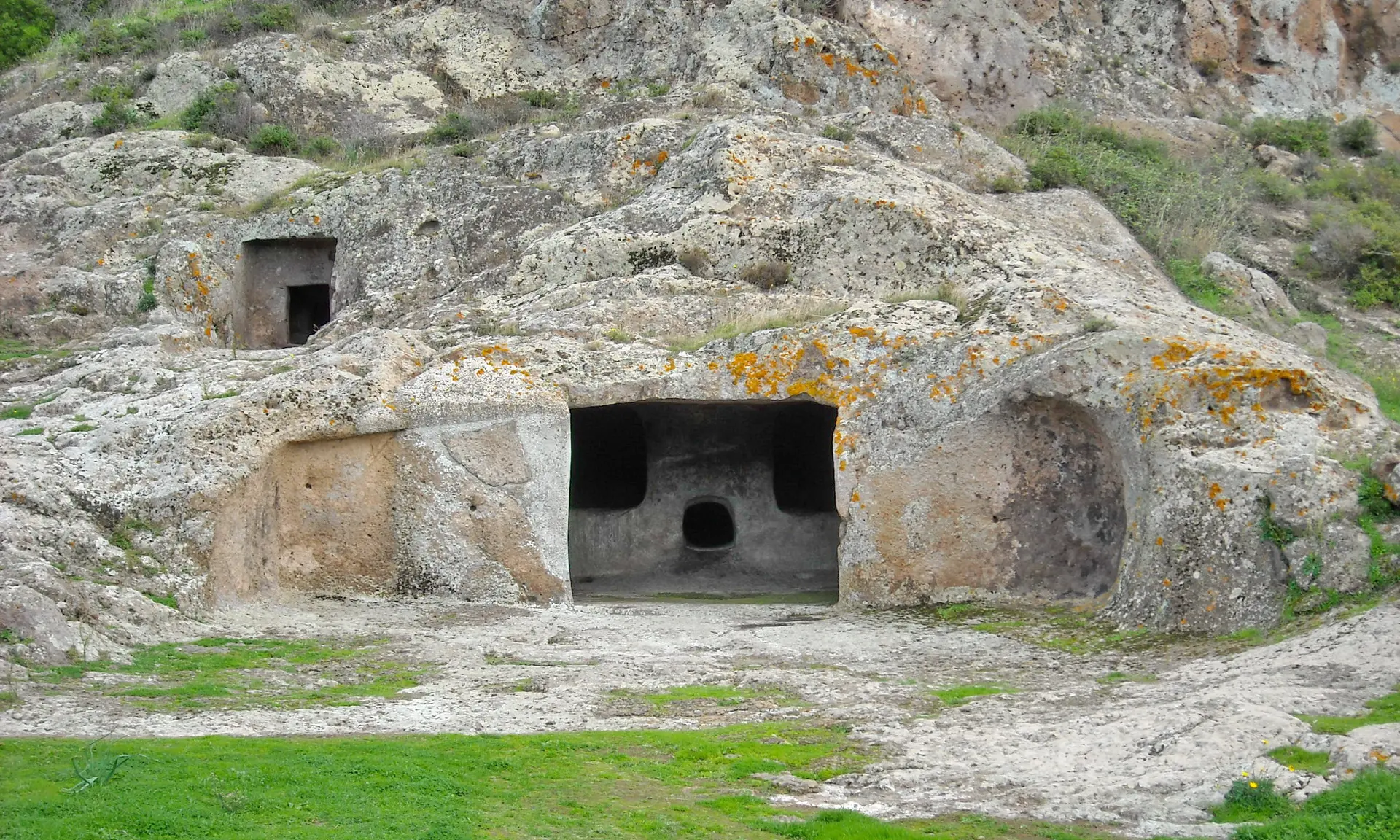
Necropolis di Montessu
Sa Baronia/Villaperuccio, South Sardinia, Italy
41.0 km away
References
Sources consulted for this page. Source categories describe the publication, not a guarantee that every claim is verified. Traditional accounts and outside interpretations may differ.
- 01Nostra Signora di Bonaria | SardegnaTurismo — Regione Sardegna TourismofficialOfficial Sardinia tourism information
- 02Basilica and Sanctuary of N.S. di Bonaria | Cagliari Turismo — Comune di CagliariofficialOfficial Cagliari city tourism information
- 03Basilica N.S. di Bonaria Cagliari — Mercedarian FriarsofficialOfficial sanctuary website
- 04Shrine of Our Lady of Bonaria - Wikipedia — Wikipedia contributorsencyclopediaComprehensive historical overview
- 05Santuario & Basilica di Nostra Signora di Bonaria | Lonely Planet — Lonely PlanetguideTravel guide information
Photo gallery
3 curated photos
Share a photo
Help visitors recognize Basilica Santuario Nostra Signora di Bonaria. Every submission is reviewed before publication.