Altare prenuragico di Monte d’Accoddi
Europe's only ziggurat, rising from prehistoric Sardinia
Understand sacred places, explore living traditions, and learn how to engage respectfully with Pilgrim Map.
Access has not been verified. Check current local guidance before planning a visit.
Sassari, Sassari, Italy
Read the sources
Image of Altare prenuragico di Monte d’Accoddi. Image source · CC-BY-SA-3.0
Visit essentials
A quick read before you go
- Duration
- 1-1.5 hours including guided tour if available
- Access
- By car via SS131 highway; well-signposted.
Overview
Monte d’Accoddi is prehistoric Europe’s only known ziggurat-style monument: a stepped platform rising from the northern Sardinian plain, its earlier Ozieri core entombed within a larger successor and reached by a long ramp. A red-ochre summit temple used the sacred color of blood and life; sacrifice evidence and the nearby dolmen and menhir mark a sacred landscape used for nearly two millennia.
Its form resembles contemporary ziggurats in Sumer and Babylon, but whether this reflects coincidence or transmitted ideas remains unresolved; most scholars favor parallel development.
Why this place is sacred
The stepped pyramid form appears worldwide: in Mesopotamia, in Mesoamerica, in Southeast Asia. The impulse to create artificial mountains, to raise platforms toward the sky, seems embedded in human consciousness. But only at Monte d'Accoddi does this form appear in prehistoric Europe.
The first structure, built by the Ozieri culture between 4000 and 3650 BCE, was a raised platform with a ramp—already unusual for its time and place. But around 3500 BCE, the builders' successors did something remarkable: they covered the original structure entirely with earth and stone, then built a larger stepped pyramid over it. The original remained intact within, like a sacred core preserved at the heart of its successor.
This practice has parallels in Mesoamerica, where pyramids often encase earlier structures, but in prehistoric Europe it is unprecedented.
The 'red temple' atop the second structure was plastered with ochre—a mineral pigment used in ritual contexts across prehistoric cultures worldwide. Red ochre appears in burial contexts, in cave paintings, in sacred objects. Its presence at Monte d'Accoddi's summit suggests the building was not merely administrative or economic but deeply religious.
Archaeological excavation has revealed animal bones in sacrificial contexts: sheep, cattle, and swine in roughly equal proportions. These were not simply food waste but evidence of ritual killing and offering. The combination of the ziggurat form, the red temple, and animal sacrifice suggests a sophisticated religious system we cannot fully reconstruct.
The site was abandoned around 2000 BCE, a millennium before the Nuragic civilization that left most of Sardinia's prehistoric monuments. Why the center fell silent is unknown. Climate change, population shifts, religious transformation—all are possible. What remains is the structure itself, rising from the plain, asking questions we cannot fully answer.
Sacred center and altar used for animal sacrifice and ritual activities. The stepped pyramid with access ramp may have embodied cosmological beliefs about the connection between earth and heaven.
First structure c. 4000-3650 BCE. Covered and expanded c. 3500-3000 BCE. Used until c. 2000 BCE. Abandoned for nearly 4,000 years. Discovered 1954. Excavated 1952-1959 (Contu), 1979-1990 (Tinè), 2000-2001 (Moravetti). Now preserved as archaeological heritage site.
Experience and orientation
The approach to Monte d'Accoddi crosses the agricultural plain of northern Sardinia—a landscape little changed from prehistory. The structure appears gradually: a truncated pyramid form rising where the land should be flat. No hills or mountains nearby explain it.
The main structure measures 36 by 29 meters at its base and rises approximately ten meters. The long access ramp—42 meters—leads from ground level to what was once the summit platform. Walking this ramp, visitors ascend the same path that Neolithic worshippers walked to reach the red temple. The original temple is gone, but its footprint is visible: a rectangular area at the apex.
The view from the top extends across the surrounding countryside. This was likely intentional—the elevated platform created visibility and distinction from the everyday world below. Whatever ceremonies took place here, they occurred in a setting that emphasized separation and ascent.
Nearby, a dolmen and menhir stand as evidence of the broader sacred landscape, together suggesting a religious complex rather than a single monument. Archaeologists believe the area was a significant pilgrimage center for the cultures that built it.
Guided tours, offered at scheduled times, provide archaeological context that deepens the experience. The site's information panels explain what excavation has revealed. But much remains mysterious, and visitors are left to form their own responses to this unique structure.
Monte d'Accoddi is located approximately 13km from Sassari and 8km from Porto Torres in northern Sardinia. The site is accessible from the SS131 highway, near the hamlet of Ottava. It sits in agricultural countryside with views across the plain.
Context and lineage
Between 4000 and 3000 BCE, the peoples of prehistoric Sardinia built something unprecedented in Europe: a stepped pyramid with an access ramp. The Ozieri culture first constructed a raised platform. Around 3500 BCE, their successors—the Sub-Ozieri culture—covered this original entirely with earth and stone, then built a larger structure over it. At the summit stood a 'red temple' plastered with ochre. For nearly two millennia, this was a sacred center where animal sacrifices were offered.
Around 2000 BCE, the site was abandoned. It lay forgotten until 1954, when it was discovered in a field owned by the Segni family. Archaeological excavations since then have revealed its extraordinary nature.
Monte d'Accoddi was created by the Ozieri culture and its successors—pre-Nuragic peoples who left no written records. The original religious tradition is lost.
Ercole Contu
Santo Tinè
Alberto Moravetti
Traditions and practice
Archaeological evidence indicates animal sacrifice of sheep, cattle, and swine. The 'red temple' at the summit was likely the focus of ritual activity.
Archaeological site open to visitors. Guided tours at scheduled times. Educational visits. No active spiritual practice.
Approach the structure to appreciate its scale. Ascend the ramp to the summit platform. Consider the view across the plain. Visit the nearby dolmen and menhir. Take the guided tour if available for archaeological context.
Pre-Nuragic Sardinian Religion
HistoricalMonte d'Accoddi was built by the Ozieri culture and successors (c. 4000-2000 BCE). It is the only ziggurat-style structure in Europe, unique in the western Mediterranean. Archaeological evidence indicates animal sacrifice and ritual activity. The 'red temple' at the summit suggests sophisticated religious practice.
No longer practiced. Archaeological evidence suggests animal sacrifice, ritual use of ochre, and possibly cosmological ceremonies related to the union of heaven and earth.
Perspectives and open questions
Monte d'Accoddi offers encounter with Sardinia's deepest prehistory—a unique ziggurat that raises questions about ancient cultures, their beliefs, and their possible connections across the Mediterranean.
Scholarly perspective
Archaeologists recognize Monte d'Accoddi as unique in Europe and the western Mediterranean—no other ziggurat-style structure exists west of Mesopotamia. The site represents the Ozieri and Sub-Ozieri cultures of Neolithic/Chalcolithic Sardinia. While the Mesopotamian resemblance is striking, most scholars consider the similarity coincidental or the result of parallel development rather than direct contact.
Living and traditional perspectives
No living tradition preserves the original meaning of Monte d'Accoddi. The original beliefs and practices are accessible only through archaeology.
Alternative interpretations
The Mesopotamian similarity has attracted theories about ancient cultural contact, lost civilizations, or shared prehistoric knowledge. Some interpret the site's orientation or proportions as having astronomical significance. The 'red temple' has been connected to goddess worship and fertility cults. The site attracts those interested in 'alternative archaeology' and ancient mysteries.
Open questions
The reason for the Mesopotamian-style architecture. The specific rituals performed. Why the first structure was covered and a larger one built over it. The cause of abandonment c. 2000 BCE. Possible connections to Near Eastern cultures.
Plan your visit
Access and arrival
By car via SS131 highway; well-signposted. Limited bus service; car recommended. Parking available on site.
Hotels and B&Bs in Sassari (13km) and Porto Torres (8km). Agriturismo options in the surrounding countryside.
Respectful visit
No dress code; comfortable walking shoes recommended. Dress for weather (hot in summer).
Photography permitted throughout the site.
None; archaeological site.
Admission fee: €4 | Closed Mondays | Stay on designated paths | Do not remove materials
Site is in open countryside; dress for weather. Summer very hot. Wear comfortable walking shoes. Bring water.
Current practical details
Address
Str. Vic. Monte D'accoddi, 4, 07100 Sassari SS, Italy
Phone
Hours
Hours, fees, and access can change — verify on the official source before you travel. Practical details last checked Jun 2026.
Location
Map loads as you approach this section.
Pilgrim reflections
A portrait of encounter, not a score
Pilgrims describe what they felt, how present they could become, and whether the place would shape a journey. There are no stars and no ranking of traditions.
No reviewed reflections yet
The first pilgrims can help describe the character of being here.
Share a reflection
Available after an account-backed “Been there.” Every reflection is reviewed before publication.
Nearby sacred places
Explore other sacred places in the region. Proximity does not establish access or travel time; check each place’s guidance.

Complesso Prenuragico di Monte Baranta
Alghero, Sassari, Italy
16.2 km away
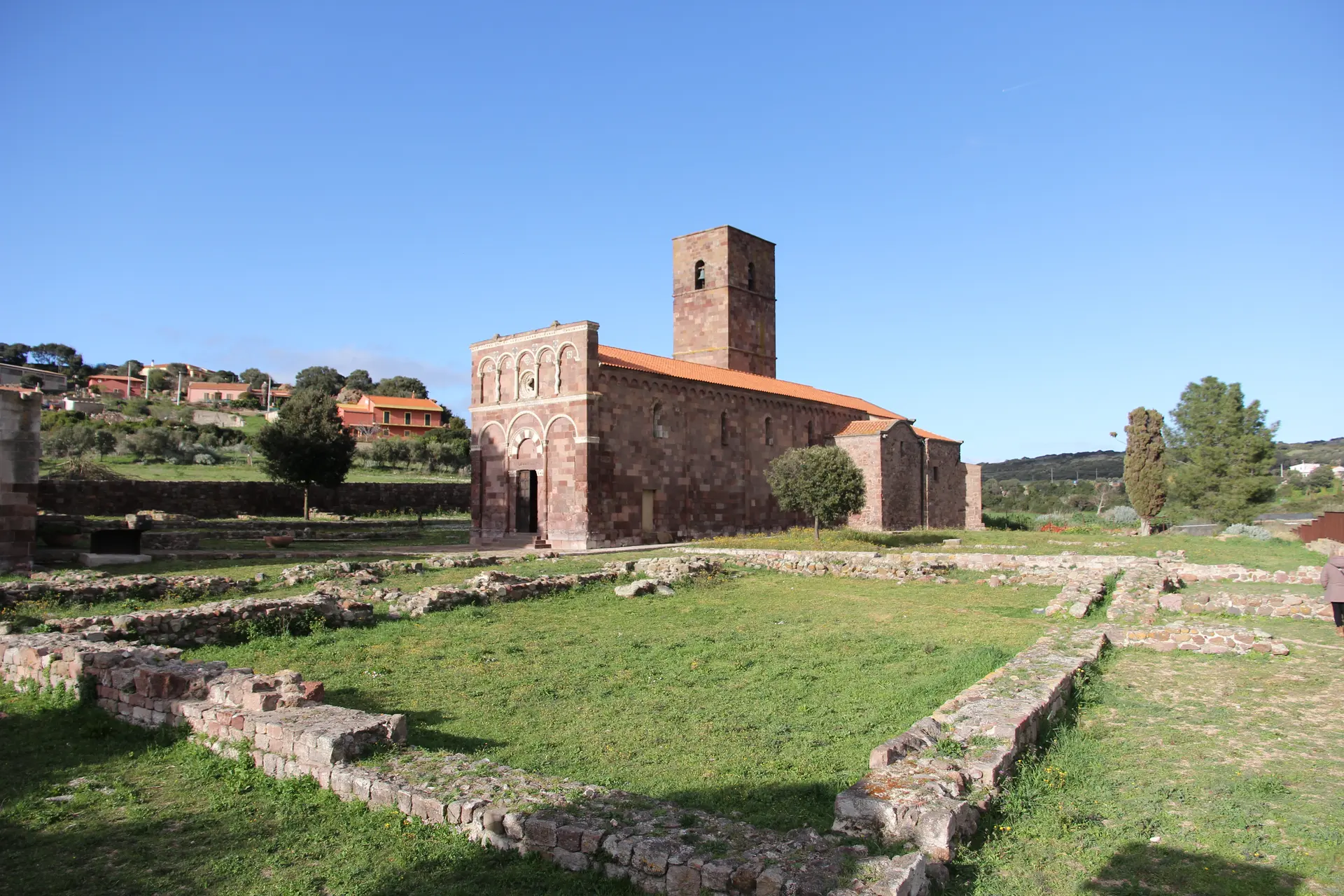
Chiesa di Nostra Signora di Tergu
Zelgu/Tergu, Sassari, Italy
19.2 km away
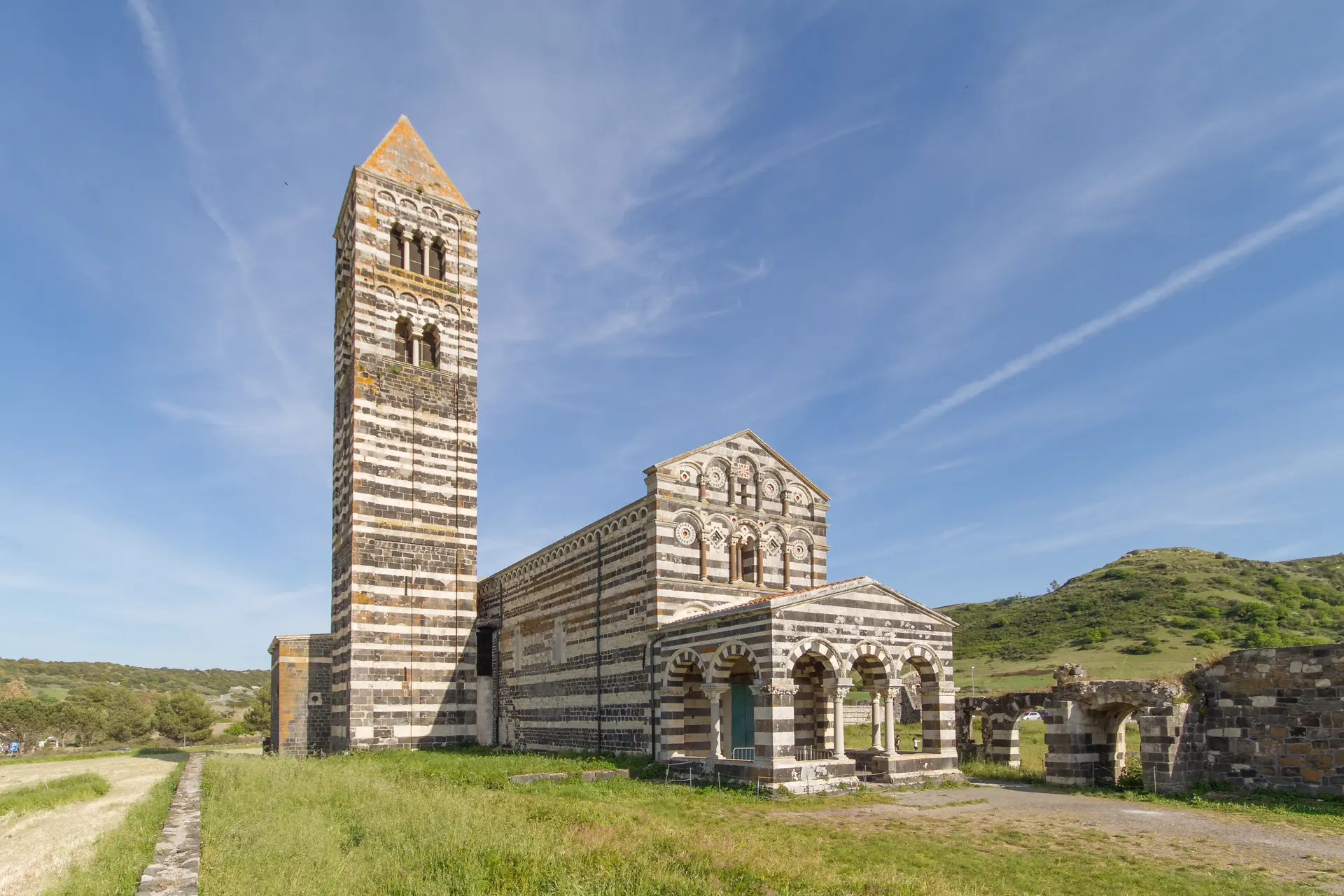
Church of the Holy Trinity Saccargia (Basilica della Santissima Trinita de Saccargia)
Codronzanu/Codrongianos, Sassari, Italy
26.3 km away
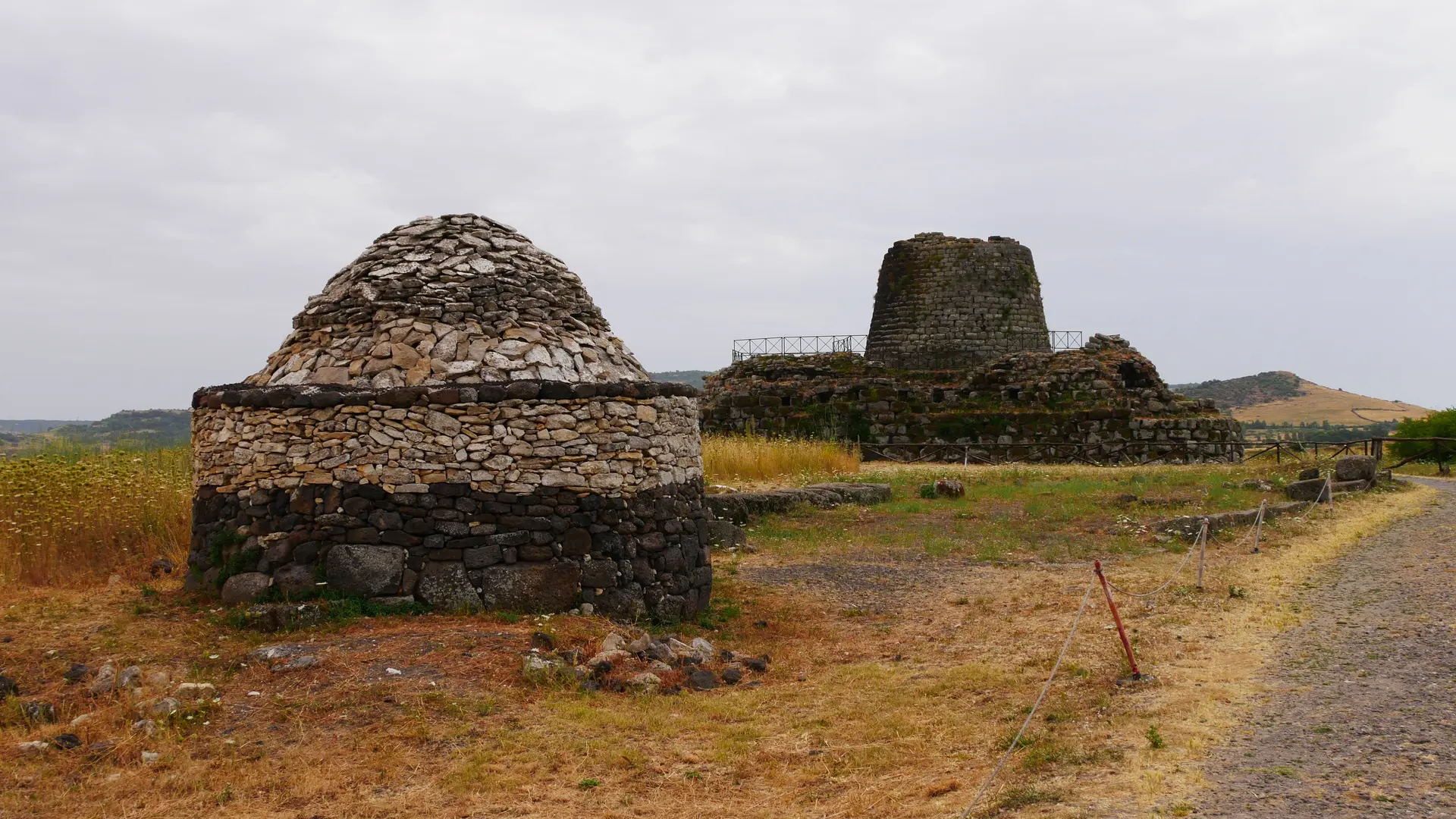
Nuraghe of Saint Constantine, Sa domo de su re (The house of the king)
Turalva/Torralba, Sassari, Italy
43.4 km away
References
Sources consulted for this page. Source categories describe the publication, not a guarantee that every claim is verified. Traditional accounts and outside interpretations may differ.
- 01The Pre-Nuragic altar of Monte d'Accoddi - Direzione regionale Musei Nazionali Sardegna — Italian Ministry of CultureofficialOfficial museum site information
- 02Tempio - Altare di Monte d'Accoddi | SardegnaTurismo — Regione Sardegna TourismofficialOfficial Sardinia tourism information
- 03Sassari, Prenuragic altar of Monte d'Accoddi — SardegnaCulturaofficialOfficial cultural heritage information
- 04Monte d'Accoddi and the end of the Neolithic in Sardinia (Italy) — Academic publicationacademicScholarly archaeological analysis
- 05Monte d'Accoddi - Wikipedia — Wikipedia contributorsencyclopediaComprehensive archaeological and historical overview
Photo gallery
3 curated photos
Share a photo
Help visitors recognize Altare prenuragico di Monte d’Accoddi. Every submission is reviewed before publication.