Church of the Holy Trinity Saccargia (Basilica della Santissima Trinita de Saccargia)
Black and white stripes rising from the Sardinian countryside—a thanksgiving in stone
Understand sacred places, explore living traditions, and learn how to engage respectfully with Pilgrim Map.
Access has not been verified. Check current local guidance before planning a visit.
Codronzanu/Codrongianos, Sassari, Italy
Read the sources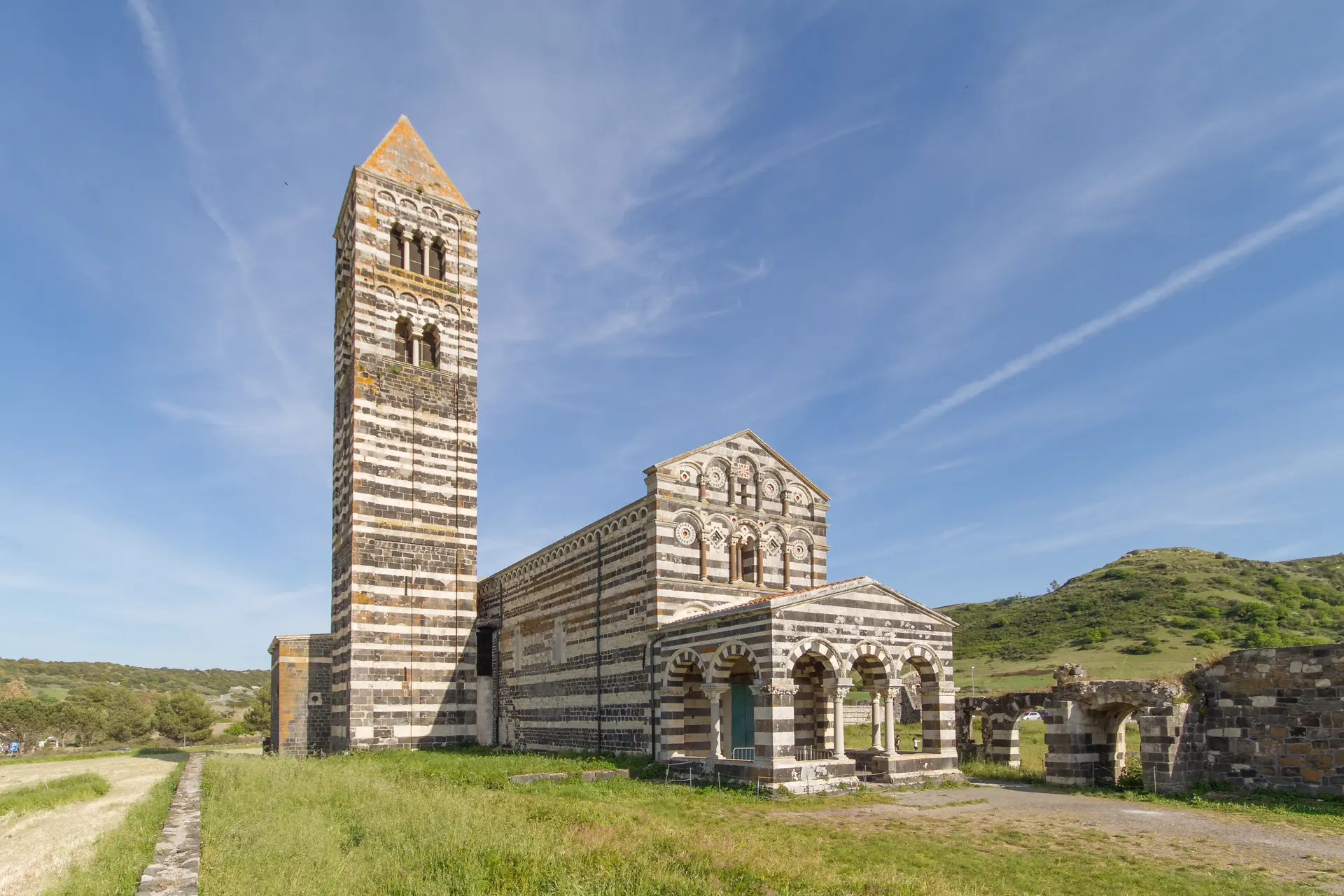
Image of Church of the Holy Trinity Saccargia (Basilica della Santissima Trinita de Saccargia). Image source · CC-BY-SA-4.0
Visit essentials
A quick read before you go
- Duration
- 30 minutes to 1 hour
- Access
- By car: Leave SS 131 for SS 597 (Sassari-Olbia road).
Overview
The church appears like a vision—black and white stripes against green hills, a tall bell tower marking the sky. The Basilica di Saccargia stands five kilometers from the nearest town, in pastoral isolation that has barely changed since Camaldolese monks first settled here nine centuries ago. This is Sardinia's most famous medieval church, and its dramatic architecture matches its remarkable origin story.
Giudice Constantine I of Torres and his wife Marcusa longed for a child. They visited the Camaldolese monastery, asking the monks to pray for them. When a child was born, Constantine ordered a church built—not merely a parish church but a basilica, entrusted to the monks who had interceded for them. Construction began in 1112 and was completed in 1116.
Pisan craftsmen extended the building between 1118 and 1120, adding the striking facade and the tall quadrangular bell tower that now dominates the landscape.
The bicolour stonework—black basalt alternating with white limestone—creates an effect unique in Sardinia. The T-shaped plan (crux commissa) carries Christological symbolism: the cross in which Christ was crucified. Inside, the apse holds Sardinia's only surviving Romanesque frescoes, painted in the late 12th century by an artist from the Umbria-Lazio region. Christ in Majesty, enthroned and surrounded by angels, gazes down. Below him, the twelve apostles. Lower still, scenes from Christ's life and a depiction of Saint Benedict.
Why this place is sacred
The foundation of Saccargia carries emotional power that transcends architectural appreciation. Giudice Constantine I and his wife Marcusa were childless. They turned to the Camaldolese monks, asking for prayers. When a child came, Constantine gave thanks not merely with words but with stone—commissioning a basilica that would serve as a permanent offering, entrusted to the very monks whose prayers had been answered.
This thanksgiving dimension transforms how visitors experience the space. Every stone was laid in gratitude. Every detail of the striking facade—the alternating bands of black basalt and white limestone, the arches and columns, the tall bell tower—represents not merely aesthetic choice but devotional expression. The church is itself an offering, a prayer made permanent.
The Camaldolese connection deepens the spiritual significance. Saint Romuald founded the Camaldolese order around the year 1000, drawing on the austere contemplative traditions that had come to Italy from Celtic monasticism. The order emphasized solitude, silence, and contemplation. When Constantine entrusted his thanksgiving church to the Camaldolese, he was placing it in the care of monks committed to the deepest forms of Christian prayer.
The apse frescoes—painted in the late 12th century and unique in Sardinia—provide visual focus for contemplation. Christ in Majesty occupies the central position, enthroned and surrounded by angels. Below him stand the twelve apostles, with the Blessed Virgin and Saint Paul distinguished. Lower still, scenes from Christ's life unfold: the Incarnation, ministry, death, and resurrection that anchor Christian devotion. A depiction of Saint Benedict acknowledges the monastic tradition that shaped the space.
These images have witnessed nine centuries of prayer. The frescoes are faded now, their colors muted by time, but Christ's gaze remains. What the Camaldolese monks beheld, modern visitors can behold. What was painted to inspire medieval contemplation continues to inspire today.
The T-shaped (crux commissa) plan carries Christological symbolism often overlooked. This is not simply an architectural convenience but a deliberate choice: the building itself forms a cross, the shape of Christ's self-offering. Worshippers stand within the cross as they pray.
A folk tradition—probably false but revealing—claims the name 'Saccargia' derives from 's'acca argia' (piebald cow), supposedly a cow that came daily to offer her milk to the friars, sitting as if in prayer. Scholars trace the name to Latin 'Sacraria' (sacred place), but the folk etymology captures something true: even animals, in legend, recognized the holiness of this place.
Built 1112-1116 as thanksgiving offering by Giudice Constantine I of Torres after his wife bore him a child. Entrusted to Camaldolese monks. Extended 1118-1120 by Pisan craftsmen.
1112: Construction begun. 1116: Consecrated October 5. 1118-1120: Extended by Pisan craftsmen. Late 12th century: Apse frescoes painted. 1384: Last mention of Camaldolese presence. 15th-16th century: Retable and Madonna statue added. Continues as functioning church.
Experience and orientation
The approach prepares you for the vision. Five kilometers from Codrongianos, the road passes through rolling countryside—the same pastoral landscape the Camaldolese monks knew. Then the church appears: black and white stripes rising against the sky, the tall bell tower marking vertical against horizontal hills. Nothing else of comparable scale interrupts the view. The basilica stands alone.
The facade rewards extended attention. Black basalt and white limestone alternate in horizontal bands, creating a visual rhythm unique in Sardinia. Arches frame the portal. Geometric patterns decorate the surface. The quadrangular bell tower rises at the northwest corner, added by Pisan craftsmen during the 1118-1120 extension. The effect is at once orderly and dramatic, mathematical and mystical.
Entering the church, the eye adjusts from bright countryside to dim interior. The space is modest—twenty meters long, seven wide, fourteen tall—but the proportions create a sense of upward aspiration. The T-shaped plan (crux commissa) positions the altar at the crossing, visible from the entrance. Three apses with cross vaults terminate the transept and nave.
The frescoes command attention. In the central apse, Christ in Majesty occupies the upper register, enthroned and surrounded by angels. His gaze reaches across the space. Below, the twelve apostles stand in procession, with the Blessed Virgin and Saint Paul distinguished. Lower still, scenes from Christ's life unfold in narrative sequence. The colors are faded after nine centuries, but the images remain powerful—the only surviving Romanesque wall paintings in Sardinia.
The isolation of the site enhances the contemplative atmosphere. Without surrounding development, without the noise and distraction of urban settings, the church exists in a landscape that recalls its monastic origins. The Camaldolese sought solitude and silence; visitors today can find something similar.
The Basilica della Santissima Trinità di Saccargia is located about 5km from Codrongianos, in the Province of Sassari, northern Sardinia. The church stands in pastoral countryside along the SS 597 (Sassari-Olbia road).
Context and lineage
Giudice Constantine I of Torres and his wife Marcusa were childless. They visited the Camaldolese monastery, seeking the monks' prayers for a child. When their prayer was answered and a child was born, Constantine ordered the construction of a church as thanksgiving—not a small chapel but a basilica. He entrusted it to the Camaldolese monks, the very community whose prayers had been answered.
Construction began in 1112 and was completed in 1116, when the church was consecrated on October 5 under Pope Paschal II. Between 1118 and 1120, Pisan craftsmen extended the building, adding the striking bicolour facade and the tall bell tower. In the late 12th century, an artist from the Umbria-Lazio region painted the apse frescoes—the only Romanesque wall paintings to survive in Sardinia.
Founded by Giudice of Torres 1112. Entrusted to Camaldolese monks. Camaldolese presence ended 1384. Continues as functioning parish church.
Giudice Constantine I of Torres
Marcusa
Saint Romuald
Traditions and practice
Camaldolese monastic life (12th-14th centuries). Liturgy according to Camaldolese rite. Contemplative prayer in Saint Romuald's tradition.
Feast of the Holy Trinity (Sunday after Pentecost) with processions, religious rites, performances, dancing, poetry readings, folk music, and local cuisine. Regular visitation and prayer throughout the year.
Approach slowly to appreciate the dramatic setting. Study the bicolour facade before entering. Inside, allow time for eyes to adjust, then contemplate the frescoes in the apse. Note the T-shaped plan. If visiting on the Sunday after Pentecost, participate in the feast celebrations.
Roman Catholicism
ActiveSardinia's most famous and spectacular medieval church. Built 1112-1116 as thanksgiving by Giudice Constantine I after receiving a child. Former Camaldolese abbey. Houses Sardinia's only surviving Romanesque frescoes (late 12th century) depicting Christ in Majesty.
Feast of the Holy Trinity (Sunday after Pentecost) with processions, religious rites, and folk celebrations. Regular visitation and prayer.
Perspectives and open questions
The Basilica di Saccargia offers encounter with Sardinia's most famous medieval church—a thanksgiving in stone, Camaldolese contemplative tradition, and the island's only surviving Romanesque frescoes.
Scholarly perspective
The basilica is recognized as Sardinia's most important Romanesque monument. The Pisan influence in the 1118-1120 extension is documented. The apse frescoes are attributed to an Umbrian-Lazio artist and are unique in Sardinia. The Camaldolese presence 1116-1384 is documented.
Living and traditional perspectives
Catholic tradition celebrates the foundation story—Constantine and Marcusa's thanksgiving for a child—and maintains the feast of the Holy Trinity with processions and folk celebrations. The frescoes continue to inspire devotion.
Alternative interpretations
The name's derivation from Latin 'Sacraria' suggests pre-existing sacred significance. The T-shaped plan carries Christological symbolism. The bicolour stonework has been interpreted as representing duality.
Open questions
The pre-existing monastery mentioned in sources. The identity of the fresco artist. The fate of Camaldolese manuscripts and treasures after 1384.
Plan your visit
Access and arrival
By car: Leave SS 131 for SS 597 (Sassari-Olbia road). Well signposted. Free parking. Limited public transport; car recommended.
Accommodations in Sassari (15km) or along the coast. Agriturismos in the surrounding countryside.
Respectful visit
Modest dress required. Shoulders and knees covered.
Photography permitted. Flash may be restricted for frescoes.
Donations appreciated.
Admission: €3 | Modest dress required | Do not touch frescoes
Admission fee (€3). Flash photography may be restricted to protect frescoes. Summer can be hot; mornings recommended.
Current practical details
Address
SS597, 07040 Codrongianos SS, Italy
Phone
Hours
Hours, fees, and access can change — verify on the official source before you travel. Practical details last checked Jun 2026.
Location
Map loads as you approach this section.
Pilgrim reflections
A portrait of encounter, not a score
Pilgrims describe what they felt, how present they could become, and whether the place would shape a journey. There are no stars and no ranking of traditions.
No reviewed reflections yet
The first pilgrims can help describe the character of being here.
Share a reflection
Available after an account-backed “Been there.” Every reflection is reviewed before publication.
Nearby sacred places
Explore other sacred places in the region. Proximity does not establish access or travel time; check each place’s guidance.
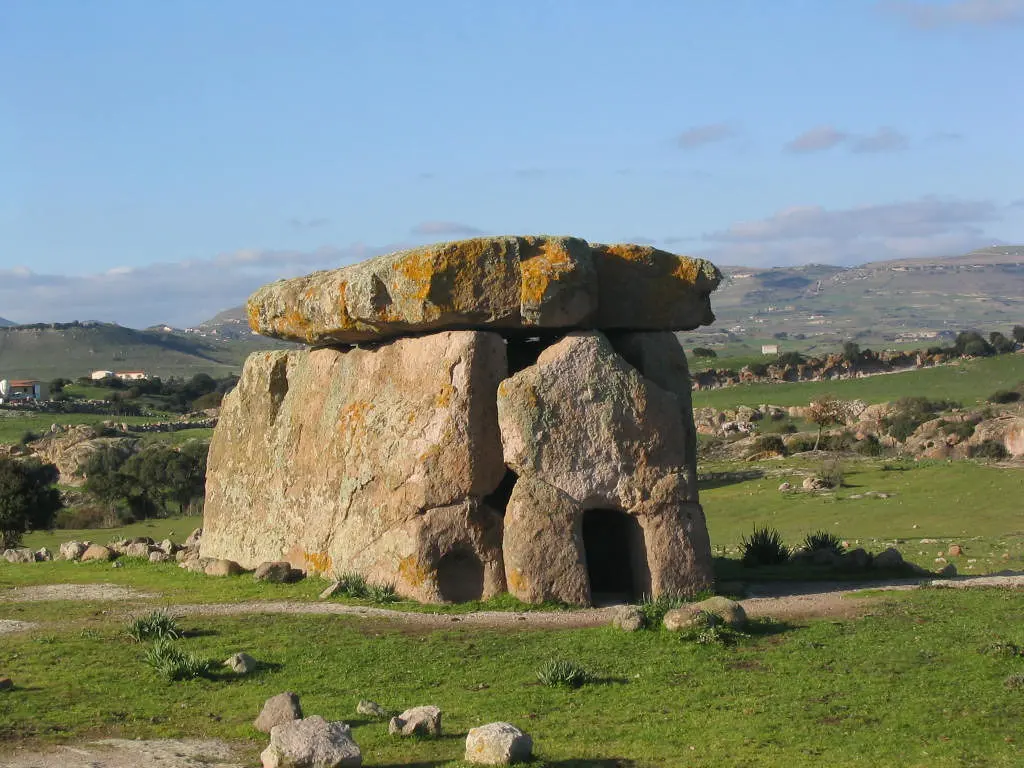
Dolmen Sa Coveccada
Mores, Sassari, Italy
19.0 km away
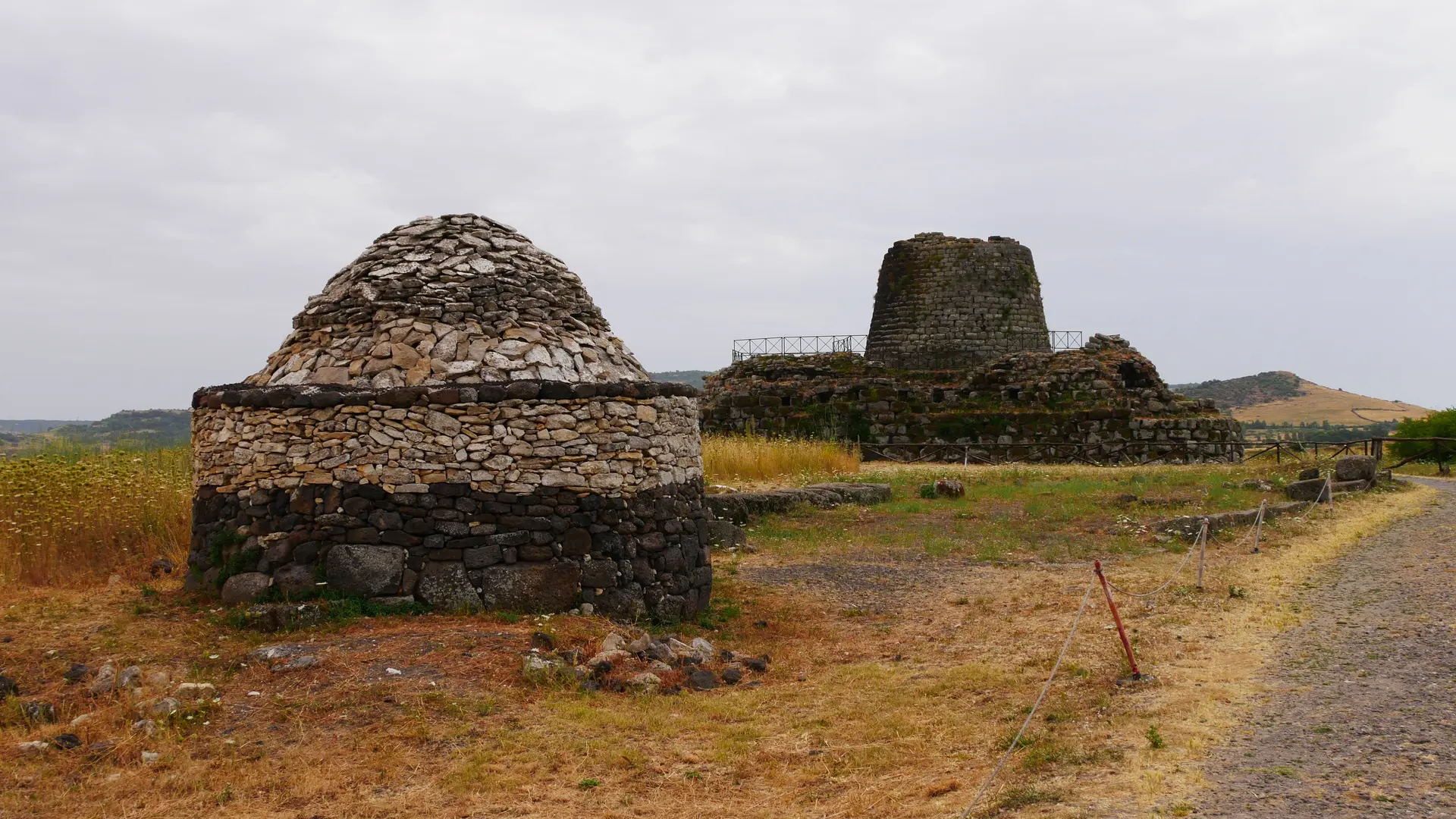
Nuraghe of Saint Constantine, Sa domo de su re (The house of the king)
Turalva/Torralba, Sassari, Italy
21.3 km away
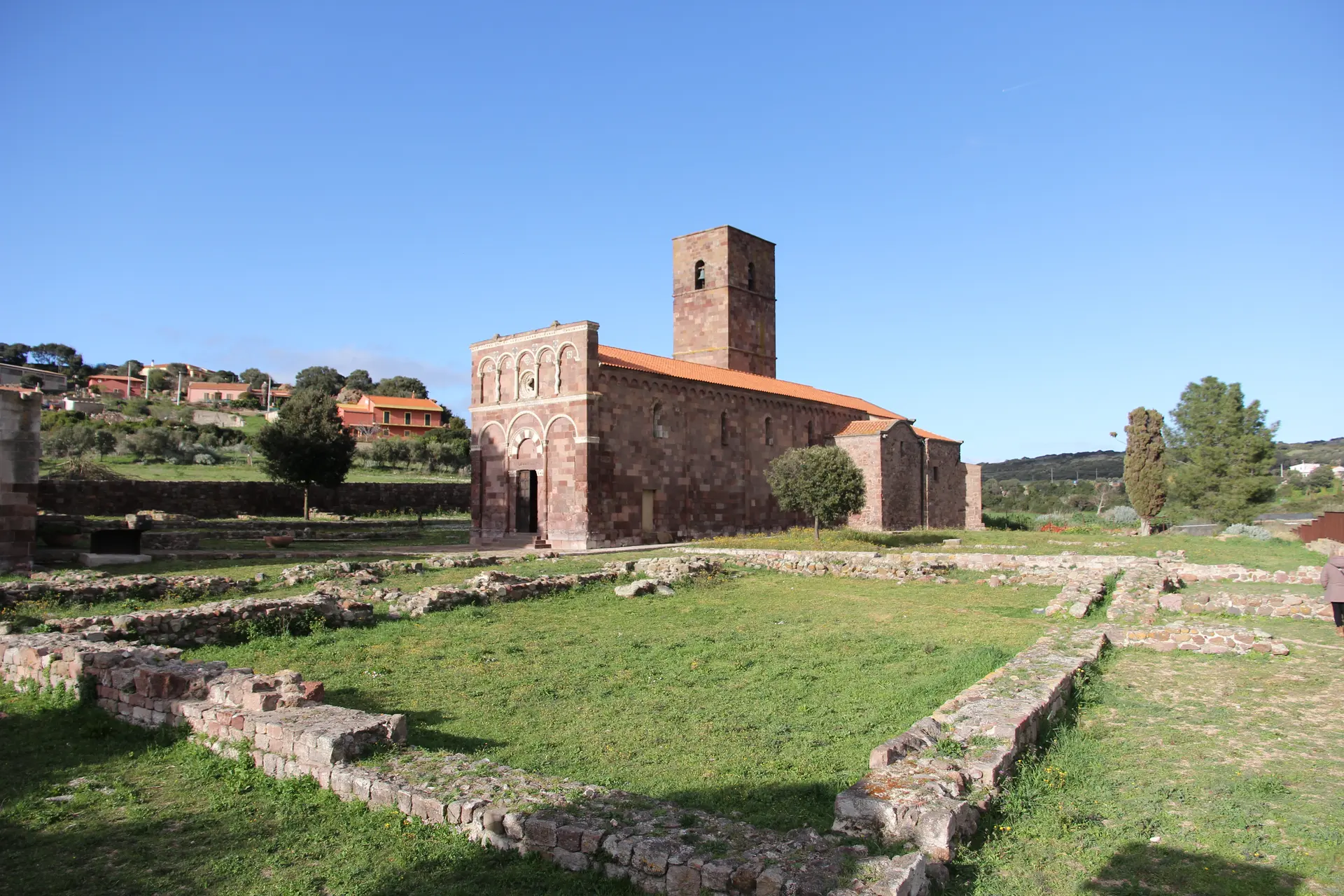
Chiesa di Nostra Signora di Tergu
Zelgu/Tergu, Sassari, Italy
24.4 km away

Altare Rupestre di Santo Stefano
Oscheri/Oschiri, Sassari, Italy
24.5 km away
References
Sources consulted for this page. Source categories describe the publication, not a guarantee that every claim is verified. Traditional accounts and outside interpretations may differ.
- 01Santissima Trinità di Saccargia | SardegnaTurismo — Regione Sardegna TourismofficialOfficial Sardinia tourism information
- 02Chiesa della Santissima Trinità di Saccargia – Fondazione Romanico Sardegna — Fondazione Romanico SardegnaSource contextSpecialized Romanesque architecture documentation
- 03Codrongianos, Church of the Santissima Trinità di Saccargia — Chiese Romaniche SardegnaSource contextDetailed architectural information
- 04Basilica di Saccargia - Wikipedia — Wikipedia contributorsencyclopediaComprehensive historical overview
- 05The Camaldolese Abbey Church of the Holy Trinity in Saccargia — Liturgical Arts JournalSource contextDetailed monastic and liturgical context
Share a photo
Help visitors recognize Church of the Holy Trinity Saccargia (Basilica della Santissima Trinita de Saccargia). Every submission is reviewed before publication.