Complesso Prenuragico di Monte Baranta
Where Copper Age communities built monuments that still stand after 4,500 years
Understand sacred places, explore living traditions, and learn how to engage respectfully with Pilgrim Map.
Access has not been verified. Check current local guidance before planning a visit.
Alghero, Sassari, Italy
Read the sources
Image of Complesso Prenuragico di Monte Baranta. Image source · CC-BY-SA-3.0
Visit essentials
A quick read before you go
- Duration
- 1-1.5 hours for the complex
- Access
- By car from Olmedo, follow signs to Monte Baranta (3km).
Overview
Monte Baranta's 100-meter wall still holds stones fitted 4,500 years ago across a Sardinian hilltop. Long read as a defensive settlement, it supports that view through the massive wall, elevated command of the terrain, and horseshoe tower scholars call a protonuraghe. Recent research proposes another possibility: a ceremonial standing-stone circle, construction beyond practical need, and an isolated location requiring deliberate travel suggest a pilgrimage center rather than merely a dwelling.
The Monte Claro culture left no explanatory texts. It left megalithic walls, a tower with an internal chamber, rectangular habitation huts, and a menhir-marked circle where an unknown act warranted exceptional effort. Whatever the purpose, the complex commanded resources and labor that express shared intent.
Why this place is sacred
The Monte Claro culture of Copper Age Sardinia (2500-2000 BCE) left no texts, no inscriptions, no clear explanation of their beliefs. They left stone. And at Monte Baranta, they left enough of it to still command attention four and a half millennia later.
The 100-meter megalithic wall is the most visible feature—massive stones fitted together without mortar, enclosing the hilltop complex. This is not the work of a small group but of an organized community capable of quarrying, transporting, and placing stones of considerable weight. The labor alone speaks of purpose beyond the merely practical.
The horse-shoe tower—what archaeologists call a protonuraghe—rises within the enclosure. This structure anticipates the nuraghi that would define Bronze Age Sardinia, but Monte Baranta predates that era. The tower's internal chamber could have served defensive, storage, or ceremonial purposes. We cannot know which interpretation is correct, or whether all three applied.
Rectangular huts within the complex indicate habitation. People lived here, at least seasonally. But the presence of residential structures does not explain the scale of construction. You do not build a 100-meter megalithic wall merely to shelter a few huts.
The stone circle with menhirs offers the clearest indication of ceremonial purpose. Standing stones are not defensive architecture. Circles marked by menhirs appear across prehistoric Europe in contexts associated with ritual, astronomy, and communal gathering. The Monte Baranta circle suggests that whatever else this place was, it was also sacred.
Recent archaeological interpretation has emphasized this ceremonial dimension. Scholars have proposed that Monte Baranta functioned as a pilgrimage center—a destination where communities from across the region gathered at prescribed times for rituals we cannot reconstruct. The hilltop location, the monumental architecture, the stone circle all support this reading.
But interpretation remains uncertain. The Monte Claro culture disappeared without heirs who preserved their traditions. We have the stones and the questions they provoke. We have evidence of organized effort and shared purpose. We have a place that mattered enough to build and maintain across centuries. What we lack is the meaning—the beliefs, the ceremonies, the understanding that would explain why this hilltop above Olmedo became a monument.
Copper Age ceremonial and residential complex. Megalithic wall and protonuraghe tower. Stone circle with menhirs for ceremonies. Possibly a pilgrimage center for Monte Claro culture communities.
2500-2000 BCE: Complex built by Monte Claro culture. III millennium BCE: Main period of use. Modern era: Archaeological excavation and interpretation as possible pilgrimage center.
Experience and orientation
The approach to Monte Baranta leads three kilometers from Olmedo, climbing toward a hilltop that the Monte Claro people chose 4,500 years ago. The elevation becomes apparent as you ascend—this is a position that commands views, that separates itself from the surrounding landscape, that announces significance.
The 100-meter megalithic wall is the first feature to register. The stones are massive, fitted with precision that has endured millennia. Walking along the wall, you encounter the work of hands that understood their material—stones shaped to interlock, to distribute weight, to resist the slow pressures of time and weather.
The horse-shoe tower rises within the enclosure. This protonuraghe—predecessor of the nuraghi that would later cover Sardinia—offers an interior space that may have served multiple purposes. The curved walls create a chamber that feels intentional, designed for something more than storage.
The rectangular huts scattered within the complex indicate that people lived here. But the modest scale of these structures contrasts sharply with the monumental effort of the wall and tower. This was not a place built merely for shelter.
The stone circle with menhirs provides the clearest evidence of ceremonial function. Standing stones mark positions that meant something to their placers. The circle form suggests gathering, ritual, perhaps astronomical observation. Standing within this space, you occupy ground that Copper Age communities set apart for purposes beyond the everyday.
The panoramic views from Monte Baranta extend across the Sardinian landscape. The hilltop position that made this site significant to the Monte Claro culture remains impressive today. Earth meets sky here in a way that invites contemplation—of time, of purpose, of the persistence of stone against the transience of meaning.
Monte Baranta is located on an elevated hilltop 3km from Olmedo in northwestern Sardinia. The complex covers the summit with megalithic wall, tower, huts, and stone circle visible throughout.
Context and lineage
Between 2500 and 2000 BCE, during the Copper Age, the Monte Claro culture of Sardinia chose a hilltop three kilometers from what is now Olmedo to build something monumental. They constructed a 100-meter megalithic wall enclosing the summit, a horse-shoe shaped tower that anticipates later nuragic architecture, rectangular huts for habitation, and a ceremonial circle marked by standing stones.
The scale of construction far exceeded practical defensive needs, leading recent scholars to propose that Monte Baranta functioned as a pilgrimage center—a destination where communities gathered for ceremonies whose content we can no longer recover.
Built by the Monte Claro culture of Copper Age Sardinia. No descendant tradition preserves their practices. The culture is named after Monte Claro in Cagliari where it was first identified archaeologically.
Traditions and practice
Unknown Copper Age ceremonies at the stone circle with menhirs. Possible astronomical observations. Communal gatherings at prescribed times. Pilgrimage to the hilltop site from surrounding communities.
Archaeological site visitation. Free access for exploration.
Approach the site slowly, allowing the megalithic wall to register before entering. Explore the protonuraghe tower and its internal chamber. Walk among the huts that housed those who lived or gathered here. Spend time at the stone circle, considering what purposes required such monumental construction. Allow 1-1.5 hours for the complex.
Monte Claro Culture
HistoricalMonte Baranta is one of the most important Monte Claro culture (2500-2000 BCE) sites in Sardinia. The megalithic wall, protonuraghe tower, and stone circle with menhirs indicate both residential and ceremonial functions. Recent interpretation suggests it may have been a pilgrimage center.
No longer practiced. Archaeological evidence suggests ceremonial gatherings at the stone circle, possible astronomical observations, and communal rituals.
Perspectives and open questions
Monte Baranta offers encounter with Copper Age monumentality—a hilltop complex where 4,500 years ago, the Monte Claro culture built walls, a tower, and a stone circle that still stand.
Scholarly perspective
The site is recognized as one of the most remarkable III millennium BCE settlements in the Mediterranean. The Monte Claro culture complex features a 100-meter megalithic wall, a horse-shoe shaped protonuraghe, rectangular huts, and a ceremonial circle with menhirs. Recent research has proposed reinterpreting the site as a pilgrimage center rather than purely defensive settlement.
Living and traditional perspectives
No living tradition preserves Monte Claro culture practices. The ceremonies that occurred at the stone circle are lost.
Alternative interpretations
The megalithic circle with standing stones has attracted interest from those studying ancient astronomical alignments. The hilltop position and monumental scale suggest intentional connection between earth and sky.
Open questions
The specific ceremonies performed at the stone circle. The relationship between defensive and ceremonial functions. The beliefs that motivated such monumental construction. The identity of those who traveled here.
Plan your visit
Access and arrival
By car from Olmedo, follow signs to Monte Baranta (3km). Parking at site. Very limited public transport; car recommended.
Accommodations in Olmedo, Alghero, and Sassari. Agriturismos in the countryside.
Respectful visit
No dress code. Sturdy footwear essential for uneven terrain.
Photography permitted throughout the site.
None; archaeological site.
Respect archaeological structures | Do not climb on walls | Do not remove materials
Uneven terrain requires sturdy footwear. Summer can be very hot—visit in morning or late afternoon. Bring water.
Current practical details
Address
J9JW+QM, 07040 Olmedo, Metropolitan City of Sassari, Italy
Hours, fees, and access can change — verify on the official source before you travel. Practical details last checked Jun 2026.
Location
Map loads as you approach this section.
Pilgrim reflections
A portrait of encounter, not a score
Pilgrims describe what they felt, how present they could become, and whether the place would shape a journey. There are no stars and no ranking of traditions.
No reviewed reflections yet
The first pilgrims can help describe the character of being here.
Share a reflection
Available after an account-backed “Been there.” Every reflection is reviewed before publication.
Nearby sacred places
Explore other sacred places in the region. Proximity does not establish access or travel time; check each place’s guidance.

Altare prenuragico di Monte d’Accoddi
Sassari, Sassari, Italy
16.2 km away
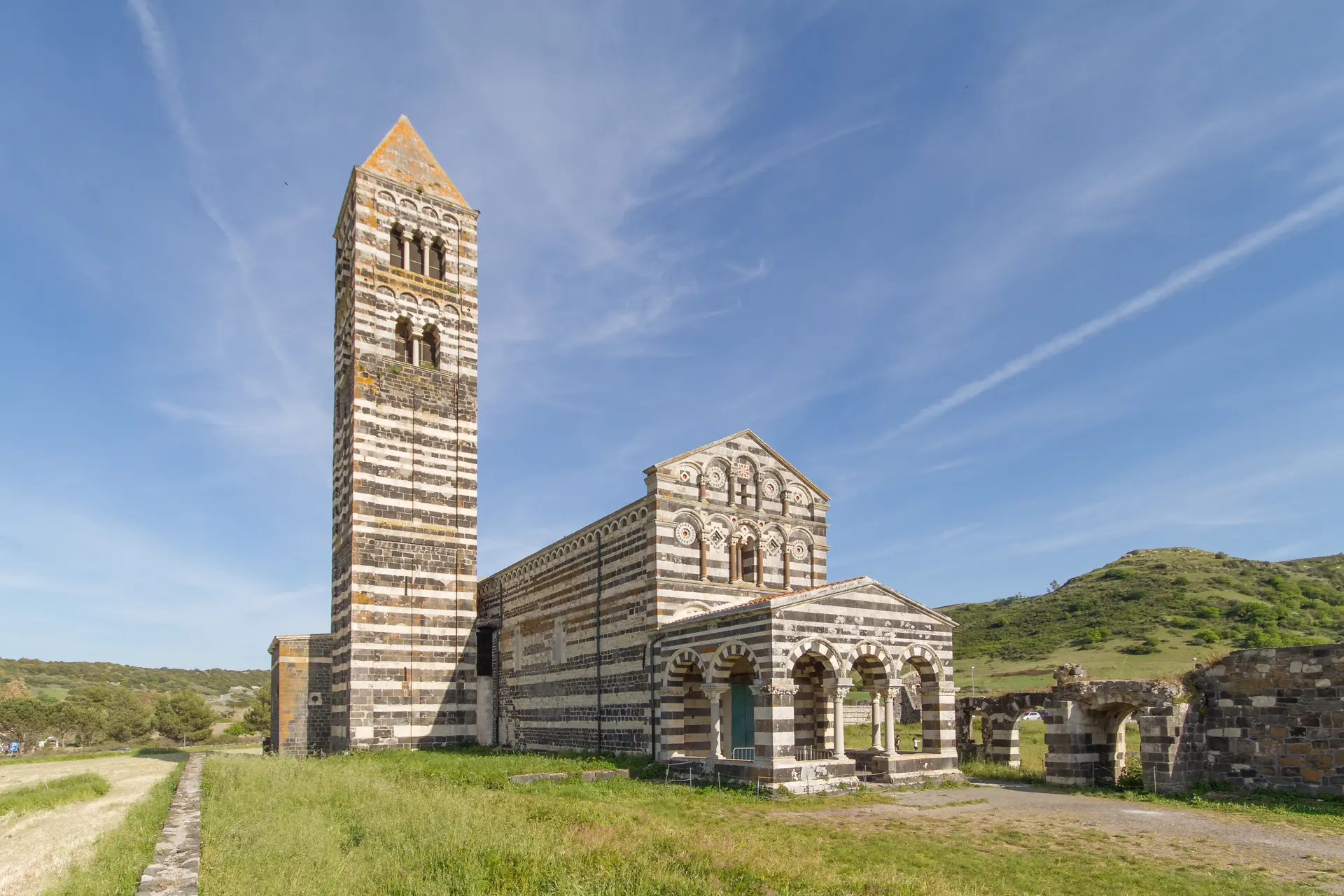
Church of the Holy Trinity Saccargia (Basilica della Santissima Trinita de Saccargia)
Codronzanu/Codrongianos, Sassari, Italy
27.7 km away
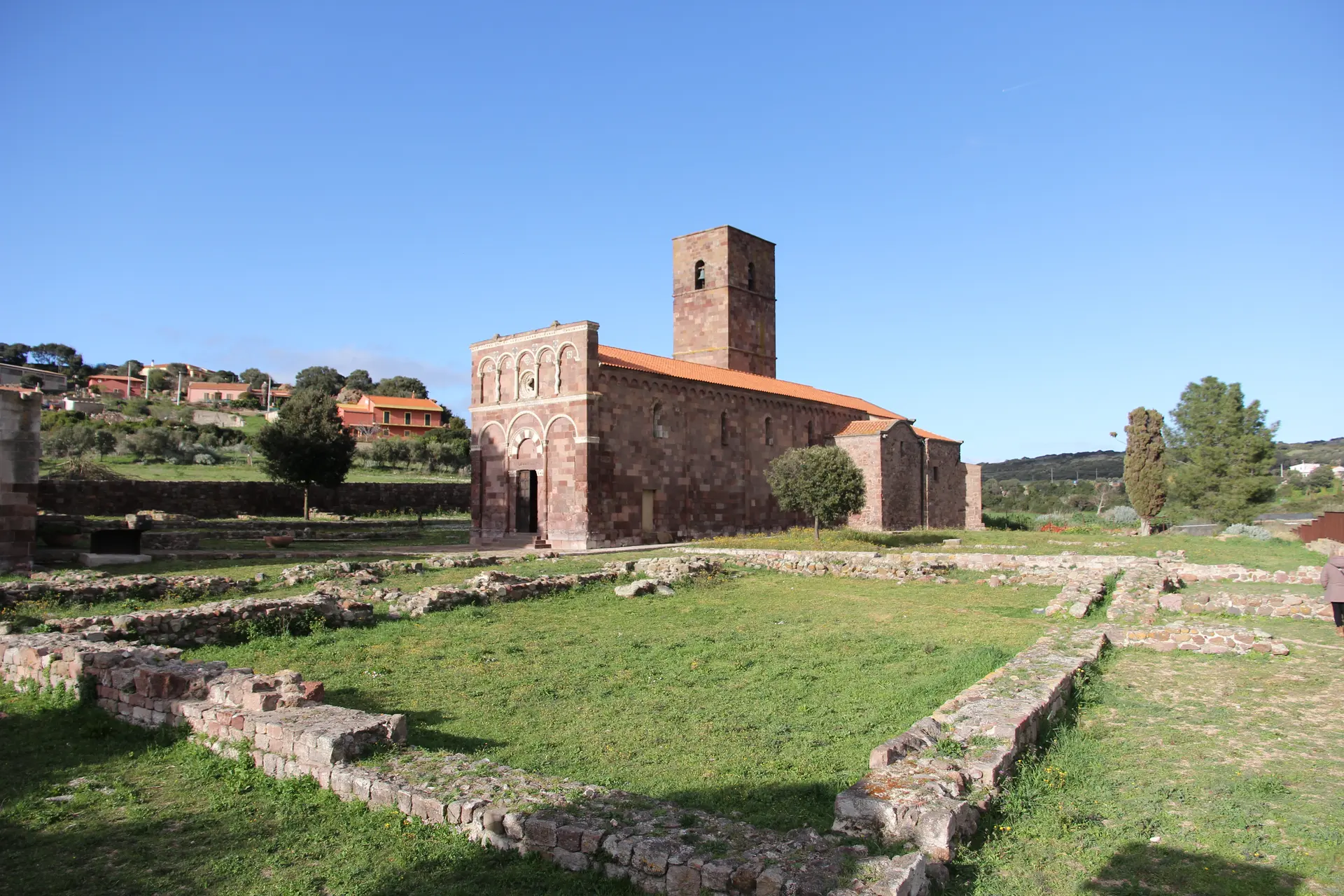
Chiesa di Nostra Signora di Tergu
Zelgu/Tergu, Sassari, Italy
33.3 km away
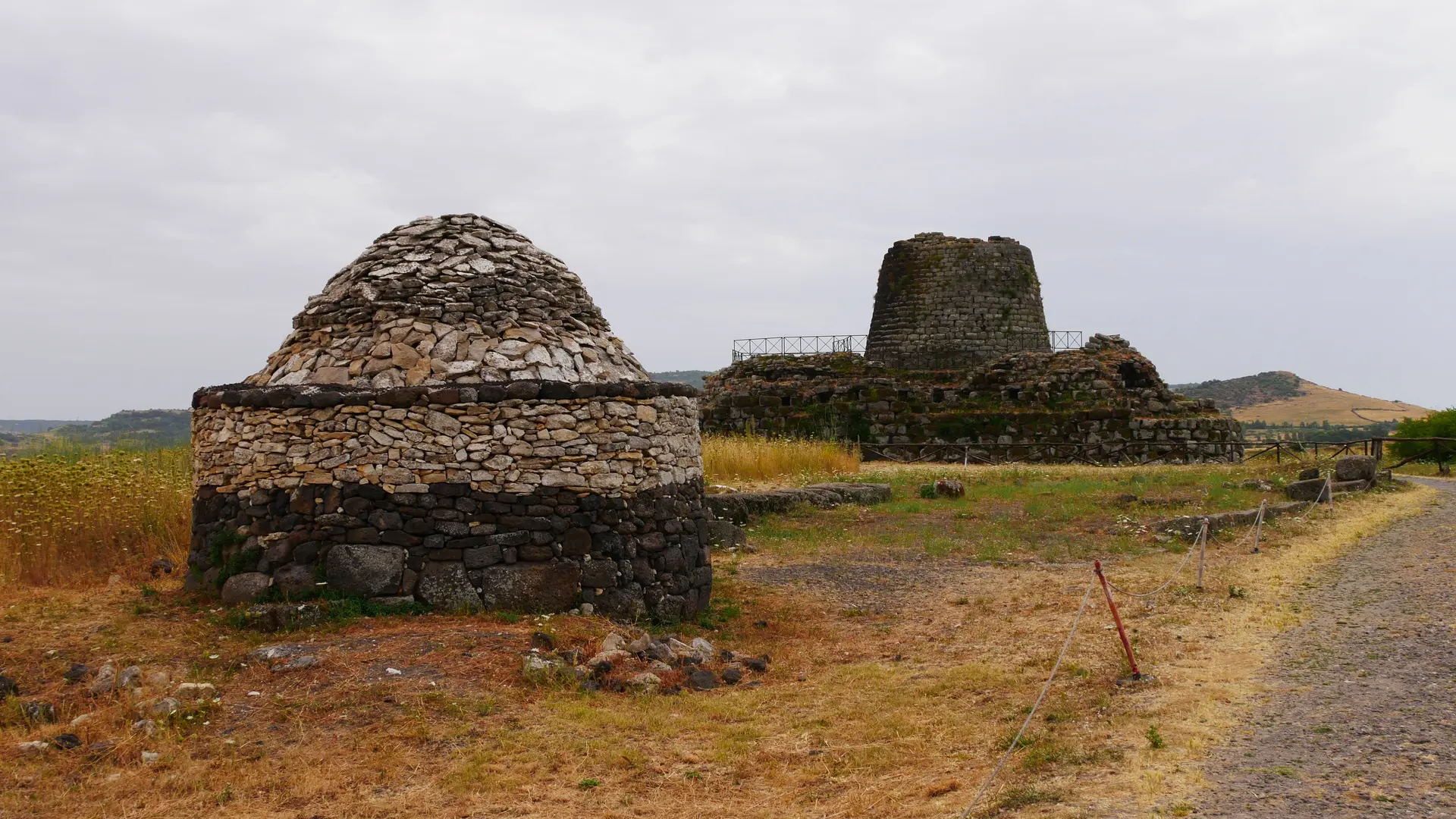
Nuraghe of Saint Constantine, Sa domo de su re (The house of the king)
Turalva/Torralba, Sassari, Italy
36.8 km away
References
Sources consulted for this page. Source categories describe the publication, not a guarantee that every claim is verified. Traditional accounts and outside interpretations may differ.
- 01Monte Baranta - Sardegna Cultura — Regione SardegnaofficialOfficial Sardinian cultural heritage documentation
- 02Monte Baranta | SardegnaTurismo — Regione Sardegna TourismofficialOfficial tourism information
- 03Monte Baranta - Wikipedia — Wikipedia contributorsencyclopediaArchaeological overview
- 04Monte Baranta | Tripadvisor — TripadvisorguideVisitor reviews and practical information
Share a photo
Help visitors recognize Complesso Prenuragico di Monte Baranta. Every submission is reviewed before publication.