Ajanta caves, Maharashtra
Where monks carved sanctuary from living rock and painted the Buddha's path in stories of color and light
Understand sacred places, explore living traditions, and learn how to engage respectfully with Pilgrim Map.
Access has not been verified. Check current local guidance before planning a visit.
Phardapur, Maharashtra, India
Read the sources
Visit essentials
A quick read before you go
- Duration
- Three to five hours for thorough exploration of major caves.
- Etiquette
- Flash photography is prohibited throughout to protect the murals.
Overview
On an 1819 tiger hunt in the Western Ghats, British officer John Smith saw a cave facade across a ravine, revealing thirty caves concealed for over a millennium and carved by Buddhist monks from the 2nd century BCE to 480 CE. These are not natural caves: generations cut every chamber, column, and sculpture from solid basalt and prepared walls for painters.
Their murals form the largest corpus of ancient Indian painting, with compassionate bodhisattvas, Jataka tales across dozens of panels, and colors still visible in dim interiors. The caves were monsoon retreats, pilgrim teaching spaces, and visual scripture for non-readers. UNESCO's 1983 recognition honors their artistic and spiritual significance; the paintings have taught compassion for fifteen centuries.
Why this place is sacred
What makes Ajanta thin is the accumulated intention of seven centuries. These caves were not dug for shelter or storage. Every stroke of every chisel was an act of devotion—rock transformed into sacred space through human labor dedicated to spiritual purpose.
Consider what the monks accomplished. They selected a U-shaped gorge where the cliff face received afternoon light. They marked out cave shapes on the rock surface. Then they began carving inward—first rough chambers, then refined interiors, then sculptural detail. The rock they removed by the ton became the terraces below. The process took years for each cave, generations for the complex. No one who began a cave lived to see its paintings completed.
This is the first teaching of Ajanta: patient transformation. The monks embodied the very path they were illustrating. The Jataka tales they painted on the walls tell of the Buddha in previous lives, slowly accumulating merit through acts of compassion and sacrifice. The carving of the caves enacted the same process—slow, patient work toward a worthy goal.
The murals themselves teach through visual narrative. The paintings were designed to be read by devotees walking through the aisles. Each panel depicts an episode from the Jataka tales: the prince who gave away everything, the elephant who sacrificed himself, the deer who reasoned with a king. Walking the caves, you encounter these stories sequentially, absorbing their lessons through image rather than text.
The bodhisattvas painted on the walls—particularly the famous Padmapani and Vajrapani of Cave 1—embody Mahayana Buddhism's highest ideal: beings who have attained enlightenment but delay entry into nirvana to help all sentient beings. Their serene faces, their graceful poses, their expressions of infinite compassion—these are among the most moving images in world art. They do not merely represent the ideal; they transmit it.
The dim cave interiors create their own conditions for thinness. After the bright approach through the gorge, entering a painted cave is like entering another world. Eyes adjust slowly; colors emerge from darkness; figures that seemed shadow become present. This darkness is not a limitation but a teaching: awakening emerges from the darkness of ignorance.
The Ajanta Caves served as Buddhist monasteries (viharas) and worship halls (chaityas). Monks lived in the viharas during the monsoon retreat, practicing meditation and study. The chaitya halls with their rock-cut stupas were sites of worship and circumambulation. The painted narratives taught Buddhist ethics and the path to enlightenment to monks, pilgrims, and passing merchants.
The caves were excavated in two phases: early caves (2nd-1st centuries BCE) reflect Hinayana/Theravada Buddhism, while later caves (5th-6th centuries CE) belong to the Mahayana tradition with its emphasis on bodhisattvas and elaborate iconography. The caves were abandoned around the 6th century CE for reasons that remain unclear—possibly political instability, possibly the decline of patronage. Jungle overgrew the site; the caves were forgotten for over a millennium until John Smith's 1819 rediscovery.
Subsequent archaeological work and UNESCO designation have preserved the caves for contemporary visitors.
Experience and orientation
The journey to Ajanta involves approach through the Deccan landscape—dry hills, occasional villages, the Western Ghats rising in the distance. The caves are not visible until you descend into the gorge. Then the cliff face appears: a horseshoe of basalt with dark openings marking the cave entrances.
The path climbs to cave level. The river Waghur flows below when the rains have come. Looking across the gorge, you see what John Smith saw in 1819: the facade of Cave 10, its rock-cut window still intact after twenty centuries.
Begin with Cave 1, where the great bodhisattvas reside. The entrance leads into a columned hall, then an inner shrine. As your eyes adjust to the dim interior, the paintings emerge. Padmapani, holding his lotus, gazes from the left wall with an expression that has moved viewers for fifteen centuries. Across from him stands Vajrapani with his thunderbolt. These are not mere portraits but presences.
The Jataka panels surround you. Here the Buddha in a previous life as Prince Sibi gives his own flesh to save a dove. There the bodhisattva as a deer reasons with a king about mercy. The narratives require walking and looking—circling the cave, reading the stories with your movement. This is how the paintings were meant to be encountered: not as static museum displays but as teaching that unfolds through walking.
Cave 17 contains some of the finest narrative painting. The famous 'Mother and Child' panel shows a queen holding her infant with extraordinary tenderness. The court scenes depict royal life with attention to costume, architecture, and gesture. The detail rewards extended looking.
The chaitya halls—Caves 9, 10, 19, 26—contain the rock-cut stupas that were the focus of worship. The earliest (Caves 9 and 10) date to the Satavahana period; the latest (Cave 26) includes a dramatic reclining Buddha carved in relief. Circumambulating these stupas, you walk where monks walked two millennia ago.
Take time. The caves reward patience. Let your eyes adjust fully before judging a painting. Sit quietly in a vihara. Notice how the architects designed apertures to admit light at specific angles. The monks who carved these spaces understood contemplation; the caves embody that understanding.
The caves are numbered 1-30 (with some gaps). Begin with Cave 1 for the bodhisattva paintings, then proceed sequentially or selectively. Major viharas with paintings: Caves 1, 2, 16, 17. Chaitya halls: Caves 9, 10, 19, 26. Allow eyes to adjust in each cave before studying murals. The path between caves involves stairs and uneven surfaces. Afternoon light enters some caves directly; morning light can be gentler.
Context and lineage
The monks who carved Ajanta chose their site with intention. The horseshoe gorge provided a cliff face oriented to receive afternoon light—essential for illuminating cave interiors. The river below supplied water. The location along ancient trade routes meant passing merchants could support the monastery.
The first phase of excavation began under Satavahana dynasty patronage in the 2nd century BCE. These early caves follow Hinayana Buddhist practice, with simpler decoration focused on the stupa as object of worship.
After several centuries during which little construction occurred, the Vakataka dynasty revived Ajanta in the 5th century CE. Emperor Harishena and his court sponsored the excavation of numerous elaborate caves in the Mahayana tradition. The famous murals date largely from this period. Artists who had perfected their techniques at the imperial court came to paint the walls with Jataka tales and bodhisattva images.
When Harishena died around 477 CE, patronage declined. The caves were abandoned within decades and gradually forgotten. Jungle overgrew the site; only local villagers knew of its existence. The rediscovery in 1819 brought Ajanta to world attention.
Ajanta belongs to the tradition of Indian rock-cut architecture that includes Ellora, Elephanta, and numerous other sites. The caves demonstrate the development of Buddhist art from Hinayana to Mahayana traditions. The mural style influenced art across Asia—from Central Asian cave paintings to Japanese manuscript illustrations. Modern Indian artists including Nandalal Bose and Abanindranath Tagore drew inspiration from Ajanta's murals.
Emperor Harishena
Royal patron
Captain John Smith
Rediscoverer
James Fergusson
Early documenter
Traditions and practice
Buddhist monks of both Hinayana and Mahayana traditions used the Ajanta Caves. The viharas provided cells for individual monks around a central hall—living quarters during the monsoon retreat when travel was impossible. The chaitya halls contained rock-cut stupas that monks and pilgrims circumambulated clockwise (pradakshina) while meditating or reciting prayers.
The painted narratives served pedagogical function. The Jataka tales—stories of the Buddha's previous lives—taught Buddhist ethics through visual storytelling accessible to illiterate visitors. Walking the aisles, viewers encountered scenes of compassion, sacrifice, and moral development. The paintings were scripture for those who could not read.
Merchants traveling ancient trade routes supported the monastery with donations and received instruction in return. The caves thus served both resident monastics and passing laity.
No monastic community resides at Ajanta today. The caves function as a heritage site under Archaeological Survey of India management. Buddhist pilgrims from Sri Lanka, Thailand, Japan, and elsewhere visit Ajanta as sacred heritage. Some visitors meditate in the caves. The site welcomes both cultural tourists and spiritual seekers.
Walk the caves slowly, as ancient pilgrims did. Let your eyes adjust fully before judging the murals—what seems dim at first reveals extraordinary detail. Study the Jataka panels narratively, trying to follow the stories. Sit quietly in a vihara and consider what it meant to live and practice in these carved chambers. The caves teach patience; receive them patiently.
Buddhism (Theravada and Mahayana)
HistoricalThe Ajanta Caves embody the development of Buddhist art and practice over approximately 700 years. Early caves (2nd-1st centuries BCE) belong to the Hinayana/Theravada tradition, with simpler decoration centered on stupas. Later caves (5th-6th centuries CE) reflect Mahayana Buddhism with its elaborate iconography and emphasis on bodhisattvas. The caves served as monasteries and teaching spaces where the Buddhist path was communicated through visual narrative.
Monks lived in the viharas during monsoon retreat, practicing meditation and study. The chaitya halls with their rock-cut stupas were sites of pradakshina (circumambulation) and worship. The Jataka tale paintings provided visual teaching of Buddhist ethics and the path to enlightenment. Lay pilgrims and merchants visited the caves for instruction and blessing.
Perspectives and open questions
Ajanta invites multiple readings: as art historical masterpiece, as Buddhist sacred site, as testimony to human devotion and skill. Scholarly analysis emphasizes the murals' exceptional artistic achievement. Buddhist practitioners experience sacred heritage. All perspectives acknowledge Ajanta's profound significance for understanding the human capacity to create beauty and transmit wisdom.
Scholarly perspective
Art historians view Ajanta as one of the world's great artistic achievements. The murals represent the finest surviving examples of ancient Indian painting and have influenced art across Asia from Central Asia to Japan. The caves demonstrate the development of Buddhist iconography from Hinayana to Mahayana traditions over 700 years.
The technical sophistication is remarkable. Artists worked in dim cave interiors, applying natural pigments to prepared plaster surfaces. The color palette—derived from minerals and plants—has survived centuries. The compositional skill, the expressiveness of figures, the narrative clarity of the Jataka panels place Ajanta among humanity's greatest visual achievements.
UNESCO recognition honors Ajanta's exceptional universal value for understanding Buddhist art and the history of human creativity.
Living and traditional perspectives
For Buddhists, Ajanta represents seven centuries of devotion concentrated in sacred space. The caves were not artistic exercises but teaching instruments—visual dharma designed to communicate the Buddhist path.
Modern Buddhist pilgrims continue to find spiritual significance at Ajanta. Walking the caves where monks practiced, viewing the images that taught their predecessors, encountering the serene faces of Padmapani and Vajrapani—these experiences connect contemporary Buddhists to their tradition's history.
Alternative interpretations
Some researchers have explored Ajanta's acoustic properties and their potential significance for meditation. The visual program—moving through narrative Jatakas toward the serene bodhisattva images—has been analyzed as an intentional contemplative sequence designed to guide the viewer's consciousness.
Open questions
Questions remain about Ajanta. Why were the caves abandoned in the 6th century? How exactly were the murals painted in the dim interiors—what lighting techniques were used? What was the complete iconographic program before damage and loss? Who were the individual artists? Did workshops travel from the imperial court, and can individual hands be identified? The caves continue to yield discoveries.
Plan your visit
Access and arrival
Aurangabad offers the widest range of accommodations and serves as the typical base for visiting both Ajanta and Ellora. Limited facilities near Ajanta itself.
Respectful visit
Modest clothing appropriate for a sacred heritage site. Comfortable walking shoes essential for stairs and uneven surfaces.
Flash photography prohibited in all caves. Some caves prohibit photography entirely. Check current guidelines and observe posted restrictions.
Not applicable—this is a heritage site, not an active temple.
Do not touch murals or sculptures. Stay on designated paths. Do not bring food or drinks into caves. Maintain quiet voices.
The site involves considerable walking, including stairs. Summer temperatures can be extreme. Bring water. Photography restrictions protect the fragile murals; observe all guidelines. The caves can be crowded; morning visits offer more contemplative experience.
Current practical details
Address
Maharashtra 431117, India
Hours
Hours, fees, and access can change — verify on the official source before you travel. Practical details last checked Jun 2026.
Location
Map loads as you approach this section.
Pilgrim reflections
A portrait of encounter, not a score
Pilgrims describe what they felt, how present they could become, and whether the place would shape a journey. There are no stars and no ranking of traditions.
No reviewed reflections yet
The first pilgrims can help describe the character of being here.
Share a reflection
Available after an account-backed “Been there.” Every reflection is reviewed before publication.
Nearby sacred places
Explore other sacred places in the region. Proximity does not establish access or travel time; check each place’s guidance.
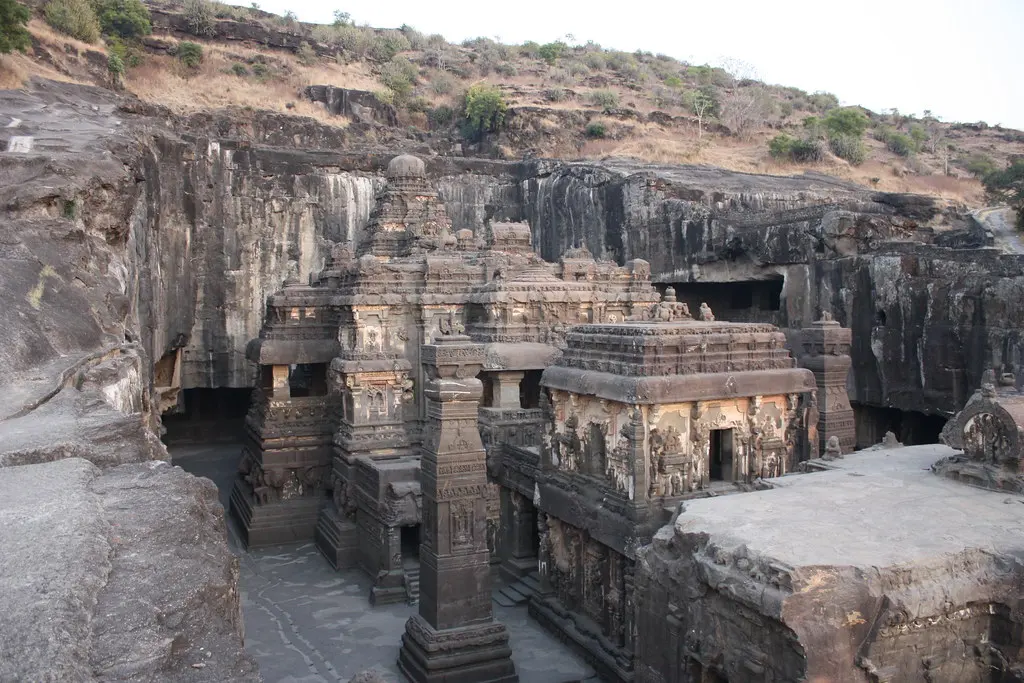
Ellora caves, Maharashtra
Khuldabad, Maharashtra, India
80.1 km away
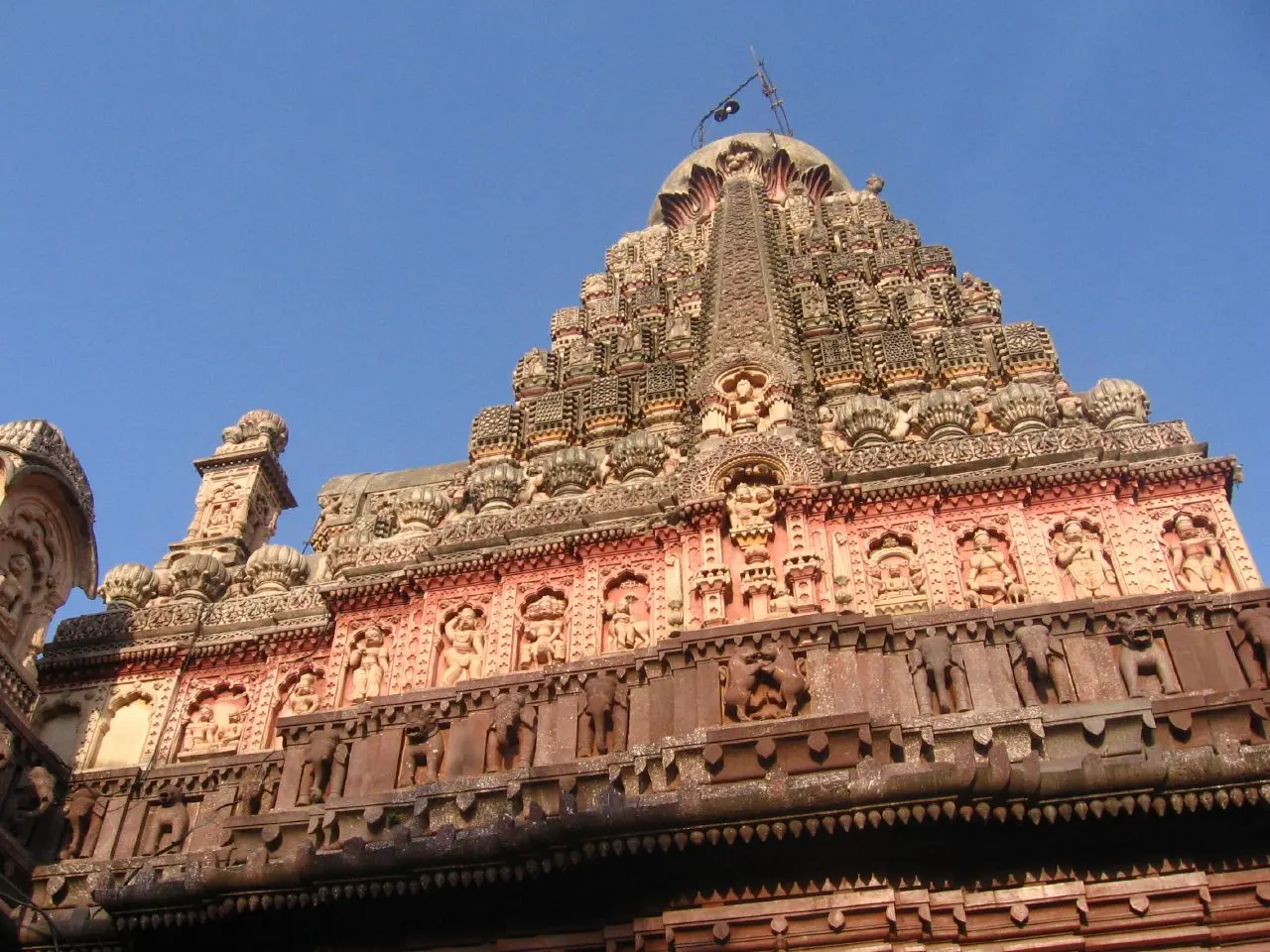
Grishneshwar Jyotirlinga
Verul, Maharashtra, India
80.8 km away
Shirdi Sai Baba Samadhi Temple, Maharashtra
Sainagar, Maharashtra, India
155.0 km away
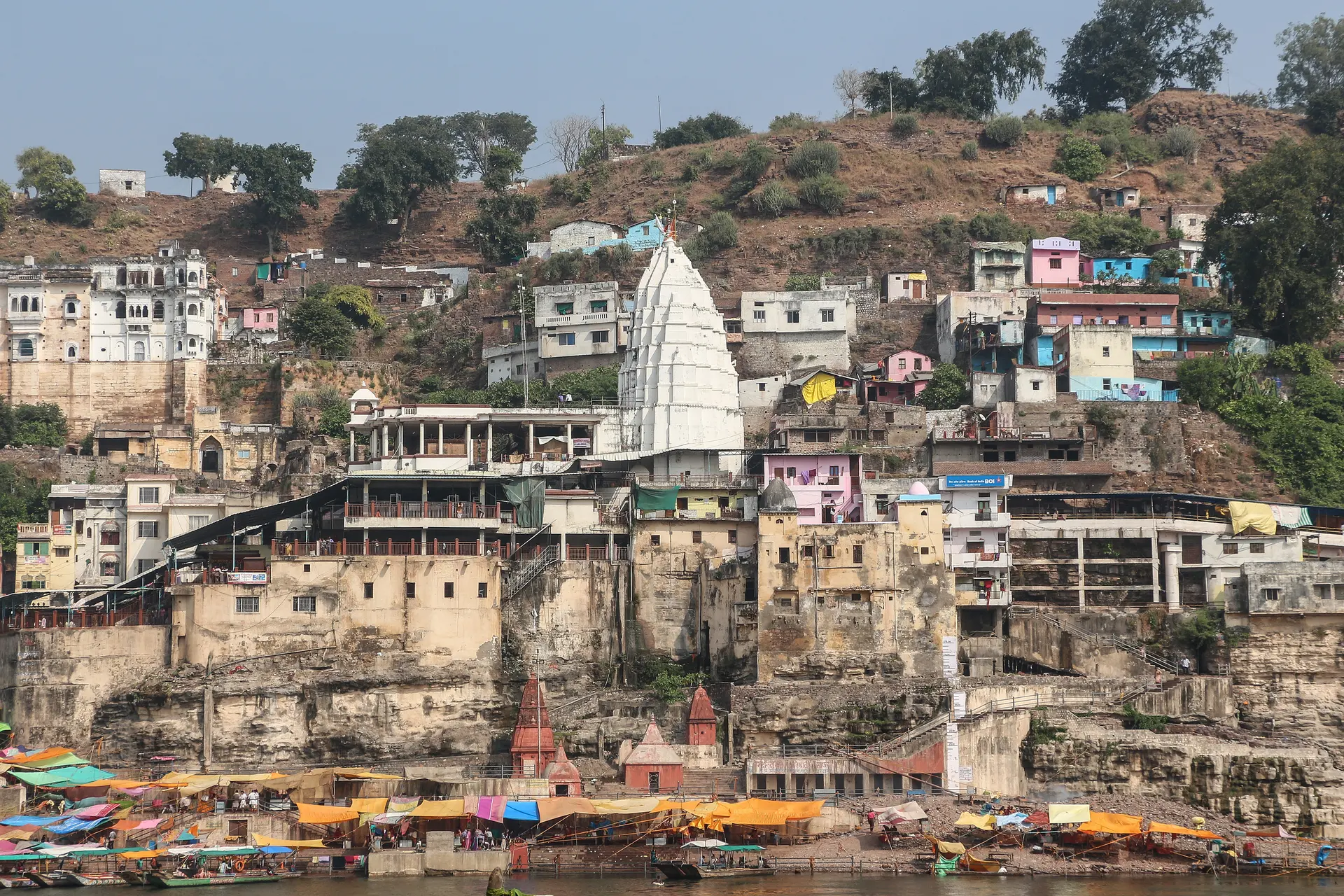
Omkareshwar Jyotir Linga Shiva temple, Omkareshwar, Madhya Pradesh
Omkareshwar, Madhya Pradesh, India
194.0 km away
References
Sources consulted for this page. Source categories describe the publication, not a guarantee that every claim is verified. Traditional accounts and outside interpretations may differ.
- 01Ajanta Caves — UNESCO World Heritage CentreofficialOfficial World Heritage documentation
- 02The Caves of Ajanta — SmarthistoryacademicArt historical analysis
- 03Ajanta Caves — Encyclopaedia BritannicaencyclopediaAuthoritative reference
- 04The Ajanta Caves — World History EncyclopediaacademicHistorical context
- 05Ajanta Caves — Wikipedia contributorsencyclopediaComprehensive overview with academic citations
Photo gallery
3 curated photos
Pilgrim glossary
- Bodhisattva
- An enlightened being who postpones full nirvana to help others toward awakening.
- Stupa
- A dome-shaped Buddhist monument that holds relics or marks a sacred place.
- Dharma
- The teachings of the Buddha; also the universal law underlying them.
Share a photo
Help visitors recognize Ajanta caves, Maharashtra. Every submission is reviewed before publication.