Bomdila Monastery, Bomdila, Arunachal Pradesh
A Tibetan monastery rebuilt in exile in the eastern Himalaya, where a lost monastery lives again
Understand sacred places, explore living traditions, and learn how to engage respectfully with Pilgrim Map.
Access has not been verified. Check current local guidance before planning a visit.
Bomdila, Arunachal Pradesh, India
Read the sources
Visit essentials
A quick read before you go
- Duration
- 45 minutes to 2 hours, depending on whether you observe rituals; longer to visit all three…
- Access
- In Bomdila town, West Kameng district, Arunachal Pradesh; reached by road via Tezpur in Assam.
Overview
Bomdila Monastery in West Kameng, Arunachal Pradesh, is a living Gelugpa Tibetan Buddhist center deliberately modeled on southern Tibet's Tsona Gontse monastery—a sacred reconstruction born of exile. The 12th Tsona Gontse Rinpoche founded it in 1965 after the 1959 Tibetan uprising and the Dalai Lama's flight. It carries a lineage and culture left across the border and symbolizes resilience and continuity for a displaced community.
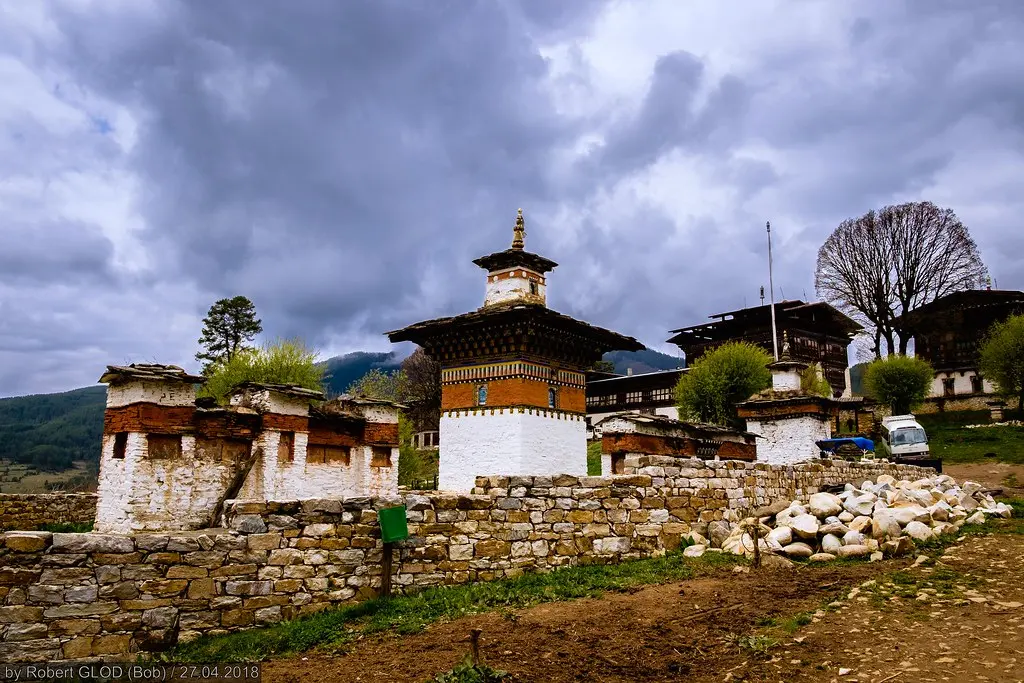
The Gelugpa, or Yellow Hat, school joins rigorous monastic study with devotion. Bomdila serves the Monpa people and western Arunachal's wider Monyul Buddhist network, which includes Tawang and Chilipam monasteries. Lower, Middle, and Upper Gompas climb the hillside in three tiers, with the Upper Gompa as the principal monastery; the 14th Dalai Lama consecrated it in 1997.
High-Himalayan tranquility is expressed through Tibetan murals and statuary, monastic chanting, butter lamps, and mountain views. Daily prayer, chanting, and meditation lead into Losar—the Tibetan and Monpa New Year—Buddha Purnima, Saka Dawa, and the three-day Torgya. The setting presents a faith carried across a mountain frontier and rebuilt stone by stone.
Why this place is sacred
Bomdila's density is a density of memory and continuity. It is a faithful re-creation of the Tsona Gontse monastery of southern Tibet — sacred memory rebuilt in exile, transplanting a lost lineage and culture across the Himalaya rather than letting them disappear. In devotional understanding, the replica carries the spiritual potency and the lineage transmission of the original, so that what was lost on one side of the border lives again on the other.
Its consecration by the 14th Dalai Lama in 1997 deepens this charge, marking the rebuilt monastery as a true seat of the tradition. And its setting completes it: a high Himalayan perch in the West Kameng hills, with panoramic mountain views and the resonant chanting of resident monks filling the thin air.
For the local Monpa and Tibetan-Buddhist community it is a vital living centre of faith and identity; for a visitor it offers an encounter with the quiet dignity of a people sustaining their faith far from its homeland.
A Gelugpa Tibetan Buddhist monastery founded as a replica of the Tsona Gontse monastery of southern Tibet, to sustain Buddhist practice and Monpa-Tibetan culture in exile.
Built in 1965 under the 12th Tsona Gontse Rinpoche, who died in 1966, the monastery was later renovated and expanded by the 13th Rinpoche and consecrated by the 14th Dalai Lama in October 1997. It has grown into a three-tiered complex — Lower, Middle and Upper Gompa — and remains a living centre of Gelugpa study, prayer and community life within the Monyul Buddhist network of western Arunachal Pradesh.
Experience and orientation
Visitors describe a deep tranquility on arriving — the quiet of a high mountain monastery, broken only by the resonance of monks chanting in the prayer halls. The interiors hold vivid Tibetan murals and statuary, rich in colour and iconography, and the three-tiered arrangement of the Gompas climbing the hillside rewards a slow exploration.
From the monastery the Himalaya opens out in sweeping views, and early mornings are noted as especially atmospheric, when the light is clear and the day's prayers begin.
The deeper experience is contemplative: an encounter with living Gelugpa practice, and with the quiet dignity of a community sustaining its faith far from its homeland. Visitors may quietly observe the prayers, join meditation sessions, and learn Buddhist teachings from resident monks. To linger here — to watch the butter lamps, to hear the chanting, to take in the mountains — is to feel something of the resilience that built the place.
The festivals, especially the fifteen-day Losar, bring the monastery and the wider Monpa community vividly to life.
Reach Bomdila town in West Kameng district by road, usually via Tezpur in Assam; an Inner Line Permit (for Indians) or Protected Area Permit (for foreigners) is required to enter the state. The Upper Gompa is the main monastery; the Middle Gompa is about 2 km from the market. Remove shoes before entering the prayer hall, and do not point your feet toward statues or sacred objects.
Photography is generally allowed in outer areas but may be restricted inside prayer halls — ask before photographing interiors or monks. Allow time to acclimatise to the elevation of around 2,400–2,500 m, and visit early for the most atmospheric experience.
Context and lineage
The monastery was founded by the 12th Tsona Gontse Rinpoche as a replica of the Tsona Gontse monastery in southern Tibet, carrying that lineage and culture across the border. Its establishment in the aftermath of the 1959 Tibetan uprising and the Dalai Lama's flight makes it a symbol of resilience and cultural continuity for a displaced community.
The founding year is given as 1965, with the 12th Rinpoche dying in 1966; it was later renovated and expanded by the 13th Rinpoche, and the 14th Dalai Lama consecrated it in October 1997. Detailed records of the early lineage history of the Tsona Gontse Rinpoches, and the precise transmission of relics and texts to Bomdila, are not widely published in English.
Tibetan Buddhism in the Gelugpa (Yellow Hat) Mahayana school, in the Tsona Gontse Rinpoche lineage, within the Monyul Buddhist network of western Arunachal Pradesh.
The 12th Tsona Gontse Rinpoche
Founder
The 13th Tsona Gontse Rinpoche
Renovator
The 14th Dalai Lama
Consecrator
The Monpa community
Living congregation
The Buddha (Shakyamuni)
Object of veneration
Traditions and practice
Daily prayer, mantra recitation and meditation are conducted in the central prayer hall, along with Mangala and blessing ceremonies and butter-lamp offerings.
Festivals run through the year: Losar, the fifteen-day Tibetan and Monpa New Year with prayer-flag hoisting; Buddha Purnima; Saka Dawa, commemorating the Buddha's enlightenment; the three-day Torgya, marking the triumph of good over evil; Dukpa Tse-Shi and Lhabab Duechen. Resident monks teach Buddhist philosophy, and the monastery remains an active centre of study and practice.
Come quietly and let the place set the pace. Sit in or near the prayer hall during chanting if you are welcomed, and observe with attention rather than as a spectator. Circumambulate clockwise. You may offer butter lamps or a khata, and you may ask the resident monks about their practice.
Early morning, when the day's prayers begin and the mountains are clear, is the best time for a contemplative visit; the Losar festival shows the monastery and community at their most alive.
Tibetan Buddhism (Gelugpa / Mahayana)
ActiveA prominent Gelugpa (Yellow Hat) Mahayana monastery and centre of Buddhist study and practice in the Monyul / West Kameng region. Founded by the 12th Tsona Gontse Rinpoche as a replica of the Tsona Gontse monastery in southern Tibet, it embodies the cultural continuity of a community displaced after the 1959 Tibetan uprising; consecrated by the 14th Dalai Lama in 1997.
Daily prayer, chanting and meditation in the prayer halls; teaching of Buddhist philosophy to resident monks; major festivals including Losar (Tibetan/Monpa New Year), Buddha Purnima, Saka Dawa and Torgya.
Perspectives and open questions
Bomdila is read as a 20th-century Gelugpa monastery, as a vital community centre, and devotionally as a transplanted Tibetan seat; the readings stand together.
Scholarly perspective
Recognised as a 20th-century Gelugpa monastery within the Monyul Buddhist network of western Arunachal, founded in 1965, replicating the Tibetan Tsona Gontse monastery and serving as a centre of study and community continuity.
Living and traditional perspectives
For the local Monpa and Tibetan-Buddhist community it is a vital living centre of faith, identity and the Tsona Gontse Rinpoche lineage, blessed by the Dalai Lama.
Alternative interpretations
As a replica of a lost Tibetan monastery, it is read devotionally as transplanting the spiritual potency and lineage transmission of the original across the Himalaya.
Open questions
Detailed records of the early lineage history of the Tsona Gontse Rinpoches and the precise transmission of relics and texts to Bomdila are not widely published in English.
Plan your visit
Access and arrival
In Bomdila town, West Kameng district, Arunachal Pradesh; reached by road via Tezpur in Assam. The Upper Gompa is the main monastery, with the Middle Gompa about 2 km from the market. An Inner Line Permit (for Indians) or Protected Area Permit (for foreigners) is required to enter the state. The town sits at roughly 2,400–2,500 m; allow time to acclimatise.
Bomdila town offers guest houses and hotels; arrange permits in advance of travel.
Respectful visit
Dress modestly; remove shoes before entering the prayer hall.
Generally allowed in outer areas; may be restricted inside prayer halls — ask before photographing interiors or monks; avoid flash near murals and statues.
Butter lamps, khatas (ceremonial scarves) and donations are customary; circumambulate clockwise.
Do not point your feet toward statues or sacred objects; maintain silence and do not enter during rituals unless welcomed.
Allow time to acclimatise to the high altitude. Do not enter during rituals unless welcomed.
Current practical details
Address
7CC9+6C4, Bomdila, 790001
Hours
Hours, fees, and access can change — verify on the official source before you travel. Practical details last checked Jun 2026.
Location
Map loads as you approach this section.
Pilgrim reflections
A portrait of encounter, not a score
Pilgrims describe what they felt, how present they could become, and whether the place would shape a journey. There are no stars and no ranking of traditions.
No reviewed reflections yet
The first pilgrims can help describe the character of being here.
Share a reflection
Available after an account-backed “Been there.” Every reflection is reviewed before publication.
Nearby sacred places
Explore other sacred places in the region. Proximity does not establish access or travel time; check each place’s guidance.



References
Sources consulted for this page. Source categories describe the publication, not a guarantee that every claim is verified. Traditional accounts and outside interpretations may differ.
- 01Bomdila | Arunachal Tourism — Department of Tourism, Arunachal PradeshofficialOfficial state tourism page on Bomdila and its monastery.
- 02Bomdila Monastery — Incredible India (Ministry of Tourism, Govt. of India)officialOfficial national tourism page confirming Gelugpa affiliation and significance.
- 03Bomdila Monastery — ecoheritage (CPREEC) — C.P. Ramaswami Aiyar Environmental Education CentreofficialFounding by 12th Tsona Gontse Rinpoche (built before his death in 1966), replica of Tsona Gontse monastery in southern Tibet, three Gompa divisions.
- 04Monasteries of Western Arunachal Pradesh | Tawang | Chilipam — ChaloHoppoSource contextContext within the Monyul Gelugpa monastery network (Tawang, Chilipam, etc.).
- 05Bomdila Monastery: 20 Fun Facts — The Land of WanderlustSource contextLower/Middle/Upper Gompa layout, Losar and Buddha Purnima observance, 1959-uprising/displacement origin context.
- 06Losar festival: A celebration of tradition, spirituality and community — The Arunachal TimesSource contextLosar (Monpa New Year) observance and community/monk participation in Bomdila.
- 07Bomdila Buddhist Monastery — Timings, History & Visitor Guide — Beyond YatraSource contextTimings (~7 AM-6 PM), etiquette (remove shoes, do not point feet at statues), photography limits inside prayer halls, best season.
Photo gallery
3 curated photos
Pilgrim glossary
- Mantra
- A sound, word, or phrase repeated as part of meditation or ritual.
Share a photo
Help visitors recognize Bomdila Monastery, Bomdila, Arunachal Pradesh. Every submission is reviewed before publication.