//Nepal

    Nepal

    24 sites6 regions

    Bagamati Province

    1 site

    Boudhnath (Boudha) - Buddhism sacred site
    UNESCO
    Buddhism

    Boudhnath (Boudha)

    Gokarneshwar Municipality, Bagamati Province, Nepal

    Boudhnath is a buddhist temple of sacred significance. Approximate coordinates: 27.72168, 85.36192. Attributes: built, cultural, pilgrimage. Tradition: Buddhism. Located in काठमाडौँ महानगरपालिका, बागमती प्रदेश, नेपाल.

    Bagmati Province

    11 sites

    Budhanilkantha Temple - Hindu sacred site
    Hindu

    Budhanilkantha Temple

    Kathmandu, Bagmati Province, Nepal

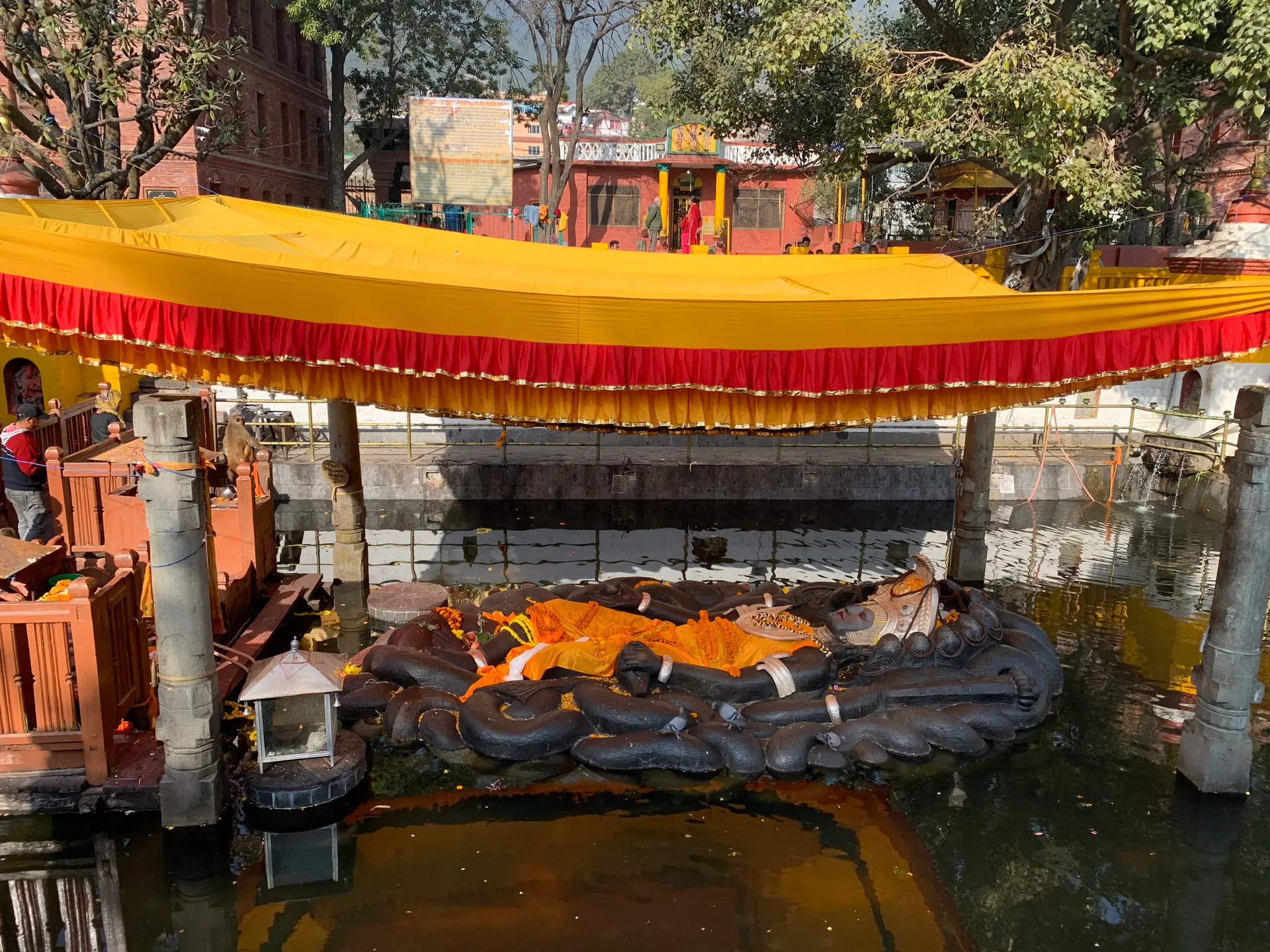
    Budhanilkantha is a city and municipality in Kathmandu district of Bagmati province of Nepal. It is the 3rd largest city in the Kathmandu Valley after Kathmandu and Lalitpur. As per 2021 Nepal census, the city population was 179,688 and 26,678 households. It was established on 2 December 2014 by merging the former Village development committees Hattigauda, Khadka Bhadrakali, Chapali Bhadrakali, Mahankal, Bishnu, Chunikhel and Kapan. The city is situated at the foot of Shivapuri hill. At the time of the 2011 Nepal census, the VDC of Budhanilkantha had a population of 15,421. The municipality is named after the sacred Budhanilkantha Temple. The Budhanilkantha School is also located within the municipality.

    Changu Narayan Temple - Hinduism, Buddhism sacred site
    UNESCO
    Hinduism, Buddhism

    Changu Narayan Temple

    Bhaktapur, Bagmati Province, Nepal

    Changu Narayan is a temple of sacred significance. Approximate coordinates: 27.71640, 85.42781. Attributes: built, cultural, pilgrimage. Tradition: Hinduism, Buddhism; also recognized in Interfaith contexts. Located in चाँगुनारायण नगरपालिका, बागमती प्रदेश, नेपाल.

    Dakshinkali Temple - Hindu sacred site
    Hindu

    Dakshinkali Temple

    Pharping, Bagmati Province, Nepal

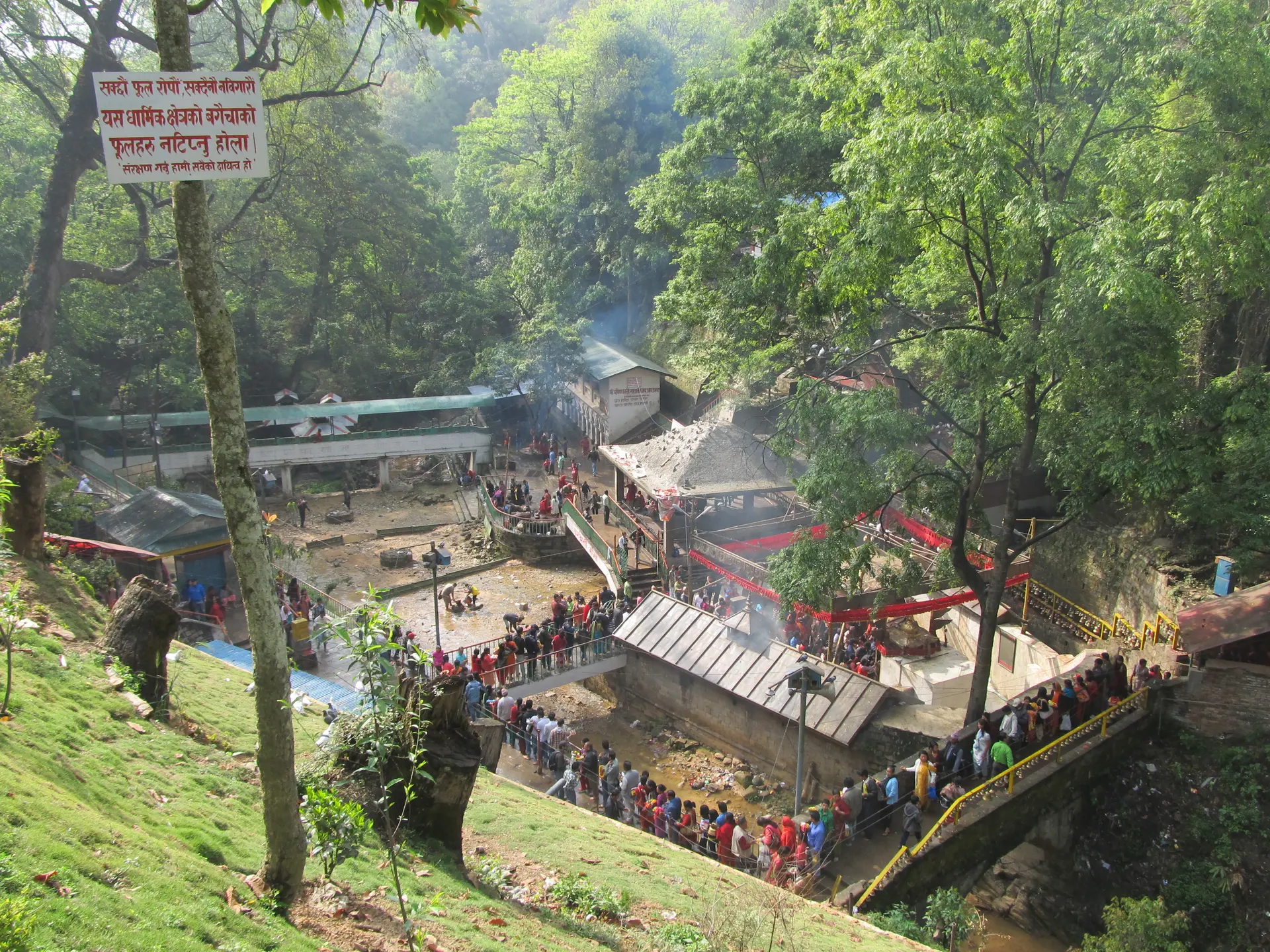
    Dakshinkali is a municipality in Kathmandu District in the Province No. 3 of Nepal that was established on 2 December 2014 by merging the former Village development committees Chalnakhel, Chhaimale, Sheshnarayan, Sokhel, Talku Dudechaur and Old-Dakshinkali. The municipality's name means 'Southern Kali' and refers to a several centuries old temple complex that lies in the vicinity.

    Kalinchowk Bhagwati Temple - Hinduism sacred site
    Hinduism

    Kalinchowk Bhagwati Temple

    Dolakha, Bagmati Province, Nepal

    Kalinchowk Bhagwati Temple, Nepal is a temple of sacred significance. Approximate coordinates: 27.75781, 86.03360. Attributes: built, cultural, pilgrimage. Tradition: Hinduism. Associated figure: Goddess Kali. Located in Kalinchok, बागमती प्रदेश, नेपाल.

    Kathmandu Valley - Hinduism sacred site
    UNESCO
    Hinduism

    Kathmandu Valley

    Kathmandu, Bagmati Province, Nepal

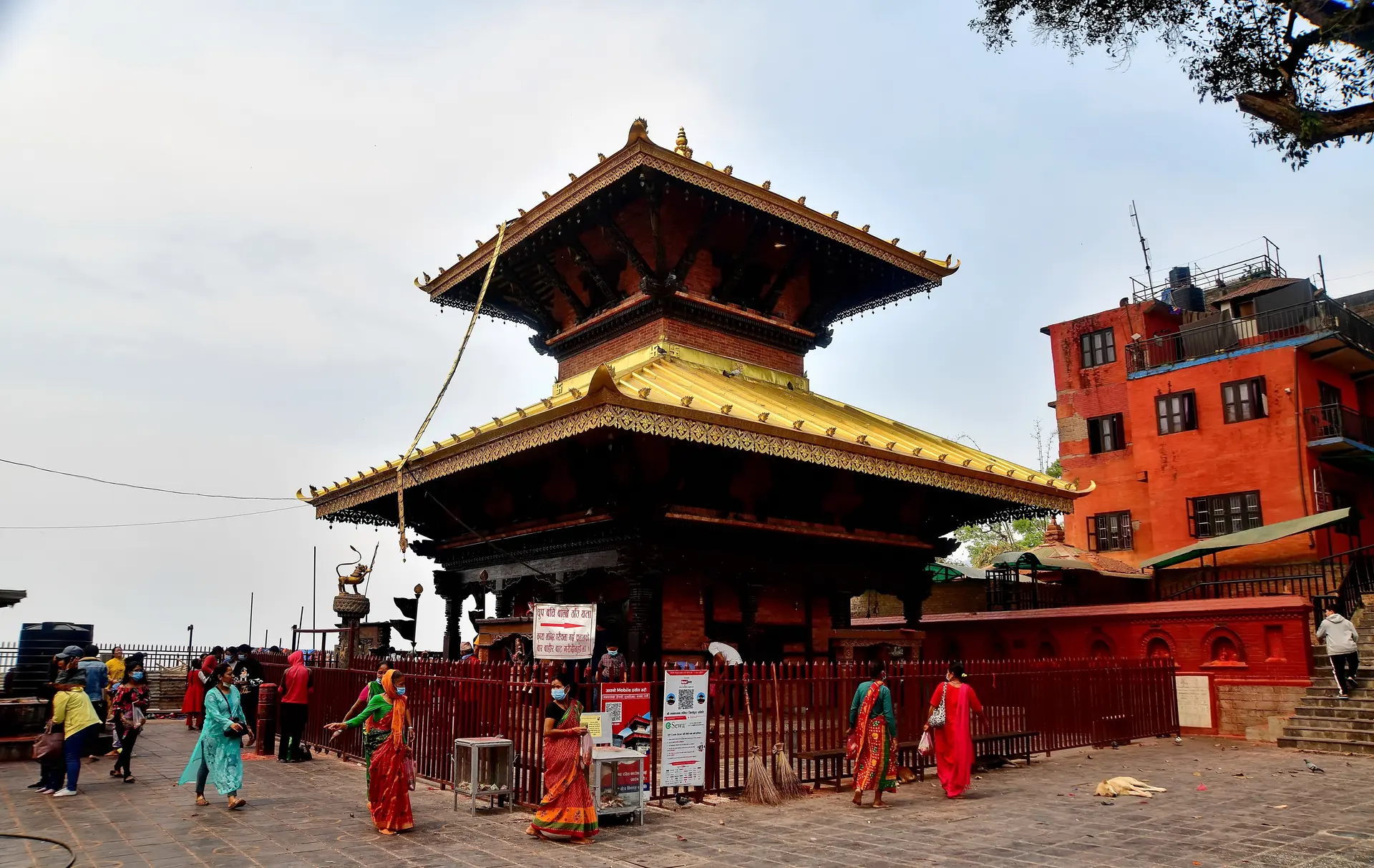
    Kathmandu, officially the Kathmandu Metropolitan City, is the seat of federal government and the most populous city in Nepal. As of the 2021 Nepal census, there were 845,767 inhabitants living in 105,649 households and approximately 4 million people in its surrounding agglomeration. It is located in the Kathmandu Valley, a large valley surrounded by hills in central Nepal, at an altitude of 4,344 feet (1,324 metres) above sea level. The city is one of the oldest continuously inhabited places in the world, founded in the 2nd century AD. The valley was historically called the Nepal Mandala (the name for the cosmic elements of water Dha mandala in Newari, and cosmos), and has been the home of the Newar people, a cosmopolitan urban civilization in the Himalayan foothills. The city was the royal capital of the Kingdom of Nepal and hosts palaces, mansions and gardens built by the Nepali aristocracy. It has been home to the headquarters of the South Asian Association for Regional Cooperation (SAARC) since 1985. Today, it is the seat of government of the Federal Democratic Republic of Nepal, established in 2008, and is part of Bagmati Province. Kathmandu is and has been for many years the centre of Nepal's history, art, culture, and economy. It has a multi-ethnic population within a Hindu majority. Religious and cultural festivities form a major part of the lives of people residing in Kathmandu. Tourism is an important part of the economy in the city. In 2013, Kathmandu was ranked third among the top ten upcoming travel destinations in the world by TripAdvisor, and ranked first in Asia. The city is considered the gateway to the Nepal Himalayas and is home to several World Heritage Sites: the Durbar Square, Swayambhu Mahachaitya, Bouddha and Pashupatinath. Kathmandu valley is growing at 4 per cent per year according to the World Bank in 2010, making it one of the fastest-growing metropolitan areas in South Asia, and the first region in Nepal to face the unprecedented challenges of rapid urbanization and modernization at a metropolitan scale. It is the largest metropolitan area located in the Himalayas.

    Lake Gosainkunda - undefined sacred site

    Lake Gosainkunda

    Rasuwa, Bagmati Province, Nepal

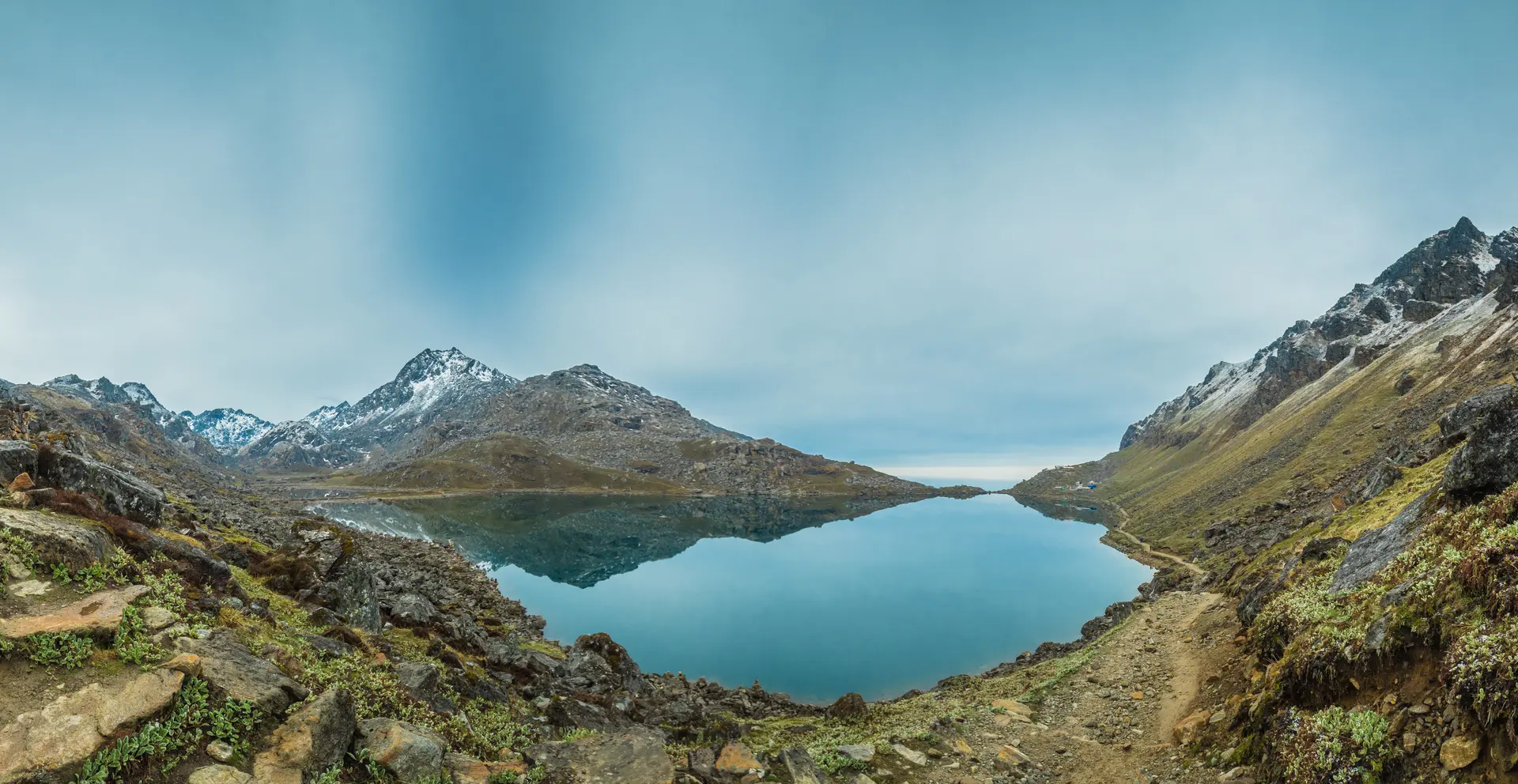
    Lake Gosainkunda is a sacred lake of sacred significance. Approximate coordinates: 28.08251, 85.41469. Attributes: natural, cultural, pilgrimage. Located in Gosaikunda, बागमती प्रदेश, नेपाल.

    Namo Buddha - undefined sacred site

    Namo Buddha

    Kavrepalanchok, Bagmati Province, Nepal

    Namo Buddha (Nepali: नमोबुद्ध, "Namo", Hommage; "Buddha", to the Buddha) or Takmo Lüjin (Tib. སྟག་མོ་ལུས་སྦྱིན་, Wyl. stag mo (tigress) lus sbyin (body giving)) is located in a municipality in Kavrepalanchok District of Bagmati Province of Nepal, 52 km southeast of Kathmandu. Namo Buddha is named after the self-sacrifice by an early incarnation of Shakyamuni Buddha, performed to save the lives of a tigress and her cubs. The Namo Buddha Stupa houses his bone relics and is considered one of the three most important pilgrimage sites and main stupas in the Kathmandu Valley. Connected to the stupa by a stairway rising into the woods is the site where the prince was actually eaten, sanctified adjacent to the grounds of the Karma Kagyu tradition's Namo Buddha Monastery of Thrangu Rinpoche, named Thrangu Tashi Yangtze Choling. This site and the stupa have been revered by Buddhist masters throughout history, while modern spiritual leaders from the Nyingma, Kagyu, Sakya, and Gelug traditions continue to make pilgrimages to Namo Buddha. The town of Panauti, 8 km downhill from the stupa, was the location of Prince Mahasattva's (Nepali sources), also known as Prince Nyingthob Chenpo (Tibetan sources), familial palace. The annual festival of Namo Buddha Mela is held there in November. It was renamed from Dapcha Kashikhanda.

    Pharping - undefined sacred site

    Pharping

    Kathmandu, Bagmati Province, Nepal

    Pharping (or Phamting) is a small Newar town lying above the Bagmati river on the southern edge of the Kathmandu valley, about 23 km from the capital. It is now part of the Dakshinkali Municipality. The town and its environs is the site of several important Buddhist pilgrimage sites as well as a number of Buddhist monasteries and meditation retreat centres. About 1 km south of the town is the Dakshinkali Temple, one of the main Hindu temples of Nepal dedicated to the mother goddess Kali. Pharping is also the site of the oldest hydroelectric power station in Nepal which is now a living museum.

    Pharping Vajrayogini Temple - Multi-faith sacred site
    Multi-faith

    Pharping Vajrayogini Temple

    Pharping, Bagmati Province, Nepal

    At the base of the stairs leading to Guru Rinpoche's Asura Cave, this 11th-century temple marks where the Pamtingpa brothers transmitted Vajrayogini teachings that would transform Tibetan Buddhism. Marpa Lotsawa—the great translator who brought so much to Tibet—visited at least three times. One of four Vajrayogini temples forming a sacred mandala around Kathmandu Valley, Pharping's temple combines living worship with lineage significance.

    Swayambhunath - undefined sacred site
    UNESCO

    Swayambhunath

    Kathmandu, Bagmati Province, Nepal

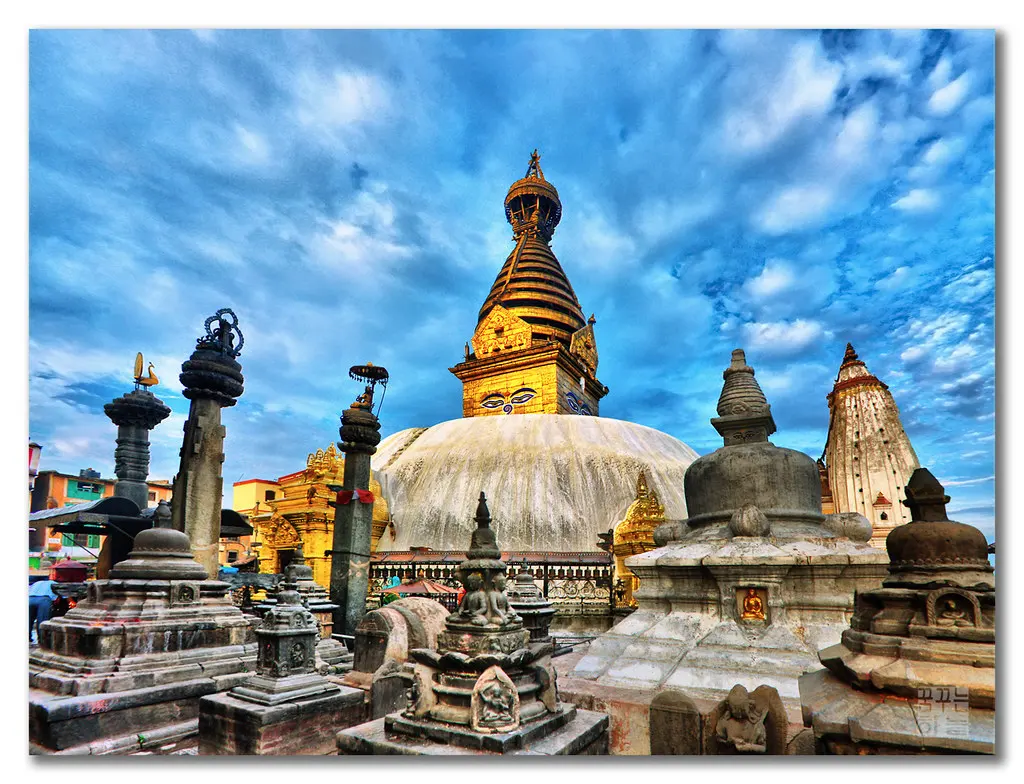
    Swayambhunath, Kathmandu is a site of sacred significance. Approximate coordinates: 27.71495, 85.29034. Located in काठमाडौँ महानगरपालिका, बागमती प्रदेश, नेपाल.

    Yanglesho Cave - Buddhism sacred site
    Buddhism

    Yanglesho Cave

    Pharping, Bagmati Province, Nepal

    In this cave near Pharping, Guru Padmasambhava and his Nepali consort Shakyadevi practiced the most profound tantric sadhanas and attained the Mahamudra vidyadhara level—supreme enlightenment. When obstacles arose during their practice, causing a three-year drought, the Vajrakilaya teachings brought from India pacified the obstructions. Masters throughout history have declared Yanglesho equal to Bodh Gaya in significance for Vajrayana practitioners.

    Gandaki Province

    5 sites

    Bindabasini Temple - undefined sacred site

    Bindabasini Temple

    Pokhara, Gandaki Province, Nepal

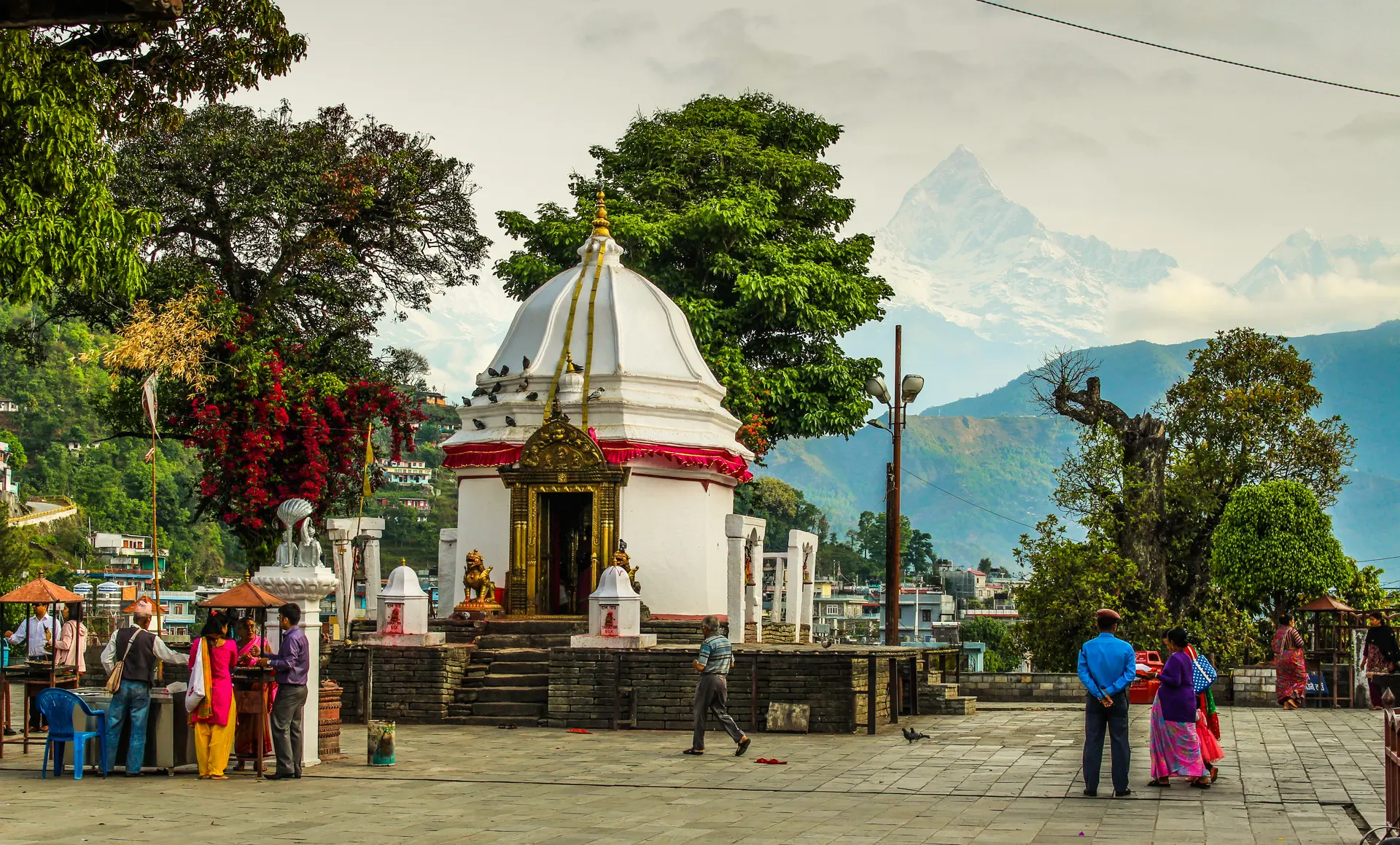
    Pokhara (Nepali: पोखरा [ˈpokʰʌɾa]) is a metropolitan city located in central Nepal, which serves as the capital of Gandaki Province. Named the country's "capital of tourism" it is the second largest city after Kathmandu, with 599,504 inhabitants living in 120,594 households as of 2021 census. Pokhara is located 200 kilometres (120 miles) west of the capital, Kathmandu, on the shore of Phewa Lake, and sits at an average elevation of approximately 822 m above sea level. The Annapurna Range, with three out of the ten highest peaks in the world—Dhaulagiri, Annapurna I and Manaslu—is within 15–35 mi (24–56 km) aerial range from the valley. In 2024, Pokhara was declared as the tourism capital of Nepal, being a base for trekkers undertaking the Annapurna Circuit through the Annapurna Conservation Area region of the Annapurna ranges in the Himalayas. The city is also home to many of the elite Gurkha soldiers, soldiers native to South Asia of Nepalese nationality recruited for the British Army, Nepalese Army, Indian Army, Gurkha Contingent Singapore, Gurkha Reserve Unit Brunei, UN peacekeeping forces and in war zones around the world.

    Manakamana Temple - Hinduism sacred site
    Hinduism

    Manakamana Temple

    Gorkha, Gandaki Province, Nepal

    Manakamana is a temple of sacred significance. Approximate coordinates: 27.90422, 84.58431. Attributes: built, cultural, pilgrimage. Tradition: Hinduism. Located in Sahid Lakhan, गण्डकी प्रदेश, नेपाल.

    Muktinath Temple - undefined sacred site

    Muktinath Temple

    Muktinath, Gandaki Province, Nepal

    Muktinath is an ancient Vishnu temple located in Mustang, Nepal. The temple of Muktinath, known as 'the lord of liberation', is sacred to both Hindus and Buddhists whom they worship as an abode of Hindu deity Vishnu and Buddhist deity Avalokiteśvara respectively. Located in the Muktinath valley at the foot of the Thorong La mountain pass, it is one of the world's highest temples at an altitude of 3,800 meters. The temple is given a status of one of the 108 Divya Desams of Hinduism (and the only Divya Desam located outside India) as well as one of the eight most sacred shrines, known as Svayam Vyakta Ksetras, of Vaishnavism. It is also one of the 51 Shakta pithas, associated with the head of goddess Sati. The temple complex is known as Mukti Kshetra, which literally means "the place of liberation (moksha)" and is one of the Char Dham in Nepal. For Buddhists, Muktinath is an abode of dakinis - goddesses known as Sky Dancers and is considered one of the twenty-four Tantric places. Tibetan Buddhists call it Chumig Gyatsa, which in Tibetan means "Hundred Waters" and the murti is revered as a manifestation of Avalokiteśvara, who embodies the compassion of all Buddhas. Muktinath temple is seen as a symbol of religious harmony in Nepal where both the Hindus and Buddhists have been historically worshipping on the same spot, mutually respecting and including each other.

    Pumdikot Shiva Statue - Hinduism sacred site
    Hinduism

    Pumdikot Shiva Statue

    Pokhara, Gandaki Province, Nepal

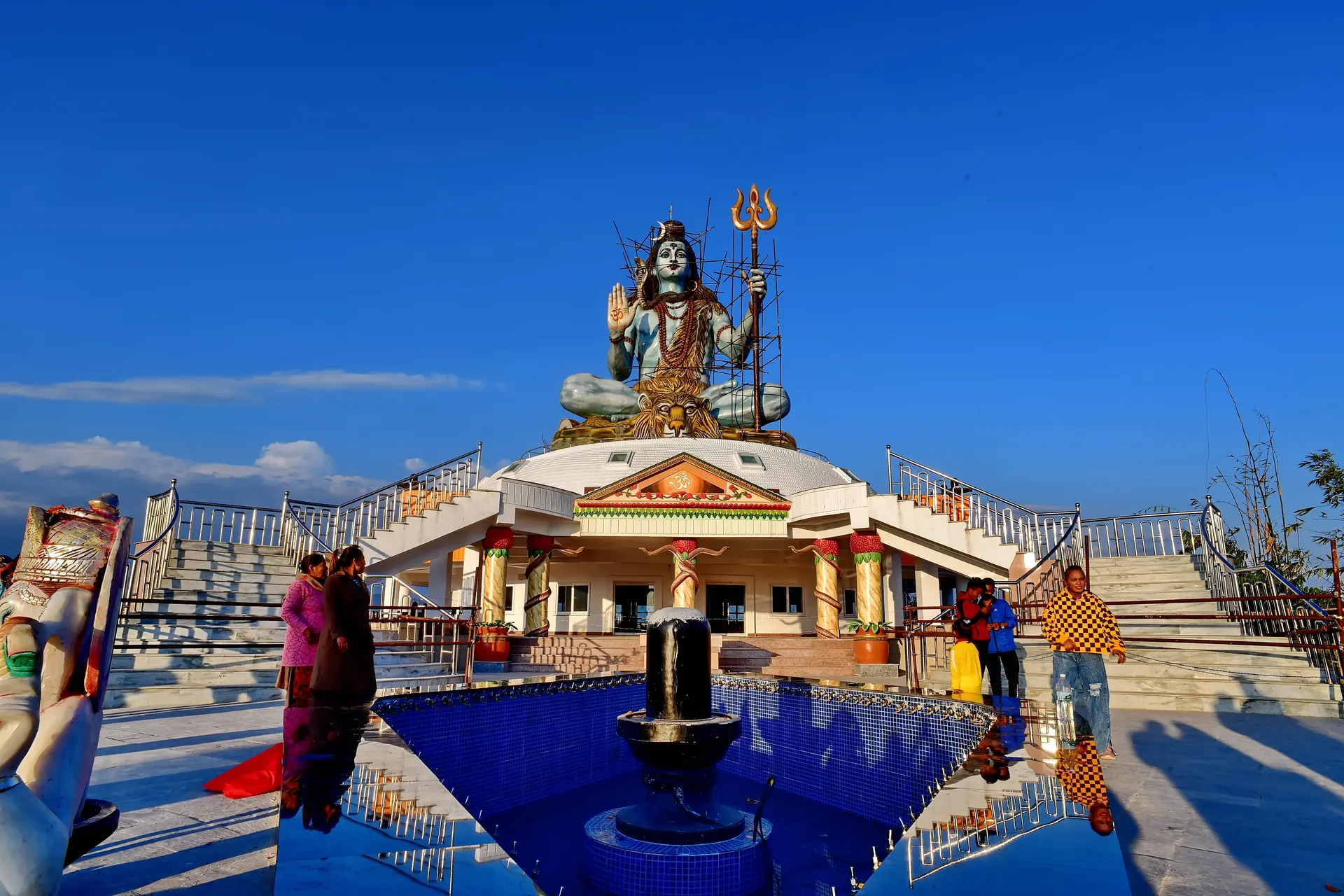
    At 1,500 meters above sea level, Nepal's second-tallest Shiva statue stands with blessing hand raised toward the Annapurna range. The 108-foot structure incorporates symbolic numerology throughout: 108 Shiva Lingas encircle the base, 108 steps ascend to the viewing platform. Inaugurated in 2021, Pumdikot Shiva Statue already draws devotees and visitors seeking Himalayan panoramas that span from Dhaulagiri to Manaslu.

    Shanti Stupa - Buddhism sacred site
    Buddhism

    Shanti Stupa

    Pokhara, Gandaki Province, Nepal

    On a ridge above Phewa Lake, the brilliant white World Peace Pagoda commands views that span from Pokhara's lakeside to the Annapurna massif. Built by Japanese Buddhist monks following the vision of Nichidatsu Fujii—who met Gandhi and dedicated his life to non-violence—the stupa contains relics of the Buddha and serves as the 71st peace pagoda in a worldwide network. Sunrise here transforms the mountains into gold while the city below still sleeps.

    Karnali Province

    1 site

    Shey Gompa (Shey Palace) - undefined sacred site

    Shey Gompa (Shey Palace)

    Shey, Karnali Province, Nepal

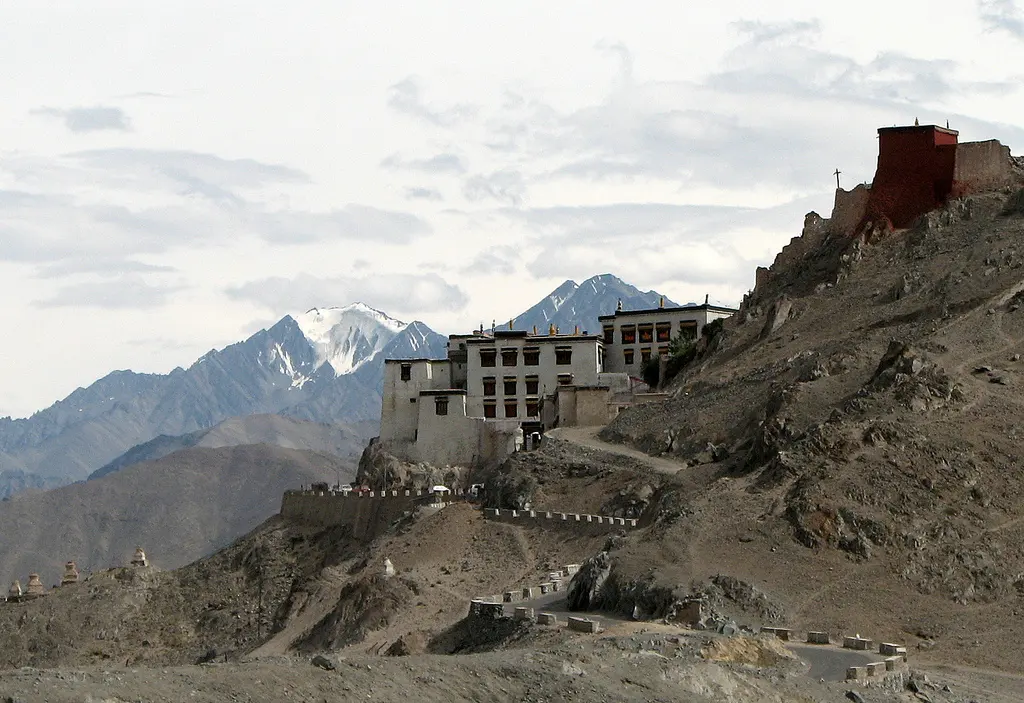
    The Shey Gompa (Nepali: शे गुम्बा, She gumba) is a Buddhist monastery located in the She Phoksundo rural municipality of the Dolpa district in Nepal at an elevation of 4200m. Shey Gompa means the Crystal Monastery in Tibetan. It was established in the 11th century. The monastery is considered to be the spiritual heart of Upper Dolpa. The monastery has a two-story building coloured in red and the interior has various Buddhist paintings. A festival called Shey Mela is organized every twelve years. It is believed that in 1220 BS, the Kagyu tribe came to this place and started this festival as a symbol of winning against the evil spirits, the Rakshyas.

    Lumbini Province

    3 sites

    Lumbini - Buddhism sacred site
    UNESCO
    Buddhism

    Lumbini

    Parsa, Lumbini Province, Nepal

    Lumbinī (Lumbini, pronounced [ˈlumbini] , "the lovely") is a Buddhist pilgrimage site in the Rupandehi District of Lumbini Province in Nepal. According to the sacred texts of the Buddhist Commentaries, Maya Devi gave birth to Siddhartha Gautama in Lumbini in c. 624 BCE. Siddhartha Gautama achieved Enlightenment, and became Shakyamuni Buddha who founded Buddhism. He later passed into parinirvana at the age of 80 years, in c.544 BCE. Lumbini is one of four most sacred pilgrimage sites pivotal in the life of the Buddha. Lumbini has a number of old temples, including the Mayadevi Temple, and several new temples, funded by Buddhist organisations from various countries. Most of the temples have already been completed and some are still under construction. Many monuments, monasteries, stupas, a museum, and the Lumbini International Research Institute are also near to the holy site. The Puskarini, or Holy Pond, is where Mayadevi, the Buddha's mother, is believed to have taken the ritual bath prior to his birth and where the Buddha also had his first bath. At other sites near Lumbini, earlier Buddhas were born, then achieved ultimate Enlightenment and finally relinquished their earthly forms. Lumbini was made a World Heritage Site by UNESCO in 1997.

    Shree Swargadwari Mandir - undefined sacred site

    Shree Swargadwari Mandir

    Bhingri Bajar, Lumbini Province, Nepal

    Sworgadwari (स्वर्गद्वारी pronounced [swʌrɡʌdwaɾi]) is a hilltop temple and pilgrimage site in Pyuthan District, Nepal, commemorating the special role of cows in Hinduism. It is said to have been founded by Guru Maharaj Narayan Gautam Khatri, also known as Swami Hamsananda, who spent most of his life in the area, herding and milking thousands of cows. Swargadwari is considered one of Nepal's top pilgrimage sites and is listed in the national inventory of cultural and historic heritage sites. As of 2009, a cable car to the temple complex was under construction. In the aftermath of the 1996-2006 Nepalese Civil War, donations of straw and hay had diminished to the point where resident cattle at Swargadwari were in danger of starving.

    Shree Swargadwari Mandir - Hinduism sacred site
    Hinduism

    Shree Swargadwari Mandir

    Swargadwari, Lumbini Province, Nepal

    At 2,121 meters on a forested hilltop in western Nepal's Pyuthan District, Shree Swargadwari Mandir houses a sacred fire that has not been extinguished since 1895. The name translates literally as 'Gateway to Heaven,' and for Hindu pilgrims completing the Seven Dhams circuit of Nepal, this is where the circuit ends and something else begins. Over half a million devotees arrive each year to sit before the fire, receive its ash, and contemplate the threshold between the earthly and the divine.

    Madhesh Province

    3 sites

    Chinnamasta - Hinduism sacred site
    Hinduism

    Chinnamasta

    Chhinnamasta, Madhesh Province, Nepal

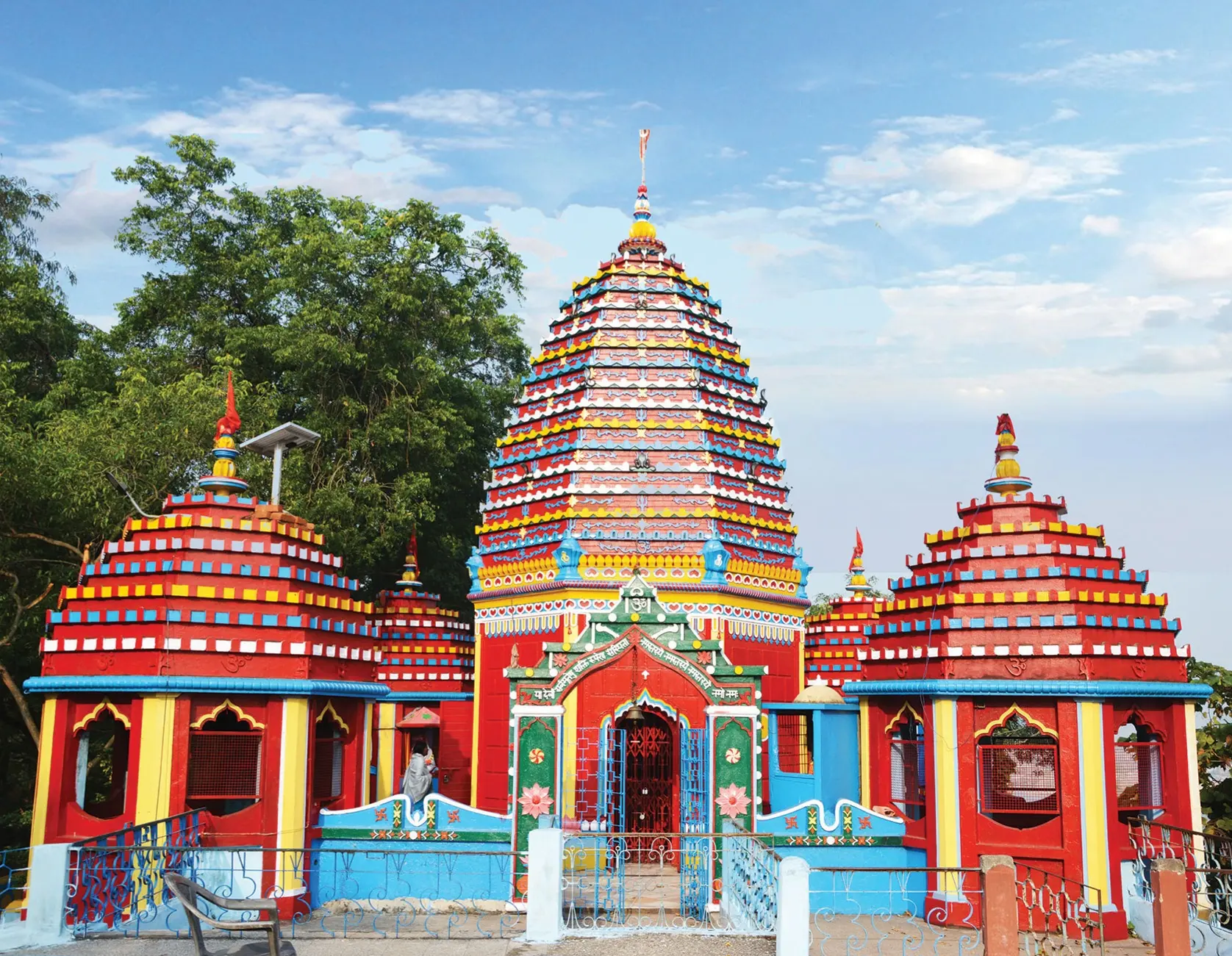
    Chinnamasta is a temple of sacred significance. Approximate coordinates: 26.45131, 86.73111. Attributes: built, cultural, pilgrimage. Tradition: Hinduism. Associated figure: Chinnamasta. Mythological context: Hindu mythology. Located in Chhinnamasta, मधेश प्रदेश, नेपाल.

    Janaki Mandir - Hinduism sacred site
    Hinduism

    Janaki Mandir

    Janakpur, Madhesh Province, Nepal

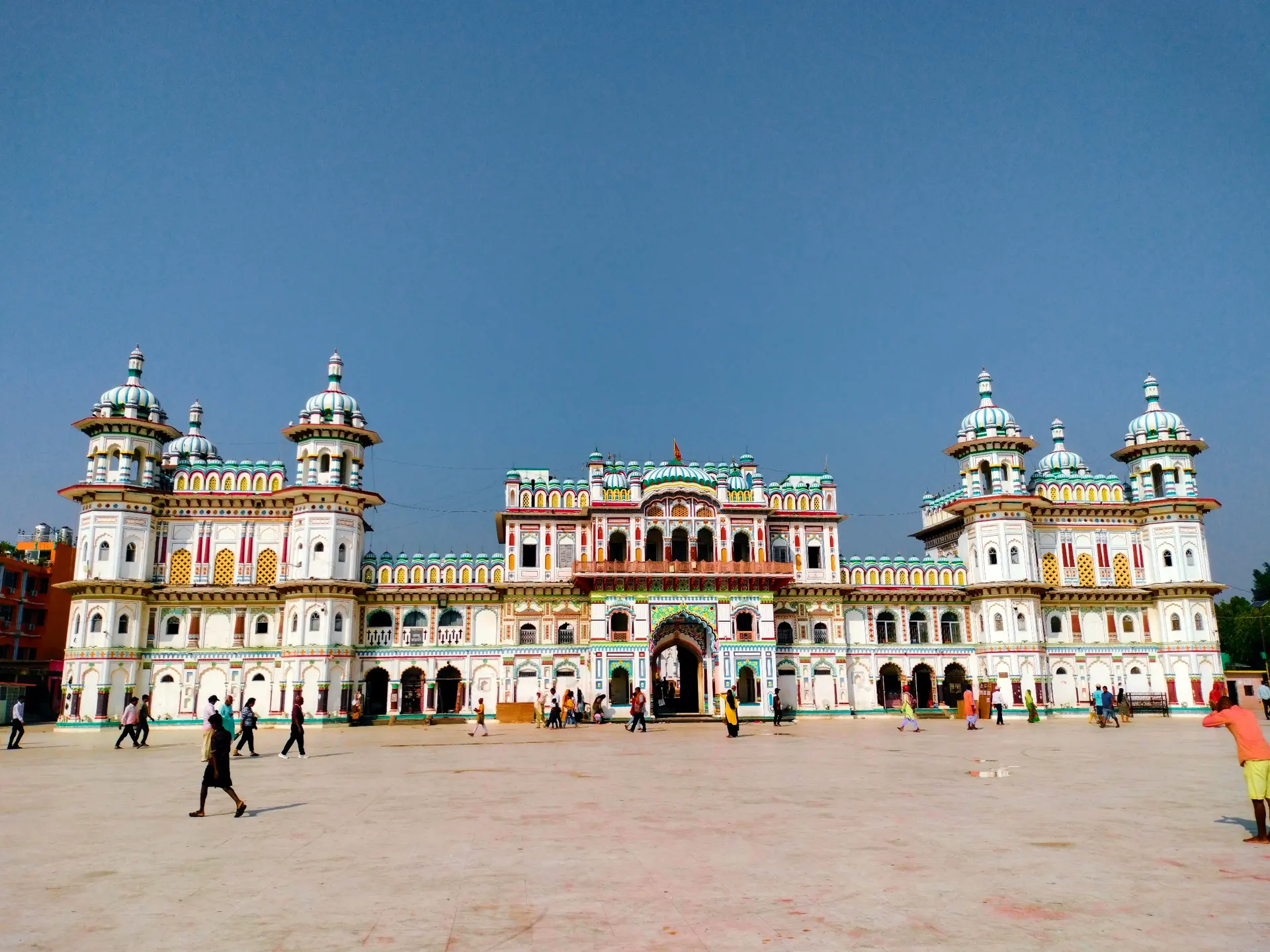
    Janakpurdham or Janakpur (Maithili: जनकपुर), is the capital city of Madhesh Province. This sub-metropolitan city is a central hub for the Maithili language, as well as for religious and cultural tourism in Nepal. The city was founded in the early 18th century but was designated as the location of the capital of the Videha kingdom, although there is no archaeological evidence to support this. Janakpur is located about 225 km (140 mi) southeast of Kathmandu. As of 2021, the city had a population of 195,438, with a density of 2,125/km2. Janakpur is currently the fourth most densely populated city in Nepal. Janakpur is located about 23 km from the Bhitthamore border with India. Nepal Railways operates a service between Janakpur and Jainagar in India.

    Kankalini Temple - undefined sacred site

    Kankalini Temple

    Bhardaha, Madhesh Province, Nepal

    Kankalini is a temple of sacred significance. Approximate coordinates: 26.55068, 86.89241. Attributes: built, cultural. Located in Hannumannagar Kankalini, मधेश प्रदेश, नेपाल.

    Pilgrim MapPilgrim Map

    A compass for the soul, guiding you to sacred places across the world.

    Browse Sacred Sites

    Explore

    Learn

    © 2025 Pilgrim Map. Honoring all spiritual traditions and sacred paths.

    Data sources: Wikipedia, OpenStreetMap, and community contributions. Site information is provided for educational and spiritual exploration purposes.

    Made with reverence for all paths