Site type guide
Buddhist Temple
Buddhist Temple sites reveal how different traditions shape sacred space through architecture, landscape, ritual, and memory.
134 buddhist temple sacred sites. Use the country and tradition filters to narrow in.
Atlas summary
Buddhist Temple sacred sites overview
Buddhist Temple sacred sites span countries, traditions, pilgrimage routes, and sacred landscapes represented in the Pilgrim Map atlas.
Use this guide to compare major country clusters, represented traditions, UNESCO-tagged places, and the map distribution before opening individual site pages.
| Coverage | 134 buddhist temple sacred sites across the current atlas. |
|---|---|
| Major countries | |
| Traditions | |
| UNESCO heritage | 5 UNESCO-tagged buddhist temple sites appear in this browse view. |
By tradition
Refine the atlas
Search within buddhist temple sites
All sites
134
Showing 49-96 of 134 sites in this site-type guide

Kagaku-ji
Japan
Banshū Akō Taiunzan Kagaku-ji is the Asano clan's family temple in Akō, founded in 1645 and made permanent home of Akō's memorial culture by the 1701–1703 vendetta of the...

Kakuman-ji
Japan
Kakuman-ji is one of the few Tendai Shinsei-shū temples outside the school's Sakamoto heartland near Mount Hiei....

Kakurin-ji
Japan
Totasan Kakurin-ji in Kakogawa shelters two National Treasure halls — a 1112 Taishi-dō and a 1397 Main Hall whose three-style synthesis is rare in Japan....

Kannō-ji
Japan
Kannō-ji stands on the slope of Kabutoyama in Nishinomiya, holding one of Japan's three foremost Nyoirin Kannon images — a Heian-period figure carved by Kūkai in 830 from...

Kannon-in
Tottori, Japan
Kannon-in in Tottori, the 32nd station of the Chūgoku 33 Kannon Pilgrimage, was founded in 1632 as the Tottori-Ikeda clan's domain temple....

Kannon-in (観音院)
Ogano, Japan
Kannon-in — Shūkutsu-san Kannon-in — is the 31st station of the Chichibu 34 Kannon Pilgrimage and the most physically demanding stop on the route....

Kannon-ji (観音寺)
Chichibu, Japan
Kannon-ji is the twenty-first station of the Chichibu 34 Kannon Pilgrimage, a Shingon Buzan-ha temple in central Chichibu locally known as Yano-dō ('Arrow Hall')....

Kanshin-ji
Japan
Kanshin-ji holds one of the rare Japanese pairings where both the main hall and its principal image are National Treasures: the Heian-period Kondō and a seated Nyoirin...
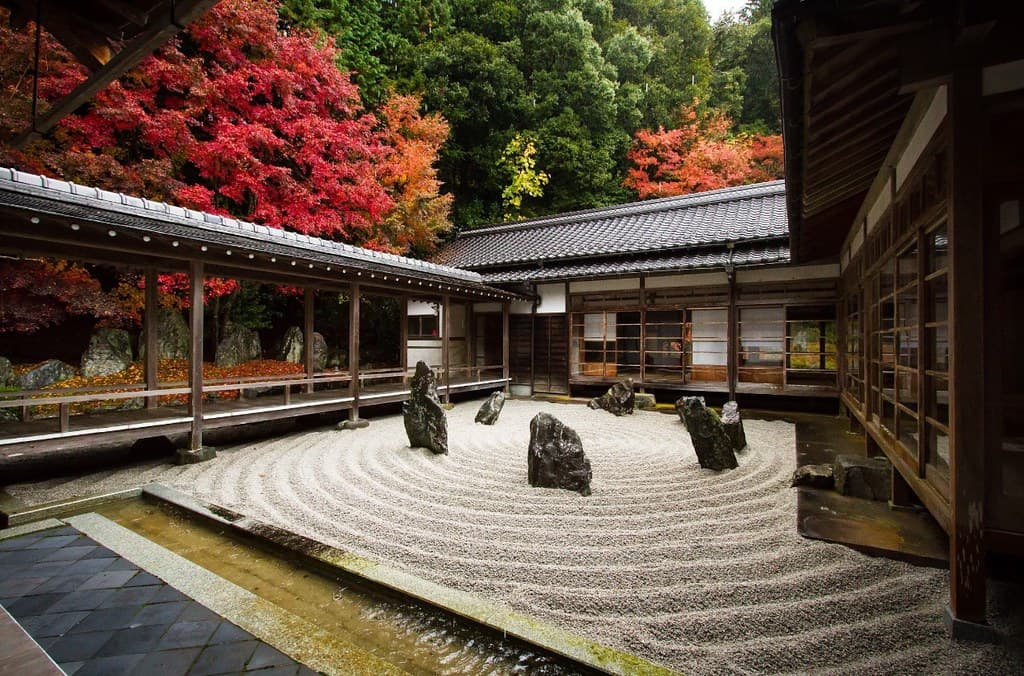
Kanyō-ji
Shunan, Japan
Kanyō-ji — Rokuon-zan Kanyō-ji — sits in the highland Kano basin of northern Shunan, Yamaguchi Prefecture....

Kasamori-ji (笠森寺)
Chōnan, Japan
Kasamori-ji is the 31st station of the Bandō Sanjūsankasho — a Tendai temple in the forested hills of Chōnan, Chiba....

Kikusui-ji (菊水寺)
Chichibu, Japan
Kikusui-ji — Enmei-zan Kikusui-ji — is the 33rd station of the Chichibu 34 Kannon Pilgrimage, a Sōtō Zen temple in the Yoshida district of Chichibu....

Kinshō-ji (金昌寺)
Chichibu, Japan
Kinshō-ji is the fourth station of the Chichibu 34 Kannon Pilgrimage in Saitama, Japan....

Kiyama-ji (Kanji-in)
Maniwa, Japan
Kiyama-ji crowns Mt. Kiyama (430 m) in Maniwa, north of Tsuyama. Founded by Kūkai in 815 CE according to temple tradition, it is a Kōyasan Shingon-shū bekkaku honzan and...
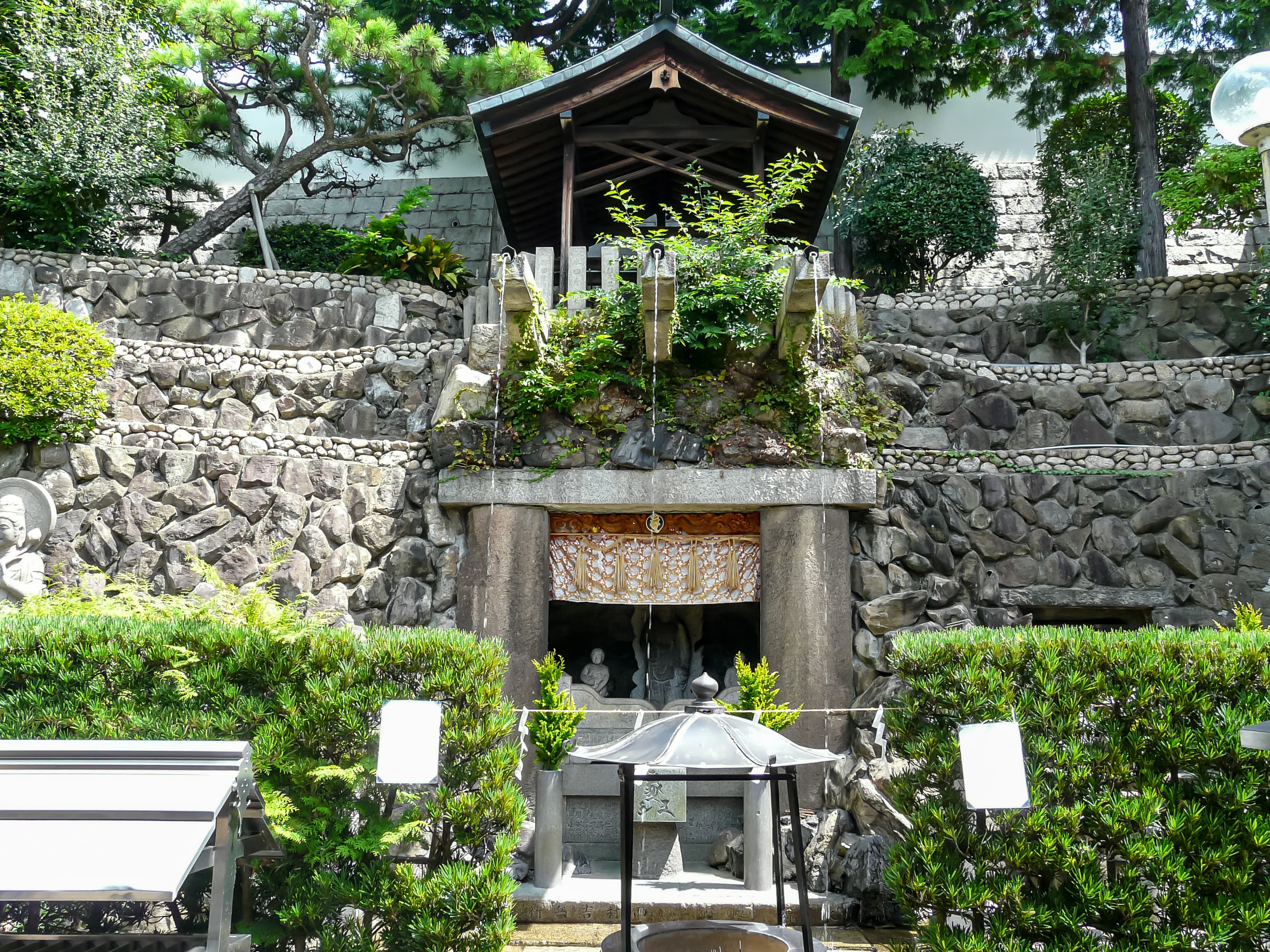
Kiyomizu-dera (Osaka)
Japan
Distinct from the famous Kyoto Kiyomizu-dera (and from the temples of the same name in Hyōgo, Chiba, and Shimane), Osaka's Kiyomizu-dera was revived in 1640 by the priest...

Kiyomizu-dera (Yasugi)
Yasugi, Japan
Kiyomizu-dera in Yasugi, Shimane, is the 28th station of the Chūgoku 33 Kannon Pilgrimage and the foremost Tendai esoteric (taimitsu) training hall in the San'in region....

Kiyomizu-dera (清水寺)
Isumi, Japan
Otowasan Kiyomizu-dera in Isumi, Chiba, is the 32nd station of the Bandō Sanjūsankasho — a Tendai temple set on Otowa-yama in the forested hills of southern Bōsō....

Kiyotaki-ji (清滝寺)
Tsuchiura, Japan
Kiyotaki-ji is the 26th Bandō station, a quiet Shingon-Buzan temple on the lower slopes of Mt. Ryūgamine in rural Tsuchiura....

Kōjō-ji
Onomichi, Japan
Kōjō-ji — Chōon-zan Kōjō-ji — sits atop Mt. Chōon ('Tide-Sound Mountain') above Setoda Bay on Ikuchijima....

Komyo-ji
Japan
Gobusan Kōmyō-ji crowns Mt. Gobusan in Katō, Hyōgo — a Kōyasan Shingon temple traced to 594 CE and holding an Eleven-Faced Thousand-Armed Thousand-Eyed Kannon as honzon....
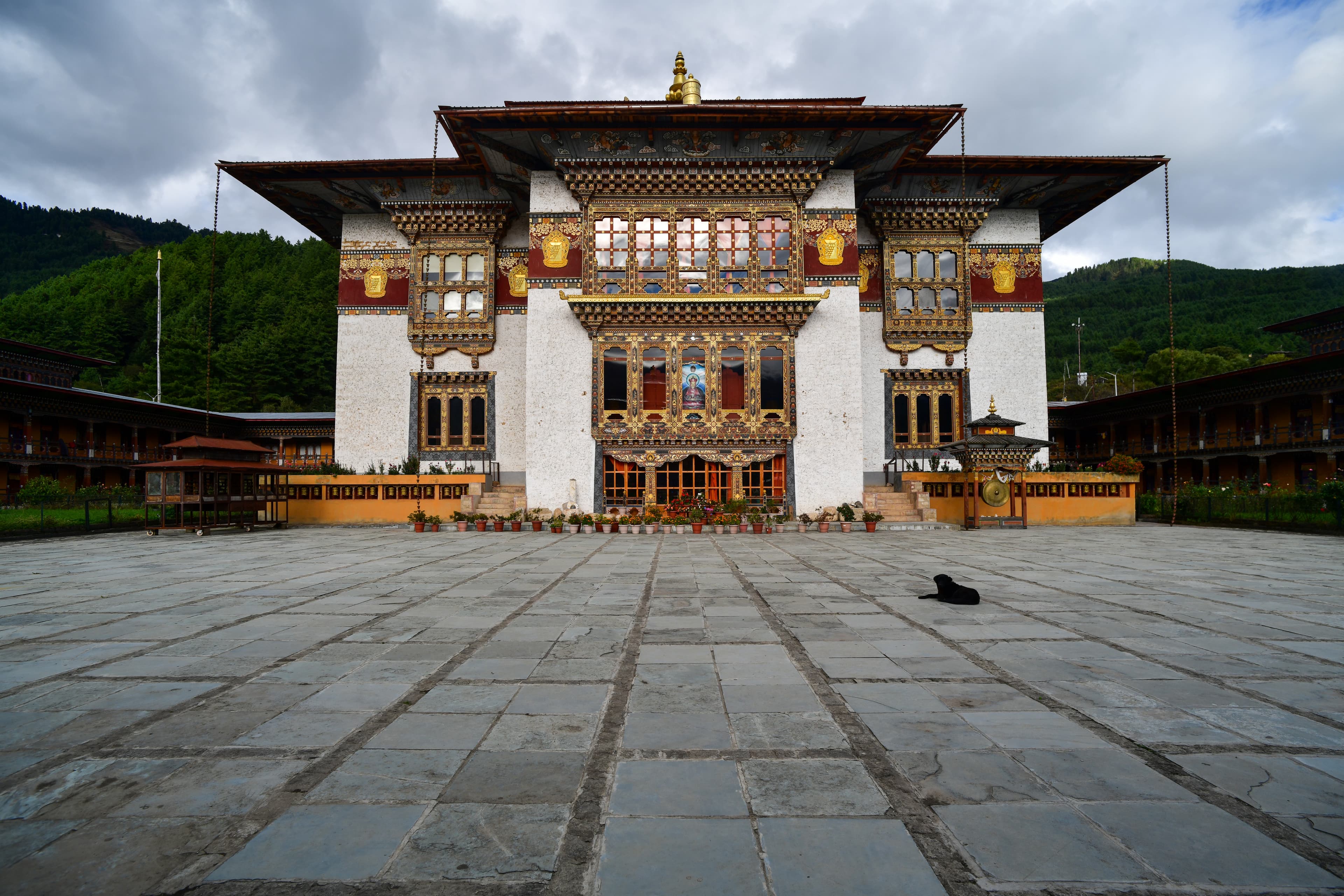
Konchogsum Lhakhang, Bumthang
Pedtsheling_Tamzhing, Bumthang District, Bhutan
Konchogsum Lhakhang — the Temple of the Three Jewels — was built in the eighth century on Guru Rinpoche's instructions by Tibetan King Trisong Detsen....
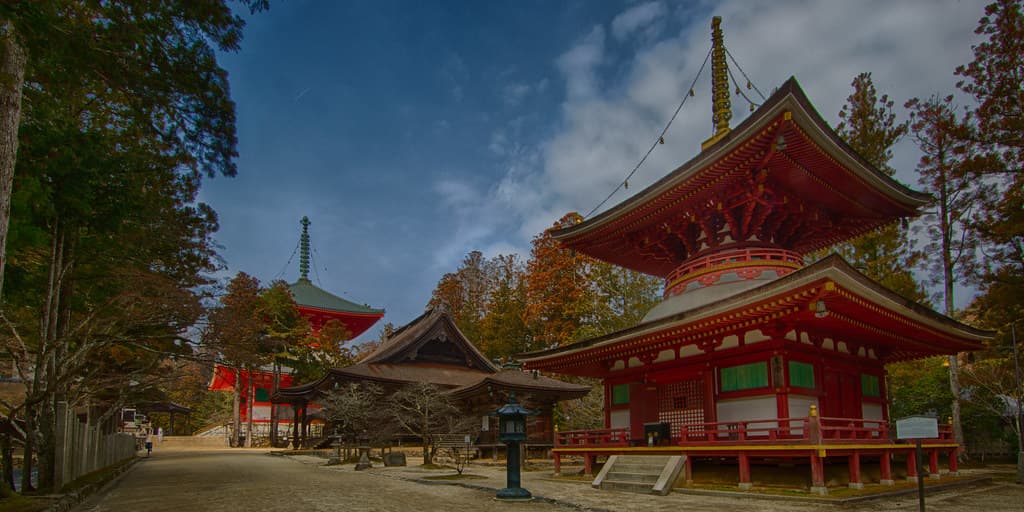
Kongo-ji
Japan
Founded by Gyōki on Mount Amano in the Tenpyō era and revived in the late Heian period by the monk Akan, Amano-san Kongō-ji became known as Nyonin Kōya — Women's Kōyasan —...
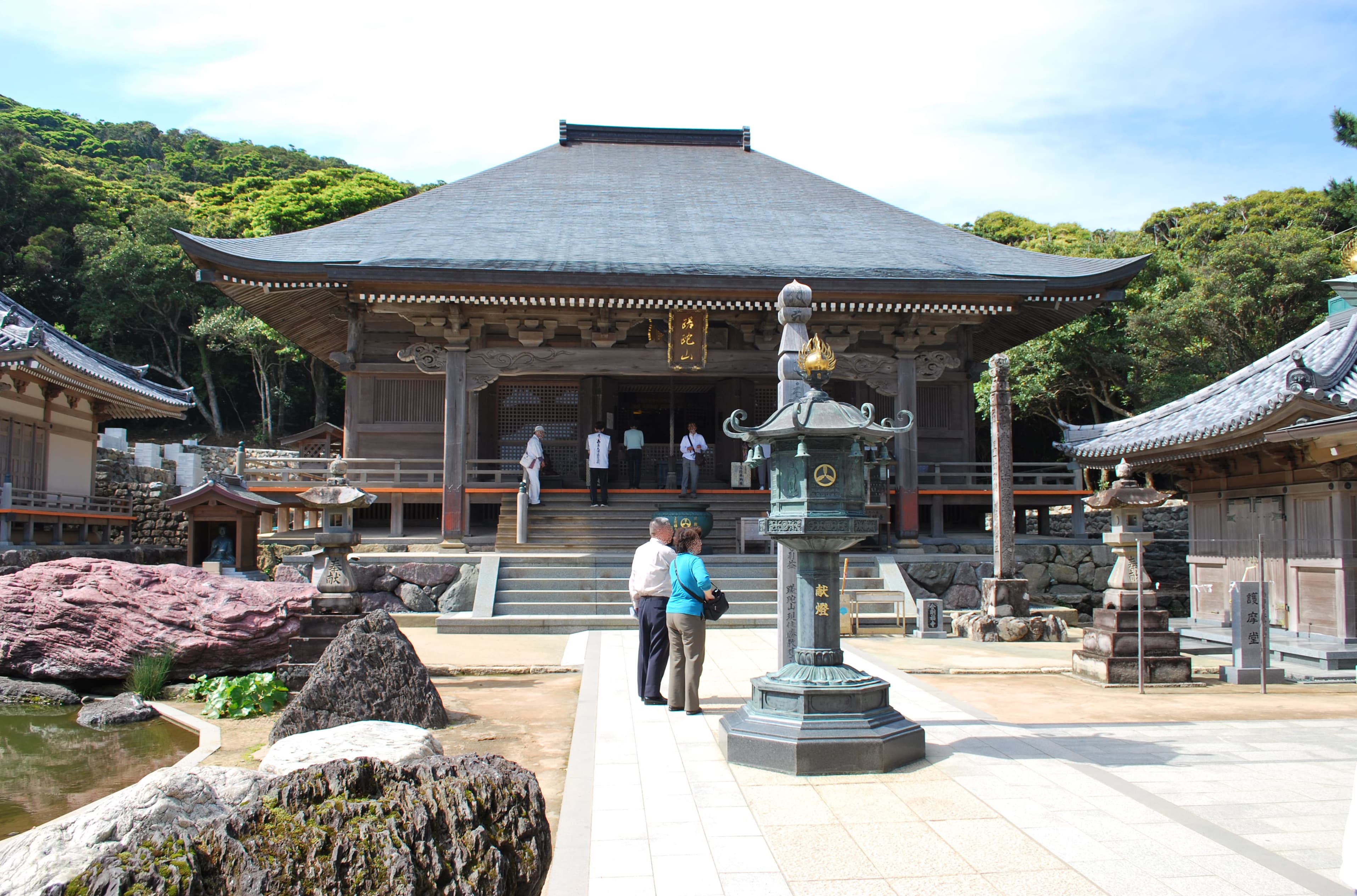
Kongofukuji Temple, Tosashimizu
Tosashimizu, Kochi Prefecture, Japan
At the southernmost tip of Shikoku, where land yields to endless ocean, stands the temple Kobo Daishi founded after sensing the presence of Fudaraku—Kannon's Pure...

Kongojo-ji
Japan
Nagusayama Kongōjō-ji in Fukusaki, Hyōgo, traces its founding to 597 CE under the Korean monk Ekan during Empress Suiko's reign....

Kōzan-ji
Shimonoseki, Japan
Kōzan-ji — Kinzan Kōzan-ji — in Chōfu, Shimonoseki, holds Japan's oldest dated Zenshūyō ('Zen-style') Buddhist hall: a 1320 Butsuden, designated a National Treasure....

Kōzō-ji (高蔵寺)
Kisarazu, Japan
Kōzō-ji — known as Takakura Kannon — is the 30th station of the Bandō Sanjūsankasho, set in the wooded inland hills of Kisarazu, Chiba....

Kyūshō-ji (久昌寺)
Chichibu, Japan
Kyūshō-ji is the twenty-fifth station of the Chichibu 34 Kannon Pilgrimage — a Sōtō Zen temple known by its older nickname Otehan-dera, 'Hand-Seal Temple,' for the legend...

Lianzuo Mountain Guanyin Temple
Daxi, Taoyuan City, Daxi, Taoyuan City, Taiwan
On a small hill above the Daxi valley, its shape said to resemble the lotus seat that supports a buddha, this temple has drawn Hakka pilgrims since 1797....

Linji Huguo Temple
Taipei, Zhongshan, Taipei City, Taiwan
In the heart of Taipei stands a rare survivor: a Rinzai Zen temple built in Edo-period Japanese style during the colonial era, its main hall constructed of timber....

Mahasthangarh Buddhist temples
Shibganj Upazila (Bogura), Rajshahi Division, Bangladesh
Thirteen kilometres north of Bogra, the ruins of Mahasthangarh mark the site of Pundranagara — the oldest known urban settlement in Bangladesh, dating to at least the 3rd...

Mangan-ji
Japan
Mangan-ji at Kawanishi, Hyōgo, is a Kōyasan Shingon temple founded by imperial decree of Emperor Shōmu in the Nara period....

Mani-ji
Tottori, Japan
Mani-ji is a special temple (tokubetsu reijō) of the Chūgoku 33 Kannon Pilgrimage on Mt. Mani north of Tottori City....
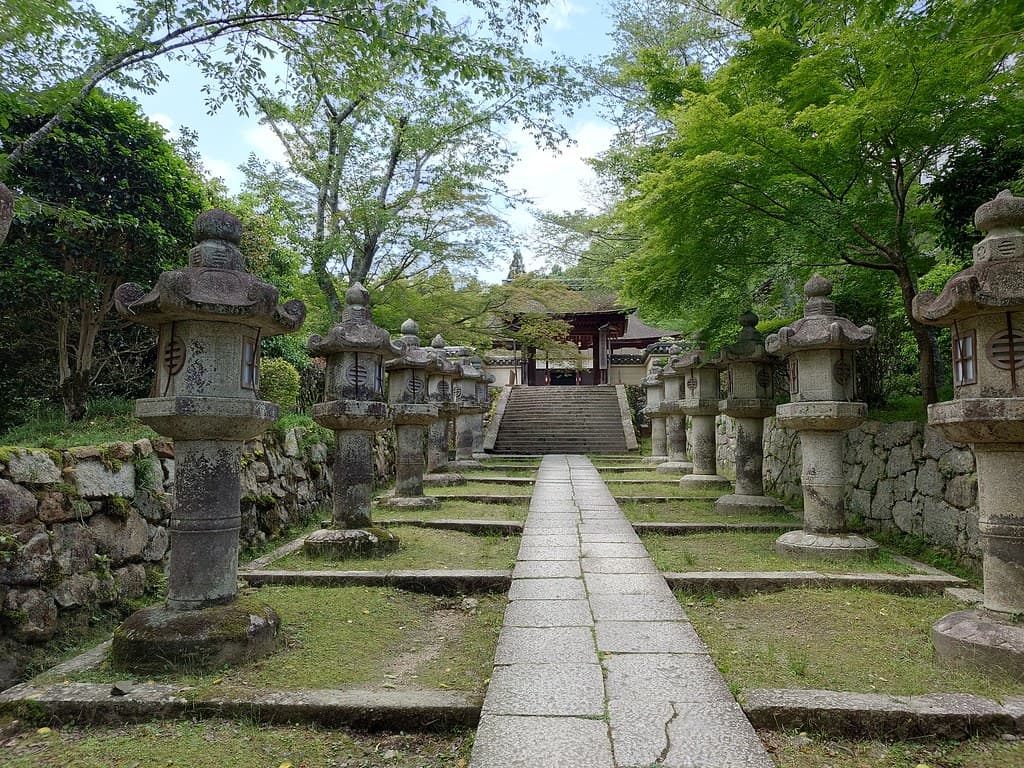
Mii-dera
Otsu, Shiga Prefecture, Japan
Mii-dera has earned its nickname—the Phoenix Temple—through seven destructions and seven risings....

Mitaki-dera (Mitaki-Kannon)
Hiroshima, Japan
Mitaki-dera — Ryūsen-zan Mitaki-ji — sits in a forested ravine 3 km from the hypocentre of the Hiroshima atomic bomb, with three named waterfalls flowing through the...

Mizuma-dera
Japan
Mizuma-dera, popularly called Mizuma Kannon, is among the most actively visited temples in southern Osaka....
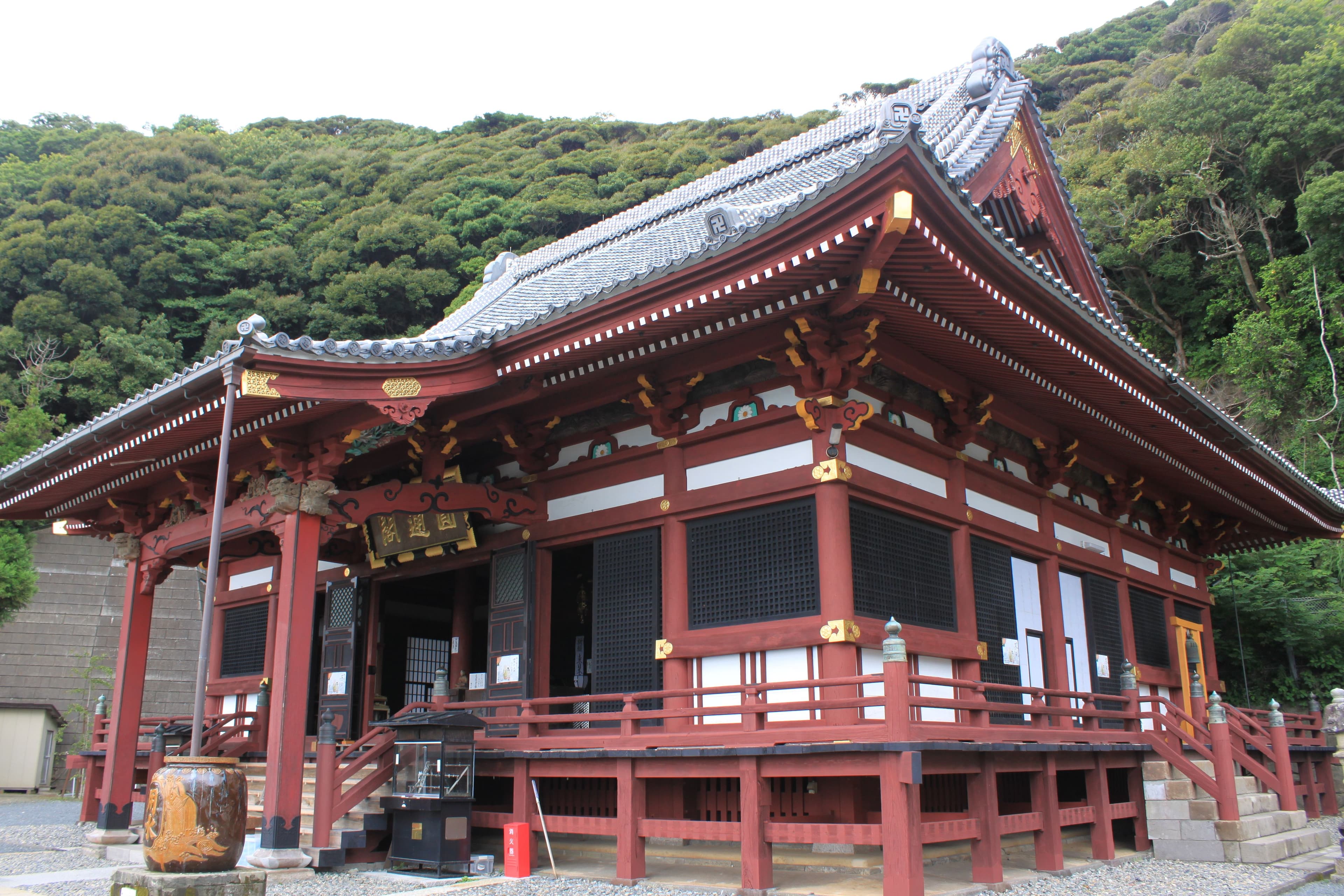
Nago-ji (那古寺)
Tateyama, Japan
Nago-ji — Fudaraku-san Nago-ji — is the 33rd and final station of the Bandō Sanjūsankasho, set on a forested mid-slope of Mt. Nago in Tateyama, Chiba....

Nichirin-ji
Daigo, Japan
Nichirin-ji sits on the eighth station of Mt. Yamizo, the highest peak in Ibaraki....

Nofuku-ji
Japan
Nōfuku-ji, founded by Saichō in 805 CE on his return from Tang China, is one of the oldest Tendai temples in the Hyōgo region....

Nosaka-ji (野坂寺)
Chichibu, Japan
Nosaka-ji, twelfth station of the Chichibu 34 Kannon Pilgrimage, is a Rinzai Zen temple of the Nanzen-ji branch formed by the 1741 merger of an older Kannon-dō with...

Ōmi-dō (大御堂)
Tsukuba, Japan
Ōmi-dō is the 25th Bandō station and the sole institutional Buddhist successor of Tsukuba Daigongen — the syncretic Shinto-Buddhist complex that fused Kannon devotion with...

Ongaku-ji (音楽寺)
Chichibu, Japan
Ongaku-ji is the twenty-third station of the Chichibu 34 Kannon Pilgrimage — a Rinzai Zen temple of the Nanzen-ji branch whose name means 'music.' Founded by tradition...

Penghu Guanyin Temple
Magong, Penghu County, Magong, Penghu County, Taiwan
Penghu Guanyin Temple has watched over Magong Harbor since 1696, when a Qing naval officer expanded a small waterside pavilion into the archipelago's first Buddhist temple....

Rakuhō-ji (楽法寺)
Sakuragawa, Japan
Rakuhō-ji is the 24th Bandō station, popularly known as Amabiki Kannon — the Rain-Drawing Kannon....

Rendai-ji
Kurashiki, Japan
Rendai-ji crowns Mt. Yuga (270 m) above Kurashiki and serves as Chūgoku 33 Kannon Pilgrimage station #6....

Ruri-ji
Japan
Funakoshi-san Nankōbō Ruri-ji is the FINAL station of the New Saigoku Kannon Pilgrimage....
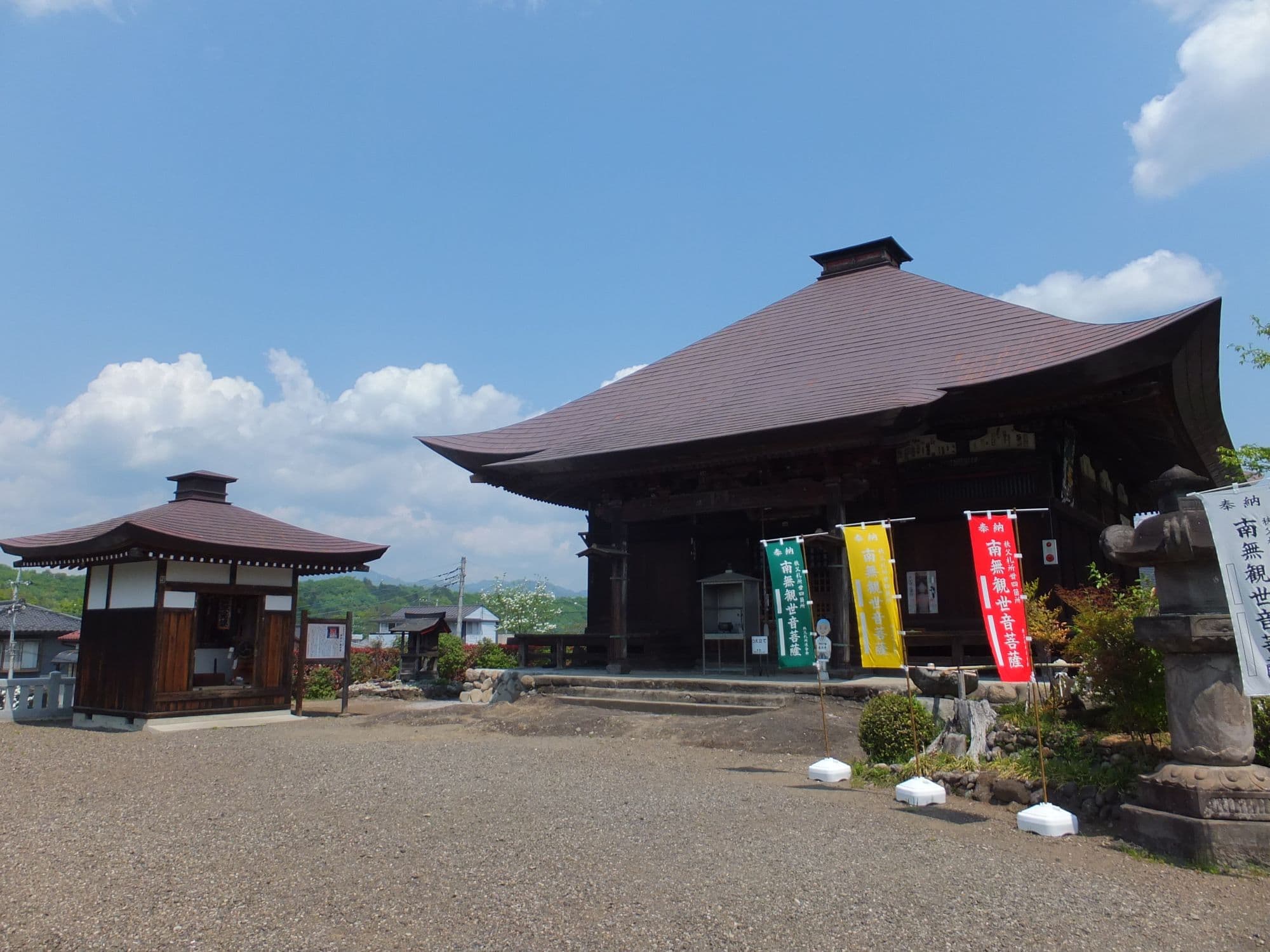
Ryūseki-ji (龍石寺)
Chichibu, Japan
Ryūseki-ji is the nineteenth station of the Chichibu 34 Kannon Pilgrimage, a Sōtō Zen temple whose hall sits not on a foundation but on a single mass of conglomerate...

Ryūshō-in
Narita, Japan
Ryūshō-in — known locally as Namegawa Kannon — is the 28th station of the Bandō Sanjūsankasho pilgrimage, a Tendai temple set among rice fields outside Narita....
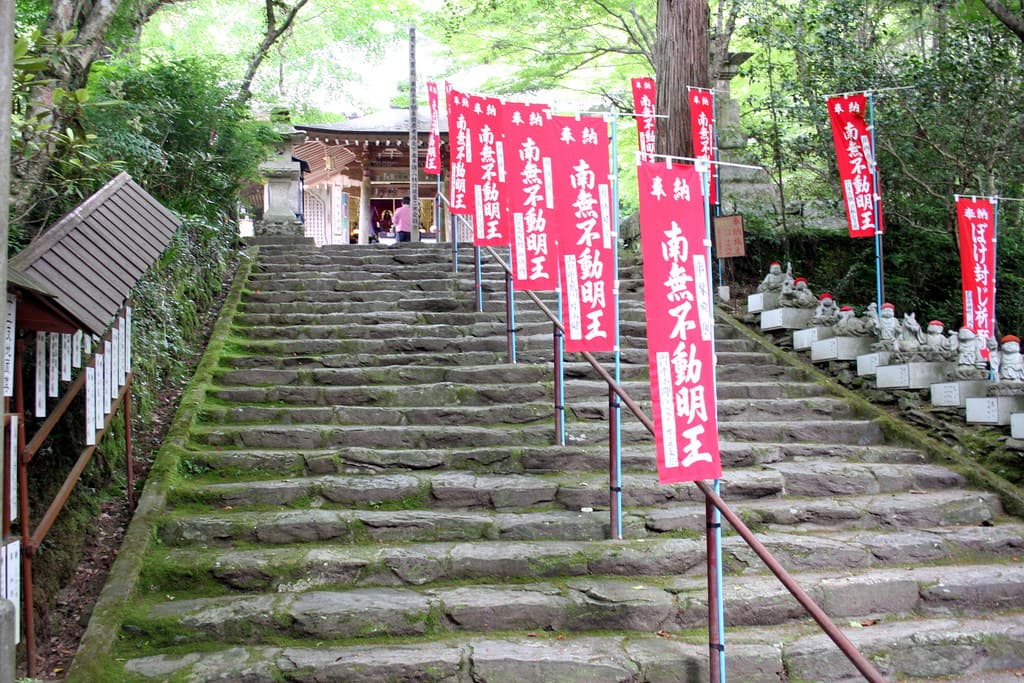
Ryūzō-ji (龍蔵寺)
Yamaguchi, Japan
Ryūzō-ji — Takitōzan Ryūzō-ji — is regarded as the oldest temple in Yamaguchi City, traditionally founded in 698 by En no Gyōja and 741 by Gyōki....

Saidai-ji (Okayama)
Okayama, Japan
Saidai-ji Kannon-in opens the Chūgoku 33 Kannon Pilgrimage in eastern Okayama. Founded in the eighth century around a Senju Kannon image said to have chosen this spot by...
Showing 49-96 of 134 sites
Key questions
Buddhist Temple sacred-site questions
- What buddhist temple sacred sites are included?
- Buddhist Temple sacred sites are places where this site type carries religious, ritual, cultural, or pilgrimage significance. This guide lists 134 in the current Pilgrim Map atlas.
- Where are these buddhist temple sites located?
- Major country clusters include Japan, Taiwan, Laos, Bangladesh, Bhutan, Indonesia.
- Which traditions are represented?
- Traditions represented here include Buddhism.
- Can I view buddhist temple sacred sites on a map?
- Yes. Compare the country and tradition clusters, switch to map view for geography, then use site pages for practical context and related places.