Site type guide
Buddhist Temple
Buddhist Temple sites reveal how different traditions shape sacred space through architecture, landscape, ritual, and memory.
134 buddhist temple sacred sites. Use the country and tradition filters to narrow in.
Atlas summary
Buddhist Temple sacred sites overview
Buddhist Temple sacred sites span countries, traditions, pilgrimage routes, and sacred landscapes represented in the Pilgrim Map atlas.
Use this guide to compare major country clusters, represented traditions, UNESCO-tagged places, and the map distribution before opening individual site pages.
| Coverage | 134 buddhist temple sacred sites across the current atlas. |
|---|---|
| Major countries | |
| Traditions | |
| UNESCO heritage | 5 UNESCO-tagged buddhist temple sites appear in this browse view. |
By tradition
Refine the atlas
Search within buddhist temple sites
All sites
134
Showing 97-134 of 134 sites in this site-type guide

Saigoku-ji (Sōji-in)
Onomichi, Japan
Saigoku-ji — full name Maniyama Sōji-in Saigoku-ji — sits on Mt. Atago above Onomichi's old port, ascended by 108 stone steps....

Saihoin
Japan
Saihōin is a small Pure Land nunnery in Taishi-chō, founded in 622 CE by three of Prince Shōtoku's nurse-attendants who shaved their heads after his death and built the...

Saikō-ji (西光寺)
Chichibu, Japan
Saikō-ji, sixteenth station of the Chichibu 34 Kannon Pilgrimage, is a Shingon Buzan-ha temple whose Senju (Thousand-Armed) Kannon is traditionally attributed to the Nara...

Saizen-ji (西善寺)
Yokoze, Japan
Saizen-ji is the eighth station of the Chichibu 34 Kannon Pilgrimage in Yokoze, Saitama. The Rinzai Zen temple of the Nanzen-ji school sits at the northern foot of Mt....

Sakami-ji
Japan
Izumi-shōzan Sagami-ji in Kasai, Hyōgo, was founded by imperial command in 745 after the priest Gyōki received an oracle from Sagami Myōjin, a local kami in the Sumiyoshi...

Sanbutsu-ji
Misasa, Japan
Sanbutsu-ji, the 31st station of the Chūgoku 33 Kannon Pilgrimage, sits on Mt. Mitoku in Misasa, Tottori....

Satake-ji
Hitachiōta, Japan
Satake-ji is the 22nd Bandō station and the spiritual ward of the medieval Satake clan....

Seigan-ji
Japan
Seigan-ji is the head temple (sōhonzan) of the Jōdo Seizan Fukakusa branch, founded in Nara in 667 CE and relocated in 1591 to Kyoto's Shinkyōgoku entertainment district....
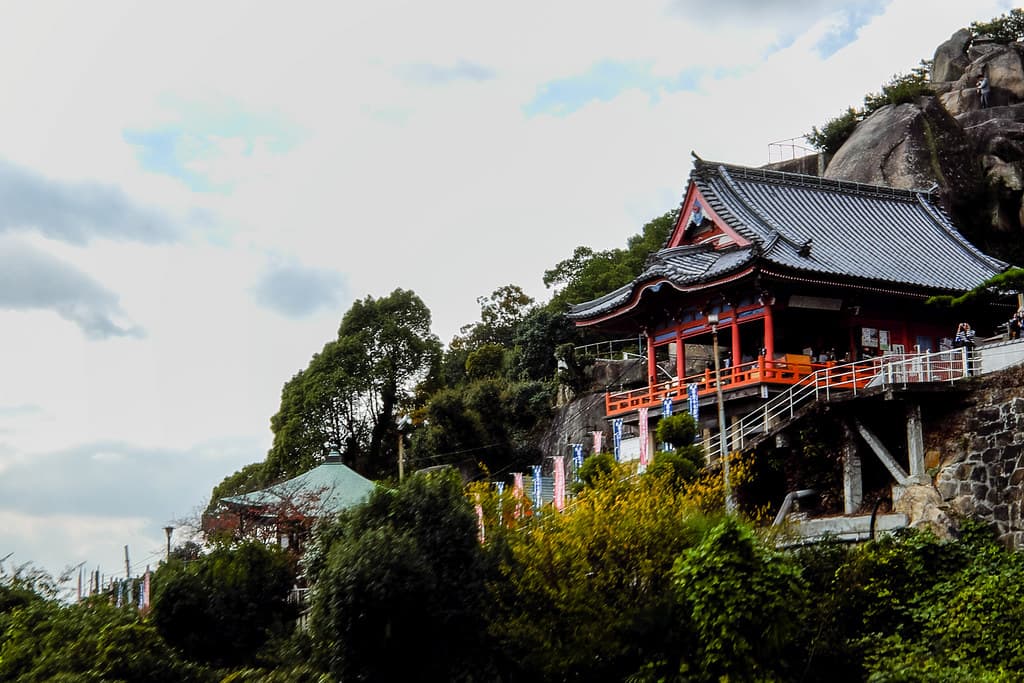
Senkō-ji
Onomichi, Japan
Senkō-ji — full name Daihōzan Gongen-in Senkō-ji — clings to the mid-slope of Mt. Senkō above Onomichi harbor....

Shimabu-ji (四萬部寺)
Chichibu, Japan
Shimabu-ji is the first temple of the Chichibu 34 Kannon Pilgrimage in Saitama, Japan....

Shimpuku-ji (真福寺)
Chichibu, Japan
Shinpuku-ji is the second station of the Chichibu 34 Kannon Pilgrimage and the temple whose late-Muromachi addition raised the Chichibu count to 34....
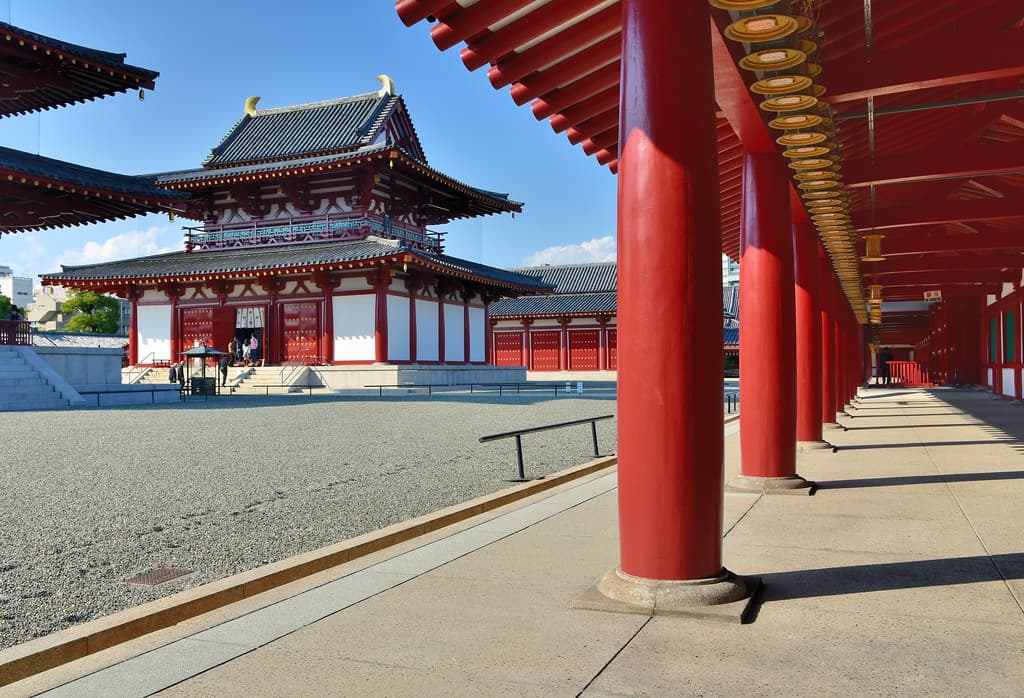
Shitennō-ji
Japan
Shitennō-ji stands at the institutional headwaters of Japanese Buddhism. Founded in 593 CE by Prince Shōtoku after his clan's victory secured Buddhism a place in the new...

Shōfuku-ji (正福寺)
Kasama, Japan
Sashiro-san Shōfuku-ji is the 23rd Bandō station, a temple whose continuity has survived two complete physical destructions. The founding legend tells of a hunter on Mt....

Shōraku-ji (Senjū-in)
Bizen, Japan
Shōraku-ji, also known as Senju-in, sits on a low hill in Bizen and serves as Temple #3 of the Chūgoku 33 Kannon Pilgrimage. The honzon is a hibutsu Eleven-Faced Kannon....

Shōrin-ji (少林寺)
Chichibu, Japan
Shōrin-ji, fifteenth station of the Chichibu 34 Kannon Pilgrimage, is a Rinzai Zen temple of the Kenchō-ji branch on the historic Banba-machi neighbourhood of central...

Shoushanyan Guanyin Temple
Guishan, Taoyuan City, Guishan, Taoyuan City, Taiwan
On Longevity Mountain in Taoyuan stands a Guanyin temple with an unusual image: the bodhisattva of compassion depicted in masculine form, crowned like an emperor....

Sōrin-ji (宗隣寺)
Ube, Japan
Sōrin-ji — Shōkō-zan Sōrin-ji — is a Tang-Chinese-founded temple (777 CE) re-established in 1670 as the bodhi-temple of the Fukuhara clan, chief retainers of the Mōri...

Suisen-ji (水潜寺)
Minano, Japan
Suisen-ji — Nittaku-san Suisen-ji — is the 34th and final station of the Chichibu 34 Kannon Pilgrimage and the kechigan-jo (結願所, 'place where the vow is fulfilled') of...

Suishō-ji (Daishō-in)
Miyajima, Japan
Daishō-in — full classical name Takizan Suiseiji Daishōin (also Suishō-ji), commonly called Miyajima Daishō-in — is the daihonzan (head temple) of the Omuro branch of...

Suma-dera
Japan
Suma-dera, formally Joya-san Fukushō-ji, is the head temple (daihonzan) of its own Shingon sub-school — the Shingon-shū Sumadera-ha — and the principal site of Heike...
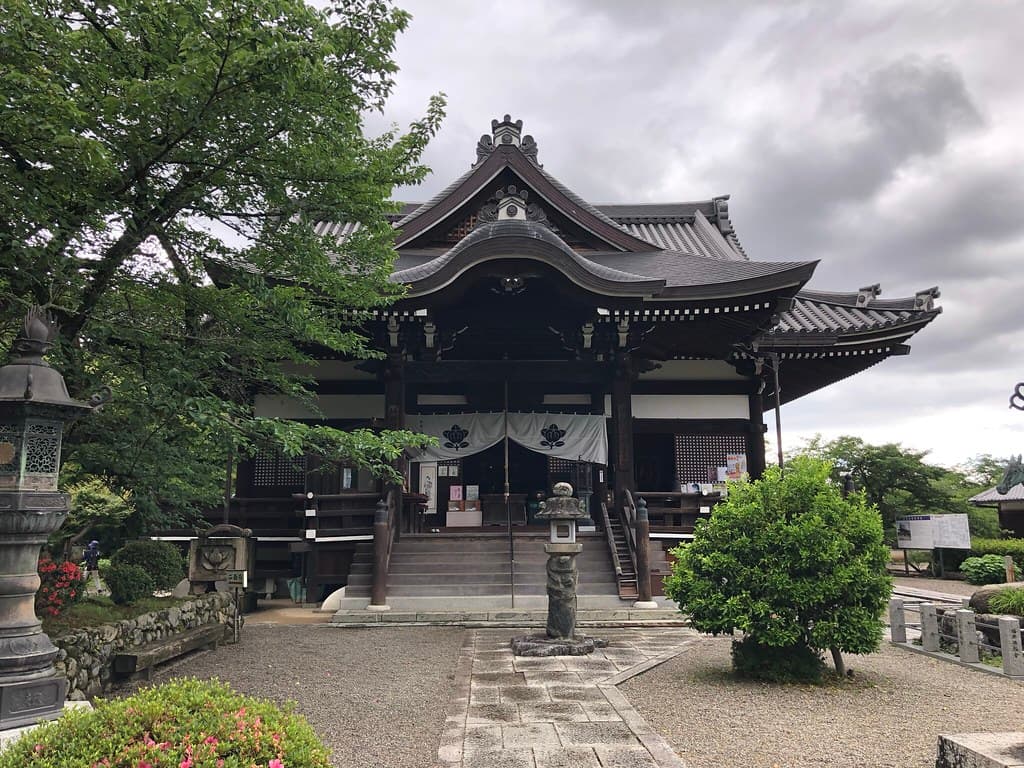
Tachibana-dera
Japan
Tachibana-dera is a Tendai temple set in the Asuka rice fields of Nara Prefecture, traditionally identified as the birthplace of Prince Shōtoku....
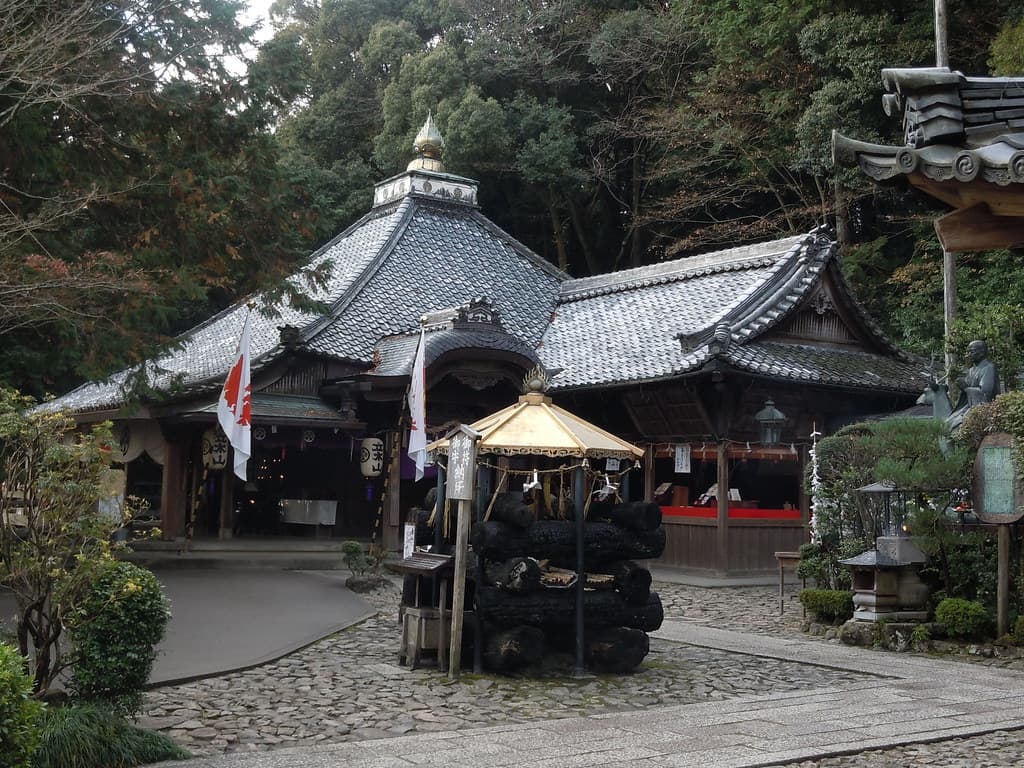
Tachiki-Kannon An’yō-ji
Japan
Tachiki Kannon An'yō-ji stands above the Seta River on a cliff that pilgrims reach by climbing roughly 800 stone steps....

Taima-dera
Japan
Taima-dera is a major dual-administered temple at the foot of Mount Nijō — held jointly by Shingon (Buzan branch) and Jōdo-shū....

Taisan-ji
Japan
Sanshinzan Taisan-ji in Kobe's Nishi Ward holds a 1293 wooden main hall registered as a National Treasure of Japan — one of only a few such structures in the entire Hyōgo...

Taiyū-ji
Japan
Founded by Kūkai in the early 9th century at the heart of what is now Osaka's Umeda entertainment district, Taiyū-ji is a Kōyasan Shingon temple whose principal Senju...

Tanjō-ji (Okayama)
Kumenan, Japan
Tanjō-ji marks the literal birthplace of Hōnen Shōnin (1133–1212), founder of Jōdo-shū Pure Land Buddhism....

Tenjōji
Japan
Mayasan Tenjō-ji sits near the summit of Mt. Maya, the Kobe-area mountain named for Mayadevi (Lady Maya, mother of the Buddha) — the temple's distinctive secondary focus...
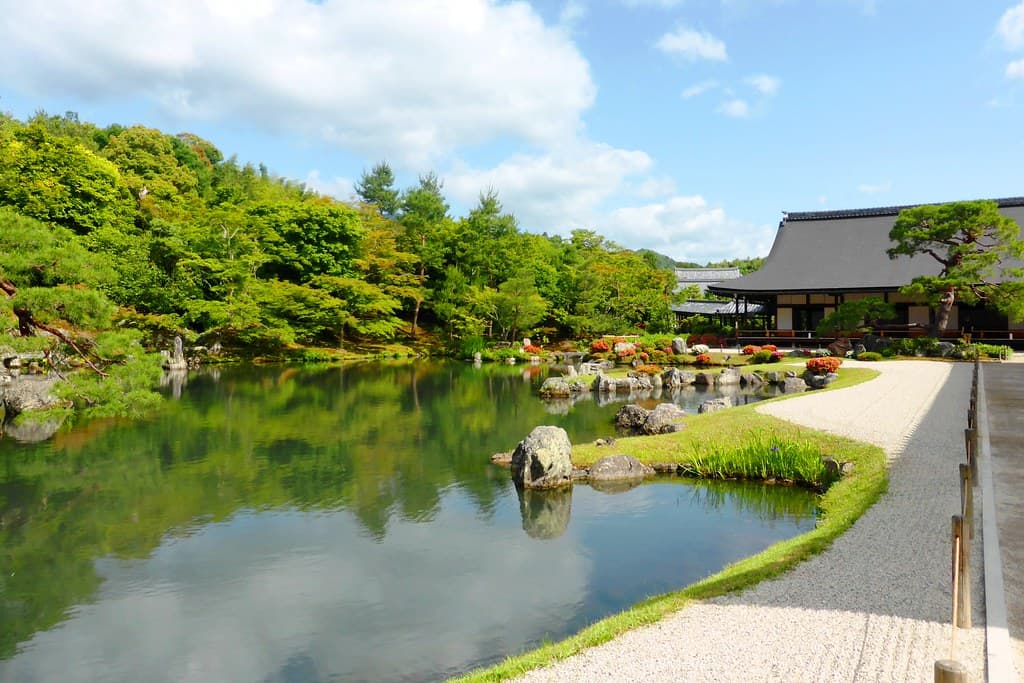
Tenryu-ji Temple
Kyoto, Kyoto, Japan
At the foot of the Arashiyama mountains in western Kyoto, Tenryu-ji preserves a garden designed by Zen master Musō Soseki for a single purpose: meditation....
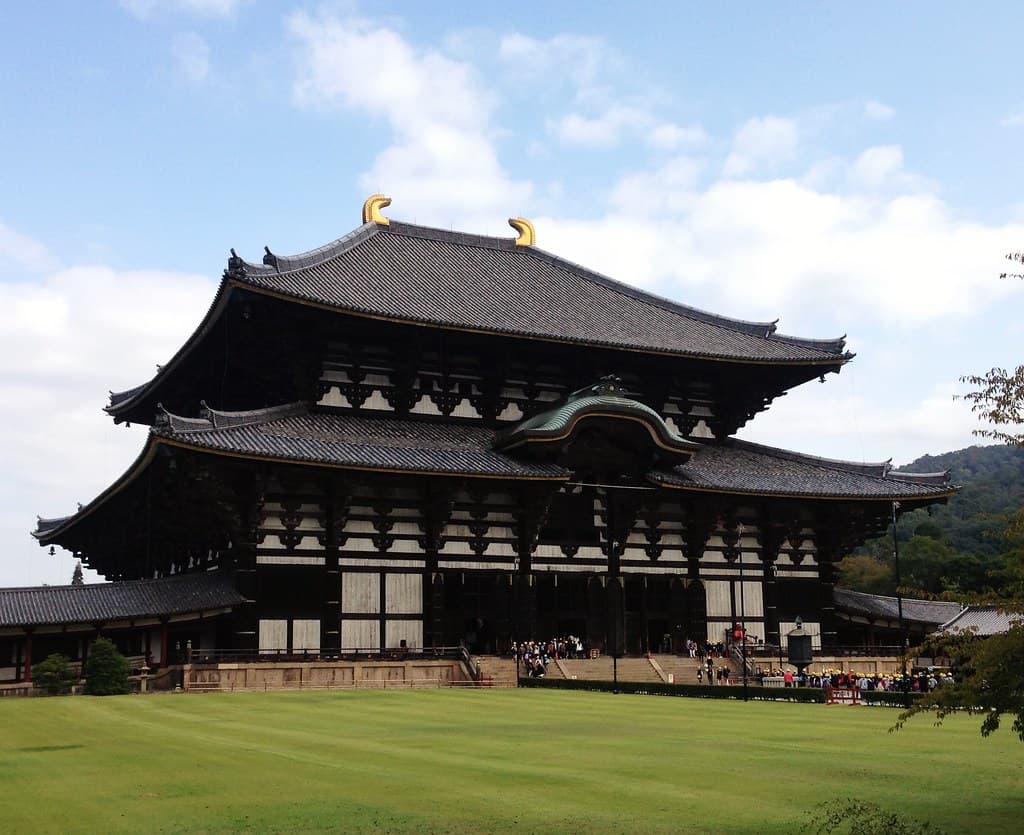
Todaiji
Nara, Nara Prefecture, Japan
In 752 CE, Emperor Shōmu consecrated a bronze Buddha of unprecedented scale—15 meters tall, cast from nearly all the copper in Japan—to bring peace to a nation wracked by...

Toji
Kyoto, Kyoto Prefecture, Japan
For over 1,200 years, Tō-ji has been the beating heart of Shingon Buddhism—the esoteric tradition that Kūkai brought from China in the 9th century....

Tokoin Hagino-tera
Japan
Tōkō-in — known by the affectionate name Hagi-no-tera, Bush Clover Temple — is a Sōtō Zen temple in suburban Toyonaka, Osaka....
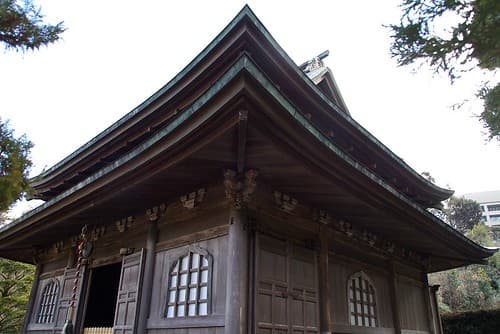
Tōshun-ji (洞春寺)
Yamaguchi, Japan
Tōshun-ji — Shōshū-zan Tōshun-ji — was founded in 1572 by Mōri Terumoto as the bodhi-temple of his grandfather, the warlord Mōri Motonari....

Wat Luang
Pakse, Laos
On the banks of the Se Don in Pakse, Wat Luang is among the oldest and largest temples in the city....

Wat Phousalao
Pakse, Laos
On a hill across the Mekong from Pakse, Wat Phousalao crowns its summit with a large seated golden Buddha that gazes over the city and river....

Wat Xieng Mouane
Luang Prabang, Laos
In the heart of Luang Prabang's UNESCO heritage peninsula, Wat Xieng Mouane is a mid-19th-century royal-era temple whose name means 'Melodious Sounds.' Behind its gold...

Yokei-ji
Setouchi, Japan
Yokei-ji crowns Ueterasan, a low hill above the rice plains of Setouchi City. Founded in the eighth century and long affiliated with the Tendai school, the temple holds...

Yōkoku-ji
Japan
Yōkoku-ji — known to most Kyotoites as Yanagidani Kannon — joins three rare devotional layers in one Nishiyama mountainside: a hibutsu Eleven-faced Thousand-armed Kannon...

Zhulinshan Guanyin Temple
Linkou, New Taipei City, Linkou, New Taipei City, Taiwan
Enshrining an Eighteen-Armed Guanyin whose divine presence was carried from Fujian's Jinjiang Longshan Temple in 1801, Zhulinshan Guanyin Temple has grown into the...
Showing 97-134 of 134 sites
Previous pageKey questions
Buddhist Temple sacred-site questions
- What buddhist temple sacred sites are included?
- Buddhist Temple sacred sites are places where this site type carries religious, ritual, cultural, or pilgrimage significance. This guide lists 134 in the current Pilgrim Map atlas.
- Where are these buddhist temple sites located?
- Major country clusters include Japan, Taiwan, Laos, Bangladesh, Bhutan, Indonesia.
- Which traditions are represented?
- Traditions represented here include Buddhism.
- Can I view buddhist temple sacred sites on a map?
- Yes. Compare the country and tradition clusters, switch to map view for geography, then use site pages for practical context and related places.