Tradition guide
Prehistoric/Megalithic
Prehistoric/Megalithic sites connect places through shared lineage, practice, story, and pilgrimage across the global atlas.
32 sacred places share this lineage. Use the country links to narrow in.
Atlas summary
Prehistoric/Megalithic sacred sites overview
Prehistoric/Megalithic sacred sites connect places through shared lineage, ritual use, memory, and pilgrimage practice across the Pilgrim Map atlas.
Use this page to compare country clusters, common place types, UNESCO-tagged landmarks, and the map distribution before exploring individual site pages.
| Coverage | 32 Prehistoric/Megalithic sacred places in the current atlas. |
|---|---|
| Country clusters |
By country
Refine the atlas
Related Prehistoric/Megalithic guides
Showing 1-32 of 32 sites in this tradition guide
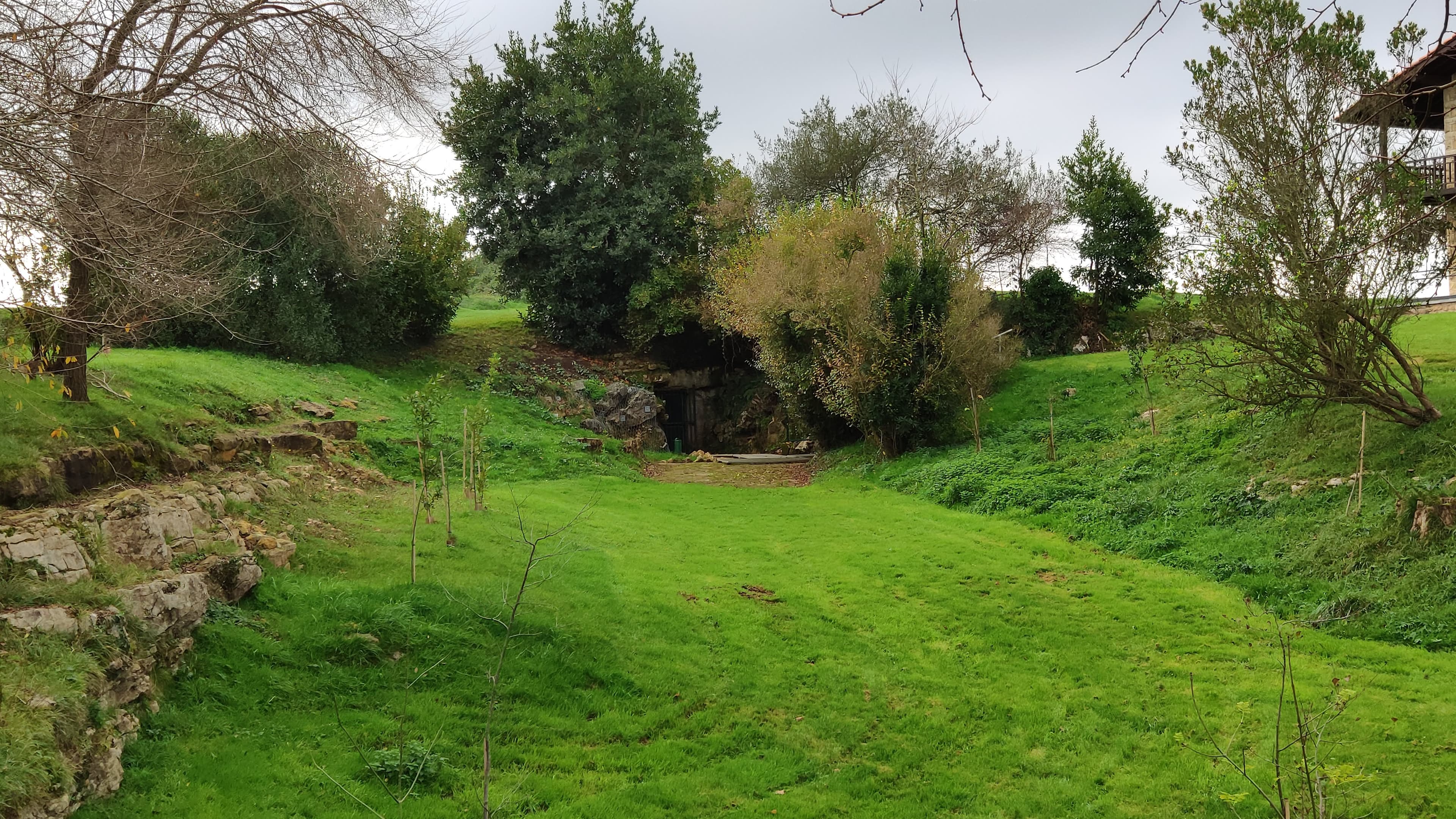
Altamira Cave
Santillana del Mar, Cantabria, Spain
Above Santillana del Mar in Cantabria, a cave ceiling holds bison, horses, and a doe painted in polychrome ochre and manganese, the oldest marks on its walls dated to more...

Anta da Cunha Baixa
Mangualde, Viseu, Portugal
In a vineyard valley near Mangualde, the Anta da Cunha Baixa held burials across an unusually long span — from the Late Neolithic through the Bronze Age....
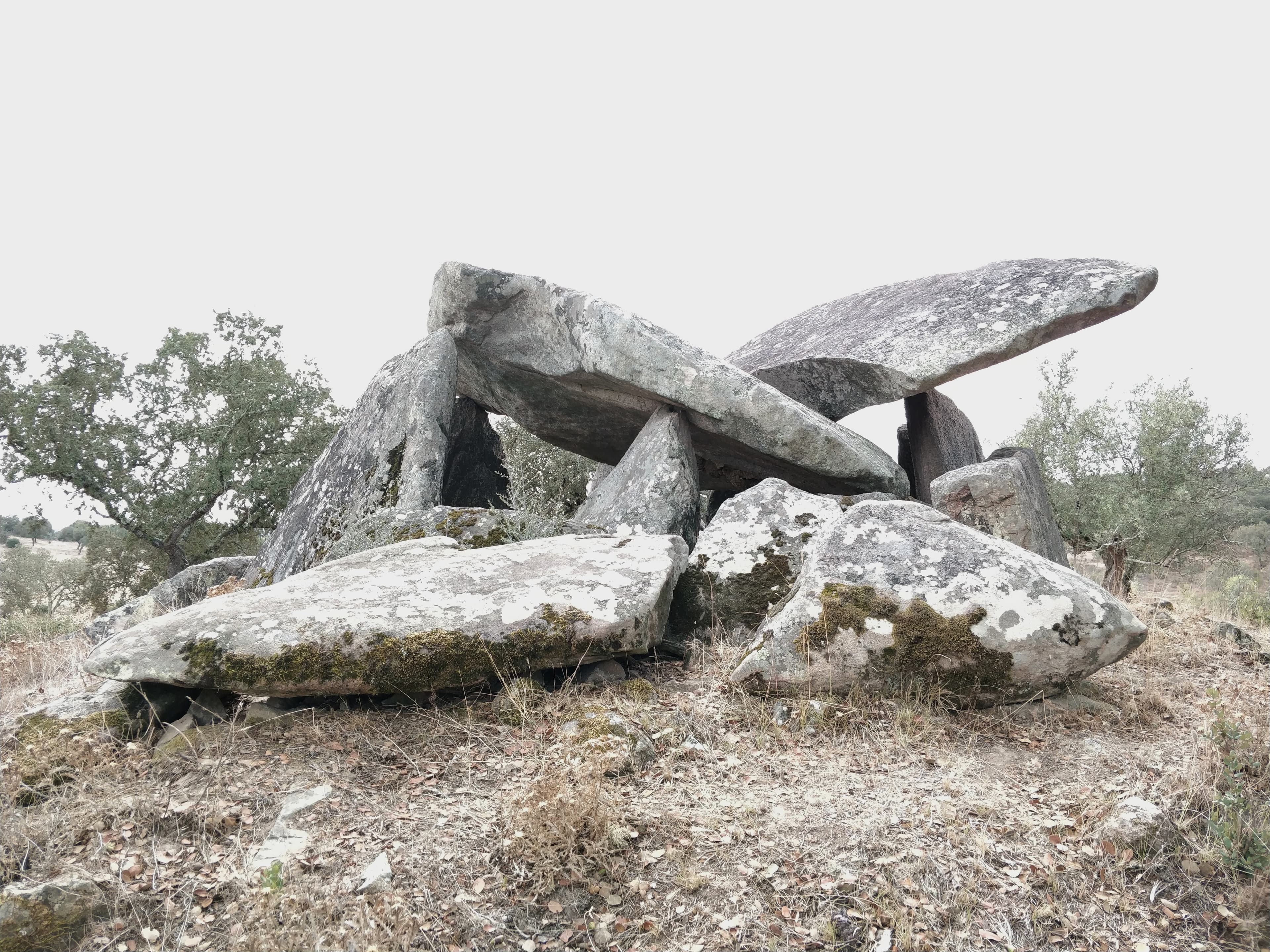
Anta da Herdade da Comenda da Igreja
Montemor-o-Novo, Évora, Portugal
Behind two livestock gates on a private Alentejo estate stands a large, well-preserved passage tomb that yielded over 1,500 registered artefacts, including more than 100...

Anta do Tapadão
Crato, Portalegre, Portugal
Rising from grazing land outside Aldeia da Mata, the Anta do Tapadão is a corridor dolmen whose seven-orthostat chamber and long stone passage rank among the most intact...

Cancho Roano
Zalamea de la Serena, Badajoz, Spain
Cancho Roano stands in the Extremaduran plain as the best-preserved building of Tartessian civilization, an Iron Age Iberian culture shaped by strong Phoenician influence....

Castro de Baroña
Porto do Son, A Coruña, Spain
Castro de Baroña is a fortified Iron Age settlement occupied roughly from the 1st century BC to the 1st century AD, its circular stone house foundations perched on a...

Castro of Zambujal
Torres Vedras, Lisbon, Portugal
Above the Sizandro River near Torres Vedras, Castro do Zambujal preserves one of the most complex fortified settlements of Copper Age Iberia....
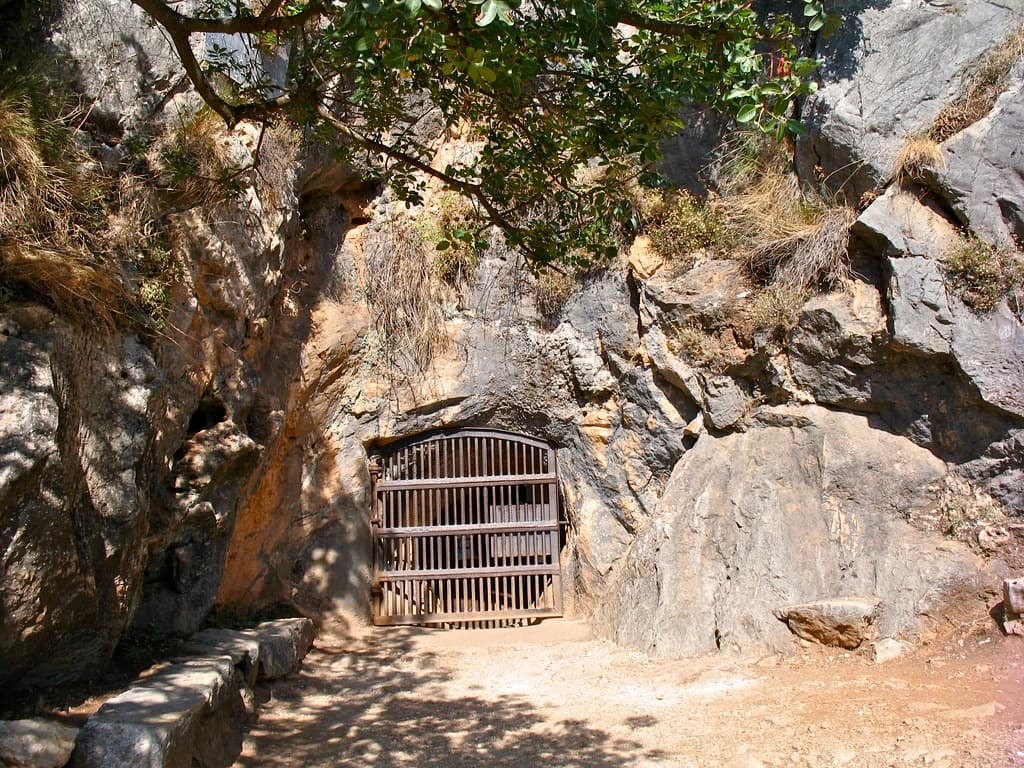
Cave of La Pileta
Benaoján, Málaga, Spain
Discovered by a farmer searching for bat guano in 1905, Cueva de la Pileta in Málaga province holds hundreds of paintings and engravings made across an extraordinary span...
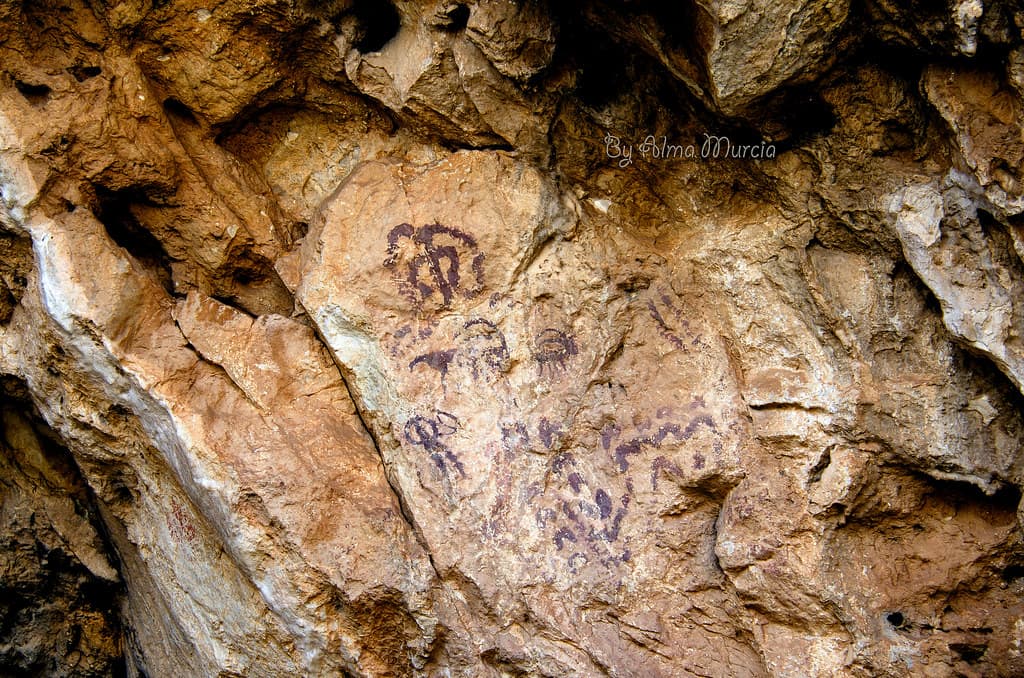
Cave of Los Letreros
Vélez-Blanco, Almería, Spain
High on a cliff above Vélez-Blanco, Cueva de los Letreros holds around 174 red-ochre figures painted by Neolithic and Chalcolithic communities — among them the Indalo, a...

Citânia de Briteiros
Guimarães, Braga, Portugal
On a hilltop above the Ave River valley, Citânia de Briteiros preserves one of the largest and most thoroughly excavated Iron Age hillforts in northwestern Iberia — a...

Citânia de Sanfins
Paços de Ferreira, Porto, Portugal
Citânia de Sanfins is a large, fortified Iron Age hillfort of the Gallaeci people, occupied from around the 5th century BCE into the Roman period....

Covalanas Cave
Ramales de la Victoria, Cantabria, Spain
Covalanas Cave holds one of Cantabria's clearest surviving galleries of Paleolithic art: red ochre hinds built from dabbed fingertip dots rather than continuous lines,...

Dolmen de Lácara
La Nava de Santiago, Badajoz, Spain
Raised from seven granite orthostats on the Extremaduran meseta between the late Neolithic and Chalcolithic periods, the Dolmen de Lácara is among the largest and...

Dolmen de Soto
Trigueros, Huelva, Spain
Dolmen de Soto is a Chalcolithic passage grave near Trigueros, Huelva, built around 2500-3000 BC by dismantling and repurposing an even older sanctuary of standing stones....

Dolmen of Axeitos
Ribeira, A Coruña, Spain
Raised roughly six thousand years ago on Galicia's Barbanza Peninsula, the Dolmen of Axeitos is a Neolithic portal tomb of eight granite orthostats supporting a single...

Dolmen of Carapito I
Aguiar da Beira, Guarda, Portugal
Near the village of Carapito, a ten-sided polygonal chamber over five metres tall holds two pillars carved with solar and serpentine motifs — among the clearest surviving...
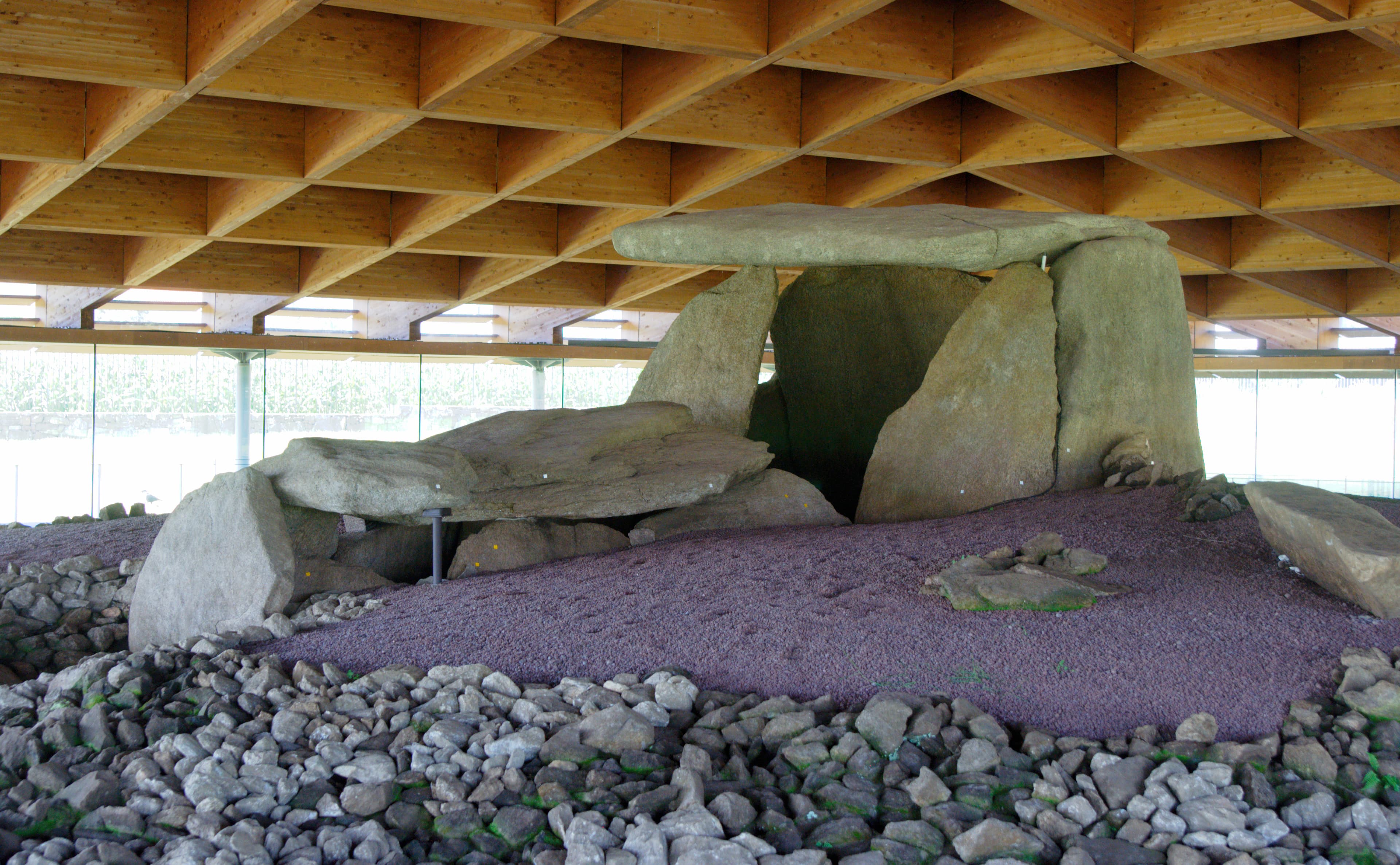
Dolmen of Dombate
Cabana de Bergantiños, A Coruña, Spain
Built and enlarged across the 4th millennium BCE on Galicia's Costa da Morte, the Dombate dolmen holds one of the rarest survivals in Iberian megalithic art: painted...

Dolmen of Pendilhe
Vila Nova de Paiva, Viseu, Portugal
Nine upright stones enclose the chamber of the Anta de Pendilhe, built by farming communities of the Alto Paiva region around 2900-2640 BCE....

El Castillo Cave
Puente Viesgo, Cantabria, Spain
On a hillside above Puente Viesgo, El Castillo Cave preserves more than 150,000 years of intermittent human presence and a red ochre disk dated to over 40,800 years old —...

El Pindal Cave
Ribadedeva, Asturias, Spain
El Pindal Cave opens above the Cantabrian coast near Ribadedeva, Asturias, its narrow gallery carrying Magdalenian-period paintings made roughly 18,000 to 13,000 years ago....

Great Dolmen of Zambujeiro
Évora, Évora, Portugal
Seven granite orthostats up to eight meters tall enclose the largest known dolmen chamber in Europe, built by Neolithic communities near Évora roughly six thousand years...

Las Monedas Cave
Puente Viesgo, Cantabria, Spain
Discovered in 1952 on the same hillside as El Castillo, Las Monedas holds a Magdalenian-period animal panel drawn in charcoal roughly 12,000 to 13,000 years ago —...

Megalithic Monuments of Alcalar
Portimão, Faro, Portugal
A roughly 10-hectare hilltop above the Algarve holds 17 to 18 megalithic tombs built and reused by Chalcolithic farming communities across more than a millennium, centered...

Menhir of Almendres
Évora, Évora, Portugal
Ninety-some granite monoliths, worn smooth by six thousand years of weather, stand in two overlapping ellipses among the cork oaks west of Évora....

Monte Santa Trega Hillfort
A Guarda, Pontevedra, Spain
Monte Santa Trega rises 341 meters above the meeting point of the Miño river and the Atlantic, carrying two layers of history in one climb: the excavated stone foundations...
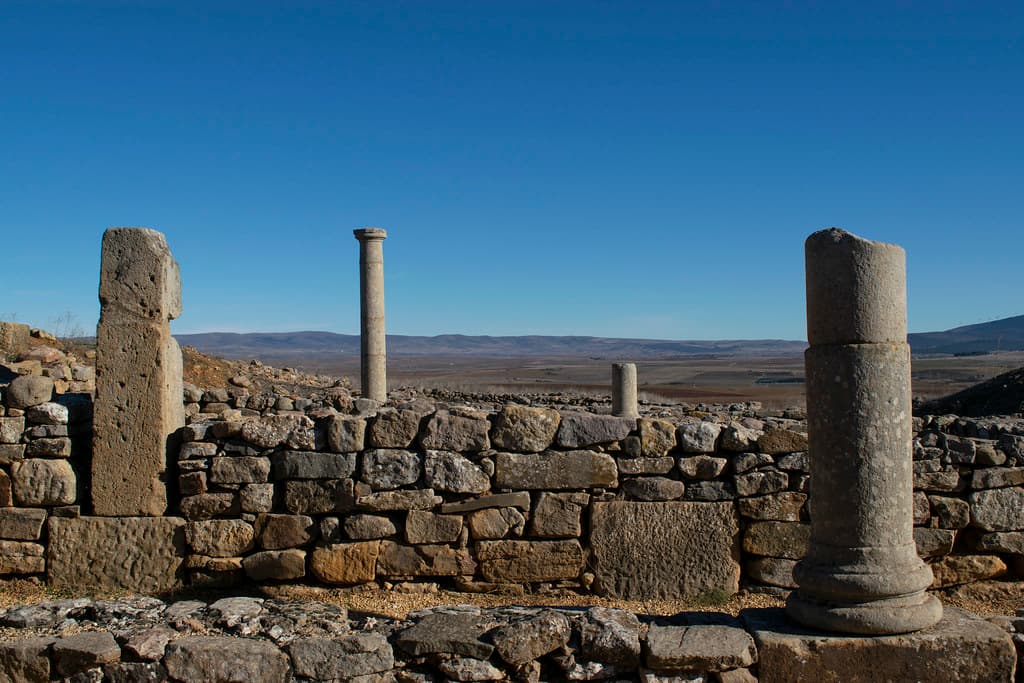
Numancia
Garray, Soria, Spain
Numantia is the excavated hilltop stronghold above Soria where the Arevaci, a Celtiberian people, resisted Rome for two decades before a final siege under Scipio...

Penedo de Lexim
Mafra, Lisbon, Portugal
Above the Ribeira de Cheleiros, a volcanic rock outcrop formed some seventy-five million years ago rises abruptly from the countryside near Mafra....

Sanctuary of Panóias
Vila Real, Vila Real, Portugal
In the late 2nd to early 3rd century CE, the Roman senator Gaius Calpurnius Rufinus inscribed the granite outcrops of Panóias with an unusually explicit sacred law: the...
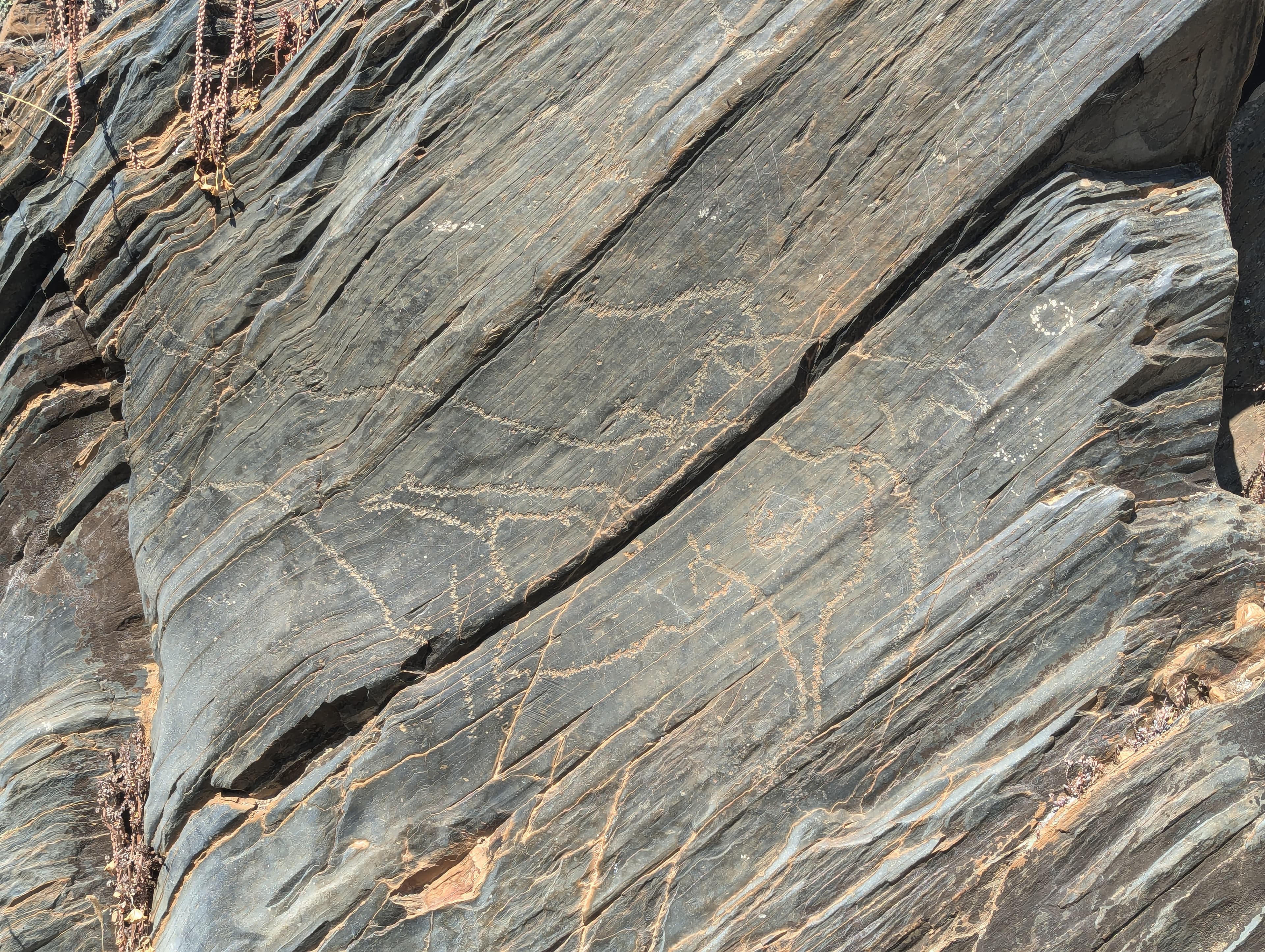
Siega Verde Archaeological Site
Castillejo de Martín Viejo, Salamanca, Spain
Along a quiet bend of the Águeda river, hunter-gatherers scratched horses, aurochs, and deer into bare schist tens of thousands of years ago....

Tito Bustillo Cave
Ribadesella, Asturias, Spain
Rediscovered in 1968 after a rockfall had sealed its entrance, Tito Bustillo holds Upper Paleolithic art spanning some 20,000 years, from a 33,000-year-old androgynous...

Ullastret Iberian City
Ullastret, Girona, Spain
Ullastret is a walled hilltop settlement of the Indigetes, the Iberian people who ruled this stretch of Catalan coast before Rome....
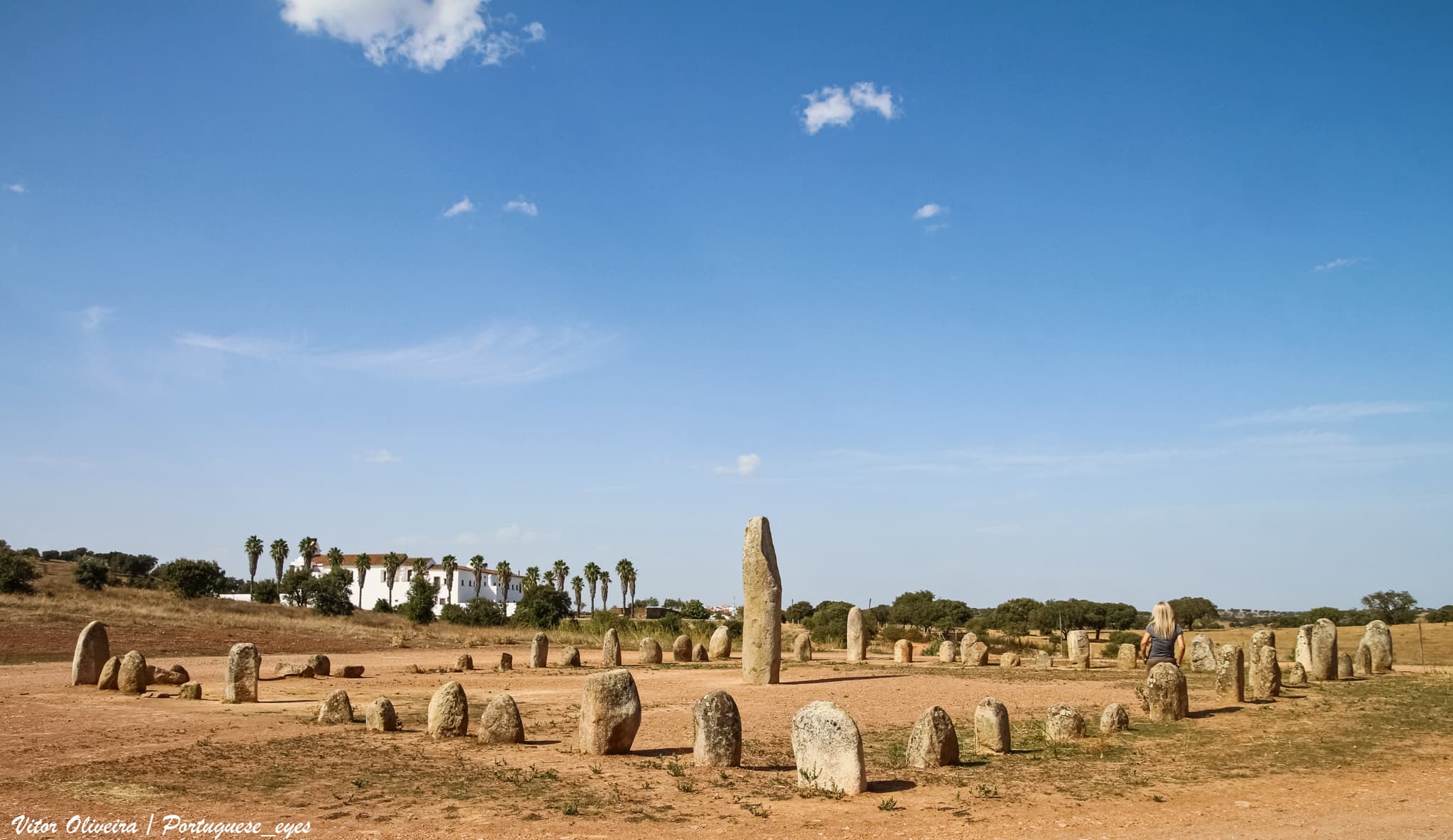
Xerez Cromlech
Reguengos de Monsaraz, Évora, Portugal
Fifty-five granite menhirs encircle a central stone nearly 4.5 meters tall in a rare square rather than circular plan, near the village of Telheiro in the Alqueva region....
Key questions
Prehistoric/Megalithic sacred-site questions
What are Prehistoric/Megalithic sacred sites?
Prehistoric/Megalithic sacred sites are places connected by shared lineage, practice, memory, ritual use, or pilgrimage tradition.
Where can I find Prehistoric/Megalithic sacred sites?
The strongest country clusters in this guide include Spain, Portugal.
What kinds of places are included?
The guide includes sacred landscapes, pilgrimage places, and ritual or historical sites where available.
Can I map Prehistoric/Megalithic sacred sites?
Yes. Compare country clusters and physical forms first, then open individual pages for coordinates, historical context, and visitor guidance.