Site type guide
Archaeological
Archaeological sites reveal how different traditions shape sacred space through architecture, landscape, ritual, and memory.
180 archaeological sacred sites. Use the country and tradition filters to narrow in.
Atlas summary
Archaeological sacred sites overview
Archaeological sacred sites span countries, traditions, pilgrimage routes, and sacred landscapes represented in the Pilgrim Map atlas.
Use this guide to compare major country clusters, represented traditions, UNESCO-tagged places, and the map distribution before opening individual site pages.
| Coverage | 180 archaeological sacred sites across the current atlas. |
|---|---|
| Major countries | |
| Traditions |
All sites
180
Showing 49-96 of 180 sites in this site-type guide

Göbekli Tepe
Haliliye, Şanlıurfa, Turkey
Göbekli Tepe is a Pre-Pottery Neolithic hilltop sanctuary in southeastern Turkey, built approximately 12,000 years ago by mobile hunter-gatherer communities who carved...

Gonur Depe Palace-Temple Complex
Gonur, Mary Region, Turkmenistan
Gonur Depe Palace-Temple Complex is a documented archaeological site in Gonur, Mary Region, Turkmenistan, connected with Historical regional religious traditions....

Goshono Site
Ichinohe, Iwate Prefecture, Japan
For forty generations, Jomon communities gathered at this river terrace to tend their dead and feed their fires....

Great Dolmen of Zambujeiro
Évora, Évora, Portugal
Seven granite orthostats up to eight meters tall enclose the largest known dolmen chamber in Europe, built by Neolithic communities near Évora roughly six thousand years...
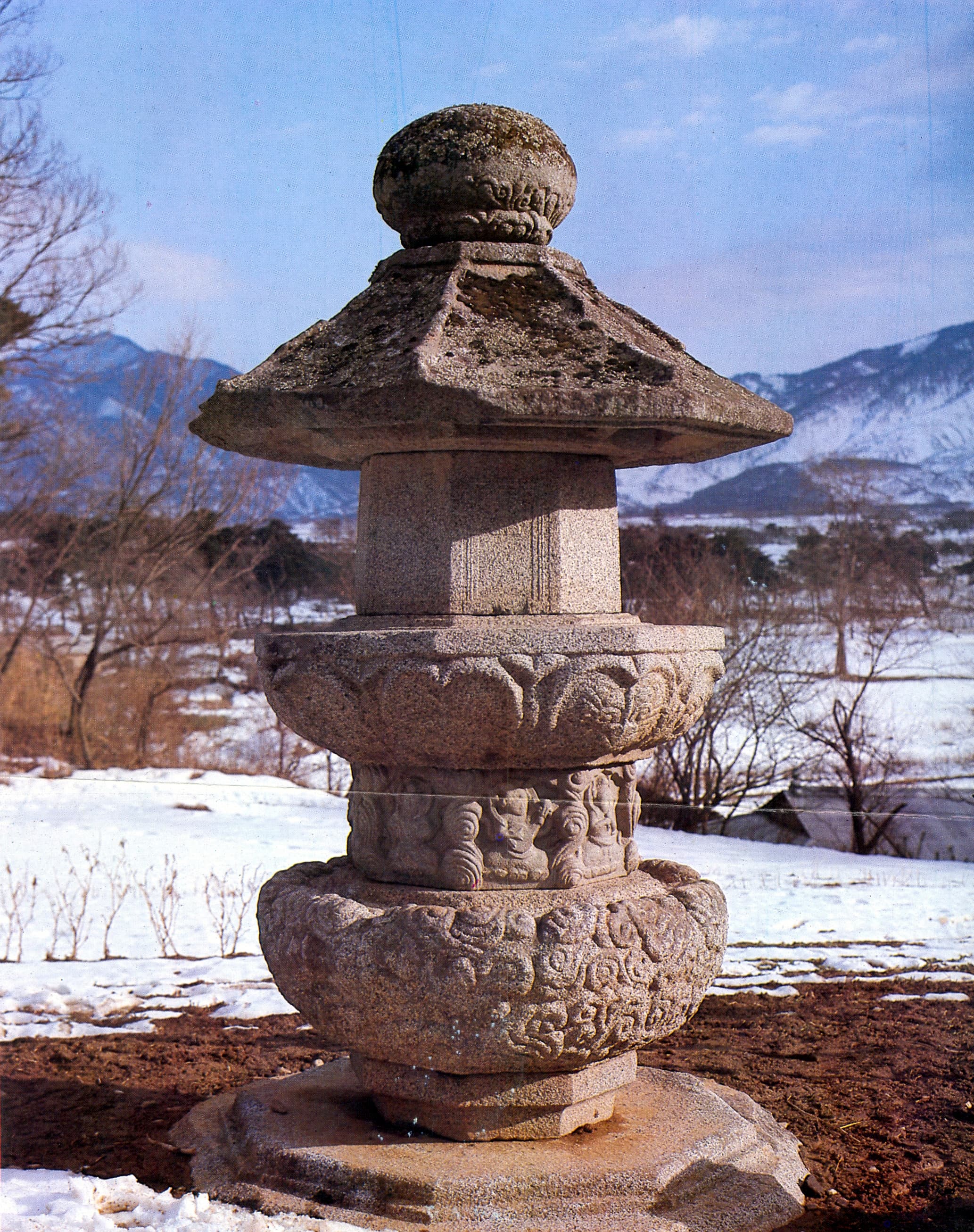
Gulsansa Temple Site, Gangneung
Gangneung, Gangneung, Gangwon-do, South Korea
Gulsansa Temple Site, Gangneung is a protected archaeological temple site within a living agricultural landscape in Gangneung, South Korea....

Gvozno Stećak Necropolis
Gvozno, Gvozno, Kalinovik Municipality, Republika Srpska, Bosnia and Herzegovina
Gvozno Stećak Necropolis is a documented archaeological site in Gvozno, Bosnia and Herzegovina, interpreted through ancient ritual and archaeological evidence....

Halidzor Fortress Church
Halidzor, Syunik, Armenia
Halidzor Fortress Church is a documented archaeological site in Halidzor, Syunik, Armenia, connected with Historical regional religious traditions....

Havránok Archaeological Park
Liptovská Sielnica, Liptovská Sielnica, Žilina Region, Slovakia
Havránok Archaeological Park is a documented archaeological site in Liptovská Sielnica, Slovakia, interpreted through ancient ritual and archaeological evidence....
Heliopolis
Qalyubia, Egypt
At ancient Heliopolis, Egyptian priests held that the first land — the Benben mound — rose from the dark primordial waters of Nun, and on it the self-created god Atum...

Hierapolis Plutonion and the Cleopatra Pool
Pamukkale, Denizli, Turkey
Hierapolis was built on a karstic fault that exhales both deadly carbon-dioxide and warm mineral water....
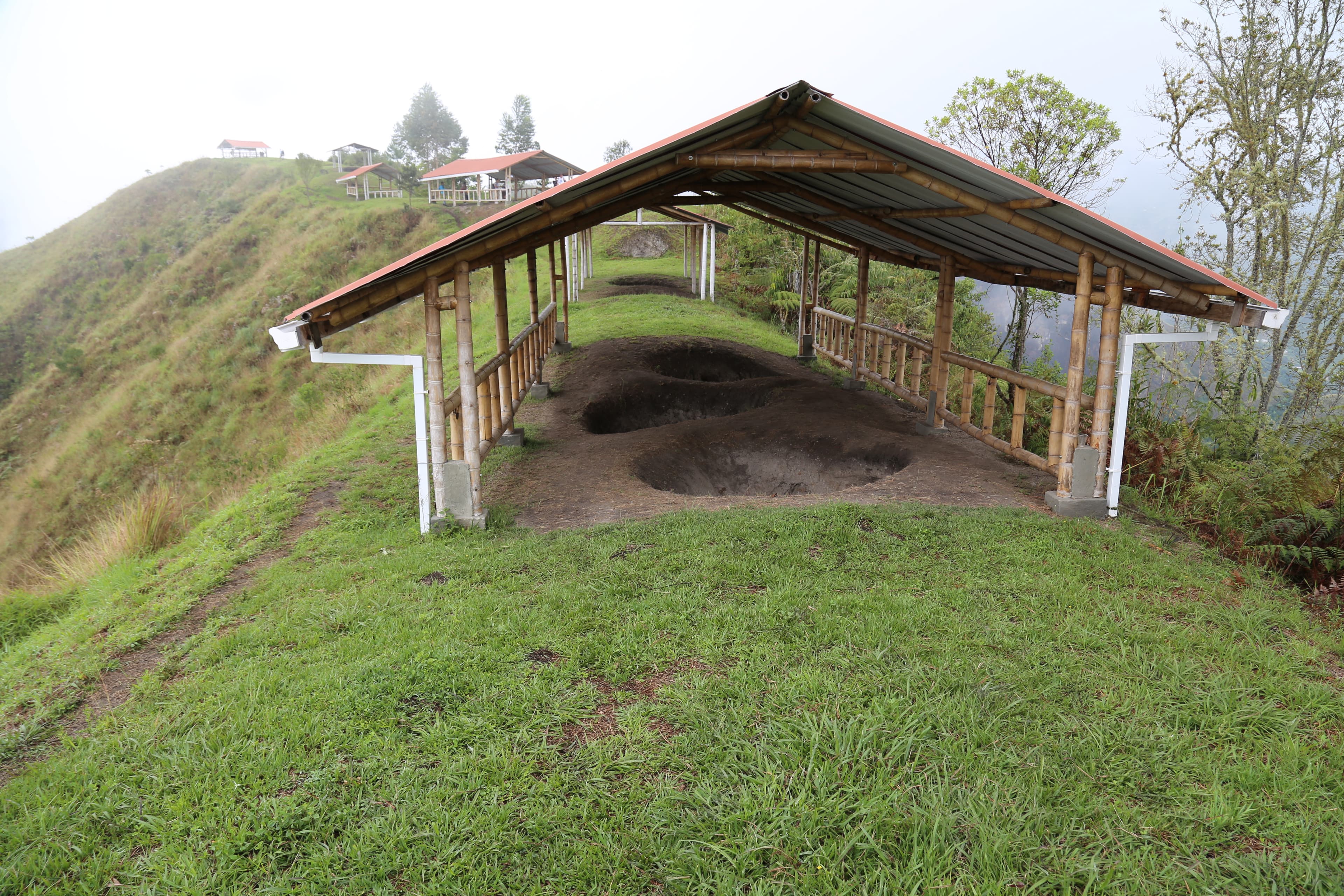
Hill of the Avocado
Part of Tierradentro Pyramid
Tierradentro, Cauca, Colombia
Sixty-two to seventy underground burial chambers pierce a 250-meter ridgeline at the highest point of the Tierradentro landscape....

Horom Citadel
Horom, Shirak, Armenia
Horom Citadel is a documented archaeological site in Horom, Shirak, Armenia, connected with Historical regional religious traditions....
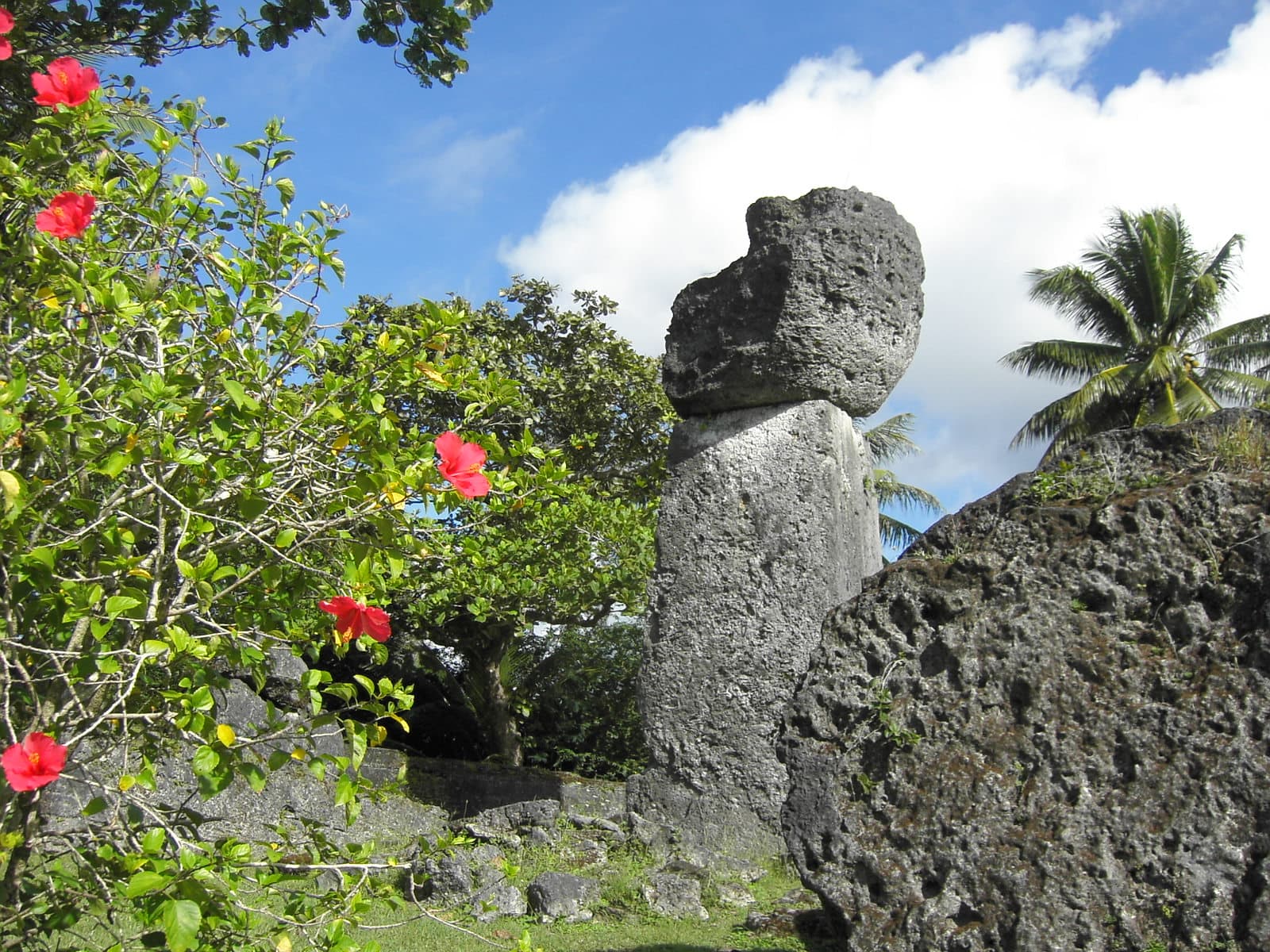
House of Taga
San Jose, Tinian, Northern Mariana Islands, Northern Mariana Islands, United States
House of Taga holds the largest latte stone formation in the Mariana Islands, twelve massive pillars once supporting a chief's house, now reduced to a single upright shaft...
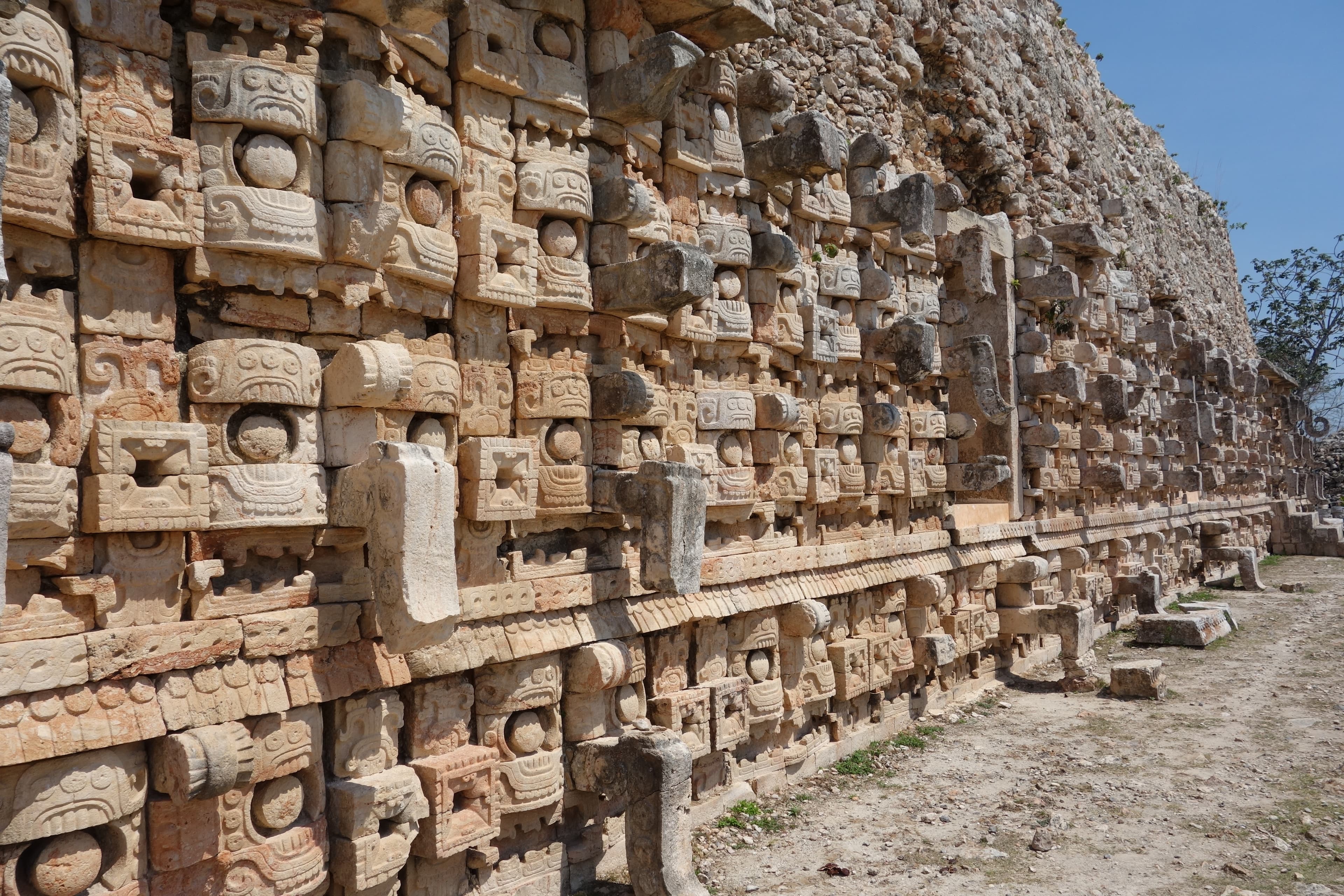
Kabah Archaeological Zone
Santa Elena, Yucatán, Mexico
In the Puuc hills of western Yucatan, where no cenotes break the limestone and rain alone sustains life, the Maya built Kabah and covered its greatest palace with the...

Kaman-Kalehöyük
Kırşehir, Turkey
Kaman-Kalehöyük holds over 40 layers of human occupation spanning 9,000 years — from the Chalcolithic through the Ottoman period — in central Anatolia....

Kampir Tepe
Kampirtepa, Surxondaryo Region, Uzbekistan
Kampir Tepe is a documented archaeological site in Kampirtepa, Surxondaryo Region, Uzbekistan, connected with Historical regional religious traditions....

Kara Tepe Buddhist Complex
Termez, Surxondaryo Region, Uzbekistan
Kara Tepe Buddhist Complex is a documented archaeological site in Termez, Surxondaryo Region, Uzbekistan, connected with Historical regional religious traditions....
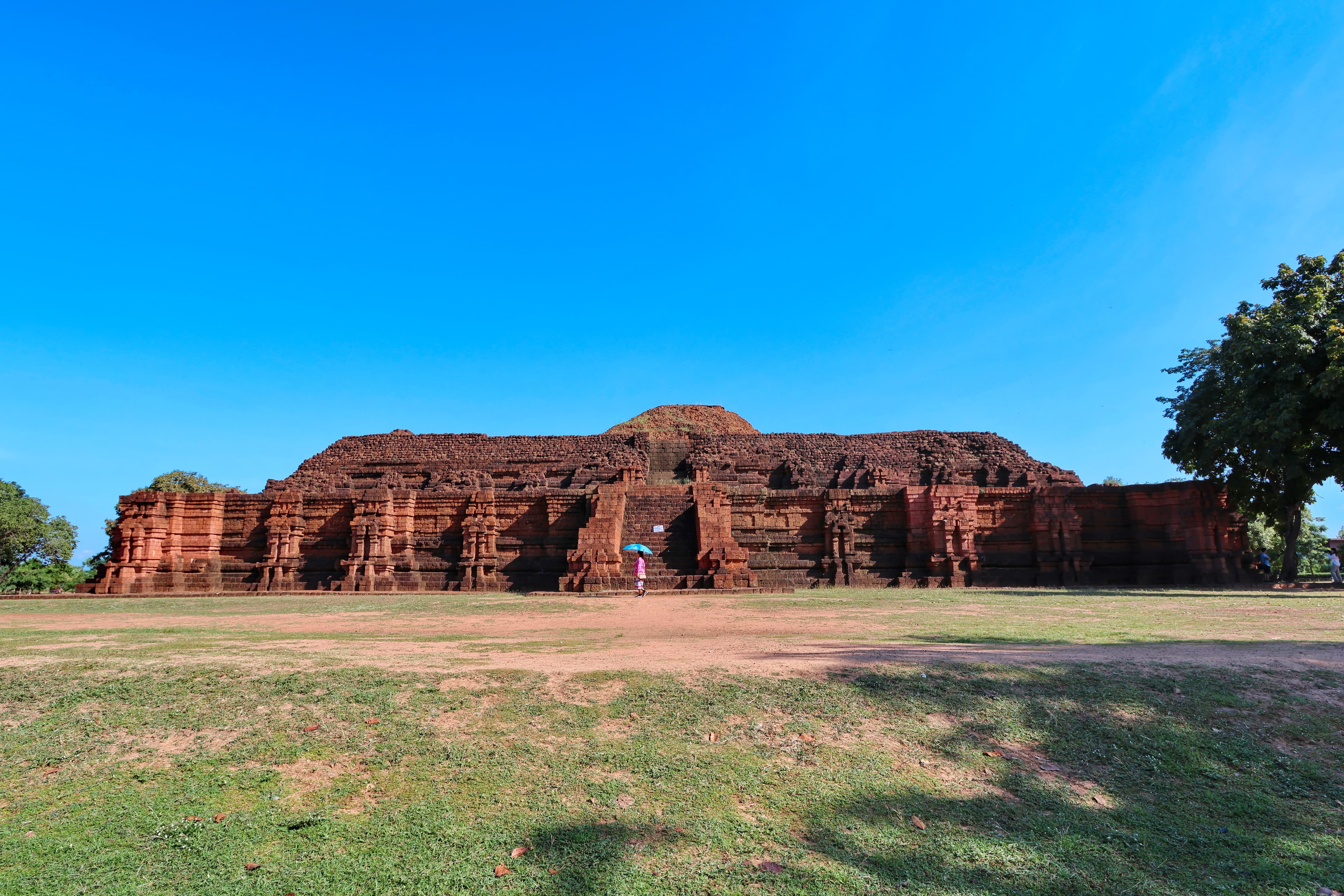
Khao Klang Nok
Si Thep, Phetchabun, Thailand
Khao Klang Nok is UNESCO property 1662's second component and the largest surviving Dvaravati monument....
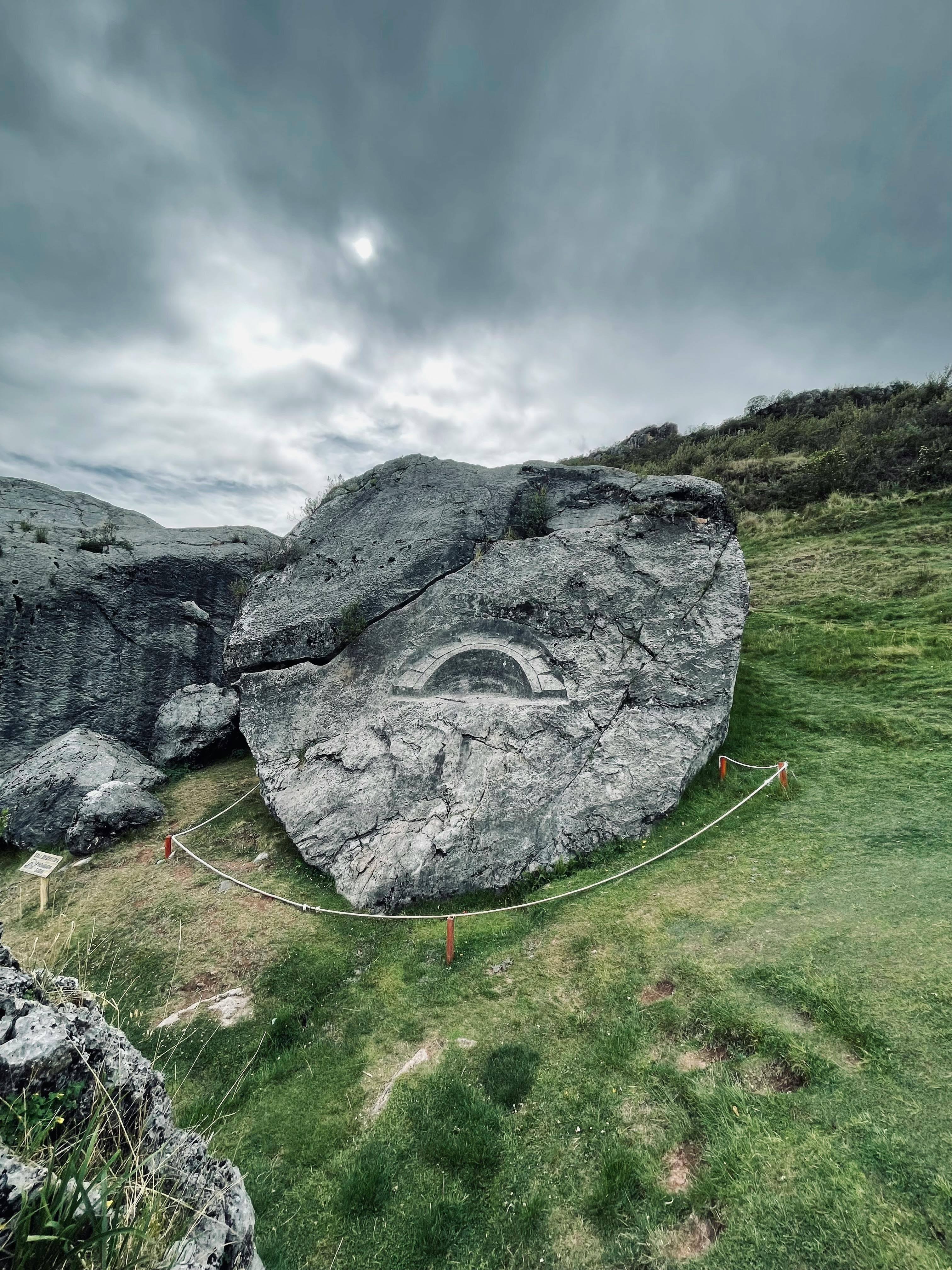
Killarumiyoq
Ancahuasi, Cusco, Peru
Hidden in the hills above Cusco, Killarumiyoq preserves the Inca's most elaborate dedication to Mama Quilla, the Moon Goddess....
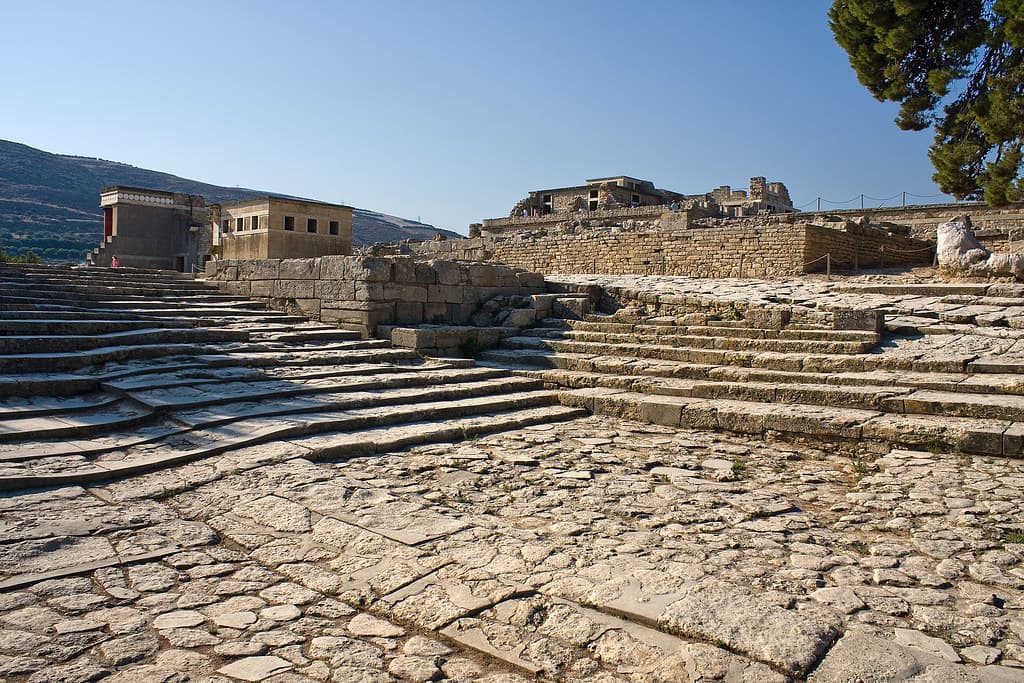
Knossos
Heraklion Municipal Unit, Crete, Greece
Knossos rises from the hills south of Heraklion on Crete, the ceremonial and sacred heart of the Minoan civilization....

Kostolec Great Moravian Site
Ducové, Ducové, Trnava Region, Slovakia
Kostolec Great Moravian Site is a documented archaeological site in Ducové, Slovakia, held within Christianity....
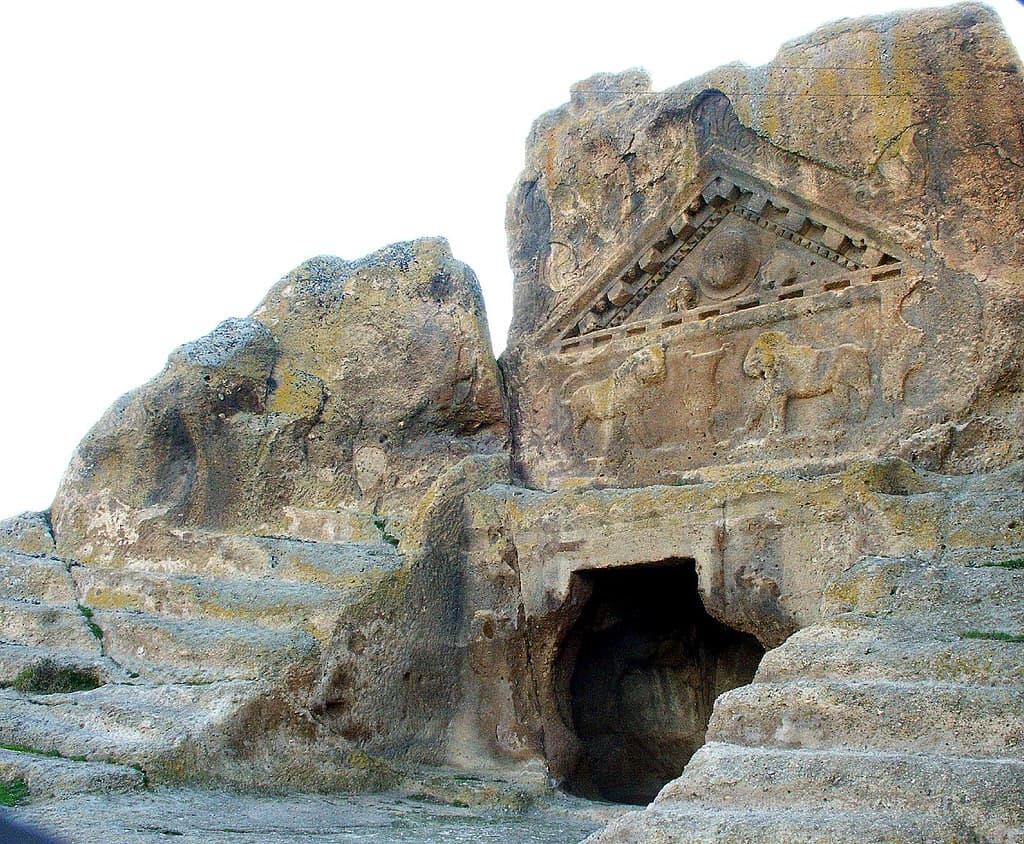
Kümbet
Eskişehir, Turkey
Kümbet village in Eskişehir province occupies the site of ancient Meros, a Phrygian city from the Iron Age....

La Ciudad Perdita
Santa Marta, Magdalena, Colombia
Deep in the Sierra Nevada de Santa Marta, 169 stone terraces carved into the mountainside form the remains of a city that the Tairona people built around 800 CE, more than...
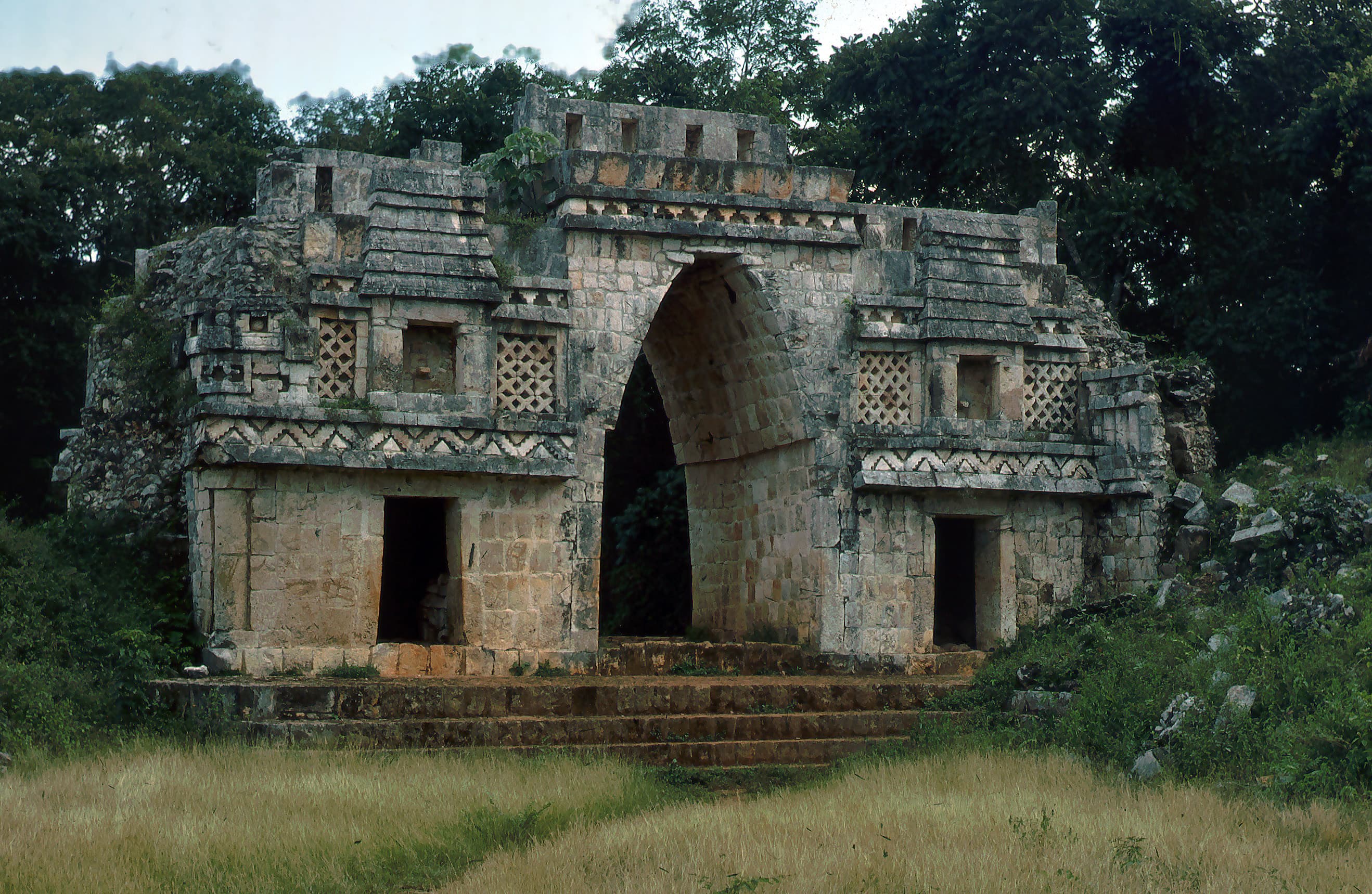
Labna
Santa Elena, Yucatán, Mexico
Rising from the limestone hills of the Puuc region, Labna preserves the most elaborate ceremonial arch in all Maya territory....

Laodicea on the Lycus
Denizli, Denizli, Turkey
Laodicea on the Lycus was a wealthy Hellenistic and Roman city in Turkey's Lycus Valley, refounded around 261-253 BC by the Seleucid king Antiochus II....

Lchashen Archaeological Site
Lchashen, Gegharkunik, Armenia
Lchashen Archaeological Site is a documented archaeological site in Lchashen, Gegharkunik, Armenia, connected with Historical regional religious traditions....
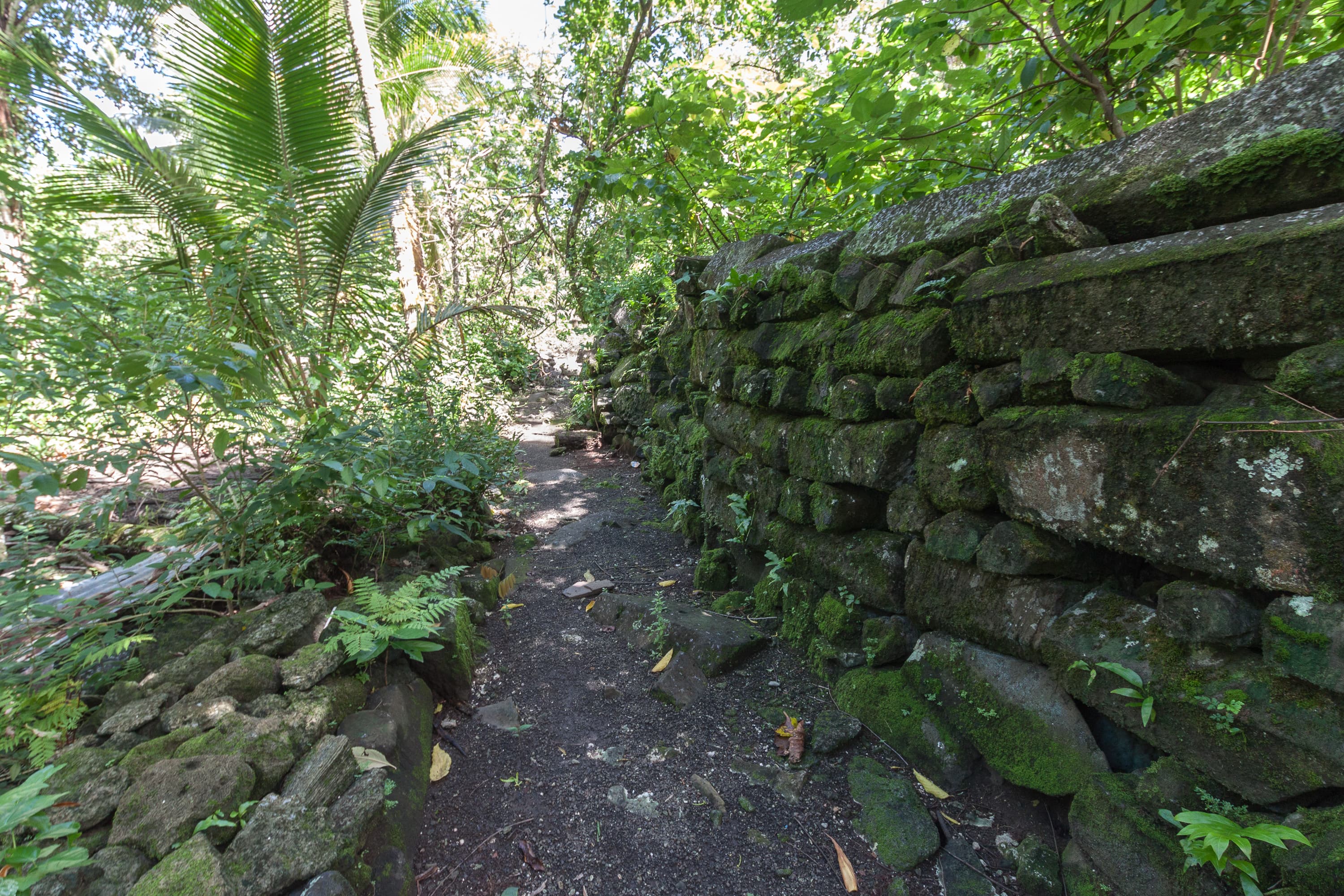
Leluh Ruins
Lelu, Kosrae State, Kosrae, Federated States of Micronesia
Leluh was the political and religious capital of a unified Kosraean kingdom, a walled city of basalt and coral compounds where a paramount chief's remains were guarded by...

Lepenski Vir Archaeological Site
Boljetin, Boljetin / Donji Milanovac, Bor District, Serbia
Lepenski Vir Archaeological Site is a documented archaeological site in Boljetin, Serbia, interpreted through ancient ritual and archaeological evidence....
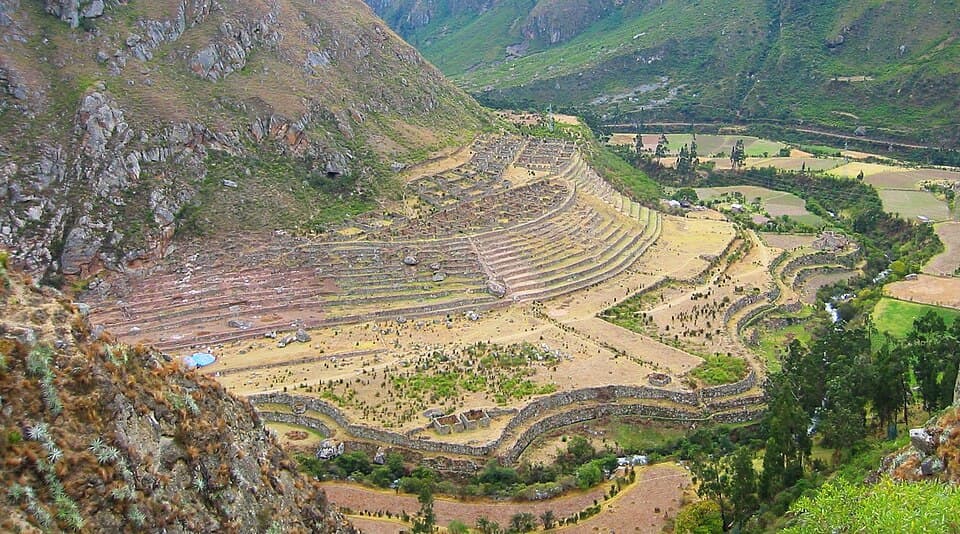
Llactapata
Ollantaytambo district, Cusco, Peru
Llactapata sits on a forested ridge across the Aobamba gorge from Machu Picchu, its plaza and long corridor apparently aimed at the June solstice sunrise and at Machu...

Lori Berd Church and Fortress
Stepanavan, Lori, Armenia
Lori Berd Church and Fortress is a documented archaeological site in Stepanavan, Lori, Armenia, connected with Historical regional religious traditions....

Lullingstone Roman Villa
Eynsford, England, United Kingdom
In the Darent Valley of Kent, the remains of a Roman farmhouse preserve what is believed to be the earliest purpose-built Christian chapel in the British Isles....

Maculje Stećak Necropolis
Maculje, Maculje, Novi Travnik Municipality, Central Bosnia Canton, Bosnia and Herzegovina
Maculje Stećak Necropolis is a documented archaeological site in Maculje, Bosnia and Herzegovina, interpreted through ancient ritual and archaeological evidence....
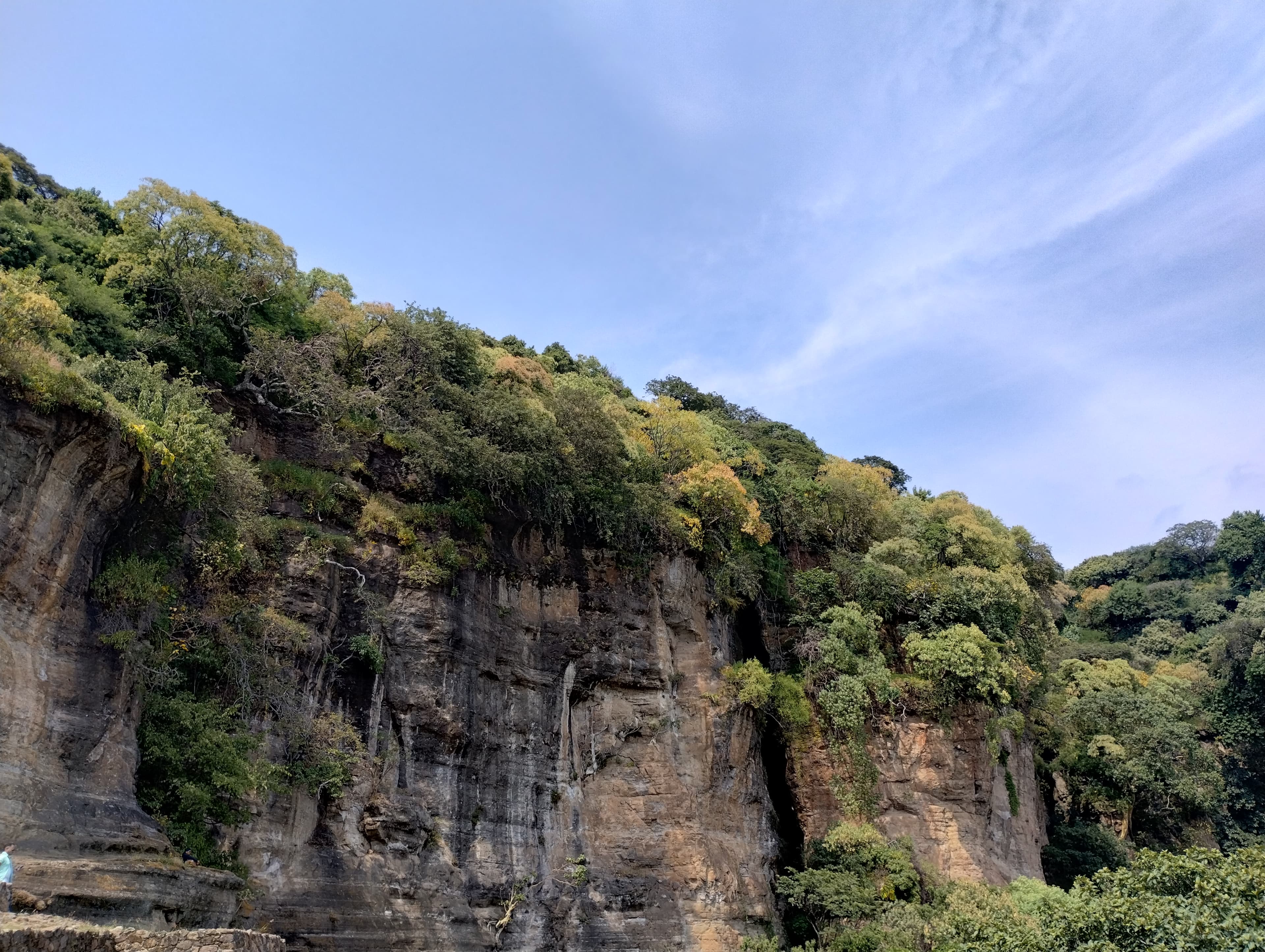
Malinalco Archaeological Zone
Malinalco, State of Mexico, Mexico
Malinalco Archaeological Zone preserves a Mexica ceremonial and military complex above the town of Malinalco....
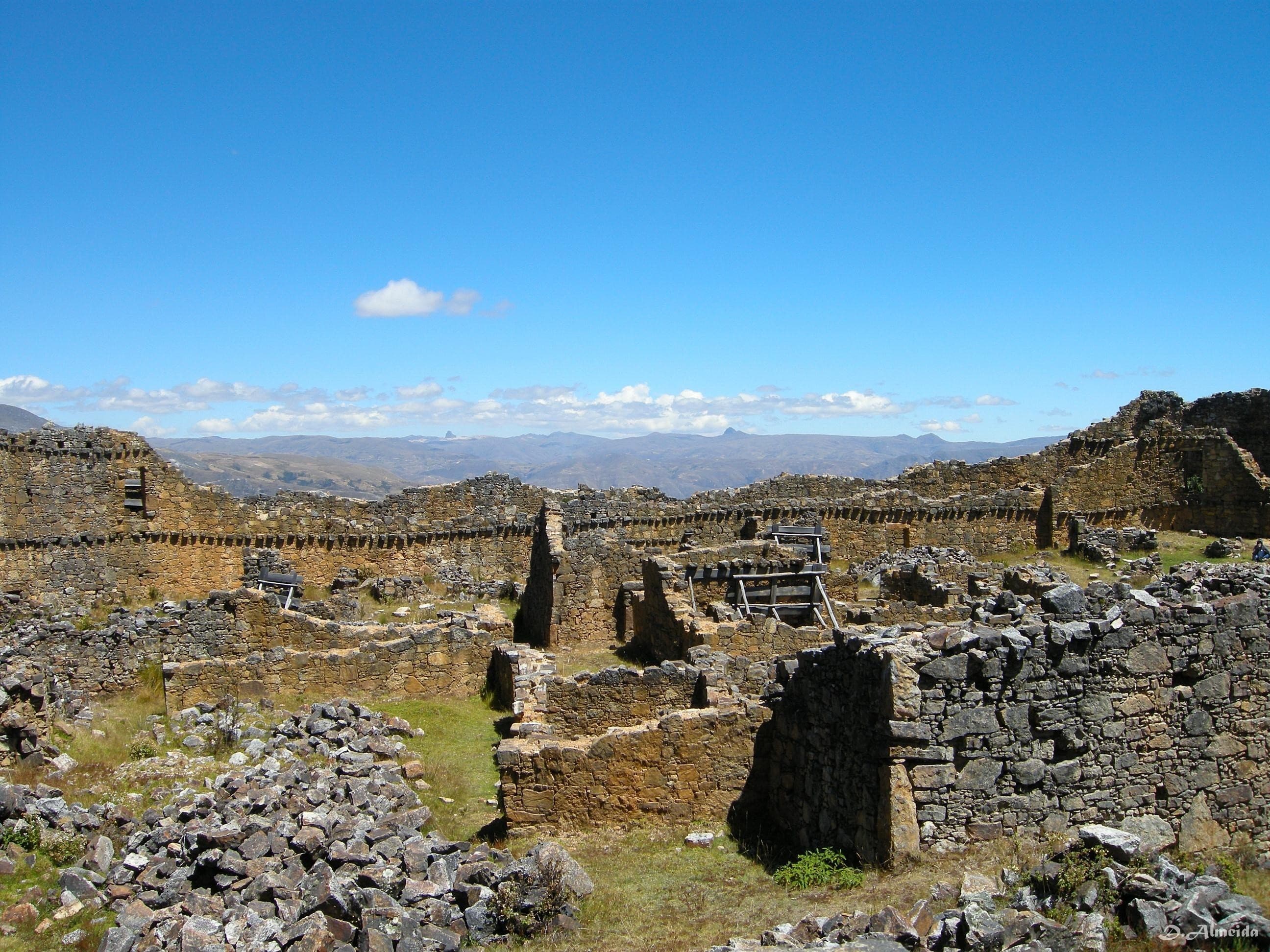
Marcahuamachuco Archaeological Complex
Huamachuco, La Libertad, Peru
On an elongated mesa dominating three mountain valleys in northern Peru, Marcahuamachuco sprawls across 260 hectares—a vast sanctuary built between 400 and 1,200 CE,...
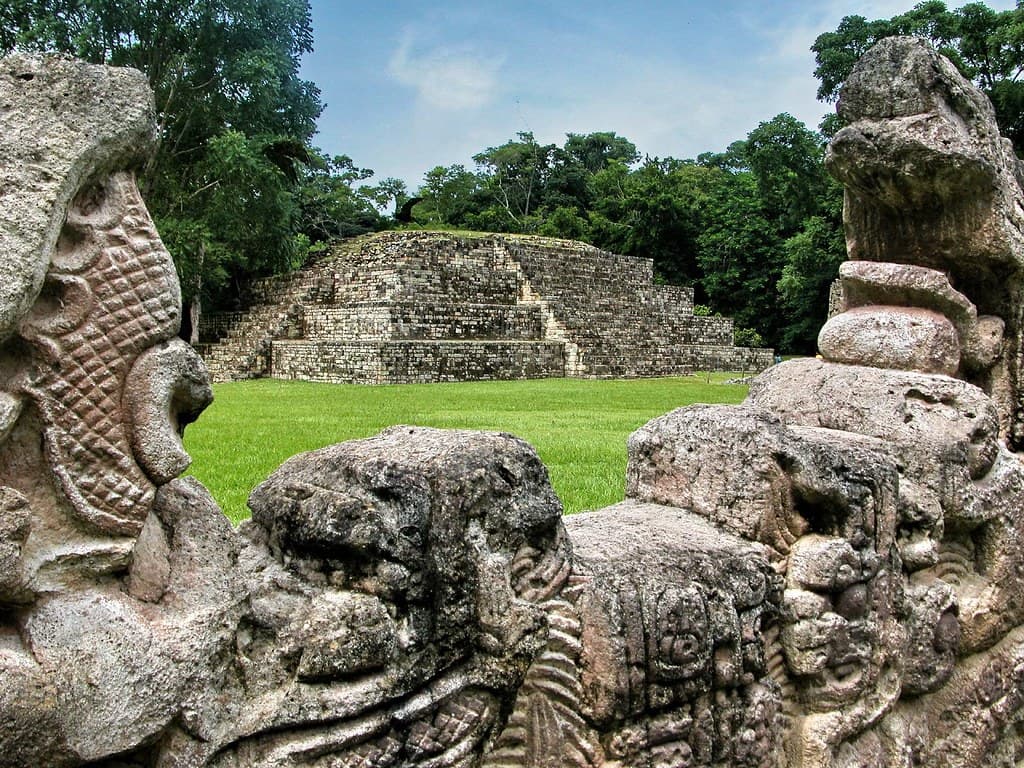
Maya Site of Copan
Copán Ruinas, Copán, Honduras
Copan stands where rulers enacted creation. For 400 years, Maya kings carved themselves as deities in elaborate stelae, believing the stone would hold their divine essence...

Megalithic Monuments of Alcalar
Portimão, Faro, Portugal
A roughly 10-hectare hilltop above the Algarve holds 17 to 18 megalithic tombs built and reused by Chalcolithic farming communities across more than a millennium, centered...

Menhir of Almendres
Évora, Évora, Portugal
Ninety-some granite monoliths, worn smooth by six thousand years of weather, stand in two overlapping ellipses among the cork oaks west of Évora....

Merv Oasis
Ancient Merv / Bayramaly, Mary Region, Turkmenistan
Ancient City of Merv is a documented archaeological site in Ancient Merv / Bayramaly, Mary Region, Turkmenistan, connected with Historical regional religious traditions....

Metsamor Archaeological Site
Taronik, Armavir, Armenia
Metsamor Archaeological Site is a documented archaeological site in Taronik, Armavir, Armenia, connected with Historical regional religious traditions....
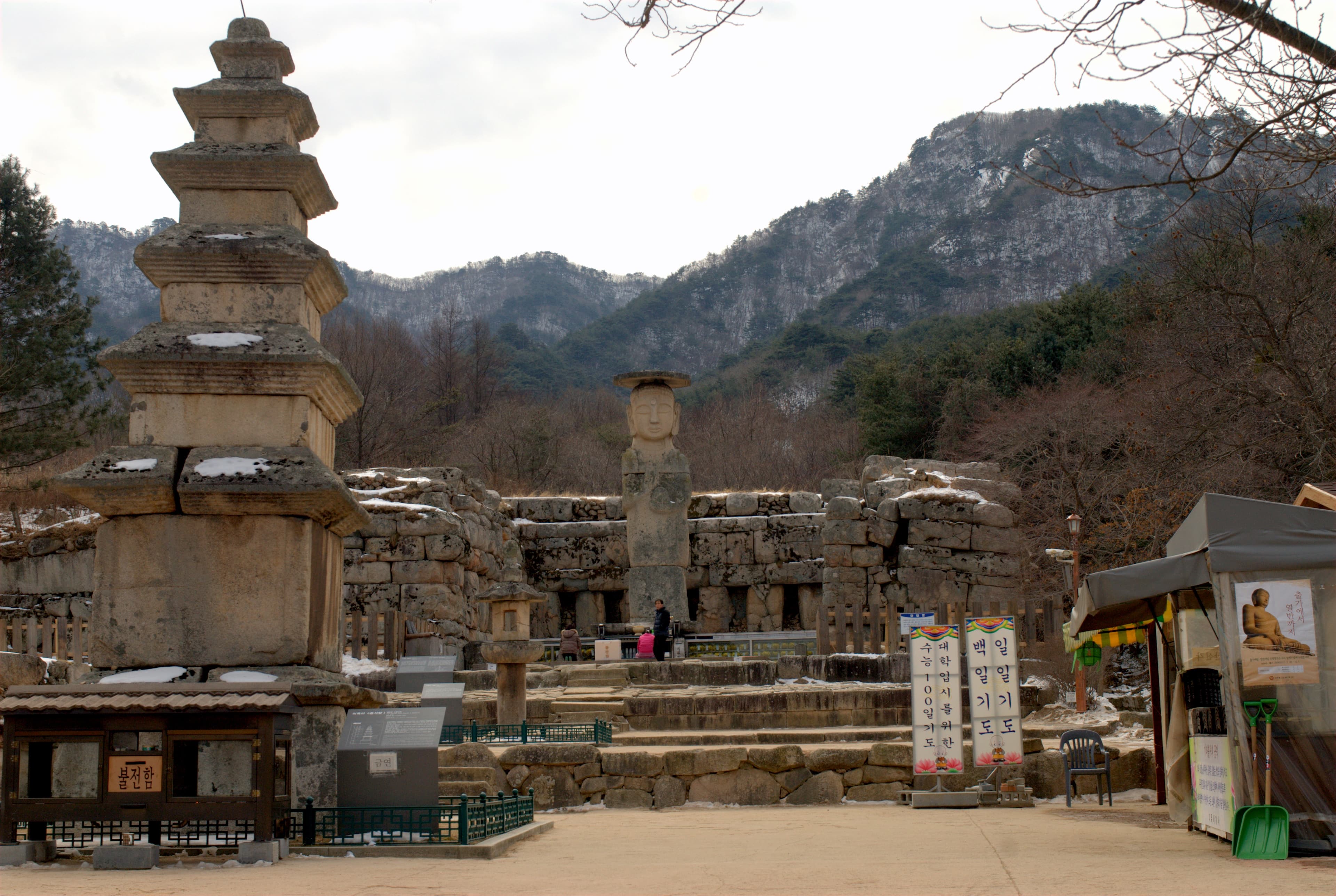
Mireuk-ri Temple Site
Cheongju, Chungcheongbuk-do, South Korea
Mireuk-ri Temple Site, officially Chungju Mireukdaewonji, preserves a Goryeo Buddhist complex in the Haneuljae basin....

Mithraeum III at Ptuj
Ptuj, Ptuj, Ptuj Municipality / Podravje, Slovenia
Mithraeum III at Ptuj is a documented archaeological site in Ptuj, Slovenia, interpreted through ancient ritual and archaeological evidence....
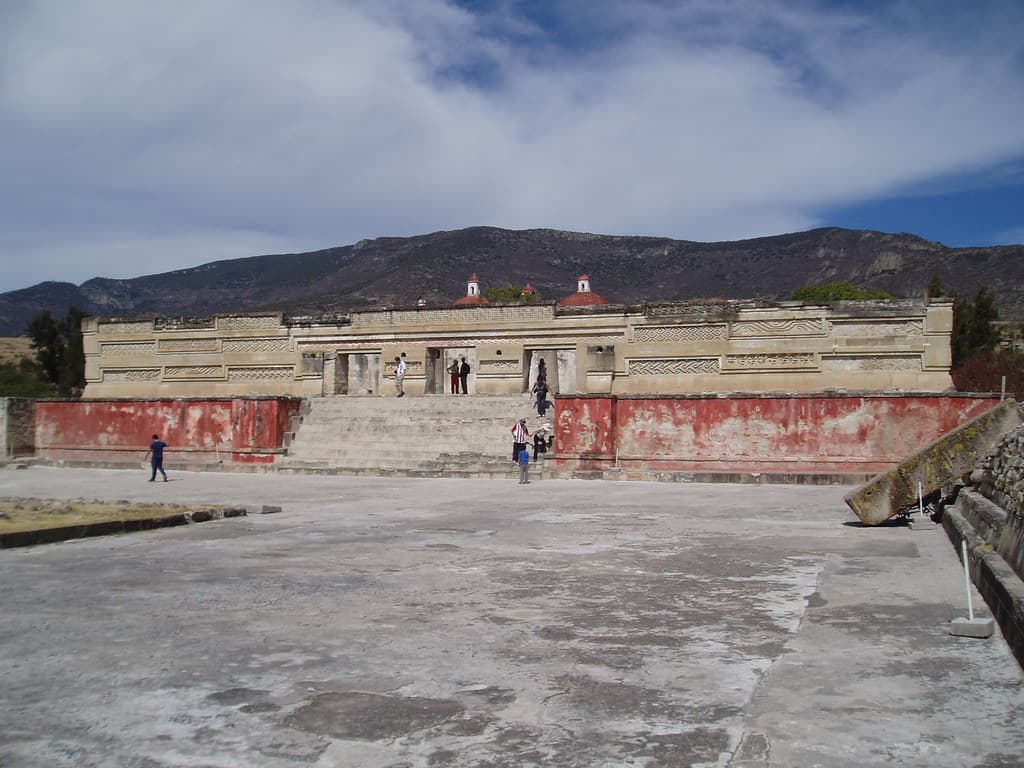
Mitla Archaeological Zone
San Pablo Villa de Mitla, Oaxaca, Mexico
Mitla—from the Nahuatl Mictlan, 'place of the dead'—served as the gateway between worlds for Zapotec civilization....

Monte Alban Archaeological Zone
Santa Cruz Xoxocotlán, Oaxaca, Mexico
Monte Alban rises 400 meters above the Valley of Oaxaca—a mountaintop that the Zapotec literally carved into a capital city beginning around 500 BCE....

Muang Tam Sanctuary
Prakhon Chai, Buri Ram, Thailand
Prasat Muang Tam is a Khmer Hindu sanctuary near Phanom Rung in Buriram. Fine Arts identifies it as a community religious center dedicated to Shiva....
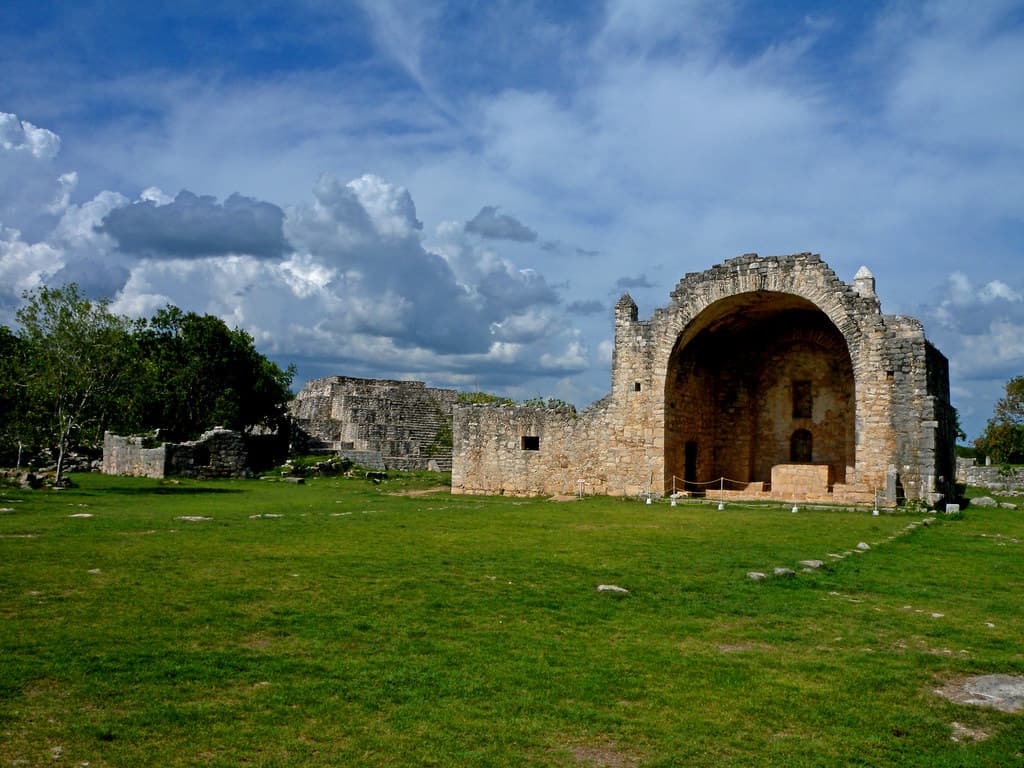
Museum of the Mayan Village at Dzibilchaltun
Mérida, Yucatán, Mexico
Dzibilchaltun—'the place where there is writing on the stones'—was inhabited from 1500 BCE until the Spanish Conquest, one of the longest continuously occupied sites in...
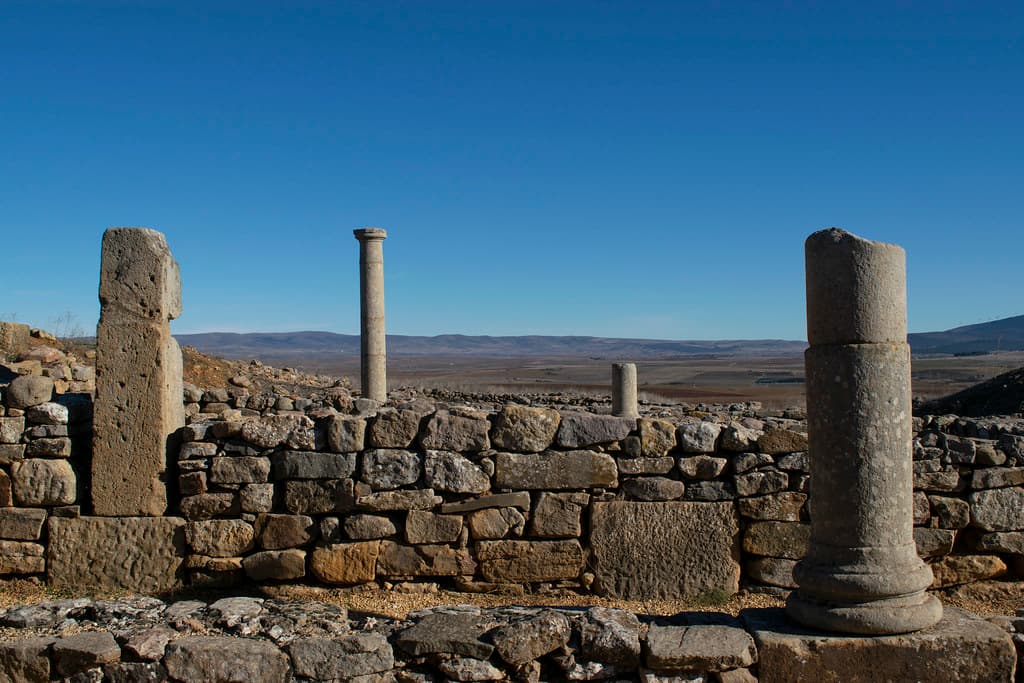
Numancia
Garray, Soria, Spain
Numantia is the excavated hilltop stronghold above Soria where the Arevaci, a Celtiberian people, resisted Rome for two decades before a final siege under Scipio...
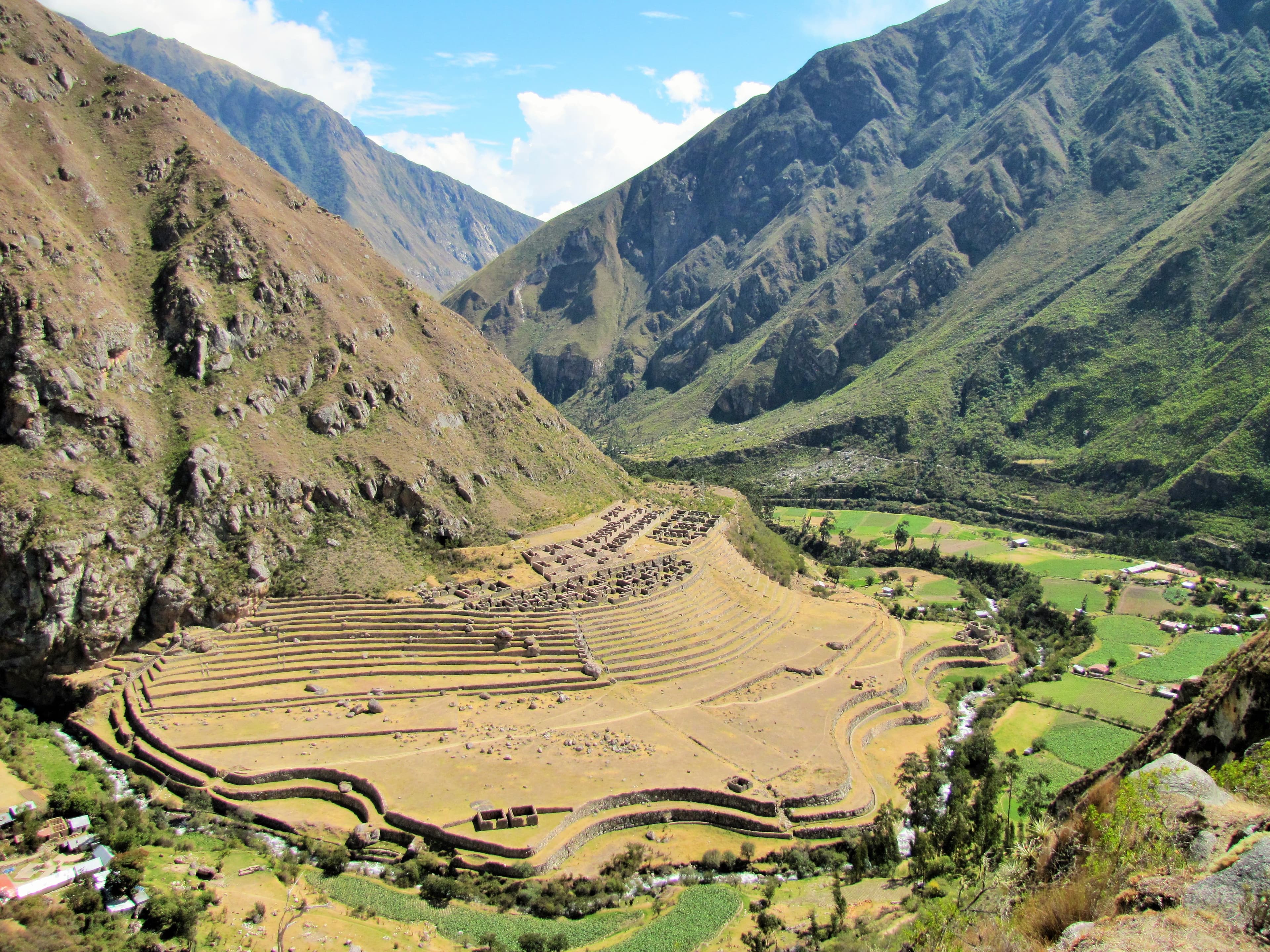
Patallaqta (Patallacta)
Ollantaytambo District, Ollantaytambo District, Cusco Region, Peru
This record is Patallaqta beside the Inca Trail. It must not be conflated with the different Llactapata site overlooking Machu Picchu....

Penedo de Lexim
Mafra, Lisbon, Portugal
Above the Ribeira de Cheleiros, a volcanic rock outcrop formed some seventy-five million years ago rises abruptly from the countryside near Mafra....
Showing 49-96 of 180 sites
Key questions
Archaeological sacred-site questions
- What archaeological sacred sites are included?
- Archaeological sacred sites are places where this site type carries religious, ritual, cultural, or pilgrimage significance. This guide lists 180 in the current Pilgrim Map atlas.
- Where are these archaeological sites located?
- Major country clusters include Thailand, Peru, Portugal, Mexico, Armenia, Turkey.
- Which traditions are represented?
- Traditions represented here include Historical regional religious traditions, Pre-Columbian, Prehistoric/Megalithic, Indigenous, Ancient, Ancient Greek and Roman.
- Can I view archaeological sacred sites on a map?
- Yes. Compare the country and tradition clusters, switch to map view for geography, then use site pages for practical context and related places.