Site type guide
Archaeological
Archaeological sites reveal how different traditions shape sacred space through architecture, landscape, ritual, and memory.
205 archaeological sacred sites. Use the country and tradition filters to narrow in.
Atlas summary
Archaeological sacred sites overview
Archaeological sacred sites span countries, traditions, pilgrimage routes, and sacred landscapes represented in the Pilgrim Map atlas.
Use this guide to compare major country clusters, represented traditions, UNESCO-tagged places, and the map distribution before opening individual site pages.
| Coverage | 205 archaeological sacred sites across the current atlas. |
|---|---|
| Major countries | |
| Traditions | |
| UNESCO heritage | 41 UNESCO-tagged archaeological sites appear in this browse view. |
All sites
205
Showing 1-48 of 205 sites in this site-type guide
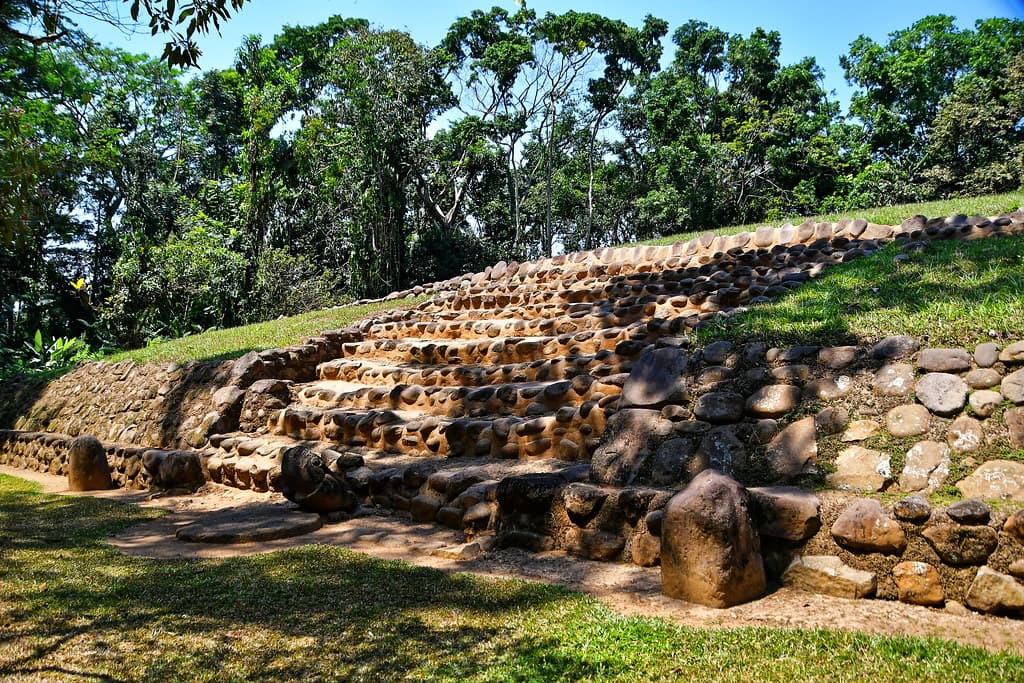
Abaj Takalik
El Asintal, Retalhuleu, Guatemala
Tak'alik Ab'aj is a Preclassic city in Guatemala's Pacific piedmont, inscribed by UNESCO in 2023....

Ahlat Urartian remains
Bitlis, Turkey
Ahlat on the northwestern shore of Lake Van is one of the least-visited and most extraordinary sacred landscapes in Turkey....

Aleksandrovo Tomb
Aleksandrovo, Haskovo Province, Bulgaria
At Aleksandrovo, Aleksandrovo Tomb marks a archaeological site documented in relation to Historical regional religious traditions....

Alişar Höyük
Yozgat, Turkey
Alişar Höyük is the stratigraphic foundation of Central Anatolian archaeology. When the Oriental Institute of Chicago excavated it systematically in 1927–1932, they...

Amberd Fortress and Vahramashen Church
Byurakan, Aragatsotn, Armenia
Amberd Fortress and Vahramashen Church is a documented archaeological site in Byurakan, Aragatsotn, Armenia, connected with Historical regional religious traditions....

Anta da Cunha Baixa
Mangualde, Viseu, Portugal
In a vineyard valley near Mangualde, the Anta da Cunha Baixa held burials across an unusually long span — from the Late Neolithic through the Bronze Age....
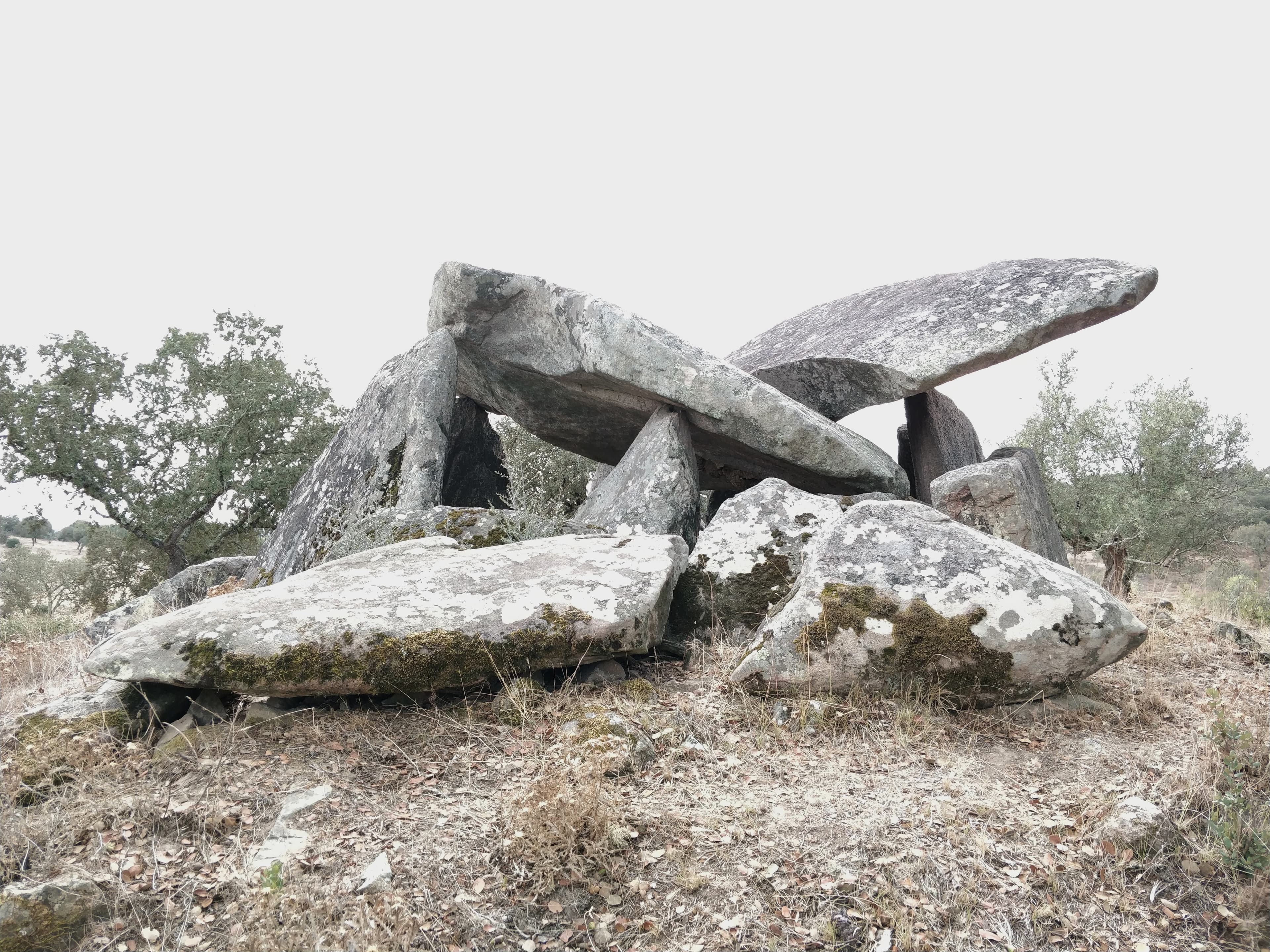
Anta da Herdade da Comenda da Igreja
Montemor-o-Novo, Évora, Portugal
Behind two livestock gates on a private Alentejo estate stands a large, well-preserved passage tomb that yielded over 1,500 registered artefacts, including more than 100...

Anta do Tapadão
Crato, Portalegre, Portugal
Rising from grazing land outside Aldeia da Mata, the Anta do Tapadão is a corridor dolmen whose seven-orthostat chamber and long stone passage rank among the most intact...

Archaeological Site of Mayapan
Tecoh, Yucatán, Mexico
Mayapan was the political and spiritual heart of the Maya world in the centuries before Spanish contact....

Archaeological Site of Palaepaphos
Kouklia, Paphos, Cyprus
Palaepaphos was not a city with a temple. It was a temple that grew into a city....
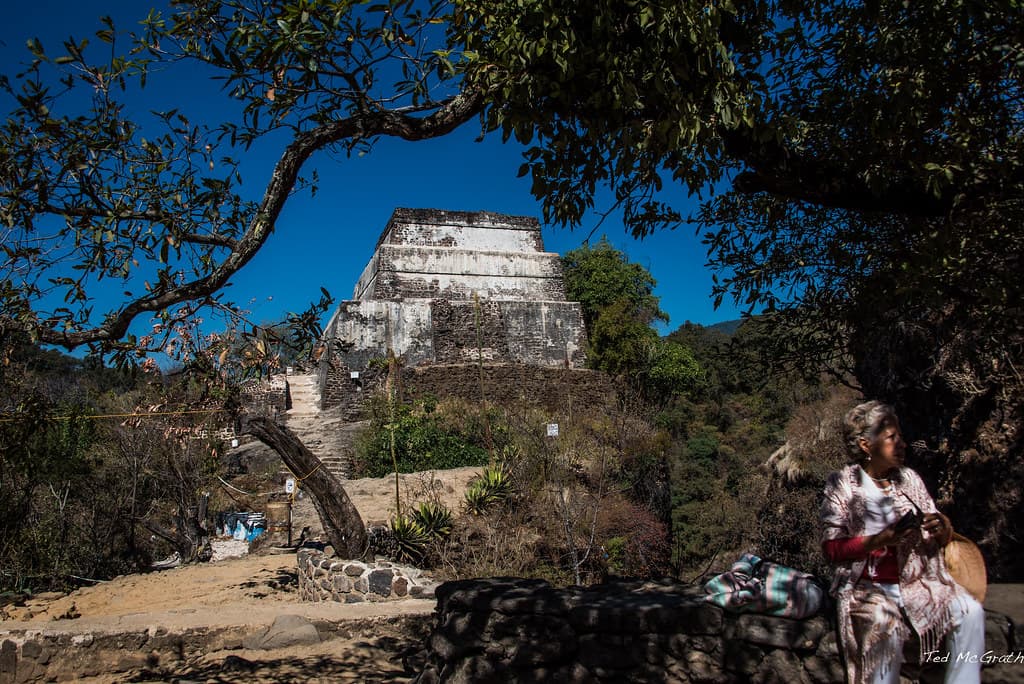
Archaeological Zone Tepozteco
Tepoztlan, Morelos, Mexico
Six hundred meters above the valley floor, on a cliff edge overlooking the town of Tepoztlan, stands a temple dedicated to Tepoztecatl, the Aztec god of pulque, fertility,...
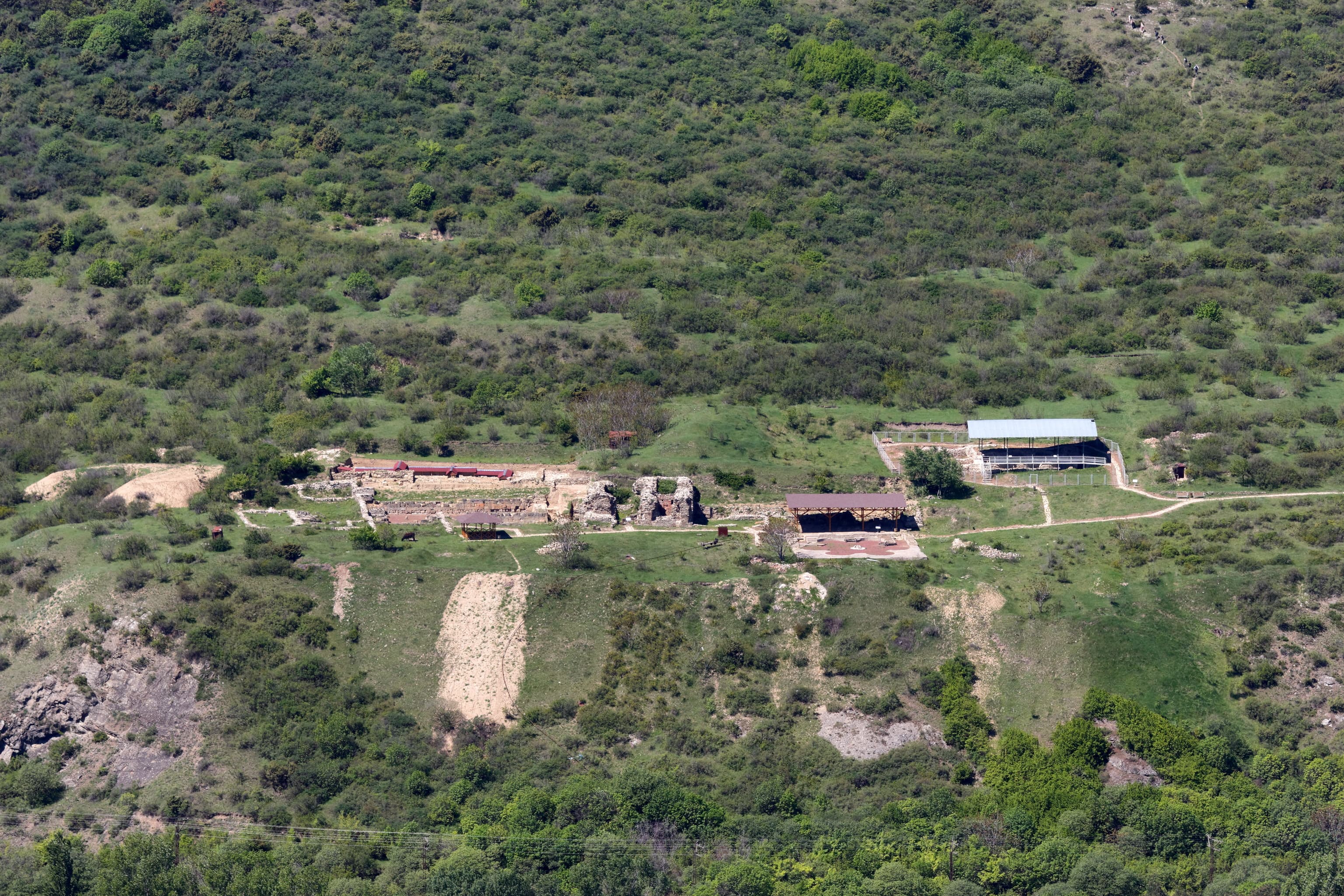
Armazi Archaeological Site
Mtskheta, Mtskheta-Mtianeti, Georgia
Armazi Archaeological Site is a archaeological site in Mtskheta, Mtskheta-Mtianeti....

Artashat Ancient City
Artashat area, Ararat, Armenia
Artashat Ancient City is a documented archaeological site in Artashat area, Ararat, Armenia, connected with Historical regional religious traditions....

As Nieves Latte Stone Quarry
Songsong / Sinapalo area, Rota, Northern Mariana Islands, Northern Mariana Islands, United States
At As Nieves on Rota, nine massive latte shafts and seven capstones sit exactly where their carvers left them, mid-quarry, for reasons no source can confirm....
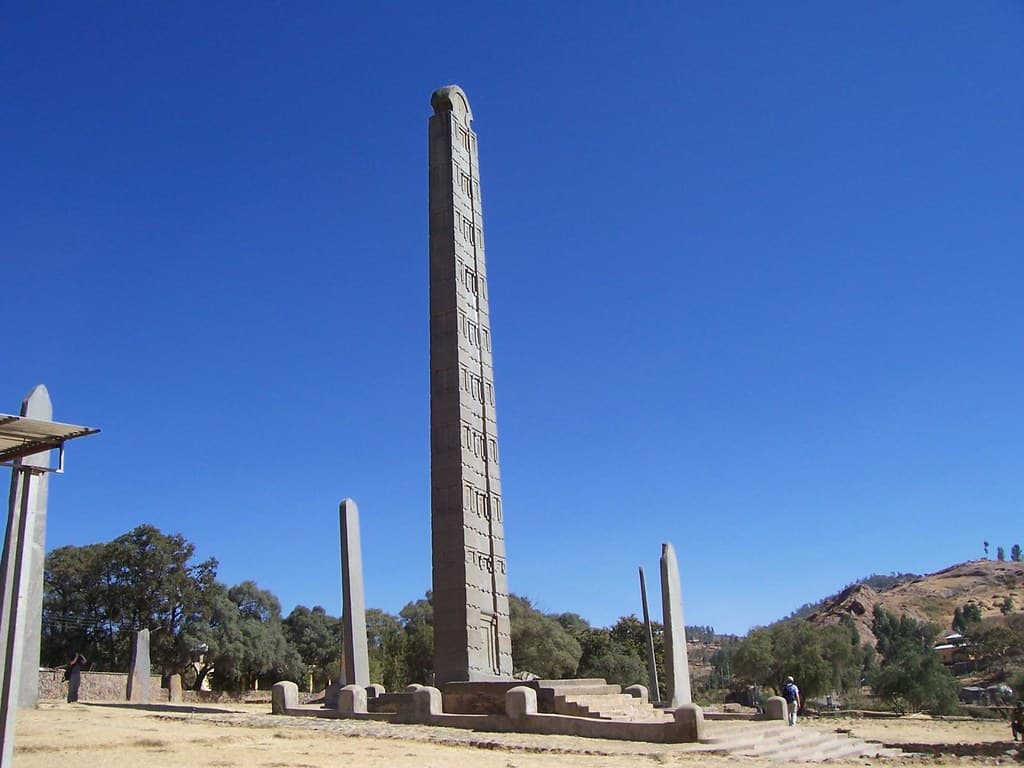
Axum
Axum, Tigray, Ethiopia
Axum is the holiest city in Ethiopian Orthodox Christianity—claimed resting place of the Ark of the Covenant, coronation site of emperors, and origin point of a faith that...

Baghaberd Fortress and Church Remains
Kapan area, Syunik, Armenia
Baghaberd Fortress and Church Remains is a documented archaeological site in Kapan area, Syunik, Armenia, connected with Historical regional religious traditions....

Bam
Bam, Kerman, Iran
Arg-e Bam rises from the desert of southeastern Iran as the largest adobe structure on earth — a fortified town built and rebuilt over two millennia around the life-giving...
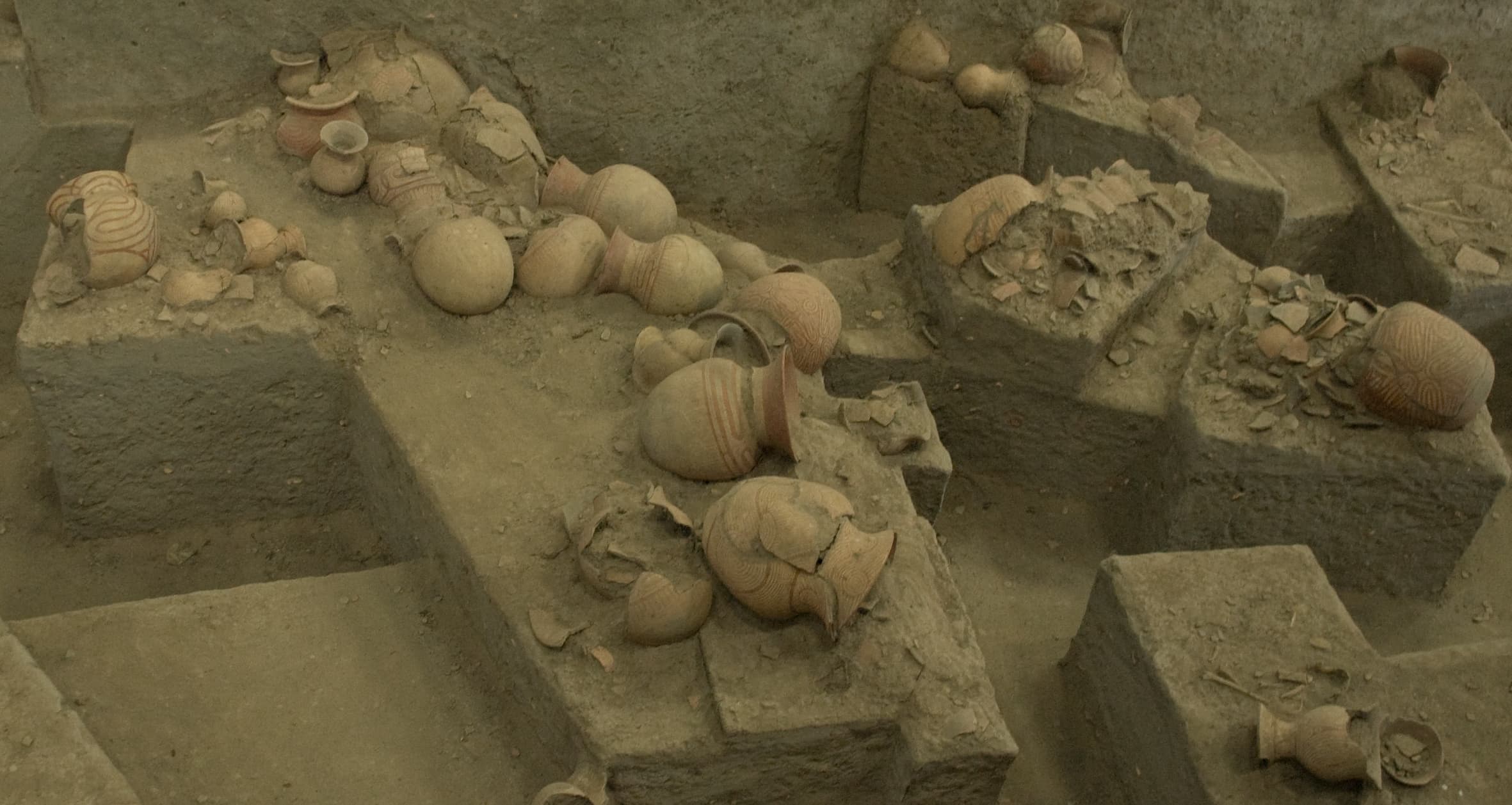
Ban Chiang Archaeological Site
Nong Han, Udon Thani, Thailand
Ban Chiang is a prehistoric habitation and burial mound in Udon Thani, inscribed as UNESCO World Heritage property 575 in 1992....

Beglik Tash
Primorsko, Burgas Province, Bulgaria
Beglik Tash stands in Burgas Province, Bulgaria, as a documented archaeological site associated with Historical regional religious traditions....

Beinan Archaeological Site Park
Taitung City, Taitung County, Taitung County, Taiwan
Beinan Archaeological Site Park in Taitung preserves the largest known slate-coffin burial complex in the Pacific Rim, holding nearly 1,600 graves from a...
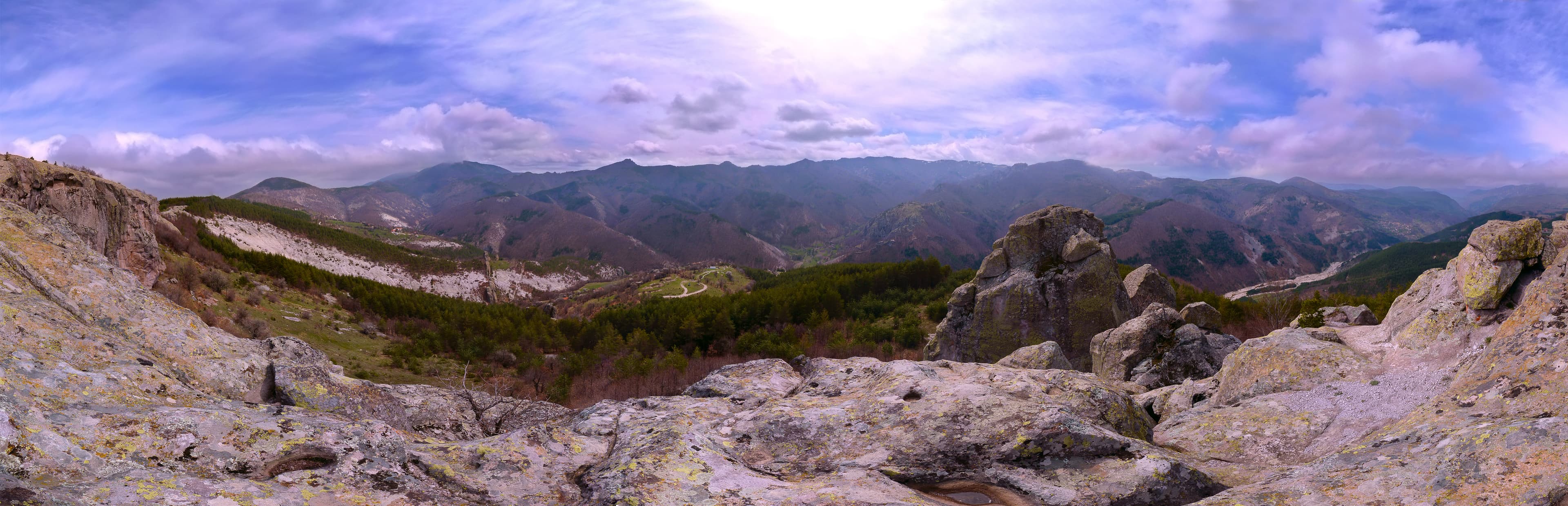
Belintash
Near Mostovo (central Rhodope Mountains), Plovdiv, Bulgaria
Belintash is a bare rock plateau at 1,225 meters in the central Rhodope Mountains, where the Thracian Bessi tribe once maintained a sanctuary to Sabazios, their sky god....

Boljuni Stećak Necropolis
Boljuni, Boljuni, Stolac Municipality, Herzegovina-Neretva Canton, Bosnia and Herzegovina
Boljuni Stećak Necropolis is a documented archaeological site in Boljuni, Bosnia and Herzegovina, interpreted through ancient ritual and archaeological evidence....
Bongnimsa Temple Site, Changwon
Changwon, Changwon, Gyeongsangnam-do, South Korea
Bongnimsa Temple Site, Changwon is a protected archaeological temple site with relocated monuments in Changwon, South Korea....

Cancho Roano
Zalamea de la Serena, Badajoz, Spain
Cancho Roano stands in the Extremaduran plain as the best-preserved building of Tartessian civilization, an Iron Age Iberian culture shaped by strong Phoenician influence....

Căpâlna Dacian Fortress
Căpâlna, Alba County, Romania
Căpâlna Dacian Fortress, also recorded as Cetatea dacică Căpâlna, is a archaeological site in Căpâlna, Alba County....

Castro of Zambujal
Torres Vedras, Lisbon, Portugal
Above the Sizandro River near Torres Vedras, Castro do Zambujal preserves one of the most complex fortified settlements of Copper Age Iberia....

Centro Arqueológico de Chinchero
Chinchero, Cusco, Peru
Chinchero is not a ruin. An Inca royal estate, a colonial church with syncretic murals, terraces still walked daily, and a Quechua community whose women have woven on...
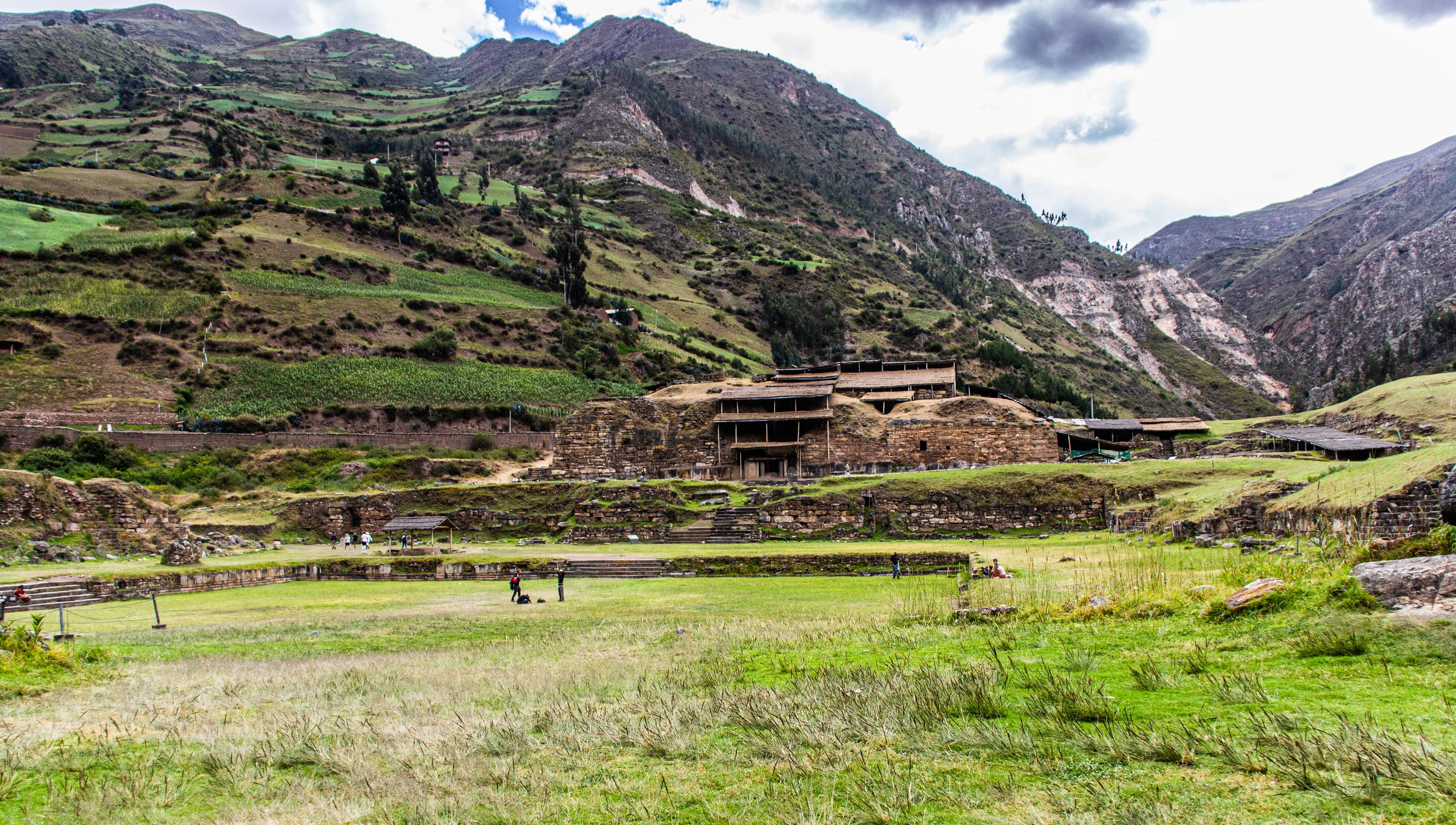
Chavín de Huántar
Chavín de Huantar, Ancash, Peru
Rising from a high Andean valley at the confluence of two rivers, Chavin de Huantar served as the Americas' earliest pilgrimage center for over five hundred years....

Chetinyova Mogila
Starosel, Plovdiv Province, Bulgaria
Within Plovdiv Province, Thracian Temple Complex at Starosel is recorded as a archaeological site connected to Historical regional religious traditions....
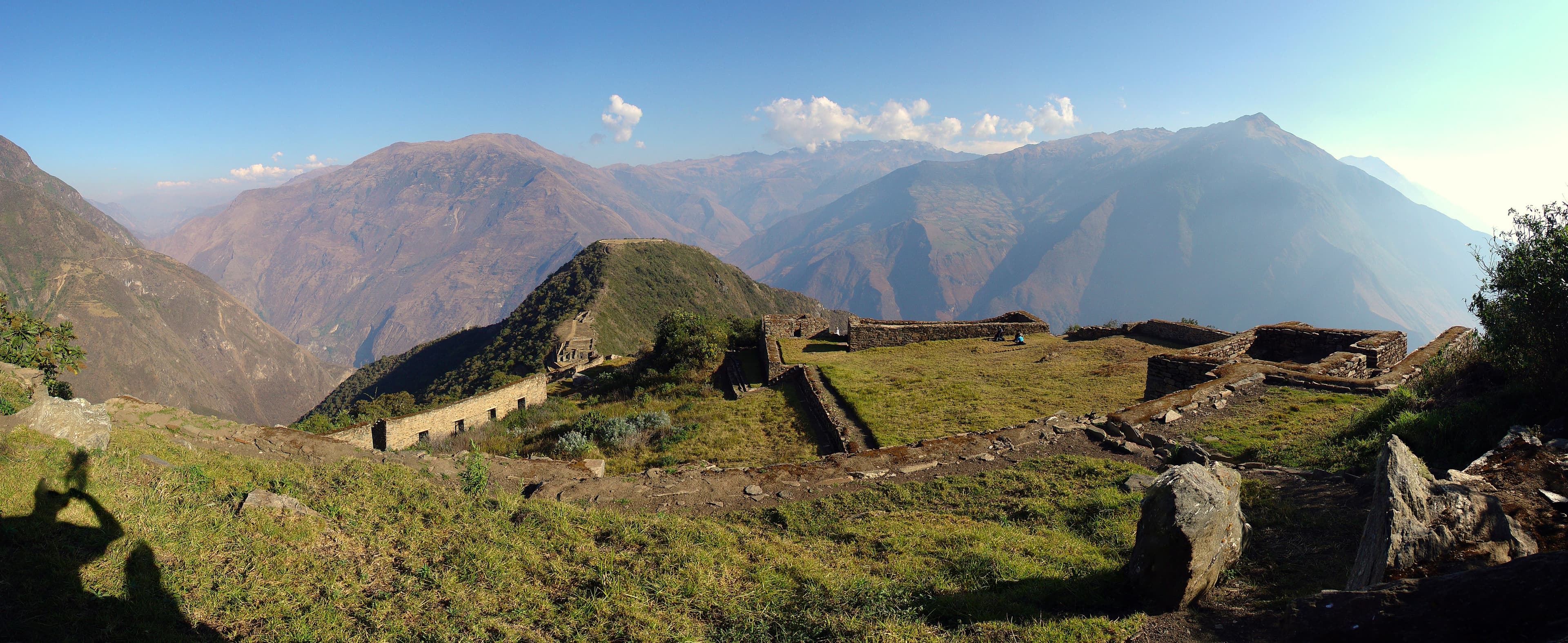
Choquequirao Archaeological Park, Peru
Santa Teresa, Apurimac, Peru
While Machu Picchu receives 2,500 visitors daily, Choquequirao sees only about twelve....

Chullpa Lagarto
Part of Sillustani
Sillustani, Puno, Peru
The Chullpa del Lagarto rises above the other funerary towers at Sillustani with the authority its builders intended....

Chullpas Sillustani
Part of Sillustani
Sillustani, Puno, Peru
On a peninsula jutting into Lake Umayo near Puno, ninety-one stone towers stand in various states of preservation — from intact cylinders to tumbled foundations....

Citânia de Briteiros
Guimarães, Braga, Portugal
On a hilltop above the Ave River valley, Citânia de Briteiros preserves one of the largest and most thoroughly excavated Iron Age hillforts in northwestern Iberia — a...

Citânia de Sanfins
Paços de Ferreira, Porto, Portugal
Citânia de Sanfins is a large, fortified Iron Age hillfort of the Gallaeci people, occupied from around the 5th century BCE into the Roman period....

Complejo Arqueológico Q'enqo
Cusco, Cusco, Peru
Q'enqo ('labyrinth') is an Inca ceremonial complex 4 km from Cusco at 3,580m, with an Intihuatana, underground galleries, and zigzag channels.
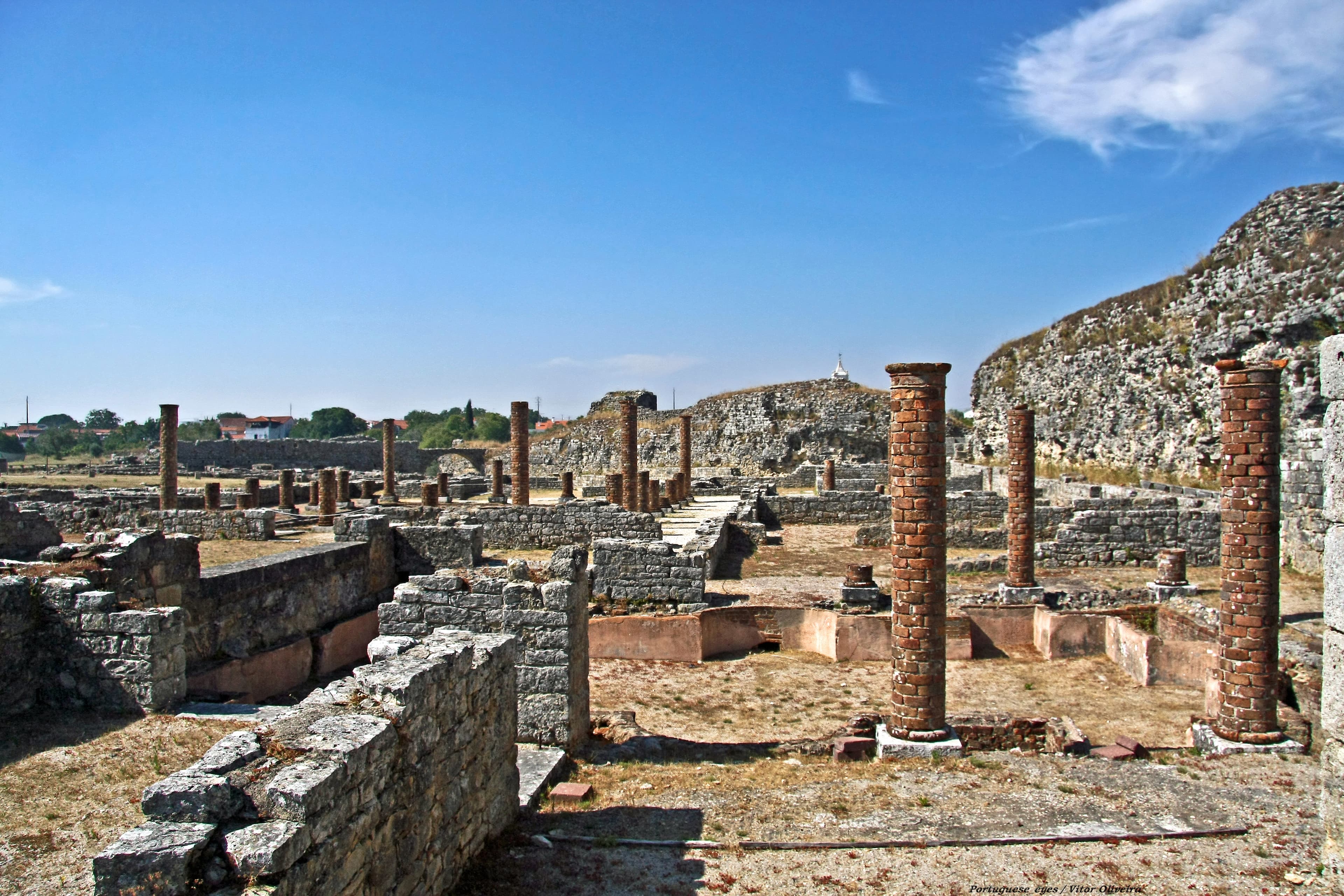
Conímbriga
Condeixa-a-Nova, Coimbra, Portugal
Conímbriga preserves more of daily Roman provincial life than any other site in Portugal: a forum built for the imperial cult, mosaic-floored villas, and a defensive wall...

Costești-Blidaru Dacian Fortress
Costești, Hunedoara County, Romania
Within Hunedoara County, Costești-Blidaru Dacian Fortress, also recorded as Costești-Blidaru, is recorded as a archaeological site connected to Historical regional...

Costești-Cetățuie Dacian Fortress
Costești, Hunedoara County, Romania
At Costești, Costești-Cetățuie Dacian Fortress, also recorded as Costești-Cetățuie, marks a archaeological site documented in relation to Historical regional religious...
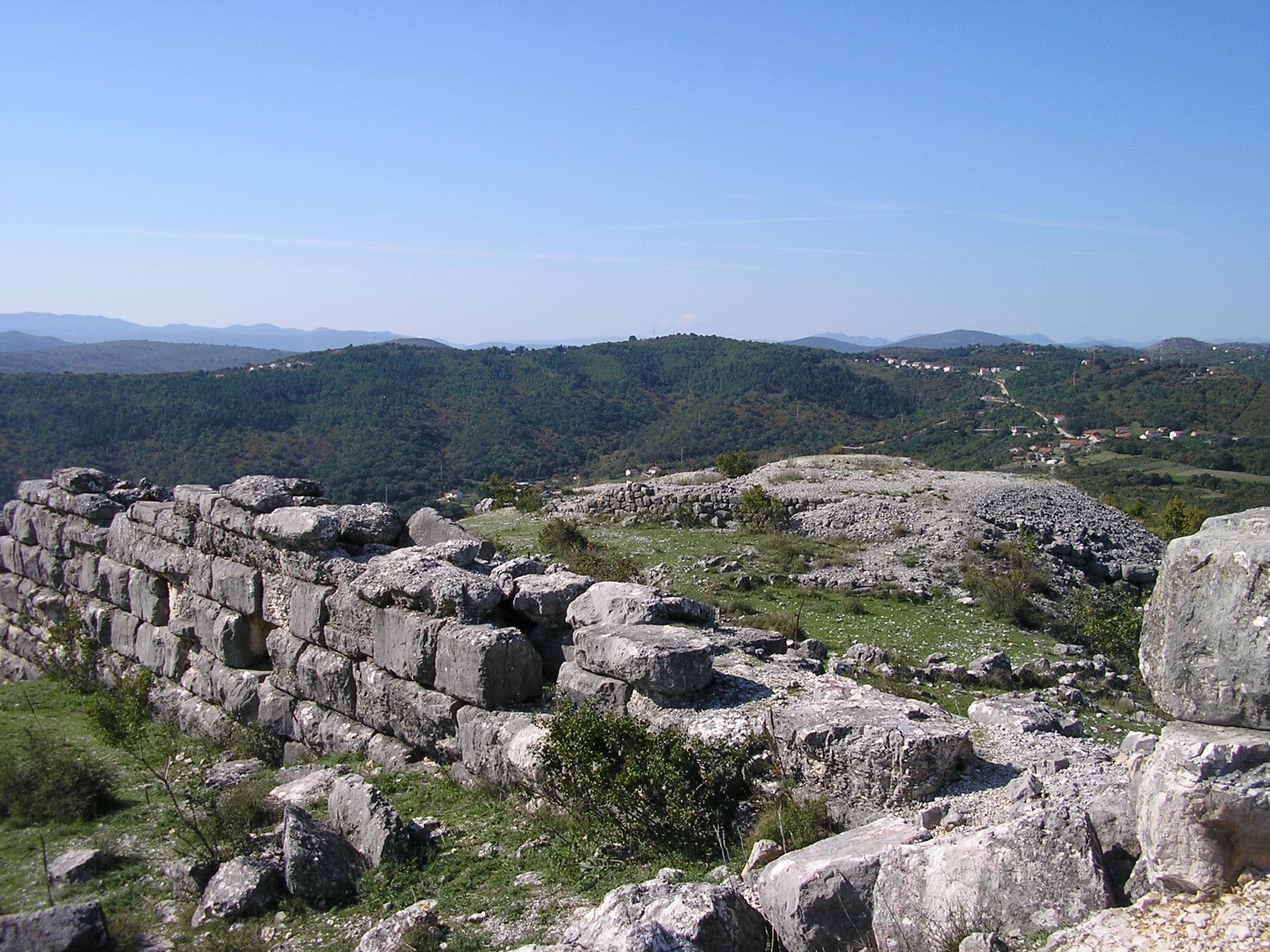
Daorson Illyrian City
Stolac, Herzegovina-Neretva, Bosnia and Herzegovina
Daorson rises from a hilltop above the Neretva valley in Herzegovina, the capital of an Illyrian tribe that wove Greek culture into their own....

Dashtadem Fortress Church
Dashtadem, Aragatsotn, Armenia
Dashtadem Fortress Church is a documented archaeological site in Dashtadem, Aragatsotn, Armenia, connected with Historical regional religious traditions....
Del Uul Petroglyphic Complex
Ölziit, Dundgovi, Mongolia
Del Uul Petroglyphic Complex is an archaeological site in Ölziit, Dundgovi. For Del Uul Petroglyphic Complex, the reviewed sources place it within Bronze Age and early...

Delos
Municipality of Mykonos, South Aegean, Greece
Delos stands where light entered the world. According to Greek myth, this tiny island was floating and rootless until Leto gave birth to Apollo and Artemis here, and the...

Dolmen of Carapito I
Aguiar da Beira, Guarda, Portugal
Near the village of Carapito, a ten-sided polygonal chamber over five metres tall holds two pillars carved with solar and serpentine motifs — among the clearest surviving...

Dolmen of Pendilhe
Vila Nova de Paiva, Viseu, Portugal
Nine upright stones enclose the chamber of the Anta de Pendilhe, built by farming communities of the Alto Paiva region around 2900-2640 BCE....

Dolni Glavanak Cromlech
Dolni Glavanak, Haskovo, Bulgaria
The Dolni Glavanak Cromlech is the best-preserved stone circle in Bulgaria, a ring of fifteen deliberately pyramid-shaped stones arranged by Thracian communities some...
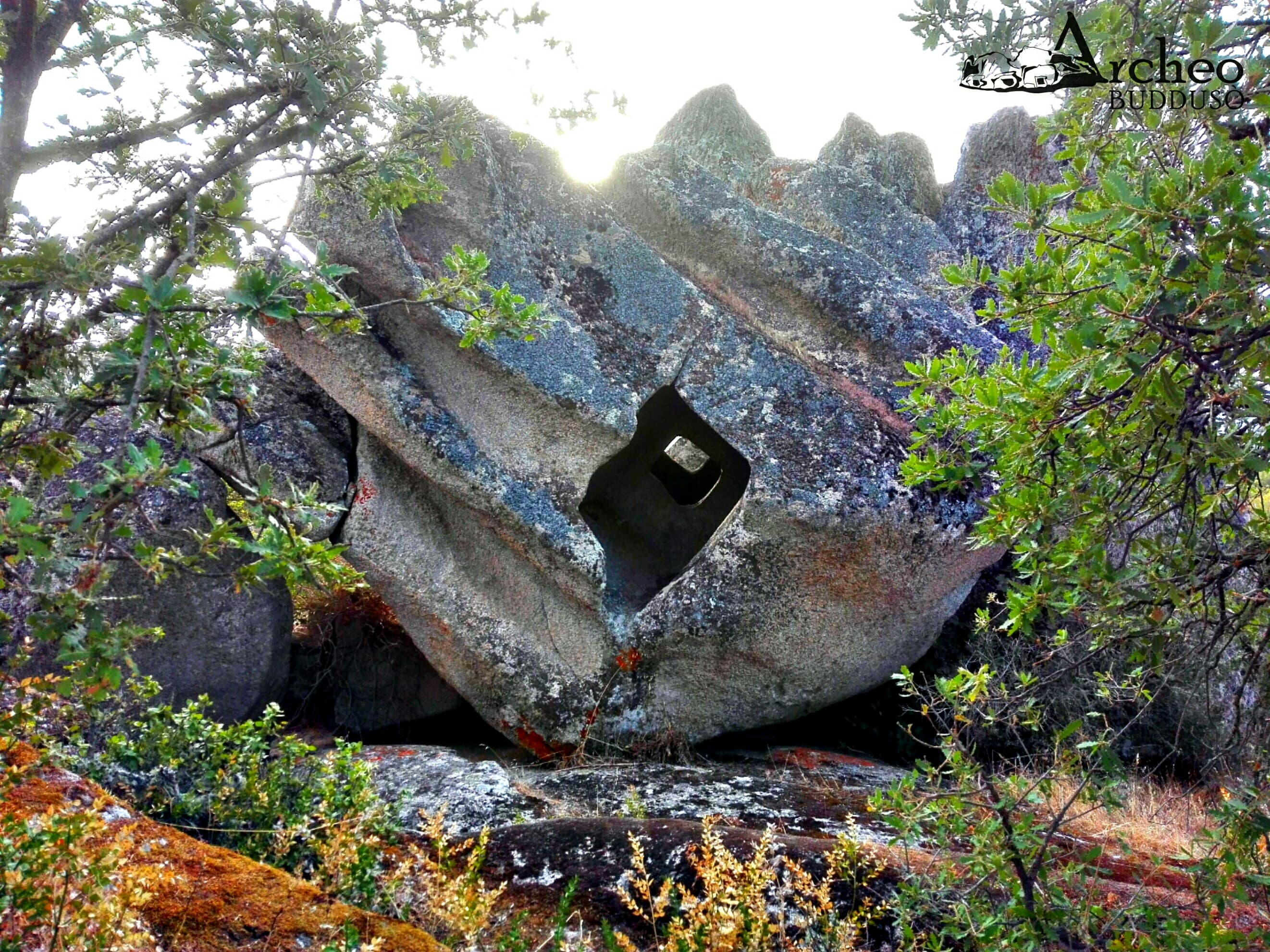
Domus de Janas di Borucca
Budduso, Sassari, Italy
Near the village of Budduso in northeastern Sardinia, a burial chamber carved from granite five thousand years ago tilts on its displaced boulder — a house for the dead...

Dugo Polje Stećak Necropolis
Blidinje, Blidinje, Jablanica Municipality, Herzegovina-Neretva Canton, Bosnia and Herzegovina
Dugo Polje Stećak Necropolis is a documented archaeological site in Blidinje, Bosnia and Herzegovina, interpreted through ancient ritual and archaeological evidence....

Dvin Archaeological Site
Dvin / Verin Dvin, Ararat, Armenia
Dvin Archaeological Site is a documented archaeological site in Dvin / Verin Dvin, Ararat, Armenia, connected with Historical regional religious traditions....
Showing 1-48 of 205 sites
Key questions
Archaeological sacred-site questions
- What archaeological sacred sites are included?
- Archaeological sacred sites are places where this site type carries religious, ritual, cultural, or pilgrimage significance. This guide lists 205 in the current Pilgrim Map atlas.
- Where are these archaeological sites located?
- Major country clusters include Thailand, Peru, Portugal, Bulgaria, Mexico, Armenia.
- Which traditions are represented?
- Traditions represented here include Historical regional religious traditions, Pre-Columbian, Prehistoric/Megalithic, Indigenous, Ancient, Ancient Greek and Roman.
- Can I view archaeological sacred sites on a map?
- Yes. Compare the country and tradition clusters, switch to map view for geography, then use site pages for practical context and related places.