Tradition guide
Roman Catholic
Roman Catholic sites connect places through shared lineage, practice, story, and pilgrimage across the global atlas.
25 sacred places share this lineage. Use the country and site-type filters to narrow in.
Atlas summary
Roman Catholic sacred sites overview
Roman Catholic sacred sites connect places through shared lineage, ritual use, memory, and pilgrimage practice across the Pilgrim Map atlas.
Use this page to compare country clusters, common place types, UNESCO-tagged landmarks, and the map distribution before exploring individual site pages.
| Coverage | 25 Roman Catholic sacred places in the current atlas. |
|---|---|
| Country clusters | |
| Common place types | |
| UNESCO heritage | 3 UNESCO-tagged Roman Catholic sites appear in this browse view. |
Showing 1-25 of 25 sites in this tradition guide
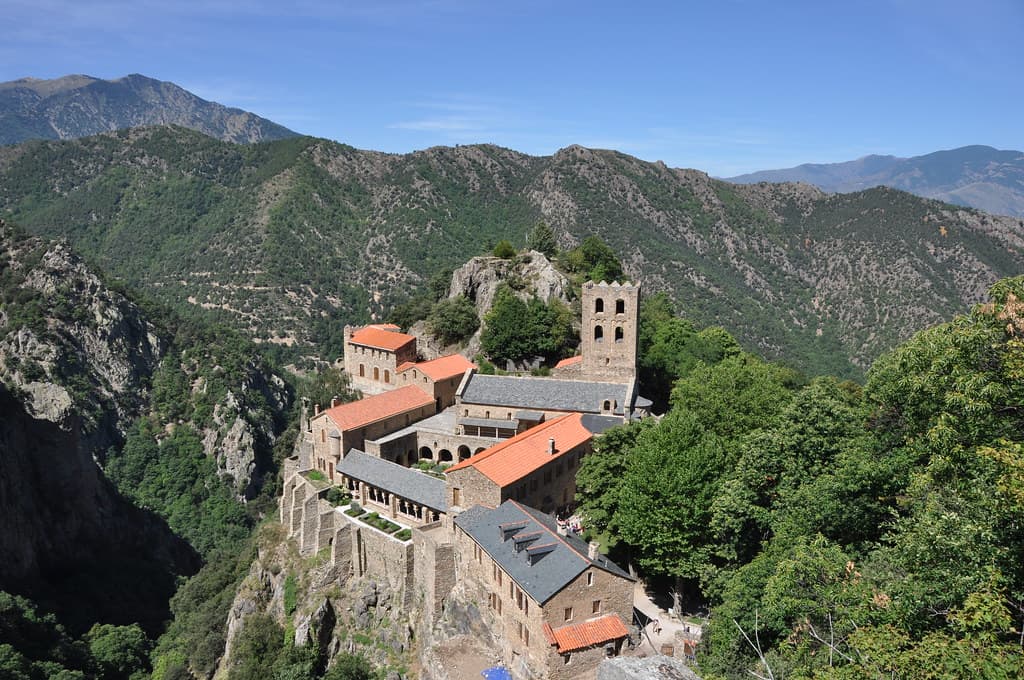
Abbey of Saint-Martin-du-Canigou
Casteil, Occitanie, France
In 1005, a father haunted by the murder of his son began building a monastery on a cliff face 1,094 meters above the Pyrenees....

Abbey of Saint-Victor
Marseille, Provence-Alpes-Côte d'Azur, France
Rising fortress-like above Marseille's ancient harbor, the Abbey of Saint-Victor descends through sixteen centuries of unbroken prayer....

Aix Cathedral
Provence-Alpes-Côte d'Azur, France
Rising on the site of the Roman forum of Aix and a sixth-century baptistery, Saint-Sauveur layers nearly two thousand years of sacred history into one building:...
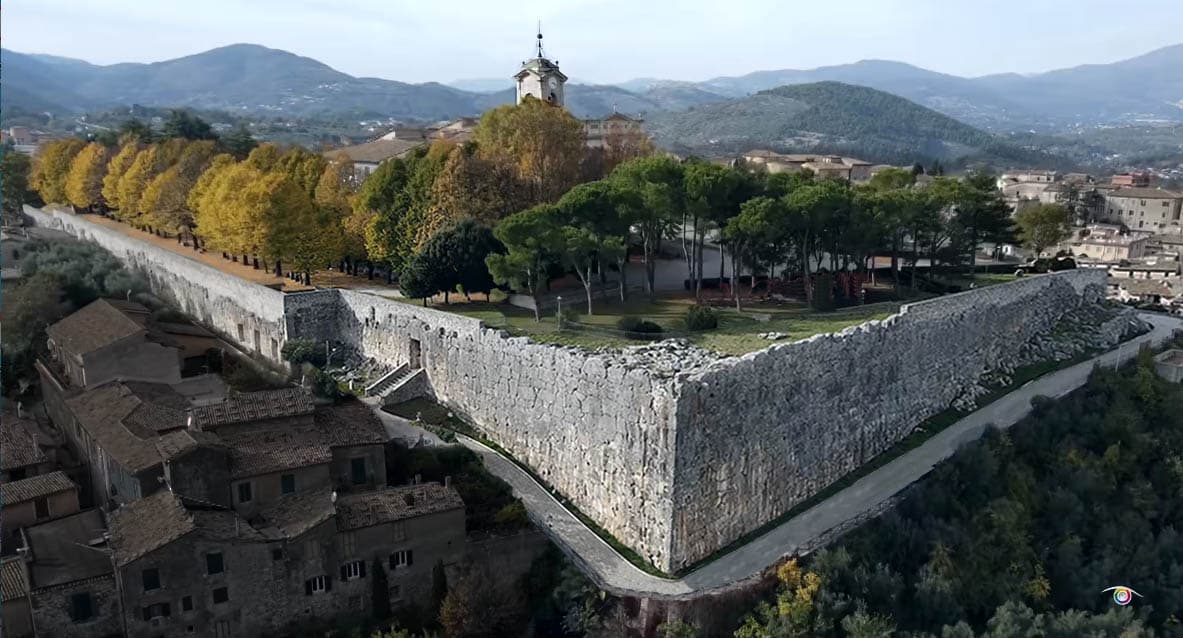
Alatri acropoli
Alatri, Lazio, Italy
High above the Cosa River valley, the Acropolis of Alatri rises within walls so massive that ancient Greeks believed only the Cyclopes could have built them....
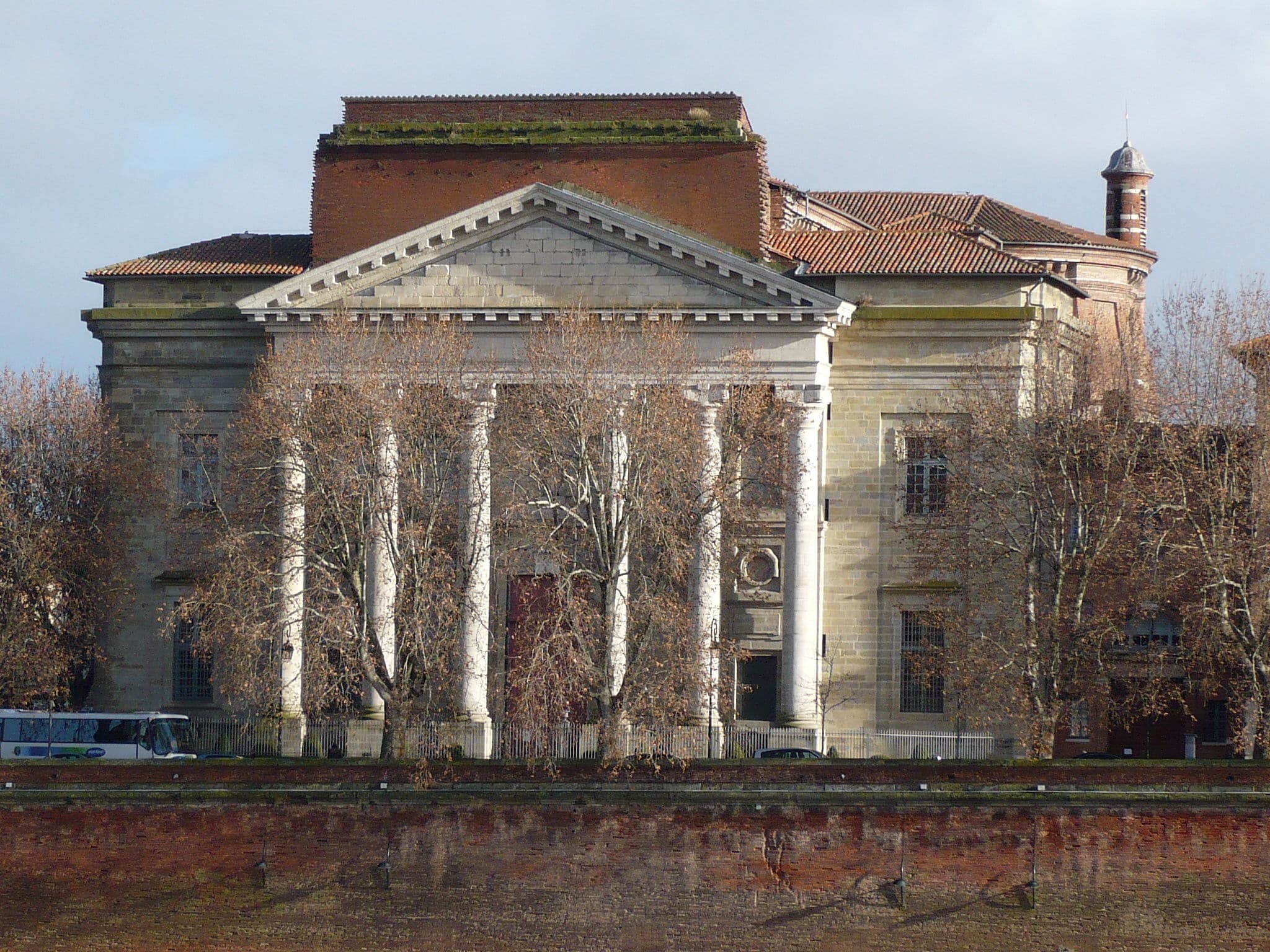
Basilica of Notre-Dame de la Daurade
Toulouse, Occitanie, France
Before it was a church, this site held a temple to Apollo. The golden mosaics that covered its early Christian walls gave it the name Daurade—from the Latin for 'gilded.'...
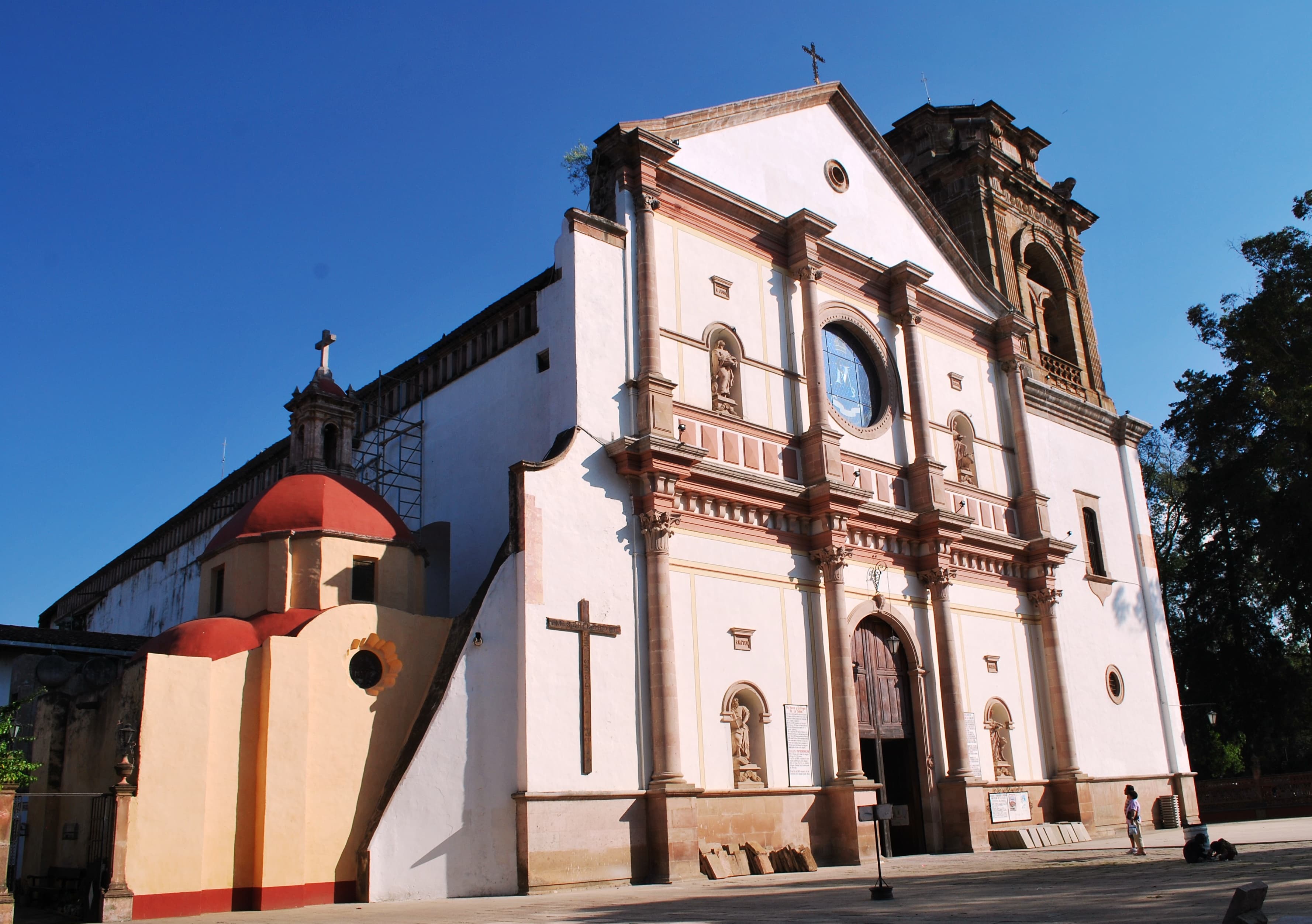
Basilica of Nuestra Señora de la Salud, Patzcuaro
Pátzcuaro, Michoacán, Mexico
Don Vasco de Quiroga dreamed of utopia in the New World. In 1540, on a hill where Purepecha priests had performed ceremonies, he began building what would become...
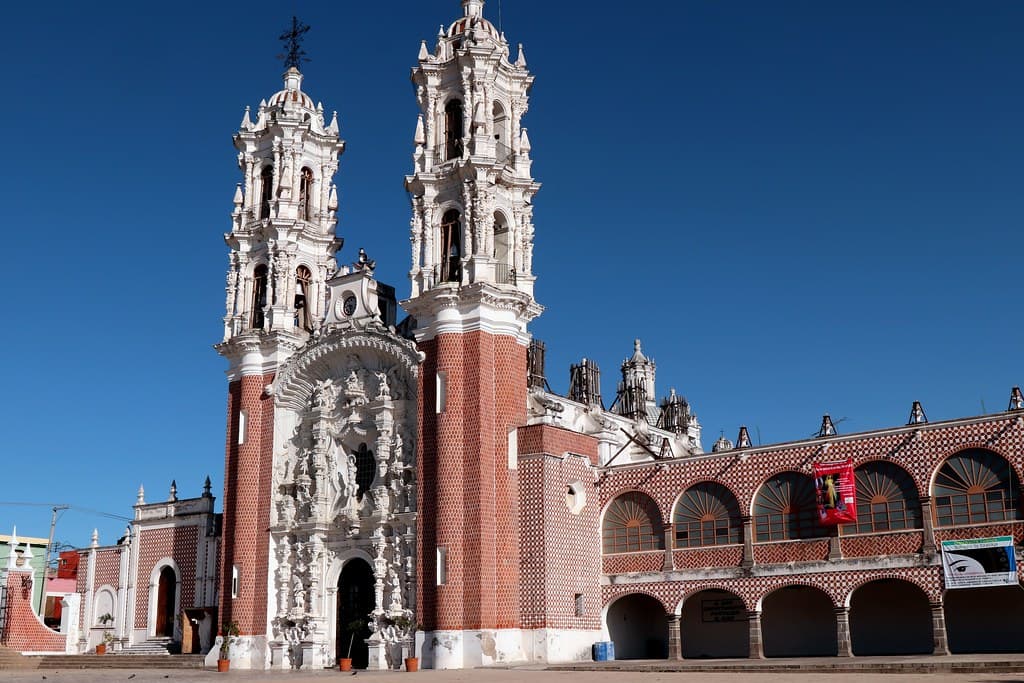
Basilica of Our Lady of Ocotlan
Otatitlán, Veracruz, Mexico
In 1541, as smallpox killed ninety percent of Tlaxcala's population, a young indigenous convert named Juan Diego Bernardino encountered the Virgin in a pine grove....
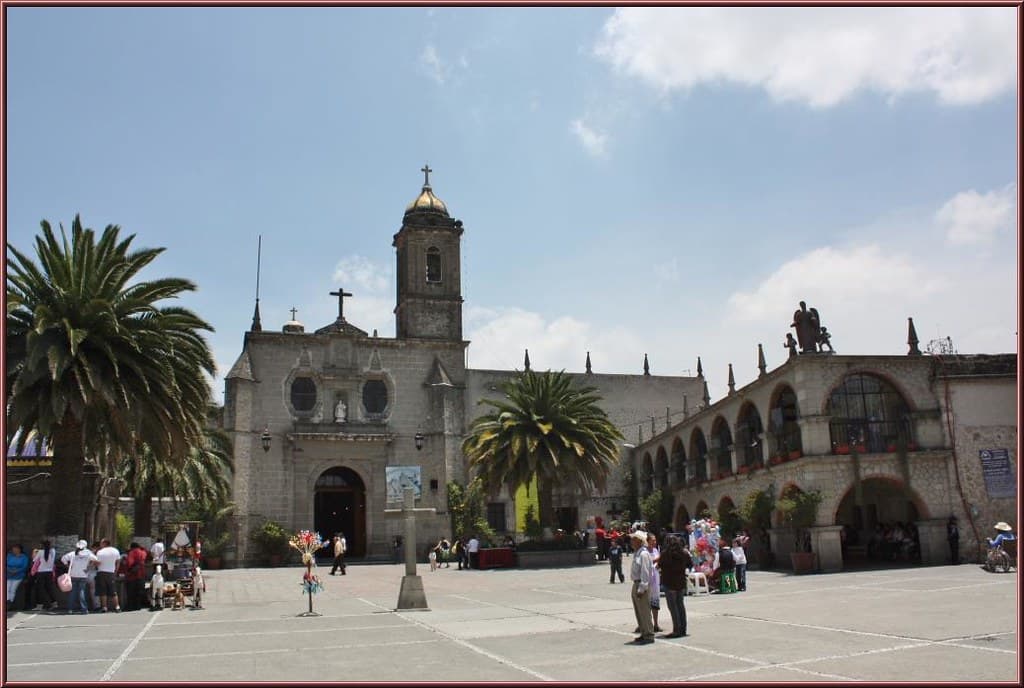
Basilica of Our Lady of Remedies, Naucalpan de Juarez
Naucalpan de Juárez, State of Mexico, Mexico
On the night of La Noche Triste in 1520, when Cortes's forces fled Tenochtitlan in defeat, a soldier named Villafuerte concealed a 27-centimeter Virgin among the magueys...

Basilica of Our Lady of Zapopan, Guadalajara
Zapopan, Jalisco, Mexico
On October 12, more than three million people accompany a 34-centimeter corn paste statue through the streets of Guadalajara....
Basilica of Sainte-Therese of Lisieux
Lisieux, Normandy, France
Two million visitors arrive each year at Lisieux to encounter Saint Thérèse—a Carmelite nun who died at 24 and revolutionized Catholic spirituality....
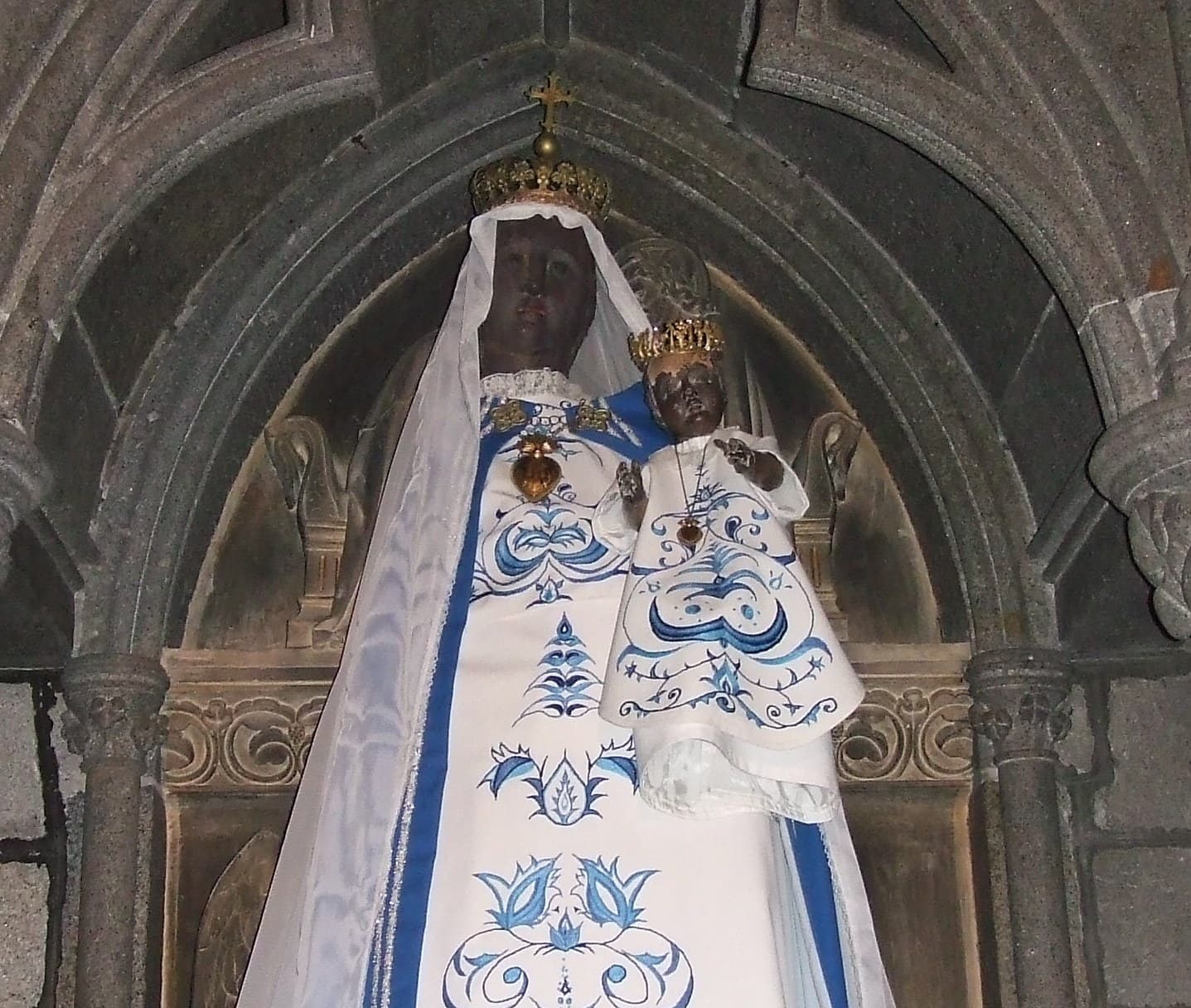
Black Madonna of Guingamp
Guingamp, Bretagne, France
In the basilica at Guingamp sits a Black Madonna whose origins are wrapped in Crusader legend and whose original title—Notre-Dame du Halgouët, Our Lady from under the...

Chapelle de Picpus in Paris
Paris, Île-de-France, France
In a quiet corner of eastern Paris lies Picpus, where 1,306 victims of the Revolution's final weeks lie in mass graves....

Chapelle Notre-Dame de Bonne Délivrance
Neuilly-sur-Seine, Île-de-France, France
In a quiet Neuilly street stands the chapel of the Sisters of Saint Thomas of Villeneuve, guardians of the Black Madonna of Paris....

Church of Our Lady of Good Repos
Montfavet, Provence-Alpes-Côte d'Azur, France
In the village of Montfavet, outside Avignon, a Gothic church carries the name its cardinal founder chose in 1341: Notre-Dame de Bon Repos, Our Lady of Good Rest....

Eglise Notre-Dame de Pontoise
Pontoise, Île-de-France, France
Église Notre-Dame de Pontoise has drawn pilgrims since the thirteenth century, when word spread of a Virgin who could grant stillborn babies a moment of life for baptism....

Hierapolis Plutonion and the Cleopatra Pool
Pamukkale, Pamukkale, Denizli, Turkey
Hierapolis was built on a karstic fault that exhales both deadly carbon-dioxide and warm mineral water....
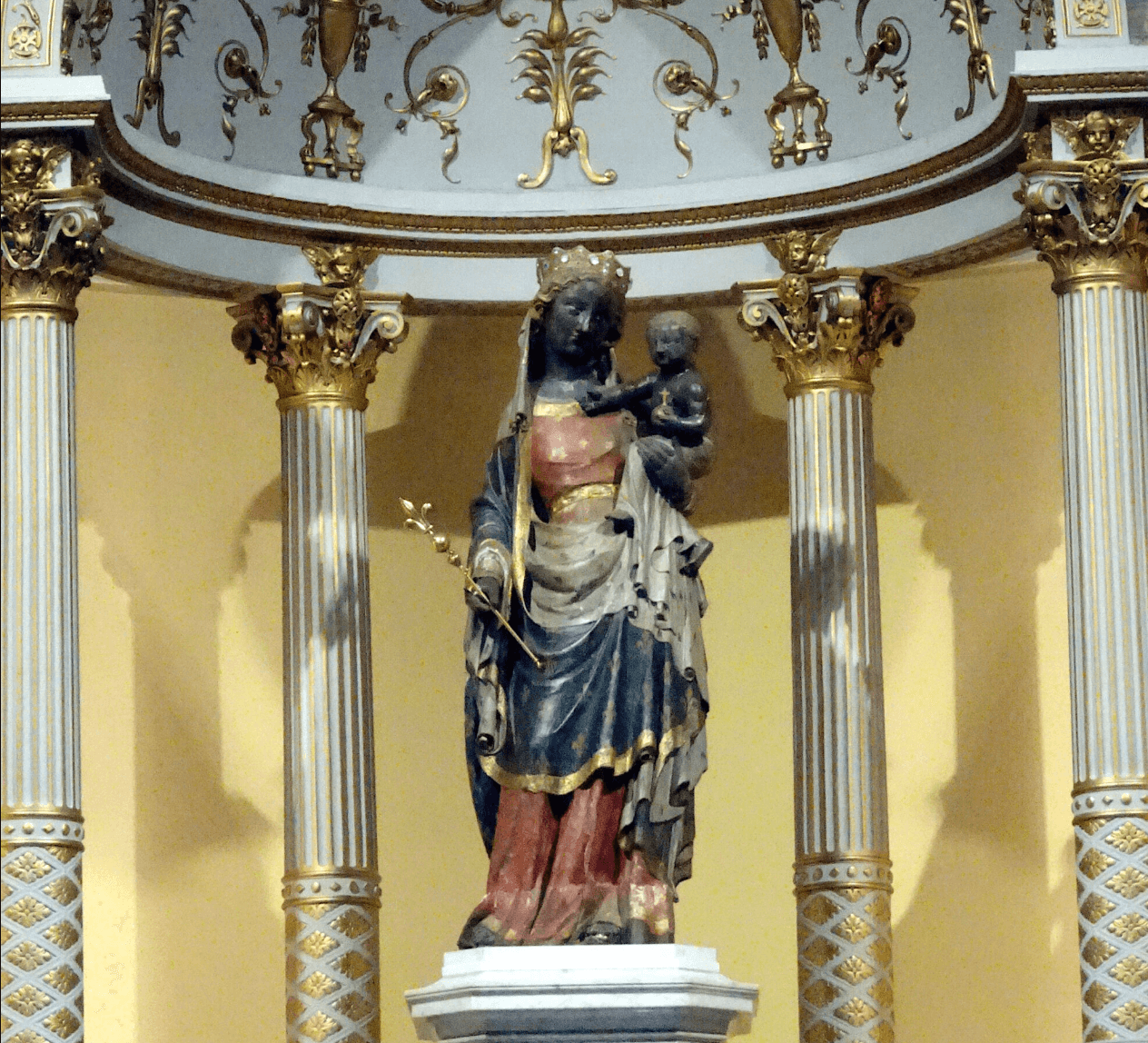
Our Lady of Good Deliverance, Paris
Neuilly-sur-Seine, Île-de-France, France
Notre-Dame de la Bonne-Délivrance—the Black Madonna of Paris—has received the prayers of pilgrims for nearly a millennium....
Our Lady of Peace, Paris
Paris, Île-de-France, France
Notre-Dame de la Paix—Our Lady of Peace—healed the young Louis XIV in 1658 and became one of Paris's most venerated Madonnas....
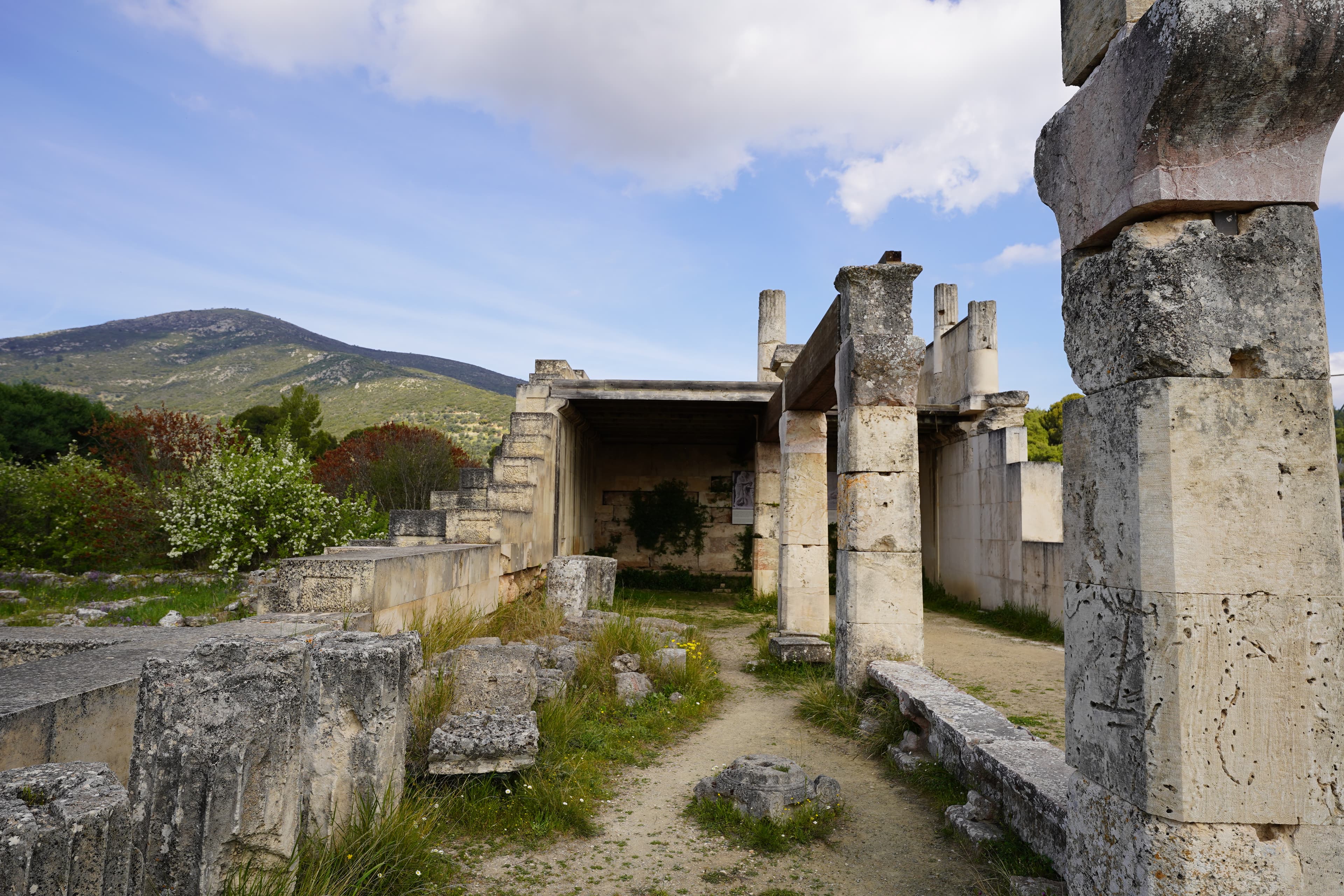
Sanctuary of Asklepios at Epidauros
Epidauros, Epidauros, Argolis, Peloponnese, Greece
Epidauros was the principal sanctuary of Asklepios, Greek god of healing, and the mother-shrine from which all other Asklepieia drew their authority....
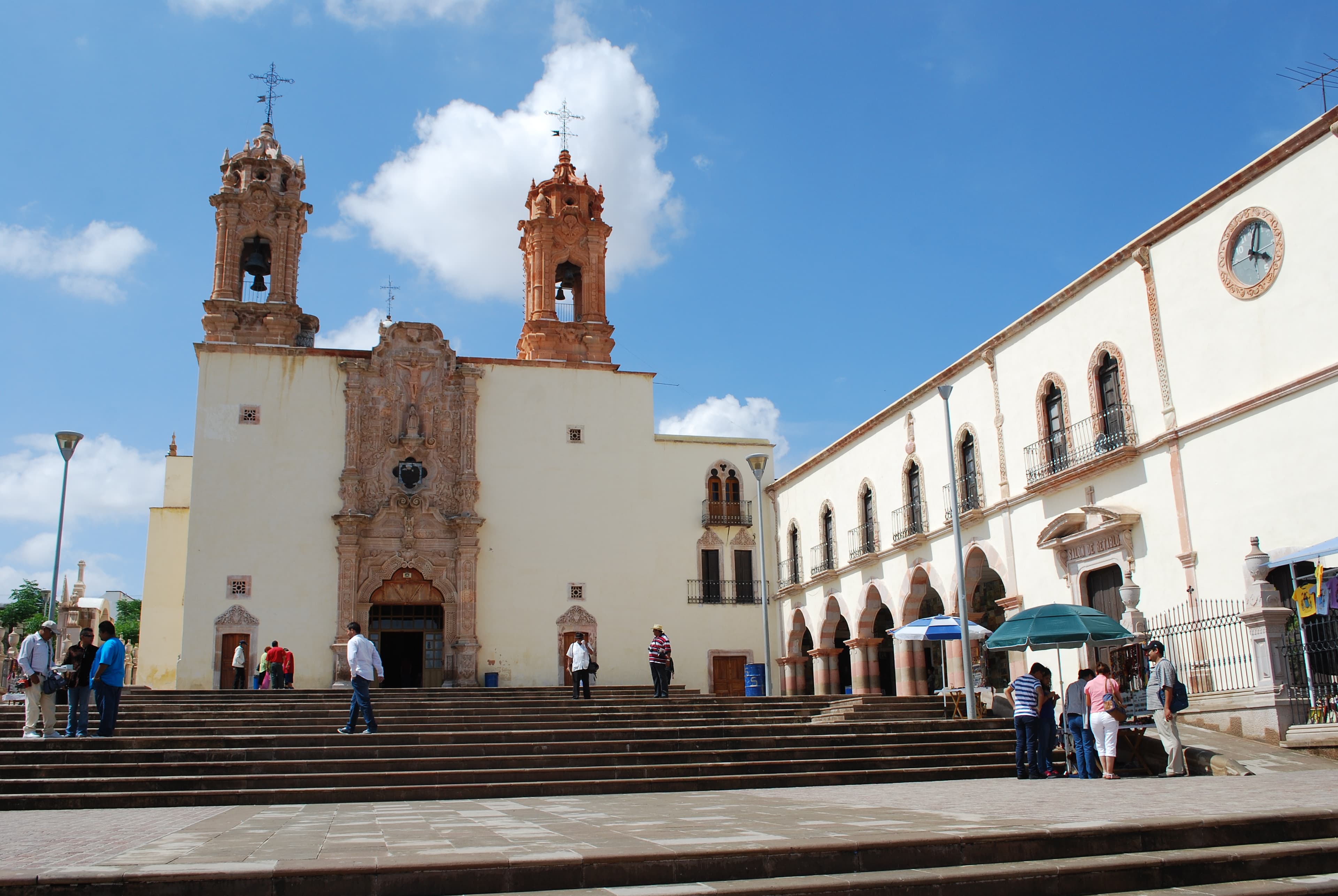
Sanctuary of the Holy Child of Atocha in Plateros
Plateros, Zacatecas, Mexico
In the silver mines of colonial Zacatecas, an explosion trapped miners in darkness. As their wives prayed at the church of St....

Sanctuary of the Lord of Chalma
Chalma, State of Mexico, Mexico
In 1539, Augustinian friars found a shattered idol and a crucified Black Christ standing in its place....
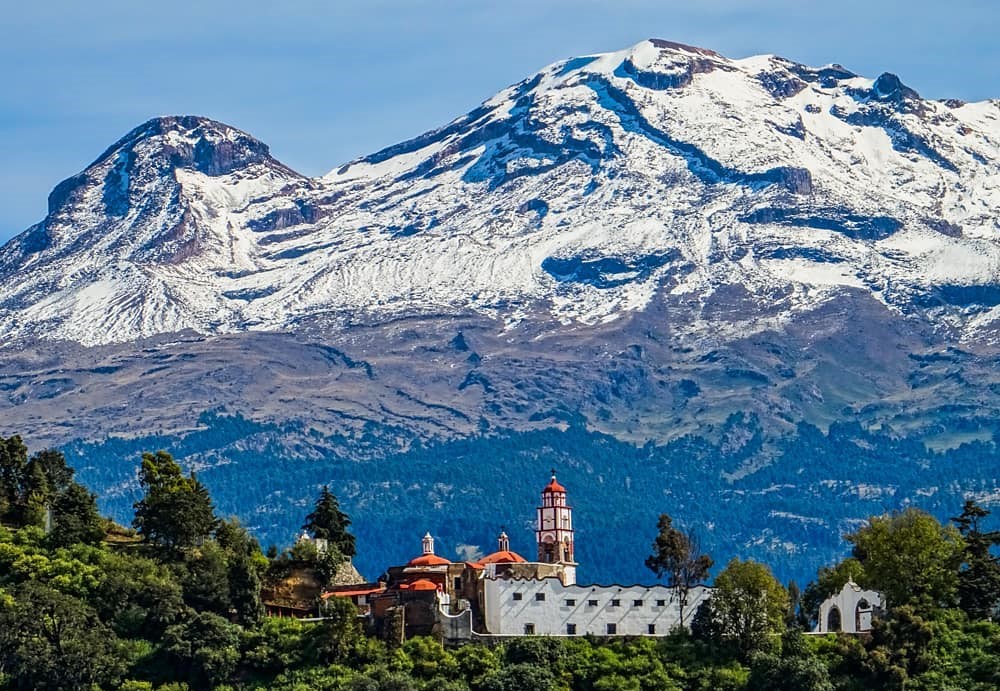
Sanctuary of the Lord of Sacromonte
Amecameca, State of Mexico, Mexico
On the Sacred Hill of Amecameca, a cave once held an image of Tlaloc, rain god. The Dominicans replaced it in 1583 with a Black Christ made of cornstalk paste, lying in...
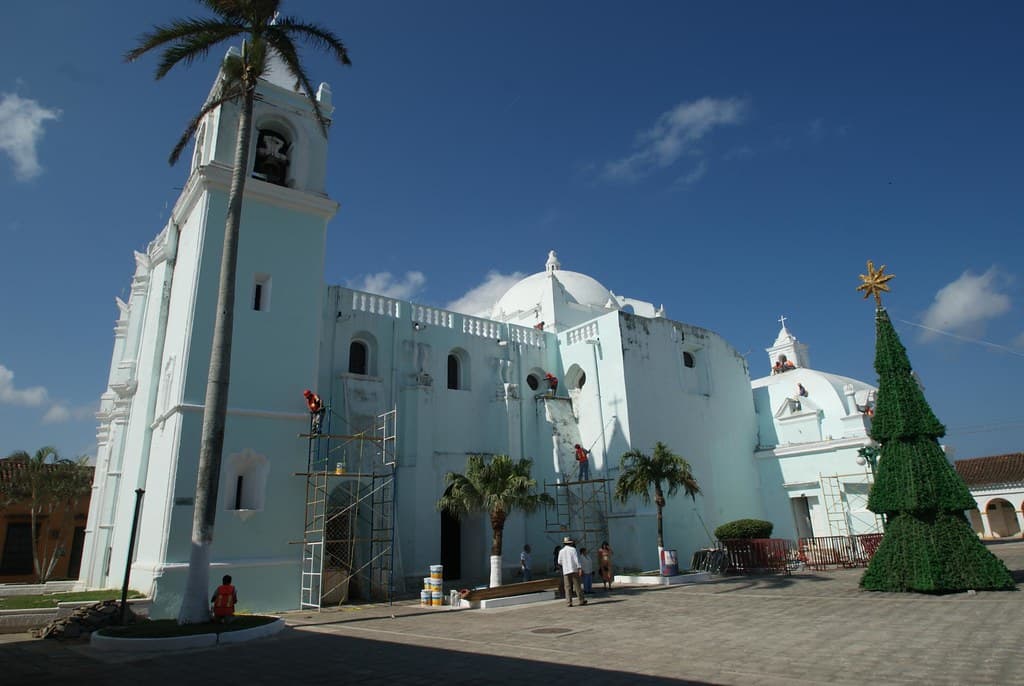
Sanctuary of the Virgin of Candelaria in Tlacotalpan
Tlacotalpan, Veracruz, Mexico
In 1776, sailors brought a Catalan statue of the Virgin of Candelaria to Tlacotalpan, the island town on the Papaloapan River....
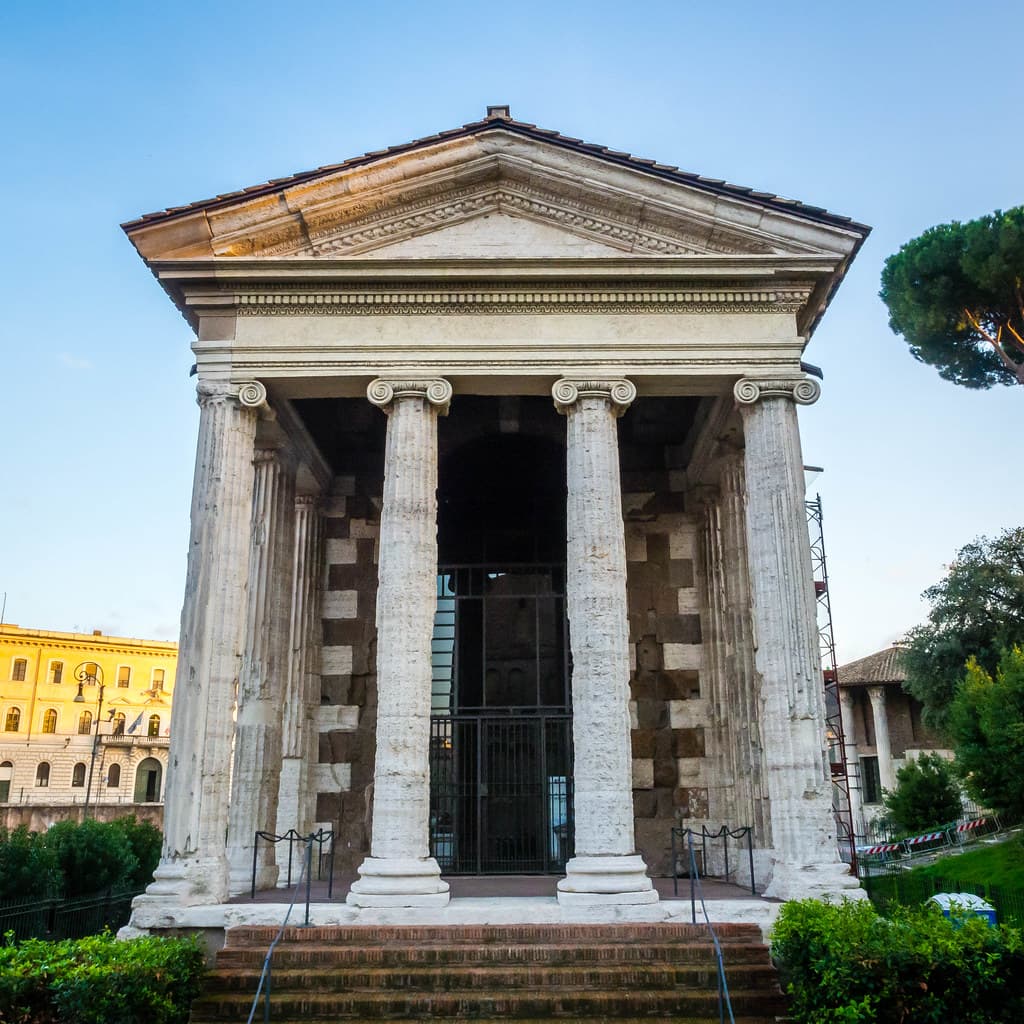
Tempio di Portuno, Rome, Italy
Rome, Lazio, Italy
The Temple of Portunus rises beside the Tiber where Rome's oldest river port once received the city's commerce....

The acropolis of Baalbek
Baalbek, Baalbek-Hermel Governorate, Lebanon
Baalbek stands in Lebanon's Beqaa Valley, where Phoenicians worshipped Baal, Greeks honored the sun, and Romans built temples on a scale they attempted nowhere else in...
Key questions
Roman Catholic sacred-site questions
- What are Roman Catholic sacred sites?
- Roman Catholic sacred sites are places connected by shared lineage, practice, memory, ritual use, or pilgrimage tradition.
- Where can I find Roman Catholic sacred sites?
- The strongest country clusters in this guide include France, Mexico, Italy, Turkey, Greece, Lebanon.
- What kinds of places are included?
- Common place types include basilica, sanctuary, black madonna statue, chapel, church, archaeological site.
- Can I map Roman Catholic sacred sites?
- Yes. Compare country clusters and site types first, then open individual pages for coordinates, historical context, and visitor guidance.