Sanctuary of the Holy Child of Atocha in Plateros
Where a child with a basket of bread and a pilgrim's staff saved trapped miners and became Mexico's protector of the lost
Understand sacred places, explore living traditions, and learn how to engage respectfully with Pilgrim Map.
Access has not been verified. Check current local guidance before planning a visit.
Plateros, Zacatecas, Mexico
Read the sources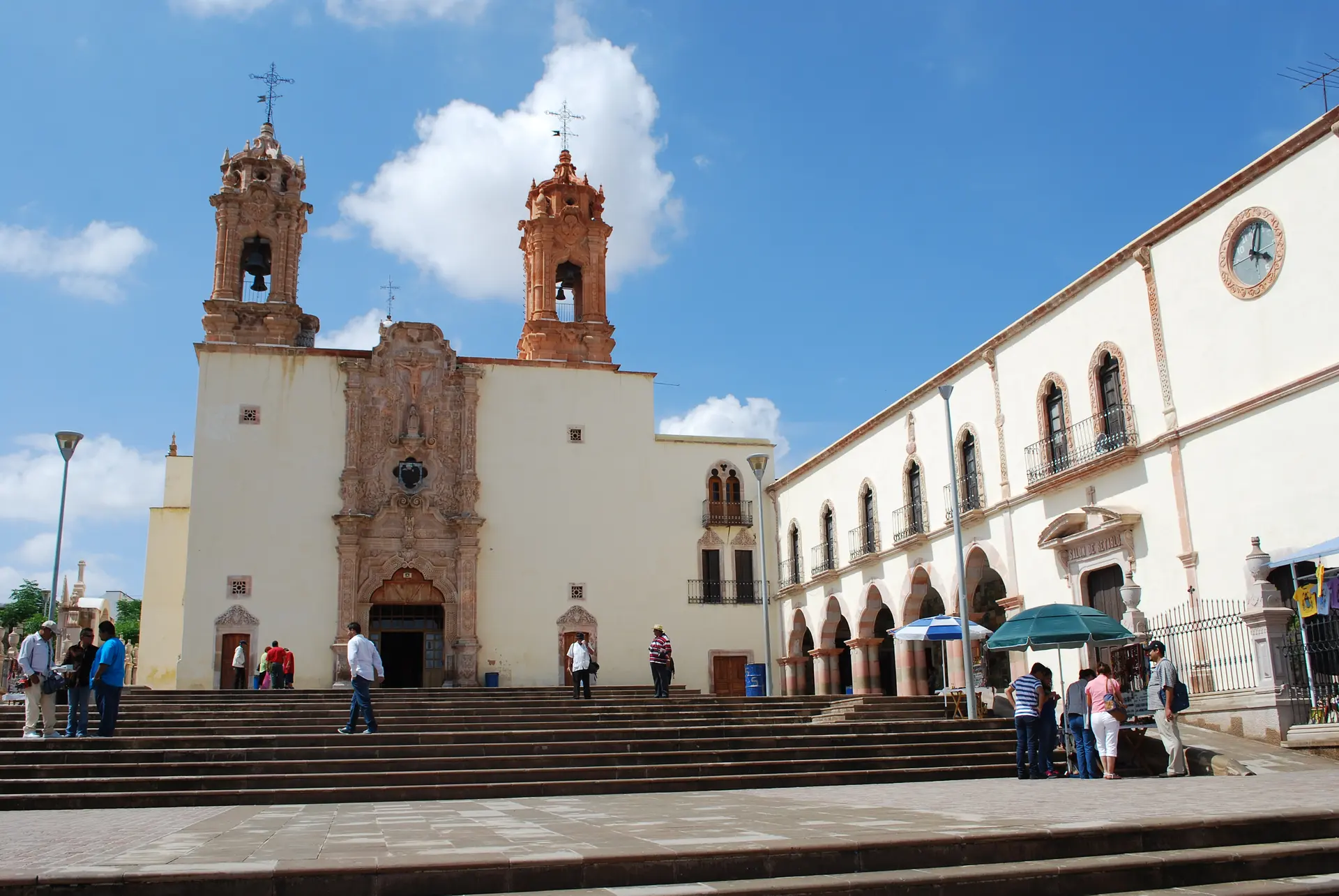
Image of Sanctuary of the Holy Child of Atocha in Plateros. Image source · CC-BY-SA-3.0
Visit essentials
A quick read before you go
- Duration
- 1-2 hours for thorough visit including ex-voto viewing.
- Etiquette
- Approach as pilgrims approach: with petitions for those who are lost, trapped, or imprisoned;…
Overview
The silver mines of Fresnillo brought wealth to colonial New Spain and danger to those who extracted it. In the early days of mining—within weeks of the mine's opening—an explosion trapped workers in darkness underground. Their wives gathered at the church of St. Augustine in the nearby town of Plateros to pray before an image of Our Lady of Atocha, whose devotion Spanish colonists had brought from their homeland.
What happened next became legend that two centuries of pilgrimage have not exhausted. The women noticed that the Christ Child in the Virgin's arms had vanished from the image. At the same moment, the trapped miners received a visitor: a child carrying a basket of bread and a gourd of water, who fed them, gave them drink, and showed them the path to safety. When they emerged, the child was gone.
At the church, he had returned to his mother's arms.
The Santo Nino de Atocha—the Holy Child of Atocha—wears pilgrim's attire that tells his story: wide-brimmed hat, traveling cloak, staff, drinking gourd, basket of bread. The scallop shell on his cape connects him to Santiago, the pilgrimage tradition of St. James that shaped Spanish devotion. But his function in Mexico became something specifically local: protector of miners, guardian of travelers, finder of the lost.
The sanctuary that houses him in Plateros, completed more than two hundred years ago in late baroque style, receives 1.5 million visitors annually—making it Mexico's third most visited religious site, behind only the Basilica of Guadalupe in Mexico City and San Juan de los Lagos in Jalisco. The walls overflow with ex-votos: paintings, photographs, and objects documenting answered prayers, the lost found, the trapped freed, the desperate delivered.
At Christmas, pilgrims bring toys to the Holy Child, honoring him with the gifts appropriate to his age while requesting the protection appropriate to his power. The tradition acknowledges what the miracle story established: this is a child who moves, who leaves his mother's arms to help those in need, who travels where the lost and imprisoned cannot free themselves.
Since 2006, a traveling image of the Santo Nino de Atocha has made annual pilgrimages to southern California, extending his protection to Mexican communities across the border. The miners he saved were the beginning; the lost and imprisoned he continues to help are without number.
Why this place is sacred
What makes the Sanctuary of the Holy Child of Atocha thin is the miracle's specific character: not appearance in vision but departure and return, not passive intercession but active rescue, not words spoken but food and water provided to men who would have died without them.
The miners trapped in darkness had no hope of escape. The explosion had closed their way out; the mine shaft had become their tomb. When the child appeared with basket and gourd, when he fed them and showed them the path to safety, he did what no human helper could have done—because no human helper could have reached them.
At the church, his absence from the image announced where he had gone. The women praying before Our Lady of Atocha saw that the Child she held had vanished. When he returned, his basket was empty, his gourd depleted. The evidence of his journey marked the image with meaning it would carry forever after: this is a child who moves.
The pilgrim's attire he wears encodes this mobility. The wide-brimmed hat and traveling cloak dress him for journey; the staff supports walking; the gourd carries water for the road; the basket holds bread for those in need. The scallop shell connects him to Santiago pilgrimage, the tradition of traveling to holy places that Spanish devotion brought to Mexico. But the Santo Nino is not destination but traveler—he goes to those who cannot come to him.
The 1.5 million annual pilgrims testify that his journeys continue. The ex-votos that cover the sanctuary walls document answered prayers: miners rescued from collapses, prisoners freed from unjust captivity, travelers saved from bandits, children found who had wandered, the lost of every kind restored to those who loved them. Each testimony adds to the accumulated evidence that the child who fed trapped miners continues feeding the trapped.
The Christmas toys participate in this understanding. Pilgrims bring toys to the Holy Child—gifts appropriate to his depicted age, honoring him as the child he appears. But they bring toys knowing that this child walks, that he leaves his sanctuary to help, that the toys honor a helper who does not merely listen but acts. The thin quality at Plateros is the thinness of walls between realms, demonstrated in a child who passes through them.
The devotion arose to honor the miraculous rescue of trapped miners by a child who left his mother's arms to bring food, water, and guidance to those who could not save themselves.
From colonial mining miracle through two centuries of sanctuary development to Mexico's third most visited religious site, with 1.5 million annual pilgrims. Part of UNESCO World Heritage Site Camino Real de Tierra Adentro.
Experience and orientation
Approach Plateros from Fresnillo, the mining town that gave the miracle its origin. The sanctuary lies 5 kilometers northeast, separated from Fresnillo only by the highway—close enough that the miners' wives could walk to pray, close enough that the child could return before they finished.
The late baroque architecture of the sanctuary—with dated openings from 1790—announces that what you approach has received devotion for over two hundred years. The colonial religious decoration of altarpieces and imagery creates context for the image that draws 1.5 million pilgrims annually.
Find the Santo Nino de Atocha in his place of honor. Study his pilgrim's attire: the wide-brimmed hat that protects travelers from sun, the cloak that shields from weather, the staff that supports long walking, the gourd that carries water, the basket that holds bread. The scallop shell on his cape connects him to Santiago pilgrimage tradition. Everything he wears speaks of journey.
The ex-votos that cover the walls deserve extended attention. These paintings, photographs, and objects document answered prayers across centuries: miners rescued, prisoners freed, travelers saved, children found. Read the testimonies. Let the accumulation create its own argument: this many people, over this much time, reporting this kind of response.
Understand why pilgrims bring toys at Christmas. The Santo Nino is depicted as a child; toys are appropriate gifts. But the toys also honor what the miracle established: this is a child who walks, who leaves his sanctuary, who travels to help the trapped. The toys are not mere devotion but recognition of active presence.
If possible, speak with pilgrims about why they have come. Many will share stories of petitions offered and answered, of the lost found, of desperation met with deliverance. The living testimony complements the documented ex-votos: the Santo Nino continues the work he began when miners were trapped in darkness.
The sanctuary is part of the UNESCO World Heritage Site Camino Real de Tierra Adentro—the Royal Road of the Interior Land that connected Mexico City to Santa Fe during the colonial period. Pilgrimage to Plateros participates in this broader heritage: the movement of people and devotion along routes that shaped Mexico.
Leave Plateros having encountered a devotion unlike others. The Santo Nino is not distant intercessor but active helper, not fixed image but traveling presence. The miners he saved were first; the lost he continues helping are not yet numbered.
Located in Plateros, 5 km northeast of Fresnillo, Zacatecas. Address: Calle Hidalgo sin numero, Poblado Plateros, Fresnillo. Open daily 6:30 AM - 8:00 PM.
Context and lineage
The town of Plateros was founded as San Demetrio in 1566, renamed by 1621, its existence tied to the silver mines of nearby Fresnillo that brought wealth and danger to colonial New Spain. Within weeks of the mine's opening, an explosion trapped workers underground.
Their wives gathered at the church to pray before an image of Our Lady of Atocha, the Spanish devotion they had brought from their homeland. As they prayed, they noticed the Christ Child had vanished from the Virgin's arms.
In the mine shaft, the trapped men received a visitor none could explain: a child carrying basket and gourd, who gave them bread and water and showed them the way to safety. When they emerged, the child was gone. At the church, he had returned to his mother's arms—basket empty, gourd depleted.
The miracle established the Santo Nino de Atocha's character: a child who moves, who travels to help, who brings what the desperate need. The devotion grew through colonial period and independence, the sanctuary completed more than two hundred years ago, the pilgrims multiplying until 1.5 million now arrive annually—Mexico's third most visited religious site.
The Santo Nino's patronage expanded from miners to all who are trapped, lost, or imprisoned. His pilgrim's attire marks him as traveler; his basket and gourd mark him as provider; his scallop shell connects him to Santiago tradition. He protects those on journeys, those in prison, those who have lost their way.
In 2006, a traveling image began making annual pilgrimages to southern California, extending the Santo Nino's protection to Mexican communities across the border. The miners he saved were local; the lost he now helps are global.
Spanish devotion to Our Lady of Atocha brought to colonial Mexico; specific Santo Nino cult developed locally; sanctuary completed by late 18th century. Part of UNESCO World Heritage Site Camino Real de Tierra Adentro.
Santo Nino de Atocha
The miraculous child
Traditions and practice
Petitions for protection of miners, travelers, prisoners, and the lost. Offering ex-votos for answered prayers.
1.5 million annual pilgrims. Christmas toy offerings to the Holy Child. Traveling image pilgrimages to California (since 2006). Continuous petition for those who are trapped, imprisoned, lost, or in danger.
Study the Santo Nino's pilgrim attire and centuries of ex-votos documenting answered prayers. At Christmas, observe or join the traditional toy offering; let that accumulated testimony frame the sanctuary's living devotion.
Roman Catholicism / Santo Nino de Atocha Devotion
ActiveThe Santo Nino de Atocha, derived from Spanish Our Lady of Atocha devotion but developed distinctly in Mexico, represents active intercessory power—a child who travels to help the lost, trapped, and imprisoned.
Pilgrimage, petition for protection, ex-voto offerings, Christmas toy gifts, traveling image pilgrimages to California.
Perspectives and open questions
The Santo Nino de Atocha can be understood as colonial mining devotion, as example of Spanish-Mexican religious transfer, as patron of the lost and imprisoned, or as evidence that certain images demonstrate active rather than passive power.
Scholarly perspective
Historians trace the devotion's origins in Spanish Our Lady of Atocha tradition and its transformation into specifically Mexican cult of the Christ Child. The sanctuary's inclusion in the Camino Real World Heritage Site documents its colonial significance.
Living and traditional perspectives
For the faithful, the Santo Nino travels to help the trapped because that is what he did when miners needed him. The miracle was not unique event but establishment of ongoing relationship.
Alternative interpretations
Some note the Santo Nino's popularity among Mexican communities facing immigration challenges, suggesting his patronage of travelers and the imprisoned has contemporary resonance.
Open questions
The precise dating of the original miracle is legendary rather than historically documented. The mechanisms by which the Santo Nino responds to petition remain mysterious.
Plan your visit
Access and arrival
Accommodations in Fresnillo and Zacatecas city (UNESCO World Heritage Site).
Respectful visit
Modest dress appropriate for Catholic churches.
Photography may be restricted in certain areas. Respect those in prayer.
Toys at Christmas are traditional. Ex-votos document answered prayers—paintings, photographs, or objects testifying to miracles received.
Respect the devotional atmosphere. Do not disturb pilgrims in petition.
As Mexico's third most visited religious site, crowds can be significant. The devotion involves active petition—approach with appropriate seriousness.
Current practical details
Address
99158 Plateros, Zac., Mexico
Phone
Hours
Hours, fees, and access can change — verify on the official source before you travel. Practical details last checked Jun 2026.
Location
Map loads as you approach this section.
Pilgrim reflections
A portrait of encounter, not a score
Pilgrims describe what they felt, how present they could become, and whether the place would shape a journey. There are no stars and no ranking of traditions.
No reviewed reflections yet
The first pilgrims can help describe the character of being here.
Share a reflection
Available after an account-backed “Been there.” Every reflection is reviewed before publication.
Nearby sacred places
Explore other sacred places in the region. Proximity does not establish access or travel time; check each place’s guidance.
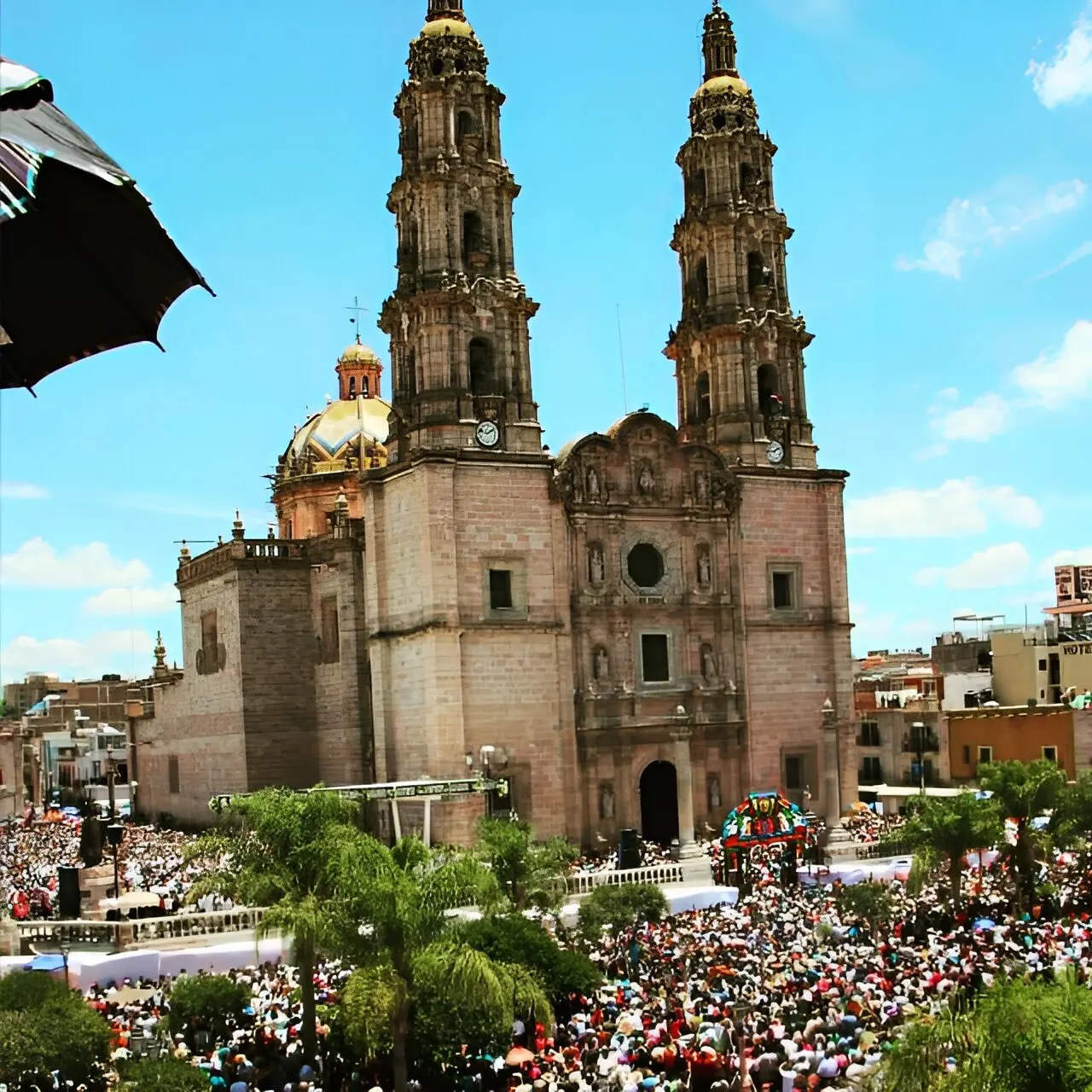
Cathedral Basilica of Our Lady of San Juan de los Lagos
San Juan de los Lagos, Jalisco, Mexico
222.4 km away

Basilica of Our Lady of Zapopan, Guadalajara
Zapopan, Jalisco, Mexico
280.4 km away

Cristo Rey, Cerro del Cubilete
Silao, Guanajuato, Mexico
285.5 km away
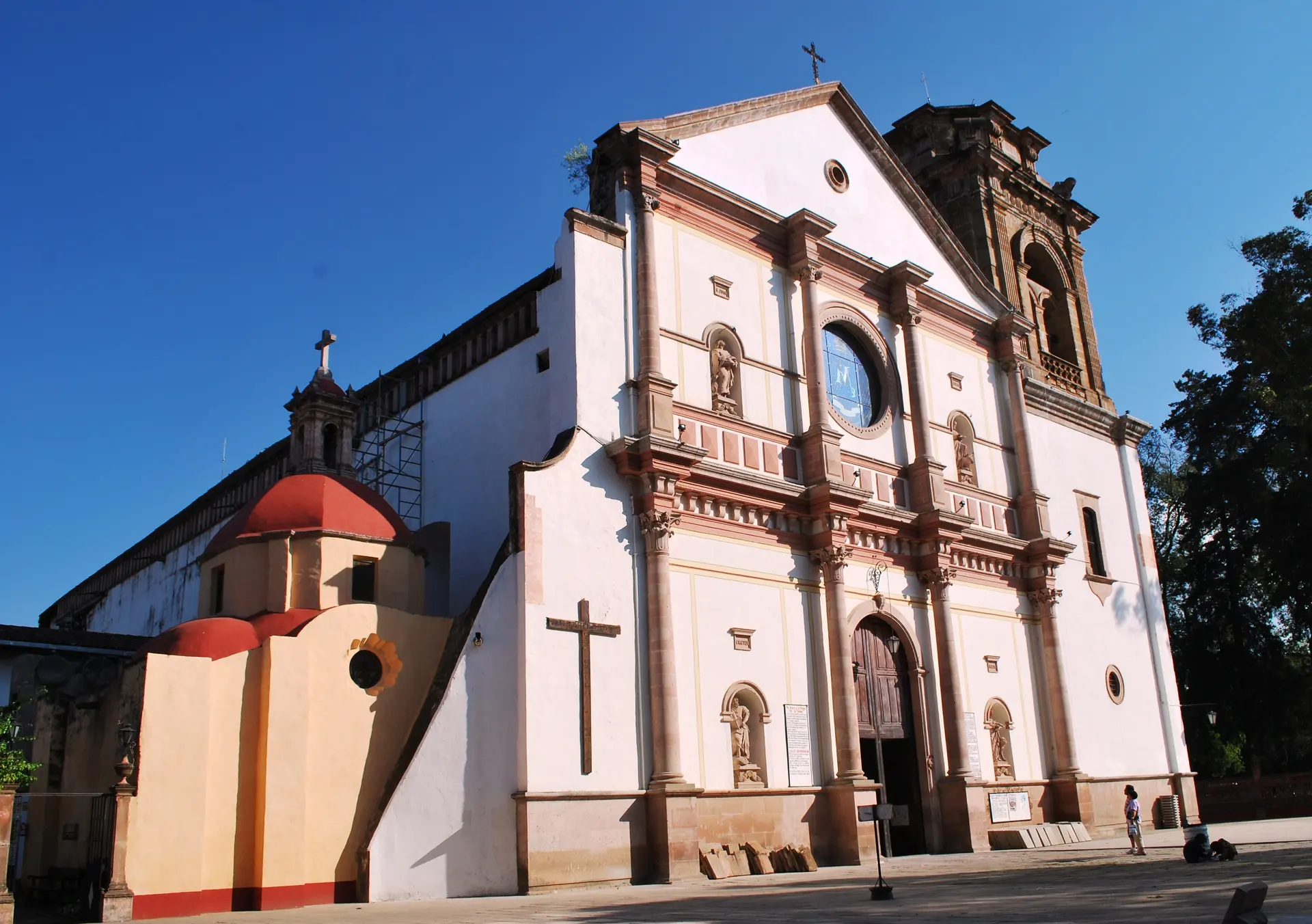
Basilica of Nuestra Señora de la Salud, Patzcuaro
Pátzcuaro, Michoacán, Mexico
427.9 km away
References
Sources consulted for this page. Source categories describe the publication, not a guarantee that every claim is verified. Traditional accounts and outside interpretations may differ.
- 01Holy Infant of Atocha - WikipediaSource context
- 02Plateros, Zacatecas - WikipediaSource context
- 03Traveling Image of the Holy Child of Atocha - MAVCOR YaleSource context
- 04Santuario de Plateros - Wikipedia (Spanish)Source context
- 05Santuario del Santo Nino de Atocha - Destinos MexicoSource context
- 06Santuario del Santo Nino de Atocha - Zacatecas TravelSource context
Share a photo
Help visitors recognize Sanctuary of the Holy Child of Atocha in Plateros. Every submission is reviewed before publication.