Basilica of Our Lady of Remedies, Naucalpan de Juarez
Where a fleeing soldier hid a tiny Virgin, and miracles began on a hill of four houses
Understand sacred places, explore living traditions, and learn how to engage respectfully with Pilgrim Map.
Access has not been verified. Check current local guidance before planning a visit.
Naucalpan de Juárez, Mexico, Mexico
Read the sources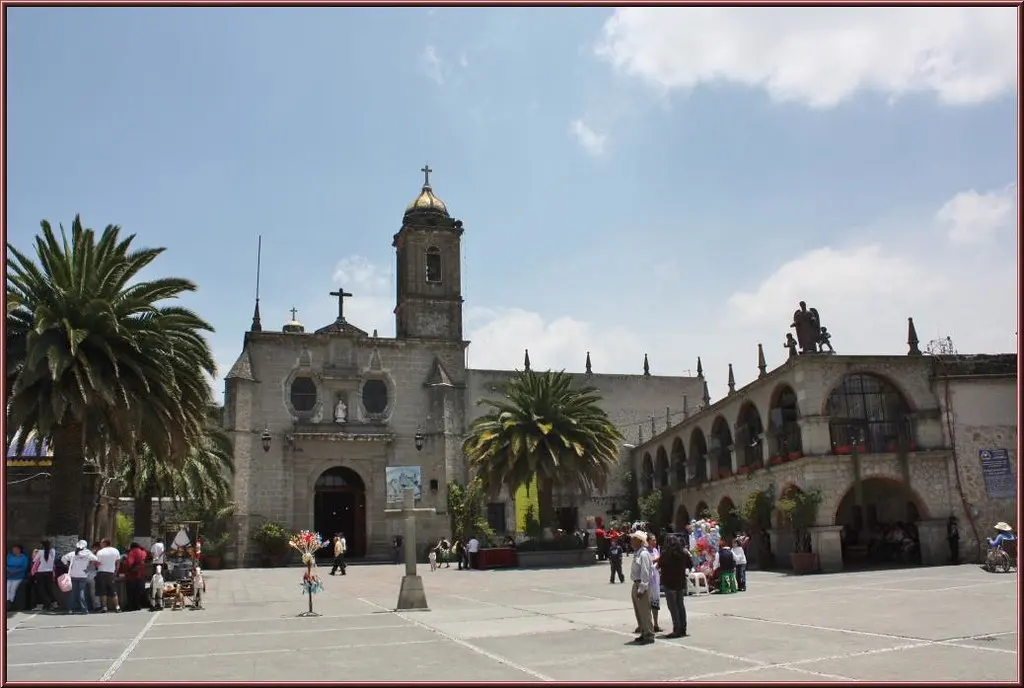
Image of Basilica of Our Lady of Remedies, Naucalpan de Juarez. Image source
Visit essentials
A quick read before you go
- Duration
- 1-2 hours for thorough exploration including prayer time.
- Etiquette
- Approach as a pilgrim to a living sanctuary.
Overview
The Basilica of Our Lady of Remedies stands on Otocampulco hill, where pilgrims have sought the Virgin's intervention since 1520. During July 1520's La Noche Triste, when Aztec forces drove Cortes's army from Tenochtitlan, the fleeing Captain Juan Rodriguez de Villafuerte carried a small Virgin from Spain's Basque Country and concealed her in an Indigenous temple on Otocampulco—Nahuatl for 'place of four houses'—whether from desperate faith or protective instinct.
Traditions say she threw dirt into attackers' eyes or became impossibly heavy when Indigenous people tried to restore their idols. The historical account is narrower: the statue was found, veneration began, and by 1595 Alfonso de Villasana was painting her story on the basilica walls. The 27-centimeter image, carved and gilded in Spain, embodies colonial faith replacing Indigenous worship while also revealing layered sacred geography: a Spanish Virgin in an Aztec temple and a Christian basilica on Native ceremonial ground.
The basilica preserves miracle records attributed to her intercession from at least 1903. Pilgrims still petition and give thanks, use rooms of silence, and climb to encounter the original image; a Virgin brought for conquest has become a patroness of healing.
Why this place is sacred
What makes this hilltop thin is not one story but the accumulation of stories, each adding weight to what the land holds.
Before the Virgin arrived, this was already sacred ground. Otocampulco—place of four houses—served indigenous ceremonial purposes the Spanish did not stop to understand before repurposing. When Villafuerte hid his Virgin in a native temple, he participated unknowingly in a pattern as old as religion: the new faith claiming the old sacred site, the change of names but not of numinous function.
The Virgin's 27-centimeter form carries its own accumulated power. She crossed the Atlantic with a soldier who believed she could protect him in conquest. She hid on a hillside during desperate flight. She was found, venerated, enclosed in increasingly elaborate architecture. Each act of faith added to her significance until the small carved figure became capable of what her devotees have documented for over a century: intervention in the impossible, healing where medicine failed.
The rooms of silence within the basilica hold the accumulated weight of petition. Here, pilgrims have poured out their needs in sacred quiet, surrounded by images of saints who also listen. The miracle documentation in the backyard—records dating to 1903 and 1912—provides evidence for what faith already knows: something responds here to sincere request.
The architecture itself participates in thinness. The golden tones of the interior create warm enclosure. The doorway to the oratory leads up stairs to face-to-face encounter with the Virgin herself. During Mass, she turns toward the congregation; at other times, toward the oratory where individuals seek her gaze. This movement—a tiny carved figure rotating to face her people—embodies the responsiveness that pilgrims experience in her presence.
The basilica represents colonial faith's triumph over indigenous religion, but something more interesting than triumphalism operates here. The continued need for healing, the continued response to that need, the continued documentation of impossible cures—these suggest a site where the membrane between petition and answer has worn thin through centuries of use.
The image was brought from Spain in 1519 for a soldier's protection during the Conquest. After discovery, she became object of veneration and focus of pilgrimage seeking miraculous healing.
From hidden sanctuary during La Noche Triste to established cult by 1595, to formal basilica architecture, to contemporary pilgrimage site with documented miracle records spanning over a century.
Experience and orientation
Approach through the vehicular entrance arch, paying the small fee that grants access to this hidden gem where forest meets town. The immediate impression is of care: everything is clean, maintained, honored. This is not an abandoned colonial monument but a living sanctuary.
Enter the basilica through its main doors. The golden tones envelop you—walls, altars, and ornament creating warm enclosure that draws attention inward and upward. To the right, a door opens to reveal a Christ lying on a wooden cross, a station for contemplation of suffering and sacrifice.
To the left, a small corridor leads to the Virgin's oratory. This is the heart of the sanctuary: the place where the original 27-centimeter image resides. Climb the stairs to view her closely. If Mass is being celebrated, she will be turned toward the basilica, participating in the liturgy with her people. If the church is quiet, she faces the oratory, available for individual encounter.
This rotation—the Virgin's attentive turning toward those who seek her—embodies the responsiveness that defines this site.
Descend and explore the rooms of silence. These spaces exist for prayer, for pouring out petition in sacred quiet surrounded by various saints. Take time. Let the accumulated devotion of centuries create context for your own concerns.
In the backyard, discover the documented miracles—records dating to 1903, 1912, and continuing through the decades. Read the stories of impossible healing. Let the evidence accumulate.
Outside, a mini chapel houses a replica of the Virgin for additional veneration. The grounds themselves offer respite: a maintained sanctuary between urban Naucalpan and the surrounding forest.
Leave through the entrance arch, carrying whatever the encounter has offered. The Virgin remains, rotating to face the next petitioner, the next faithful seeker of remedy.
Located on Otocampulco hill in Naucalpan, accessible through a vehicular entrance arch (approximately MX$25). The Virgin's oratory lies to the left of the main altar; documented miracles in the backyard; rooms of silence throughout.
Context and lineage
Captain Juan Rodriguez de Villafuerte brought her from the Basque Country in 1519, a small gilded Virgin to accompany conquest. The campaign did not go as planned. On July 1, 1520—La Noche Triste—Aztec forces drove Cortes's army from Tenochtitlan in defeat. Survivors fled through hostile territory, and Villafuerte somehow reached Otocampulco hill.
What happened next becomes legend. He concealed the Virgin in a native temple—an act of preservation or desperation. Some stories say she intervened directly, a young girl throwing dirt in attackers' eyes. Other legends tell of the image growing impossibly heavy when indigenous people tried to move her, forcing them to accept her presence.
However concealed and found, the Virgin attracted devotion. By 1595, the painter Alfonso de Villasana was creating the wall paintings that still tell her story. The basilica grew, was maintained, and continues to serve pilgrims seeking what she has provided for five centuries: remedy. Our Lady of Remedies—Nuestra Senora de los Remedios—a name that carries promise.
The miracle documentation extends at least to 1903, with records of healing that defied expectation continuing through the twentieth century and beyond. The tiny Virgin who crossed the ocean for conquest has become patroness of those who need what conquest cannot provide: healing, hope, intervention in the impossible.
Roman Catholic Marian devotion within the Diocese of Tlalnepantla. The sanctuary maintains continuity with colonial origins while serving contemporary faithful.
Juan Rodriguez de Villafuerte
Soldier who brought and hid the Virgin
Alfonso de Villasana
Painter (1595)
Traditions and practice
Colonial devotion focused on the Virgin as intercessor for healing and protection. Ex-voto offerings documented miracles received. Processions marked feast days.
Daily Masses, personal devotion in rooms of silence, ascending to view the original Virgin, reviewing documented miracles, offering thanks for petitions answered. The Virgin's rotation between basilica and oratory creates rhythm of communal and individual encounter.
Attend Mass to experience the Virgin facing her congregation. Outside Mass times, ascend to the oratory for individual encounter. Spend time in the rooms of silence with your own petitions. Review the documented miracles to understand what has been asked and received here. Let the basilica's golden atmosphere create receptive space.
Roman Catholicism / Marian Devotion
ActiveOur Lady of Remedies represents colonial Mexican Marian devotion, with documented miracles spanning over a century establishing her as powerful intercessor for healing.
Mass, rosary, personal petition, ex-voto offerings, pilgrimage, veneration of the original 27-centimeter image.
Perspectives and open questions
Our Lady of Remedies can be understood as a colonial imposition on indigenous sacred geography, as documentation of five centuries of miraculous healing, or as living example of Marian devotion's power to transcend historical origin.
Scholarly perspective
Historians note the basilica's construction on pre-Columbian ceremonial ground as typical of colonial religious strategy. Art historians study the 1595 wall paintings as documentation of early colonial Marian iconography.
Living and traditional perspectives
For the faithful, the Virgin's origins matter less than her demonstrated response to petition. The documented miracles provide evidence for what devotion experiences: a mother who heals her children.
Alternative interpretations
Some note the irony of a conquest statue becoming healing patroness, finding in the transformation evidence that sacred sites carry power independent of the traditions that claim them.
Open questions
The full circumstances of the Virgin's concealment and discovery remain legendary rather than documented. The mechanics by which petitions are answered at this site, as at all sacred sites, remain mysterious.
Plan your visit
Access and arrival
Full services throughout the Mexico City metropolitan area.
Respectful visit
Modest dress appropriate for Catholic churches. Shoulders and knees covered.
Likely restricted in interior spaces. Ask permission or observe posted guidelines.
Donations support the sanctuary. Ex-votos may be left according to local custom for answered prayers.
Respect the rooms of silence for their intended purpose. Do not disturb those in prayer.
Check Mass schedules as the Virgin's orientation depends on liturgical activity. Photography may be restricted in certain areas. Approach the original image with the reverence due a five-century devotion.
Current practical details
Address
C. Zaragoza 1, Los Remedios, 53400 Naucalpan de Juárez, Méx., Mexico
Phone
Hours
Hours, fees, and access can change — verify on the official source before you travel. Practical details last checked Jun 2026.
Location
Map loads as you approach this section.
Pilgrim reflections
A portrait of encounter, not a score
Pilgrims describe what they felt, how present they could become, and whether the place would shape a journey. There are no stars and no ranking of traditions.
No reviewed reflections yet
The first pilgrims can help describe the character of being here.
Share a reflection
Available after an account-backed “Been there.” Every reflection is reviewed before publication.
Nearby sacred places
Explore other sacred places in the region. Proximity does not establish access or travel time; check each place’s guidance.
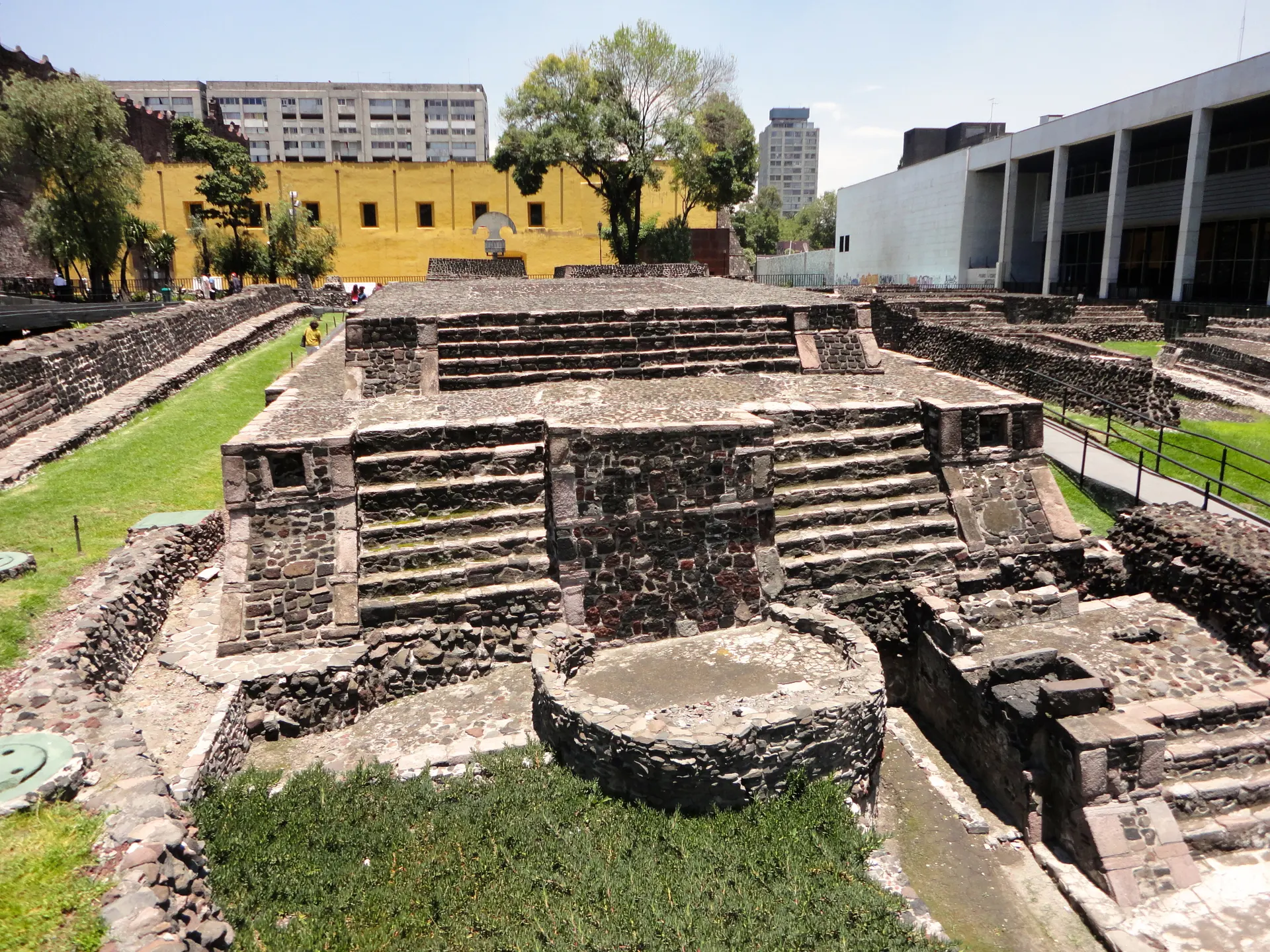
Tlatelolco Archaeological Zone
Mexico City, Mexico City, Mexico
10.3 km away
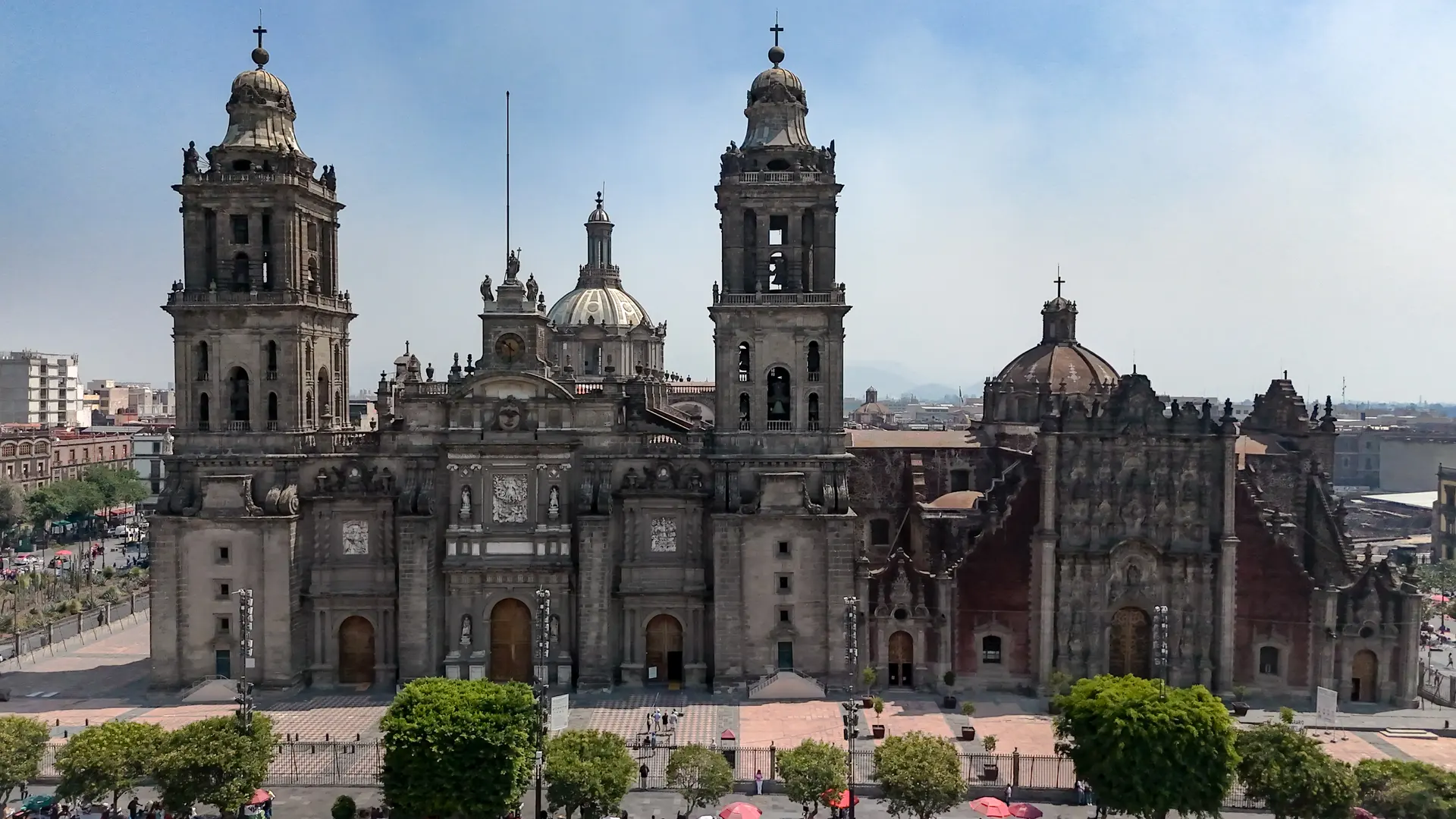
Mexico City Metropolitan Cathedral
Mexico City, Mexico City, Mexico
11.3 km away
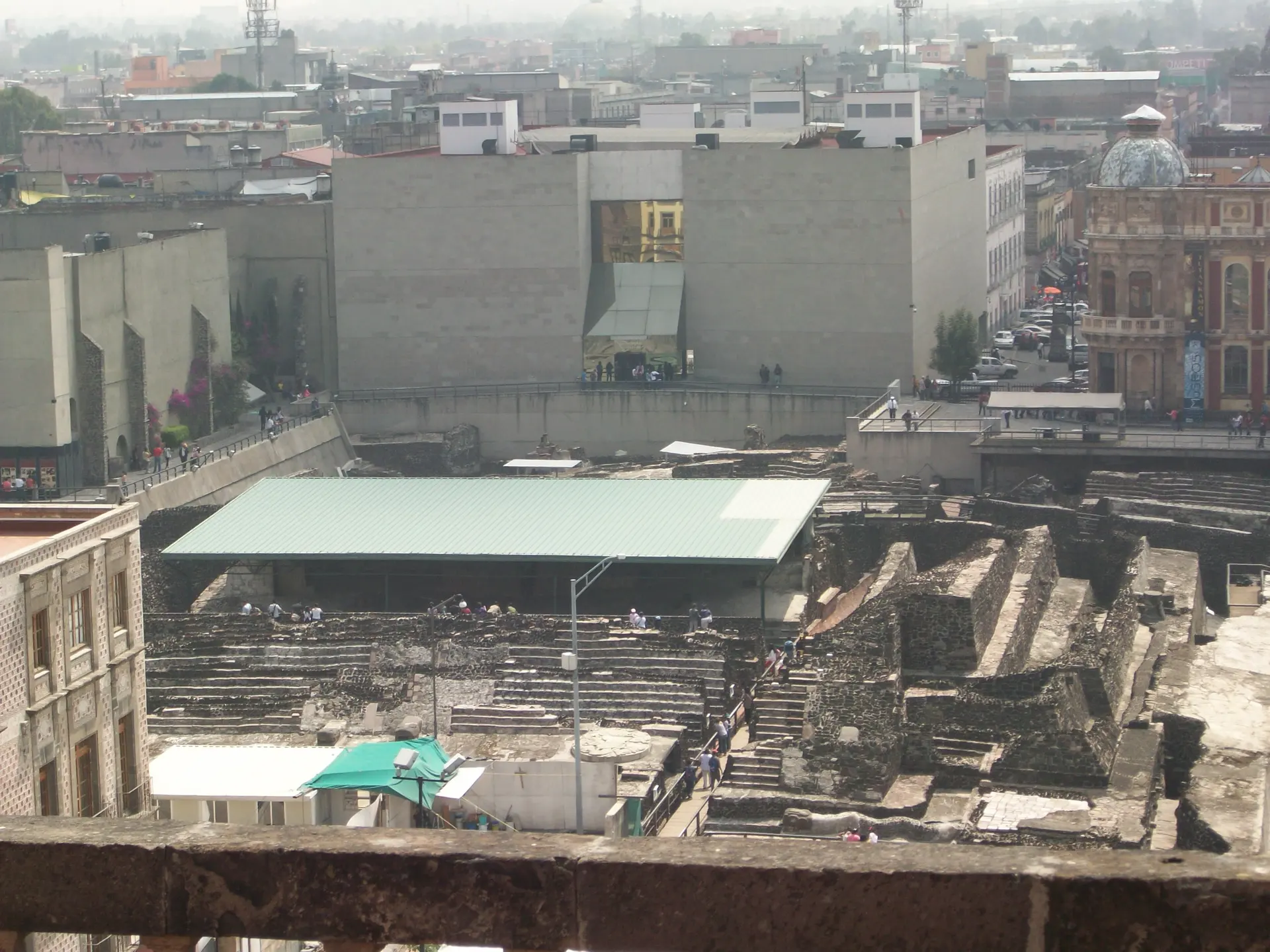
Templo Mayor Archaeological Zone and Museum
Mexico City, Mexico City, Mexico
11.4 km away
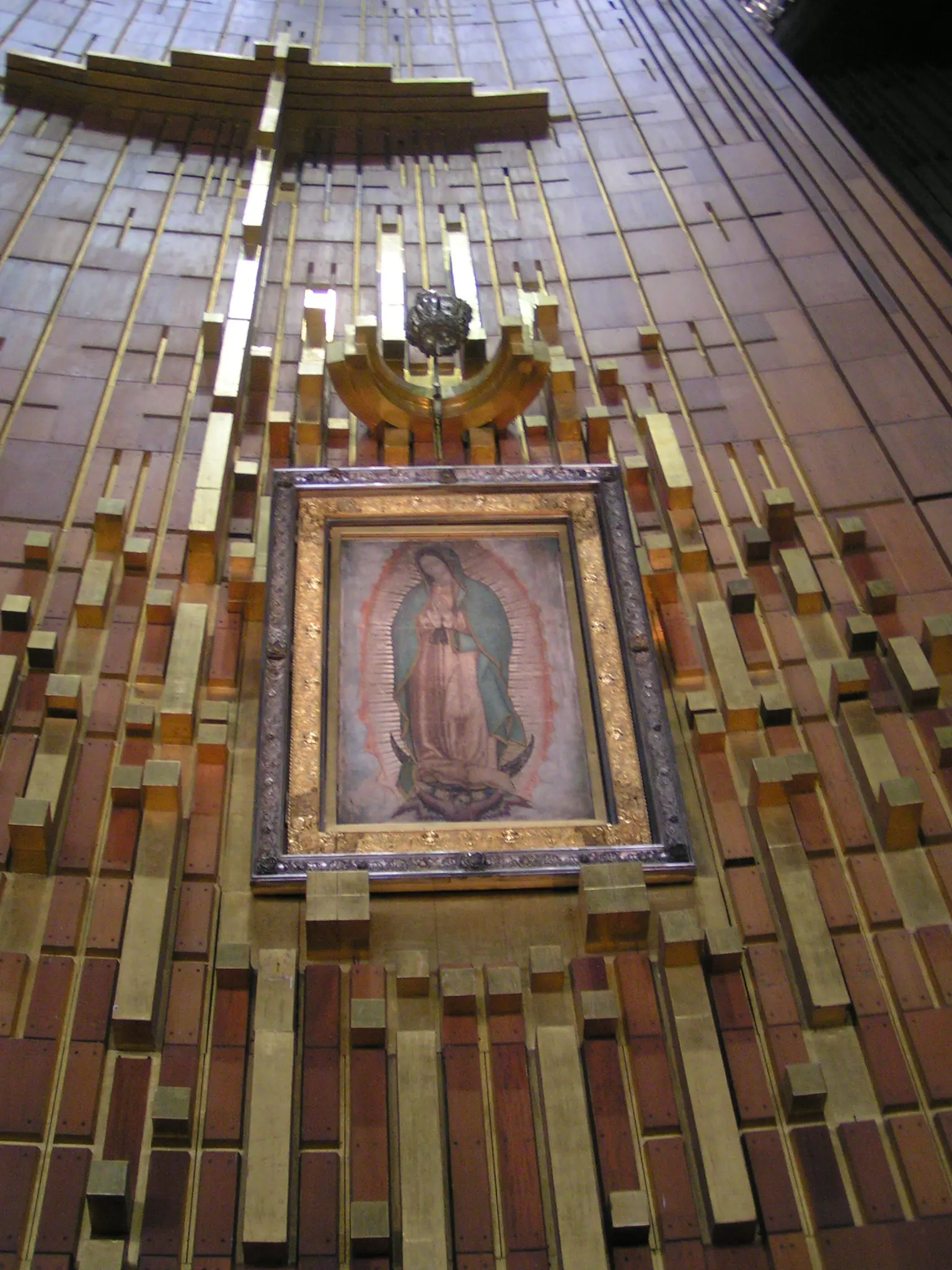
Our Lady of Guadalupe, Mexico
Mexico City, Mexico City, Mexico
12.4 km away
References
Sources consulted for this page. Source categories describe the publication, not a guarantee that every claim is verified. Traditional accounts and outside interpretations may differ.
- 01Basilica de Nuestra Senora de los Remedios - TripAdvisorSource context
- 02Our Lady of Remedies - Catholic Shrine BasilicaSource context
- 03Iglesia de Nuestra Señora de los Remedios - WikipediaSource context
Photo gallery
3 curated photos
Share a photo
Help visitors recognize Basilica of Our Lady of Remedies, Naucalpan de Juarez. Every submission is reviewed before publication.