Basilica of Our Lady of Zapopan, Guadalajara
Where three million pilgrims walk a Virgin home each October, carrying corn paste and centuries of miracle
Understand sacred places, explore living traditions, and learn how to engage respectfully with Pilgrim Map.
Access has not been verified. Check current local guidance before planning a visit.
Zapopan, Jalisco, Mexico
Read the sources
Image of Basilica of Our Lady of Zapopan, Guadalajara. Image source · CC-BY-SA-4.0
Visit essentials
A quick read before you go
- Duration
- 1-2 hours for basilica visit.
- Etiquette
- Approach as pilgrims approach: with reverence for the Virgin, respect for the pre-Columbian…
Overview
On October 12, the Romeria fills Guadalajara's streets with over three million participants and more than 35,000 dancers, accompanying a 34-centimeter corn-paste Virgin in a procession UNESCO recognizes as Intangible Cultural Heritage of Humanity.
Franciscan friar Antonio de Segovia brought the Virgin of Zapopan to the region in 1541, amid the years following Spanish conquest. Legend says she intervened in battle between conquistadors and Indigenous peoples and persuaded local populations to lay down their arms; whether history or pious elaboration, the story presents her as a bridge where violence threatened.
The Bishop of Guadalajara declared the image miraculous in 1653; she was credited with saving the region from epidemics and floods in 1695 and commissioned 'General of the Army of the State' of Jalisco in the 1821 Year of Independence.
Built from 1689 to 1730, the Baroque and Churrigueresque basilica has 117 saint-filled facade niches, wood and gold leaf within, and 33-meter towers rebuilt after earthquake in 1892. Weekend-evening video mapping projects the Virgin's history onto the facade. Each May 20 she leaves for Guadalajara's cathedral and five months among metropolitan parishes; the October 12 Romeria marks her return in Mexico's largest religious procession, perhaps the Western Hemisphere's.
Pre-Columbian dancers carry older traditions into the Catholic celebration, the corn-paste image draws on Indigenous craft, and a Huichol museum stands beside the basilica's Christian treasures.
Why this place is sacred
Three million people walking a statue home creates its own thin quality through sheer density of devotion. The Romeria of October 12 is not merely large; it is overwhelmingly, unmistakably focused on a single purpose: accompanying the Virgin of Zapopan back to her basilica after five months among her people.
This annual movement distinguishes Zapopan from static shrines. The Virgin does not wait; she visits. Beginning May 20, she travels through the parishes of metropolitan Guadalajara, receiving devotion in neighborhoods rather than requiring pilgrimage to a fixed point. When she returns on October 12, the Romeria celebrates relationship built through presence—not the approach of pilgrims to power but the homecoming of power that has been among them.
The accumulated miracles create thickness of meaning that each new devotee enters. Since 1653, when the Bishop declared her miraculous, documented interventions have multiplied: the epidemics of 1695 stopped, floods averted, protections granted beyond counting. When pilgrims walk the Romeria, they walk among generations of answered prayer, their own petitions joining a continuous stream that the Virgin has demonstrably heard.
The pre-Columbian dancers embody a different kind of thinness—the membrane between traditions worn permeable through centuries of contact. Over 35,000 dancers participate in the October 12 celebration, their movements predating the Virgin's arrival by centuries yet serving her honor now. What they do is not contradiction but synthesis: indigenous practice honoring colonial image, both finding home in procession that neither tradition alone could create.
The basilica itself, when you finally reach it, holds what the procession prepared you to receive. The 117 saint niches, the wood and gold leaf altar, the Churrigueresque excess—all this architecture exists to house 34 centimeters of corn paste, an image light enough for a friar to carry from Spain, heavy enough to have earned titles from General to Queen. The disproportion between container and contained mirrors the mystery at every shrine: why does power concentrate in specific form?
The Huichol museum within the basilica complex suggests an answer. Multiple traditions find home here because the thin place is not exclusively Catholic, not exclusively indigenous, but something that emerges from their meeting. The Virgin who made peace between conquistadors and indigenous peoples continues making peace between their descendants' ways of worship.
Franciscan friar Antonio de Segovia brought the image in 1541 to aid evangelization. The basilica was built (1689-1730) to house her after she was declared miraculous in 1653.
From evangelization aid to miraculous image (1653) to regional patroness (1695) to General of the Army (1821) to UNESCO-recognized pilgrimage (2018), the Virgin of Zapopan's significance has continuously expanded.
Healing traditions
Community protection tradition
Zapopan's municipal history records the Virgin's recognition as a patron against storms and epidemics after the events of 1734. The image's visits to surrounding communities and its return in the Romería carry that shared appeal for protection. This is a collective tradition of intercession, rather than a documented individual healing case.
Ways to participate
Offer a prayer in the basilica for the wellbeing of your community, or take part in a public celebration following the organizers' directions. You can also observe the Romería respectfully from a comfortable place. Allow dancers and devotional groups room for their own practices rather than copying ceremonial roles without invitation.
These accounts describe religious traditions and reported experiences. They do not promise a cure or replace medical care.
Experience and orientation
Arriving at the Basilica of Our Lady of Zapopan outside the Romeria season offers intimate encounter with one of Mexico's most significant Marian shrines. The plaza before the facade—50 by 70 meters, enclosed by inverted arches and flowered pilasters, crowned with 48 spires—announces that you are approaching something extraordinary.
The facade itself rewards careful attention. Three gates open beneath 117 niches, each housing a saint in stone witness. The towers rise 33 meters, their rich ornaments and stone columns rebuilt after the 1889 demolition and 1892 reconstruction. This is Churrigueresque colonial Baroque at its most elaborate—architecture that understood devotion as excess, as overwhelming the eye to open the heart.
Enter and let your eyes adjust. The interior continues what the facade began: Doric colonial altarpieces, Gothic ceiling, Corinthian main altar, wood and gold leaf covering every surface that could accept it. The Virgin herself—34 centimeters of corn paste, dressed and crowned—presides from her place of honor. She is small enough to carry, powerful enough to have earned General's rank.
On Friday and Saturday evenings at 9 PM, return for the video mapping show. Three-dimensional light and sound project onto the facade, telling Zapopan's history through technology the builders could not have imagined serving their stones. The show lasts perhaps twenty minutes; the impression lasts longer.
Explore the Huichol Museum within the basilica complex. The permanent exhibit about Huichol, Tepehuan, and Cora peoples acknowledges that multiple traditions find home here. The intricate beadwork and yarn paintings demonstrate that indigenous craft continues, that the corn paste Virgin exists within a world where corn itself is sacred.
If you can arrange your visit for October 12, prepare for something unparalleled. Three million participants fill Guadalajara's streets beginning before dawn. Over 35,000 dancers in traditional costume process toward the basilica. Priests and seminarians accompany the tiny statue through crowds that part and join around her. This is the Romeria—the Return—and participating in it, even briefly, connects you to the largest annual pilgrimage procession in the Western Hemisphere.
The walk from Guadalajara's cathedral to Zapopan's basilica is perhaps 8 kilometers. Many pilgrims walk the entire route; others join along the way. The pace is slow, the crowd immense, the devotion palpable. When the Virgin finally reaches her home, when the basilica receives her back after five months among her people, the celebration erupts. You have accompanied her.
You have participated in what UNESCO recognized in 2018: Intangible Cultural Heritage of Humanity, living tradition that three million people maintain each year.
Located in Zapopan, metropolitan Guadalajara. The basilica faces a large plaza with 48 spires. Huichol Museum inside the complex. Video mapping shows Friday and Saturday at 9 PM. October 12 Romeria arrives from Guadalajara cathedral.
Context and lineage
Friar Antonio de Segovia carried her from Spain in 1541, into a region where the Tzapopan peoples had lived since the twelfth century and Spanish conquistadors had arrived in 1530. The town established in 1541 bore her title: Nuestra Senora de la Concepcion de Tzapopan—Our Lady of the Immaculate Conception of Tzapopan.
Legend tells that she intervened in battle, convincing indigenous people to lay down their arms. Whether or not this happened as told, the story establishes her function: mediation between worlds, peace-making where violence threatened. The small figure of corn paste became agent of transformation.
By 1653, the Bishop of Guadalajara had seen enough to declare her miraculous. By 1695, credited miracles included saving the region from epidemics and floods. The pattern was established: when disaster threatened, the Virgin of Zapopan responded. The basilica built between 1689 and 1730 housed what had become the region's most powerful spiritual presence.
The annual journey began in 1634 when the Virgin first visited Guadalajara. The return journey—the Romeria—started in 1734, establishing the pattern that continues today: five months among the parishes, then the massive October 12 procession homeward. Each year, the tradition grew. Each year, more pilgrims joined.
In 1821, the Year of Independence, she was commissioned 'General of the Army of the State' of Jalisco—military rank acknowledging power that had protected through three centuries of colonial rule. In 1979, Pope John Paul II visited. In 2018, UNESCO inscribed the Romeria on the Representative List of the Intangible Cultural Heritage of Humanity, official recognition of what three million annual participants already knew: this is living tradition of global significance.
Franciscan foundation; diocesan administration; UNESCO recognition (2018). The Romeria tradition has continued unbroken since 1734.
Friar Antonio de Segovia
Brought the Virgin (1541)
Bishop of Guadalajara (1653)
Declared the image miraculous
Traditions and practice
The annual journey pattern established in 1634 (Virgin to Guadalajara) and 1734 (Romeria return). Pre-Columbian dance traditions incorporated into Catholic celebration.
October 12 Romeria: three million participants, 35,000+ dancers, procession from Guadalajara cathedral to Zapopan basilica. May 20: Virgin's departure to Guadalajara. Year-round: Mass, petition, veneration, video mapping shows.
If possible, participate in the October 12 Romeria—even joining for part of the route connects you to living tradition. Outside the Romeria, attend Mass, view the miraculous image, explore the Huichol museum, and attend the weekend video mapping show.
Roman Catholicism / Marian Devotion
ActiveThe Virgin of Zapopan represents one of Mexico's most significant Marian cults, with papal-declared miraculous status and titles including Patroness of Guadalajara and General of the Army.
Annual Romeria (October 12), Virgin's journey to Guadalajara (May 20), Mass, petition, veneration, pre-Columbian dance participation.
Pre-Columbian Dance Tradition
ActiveOver 35,000 dancers participate in the Romeria, their traditions predating the Virgin's arrival yet now serving her honor in UNESCO-recognized celebration.
Traditional dance during Romeria, costume and movement traditions maintained through generations.
Perspectives and open questions
The Virgin of Zapopan can be understood as colonial evangelization tool, as living miracle tradition, as focus of syncretic celebration blending indigenous and Catholic practice, or as UNESCO-recognized Intangible Cultural Heritage.
Scholarly perspective
Anthropologists study the Romeria as example of massive popular devotion maintaining tradition across centuries. Art historians analyze the Churrigueresque basilica. UNESCO recognition documents the pilgrimage's cultural significance.
Living and traditional perspectives
For the faithful, the Virgin of Zapopan has simply demonstrated her power through centuries of credited miracles. She is Patroness, General, Queen—titles earned through intervention in human affairs that believers have witnessed and documented.
Alternative interpretations
Some note the pre-Columbian elements woven through the celebration—the 35,000 dancers, the corn paste material—as evidence that indigenous traditions have claimed space within Catholic framework.
Open questions
The specific circumstances of the Virgin's arrival and early miracles are legendary rather than historically documented. The mechanisms by which three million people coordinate annual participation remain remarkable.
Plan your visit
Access and arrival
Full services throughout metropolitan Guadalajara.
Respectful visit
Modest dress appropriate for Catholic churches. During the Romeria, comfortable walking attire for the procession.
General photography permitted; respect those in prayer. The video mapping show is explicitly designed for viewing and documentation.
Candles and prayers are traditional. Donations support the basilica.
Respect the sacred spaces within the basilica. Do not interrupt worship.
The October 12 Romeria draws enormous crowds—plan logistics carefully. The basilica is an active place of worship; approach with appropriate reverence.
Current practical details
Address
Calle Eva Briseño 152, Zapopan, 44250 Zapopan, Jal., Mexico
Phone
Hours, fees, and access can change — verify on the official source before you travel. Practical details last checked Jun 2026.
Location
Map loads as you approach this section.
Pilgrim reflections
A portrait of encounter, not a score
Pilgrims describe what they felt, how present they could become, and whether the place would shape a journey. There are no stars and no ranking of traditions.
No reviewed reflections yet
The first pilgrims can help describe the character of being here.
Share a reflection
Available after an account-backed “Been there.” Every reflection is reviewed before publication.
Nearby sacred places
Explore other sacred places in the region. Proximity does not establish access or travel time; check each place’s guidance.
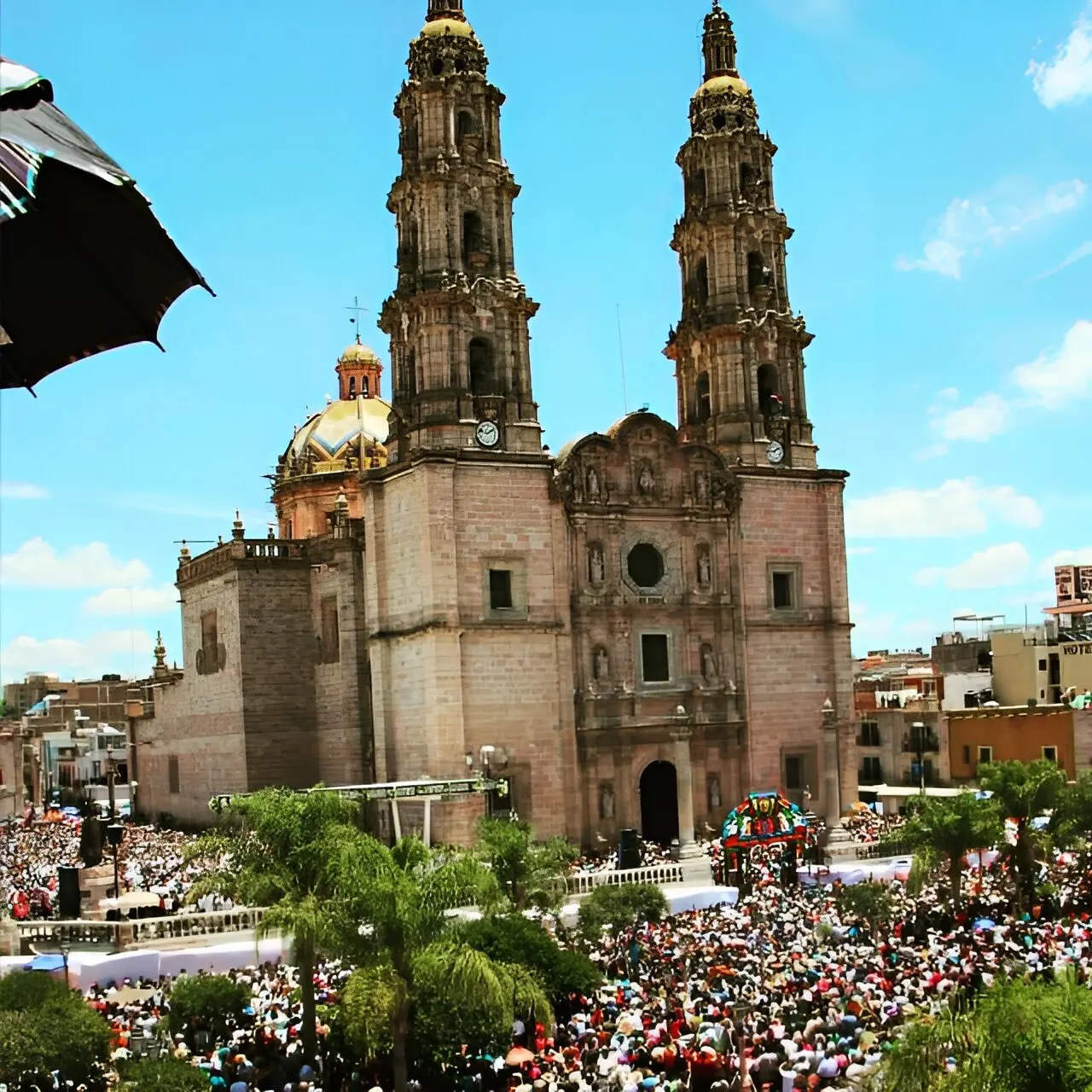
Cathedral Basilica of Our Lady of San Juan de los Lagos
San Juan de los Lagos, Jalisco, Mexico
124.0 km away

Cristo Rey, Cerro del Cubilete
Silao, Guanajuato, Mexico
212.4 km away
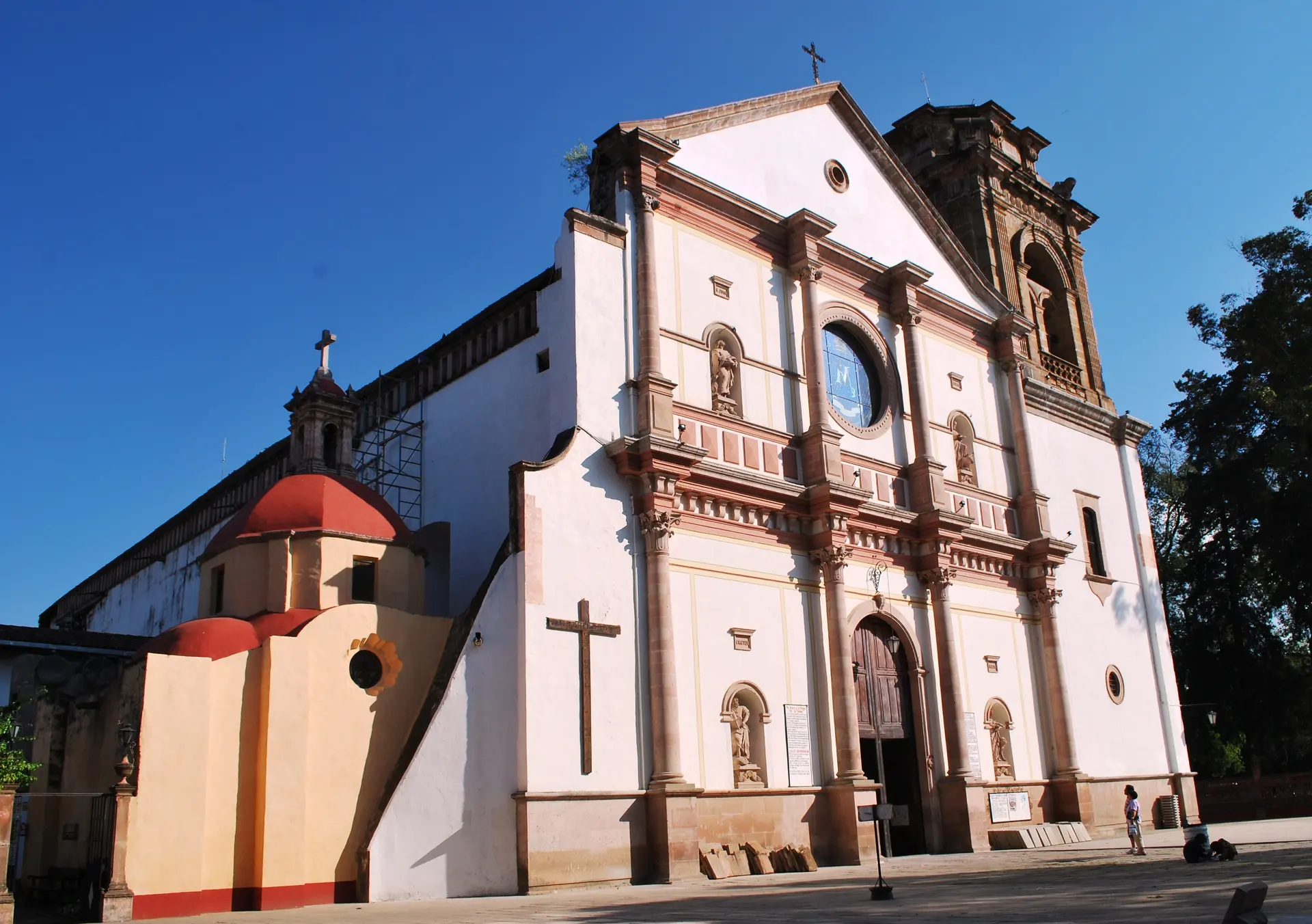
Basilica of Nuestra Señora de la Salud, Patzcuaro
Pátzcuaro, Michoacán, Mexico
229.2 km away
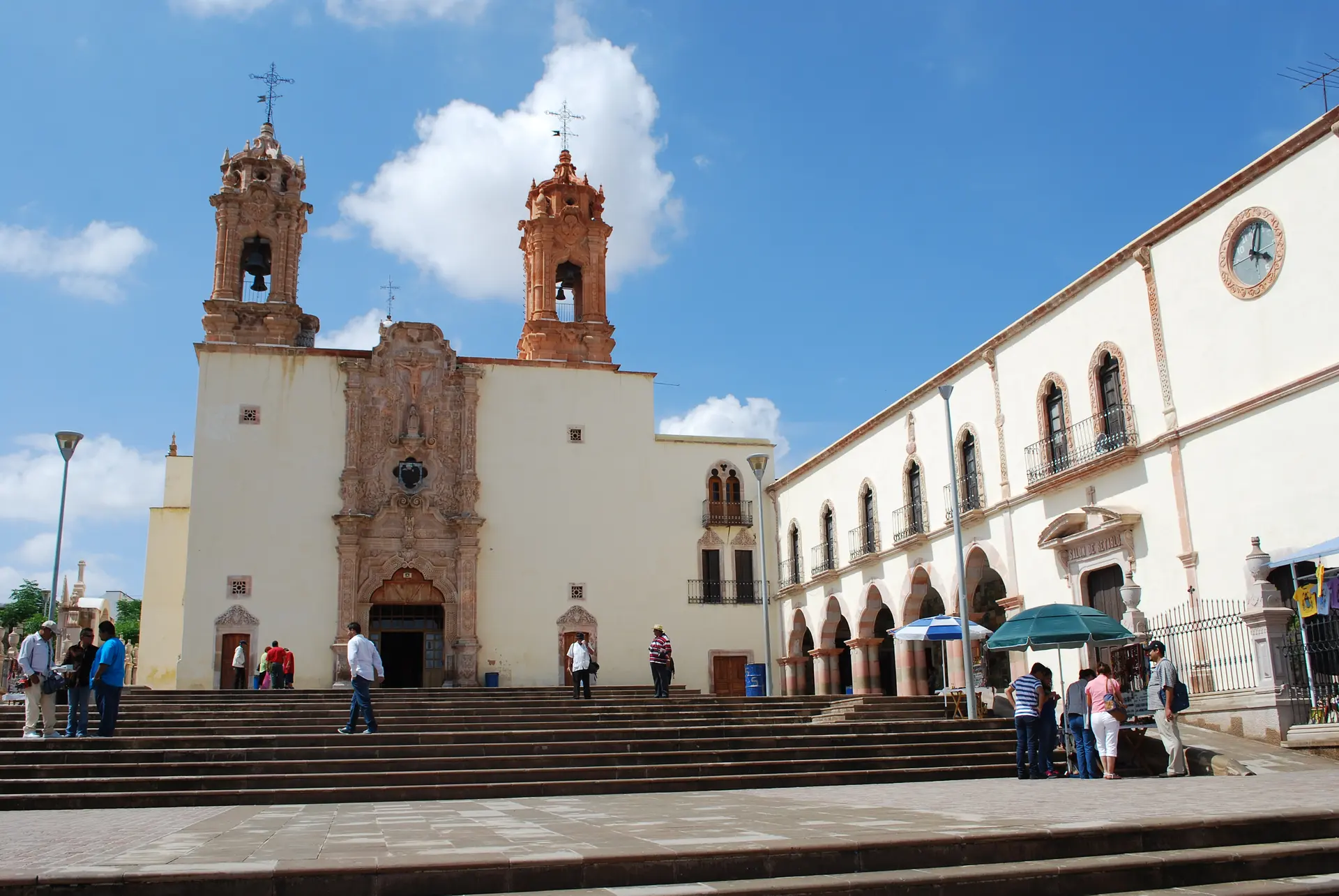
Sanctuary of the Holy Child of Atocha in Plateros
Plateros, Zacatecas, Mexico
280.4 km away
References
Sources consulted for this page. Source categories describe the publication, not a guarantee that every claim is verified. Traditional accounts and outside interpretations may differ.
- 01History and geography — Municipality of ZapopanofficialSupports the attributed account or visitor practice in the healing section; not evidence of clinical efficacy.
- 02Festivals and traditions — Municipality of ZapopanofficialSupports the attributed account or visitor practice in the healing section; not evidence of clinical efficacy.
- 03Basilica of Our Lady of Zapopan - WikipediaSource context
- 04The Pilgrimage of the Virgin of Zapopan - Google Arts & CultureSource context
- 05Basilica of Our Lady of Zapopan - Catholic Shrine BasilicaSource context
- 06For Mexico's Virgin of Zapopan - Religion NewsSource context
- 07Basilica de Zapopan - Lonely PlanetSource context
- 08Basilica de Zapopan - Visit MexicoSource context
Photo gallery
3 curated photos
Share a photo
Help visitors recognize Basilica of Our Lady of Zapopan, Guadalajara. Every submission is reviewed before publication.