Basilica of Sainte-Therese of Lisieux
A living pilgrimage basilica shaped by the Little Way
Lisieux, Calvados, France
Visit essentials
Before you go
- Access
- Consult the official sanctuary site for current opening, accessibility, group, and liturgical…
- Address
- 1 Av.
- Duration
- Allow enough time for the basilica and crypt without assuming that the wider Lisieux pilgrimage…
- Etiquette
- The basilica is an active Catholic church.
Overview
The Basilica of Sainte-Thérèse stands on the southeastern side of Lisieux as a purpose-built place of Catholic pilgrimage. Its monumental scale reflects the international devotion that followed Thérèse Martin's canonization, but the basilica remains first a church: the diocesan sanctuary schedules Mass, confession, prayer, and guided encounters with the building and its mosaics.
Pilgrims come in relation to Saint Thérèse of the Child Jesus and the Holy Face, a Carmelite whose teaching is commonly called the Little Way. Her spirituality directs attention toward trust, love, and faithfulness in ordinary life. Visitors who do not share that devotion are welcomed into an active place of worship and should allow liturgy and private prayer to set the pace.
Why this place is sacred
The sanctuary's sacred meaning is specific rather than generic. For Catholic visitors, the basilica honours a canonized saint and Doctor of the Church whose writings make holiness approachable through small acts of love. The crypt, liturgy, candles, mosaics, and pilgrim gatherings can support that encounter.
Accounts of intercession or spiritual presence belong within the testimony of the tradition. They should be attributed rather than guaranteed, and the accumulated prayers of previous visitors should not be described as a measurable force. Quiet attention is appropriate whether one comes to pray, study the art, or understand modern Catholic pilgrimage.
The basilica was built in the twentieth century to receive the growing pilgrimage associated with the canonized Saint Thérèse of Lisieux.
It continues as the central monumental church within a wider Lisieux sanctuary itinerary that also includes places from Thérèse's life.
Experience and orientation
A visit can include the upper basilica and its mosaic program, quieter prayer areas, and the crypt when open. The French protection order defines a wider architectural ensemble that also includes galleries, the campanile, the Way of the Cross, and designed grounds. This record does not absorb the Carmel, the Martin family home, or the cathedral into the same site.
During Mass, confession, processions, or organized pilgrimages, follow staff direction and leave space for participants. A historical visitor figure or a published summer schedule should not be mistaken for a real-time crowd forecast.
Use the corrected basilica coordinate near 49.1396, 0.2366. Check the official sanctuary program for current entrances, services, guided activities, and accessibility.
Context and lineage
The church was created in response to a modern pilgrimage movement centred on Saint Thérèse. Its construction and consecration belong to the institutional history of Catholic devotion in twentieth-century France.
Roman Catholic pilgrimage and Carmelite spirituality focused on Saint Thérèse's Little Way.
Saint Thérèse of Lisieux
Carmelite saint honoured by the basilica and central to its pilgrimage tradition
Pope Pius XII
Pope whose 1954 message documented the solemn consecration
Louis-Marie Cordonnier
Architect associated with the basilica's design
Traditions and practice
Catholic pilgrims pray, participate in the sacraments, seek Saint Thérèse's intercession, and visit places connected with her life in Lisieux.
The sanctuary's published summer 2026 program included daily opening, Masses, confession, prayer, guided visits, exhibitions, and selected dome visits. These dated examples demonstrate active use but do not establish today's timetable.
Begin by checking the day's official program. Enter quietly, allow worshippers privacy, and choose either participation consistent with your own faith or respectful observation from an appropriate place.
Roman Catholicism (Saint Therese pilgrimage)
ActiveThe basilica is a living Catholic sanctuary dedicated to Saint Thérèse and a major destination for pilgrims engaging her Little Way.
Mass, confession, prayer, veneration, candle lighting, guided pilgrimage, and engagement with Thérèse's writings, according to current sanctuary practice.
Perspectives and open questions
The basilica can be approached through Catholic devotion, Carmelite spirituality, modern pilgrimage history, protected architecture, and respectful cultural study.
Scholarly perspective
Institutional and heritage sources establish the church's consecration, protected ensemble, continuing program, and pilgrimage scale. Visitor totals should remain dated and attributed.
Living and traditional perspectives
Catholics venerate Saint Thérèse as a saint and Doctor of the Church and may seek her intercession while practising the trust and ordinary love associated with the Little Way.
Alternative interpretations
Claims that the building stores spiritual energy or guarantees signs such as roses are not presented as independently verifiable facts.
Open questions
Individual experiences, answered prayers, and future attendance cannot be predicted or measured by this profile.
Plan your visit
Access and arrival
Consult the official sanctuary site for current opening, accessibility, group, and liturgical information. Admission terms and available areas may change.
Use current sanctuary or local tourism information for pilgrim lodging and other accommodation in Lisieux.
Respectful visit
Wear modest clothing suitable for an active church and any weather exposure in the grounds.
Check current signs and staff guidance; avoid flash, tripods, people at prayer, confession areas, and liturgical disruption.
Use only the sanctuary's designated candles or donation arrangements; do not leave personal objects without permission.
Services, conservation, capacity, weather, or special events may restrict access to the crypt, galleries, dome, or other areas.
Do not promise miracles, touch reliquaries or liturgical objects, interrupt confession or services, or assume access to every chapel, gallery, or dome.
Current practical details
Address
1 Av. Jean XXIII, 14100 Lisieux, France
Phone
Hours
Hours, fees, and access can change — verify on the official source before you travel. Practical details last checked Jun 2026.
Location
Map loads as you approach this section.
Pilgrim reflections
A portrait of encounter, not a score
Pilgrims describe what they felt, how present they could become, and whether the place would shape a journey. There are no stars and no ranking of traditions.
No reviewed reflections yet
The first pilgrims can help describe the character of being here.
Share a reflection
Available after an account-backed “Been there.” Every reflection is reviewed before publication.
Nearby sacred places
Explore other sacred places in the region. Proximity does not establish access or travel time; check each place’s guidance.
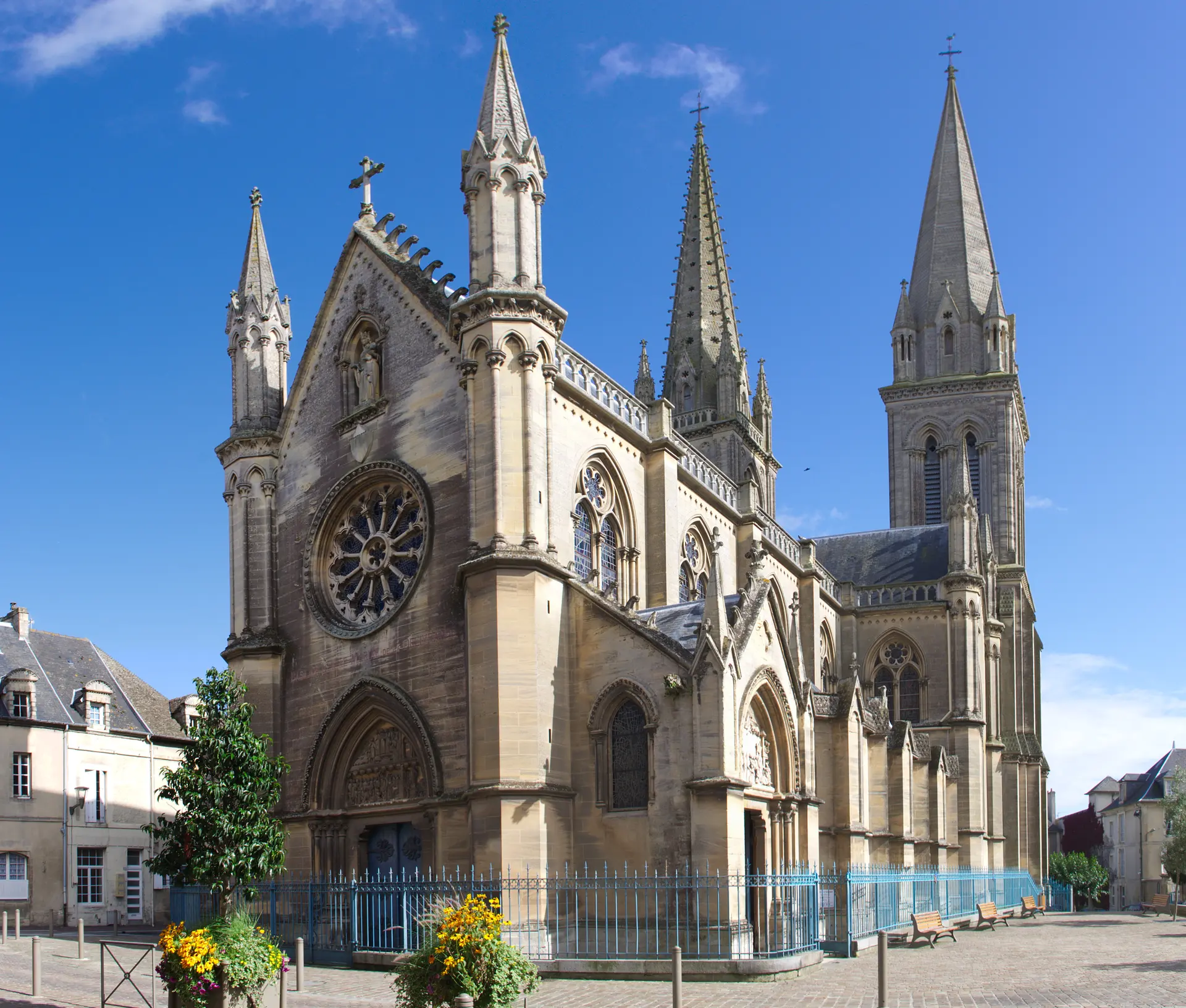
Basilica of Our Lady of Deliverance, Douvries-la-Delivrande
Douvres-la-Délivrande, Calvados, France
45.9 km away

Saint-Wandrille Abbey
Rives-en-Seine, Rives-en-Seine, Seine-Maritime / Normandy, France
58.0 km away
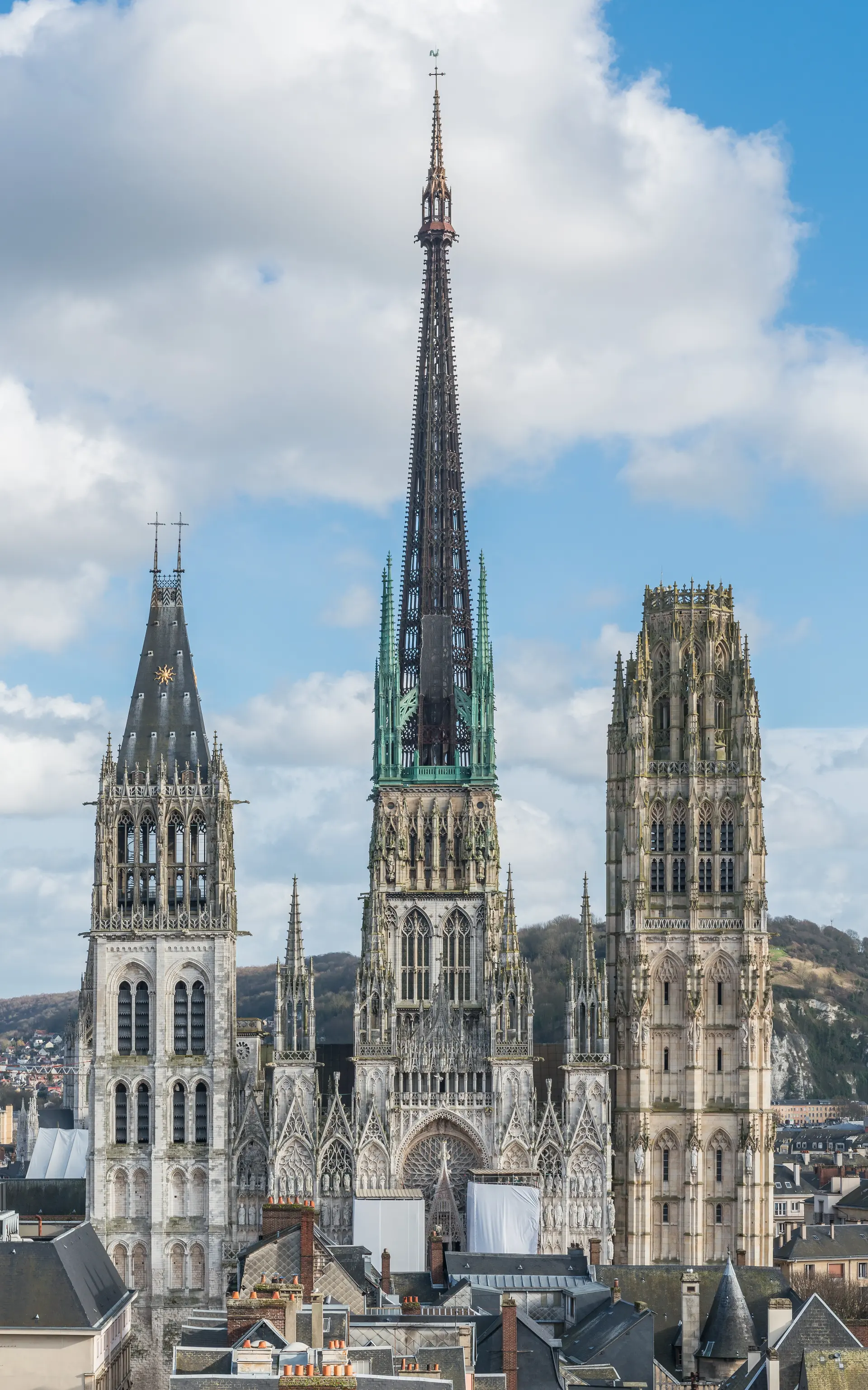
Cathédrale Notre-Dame de Rouen (Rouen Cathedral)
Rouen, Rouen, Normandie (Seine-Maritime), France
71.1 km away

Sanctuary of Notre-Dame de Montligeon
La Chapelle-Montligeon, La Chapelle-Montligeon, Orne / Normandy, France
80.0 km away
References
Sources consulted for this page. Source categories describe the publication, not a guarantee that every claim is verified. Traditional accounts and outside interpretations may differ.
- 01Sanctuary of Saint Therese of Lisieux — Diocese of Bayeux and LisieuxofficialOfficial diocesan sanctuary site for current worship, pilgrimage, and visitor information.
- 02Message-radio pour la consécration de la basilique Sainte-Thérèse de Lisieux — Pope Pius XII, Holy SeeofficialHoly See message for the basilica's solemn consecration, published 1954-07-11.
- 03La basilique de Lisieux, un haut-lieu spirituel — Église catholique en FranceofficialFrench Catholic Church account of pilgrimage importance and 780,000 visitors in 2017; published 2018-05-24.
- 04Programme de l'été 2026 — Sanctuaire Sainte-Thérèse de LisieuxofficialDated summer 2026 sanctuary program for opening, Mass, confession, prayer, exhibits, guided pilgrimage, and selected dome visits; not a perpetual schedule.
- 05Basilique Sainte-Thérèse - monument protection record — French Ministry of Culture / Géoportail de l'urbanismeofficialFrench government protection order identifying the basilica, galleries, campanile, Way of the Cross, and designed grounds; dated 2011-09-07.
- 06Basilica of Sainte-Thérèse, Lisieux - Wikipedia — Wikipedia contributorsencyclopediaBaseline general overview retained for provenance; institutional sources control identity, worship, protection, and current access.
- 07Lisieux - Basilica, Sainte-Thérèse - Normandy Tourism — Normandy TourismguideOfficial regional tourism source giving an approximate annual figure of 700,000 pilgrims and visitor orientation.
- 08The Catholic Pilgrim's Guide to Lisieux — DestinationesacademicBaseline pilgrimage-specialist guide retained for provenance; not used for current operational claims.
- 09Thérèse of Lisieux - Wikipedia — Wikipedia contributorsencyclopediaBaseline biographical overview retained; institutional Catholic sources control religious titles and pilgrimage claims.
- 10Basilica of Sainte-Thérèse, Lisieux — Wikidata contributorsacademicMachine-readable exact identity and monument coordinate near 49.1396, 0.2366, used with the government protection record and official tourism listing.
Share a photo
Help visitors recognize Basilica of Sainte-Therese of Lisieux. Every submission is reviewed before publication.