Black Madonna of Guingamp
InsideBasilica of Notre-Dame-de-Bon-Secours, Guingamp
The dark Virgin of Brittany, whose title 'Our Lady from under the earth' speaks to depths older than memory
Understand sacred places, explore living traditions, and learn how to engage respectfully with Pilgrim Map.
Access has not been verified. Check current local guidance before planning a visit.
Guingamp, Côtes-d'Armor, France
Read the sources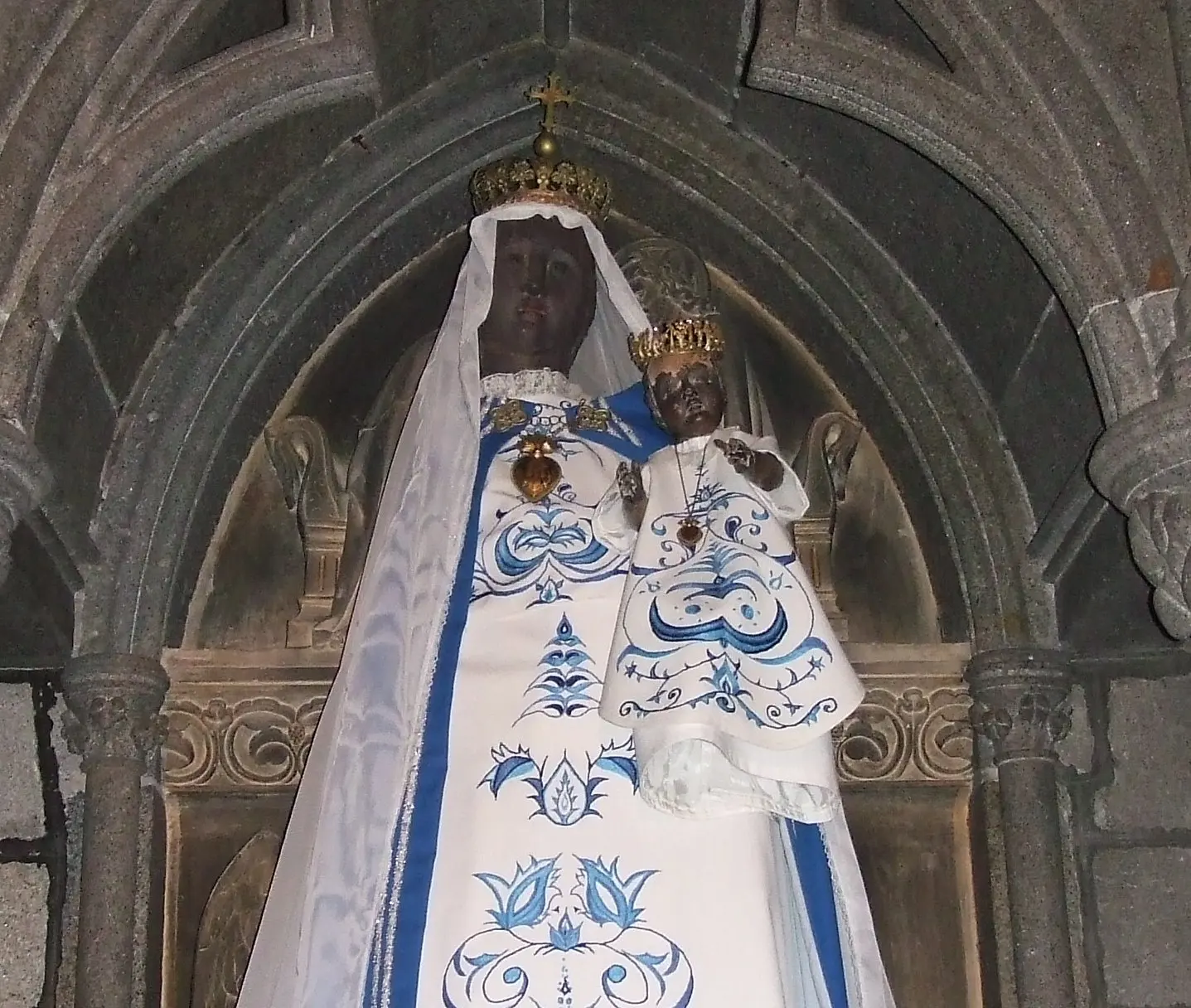
Visit essentials
A quick read before you go
- Duration
- Time with the Black Madonna ranges from 15 minutes to as long as feels right.
- Access
- Within the Basilique Notre-Dame de Bon-Secours, located in the center of Guingamp,…
Overview
The Black Madonna of Guingamp is a life-sized wooden figure painted dark; only the heads of Mother and Child survive from the earliest known version. Her titles hold the devotion's range: Notre-Dame de Bon-Secours (Our Lady of Good Help), Breton Itron Varia Gwir Zicour (Lady Mary of True Help), and the older Notre-Dame du Halgouët (Our Lady from under the earth). The last evokes a chthonic, feminine sacred presence without resolving its origin.
Tradition brings her from the East in the 12th century; Charles de Blois's patronage after his 1347–1356 imprisonment and the July Pardon carried the cult across nearly nine centuries. Pilgrims still seek her help and an encounter with the feminine divine.
Why this place is sacred
Black Madonnas appear throughout Europe, concentrated particularly in France, Spain, and Poland. Their darkness is variously explained as Eastern iconographic tradition, accumulation of candle soot over centuries, or deliberate artistic choice. What is consistent is their power: Black Madonna shrines tend to be major pilgrimage sites, drawing devotees who report unusual intensity of encounter.
The Guingamp Madonna participates in this broader tradition while carrying her own distinctive weight. Her Crusader origin story links her to the Holy Land, to the sources of Christianity itself. The journey from East to West, from Marseille to Brittany, traces a path of transmission—something carried from the center to the periphery, yet losing nothing of its power in transit.
Her chthonic title is perhaps her most distinctive feature. 'Our Lady from under the earth' has no parallel in standard Marian nomenclature. It suggests a Virgin who emerges from below, who connects to earth rather than only heaven. Some read here the trace of pre-Christian goddess worship—the earth-mother venerated in Celtic lands long before Christianity arrived, absorbed and transformed but not eliminated by the new religion.
Whether or not one accepts this reading, the title creates a quality of presence that is different from ordinary Marian devotion. There is something about her that feels like rising rather than descending, like roots rather than only branches. Visitors who sit with her often report a grounding quality, a sense of being held not only from above but from below.
The centuries of devotion have added their own weight. Duke Charles de Blois's dramatic attribution of his release to her intercession was only the most famous of many reported miracles. The papal indulgences of 1448 and 1619, the establishment of her feast as the diocese's primary pilgrimage in 1669, the formalization of her Breton title in 1676—each recognition added another layer to the accumulated sacredness.
Something has been poured into this site for nearly a millennium, and it has not dissipated.
The Black Madonna was apparently installed in Guingamp's basilica in the 12th century, following her journey from the East. From the beginning, she functioned as an object of veneration and intercession—a figure before whom the faithful could bring their needs with confidence that they would be heard. Her specific role as Our Lady from under the earth is less clear; whether this title predates her arrival or emerged from local devotion remains unknown.
The cult expanded significantly under Duke Charles de Blois's patronage in the 14th century. His personal testimony of miraculous intervention drew others who sought similar help. The formal recognition by popes added ecclesiastical authority. The Breton title adopted in 1676 rooted her firmly in local identity.
Today she functions simultaneously as Catholic sacred image, Breton cultural treasure, and—for some—access point to the feminine divine in her dark, chthonic aspect. These functions need not conflict; the Black Madonna has always been capable of holding multiple meanings.
Experience and orientation
The first encounter is often surprising. After hearing of a Black Madonna, visitors sometimes expect monumentality—but she is life-sized, human-scale, intimate. The darkness of her skin is not dramatic from a distance; it becomes powerful only when one sits close, allowing the image to work on awareness over time.
What visitors commonly describe is a quality of presence. The word 'energy' is sometimes used, though it is imprecise. More accurate might be attention—the sense that something in or through the image is paying attention to who has come. This is not projection; the reports are consistent across visitors of varying beliefs and expectations.
The darkness itself creates an effect that lighter Madonnas do not share. There is something in the dark face that refuses to be fully known, that retains mystery even in the encounter. Some find this unsettling at first; most find it becomes a doorway. The light Madonna says: 'Here I am, transparent and available.' The Black Madonna says: 'Here I am, deeper than you can fathom—come further in.'
Many report grounding. The title 'from under the earth' seems to manifest in experience. Where some sacred images lift attention upward, toward transcendence, this one also sends attention downward, toward roots, toward the body, toward the ancient earth that holds the basilica's foundations. Both movements can happen simultaneously; the Madonna seems to stand at an axis where vertical meets depth.
For those present during the Pardon, the experience intensifies dramatically. The torchlight procession the night before creates a collective container for devotion. Individual encounter with the Madonna happens within the larger field of centuries of accumulated faith. Those who have experienced both solitary visits and the Pardon often say the two are almost different phenomena—both valuable, but the Pardon revealing dimensions that solitary visit cannot access.
Approach without expectations but not without attention. The Black Madonna rewards those who sit with her long enough for the surface experience to settle and something deeper to emerge. A rushed visit misses most of what she offers.
Consider what you bring. The title 'Our Lady of Good Help' suggests petition—what do you need help with? But be prepared for the petition to shift in her presence. Sometimes what we think we need is not what we actually need, and the Madonna has a way of clarifying.
The darkness is not absence. Some visitors, conditioned by light-Madonna imagery, initially experience discomfort with the dark face. If this arises, stay with it. The discomfort often contains information—about assumptions, about what we expect the sacred to look like, about the parts of ourselves we have not fully welcomed.
If possible, visit during the Pardon. If not, know that you are sitting where thousands have sat, adding your presence to an accumulation that stretches back nine centuries. You are not alone here, even when the chapel is empty.
Context and lineage
The narrative is both precise and vague in the manner of sacred legends. A Crusader—unnamed, undated—brought the Black Madonna from the East to Marseille, and from there to Guingamp in Brittany. Why Guingamp? Why a Crusader rather than a merchant or pilgrim? The story does not say. It functions less as history than as origin myth, establishing the Madonna's foreign provenance and connecting her to the Holy Land.
The original title, Notre-Dame du Halgouët, adds another layer of mystery. 'Our Lady from under the earth' is not explained by the Crusader legend. It suggests something older, or at least different—a quality of the devotion that emerged in Brittany rather than being imported from the East. Whether this title preserves a memory of pre-Christian goddess worship, or arose from local theological emphasis, or has some other explanation, remains unknown.
The devotion received decisive expansion in 1356 when Duke Charles de Blois attributed his release from English captivity to the Madonna's intercession. He had been prisoner for nine years, praying constantly to the Black Virgin of Guingamp. When freedom came, he knew its source. His patronage—donations, public testimony, promotion of the cult—transformed a local devotion into a regional one.
The devotion has passed through nearly nine centuries without interruption, though not without challenge. The French Revolution saw destruction of religious images throughout France; the exact history of the Guingamp Madonna during this period is unclear. The current heads may date to the original 14th century statue or to a 17th century copy—scholarship has not definitively established which.
What is clear is continuity of devotion. Whether or not the physical statue has remained unchanged, the cult of the Black Madonna of Guingamp has persisted. The Pardon tradition, formalized centuries ago, continues each July. Pilgrims still come seeking the help that the title promises—and, perhaps, something more: encounter with the dark feminine divine that standard religious imagery cannot fully capture.
Charles de Blois
patron
Duke of Brittany (1341-1364), captured by the English in 1347, released in 1356. He attributed his release to the Black Madonna's intercession and became her major patron, expanding the shrine through donations and public devotion.
The Black Madonna
sacred image
The dark-skinned Madonna venerated at Guingamp since the 12th century. Her original title 'Our Lady from under the earth' suggests chthonic dimensions not typical of Marian devotion. Only the heads of Mother and Child survive from the earliest known statue.
Traditions and practice
The core practice is veneration: approaching the Black Madonna with reverence, offering prayers of petition or thanksgiving, and attending to whatever arises in her presence. Candle lighting creates a physical offering—light given in honor and hope. The torchlight procession during the Pardon transforms individual devotion into collective ritual, a river of flame carrying the faith of generations through Guingamp's streets.
Daily veneration continues throughout the year. Visitors come from across the world to sit with the Black Madonna, some for explicitly religious purposes, others seeking encounter with the feminine divine in less defined terms. The Pardon in July remains the spiritual high point, drawing Bretons home and introducing outsiders to a living tradition. Some pilgrims walk to Guingamp from elsewhere in Brittany, maintaining the physical dimension of pilgrimage.
Begin simply: sit with her. You need not know what you are doing or believe anything in particular. Simply attend—be present to the image and to whatever arises in your awareness. Let the encounter unfold at its own pace rather than rushing toward meaning.
If you have something to ask for, ask. She is called Our Lady of Good Help for a reason. But notice whether the asking shifts in her presence—whether what you thought you needed clarifies, deepens, or transforms.
Light a candle if the practice resonates. The act of offering fire is ancient, crossing traditions. There is something about giving light that opens the heart.
If you can time your visit for the Pardon in July, do so. The torchlight procession the night before is particularly powerful—a collective embodiment of faith that makes visible what the solitary visit can only intimate.
Black Madonna Veneration
ActiveThe Black Madonna of Guingamp represents the mysterious dimension of Marian devotion. Her darkness, Eastern origin story, and chthonic title mark her as different from standard Marian images. Tradition holds she was brought from the Holy Land by a Crusader in the 12th century. Duke Charles de Blois's patronage after 1356 significantly expanded her cult.
Veneration before the statue, including prayer, candle lighting, and simply sitting in her presence. Prayers of petition and thanksgiving. During the Pardon, torchlight procession carrying accumulated centuries of devotion.
Roman Catholicism
ActiveWithin Catholic understanding, the Black Madonna is the Virgin Mary in a particular local manifestation. Her intercession is real; documented miracles testify to her power. The devotion formalized in 1676 as Itron Varia Gwir Zicour integrates Catholic faith with Breton identity.
Veneration through prayer, candle lighting, and participation in masses. The annual Pardon de Notre-Dame with its torchlight procession and community celebration. Personal devotion throughout the year.
Charles de Blois Patronage
HistoricalDuke Charles de Blois (1341-1364) was captured by the English in 1347 and held prisoner for nine years. During his imprisonment, he prayed constantly to the Black Madonna of Guingamp. When released in 1356, he attributed his freedom entirely to her intercession. His subsequent patronage—donations, public testimony, promotion of the cult—transformed local devotion into regional pilgrimage.
Historical patronage and pilgrimage. Charles's example established the pattern of petition and thanksgiving that continues today.
Perspectives and open questions
The Black Madonna invites interpretation from multiple frameworks—orthodox Catholic devotion, Black Madonna studies, goddess spirituality, and cultural anthropology each offer genuine if partial insight. She is large enough to contain these varied readings.
Scholarly perspective
Scholars situate the Guingamp Madonna within the broader phenomenon of European Black Madonnas—dark-skinned Virgin images concentrated in France, Spain, Poland, and other regions. Various theories explain the darkness: Eastern iconographic tradition, Byzantine influence, deliberate artistic choice symbolizing the Song of Songs ('I am black but beautiful'), or simple candle soot accumulated over centuries.
The Crusader origin story is tradition rather than documented history. The statue's current state—only the heads surviving from the earliest known version—makes dating uncertain. The 14th century under Charles de Blois or the 17th century copy are both possible dates for what remains.
The title 'Our Lady from under the earth' has received scholarly attention but no consensus explanation. It may reflect pre-Christian goddess worship absorbed into Marian devotion, local geological features, theological emphasis on Mary's earthly origins, or something else entirely.
Living and traditional perspectives
For Catholic devotees, the Black Madonna is the Virgin Mary—Mother of God, Queen of Heaven, Intercessor for the faithful. Her darkness is secondary to her identity; whatever the color's origin, she is Mary who hears prayer and responds. The documented miracles, including Charles de Blois's release, testify to her intercessory power.
The Pardon tradition embodies this faith. When Bretons process by torchlight, wearing ancestral dress, singing prayers in French and Breton, they participate in the same devotion their grandparents and great-grandparents practiced. The faith is living, not historical.
Alternative interpretations
The Black Madonna phenomenon invites alternative readings. From a goddess spirituality perspective, she preserves the dark feminine divine within Christian dress. Her chthonic title—'from under the earth'—directly invokes the earth-mother, the goddess of depths, the sacred feminine that rises from below.
This reading does not necessarily contradict Catholic understanding; it may represent a dimension of Marian devotion that standard iconography de-emphasizes. The Black Madonna holds what the white Madonna may leave aside—the dark, the fertile, the power that dwells in earth rather than only in heaven.
Some see the Black Madonna as particularly accessible to those who have been marginalized by conventional religious imagery—those for whom the standard European Madonna does not mirror their experience. Her darkness opens doors that light imagery keeps closed.
Open questions
Genuine mysteries remain. The true age and origin of the statue cannot be established. The historical accuracy of the Crusader legend is unknown. The original meaning of the 'from under the earth' title—and whether it predates, accompanies, or follows the Madonna's arrival—is unclear. The connection between the Guingamp Black Madonna tradition and similar devotions at Chartres and elsewhere remains to be fully mapped.
These unknowns are not problems to be solved but depths to be honored. The Black Madonna holds what cannot be fully known.
Plan your visit
Access and arrival
Within the Basilique Notre-Dame de Bon-Secours, located in the center of Guingamp, Côtes-d'Armor, Brittany. Guingamp has a train station with connections to Paris and Rennes. By car, accessible via the N12.
Guingamp offers hotels and guesthouses in various price ranges. During the Pardon, book well in advance.
Respectful visit
Modest dress appropriate for a Catholic church. Shoulders and knees covered. Nothing revealing or distracting.
Permitted with discretion. No flash. Be aware of others' privacy and devotion.
Candles are available near the Madonna. A small donation is customary.
Do not touch the statue. Maintain silence in the chapel. Respectful behavior during all services.
The Black Madonna is a sacred image for those who venerate her. Approach with respect regardless of your own beliefs. Photography is permitted but should be discrete, especially when others are praying. Do not touch the statue. Remember that you are a guest in others' sacred space.
Current practical details
Address
10 Rue Notre Dame, 22200 Guingamp, France
Phone
Hours, fees, and access can change — verify on the official source before you travel. Practical details last checked Jun 2026.
Location
Map loads as you approach this section.
Pilgrim reflections
A portrait of encounter, not a score
Pilgrims describe what they felt, how present they could become, and whether the place would shape a journey. There are no stars and no ranking of traditions.
No reviewed reflections yet
The first pilgrims can help describe the character of being here.
Share a reflection
Available after an account-backed “Been there.” Every reflection is reviewed before publication.
Nearby sacred places
Explore other sacred places in the region. Proximity does not establish access or travel time; check each place’s guidance.
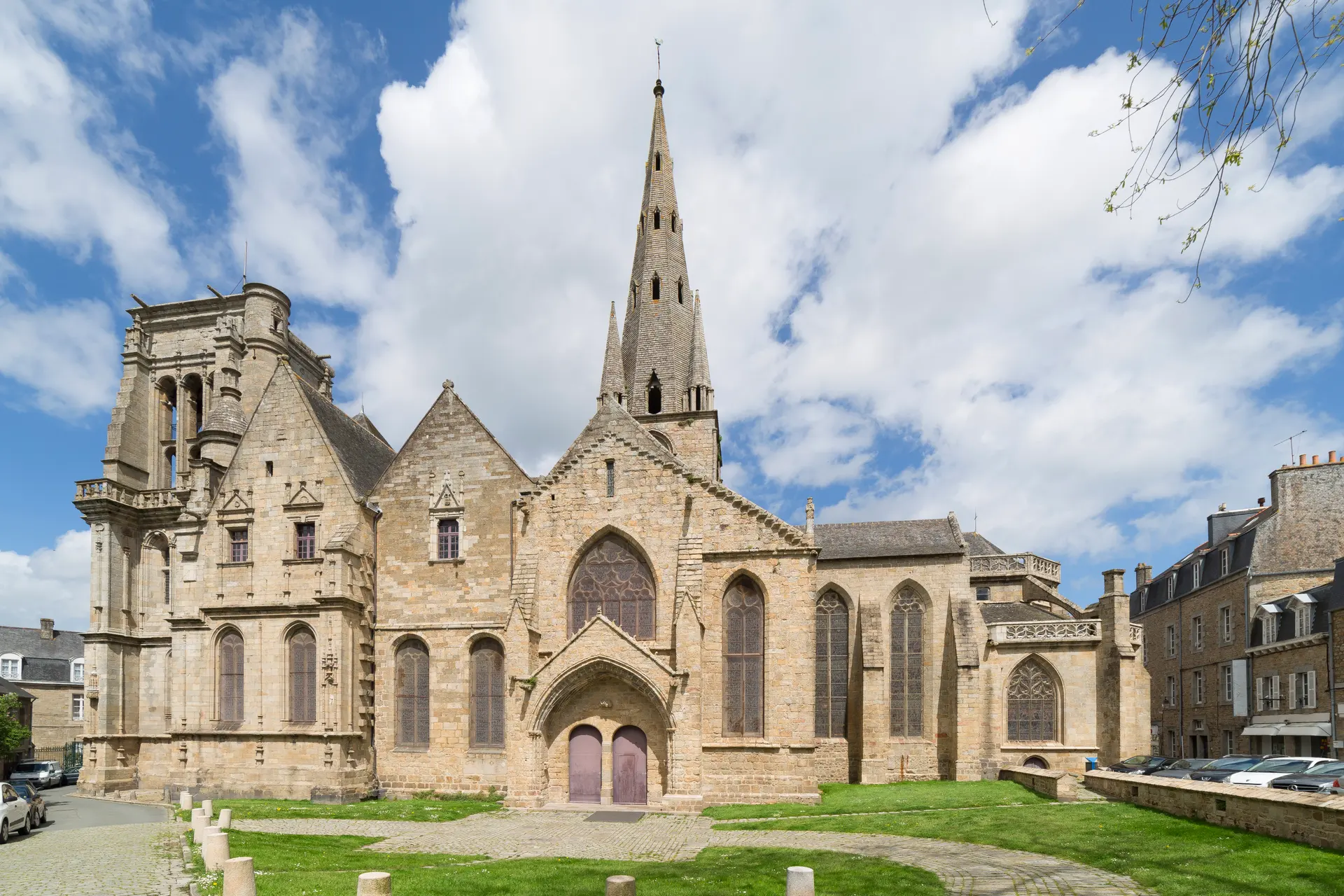
Basilica of Notre-Dame-de-Bon-Secours, Guingamp
Guingamp, Côtes-d'Armor, France
0.0 km away

Basilica of Our Lady of Deliverance, Quintin
Quintin, France
25.1 km away

Foret de Huelgoat (Huelgoat High Forest)
Huelgoat, Finistère, France
49.2 km away
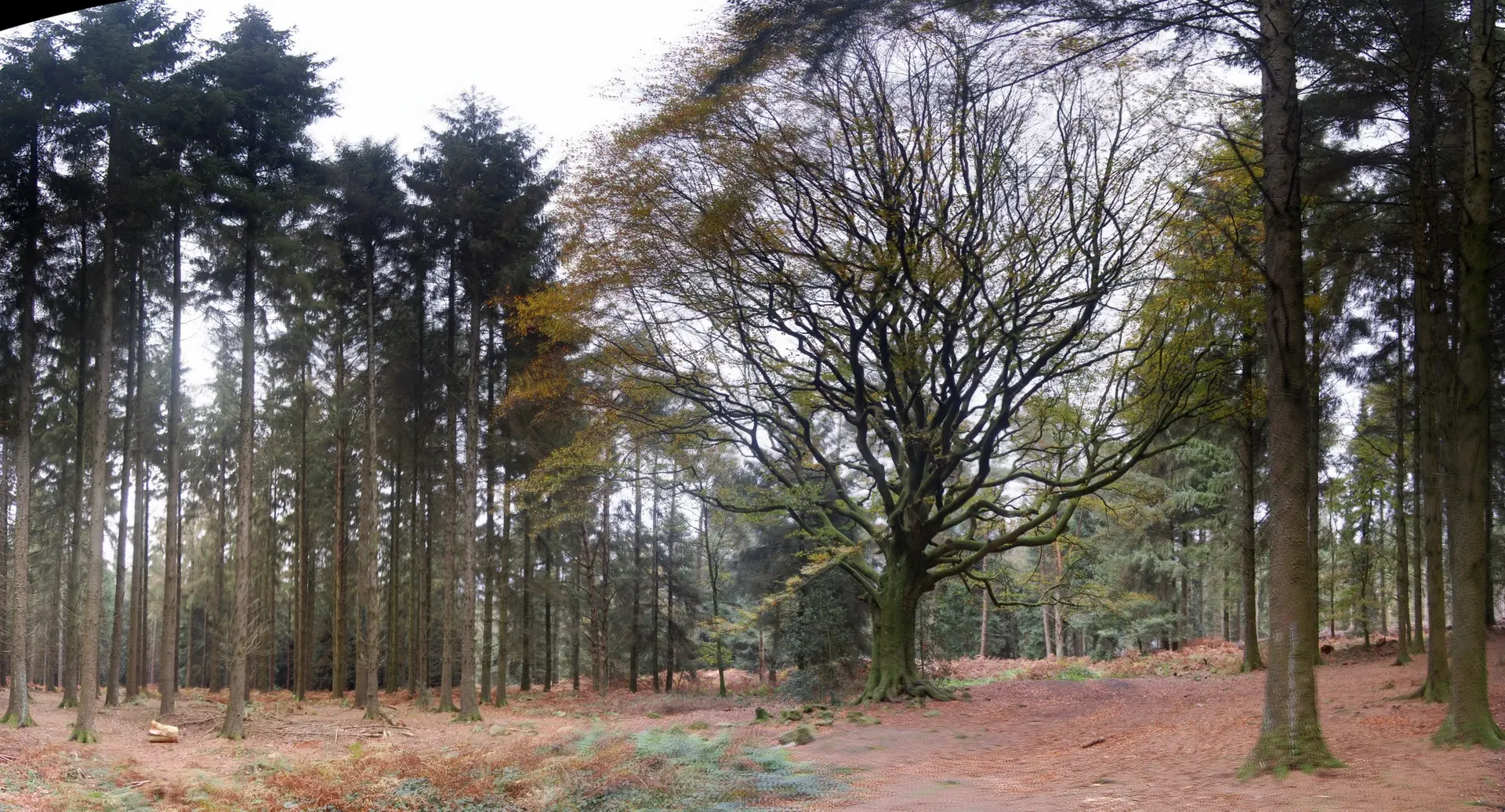
Hêtre de Ponthus
Concoret, Ille-et-Vilaine, France
88.8 km away
References
Sources consulted for this page. Source categories describe the publication, not a guarantee that every claim is verified. Traditional accounts and outside interpretations may differ.
- 01Black Madonna at Guingamp - Interfaith Mary Page — Interfaith Mary PageacademicDetailed Black Madonna tradition information
- 02Basilica of Notre-Dame-de-Bon-Secours, Guingamp - Wikipedia — Wikipedia contributorsencyclopediaHistorical context
- 03The Basilica of Notre-Dame-de-Bon-Secours in Guingamp — France This WayguideVisitor guide
Share a photo
Help visitors recognize Black Madonna of Guingamp. Every submission is reviewed before publication.