Chetinyova Mogila
Chetinyova Mogila at Starosel
Understand sacred places, explore living traditions, and learn how to engage respectfully with Pilgrim Map.
Access has not been verified. Check current local guidance before planning a visit.
Starosel, Plovdiv Province, Bulgaria
Read the sources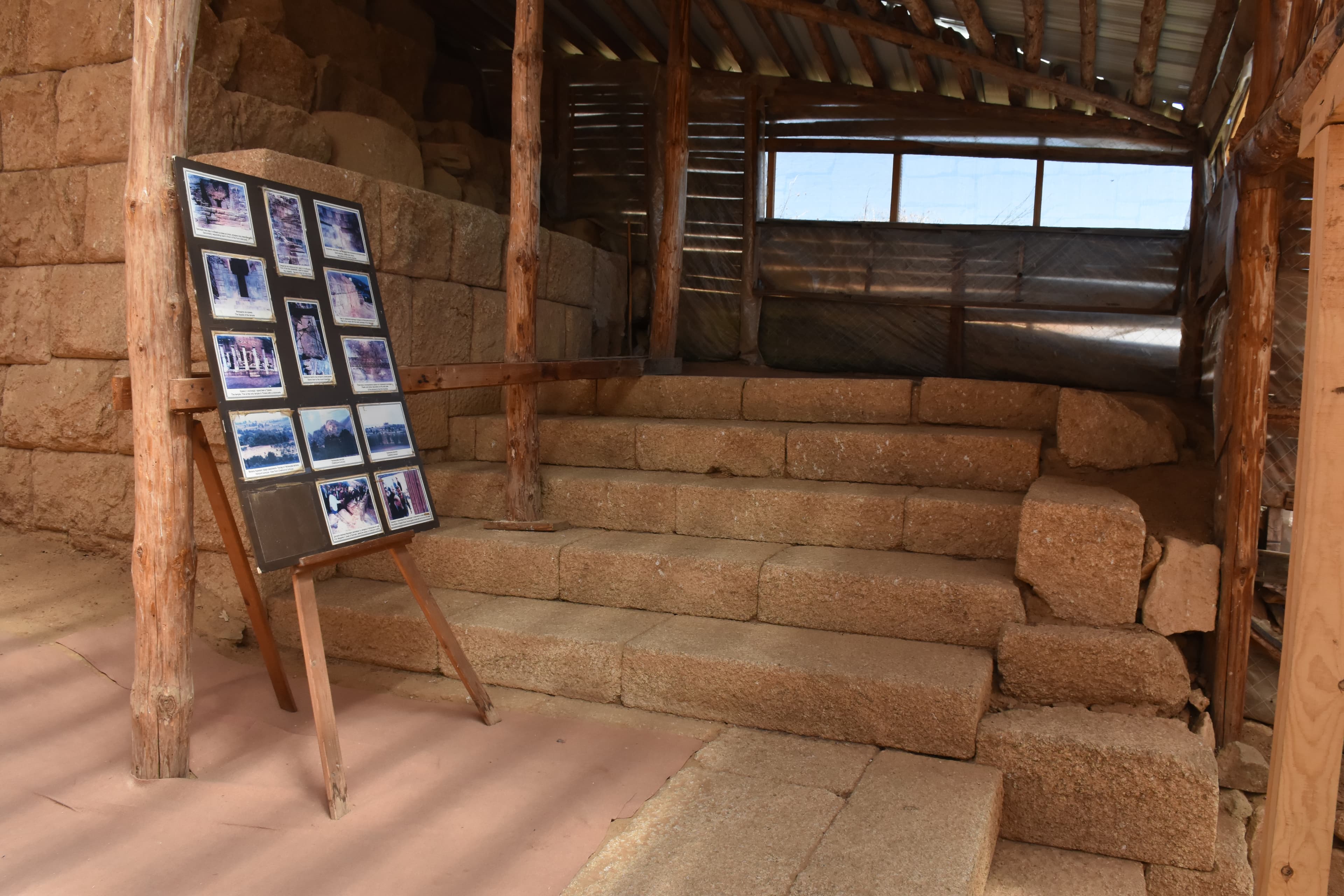
Image of Chetinyova Mogila. Image source · CC BY 4.0
Visit essentials
A quick read before you go
- Etiquette
- Do not touch decorated surfaces, climb masonry, move stones, or leave candles and offerings.
Overview
The monument was excavated in 2000 and is approached through a stepped entrance, corridor, antechamber, and circular inner chamber. A large stone crepis surrounds the mound. Georgi Kitov proposed a royal tomb later used for a deified ruler and Thracian Orphic rites, but the heritage account explicitly says this interpretation is not fully accepted and records competing construction dates.
Why this place is sacred
Visitors can attend to the enclosure wall, procession-like approach, stone doors, and chamber design without treating an archaeological reconstruction as certainty. Unresolved chronology is part of the site's scholarly record.
Experience and orientation
This page follows Chetinyova Mogila only; Horizont and the other Starosel monuments require separate identification.
Context and lineage
Chetinyova Mogila belongs to a wider concentration of Thracian sites around Starosel. The popular collective label can obscure the fact that Chetinyova and Horizont are different mounds with different architecture. This page therefore names only the Chetinyova monument and presents royal or initiatory readings as hypotheses.
Traditions and practice
Study the chamber sequence from the permitted route without imitating reconstructed rites.
Historical Thracian religion
HistoricalHistorical Thracian religion provides the archaeological context for cult and funerary interpretations; it is not an active tradition at the mound.
Perspectives and open questions
Archaeology securely documents the chamber sequence and enclosure; proposed royal and initiatory meanings remain attributed.
Scholarly perspective
The strongest evidence is the monument itself and its excavated architecture. Proposed royal ownership and ritual meaning are interpretive layers and should remain visibly attributed.
Living and traditional perspectives
Modern Thracian interpretations connect the architecture with cult and funerary ideas, but the sources preserve no living account of the ceremony.
Open questions
The monument’s precise date, occupant, and ritual sequence remain disputed.
Plan your visit
Chetinyova Mogila lies near Starosel in Plovdiv Province. Access conditions, tickets, interior entry, and conservation closures can change, so confirm current information with the site authority before travel.
Respectful visit
Wear footwear suitable for uneven archaeological terrain.
Follow current conservation and worship rules for photography.
Do not leave material offerings unless the current custodian explicitly permits them.
Respect barriers, staff instructions, and areas closed for conservation or worship.
Treat royal, Orphic, and deification readings as hypotheses rather than established ritual history.
Current practical details
Address
Selo Starosel, Chetiniova mogila, Четиньова могила, 4175 Старосел, Bulgaria
Phone
Hours
Hours, fees, and access can change — verify on the official source before you travel. Practical details last checked Jun 2026.
Location
Map loads as you approach this section.
Pilgrim reflections
A portrait of encounter, not a score
Pilgrims describe what they felt, how present they could become, and whether the place would shape a journey. There are no stars and no ranking of traditions.
No reviewed reflections yet
The first pilgrims can help describe the character of being here.
Share a reflection
Available after an account-backed “Been there.” Every reflection is reviewed before publication.
Nearby sacred places
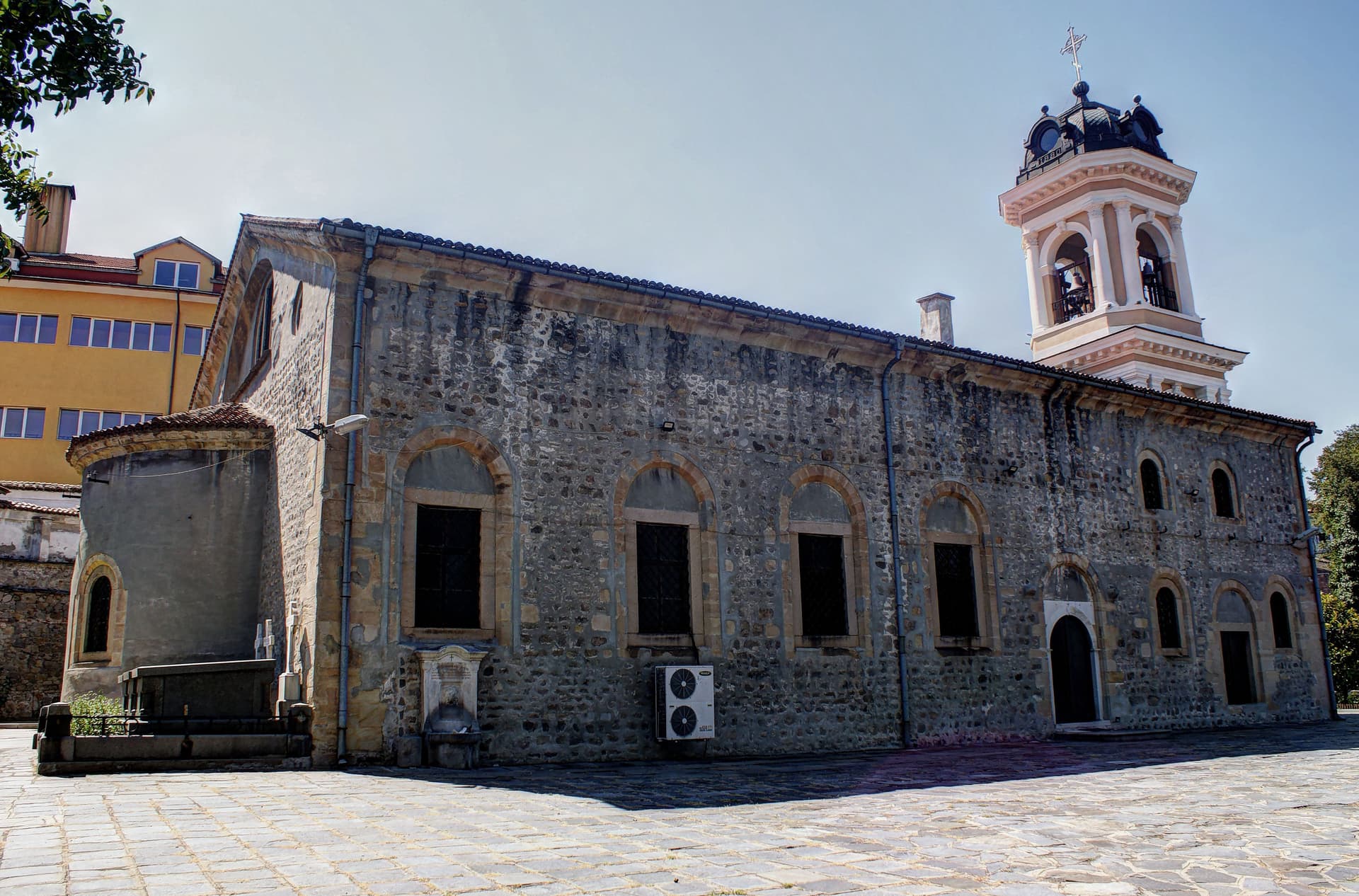
Explore other sacred places in the region. Proximity does not establish access or travel time; check each place’s guidance.



References
Sources consulted for this page. Source categories describe the publication, not a guarantee that every claim is verified. Traditional accounts and outside interpretations may differ.
- 01Thracian Cult Complex Starosel — Ancient Bulgaria cultural heritage portalofficialConfirms the Starosel complex and distinguishes its constituent sanctuaries.
- 02Thracian Cult Complex at Starosel — Ministry of Tourism of BulgariaofficialNational tourism authority context for the visitor complex; exact claims remain bounded to the central Chetinyova Mogila record.
- 03Starosel Thracian Cult Complex — Ancient Bulgaria cultural heritage portalofficialExact component distinction, architecture, debated chronology, and contested ritual interpretation. accessed 2026-09-04.
- 04File:The Starosel Thracian Cult Complex 06.jpg — Vladislav NedelevacademicRechecked 2026-09-04: Commons categorizes the subject as Chetinyova Tomb; Vladislav Nedelev's own work is licensed CC BY 4.0. Image evidence only.
Share a photo
Help visitors recognize Chetinyova Mogila. Every submission is reviewed before publication.