Country guide
Egypt
Egypt brings together sacred architecture, pilgrimage traditions, and landscapes shaped by memory, ritual, and local devotion.
46 sacred sites across 15 regions. Use the tradition links to narrow in.
Sacred journeys
Pilgrimages in Egypt
Follow routes that connect sacred places across Egypt. Mapped-place counts reflect the current atlas.
Browse by region
Explore Egypt region by region
Open a regional guide to see its sacred sites, traditions, and map.
Explore Egypt by facet
Refine the atlas
Related Egypt guides
Showing 1-46 of 46 sites in this country guide
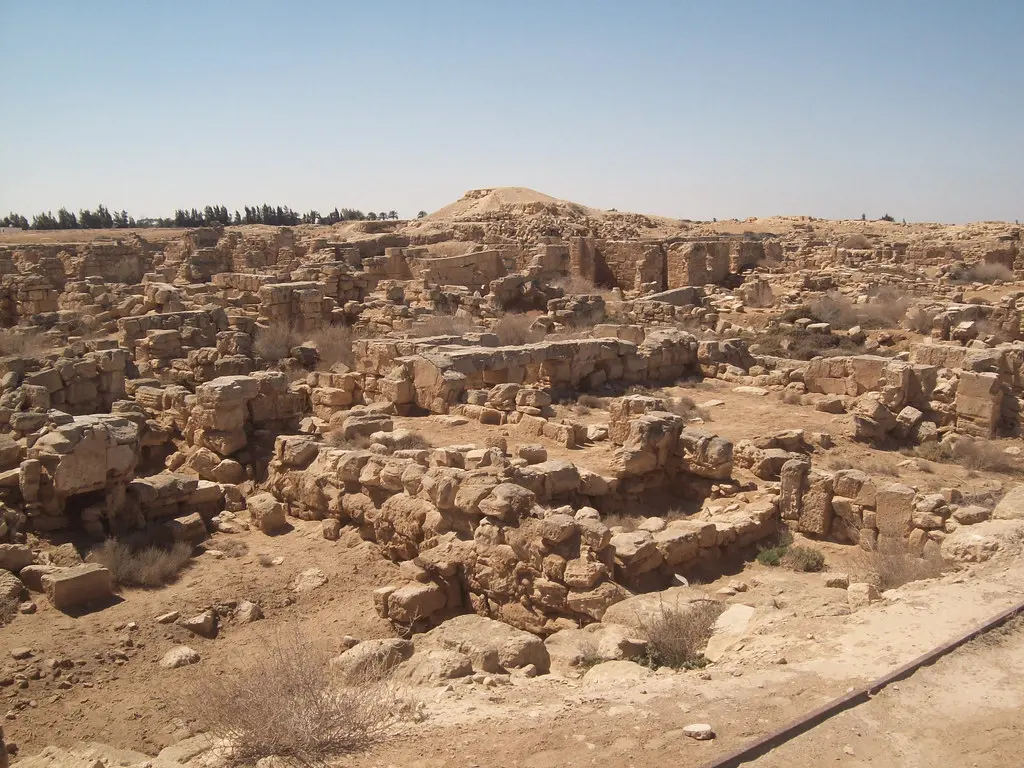
Abu Mena
Izbat Muhammad Farid, Alexandria, Egypt
In the desert southwest of Alexandria, a Roman soldier's martyrdom gave rise to one of Christianity's earliest and greatest pilgrimage centers....

Abu Simbel Temples
Abu Simbel, Aswan, Egypt
Abu Simbel stands as Egypt's supreme statement of divine kingship carved into living rock....
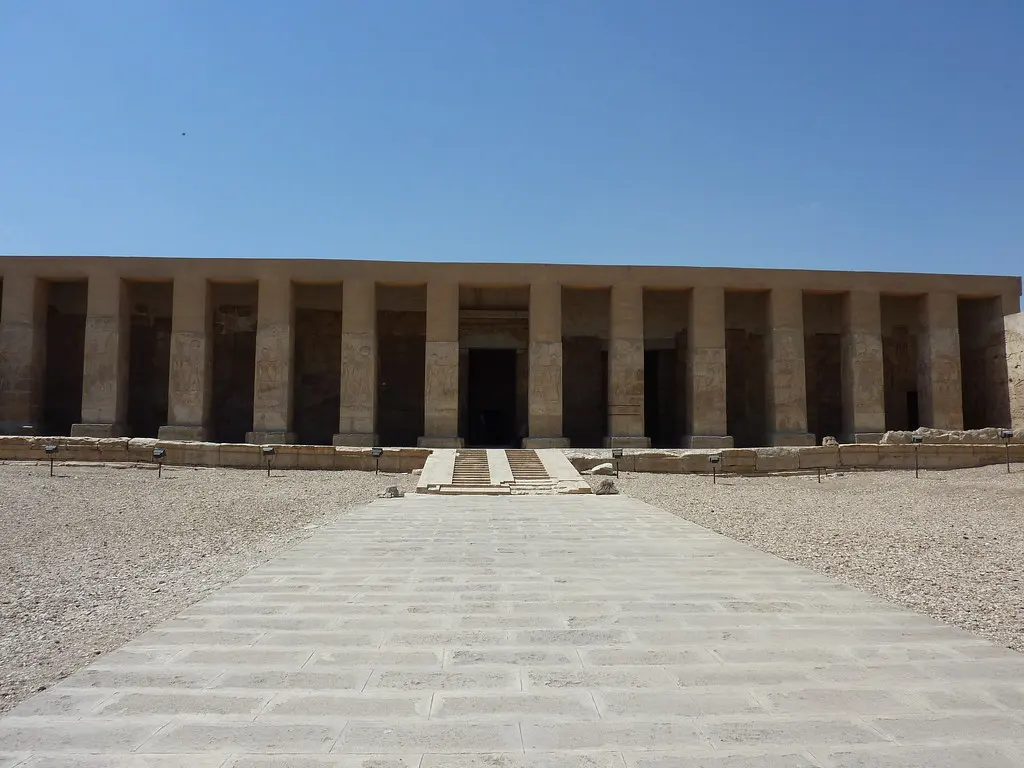
Abydos
Bani Mansour, Sohag, Egypt
The Temple of Seti I at Abydos contains what many consider the finest carved reliefs in Egyptian history, created at what ancient Egyptians believed was their holiest...
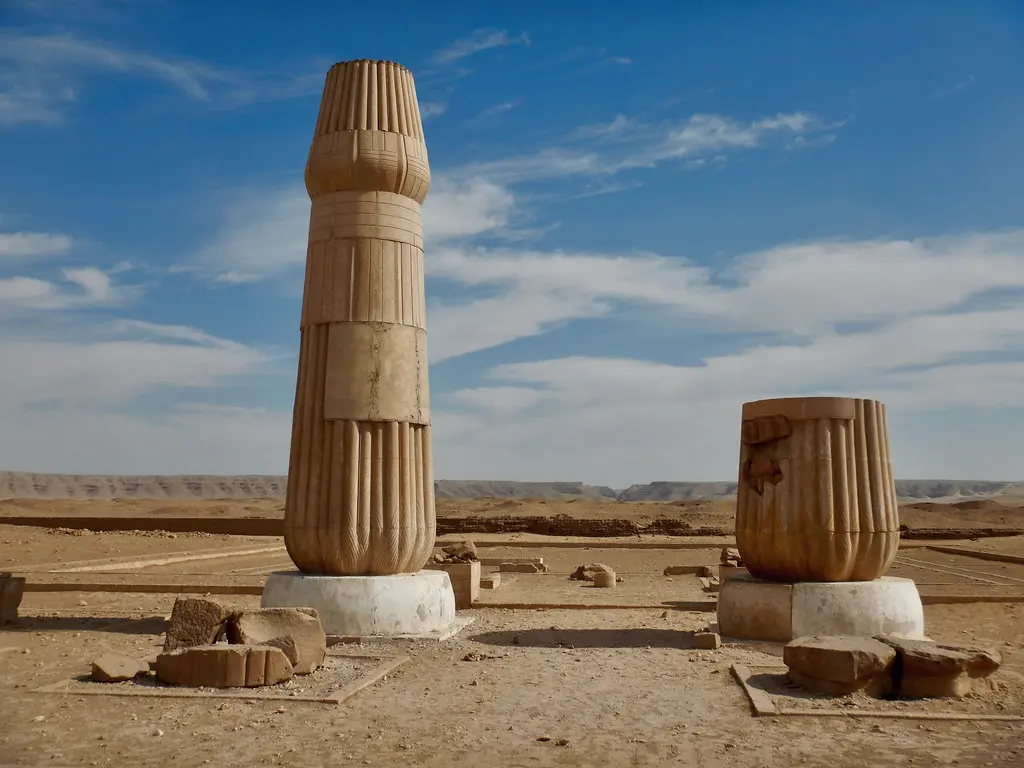
Amarna (Akhetaten)
Tel Al Amarna, Minya, Egypt
Amarna rises from the Egyptian desert as the remains of history's first experiment in monotheistic state religion....

Bent Pyramid
Dahshur, Giza, Egypt
The Bent Pyramid rises from the desert at Dahshur with a silhouette like no other: steep at the base, then abruptly shallower at the 47-meter mark....
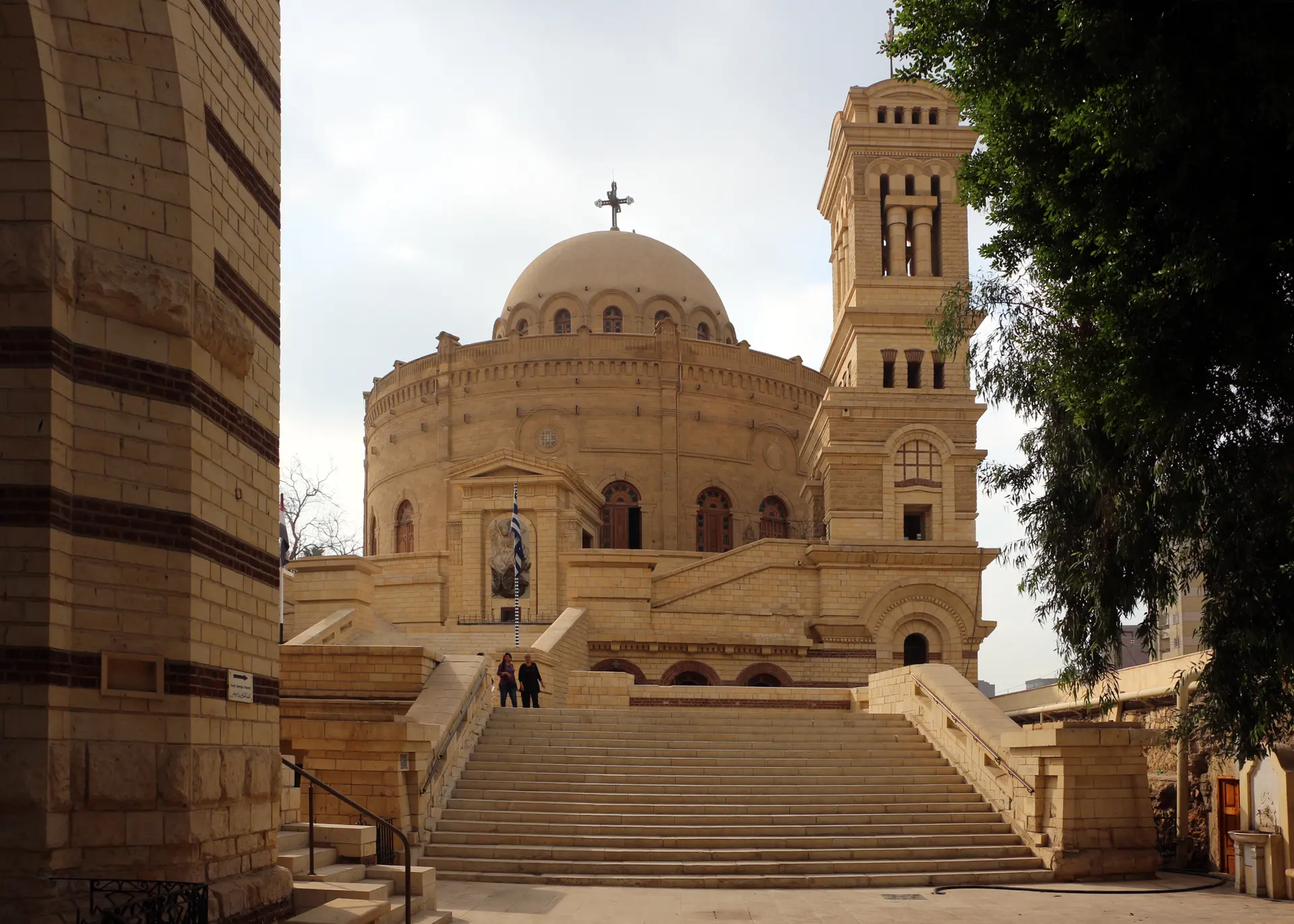
Church of Saint George, Cairo
Mit Damsis wa Kafr Abu Girg, Cairo, Egypt
The Church of Saint George in Old Cairo rises from the foundations of a Roman tower, its circular form rare in the Christian world....

Church of the Virgin Mary, Daqadus, Egypt
Mit Ghamr City, Dakahlia, Egypt
In the Nile Delta village of Daqadus, a Coptic church marks where the Holy Family rested during their flight into Egypt....

Colossi of Memnon, Luxor
Al Baairat Village, Luxor, Egypt
For centuries, one of these colossal statues sang at sunrise. Greeks and Romans traveled to Egypt specifically to hear the voice, which they believed was the hero Memnon...
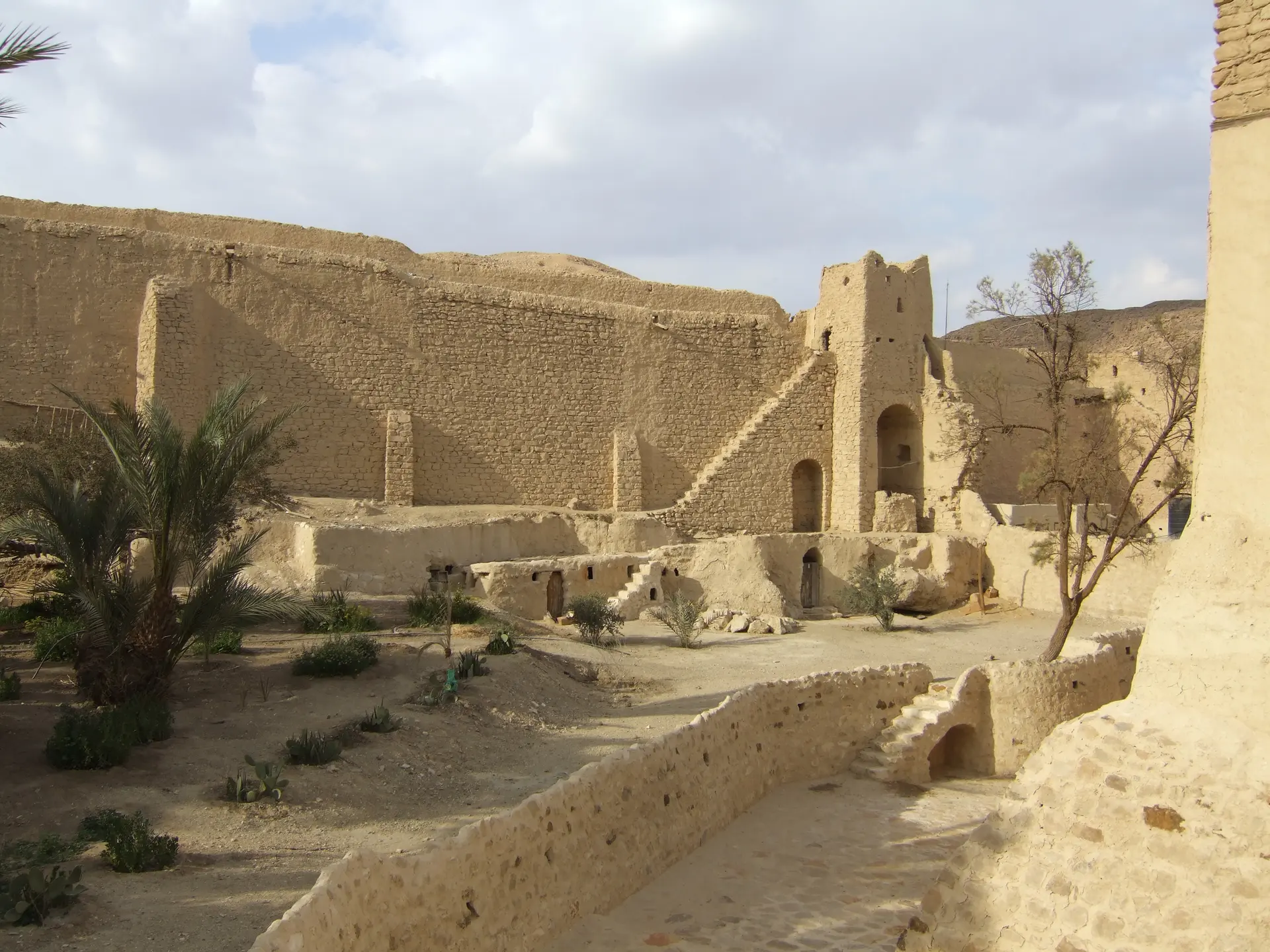
Deir Mari Bolos
Red Sea, Egypt
Within the Monastery of Saint Paul in Egypt’s Eastern Desert, a spring is associated with the saint’s solitary life....

Edfu
Idfu City, Aswan, Egypt
The Temple of Edfu survives as the best-preserved temple in ancient Egypt, a time capsule buried for centuries and now revealed in near-complete form....

Giza Necropolis
Giza, Giza, Egypt
The Giza Necropolis is the only surviving Wonder of the Ancient World. Three pyramids rise from the desert plateau—grandfather, father, grandson—each an attempt to defeat...

Great Pyramid of Giza
Inside Giza Necropolis
Giza, Giza, Egypt
The Great Pyramid rises from the Giza Plateau like a geometric mountain, its proportions so precise that modern engineers struggle to explain how 4,500-year-old technology...
Heliopolis
Qalyubia, Egypt
At ancient Heliopolis, Egyptian priests held that the first land — the Benben mound — rose from the dark primordial waters of Nun, and on it the self-created god Atum...
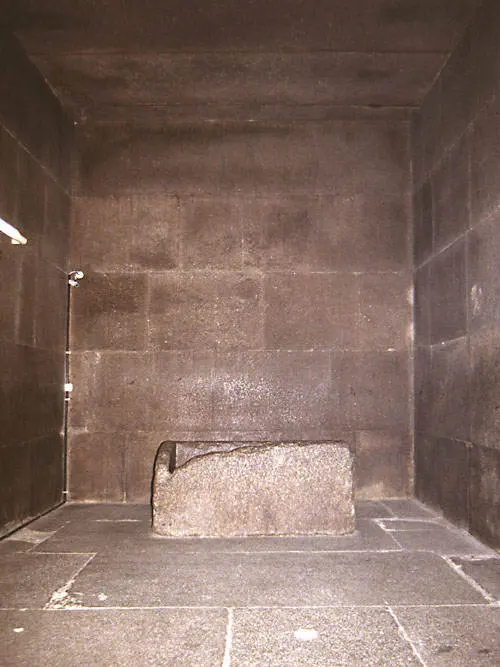
King's Chamber
Inside Great Pyramid of Giza
Giza, Giza, Egypt
The King's Chamber sits at the geometric center of the Great Pyramid, a granite room built 4,600 years ago to endure eternity....
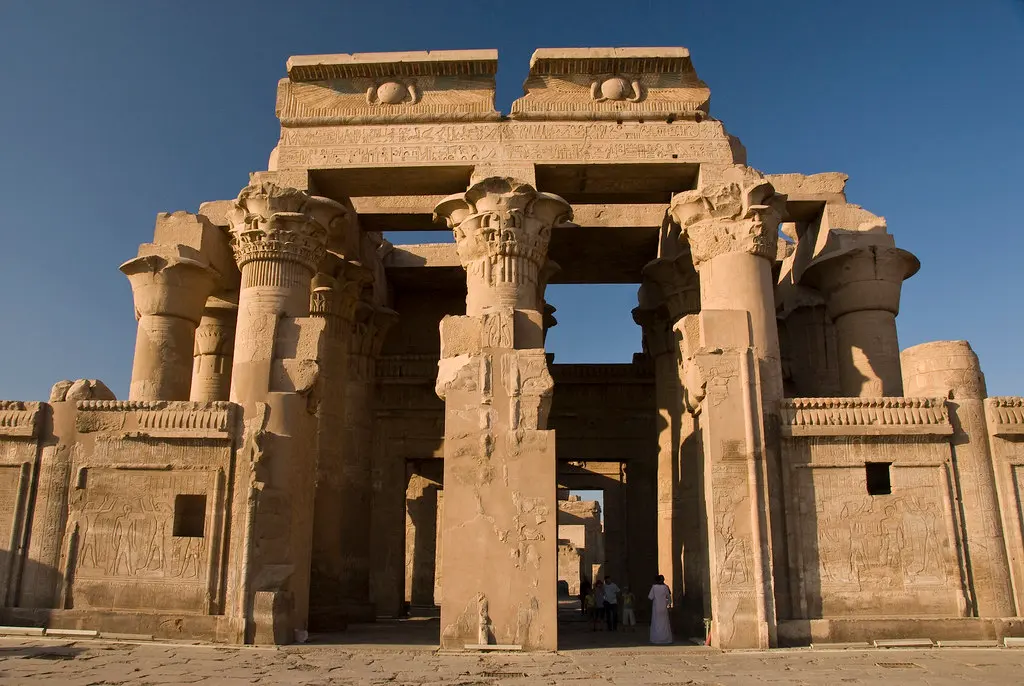
Kom Ombu
Koum Ombo City, Aswan, Egypt
The Temple of Kom Ombo stands alone in Egypt as a double temple, its perfect bilateral symmetry honoring two gods who embody opposing forces: Sobek the crocodile,...

Luxor Temple, Luxor
Luxor, Luxor, Egypt
Luxor Temple has never stopped being a place of worship. The pharaohs built it for divine renewal. The Romans converted it to emperor worship....

Medinet Habu (Mortuary Temple of Ramesses III), Luxor
Al Baairat Village, Luxor, Egypt
Medinet Habu holds what other Egyptian monuments have lost. The mortuary temple of Ramesses III preserves over 7,000 square meters of wall reliefs still bearing their...

Monastery of Saint Macarius the Great
Wadi El Natrun, Beheira, Egypt
Founded around 360 AD by Saint Macarius the Great, this Wadi El Natrun monastery is one of Christianity's oldest continuously inhabited monastic sites, historically linked...
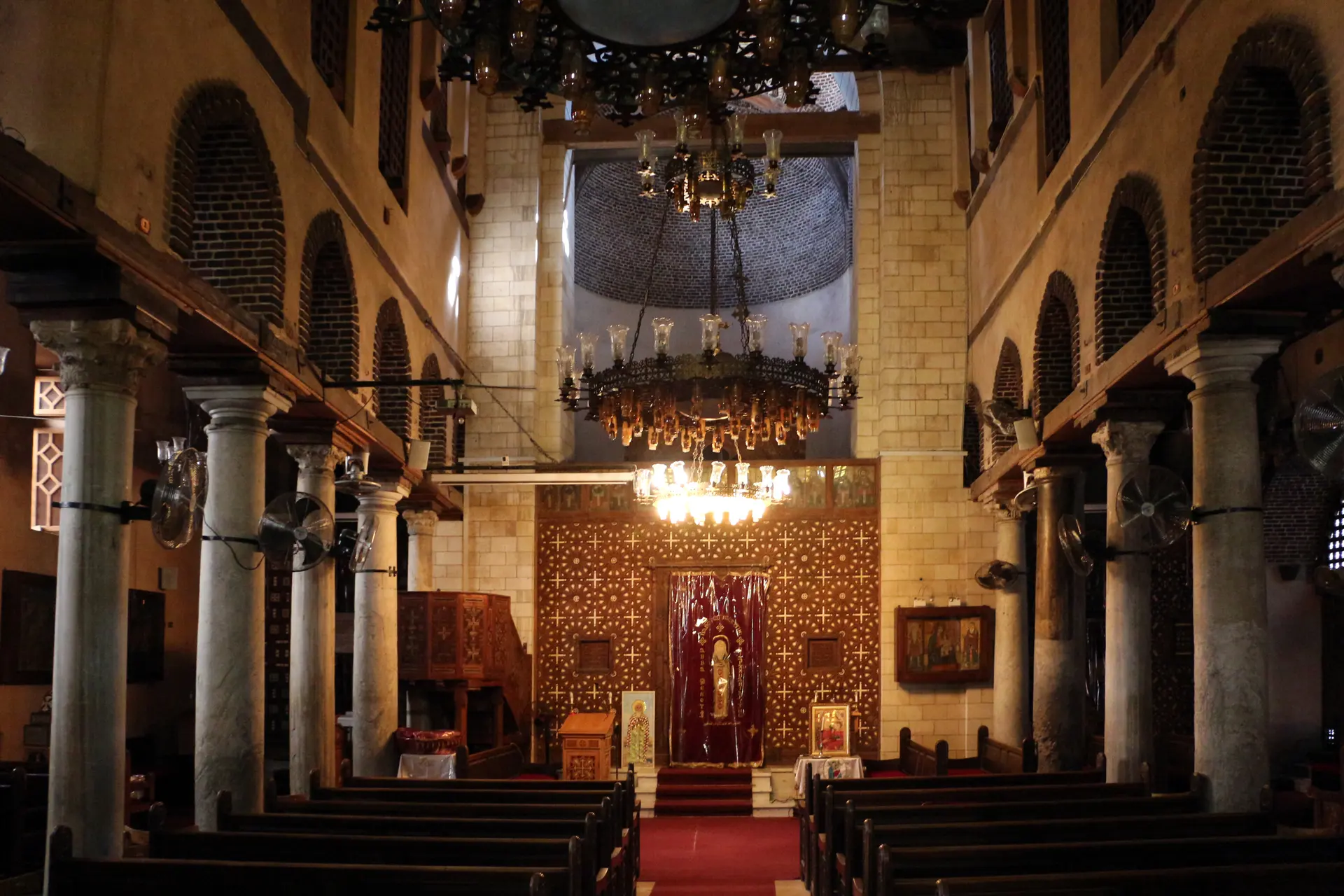
Monastery of Saint Mercurius, Cairo, Egypt
Cairo, Cairo, Egypt
Rising from the ancient quarter of Coptic Cairo, the Monastery of Saint Mercurius preserves an unbroken tradition of Christian worship spanning 1,500 years....

Monastery of Saint Minas
Izbat Muhammad Farid, Alexandria, Egypt
The Monastery of Saint Minas rises from the Egyptian desert where a miraculous camel stopped, revealing the burial site of one of Christianity's most venerated...

Monastery of Saint Pishoy (St Bishoi)
Wadi El Natrun, Beheira, Egypt
The Monastery of Saint Pishoy is one of four surviving monasteries of ancient Scetis in Egypt's Wadi El Natrun, continuously inhabited by Coptic monastics since the late...

Monastery of The Blessed Virgin Mary (Al Muharraq)
El Quseya (Al-Qusiyah), Asyut, Egypt
At the foot of Mount Koskam in Upper Egypt, Deir el-Muharraq holds the most sacred distinction in Coptic Christianity....

Monastery of the Virgin Mary, Deir Dronka
Durunka, Asyut, Egypt
Deir Dronka is a Coptic Orthodox monastery built into a mountainside cave near Assiut, venerated in popular tradition as the southernmost point reached by the Holy Family...
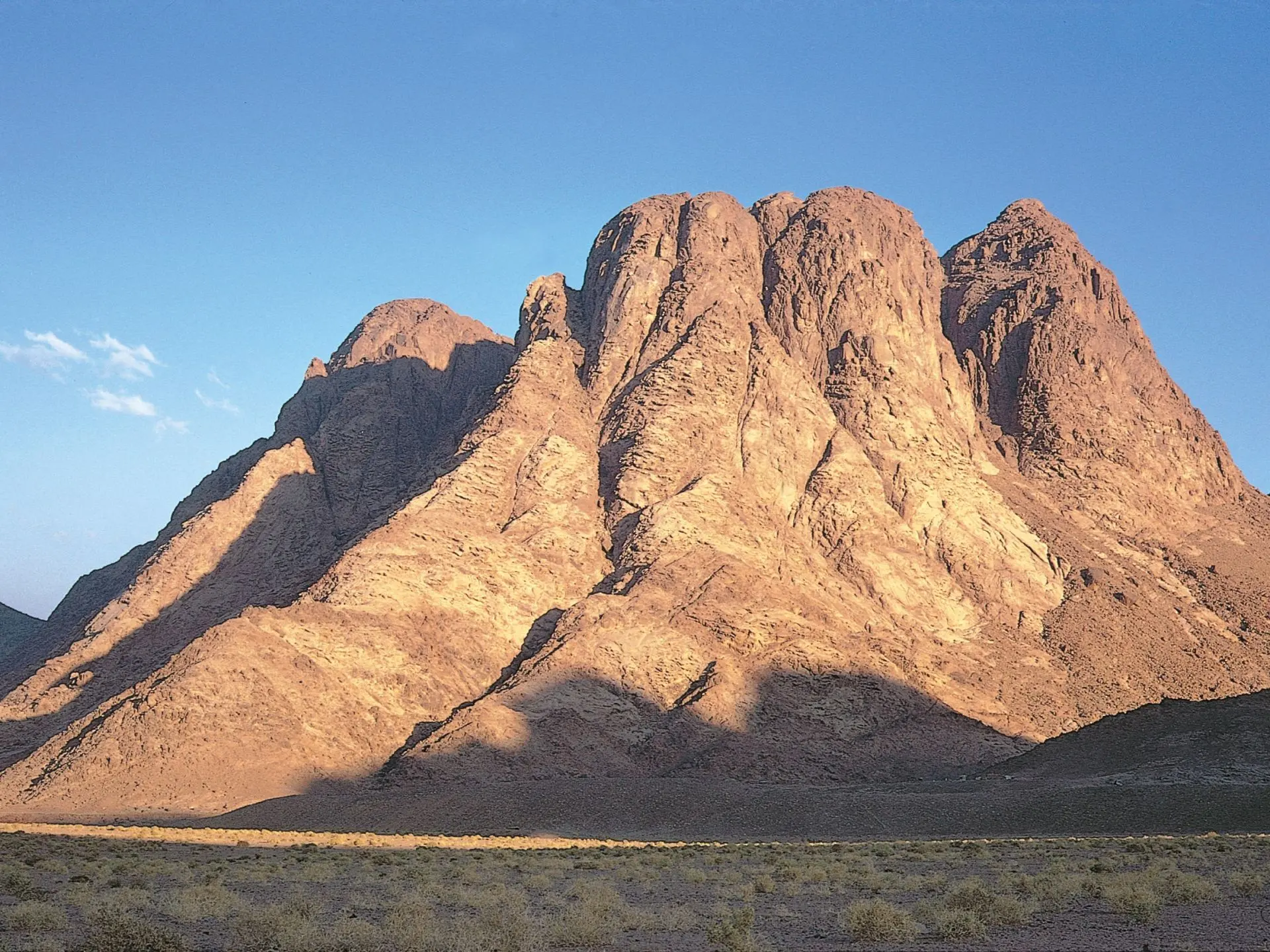
Mt. Sinai
Saint Catherine, South Sinai, Egypt
Mount Sinai is where God descended in fire and smoke to give humanity the Ten Commandments, according to scripture sacred to three billion people....
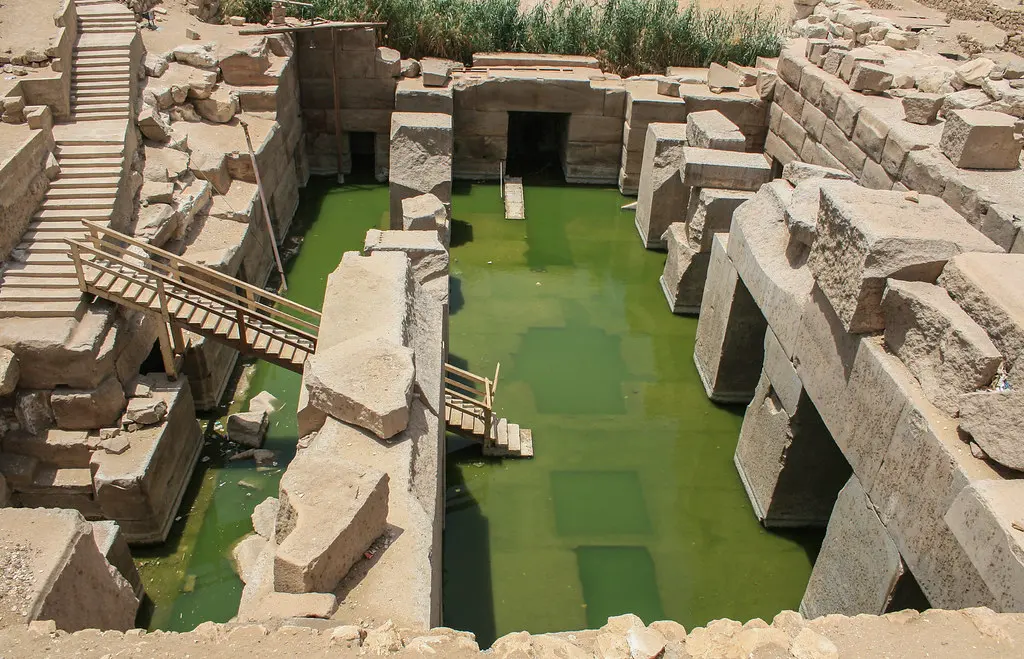
Osireion
Part of Abydos
Abydos, Sohag, Egypt
The Osireion is an underground structure behind the Temple of Seti I at Abydos, built as a symbolic tomb for Osiris....

Philae Temple, Aswan
Shash, Aswan, Egypt
Philae Temple stands where ancient Egyptian religion drew its final breath. Here the last hieroglyphic inscription was carved in 394 CE....

Pyramid of Djoser
Saqqara, Giza, Egypt
Before Giza, before the true pyramids, there was this: six limestone tiers rising from the desert at Saqqara, humanity's first monumental stone building....

Pyramid of Khafre
Giza, Giza, Egypt
The Pyramid of Khafre appears to be the tallest at Giza, though it is not. Built on bedrock ten meters higher than his father Khufu's monument, Khafre's pyramid creates an...
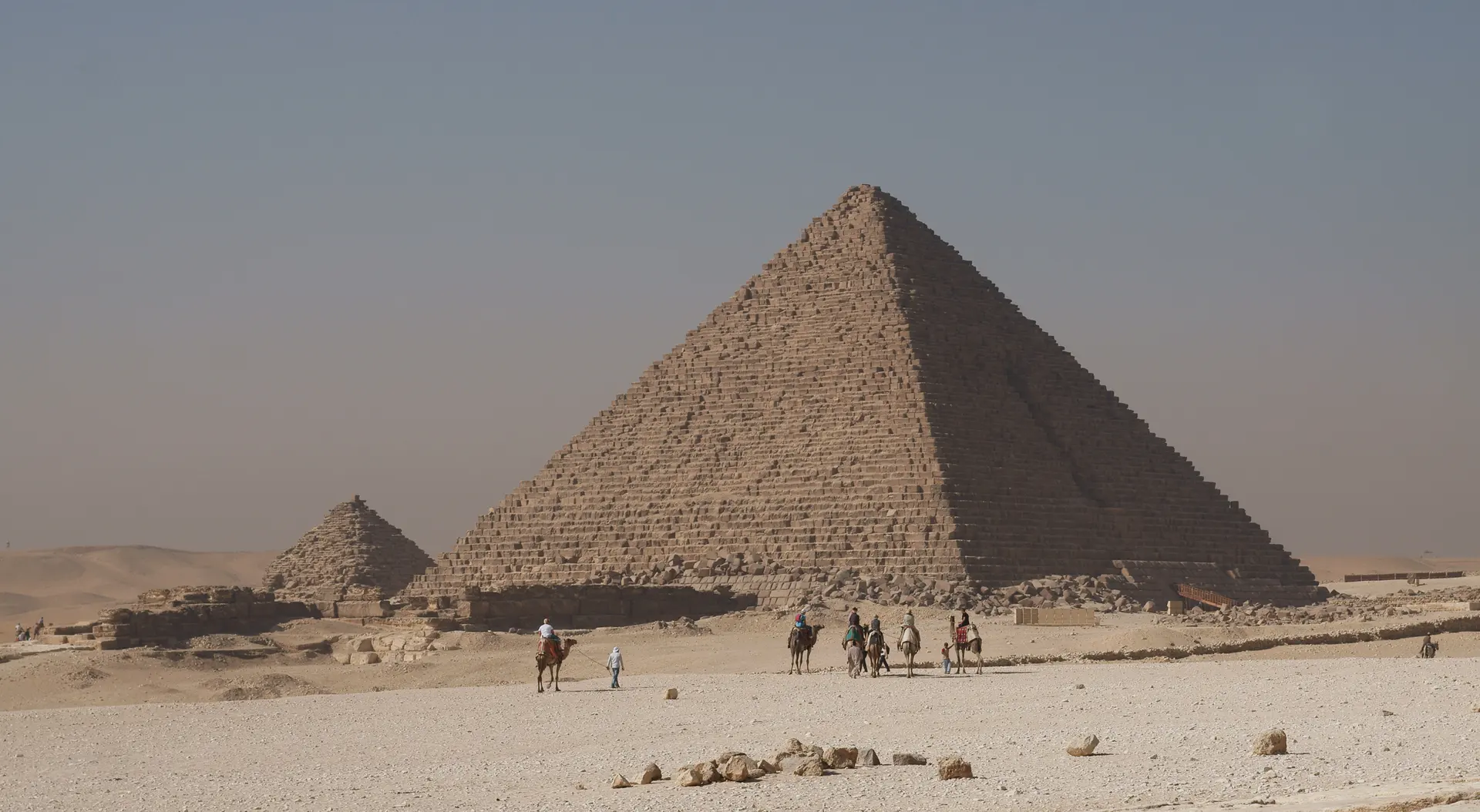
Pyramid of Menkaure
Giza, Giza, Egypt
The Pyramid of Menkaure completes what three generations of pyramid builders began at Giza....
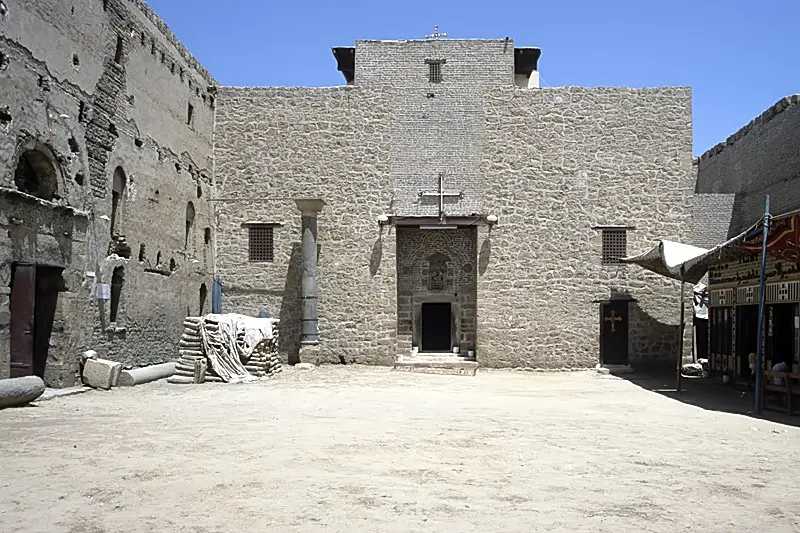
Red Monastery, Sohag, Egypt
Jouhayna City, Sohag, Egypt
The Red Monastery near Sohag preserves the most complete program of late antique Christian wall paintings in the Mediterranean world....
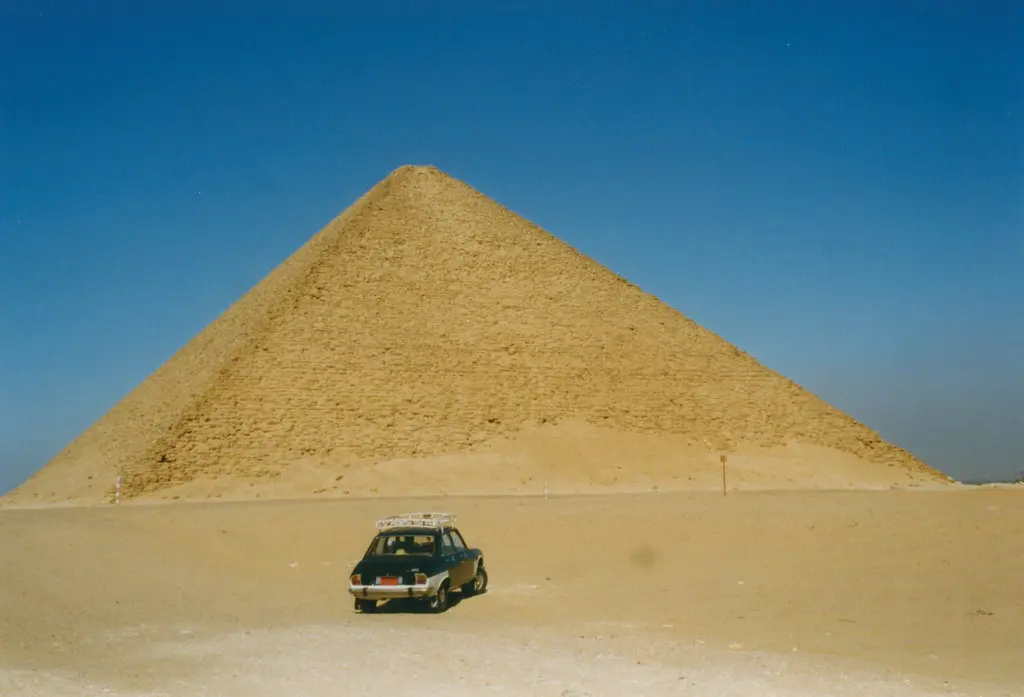
Red Pyramid
Dahshur, Giza, Egypt
The Red Pyramid stands as proof of mastery achieved. After the collapsed pyramid at Meidum and the necessary angle change at the Bent Pyramid, Sneferu's engineers finally...
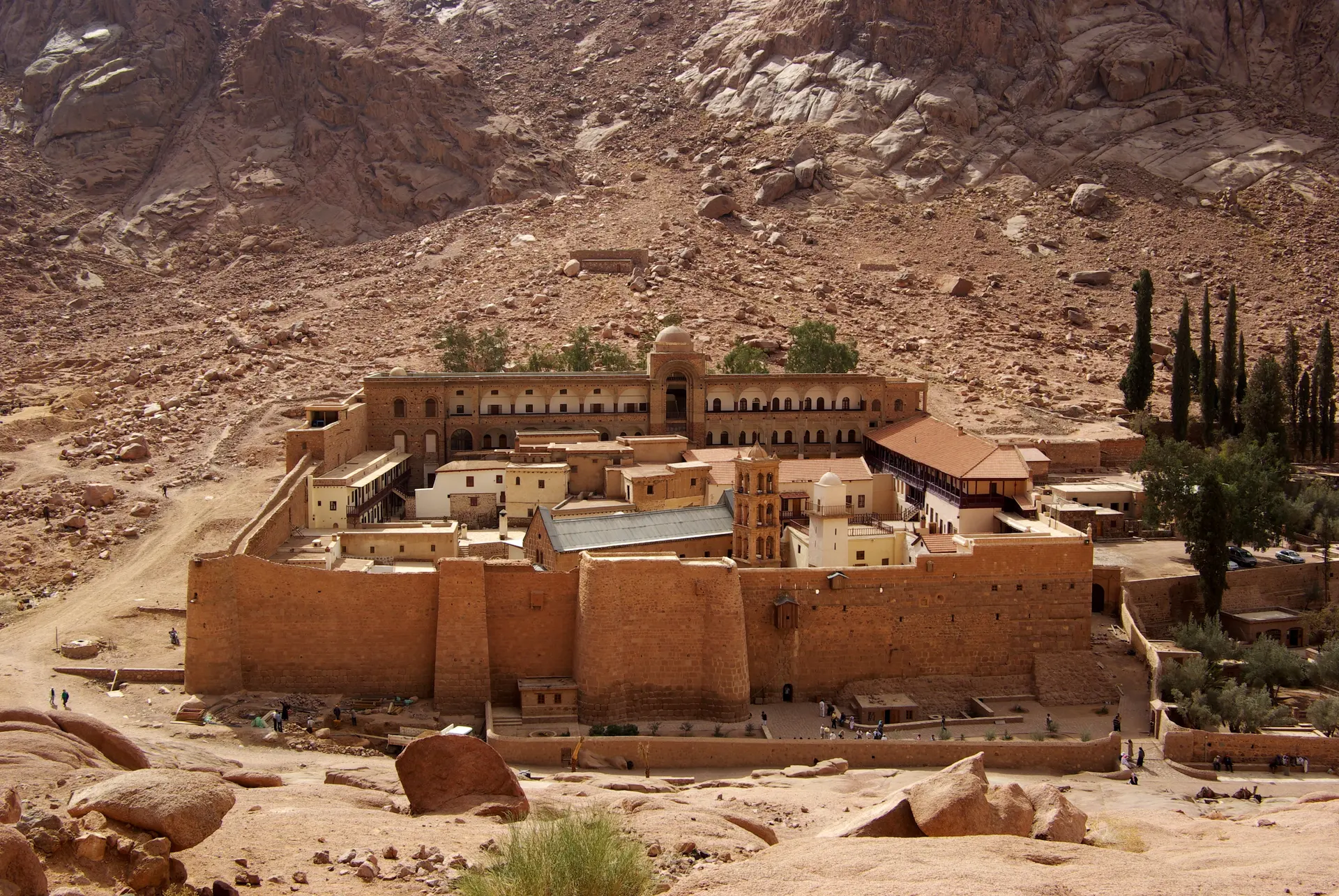
Saint Catherine's Monastery, Mt. Sinai
Saint Catherine, South Sinai, Egypt
Saint Catherine's Monastery has stood at the foot of Mount Sinai for nearly fifteen centuries, making it the world's oldest continuously operating Christian monastery....
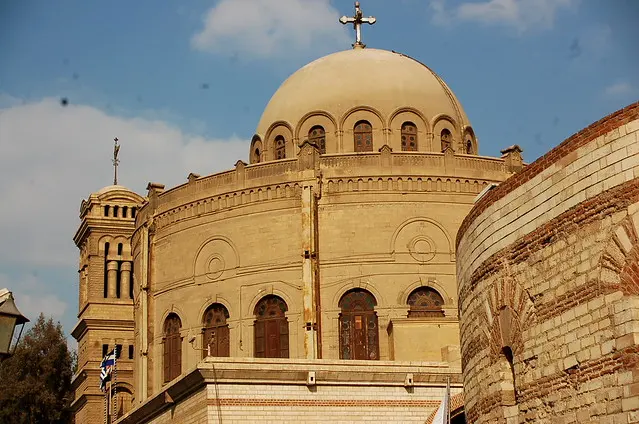
Saints Sergius and Bacchus Church (Abu Serga)
Old Cairo, Cairo, Egypt
Abu Serga is a Coptic Orthodox church in Old Cairo built atop the Roman fortress of Babylon, its exact founding date disputed between a 4th-5th century popular tradition...
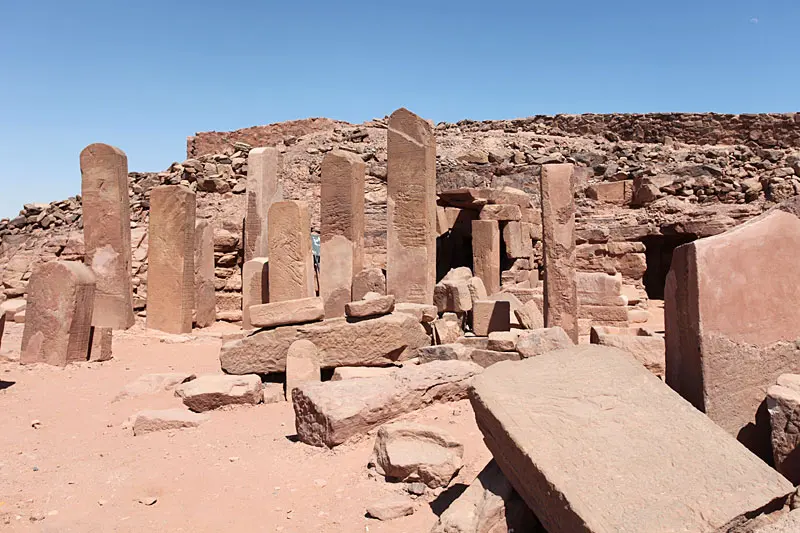
Serabit el-Khadim
South Sinai, Egypt
High on a sandstone plateau in the Sinai desert stands the only temple to Hathor ever built outside mainland Egypt....

Serapeum of Saqqara
Abu Sir, Giza, Egypt
Descend into the earth at Saqqara and enter the burial halls of the Apis bulls—living gods who walked the streets of Memphis as incarnations of Ptah the creator....
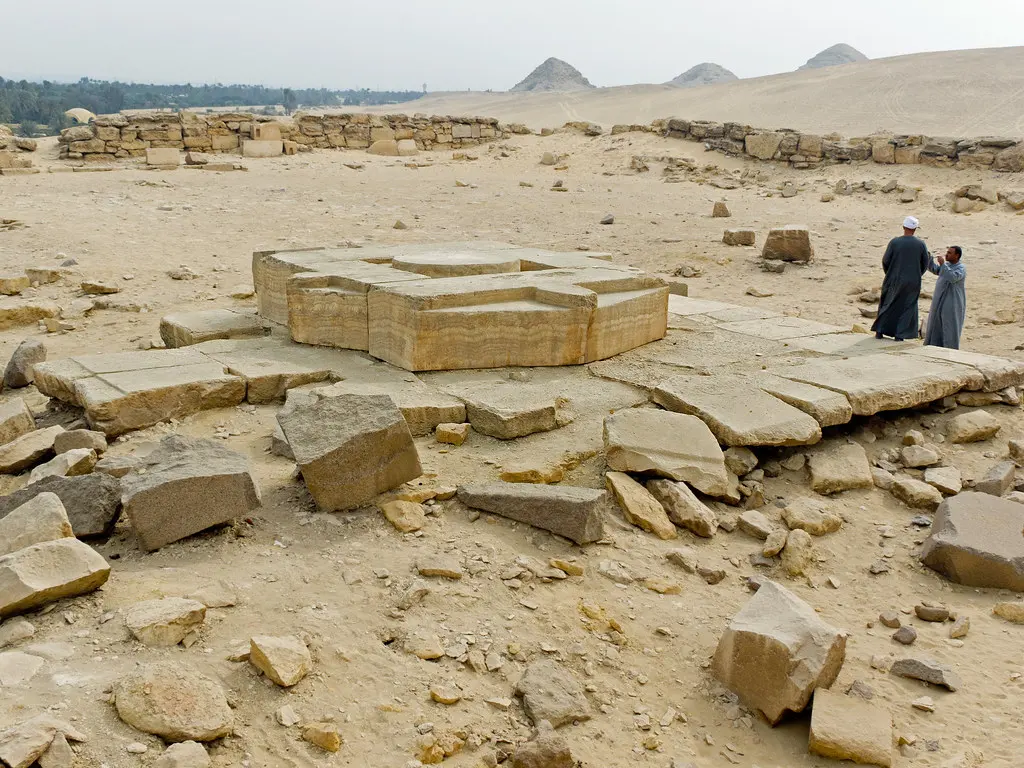
Sun Temple of Niuserre, Abu Girab
Abu Sir, Giza, Egypt
The Sun Temple of Niuserre at Abu Ghurob is one of only two surviving Fifth Dynasty sun temples, out of at least six that once existed....
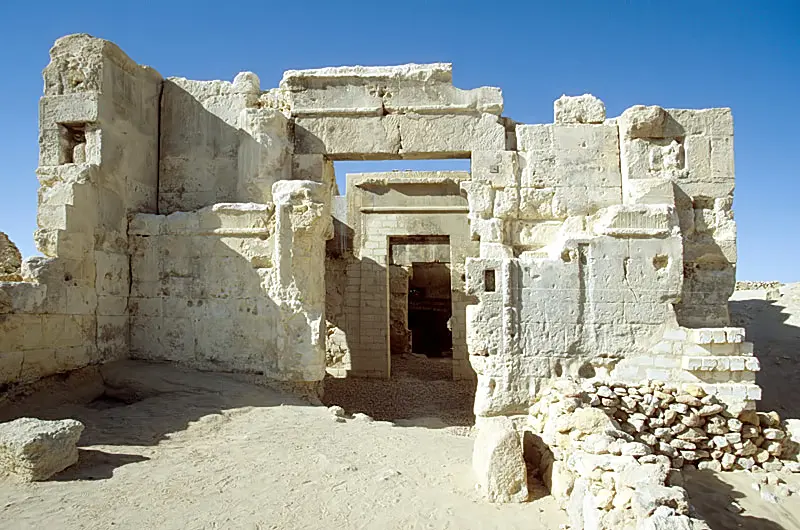
Temple of Amun (Amon Temple), Siwa Oasis
أغورمي, Matruh, Egypt
Deep in the Western Desert, an oracle once spoke from this remote oasis temple. Pilgrims crossed hundreds of miles of lethal terrain to hear the god's pronouncements....
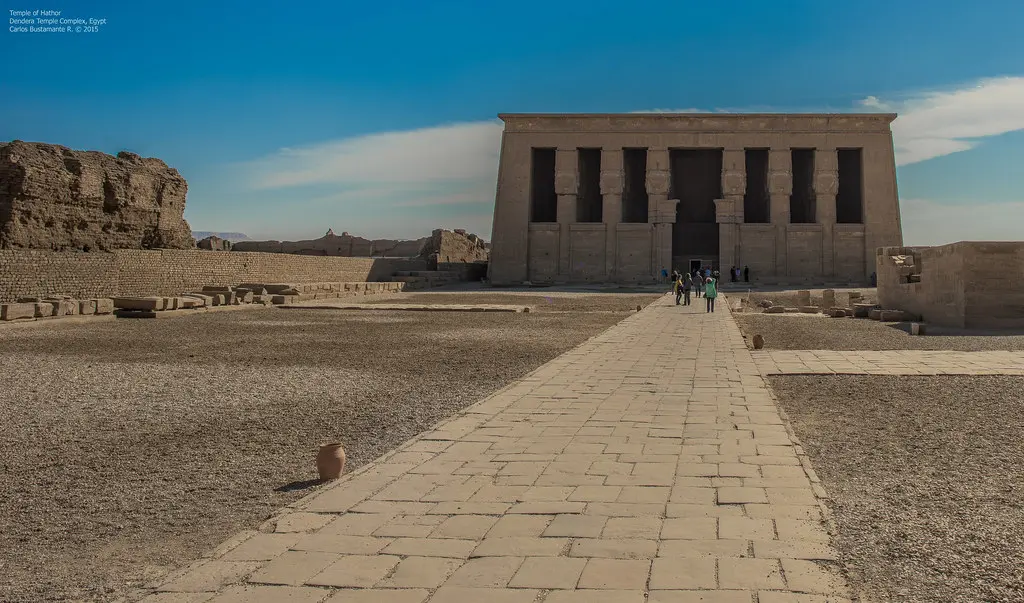
Temple of Hathor, Dendera
Dendera, Qena, Egypt
The Temple of Hathor at Dendera survives as the most complete ancient Egyptian temple, its painted ceilings and carved columns largely intact after two thousand years....

Temple of Hatshepsut
Luxor, Luxor, Egypt
Hatshepsut declared herself pharaoh in a world that reserved that title for men....

Temple of Karnak
Old Karnak, Luxor, Egypt
Karnak Temple Complex covers 247 acres of accumulated sacred architecture—the work of approximately thirty pharaohs over two millennia....
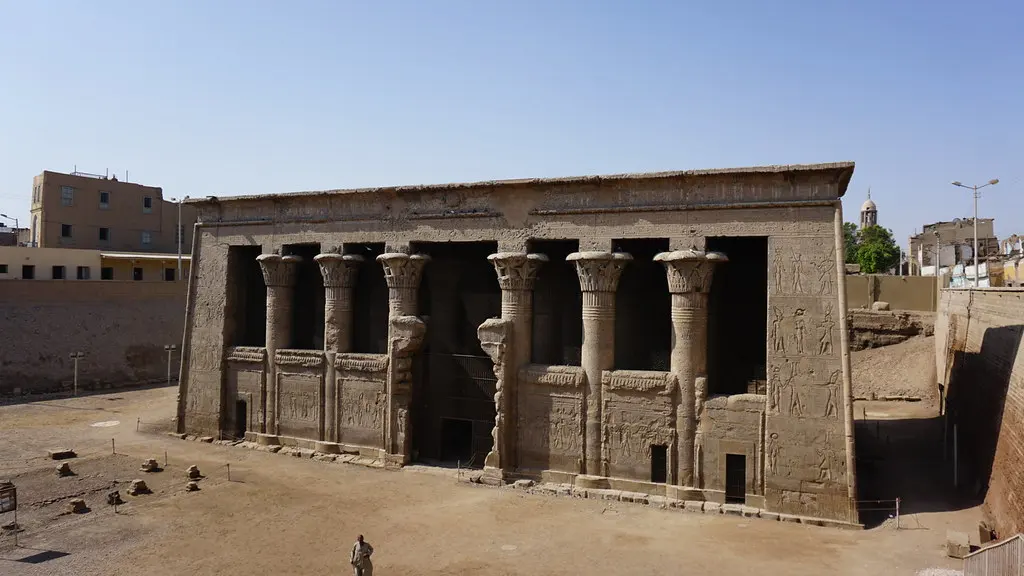
Temple of Khnum, Esna
Esna, Luxor, Egypt
The Temple of Khnum sits in an excavation pit nine meters below modern Esna, a literal descent through millennia of accumulated civilization....
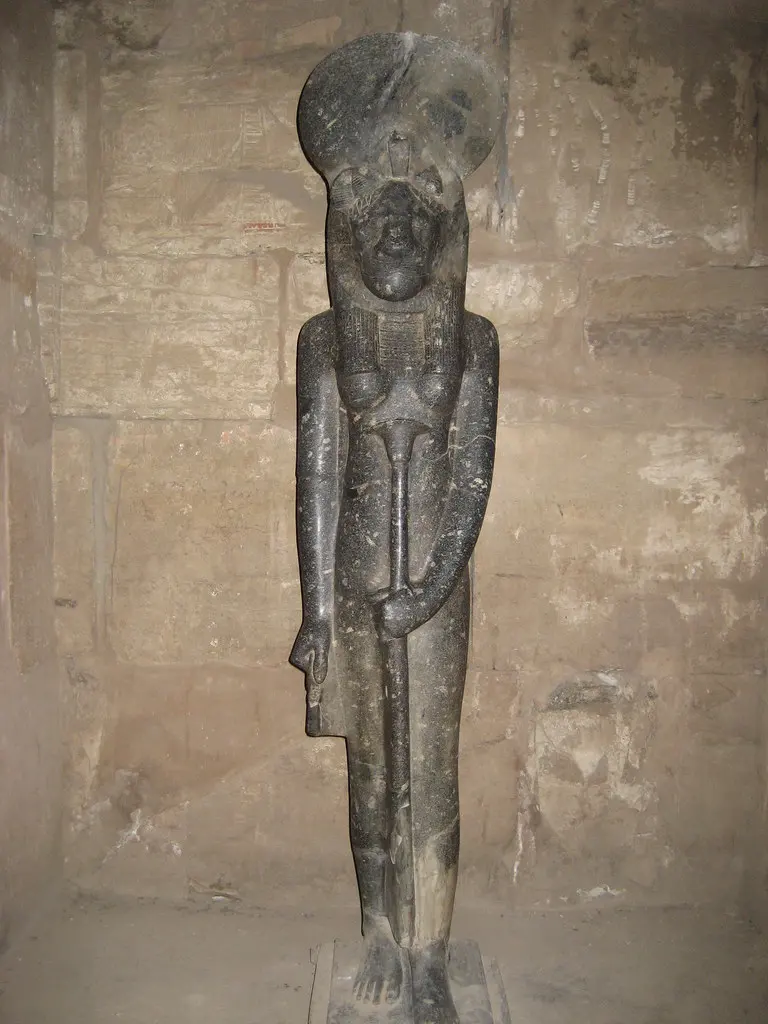
Temple of Ptah
Part of Temple of Karnak
Luxor, Luxor, Egypt
Hidden in Karnak's northern corner, the Temple of Ptah offers what the vast complex cannot: intimate encounter....

The Great Sphinx
Part of Giza Necropolis
Giza, Giza, Egypt
At the edge of the Western Desert, where the living world meets the vast necropolis of ancient kings, a limestone creature emerges from the bedrock itself....
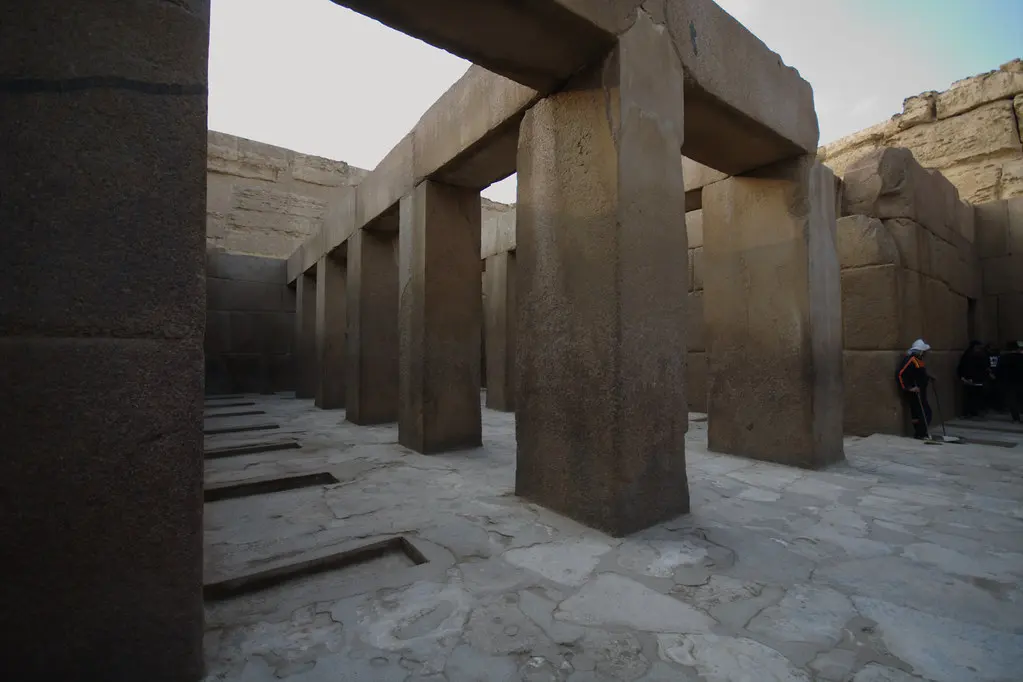
Valley Temple of Khafre
Part of Giza Necropolis
Giza, Giza, Egypt
The Valley Temple of Khafre is Egypt's best-preserved Old Kingdom temple, where priests once transformed the dead pharaoh into a divine being....
Virgin Mary’s Coptic Church in Zeiton (Zeitoun) - Apparition Church
Cairo, Cairo, Egypt
Between 1968 and 1971, the Virgin Mary appeared repeatedly above this Coptic church in Cairo....
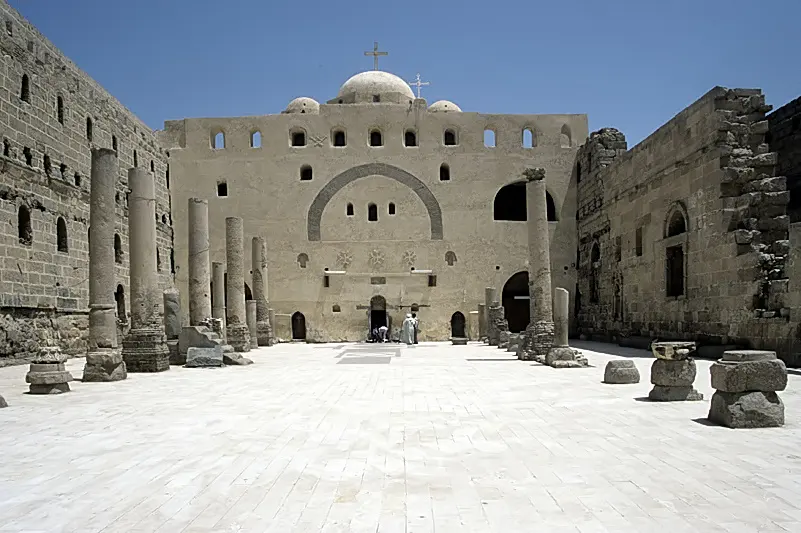
White Monastery, Sohag, Egypt
Suhaj, Sohag, Egypt
The White Monastery stands as the spiritual heart of Coptic Christianity, founded by Saint Shenouda the Archimandrite whose 66-year leadership created one of history's...
Key questions
Egypt sacred-site questions
What sacred sites can I explore in Egypt?
Pilgrim Map lists sacred places in Egypt across living worship sites, heritage landmarks, pilgrimage destinations, and culturally significant landscapes. The current guide lists 46 sites organized by region and tradition.
Which traditions are represented in Egypt?
The most represented traditions include Ancient Egyptian, Christianity, Judaism.
How should I plan a sacred-site visit in Egypt?
Start with regional clusters, compare nearby places on the map, then open individual site pages for coordinates, etiquette, and sacred context where available.
Can I view Egypt sacred sites on a map?
Yes. Switch to map view to compare geographic clusters, then open individual site pages for coordinates, visiting context, and related places.