Site type guide
Necropolis
Necropolis sites reveal how different traditions shape sacred space through architecture, landscape, ritual, and memory.
12 necropolis sacred sites. Use the country and tradition filters to narrow in.
Atlas summary
Necropolis sacred sites overview
Necropolis sacred sites span countries, traditions, pilgrimage routes, and sacred landscapes represented in the Pilgrim Map atlas.
Use this guide to compare major country clusters, represented traditions, UNESCO-tagged places, and the map distribution before opening individual site pages.
| Coverage | 12 necropolis sacred sites across the current atlas. |
|---|---|
| Major countries | |
| Traditions |
All sites
12
Showing 1-12 of 12 sites in this site-type guide

Aslantaş–Yılantaş
Afyonkarahisar, Turkey
In the Göynüş Valley, two great Phrygian monuments face each other across a landscape of over forty rock-cut tombs....

Cala Morell Necropolis
Ciutadella de Menorca, Balearic Islands, Spain
On the cliffs above Cala Morell, on the northern coast of Ciutadella de Menorca, fourteen caves were carved into the limestone as collective burial chambers, the earliest...

Calescoves Necropolis
Alaior, Balearic Islands, Spain
Calescoves is Menorca's largest prehistoric necropolis: roughly ninety to over a hundred burial caves (sources vary on the exact count) carved into the cliffs of a narrow...

Giza Necropolis
Giza, Giza, Egypt
The Giza Necropolis is the only surviving Wonder of the Ancient World. Three pyramids rise from the desert plateau—grandfather, father, grandson—each an attempt to defeat...
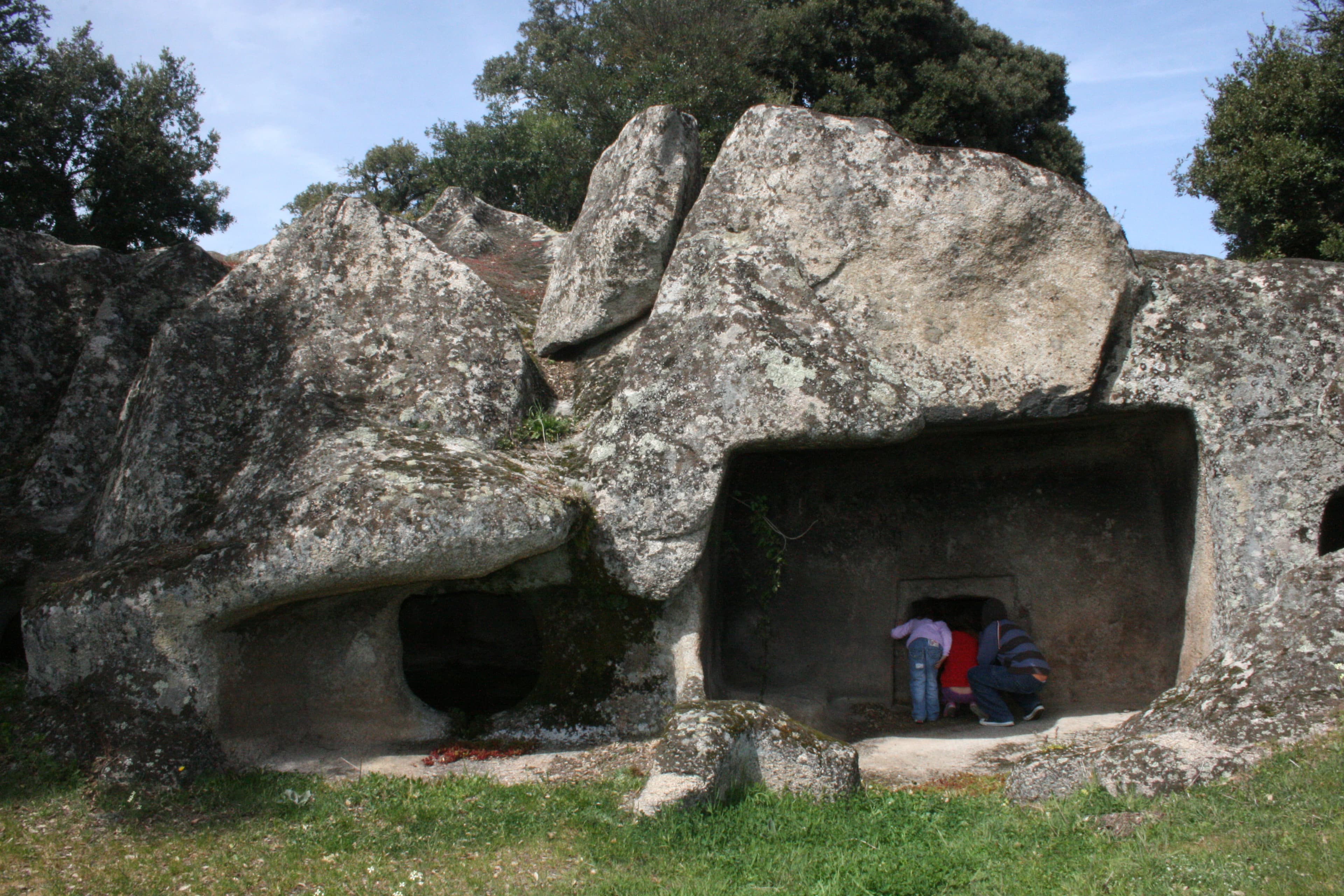
Necropoli a Domus de Jana's di Ludurru
Budduso, Sassari, Italy
A few hundred metres from the village of Budduso, six burial chambers carved from granite five thousand years ago compose the necropolis of Ludurru....
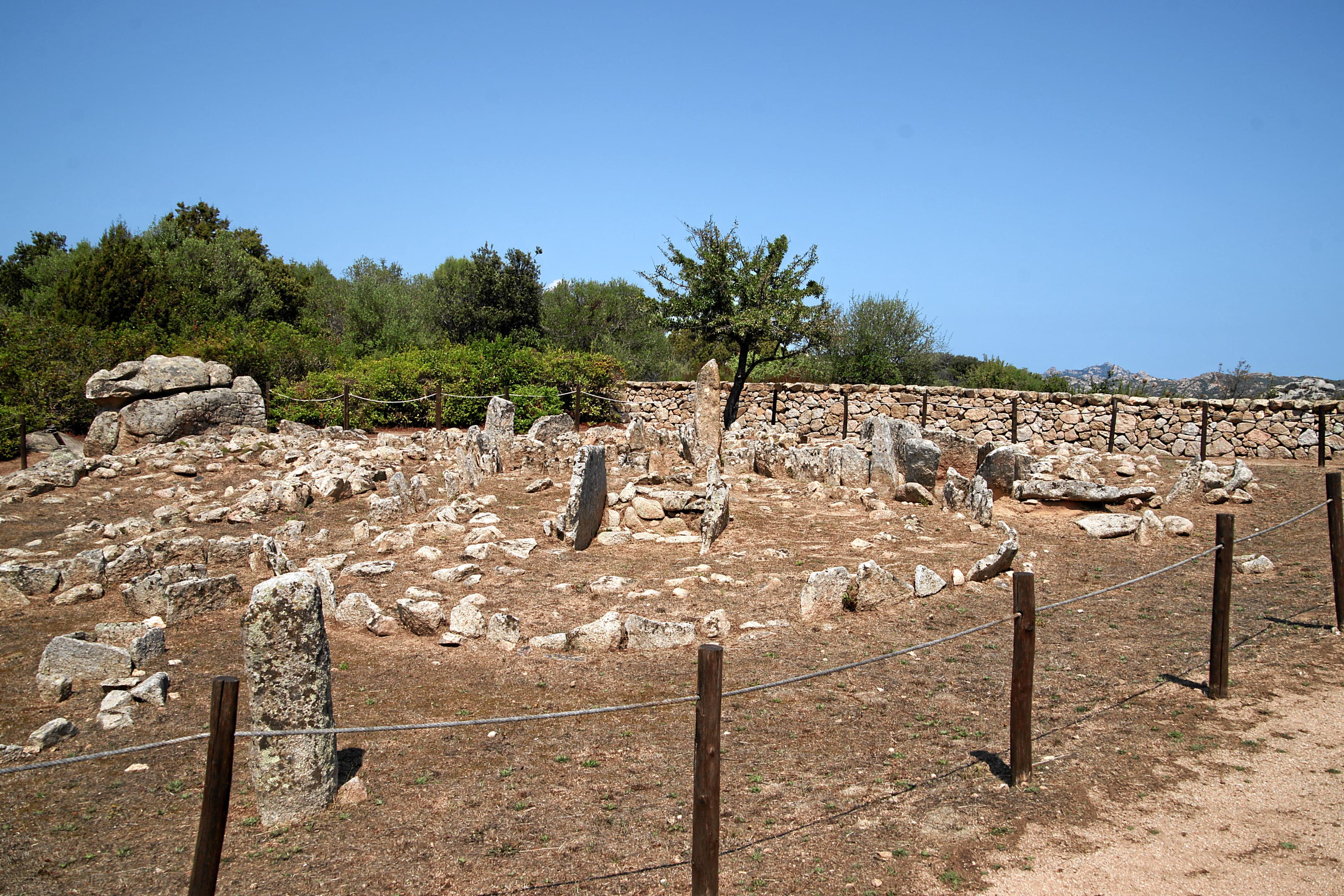
Necropoli di Li Muri
Alzachèna/Arzachena, Sassari, Italy
On granite landscape near Arzachena, five stone cists surrounded by concentric circles mark the earliest megalithic expression in Sardinia....
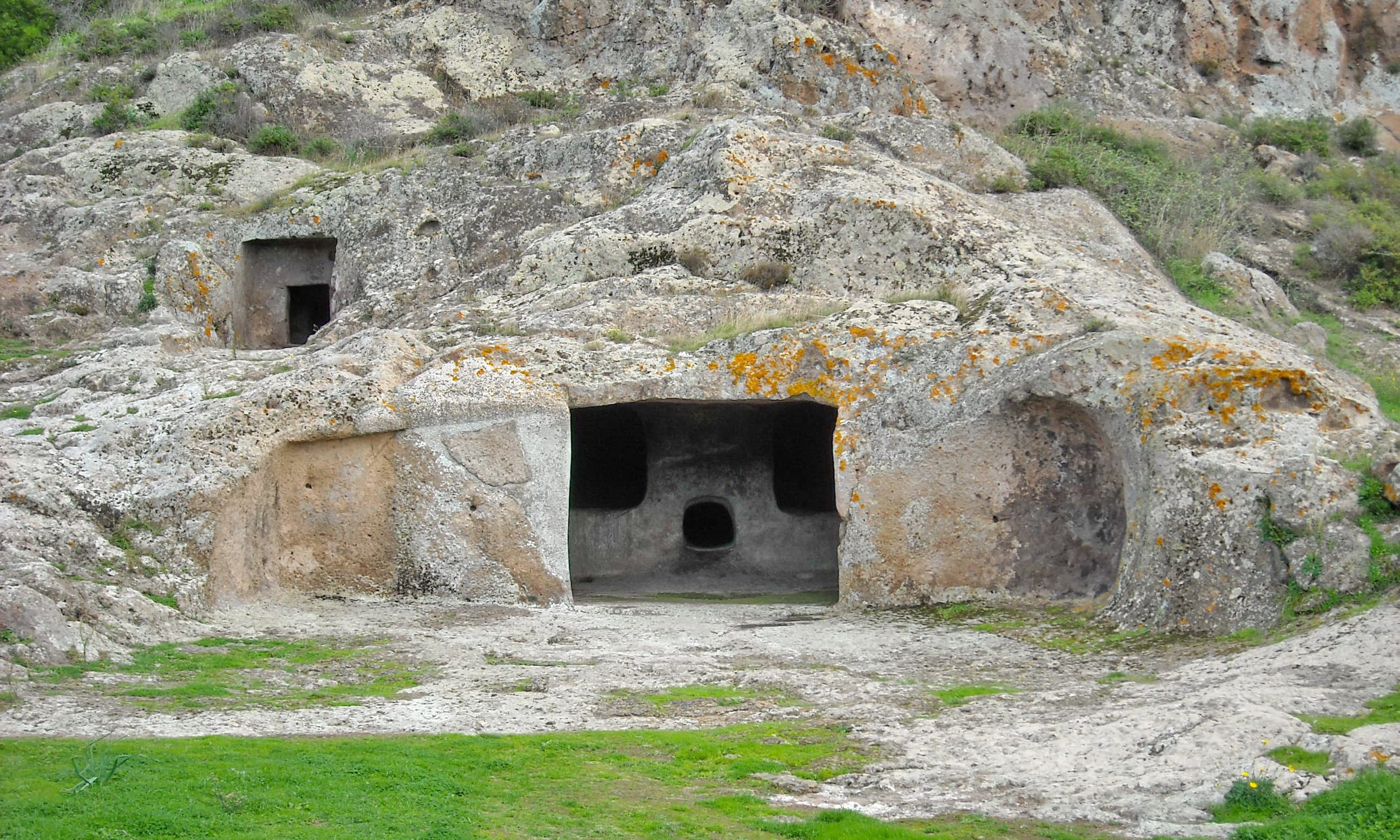
Necropolis di Montessu
Sa Baronia/Villaperuccio, South Sardinia, Italy
In a natural amphitheater of trachyte rock near Villaperuccio, over forty domus de janas—rock-cut tombs—line the curved face of a hill called the 'silent one.' For 1,500...
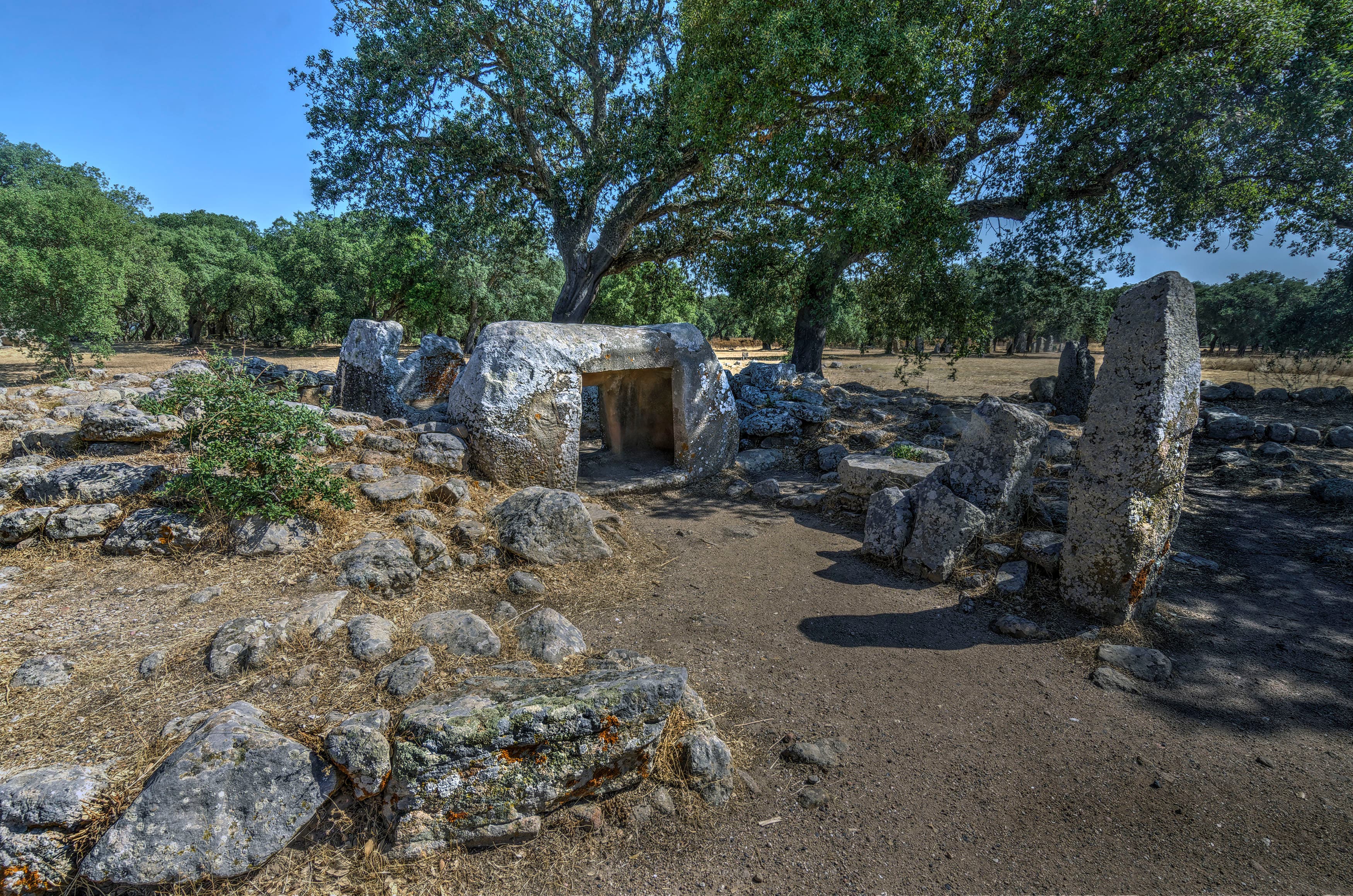
Necropolis of Pranu Mutteddu
Goni, South Sardinia, Italy
Across 200,000 square meters of the Gerrei countryside near Goni, approximately sixty menhirs stand in pairs, groups, and rows....

Necropolis of Xanthos
Antalya, Turkey
Xanthos was the political and spiritual capital of ancient Lycia, and its necropolis is the highest expression of a civilization that thought differently about death....

Perrhe
Adıyaman, Turkey
Perrhe was one of the four principal cities of the Kingdom of Commagene — a realm that fused Hellenistic, Persian, and Anatolian religion into something entirely its own....

Puig des Molins Necropolis
Eivissa, Balearic Islands, Spain
On a low hill just outside Ibiza's old town, the Phoenicians who founded the city in the mid-7th century BC chose a burial ground that would remain in continuous use for...

Son Real Necropolis
Santa Margalida, Balearic Islands, Spain
On a low headland above the Bay of Alcúdia, more than a hundred rock-cut and built tombs mark where Talayotic-era Mallorcans buried their dead across several centuries....
Key questions
Necropolis sacred-site questions
What necropolis sacred sites are included?
Necropolis sacred sites are places where this site type carries religious, ritual, cultural, or pilgrimage significance. This guide lists 12 in the current Pilgrim Map atlas.
Where are these necropolis sites located?
Major country clusters include Italy, Spain, Turkey, Egypt.
Which traditions are represented?
Traditions represented here include Celtic and Prehistoric, Talayotic Culture, Ancient, Ancient Egyptian, Phoenician-Punic Religion, Phrygian.
Can I view necropolis sacred sites on a map?
Yes. Compare the country and tradition clusters, switch to map view for geography, then use site pages for practical context and related places.