Site type guide

Cathedral

Crawlable taxonomy page generated from the current site detail schema and used in the internal linking graph.

36 sites

Browse this type across countries, traditions, and sacred landscapes.

Aachen Cathedral
UNESCOChristianity

Aachen Cathedral

Aachen, North Rhine-Westphalia, Germany

Aachen is a cathedral of sacred significance. Approximate coordinates: 50.77472, 6.08392. Attributes: built, cultural, pilgrimage, ceremonial. Tradition: Christianity. Recognized as a UNESCO World Heritage Site. Aachen is the 13th-largest city in North Rhine-Westphalia and the 27th-largest city of Germany, with around 261,000 inhabitants. Aachen is located at the northern foothills of the High Fens and the Eifel Mountains. It sits on the Wurm River, a tributary of the Rur, and together with Mönchengladbach, it is the only larger German city in the drainage basin of the Meuse. It is the westernmost larger city in Germany, lying approximately 61 km (38 mi) west of Cologne and Bonn, directly bordering Belgium in the southwest, and the Netherlands in the northwest. The city lies in the Meuse–Rhine Euroregion and is the seat of the district of Aachen (Städteregion Aachen). The once Celtic settlement was equipped with several thermae in the course of colonization by Roman pioneers settling at the warm Aachen thermal springs around the 1st century. After the withdrawal of the Roman troops, the vicus Aquae Granni was Frankized around the 5th century. This was followed by a period of sedentism under first Merovingian and then Carolingian rule. With the completion of the Carolingian Palace of Aachen at the transition to the 9th century, Aachen was constituted as the main royal residence of the Frankish Empire ruled by Charlemagne. Because of that the city is sometimes called cradle of Europe . After the Treaty of Verdun, the city was within the borders of Middle Francia, until it became part of East Francia after the Treaty of Meerssen (870). It subsequently was part of the Holy Roman Empire and was granted city rights in 1166 by Emperor Frederick Barbarossa, becoming an imperial city. It served as the coronation site where 31 Holy Roman Emperors were crowned Kings of the Germans from 936 to 1531, until Frankfurt am Main became the preferred place of coronation. One of Germany s leading institutes of higher education in technology, the RWTH Aachen University (Rheinisch-Westfälisch Technische Hochschule Aachen), is located in the city. Its university hospital Uniklinikum Aachen is Europe s largest single-building hospital. Aachen s industries include science, engineering and information technology. In 2009, Aachen was ranked eighth among cities in Germany for innovation. The regional dialect spoken in the city is a Central Franconian, Ripuarian variant with strong Limburgish influences from the dialects in the neighbouring Netherlands. As a Rhenish city, Aachen is one of the main centres of carnival celebrations in Germany, along with Cologne and Mainz. The culinary specialty for which the city is best known is Aachener Printen, a type of gingerbread.

Aglona

Aglona

Aglonas pagasts, Latvia

Aglona is a cathedral of sacred significance. Approximate coordinates: 56.12663, 27.01490. Attributes: built, cultural, pilgrimage. Aglona (Latgalian: Aglyuna, Lithuanian: Agluona, Russian: Аглона, hist. German: Aglohn) is a village in the Aglona Parish of Preiļi Municipality in the Latgale region of Latvia. It is located 40 kilometers (25 mi) northeast of the city of Daugavpils. Located on the narrow strip of land between the lakes Cirišs and Egles, the present-day village is the result of merger of three settlements: Aglona, Somerseta and Jaunciems. The scenery of the surrounding area attracts visitors during the summer. Traditionally, many families from Russia spend their summers in the countryside near Aglona. The nearby Sacrifice Island (Latvian: Upursala), Devil s Lake (Latvian: Velnezers), and the Madelanu Castle Mound are among the most beautiful places in Latvia. The surrounding pine forests have suffered from excessive logging in recent years. Located in Aglonas pagasts, Latvija.

Antipolo Cathedral, Luzon
Christianity

Antipolo Cathedral, Luzon

Antipolo, Rizal, Philippines

Antipolo Cathedral, Luzon is a cathedral of sacred significance. Approximate coordinates: 14.58766, 121.17665. Attributes: built, cultural, pilgrimage. Tradition: Christianity. Associated figure: Our Lady of Peace and Good Voyage. Located in Antipolo, Rizal, Philippines.

Avila

Avila

Ávila, Castilla y León, España

Avila is a cathedral of sacred significance. Approximate coordinates: 40.65578, -4.69705. Attributes: built, cultural. Located in Ávila, Castilla y León, España.

Ayacucho Cathedral
Catholic

Ayacucho Cathedral

Ayacucho, Ayacucho, Peru

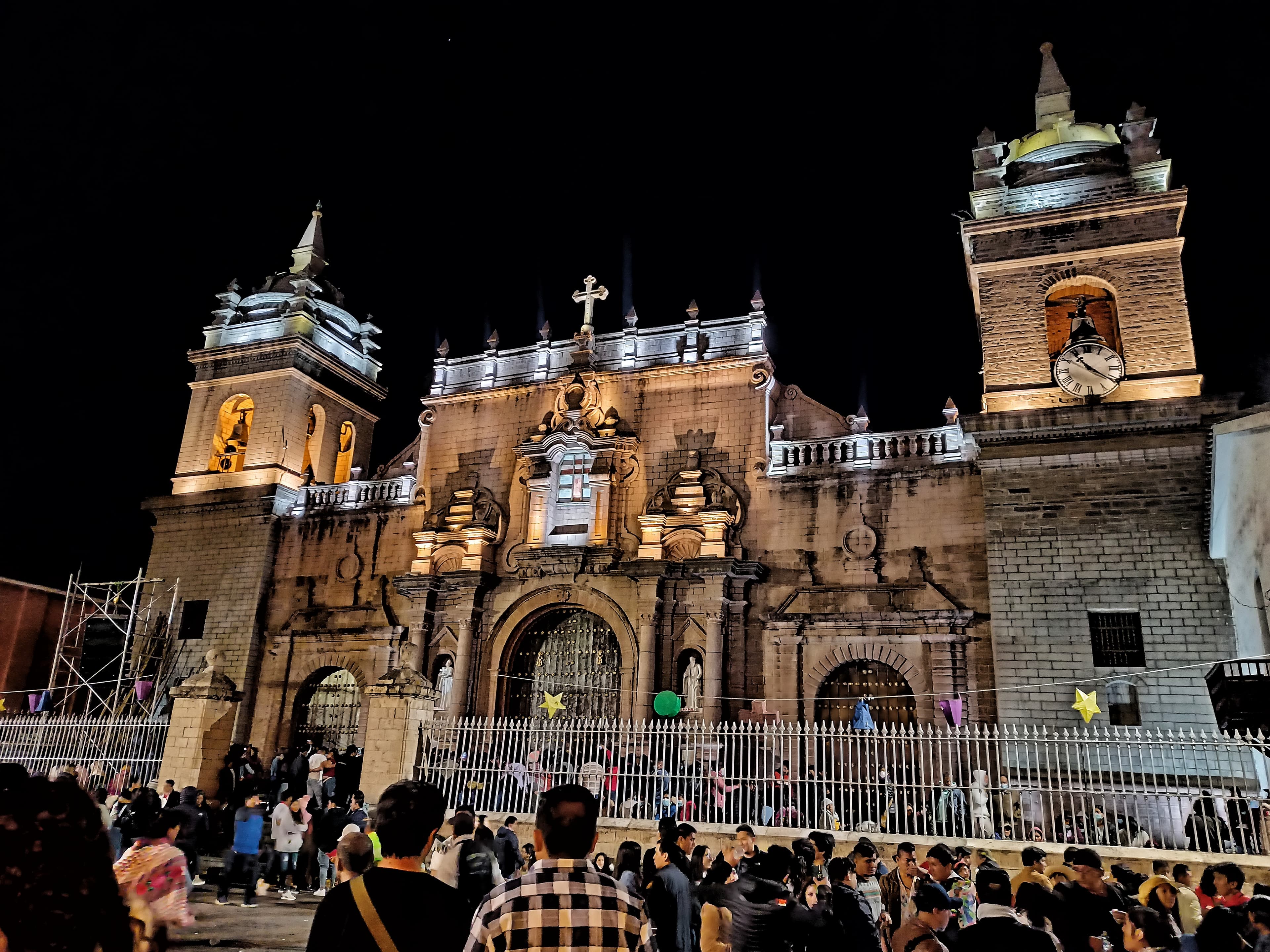
Ayacucho Cathedral is a cathedral of sacred significance. Approximate coordinates: -13.16063, -74.22521. Attributes: built, cultural, pilgrimage. Tradition: Christianity. Associated figure: St. Mary. Located in Ayacucho, Ayacucho, Peru.

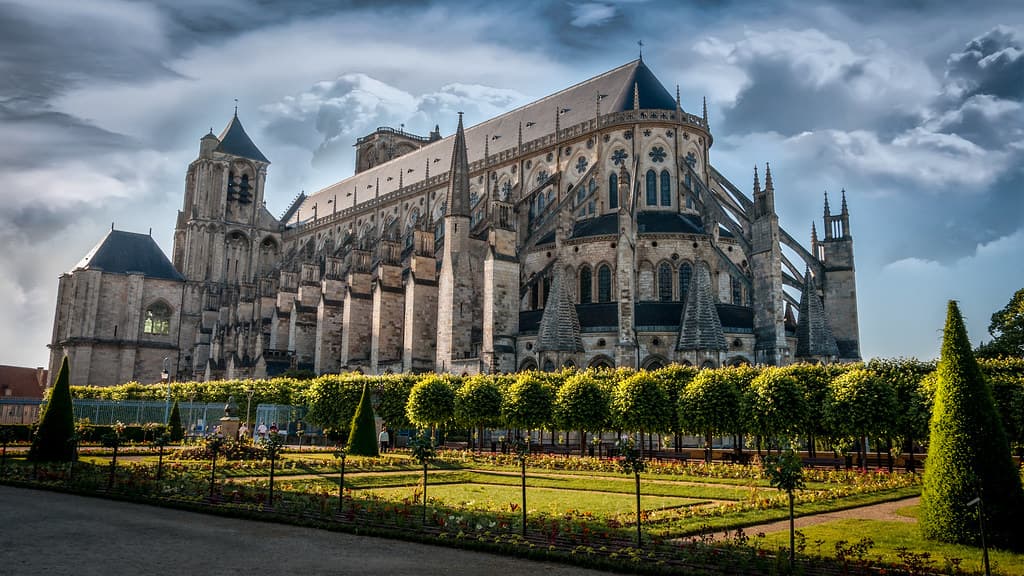
Bourges Cathedral
UNESCOChristianity

Bourges Cathedral

Bourges, Centre-Val de Loire, France

Bourges is a cathedral of sacred significance. Approximate coordinates: 47.08216, 2.39921. Attributes: built, cultural. Tradition: Christianity. Associated figure: St. Etienne. Recognized as a UNESCO World Heritage Site. Bourges ( BOORZH; French: [buʁʒ] ; Borges in Berrichon) is a commune in central France on the river Yèvre. It is the capital of the department of Cher, and also was the capital city of the former province of Berry. Located in Bourges, Centre-Val de Loire, France.

Burgos Cathedral
UNESCOChristianity

Burgos Cathedral

Burgos, Castile and León, Spain

Burgos is a cathedral of sacred significance. Approximate coordinates: 42.34079, -3.70438. Attributes: built, cultural, pilgrimage. Tradition: Christianity. Recognized as a UNESCO World Heritage Site. Burgos (Spanish: [ˈbuɾɣos] ) is a city in Spain located in the autonomous community of Castile and León. It is the capital and most populous municipality of the province of Burgos. Burgos is situated in the north of the Iberian Peninsula, on the confluence of the Arlanzón river tributaries and at the edge of the central plateau. The municipality has a population of about 180,000 inhabitants. The Camino de Santiago pilgrimage route runs through Burgos. Founded in 885 by the second Count of Castile, Diego Rodríguez Porcelos, Burgos soon became the leading city of the embryonic County of Castile. The 11th century chieftain Rodrigo Díaz de Vivar (El Cid) had connections with the city: born near Burgos, he was raised and educated there. Burgos experienced a long decline from the 17th century onwards. Burgos became the headquarters of the Francoist proto-government (1936–1939) following the start of the Spanish Civil War. Declared in 1964 as Pole of Industrial Promotion and in 1969 as Pole of Industrial Development, the city has grown since then in terms of economic activity. At the regional level, Burgos forms part of an economic axis together with the cities of Valladolid and Palencia. In 2008, the international Burgos Airport started to service commercial flights. The Museum of Human Evolution opened in Burgos in 2010. It features remains of the first hominins in Europe, who lived in the area 750,000–800,000 years ago. The Cathedral of Burgos is a World Heritage Site. Burgos was selected as the Spanish Gastronomy Capital of 2013. In 2015 UNESCO named it City of Gastronomy , and it has been part of the Creative Cities Network since then. Located in Burgos, Castilla y León, España.

Canterbury Cathedral
UNESCOChristianity

Canterbury Cathedral

Canterbury, England, United Kingdom

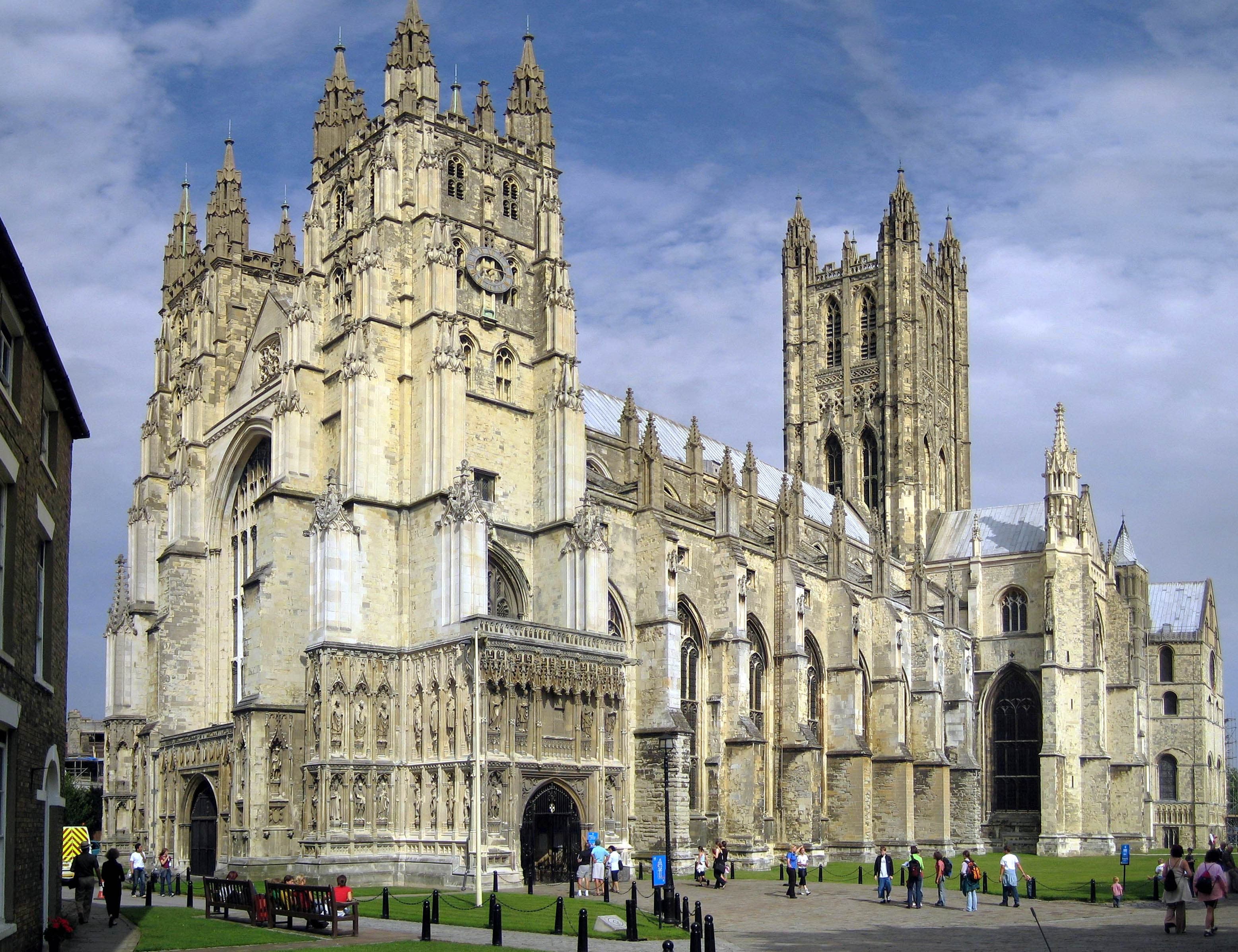
Canterbury is a cathedral of sacred significance. Approximate coordinates: 51.27980, 1.08280. Attributes: built, cultural, pilgrimage. Tradition: Christianity. Associated figure: Archbishop of Canterbury. Recognized as a UNESCO World Heritage Site. Canterbury ( , ) is a city and UNESCO World Heritage Site, in the county of Kent, England; it was a county borough until 1974. It lies on the River Stour. The city has a mild oceanic climate. Canterbury is a popular tourist destination, with the city s economy heavily reliant upon tourism, alongside higher education and retail. As of 2011, the city s population was over 55,000, including a substantial number of students and one of the highest student-to-permanent-resident ratios in Britain. The site of the city has been occupied since Paleolithic times and served as the capital of the Celtic Cantiaci and Jute Kingdom of Kent. Many historical structures fill the area, including a city wall founded in Roman times and rebuilt in the 14th century, the Westgate Towers museum, the ruins of St Augustine s Abbey, the Norman Canterbury Castle, and the oldest extant school in the world, the King s School. Modern additions include the Marlowe Theatre and Kent County Cricket Club s St Lawrence Ground. Canterbury Cathedral is known for its architecture, its music, and for being the seat of the Archbishop of Canterbury; it receives a million visitors per year. Located in Canterbury, England, United Kingdom.

Catedral de Nuestra Señora de Coromoto
Christianity

Catedral de Nuestra Señora de Coromoto

Guanare, Portuguesa State, Venezuela

Catedral de Nuestra Señora de Coromoto is a cathedral of sacred significance. Approximate coordinates: 9.04543, -69.75033. Attributes: built, cultural, pilgrimage. Tradition: Christianity. Associated figure: Virgen de Coromoto. Located in Guanare, Portuguesa, Venezuela.

Cathedral of St. Julian, Le Mans
Christianity

Cathedral of St. Julian, Le Mans

Le Mans, Pays de la Loire, France

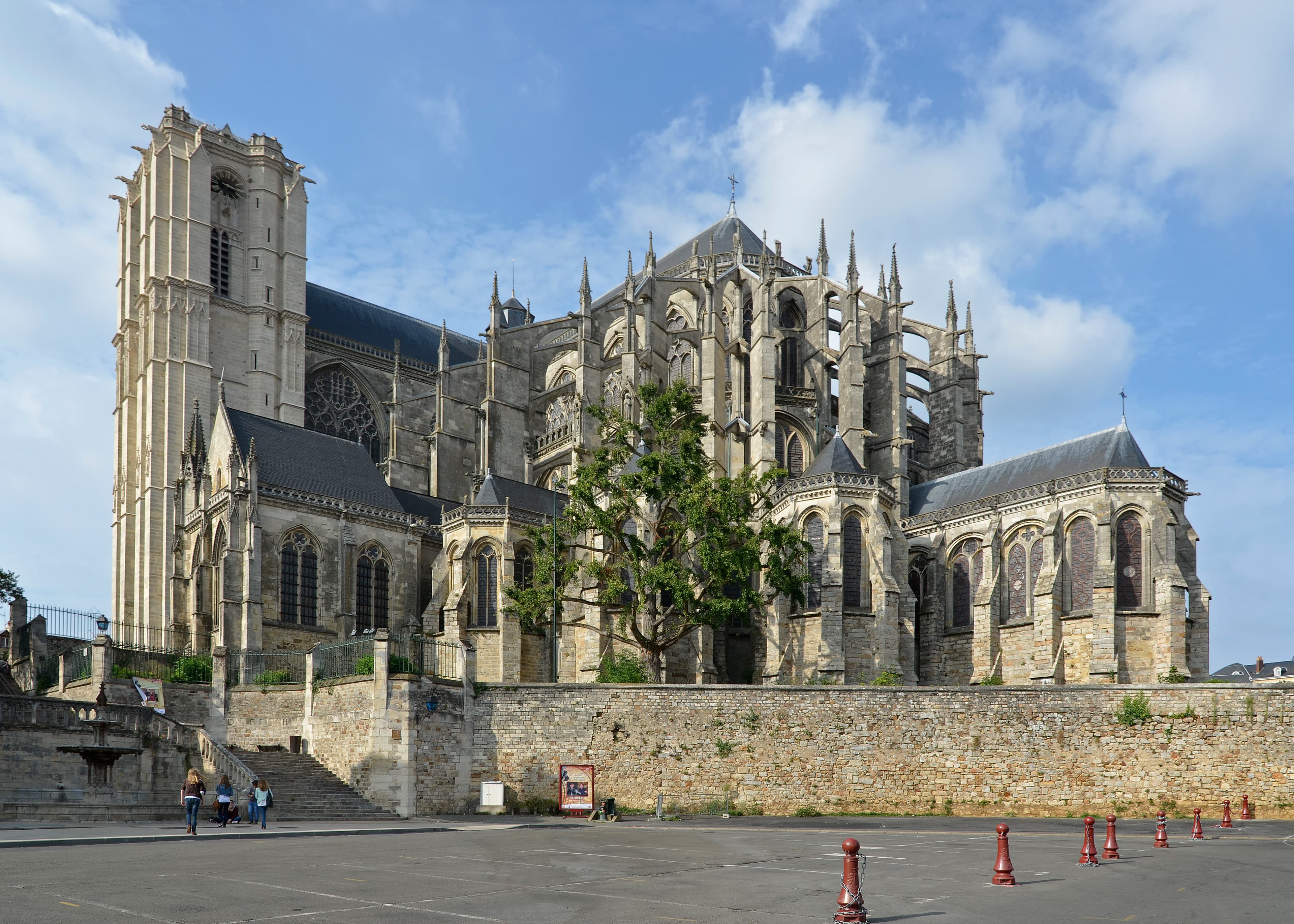
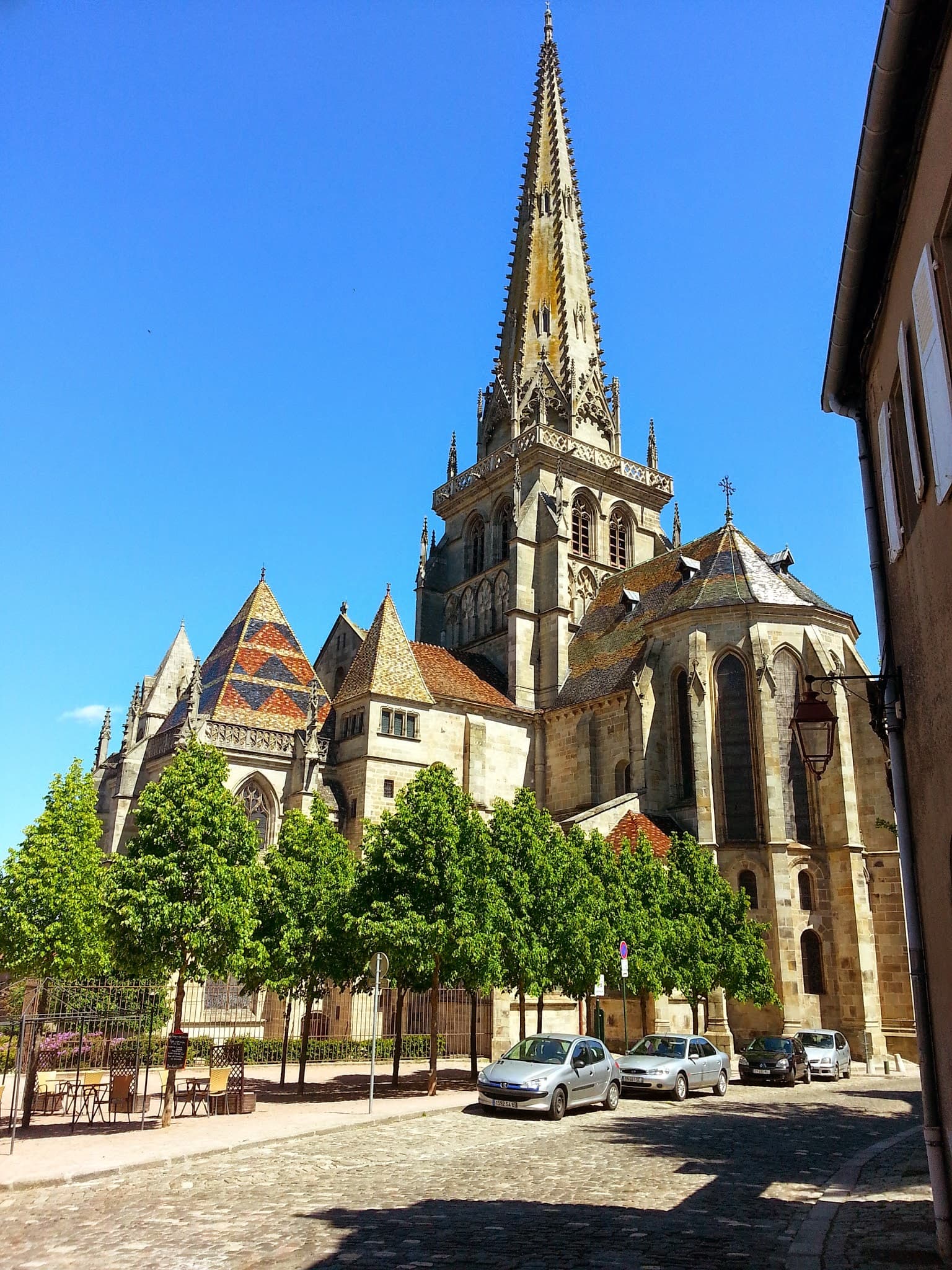
Cathedral of St. Julian, Le Mans is a cathedral of sacred significance. Approximate coordinates: 48.00924, 0.19884. Attributes: built, cultural. Tradition: Christianity. Associated figure: St. Julian. Located in Le Mans, Pays de la Loire, France.

Cathedral of Syracuse

Cathedral of Syracuse

Syracuse, Sicily, Italy

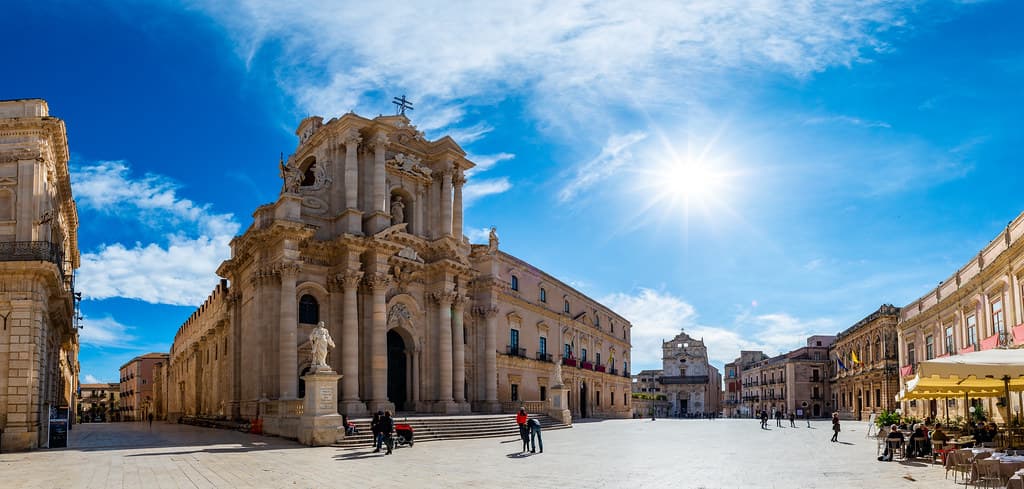
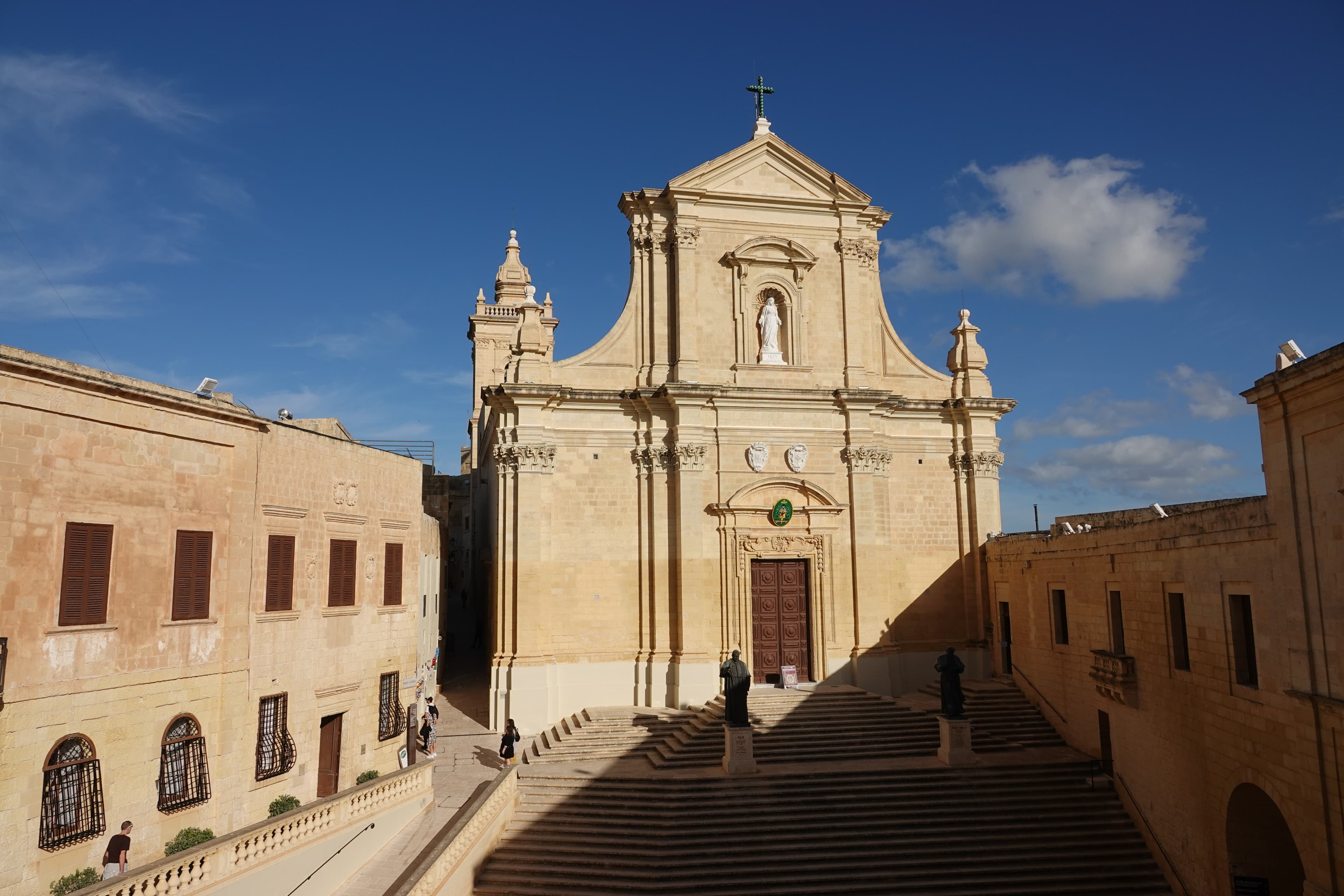
Duomo di Siracusa is a cathedral of sacred significance. Approximate coordinates: 37.05963, 15.29346. Attributes: built, cultural. Located in Siracusa, Sicilia, Italy.

Cathedral of Syracuse
Feast of Saint Lucy (Santa Lucia) on December 13th - Syracuse's patron saint

Cathedral of Syracuse

Syracuse (Siracusa), Sicily, Italy

Cathedral of Syracuse in Syracuse (Siracusa), Sicily, Italy.

Cathedral of the Mother of God, Zarvanytsya, Ukraine
Christianity

Cathedral of the Mother of God, Zarvanytsya, Ukraine

Zarvanytsia, Ternopil Oblast, Ukraine

Cathedral of the Mother of God, Zarvanytsya, Ukraine is a cathedral of sacred significance. Approximate coordinates: 49.22821, 25.35156. Attributes: built, cultural, pilgrimage. Tradition: Christianity. Associated figure: Mother of God. Located in Золотниківська сільська громада, Тернопільська область, Україна.

Cathédrale Notre-Dame-du-Puy
Christianity

Cathédrale Notre-Dame-du-Puy

Le Puy-en-Velay, Auvergne-Rhône-Alpes, France

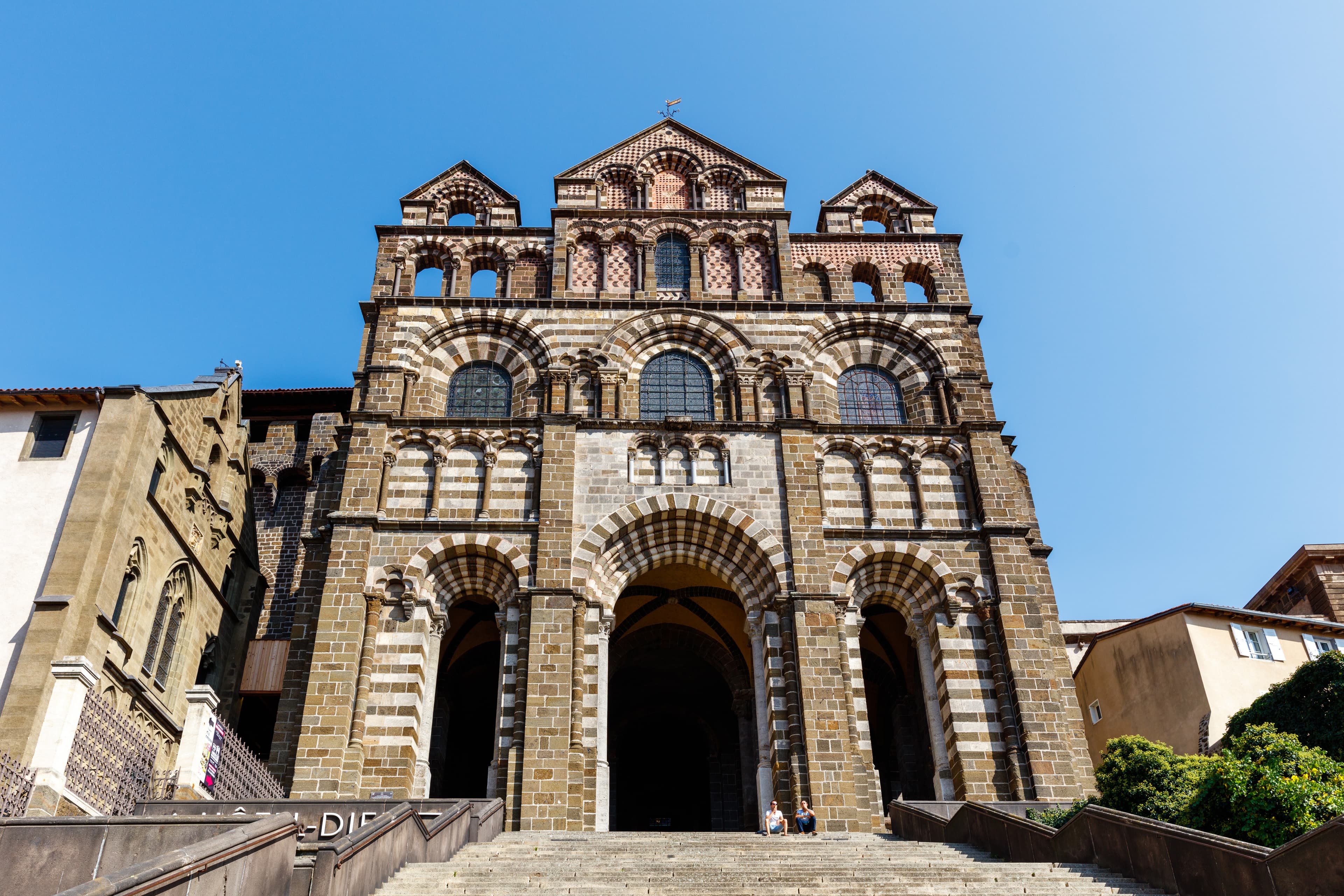
On Mont Anis, where a sick woman once lay upon a dolmen and was healed by the Virgin's grace, one of Europe's oldest Marian sanctuaries rises in Romanesque splendor. The Black Virgin of Le Puy has drawn kings and pilgrims since the 5th century. Today, the cathedral marks the beginning of the Via Podiensis—the most popular French route to Santiago—carrying forward fifteen centuries of pilgrimage through its Byzantine domes and Moorish arches.

Cattedrale di Santa Maria Assunta, Rieti
Christianity

Cattedrale di Santa Maria Assunta, Rieti

Rieti, Lazio, Italia

Cattedrale di Santa Maria Assunta, Rieti in Rieti, Lazio, Italia.

Chartres Cathedral
UNESCOChristianity

Chartres Cathedral

Chartres, Centre-Val de Loire, France

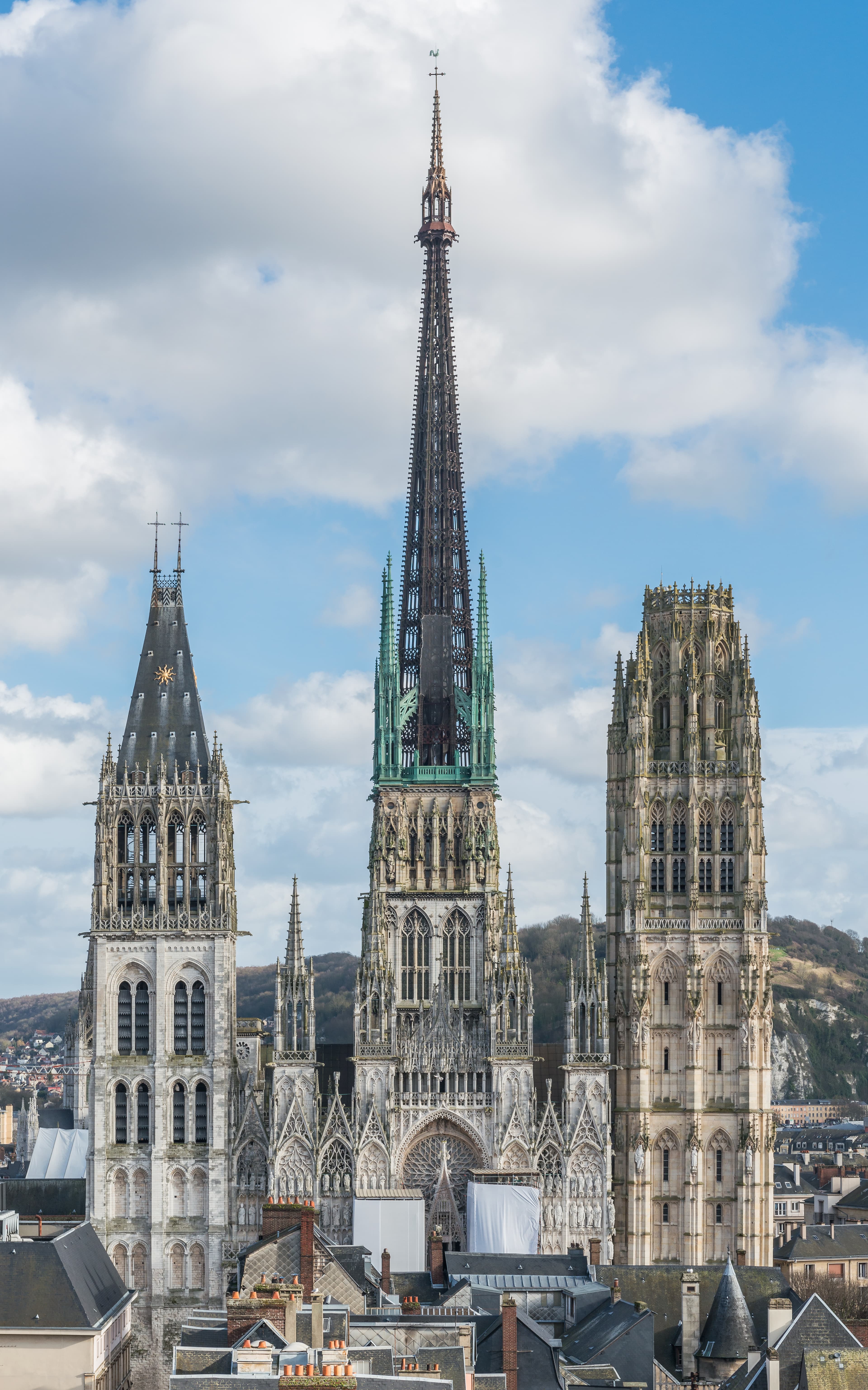
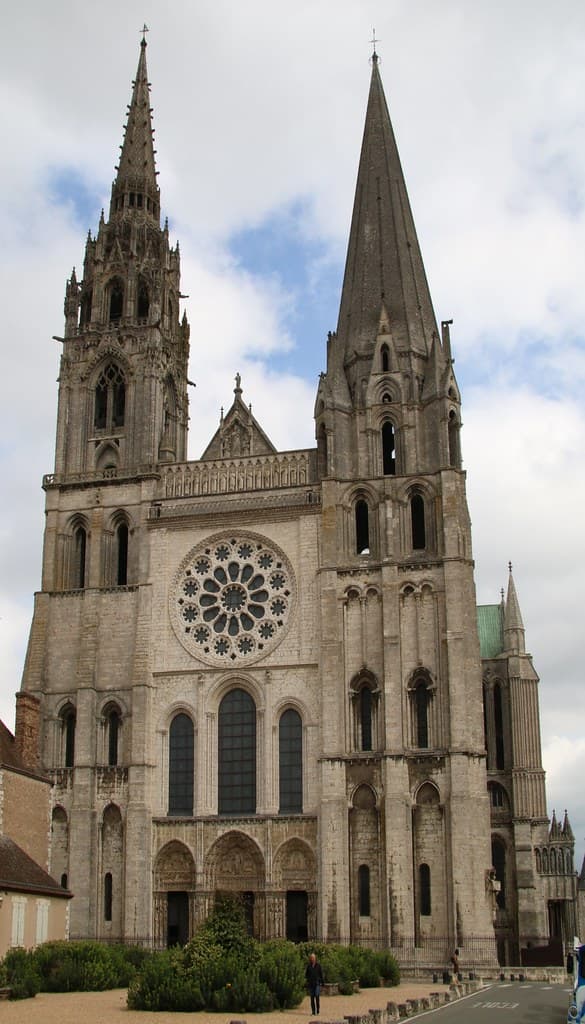
Chartres is a cathedral of sacred significance. Approximate coordinates: 48.44780, 1.48784. Attributes: built, cultural, pilgrimage. Tradition: Christianity. Associated figure: Our Lady of Chartres. Recognized as a UNESCO World Heritage Site. Chartres (French pronunciation: [ʃaʁtʁ] ) is the prefecture of the Eure-et-Loir department in the Centre-Val de Loire region in France. It is located about 90 km (56 mi) southwest of Paris. At the 2019 census, there were 170,763 inhabitants in the metropolitan area of Chartres (as defined by the INSEE), 38,534 of whom lived in the city (commune) of Chartres proper. Chartres is famous worldwide for its cathedral. Mostly constructed between 1193 and 1250, this Gothic cathedral is in an exceptional state of preservation. The majority of the original stained glass windows survive intact, while the architecture has seen only minor changes since the early 13th century. Part of the old town, including most of the library associated with the School of Chartres, was destroyed by Allied bombs in 1944. Located in Chartres, Centre-Val de Loire, France.

Cologne Cathedral
UNESCOChristianity

Cologne Cathedral

Köln, Nordrhein-Westfalen, Germany

Cologne is a cathedral of sacred significance. Approximate coordinates: 50.94128, 6.95828. Attributes: built, cultural, pilgrimage. Tradition: Christianity. Associated figure: Three Kings. Recognized as a UNESCO World Heritage Site. Cologne ( kə-LOHN; German: Köln [kœln] ; Kölsch: Kölle [ˈkœlə] ) is the largest city of the German state of North Rhine-Westphalia and the fourth-most populous city of Germany with nearly 1.1 million inhabitants in the city proper and over 3.1 million people in the Cologne Bonn urban region. Cologne is also part of the Rhine-Ruhr metropolitan region, the second biggest metropolitan region by GDP in the European Union. Centered on the left (west) bank of the Rhine, Cologne is located on the River Rhine (Lower Rhine), about 35 km (22 mi) southeast of the North Rhine-Westphalia state capital Düsseldorf and 25 km (16 mi) northwest of Bonn, the former capital of West Germany. The city s medieval Cologne Cathedral (Kölner Dom) was the world s tallest building from 1880 to 1890 and is today the third-tallest church and tallest cathedral in the world. It was constructed to house the Shrine of the Three Kings and is a globally recognized landmark and one of the most visited sights and pilgrimage destinations in Europe. The cityscape is further shaped by the Twelve Romanesque churches of Cologne. Cologne is famous for Eau de Cologne, which has been produced in the city since 1709; cologne has since come to be a generic term. Cologne was founded and established in Germanic Ubii territory in the 1st century CE as the Roman Colonia Agrippina, hence its name. Agrippina was later dropped (except in Latin), and Colonia became the name of the city in its own right, which developed into modern German as Köln. Cologne, the French version of the city s name, has become standard in English as well. Cologne functioned as the capital of the Roman province of Germania Inferior and as the headquarters of the Roman military in the region until occupied by the Franks in 462. During the Middle Ages the city flourished as being located on one of the most important major trade routes between eastern and western Europe (including the Brabant Road, Via Regia and Publica). Cologne was a free imperial city of the Holy Roman Empire and one of the major members of the trade union Hanseatic League. It was one of the largest European cities in medieval and renaissance times. Prior to World War II, the city had undergone occupations by the French (1794–1815) and the British (1918–1926), and was part of Prussia beginning in 1815. Cologne was one of the most heavily bombed cities in Germany during World War II. The bombing reduced the population by 93% mainly due to evacuation, and destroyed around 80% of the millennia-old city center. The post-war rebuilding has resulted in a mixed cityscape, restoring most major historic landmarks like city gates and churches (31 of them being Romanesque). The city nowadays consists of around 25% pre World War II buildings and boasts around 9,000 historic buildings. Cologne is a major cultural center for the Rhineland; it hosts more than 30 museums and hundreds of galleries. There are many institutions of higher education, most notably the University of Cologne, one of Europe s oldest and largest universities; the Technical University of Cologne, Germany s largest university of applied sciences; and the German Sport University Cologne. It hosts three Max Planck science institutes and is a major research hub for the aerospace industry, with the German Aerospace Center and the European Astronaut Centre headquarters. Lufthansa, Europe s largest airline, have their main corporate headquarters in Cologne. It also has a significant chemical and automobile industry. Cologne Bonn Airport is a regional hub, the main airport for the region being Düsseldorf Airport. The Cologne Trade Fair hosts a number of trade shows. Located in Köln, Nordrhein-Westfalen, Germany.

Durham Cathedral
UNESCOChristianity

Durham Cathedral

Durham, England, United Kingdom

Durham is a cathedral of sacred significance. Approximate coordinates: 54.77323, -1.57639. Attributes: built, cultural, pilgrimage. Tradition: Christianity. Recognized as a UNESCO World Heritage Site. Durham most commonly refers to: Durham, England, a cathedral city in north east England County Durham, a ceremonial county which includes Durham Durham, North Carolina, a city in North Carolina, United States Durham may also refer to: Located in Durham, England, United Kingdom.

El Rocio
Christianity

El Rocio

Almonte, Andalusia, Spain

El Rocio is a cathedral of sacred significance. Approximate coordinates: 37.13077, -6.48497. Attributes: built, cultural, pilgrimage, ceremonial. Tradition: Christianity. Associated figure: Virgin of El Rocio. Located in Almonte, Andalucía, España.

Ely Cathedral
Christianity

Ely Cathedral

Ely, England, United Kingdom

Ely Cathedral is a cathedral of sacred significance. Approximate coordinates: 52.39866, 0.26378. Attributes: built, cultural, pilgrimage, ceremonial. Tradition: Christianity. Associated figure: St Etheldreda and St Peter. Ely Cathedral, formally the Cathedral Church of the Holy and Undivided Trinity of Ely, is an Anglican cathedral in the city of Ely, Cambridgeshire, England. The cathedral can trace its origin to the abbey founded in Ely in 672 by St Æthelthryth (also called Etheldreda). The earliest parts of the present building date to 1083, and it was granted cathedral status in 1109. Until the Reformation, the cathedral was dedicated to St Etheldreda and St Peter, at which point it was refounded as the Cathedral Church of the Holy and Undivided Trinity of Ely. It is the cathedral of the Diocese of Ely, which covers most of Cambridgeshire and western Norfolk, Essex, and Bedfordshire. It is the seat of the Bishop of Ely and a suffragan bishop, the Bishop of Huntingdon. Architecturally, Ely Cathedral is outstanding both for its scale and stylistic details. Having been built in a monumental Romanesque style, the galilee porch, lady chapel and choir were rebuilt in an exuberant Decorated Gothic. Its most notable feature is the central octagonal tower, with lantern above, which provides a unique internal space and, along with the West Tower, dominates the surrounding landscape. The cathedral is a major tourist destination, receiving around 250,000 visitors per year, and sustains a daily pattern of morning and evening services. Located in East Cambridgeshire, England, United Kingdom.

Etchmiadzin Cathedral
UNESCO

Etchmiadzin Cathedral

Vagharshapat, Armavir Province, Armenia

Etchmiadzin Cathedral is a cathedral of sacred significance. Approximate coordinates: 40.16186, 44.29060. Attributes: built, cultural, pilgrimage. Recognized as a UNESCO World Heritage Site. Located in Վաղարշապատ, Արմավիրի մարզ, Հայաստան.

Exeter Cathedral
Christianity

Exeter Cathedral

Exeter, England, United Kingdom

Exeter Cathedral is a cathedral of sacred significance. Approximate coordinates: 50.72254, -3.52991. Attributes: built, cultural. Tradition: Anglican. Associated figure: Saint Peter. Exeter Cathedral, properly known as the Cathedral Church of Saint Peter in Exeter, is an Anglican cathedral, and the seat of the Bishop of Exeter, in the city of Exeter, Devon, in South West England. The present building was complete by about 1400 and has several notable features, including an early set of misericords, an astronomical clock and the longest uninterrupted medieval stone vaulted ceiling in the world. Located in Exeter, England, United Kingdom.

Gloucester Cathedral
Christianity

Gloucester Cathedral

Gloucester, Gloucestershire, United Kingdom

Gloucester Cathedral is a cathedral of sacred significance. Approximate coordinates: 51.86730, -2.24667. Attributes: built, cultural, ceremonial. Tradition: Christianity. Associated figure: Saint Peter. Gloucester Cathedral, formally the Cathedral Church of St Peter and the Holy and Indivisible Trinity and formerly St Peter s Abbey, in Gloucester, England, stands in the north of the city near the River Severn. It originated with the establishment of a minster, Gloucester Abbey, dedicated to Saint Peter and founded by Osric, King of the Hwicce, in around 679. The subsequent history of the church is complex; Osric s foundation came under the control of the Benedictine Order at the beginning of the 11th century and in around 1058, Ealdred, Bishop of Worcester, established a new abbey a little further from the place where it had stood . The abbey appears not to have been an initial success, by 1072, the number of attendant monks had reduced to two. The present building was begun by Abbott Serlo in about 1089, following a major fire the previous year. Serlo s efforts transformed the abbey s fortunes; rising revenues and royal patronage enabled the construction of a major church. William the Conqueror held his Christmas Court at the chapter house in 1085, at which he ordered the compilation of Domesday Book. In October 1216, Henry III was crowned at the abbey. After another disastrous fire in 1222, an ambitious rebuilding programme was begun. In the 14th century, the Great and Little Cloisters were constructed, displaying the earliest, and perhaps the finest, examples of fan vaulting anywhere. The cathedral contains the shrine of Edward II, who was murdered at nearby Berkeley Castle. Following the dissolution of the monasteries by Henry VIII in 1536, the abbey was refounded as a cathedral. The cathedral underwent much restoration in the 18th century, and again in the 19th. In 1989, it celebrated its 900th anniversary. In 2015, the installation of Rachel Treweek saw the Church of England appoint its first woman as a diocesan bishop. The cathedral has frequently been used as a filming location, including as a stand-in for Hogwarts in the Harry Potter movies. The cathedral is a Grade I listed building. There are a large number of other listed buildings within the cathedral complex, many also listed at Grade I, the highest grade. These include the Treasury, the Chapter House, the Cloisters, the precinct wall and a number of the medieval gates into the cathedral enclosure. Others are listed at Grade II* and Grade II. Located in Gloucester, England, United Kingdom.

Kaunas Cathedral Basilica, Lithuania
Christianity

Kaunas Cathedral Basilica, Lithuania

Kaunas, Kaunas County, Lithuania

Kaunas Cathedral Basilica, Lithuania is a cathedral basilica of sacred significance. Approximate coordinates: 54.89722, 23.88897. Attributes: built, cultural, pilgrimage. Tradition: Christianity. Associated figure: St. Peter and Paul. Located in Kaunas, Kauno apskritis, Lietuva.

Kildare
Christianity

Kildare

Kildare, County Kildare, Ireland

Kildare is a cathedral of sacred significance. Approximate coordinates: 53.15822, -6.91220. Attributes: built, cultural, pilgrimage. Tradition: Christianity. Associated figure: Saint Brigid of Kildare. Mythological context: Christian. Kildare (Irish: Cill Dara, meaning church of oak ) is a town in County Kildare, Ireland. As of 2022, its population was 10,302, making it the 7th largest town in County Kildare. It is home to Kildare Cathedral, historically the site of an important abbey said to have been founded by Saint Brigid of Kildare in the 5th century. The Curragh lies east of the town. The town lies on the R445, some 50 kilometres (31 mi) west of Dublin – near enough for it to have become, despite being a regional centre in its own right, a commuter town for the capital. Although Kildare gives its name to the county, Naas is the county town. Located in The Municipal District of Kildare — Newbridge, Éire / Ireland.

Leon
Christianity

Leon

León, Castile and León, Spain

Leon is a cathedral of sacred significance. Approximate coordinates: 42.59970, -5.56667. Attributes: built, cultural, archaeological, pilgrimage. Tradition: Christianity. Associated figure: San Isidoro. Leon, Léon (French) or León (Spanish) may refer to: Located in León, Castilla y León, España.

Lincoln
Christianity

Lincoln

Lincoln, England, United Kingdom

Lincoln is a cathedral of sacred significance. Approximate coordinates: 53.23430, -0.53602. Attributes: built, cultural, pilgrimage. Tradition: Christianity. Lincoln most commonly refers to: Abraham Lincoln (1809–1865), the 16th president of the United States Lincoln, England, cathedral city and county town of Lincolnshire, England Lincoln, Nebraska, the capital of Nebraska, U.S. Lincoln (name), a surname and given name Lincoln Motor Company, a Ford brand Lincoln may also refer to: Located in Lincoln, England, United Kingdom.

Malolos Cathedral, Bulacan, Luzon
Christianity

Malolos Cathedral, Bulacan, Luzon

Malolos, Bulacan, Philippines

Malolos Cathedral, Bulacan, Luzon is a cathedral of sacred significance. Approximate coordinates: 14.84277, 120.81145. Attributes: built, cultural, pilgrimage. Tradition: Christianity. Associated figure: Jesus Christ. Located in Malolos, Bulacan, Philippines.

Nidaros Cathedral
Christianity

Nidaros Cathedral

Trondheim, Trøndelag, Norway

Nidaros Cathedral in Trondheim, Trøndelag, Norway.

Orthodox Church of the Nativity of the Theotokos
Serbian Orthodox Christianity

Orthodox Church of the Nativity of the Theotokos

Sarajevo, Federation of Bosnia and Herzegovina, Bosnia and Herzegovina

Orthodox Church of the Nativity of the Theotokos in Sarajevo, Federation of Bosnia and Herzegovina, Bosnia and Herzegovina.

Sacred Heart Cathedral
Catholic Christianity

Sacred Heart Cathedral

Sarajevo, Federation of Bosnia and Herzegovina, Bosnia and Herzegovina

Sacred Heart Cathedral in Sarajevo, Federation of Bosnia and Herzegovina, Bosnia and Herzegovina.

St. Albans Cathedral, St Albans, United Kingdom
Christianity

St. Albans Cathedral, St Albans, United Kingdom

St Albans, England, United Kingdom

St. Albans Cathedral, St Albans, United Kingdom is a site of sacred significance. Approximate coordinates: 51.75046, -0.34234. Located in St Albans, England, United Kingdom.

St. Edmundsbury Cathedral
Christianity

St. Edmundsbury Cathedral

West Suffolk, England, United Kingdom

St. Edmundsbury Cathedral is a site of sacred significance. Approximate coordinates: 52.24389, 0.71722. St Edmundsbury Cathedral (formally entitled the Cathedral Church of St James and St Edmund) is the cathedral for the Church of England s Diocese of St Edmundsbury and Ipswich. It is the seat of the Bishop of St Edmundsbury and Ipswich and is in Bury St Edmunds in Suffolk. Originating in the 11th century, it was rebuilt in the 12th and 16th centuries as a parish church and became a cathedral in 1914; it has been considerably enlarged in recent decades. Located in West Suffolk, England, United Kingdom.

St. Paul’s Cathedral, London, England
Christianity

St. Paul’s Cathedral, London, England

City of London, England, United Kingdom

St. Paul’s Cathedral, London, England is a site of sacred significance. Approximate coordinates: 51.51385, -0.09835. Located in City of London, England, United Kingdom.

St. Vitus Cathedral
Christianity

St. Vitus Cathedral

Prague, Prague, Czech Republic

St. Vitus Cathedral in Prague, Prague, Czech Republic.

Worcester Cathedral
Christianity

Worcester Cathedral

Worcester, England, United Kingdom

Worcester Cathedral is a site of sacred significance. Approximate coordinates: 52.18873, -2.22071. Worcester Cathedral, formally the Cathedral Church of Christ and Blessed Mary the Virgin, is a Church of England cathedral in Worcester, England. The cathedral is the seat of the bishop of Worcester and is the mother church of the diocese of Worcester; it is administered by its dean and chapter. The cathedral is a grade I listed building and part of a scheduled monument. The cathedral was founded in 680. The earliest surviving fabric dates from 1084, when the cathedral was rebuilt in the Romanesque style by Bishop Wulfstan. The chapter house dates from 1120, and the nave was extended in the 1170s. Between 1224 and 1269 the east end was rebuilt in the Early English Gothic style. The remainder of the nave was rebuilt in the 1360s, and the exquisite central tower completed in 1374. The cathedral retains a set of medieval misericords, now set into Victorian choir stalls; the cathedral was heavily restored in the nineteenth century, and contains a set of furnishings by George Gilbert Scott. It contains several funerary monuments, including those of King John; Arthur, Prince of Wales; and the prime minister Stanley Baldwin. Located in Worcester, England, United Kingdom.