Leon
Where medieval builders dissolved stone into light and pilgrims have paused for eight centuries
Understand sacred places, explore living traditions, and learn how to engage respectfully with Pilgrim Map.
Access has not been verified. Check current local guidance before planning a visit.
León, León, Spain
Read the sources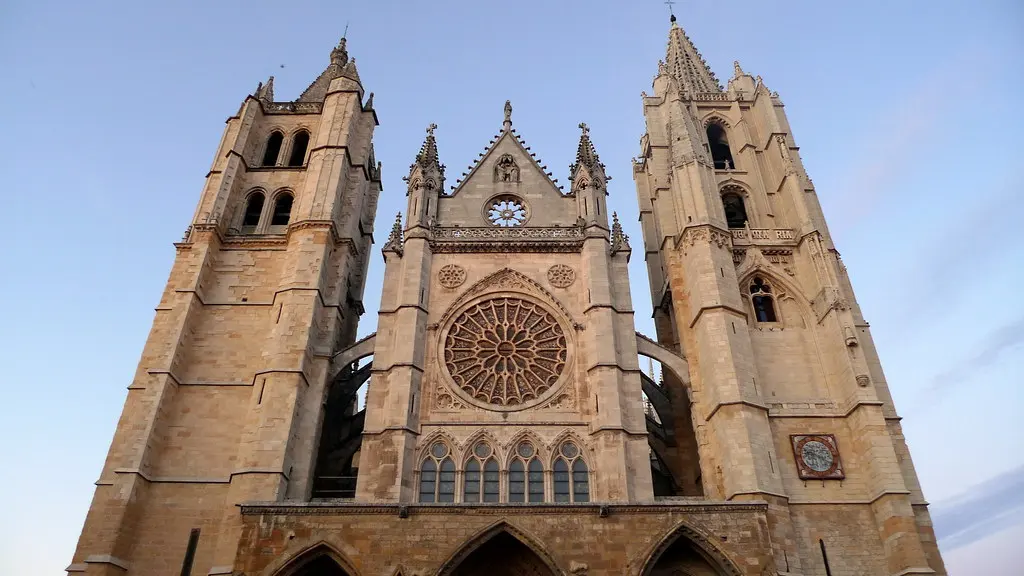
Visit essentials
A quick read before you go
- Duration
- Allow 1.5-2 hours for the cathedral and cloister if you wish to sit and absorb rather than…
- Etiquette
- Modest dress is expected—shoulders and knees covered.
Overview
Entering León Cathedral means adjusting not to darkness but color. Its walls seem dissolved into 125 windows rising from floor to vault and shifting with the sun. Medieval builders called it Pulchra Leonina—the Beautiful Leonine—while Camino de Santiago pilgrims know it as the House of Light.
The architects reduced stone to Gothic architecture's minimum structural expression, embodying medieval theology's view of light as the closest material analogue to God's presence. Morning sun illuminates the Tree of Jesse in the east; evening light reaches the Virgin and Child in the west. The building makes the invisible visible and dissolves the boundary between earth and heaven.
The site has been sacred for over a thousand years. In 916 CE, after defeating the Moors, King Ordoño II donated his royal palace to establish the first cathedral. The present Gothic structure, built between 1205 and 1302, holds the relics of San Froilán, the city's patron saint. For Camino pilgrims leaving the empty Meseta, it offers renewal before the final 300 kilometers to Santiago and recalls what they walk toward.
Why this place is sacred
Medieval theologians understood something about light that modernity has largely forgotten. Following Pseudo-Dionysius and Abbot Suger of Saint-Denis, they held that light was not merely symbolic of divine presence but was itself a manifestation of the sacred made visible to human eyes. León Cathedral was designed to test this theology to its limits.
The architects—Master Enrique, probably French, drawing on the innovations of Reims, Chartres, and Sainte-Chapelle—reduced the walls to their minimum structural requirement. The result is a building with more glass than stone, where the boundary between inside and outside dissolves in color. Visitors consistently report the sensation of being inside light rather than in a building.
But the thinning here operates on multiple registers. The site has witnessed continuous sacred use since the second century, when Romans built thermal baths on this spot. The royal palace of the Leonese kings stood here. For over a thousand years, the faithful have gathered, prayed, celebrated Mass, and laid their dead to rest. The relics of San Froilán have drawn pilgrims since the tenth century.
Then there is the Camino. For eight centuries, pilgrims walking the Way of Saint James have passed through these doors. They arrive exhausted from the Meseta crossing, blistered and worn, seeking not just rest but meaning. The accumulated intention of millions of seekers creates what some traditions call a thin place—a site where the membrane between ordinary reality and something larger grows permeable.
Whether the thinness arises from the architectural design, the play of colored light, the centuries of accumulated prayer, or something beyond conventional explanation remains a question each visitor must hold. The pattern of experience, however, is consistent enough to take seriously.
The Gothic cathedral was designed as an earthly image of the Heavenly Jerusalem described in the Book of Revelation—a city where 'the glory of God gives it light.' The extreme dematerialization of León's walls was not merely aesthetic innovation but theological program, an attempt to make visible what medieval Christians understood as the nature of paradise itself.
The site has served sacred functions since at least the second century CE, when Romans built thermal baths here. King Ordoño II converted his palace to a cathedral in 916 CE. The current Gothic structure was built 1205-1302 and has served continuously as the episcopal seat of León, a major Camino pilgrimage stop, and a place where seekers of all backgrounds come to experience the transformative power of light.
Experience and orientation
You enter through the western portal and pause. Something is different. Most medieval churches require the eye to adjust from bright daylight to candlelit shadow. Here the opposite occurs. The nave is luminous, suffused with color that seems to emanate from the walls themselves.
As your eyes adjust, the architecture reveals itself. There are no substantial walls—only slender stone ribs holding vast expanses of glass. The effect is of standing inside a jeweled reliquary, the light filtering through sapphire, ruby, and gold. On sunny days, the light moves across the floor as the earth turns, creating shifting patterns that local guides call the cathedral breathing.
The scale is significant but not overwhelming. At ninety meters long and thirty high, León is smaller than the great cathedrals of Reims or Chartres. What makes it distinctive is the ratio of glass to stone—the extreme commitment to dematerialization that later visitors would name the House of Light.
Walk the length of the nave, pausing at the chapels that line the aisles. In the main chapel, a silver urn crafted by Enrique de Arfe holds the relics of San Froilán, the ninth-century hermit-bishop who became León's patron saint. His feast, celebrated October 5-12, brings the city alive with processions and medieval ceremonies.
The cloister offers a different quality of stillness. After the intensity of the nave, the 14th-century arcade provides a space for the experience to settle. The central garden, the rhythmic arches, the fragments of sculptural detail—these invite a contemplation that the nave's splendor can overwhelm.
For Camino pilgrims, the experience carries particular intensity. Many have been walking for weeks, crossing the vast empty Meseta before reaching León. They arrive tired, blistered, emotionally open. The contrast between the harsh landscape they have traversed and the beauty of this interior creates what many describe as a breakthrough moment—tears are common, as is a sense of arrival that goes beyond geography.
The cathedral faces west in the traditional Christian orientation. Enter through the main western portal to experience the full impact of the stained glass against the morning or afternoon light. The nave stretches east toward the main altar and the sanctuary where San Froilán's relics rest. The cloister lies off the northern transept, accessed through the Virgen del Dado façade.
The museum, housed in adjacent buildings, requires a separate entrance around the right side of the cathedral after exiting the main church.
For the best light experience, visit in the morning (9:30-11:00) when the eastern rose window and Tree of Jesse panels are illuminated, or in late afternoon (16:00-18:00) when the western light falls on the Virgin and Apostles. Midday offers bright illumination but can be crowded; early and late hours are described by visitors as particularly powerful.
Allow 1.5-2 hours for the cathedral and cloister, adding an hour for the museum if time permits. If you have a full day in León, combine the cathedral with the Basilica de San Isidoro, a half-kilometer walk, which houses the remarkable Romanesque frescoes of the Royal Pantheon—sometimes called the Sistine Chapel of Romanesque Art.
Context and lineage
After King Ordoño II of León defeated the Moors at the Battle of San Esteban de Gormaz in 917 CE, he offered thanks to God by donating his own royal palace to the Church. This palace, built over second-century Roman thermal baths, became the first cathedral of León. Ordoño himself was later buried there, establishing the site as a place where royal and sacred power converged.
The current Gothic cathedral began construction in 1205 under Bishop Martín Fernández with support from Alfonso X. The architect, known as Master Enrique (Maestro Enrique), had previously worked on Burgos Cathedral and was familiar with the Gothic innovations of Île-de-France. He drew on Reims, Chartres, and Sainte-Chapelle to create what would become the most luminous cathedral in Spain.
Construction of the main structure was completed in 1302, though the installation of stained glass continued through the fifteenth century. The building has survived lightning strikes, dome collapses, and foundation problems. In the nineteenth century, it stood on the verge of destruction before a massive restoration (1859-1901) by Matías Lavina and Juan de Madrazo stabilized the structure and returned it to something close to its original medieval appearance.
León Cathedral belongs to the French Gothic tradition, specifically the Rayonnant style that emphasized light and the dissolution of wall surfaces. Its closest relatives are the royal cathedrals of Reims and Saint-Denis, and the Sainte-Chapelle in Paris. Within Spain, it forms a trio with Burgos Cathedral (also designed by Master Enrique) and the Cathedral of Santiago de Compostela—the three great cathedrals of the Camino Francés.
The theological lineage traces to Pseudo-Dionysius the Areopagite (5th-6th century) and Abbot Suger of Saint-Denis (1081-1151), who developed the theology of light as divine manifestation that Gothic architecture was designed to express. This understanding held that material light was the closest analogue to spiritual illumination, and that buildings filled with colored light could serve as earthly images of the Heavenly Jerusalem.
King Ordoño II of León
Founder
San Froilán
Patron Saint
Master Enrique (Maestro Enrique)
Architect
Juan de Madrazo
Restorer
Traditions and practice
The cathedral's liturgical life continues the patterns established over a millennium. Daily Mass is celebrated in the main chapel, where the relics of San Froilán rest in a silver urn. Sunday Masses at 11:00, 12:00, 13:00, and 18:00 draw local worshippers and visiting pilgrims alike.
The Feast of San Froilán, October 5-12, represents the city's most important annual celebration. The festivities begin with solemn Mass and continue with the procession of pendones concejiles—traditional tall banners from surrounding villages, some over five meters high, carried to the rhythm of bagpipes and drums. The Las Cantaderas ceremony, held on the Sunday before October 5, features women in medieval dress dancing from the Town Hall square to the cathedral, led by the Sotadera figure.
For Camino pilgrims, the cathedral offers credential stamping, pilgrim blessing, and the opportunity to rest and pray before the final 300 kilometers to Santiago. Many pilgrims attend Mass before continuing westward.
Beyond the formal liturgy, visitors engage with the cathedral in various contemplative modes. Some come specifically to sit in the nave as the light shifts, watching the colored patterns move across stone—a practice that requires no particular belief but offers its own form of meditation. The cloister provides space for quieter reflection after the intensity of the main church.
The cathedral museum houses nearly 1,500 pieces of sacred art, from prehistoric times through the eighteenth century. The Romanesque sculpture collection is among the finest in Spain. Audio guides are available for those wishing deeper engagement with the iconographic program of the windows and the historical layers of the site.
Allow time for stillness. The cathedral rewards those who sit rather than merely walk through. Find a seat in the nave where you can watch the light move. Notice how your perception shifts as you stop tracking the architectural details and simply receive the chromatic environment.
For those who pray, the side chapels offer more intimate spaces than the main nave. The chapel of San Froilán invites engagement with the city's patron and his legend of wildness tamed by holiness.
If you are walking the Camino, consider attending Mass before departing. The experience of receiving communion in the House of Light, surrounded by centuries of fellow pilgrims, creates a different quality of encounter than simply passing through as a tourist.
For those without specific religious practice, the cloister offers an excellent space for silent sitting. The rhythm of the arches, the enclosed garden, the quality of contained stillness—these elements support contemplation without requiring belief.
Roman Catholicism
ActiveLeón Cathedral has served as the episcopal seat of the Diocese of León since the tenth century. It houses the relics of San Froilán, the city's patron saint, in a silver urn crafted by Enrique de Arfe. The building embodies medieval Catholic theology of light as divine presence—its 1,800 square meters of stained glass were designed to make visible what the faithful understood as a manifestation of God's nature.
Daily Mass is celebrated in the main chapel. Sunday and holy day Masses are offered at 11:00, 12:00, 13:00, and 18:00. The Feast of San Froilán (October 5-12) includes solemn Mass, the procession of pendones concejiles (traditional village banners), and the Las Cantaderas medieval ceremony. The cathedral choir maintains the liturgical tradition. Pilgrims receive blessing and credential stamps.
Camino de Santiago Pilgrimage
ActiveLeón Cathedral is one of the three great cathedrals of the Camino Francés, alongside Burgos and Santiago de Compostela. For eight centuries, pilgrims walking the Way of Saint James have paused here to rest, pray, and renew themselves before the final 300 kilometers to Santiago. The city marks the beginning of the last third of the Camino Francés.
Pilgrims traditionally visit the cathedral to rest, pray, and have their credentials stamped. Many attend Mass before continuing westward. The cathedral offers a moment of architectural transcendence after the arduous crossing of the Meseta plains. Pilgrims often spend one to two days in León recovering before the final push to Santiago.
Perspectives and open questions
León Cathedral invites multiple interpretations. Art historians see it as an extreme expression of Gothic dematerialization. Catholic theology understands it as an image of the Heavenly Jerusalem. Camino pilgrims experience it as a midway sanctuary. Seekers without specific tradition find in it a space where light becomes a medium of transformation. Each perspective reveals something; none exhausts the site's meaning.
Scholarly perspective
Art historians recognize León Cathedral as one of the finest examples of French Gothic architecture on the Iberian Peninsula. The stained glass collection—nearly 1,800 square meters dating primarily from the thirteenth to fifteenth centuries—is among the largest and best-preserved medieval glass ensembles in the world, comparable only to Chartres.
The building represents the extreme application of Gothic dematerialization: the reduction of stone walls to their minimum structural requirement in order to maximize light transmission. León's ratio of glass to stone exceeds even its French models. The 19th-century restoration by Juan de Madrazo, following Viollet-le-Duc's historicist principles, is itself studied as a significant example of heritage conservation philosophy.
Living and traditional perspectives
Catholic theology interprets the cathedral's light as a manifestation of divine presence. Medieval theologians, following Pseudo-Dionysius the Areopagite and Abbot Suger of Saint-Denis, understood light as the closest material analogue to God's nature. The building was designed to make this theology visible.
The iconographic program of the windows follows a deliberate plan synchronized with the sun's movement. The sunrise illuminates the Tree of Jesse—the genealogy of Christ—in the eastern windows. As the day progresses, light moves through the nave. At sunset, the western windows depicting the Virgin and Child and the Twelve Apostles receive the final illumination. Northern windows, depicting Old Testament figures who lived before Christ's light, are rendered in cooler blue tones.
The building itself is understood as an earthly image of the Heavenly Jerusalem described in Revelation, where God's glory provides light and the sun is no longer needed. For the faithful, entering León Cathedral is a foretaste of paradise.
Alternative interpretations
Some alternative researchers note the cathedral's position over Roman thermal baths and suggest the site may have been sacred before Christianity, possibly connected to water veneration or telluric energies. The emphasis on light transformation has drawn comparison to alchemical symbolism—the transmutation of base matter (stone) into refined substance (light).
No substantial evidence supports pre-Christian sacred use beyond the documented Roman baths. The cathedral's theological program is thoroughly documented in medieval sources, making esoteric interpretations supplementary rather than primary readings. Nevertheless, the site's long history of human presence and the consistent reports of unusual experience invite questions about what accumulates in particular locations over centuries of intensive use.
Open questions
Several mysteries persist. The precise identity and training of Master Enrique—whether French or Spanish trained in France—remains debated by scholars. Why León's architects pushed dematerialization beyond even their French models is not fully explained; the structural risks were significant, as later foundation problems demonstrated.
How medieval craftsmen achieved such durable glass with such sophisticated color chemistry remains partially mysterious. Modern analysis has identified the mineral compounds used, but replicating the exact qualities has proved difficult. The full iconographic program of all 125+ windows has not been completely catalogued and interpreted; scholars continue to discover meanings in the panels.
Plan your visit
Access and arrival
León offers the full range of accommodation, from pilgrim albergues (around €12-15 per night) to the luxury Parador de San Marcos (housed in the former monastery). The historic quarter around the cathedral has numerous hotels and guesthouses at various price points. Camino-oriented hostels cluster near the old town. Booking ahead is advisable during the Feast of San Froilán (October) and peak Camino season (May-September).
Respectful visit
Dress modestly as you would for any active church. Shoulders and knees should be covered. No beachwear, athletic shorts, or overly casual attire. This is not strictly enforced but remains expected. Bringing a light scarf or shawl is wise, especially in summer when visitors may arrive more casually dressed.
Photography without flash is generally permitted in the nave, cloister, and museum. Flash is prohibited throughout. Photography during liturgical services is not appropriate. Tripods and professional equipment may require advance permission from the diocese.
Candles may be lit in designated areas of the side chapels. A small donation is customary but not required. Contributions to cathedral maintenance are appreciated—the building requires constant conservation work. Collection boxes are located throughout the church.
No eating or drinking inside the cathedral. Mobile phones should be silenced. Touching sculptures, artwork, or architectural elements is prohibited. Climbing on monuments or furniture is forbidden. Access to certain areas may be restricted during services or special events.
The cathedral is an active place of worship. Mass times are not convenient for photography or casual tourism—if a service is in progress, either join respectfully or wait until it concludes.
The cathedral closes during the Spanish siesta (typically 13:30-16:00). Plan accordingly.
No reduced pilgrim admission is offered, which is unusual for Camino cathedrals. The €7 admission (€10 with museum) is considered worthwhile by most visitors but may surprise those accustomed to pilgrim discounts elsewhere.
Current practical details
Address
León, Spain
Hours, fees, and access can change — verify on the official source before you travel. Practical details last checked Jun 2026.
Location
Map loads as you approach this section.
Pilgrim reflections
A portrait of encounter, not a score
Pilgrims describe what they felt, how present they could become, and whether the place would shape a journey. There are no stars and no ranking of traditions.
No reviewed reflections yet
The first pilgrims can help describe the character of being here.
Share a reflection
Available after an account-backed “Been there.” Every reflection is reviewed before publication.
Nearby sacred places
Explore other sacred places in the region. Proximity does not establish access or travel time; check each place’s guidance.

Basilica of San Isidoro
León, León, Spain
0.4 km away

Astorga Cathedral (Catedral de Santa María)
Astorga, Astorga, Castilla y León (León), Spain
43.2 km away
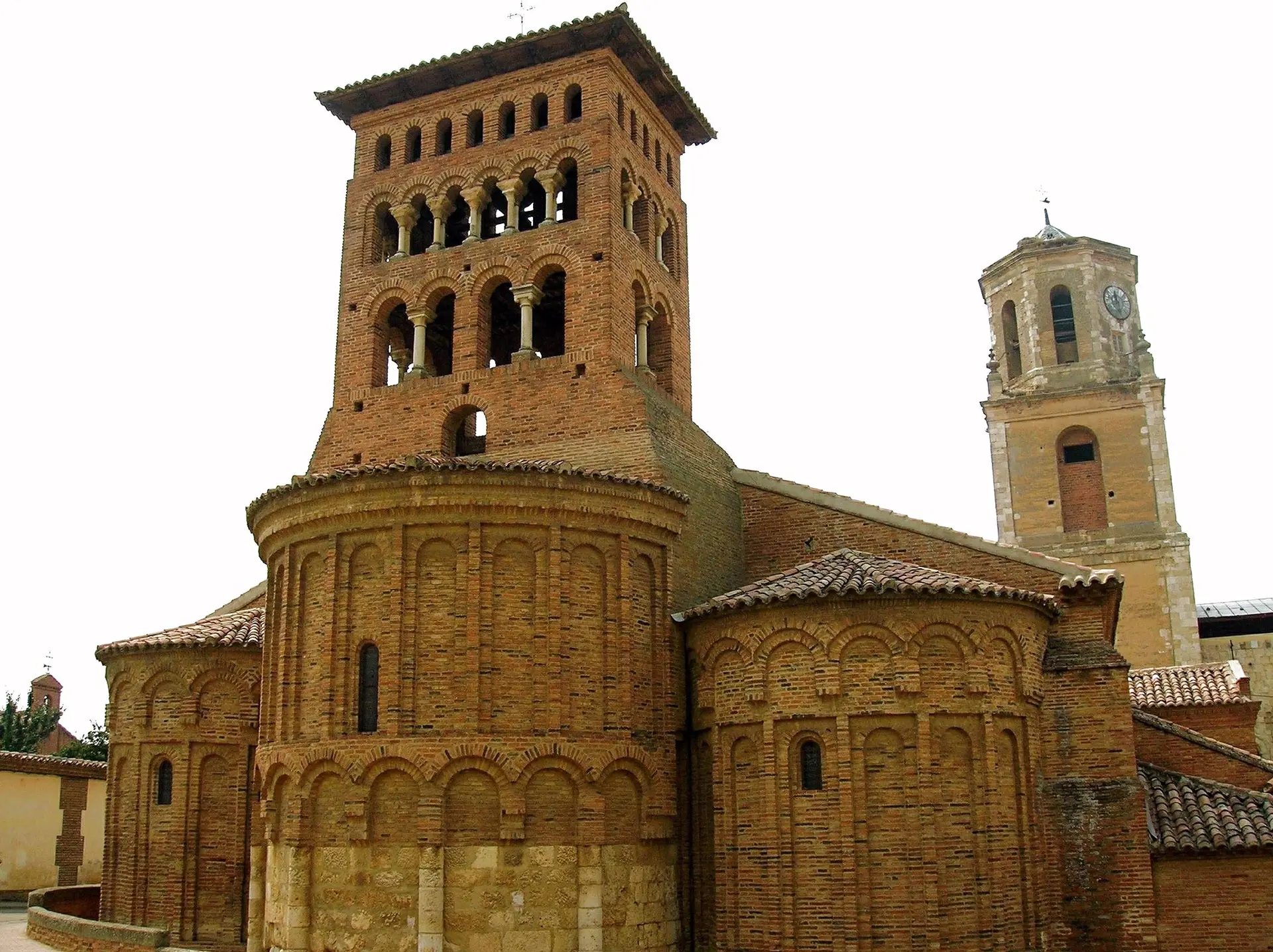
Iglesia de San Tirso, Sahagún
Sahagún, Sahagún, Castilla y León (León), Spain
50.7 km away
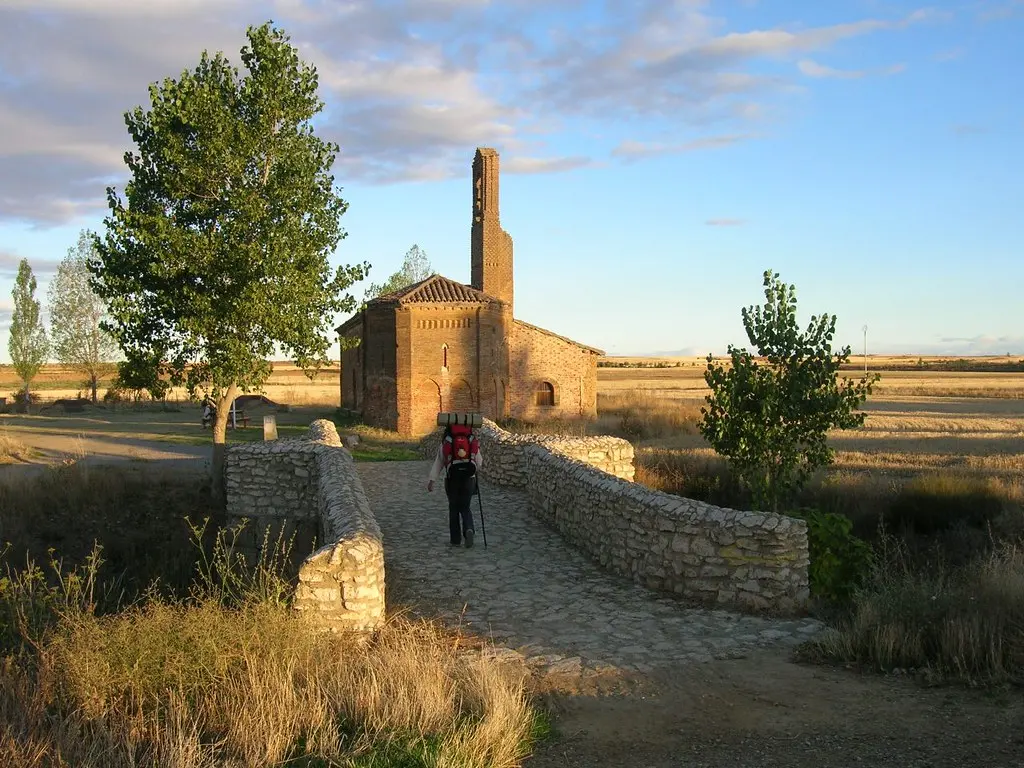
Shrine of La Virgen del Puente
Sahagún, León, Spain
50.8 km away
References
Sources consulted for this page. Source categories describe the publication, not a guarantee that every claim is verified. Traditional accounts and outside interpretations may differ.
- 01León Cathedral - Wikipedia — Wikipedia ContributorsencyclopediaComprehensive overview of history, architecture, and restoration
- 02Leon Cathedral. Gothic. Information and history — Spain.infoofficialOfficial Spanish tourism portal with verified information
- 03The León Cathedral and its stained-glass windows — Fundación JacobeaofficialDetailed analysis of stained glass symbolism and arrangement
- 04Cathedral of Leon — Portal de Turismo de Castilla y LeónofficialRegional tourism authority with detailed visitor information
- 05Cathedral of Leon - Página Oficial de Turismo de León — León TourismofficialOfficial city tourism site
- 06San Isidoro, León - Wikipedia — Wikipedia ContributorsencyclopediaInformation on nearby Basilica de San Isidoro
- 07Insider's Guide to León on the Camino Francés Route — CaminoWaysguidePractical pilgrimage information
- 08León Cathedral: History and curiosities — My Palace LeónblogLocal perspective on cathedral history and curiosities
- 09León Cathedral: a spectacle of light within its stained-glass windows — Barceló ExperiencesguideVisitor experience descriptions and practical tips
- 10San Froilán Festival in León: Tradition, Gastronomy and Celebration — León ApartamentosblogDetailed festival information
- 11Did you Know St. Froilán? — District of the USA, SSPXspiritualHagiographic information on San Froilán
- 12Real Basílica de San Isidoro — Lonely PlanetguideVisitor information on nearby Romanesque basilica
Share a photo
Help visitors recognize Leon. Every submission is reviewed before publication.