Basilica of Our Lady of Deliverance, Douvries-la-Delivrande
Normandy's oldest Marian pilgrimage, rooted in pre-Christian goddess worship
Understand sacred places, explore living traditions, and learn how to engage respectfully with Pilgrim Map.
Access has not been verified. Check current local guidance before planning a visit.
Douvres-la-Délivrande, Calvados, France
Read the sources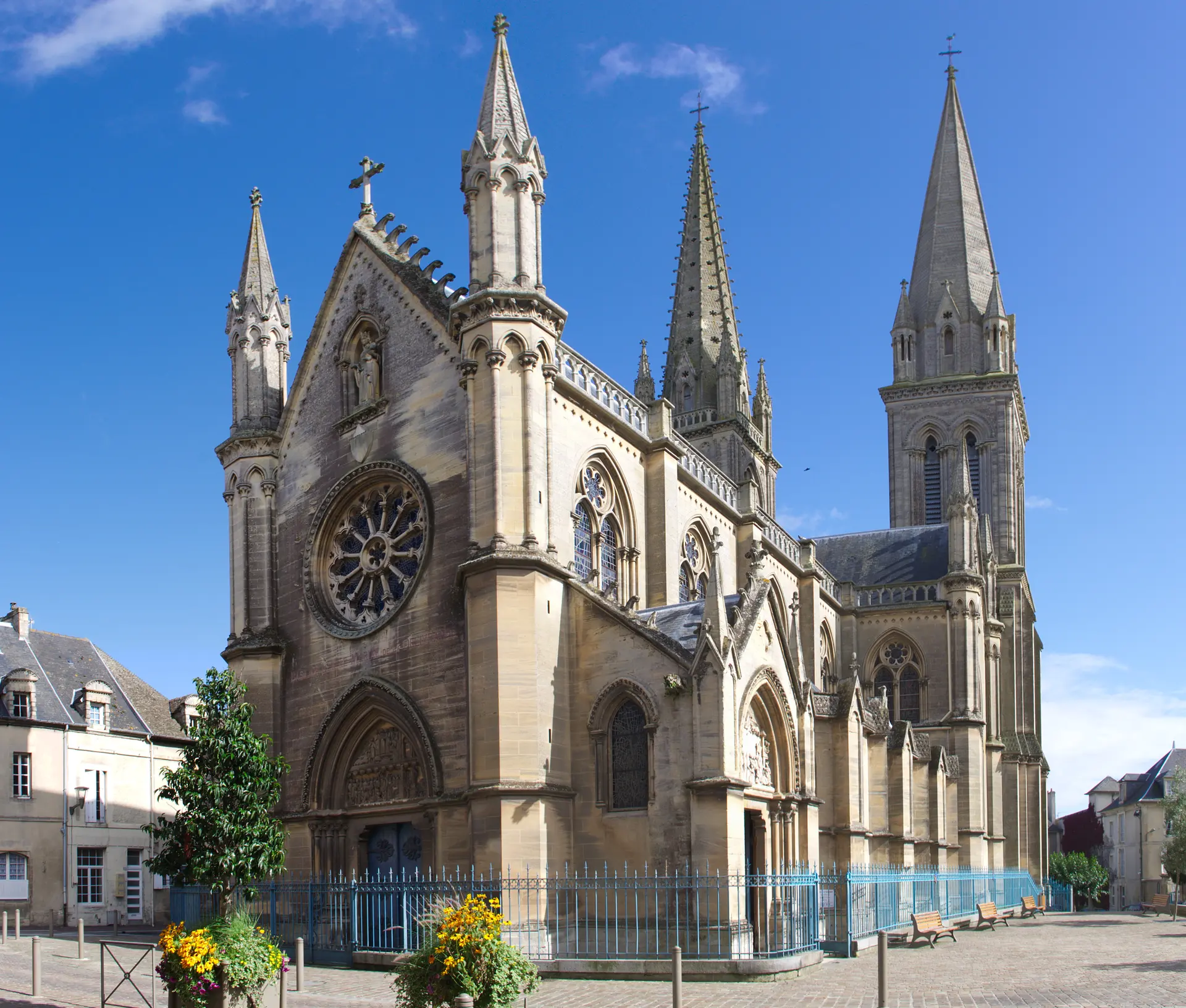
Image of Basilica of Our Lady of Deliverance, Douvries-la-Delivrande. Image source · CC-BY-SA-3.0
Visit essentials
A quick read before you go
- Duration
- Thirty minutes to one hour.
- Etiquette
- Standard church etiquette applies.
Overview
The Basilica of Notre-Dame de la Délivrande stands on ground devoted for millennia: first to a Celtic mother goddess, then by the third century to the Virgin Mary who replaced her. It is Normandy's oldest Marian pilgrimage site and among France's oldest.
Its Black Madonna is credited with deliverance from captivity, illness, and spiritual bondage. Each August she is carried through the streets in a procession medieval pilgrims would recognize.
The present neo-Gothic basilica was built from 1854 to accommodate the faithful, but its heart is a pre-Christian-rooted tradition of seeking deliverance, a Madonna known for freeing captives, and two thousand years of prayers for liberation from what binds.
Why this place is sacred
What makes a place sacred across millennia? The Délivrande site answers through persistence. When one tradition ended, another rose on the same ground, serving similar human needs. The Celtic goddess who heard prayers for fertility and protection became the Virgin who hears prayers for deliverance and salvation. The continuity suggests that something in the place itself draws human seeking.
The Black Madonna's documented miracles focus on liberation. A sixteenth-century merchant, enslaved on a Turkish ship, prayed to Our Lady of Deliverance; his irons fell free and he escaped. At her shrine afterward, the iron ring still around his neck dropped to the ground. Saint Francis de Sales, tormented by spiritual despair, was freed through devotion to her.
The darkness of the Madonna adds to her power. Black Madonnas across Europe carry associations with earth, with the womb, with the underworld passages through which all must travel. Whether the color is original, the result of age, or something else, it sets this Virgin apart and suggests a depth of intercession that reaches into darkness to bring forth light.
The August procession, when the crowned Madonna is carried through the streets with singing, enacts the liberation she represents. For those who participate, the act of processing with her becomes itself a prayer for deliverance.
The site was established as a Celtic sanctuary around 200 BCE. After Christianization in the third century, it became a chapel to the Virgin Mary (see the origin story for the founders who consecrated and continued the devotion).
From Celtic goddess worship to early Christian chapel to medieval pilgrimage center to nineteenth-century basilica, the site has continuously served as a place of devotion. Each transition preserved something of what came before while adding new dimensions.
Experience and orientation
Douvres-la-Délivrande is a small Normandy town near the D-Day beaches, easily overlooked unless you know what it holds. The basilica's twin spires rise above modest streets. Enter and the neo-Gothic interior opens—nineteenth-century architecture serving an ancient purpose.
The Black Madonna is found in her chapel. She is smaller than expected, perhaps—a painted stone figure, dark-faced, crowned, robed in precious fabric. But size is not the measure. Kneel before her and join the tradition of deliverance prayers she has held for centuries.
The rest of the basilica rewards exploration: side altars, stained glass, the atmosphere of provincial French Catholicism that has maintained devotion through war and peace, revolution and restoration. But the heart is the Madonna. Return to her.
If you visit in August, you may witness the procession—the Madonna carried through the streets, the faithful following with hymns, the present joined to the medieval pilgrims and the Celtic processions that likely preceded them here.
The basilica stands in the center of Douvres-la-Délivrande. The Black Madonna is in a chapel to one side of the nave. The basilica is typically open during daylight hours.
Context and lineage
Around 200 BCE, Celtic peoples established a sanctuary here dedicated to a mother goddess. Roman writers identified her with Demeter. The site's sacred character persisted across cultures.
In the third century, Saint Exupère, the first bishop of the region, consecrated the pagan site to the Virgin Mary. His successor Saint Regnobert installed the original Madonna of Délivrande. The devotion grew; by the Middle Ages, this was one of Normandy's most famous pilgrimages.
The religious wars brought destruction. In 1561, Protestants destroyed the original statue. Canon Legendre donated the current Black Madonna in 1580, and devotion resumed. The statue was crowned by Papal authority on August 22, 1872, a sign of official recognition of her miraculous status.
King Louis XI made pilgrimage here in 1470 and 1473. Saint Thérèse of Lisieux visited in 1887. Saint Francis de Sales and Saint Vincent de Paul were members of the confraternity of Our Lady of Deliverance.
The Missionaries of the Délivrande currently care for the basilica and maintain the pilgrimage tradition. The devotion has influenced Marian shrines as far as Senegal, where a nineteenth-century bishop brought the cult.
Saint Exupère
Founder
Saint Regnobert
Early patron
Saint Thérèse of Lisieux
Notable pilgrim
Traditions and practice
Medieval pilgrims came seeking the Madonna's help with all forms of captivity—physical imprisonment, illness, spiritual bondage. The confraternity of Our Lady of Deliverance counted saints among its members.
The basilica offers daily masses. The annual procession on the Thursday after August 15 maintains the public devotion. Individual pilgrims visit throughout the year to pray before the Black Madonna.
Visit during the August procession if possible—it is a living enactment of the site's purpose. Otherwise, come with whatever need for deliverance you carry. Light a candle; pray before the Madonna; trust that prayers offered here for two thousand years have been heard.
Roman Catholicism
ActiveNormandy's oldest Marian pilgrimage, rooted in a site sacred for over two thousand years. The Black Madonna specializes in deliverance from all forms of bondage. Saints, royalty, and ordinary pilgrims have sought her intercession across centuries.
Veneration of the Black Madonna, annual procession, prayers for deliverance, pilgrimage, Mass and sacraments.
Perspectives and open questions
The site can be understood as example of religious continuity across cultures, as medieval pilgrimage center, as living tradition of Marian devotion, or as place where generations have sought liberation from bondage.
Scholarly perspective
The transition from Celtic goddess worship to Christian Marian devotion illustrates common patterns in European religious history. The 'deliverance' specialty may preserve functions originally associated with the goddess.
Living and traditional perspectives
Within Catholic tradition, the Black Madonna is venerated as a powerful intercessor particularly effective for those seeking deliverance from captivity, illness, or spiritual bondage.
Alternative interpretations
Some researchers see Black Madonnas as preserving elements of pre-Christian goddess worship within a Christian framework. The connection to earth, fertility, and deliverance through dark passages supports such interpretations.
Open questions
The exact nature of the original Celtic goddess worshipped here is not definitively established. The reason for the Madonna's dark coloring remains debated. The full extent of miracles attributed to her is not publicly documented.
Plan your visit
Access and arrival
Limited accommodations in Douvres-la-Délivrande; Caen offers full tourist facilities.
Respectful visit
Modest dress appropriate for a church.
Generally permitted; be respectful.
Candles are available for lighting.
Do not disturb the Black Madonna or other devotional objects.
The town is small with limited facilities. Combine with visits to the D-Day beaches or other Normandy sites.
Current practical details
Address
10 Pl. de la Basilique, 14440 Douvres-la-Délivrande, France
Phone
Hours
Hours, fees, and access can change — verify on the official source before you travel. Practical details last checked Jun 2026.
Location
Map loads as you approach this section.
Pilgrim reflections
A portrait of encounter, not a score
Pilgrims describe what they felt, how present they could become, and whether the place would shape a journey. There are no stars and no ranking of traditions.
No reviewed reflections yet
The first pilgrims can help describe the character of being here.
Share a reflection
Available after an account-backed “Been there.” Every reflection is reviewed before publication.
Nearby sacred places
Explore other sacred places in the region. Proximity does not establish access or travel time; check each place’s guidance.

Basilica of Sainte-Therese of Lisieux
Lisieux, Calvados, France
45.9 km away

Saint-Wandrille Abbey
Rives-en-Seine, Rives-en-Seine, Seine-Maritime / Normandy, France
86.3 km away
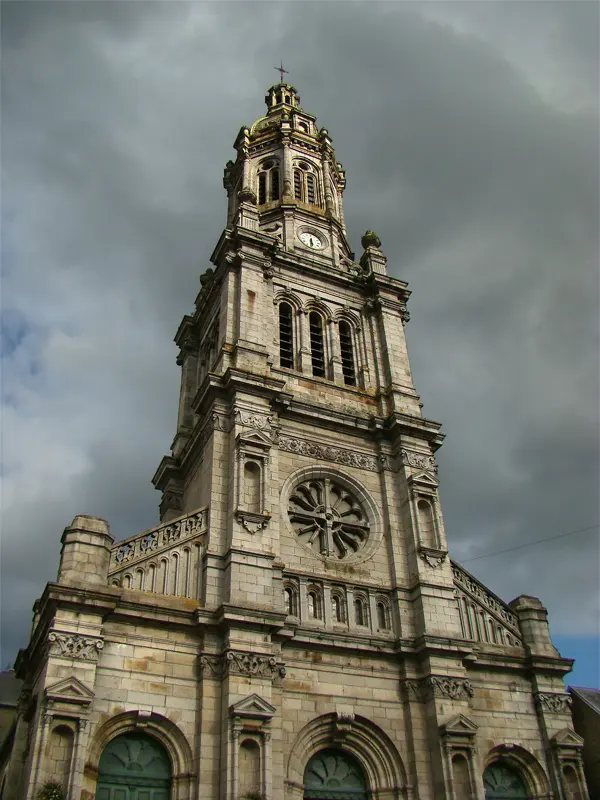
Basilique Saint-Gervais-et-Saint-Protais
Avranches, Avranches, Normandie (Manche), France
98.6 km away
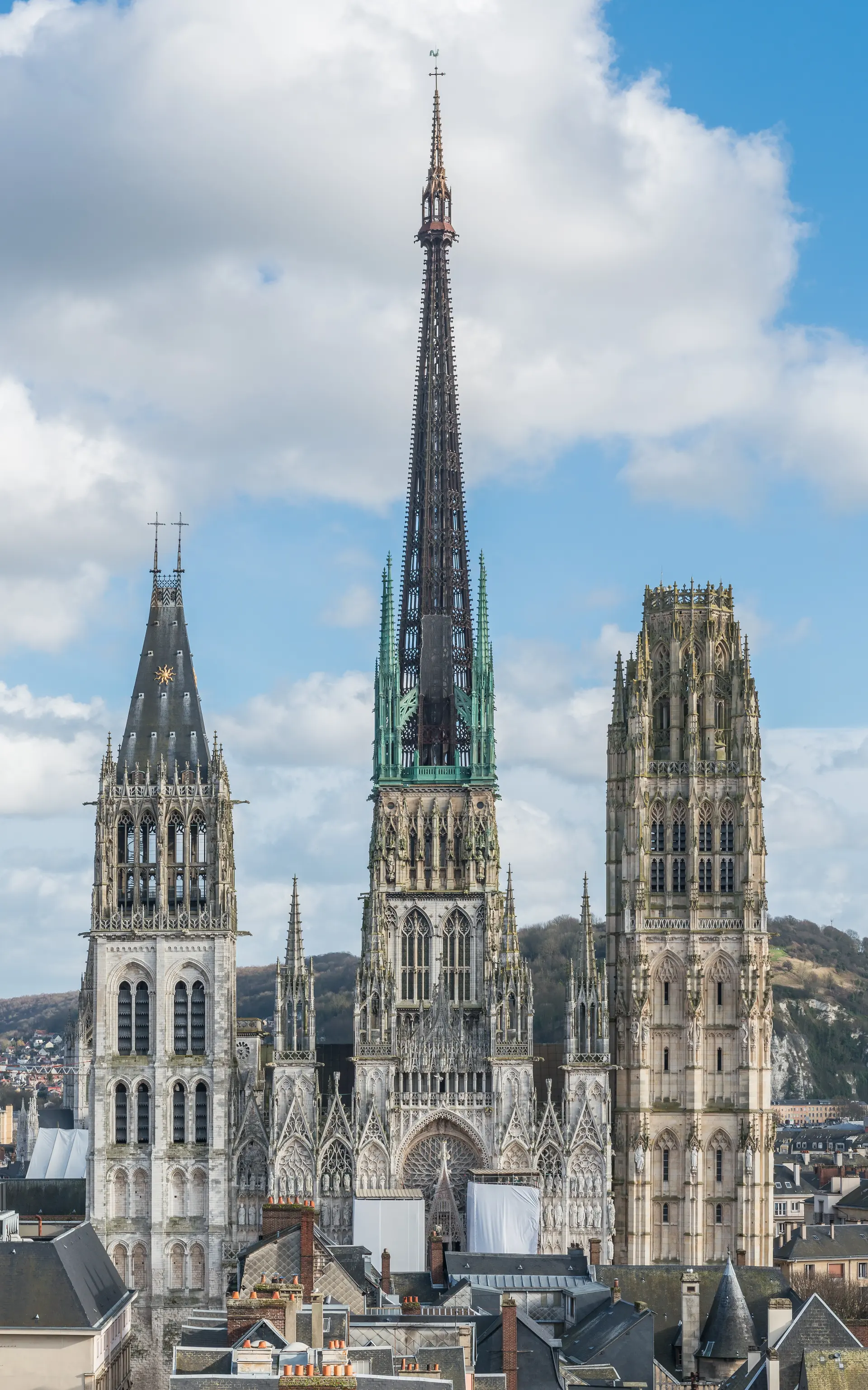
Cathédrale Notre-Dame de Rouen (Rouen Cathedral)
Rouen, Rouen, Normandie (Seine-Maritime), France
107.2 km away
References
Sources consulted for this page. Source categories describe the publication, not a guarantee that every claim is verified. Traditional accounts and outside interpretations may differ.
- 01Basilique Notre Dame de la Délivrande - Normandy Tourism — Normandy TourismguideOfficial regional tourism
- 02Basilique Notre Dame de la Délivrande - Cœur de Nacre tourisme — Cœur de Nacre TourismguideLocal tourism authority
- 03A Goddess and the black Madonna of Douvres-la-Délivrande — Normandy Then and NowacademicDetailed historical article
- 04Our Lady of Deliverance (Notre-Dame de la Délivrande) — Interfaith Mary PageacademicComprehensive Black Madonna resource
Photo gallery
4 curated photos
Share a photo
Help visitors recognize Basilica of Our Lady of Deliverance, Douvries-la-Delivrande. Every submission is reviewed before publication.