Country guide
Spain
Spain brings together sacred architecture, pilgrimage traditions, and landscapes shaped by memory, ritual, and local devotion.
184 sacred sites across 61 regions. Use the tradition links to narrow in.
Sacred journeys
Pilgrimages in Spain
Follow routes that connect sacred places across Spain. Mapped-place counts reflect the current atlas.
Christianity · Navarre, La Rioja, Castile and León, Galicia
Camino Francés
Camino Francés
Eleven mapped churches along the best-known Spanish approach to Santiago, presented as a partial sacred-site spine rather than a complete stage guide.
11 mapped places in Spain · 11-station pilgrimage
Christianity · Iberian Camino network
Camino de Santiago — Selected Sacred Sites
Caminos de Santiago
A cross-route collection of sacred places within the wider network of roads converging on Santiago de Compostela.
10 mapped places in Spain · 11-station pilgrimage
International routeChristianity · Basque Country, Cantabria, Asturias, Galicia
Camino del Norte
Camino del Norte / Camino de la Costa
A six-church coastal spine from Irún through Asturias, with the official route continuing across Galicia to Santiago.
6 mapped places in Spain · 6-station pilgrimage
Christianity · Northern Portugal to Galicia
Caminho Português (Central Route)
Caminho Português de Santiago — Caminho Central
The inland branch of the Portuguese Camino, running from Porto's granite cathedral north into Galicia.
2 mapped places in Spain · 7-station pilgrimage
International route
Browse by region
Explore Spain region by region
Open a regional guide to see its sacred sites, traditions, and map.
Show all 60 regions
Explore Spain by facet
Traditions
Physical forms
Dates connected to Spain
Upcoming festivals, feast days, and pilgrimages tied to Spain. Add any to your calendar, or see the full observance calendar.
Refine the atlas
Related Spain guides
Showing 145-184 of 184 sites in this country guide

Sanctuary of the Fuensanta
Murcia, Murcia, Spain
On a mountain spur above Murcia's fertile huerta, a Baroque sanctuary holds the city's patroness — a Marian image credited with ending a devastating drought in 1694....

Sanctuary of Torreciudad
Secastilla, Huesca, Spain
Marian devotion at Torreciudad reaches back to an eleventh-century hermitage, its Romanesque carving traditionally enthroned in 1084....

Sant Pere de Rodes Monastery
El Port de la Selva, Girona, Spain
High on the Serra de Rodes above Catalonia's Cap de Creus, Sant Pere de Rodes stands as a roofless Benedictine ruin over Mediterranean cliffs....
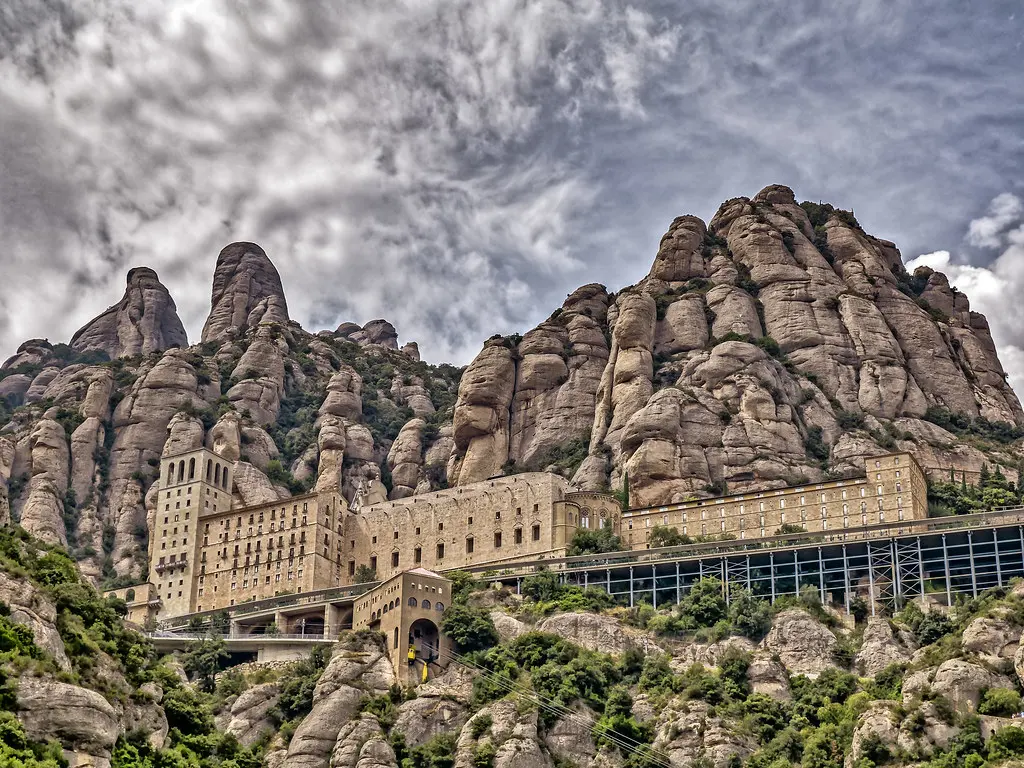
Santa Maria de Montserrat Abbey
Monistrol de Montserrat, Barcelona, Spain
Rising from the serrated peaks that give this mountain its name, Santa Maria de Montserrat has drawn pilgrims for over a thousand years....

Santa María la Real do Cebreiro
Pedrafita do Cebreiro, Lugo, Spain
Perched at 1,293 meters where the Camino Francés crosses from Castile-León into Galicia, this small pre-Romanesque church has sheltered pilgrims since the 9th century....
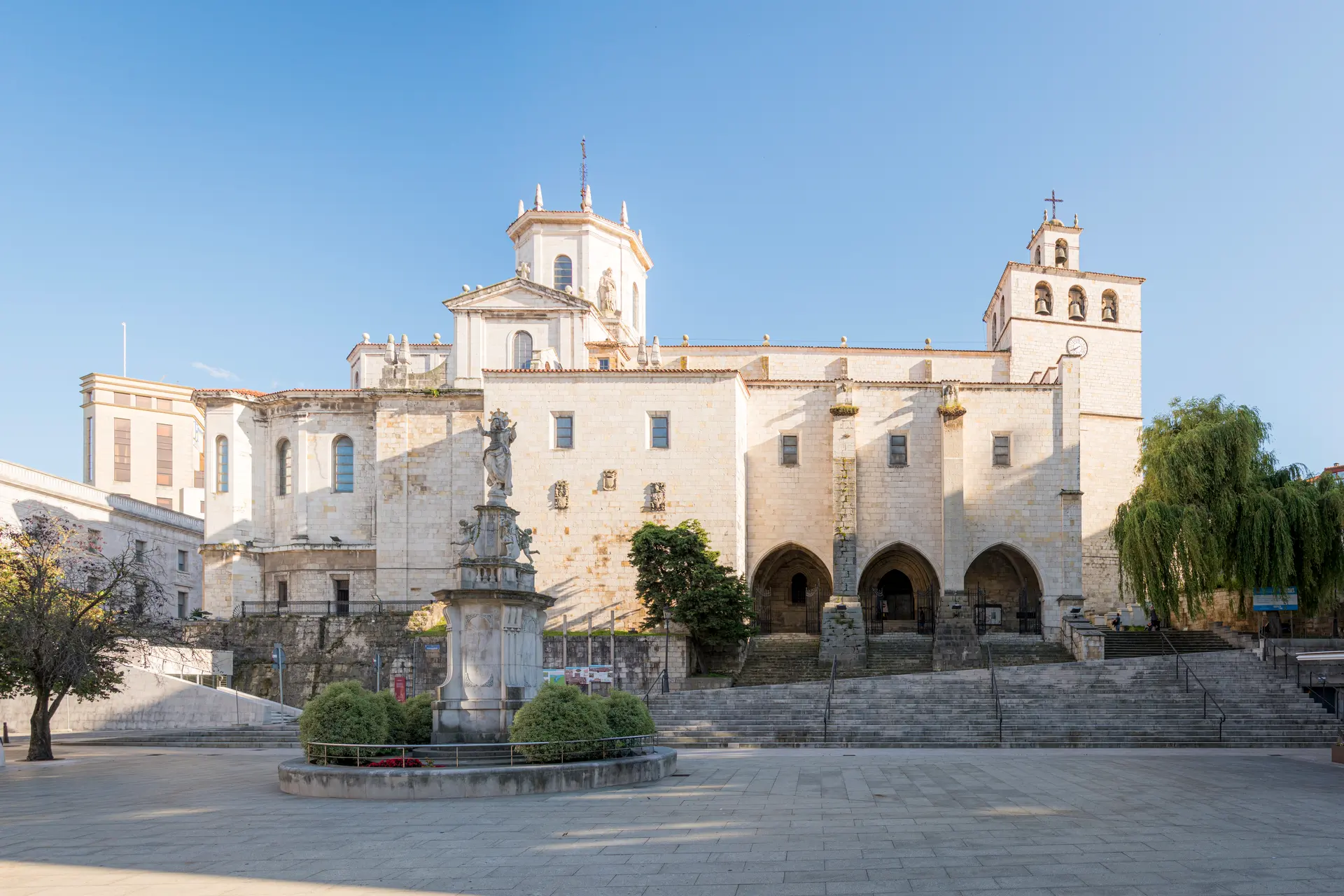
Santander Cathedral (Catedral de Nuestra Señora de la Asunción)
Santander, Santander, Cantabria, Spain
Google Places, Wikidata, the supplied encyclopedic record, and a rights-cleared exact-subject image converge on the same place....

Santes Creus Monastery
Aiguamúrcia, Tarragona, Spain
Founded in the mid-twelfth century as one of Catalonia's three great Cistercian houses, Santes Creus held the royal pantheon of the Crown of Aragon before its monks were...
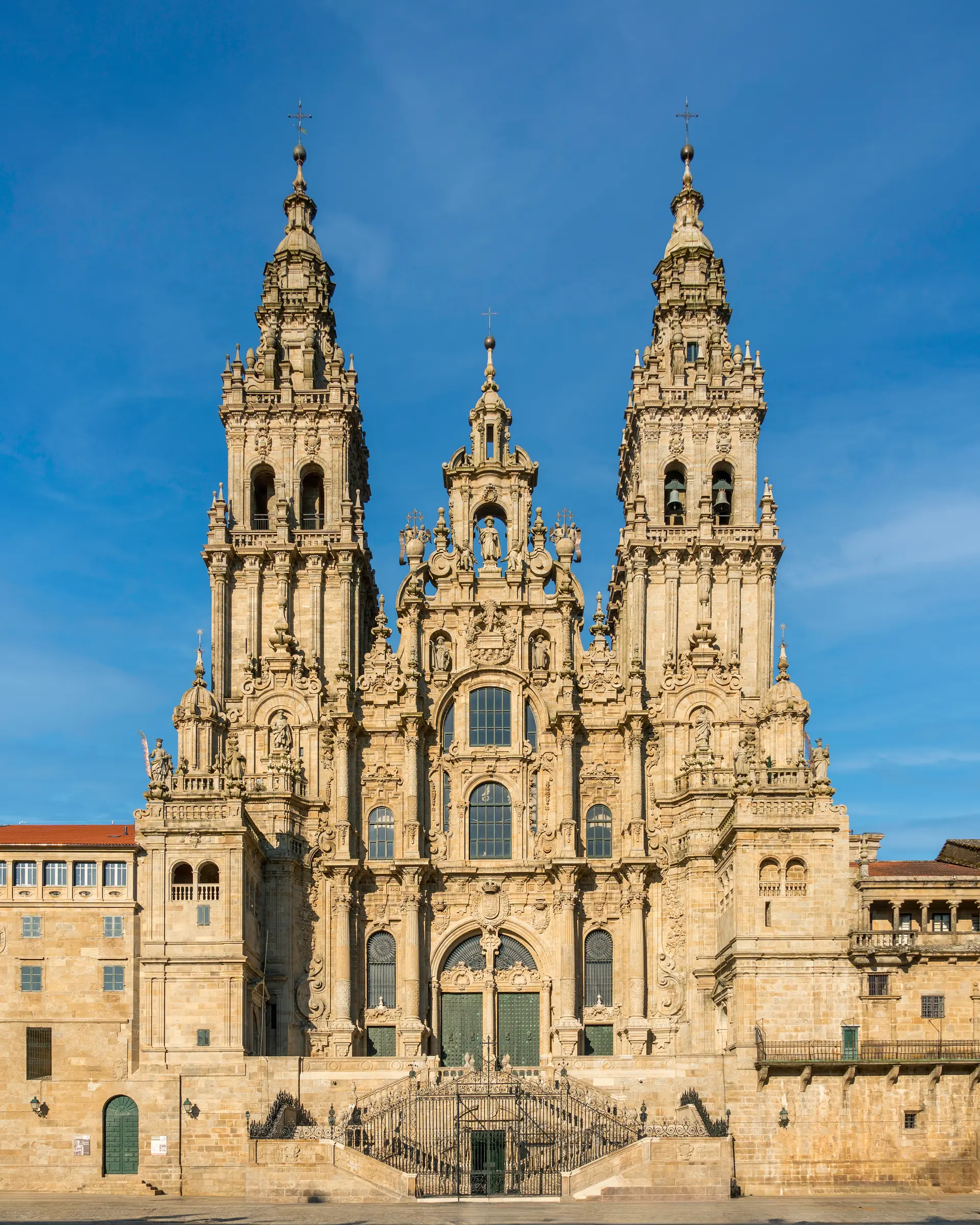
Santiago de Compostela Cathedral
Santiago de Compostela, A Coruña, Spain
For more than a thousand years the granite squares of Santiago have been the final paving stones of a journey that begins in dozens of European countries....

Santimamiñe Cave
Kortezubi, Biscay, Spain
Inside a hillside cave near Bilbao, Magdalenian hunter-gatherers painted fifty animal figures roughly 14,000 years ago — bison, horses, ibex — in a chamber so deep it...
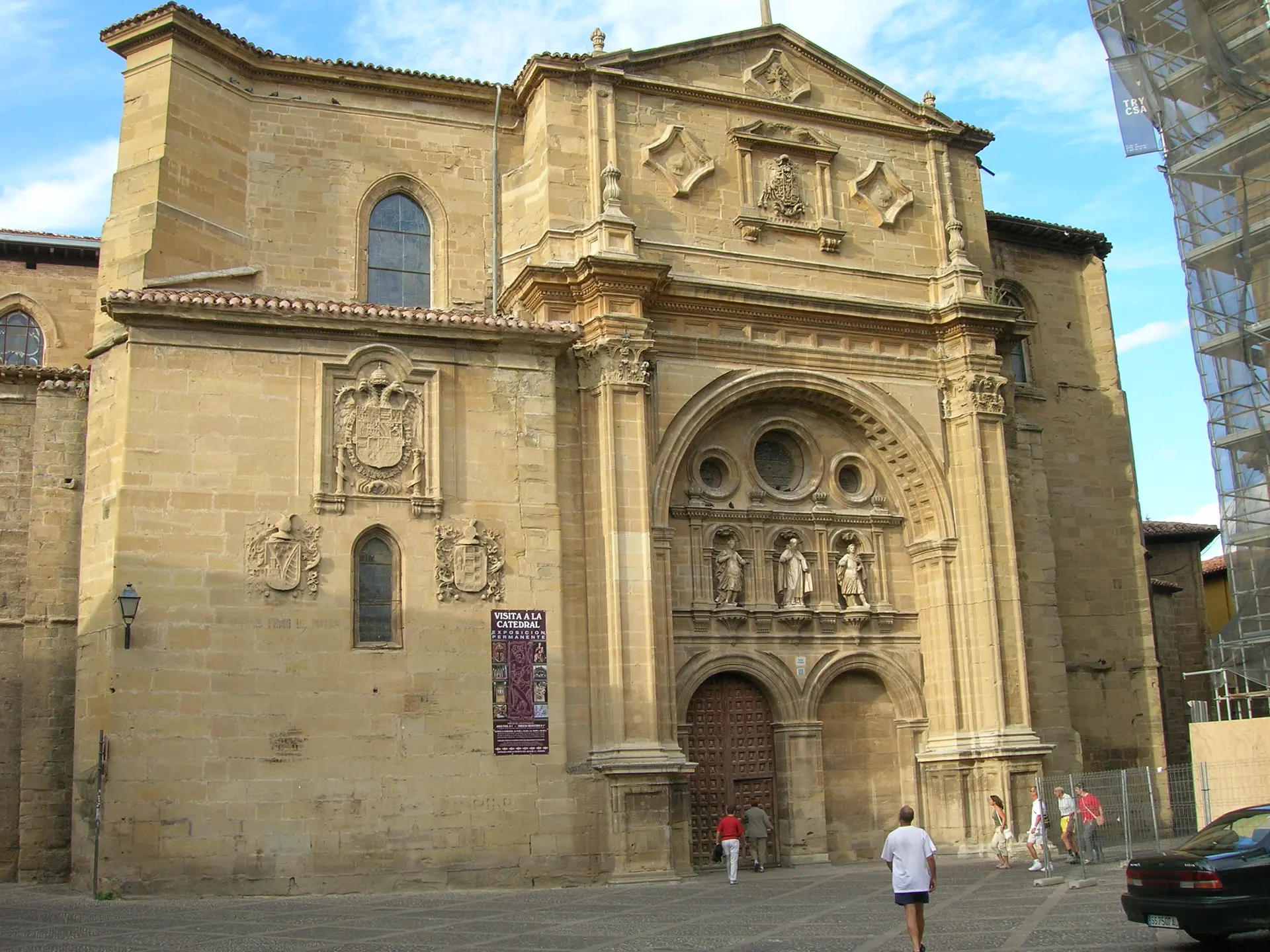
Santo Domingo de la Calzada Cathedral
Santo Domingo de la Calzada, La Rioja, Spain
Santo Domingo de la Calzada Cathedral holds the tomb of an eleventh-century hermit who made this stretch of the Camino Francés safe by building a causeway, a bridge, and a...
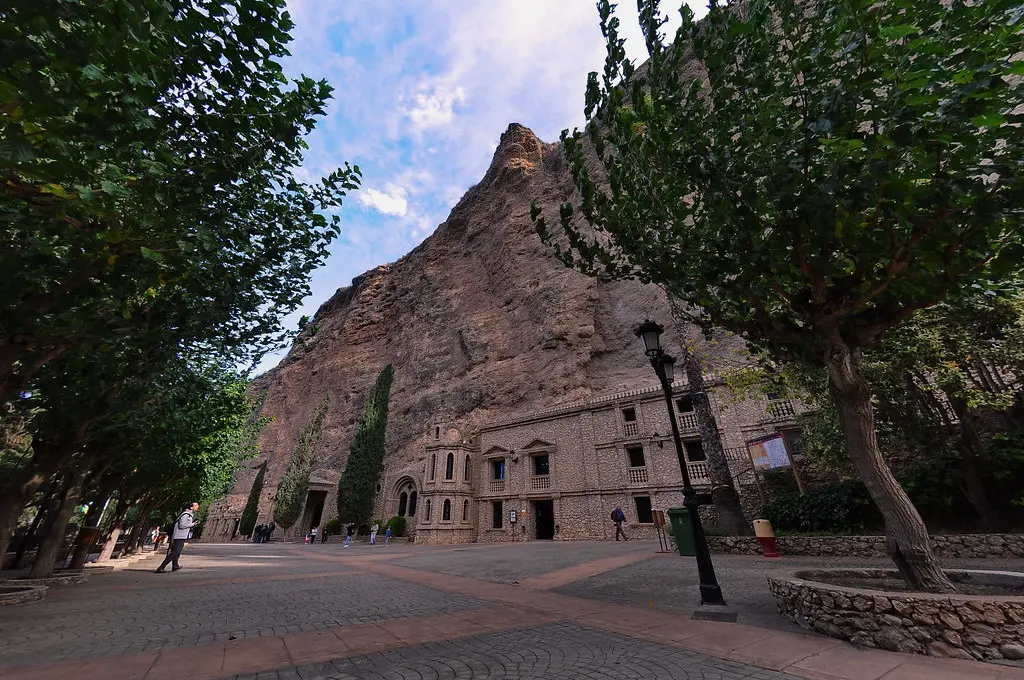
Santuario Virgen de la Esperanza
Calasparra, Murcia, Spain
Six kilometers from Calasparra in Spain's Murcia region, a natural cave on the banks of the Segura River holds the Sanctuary of the Virgin of Hope....

Segóbriga Archaeological Park
Saelices, Cuenca, Spain
Segóbriga crowns a mesa in the Spanish Meseta, its theatre, amphitheatre, forum, and Visigothic basilica still largely standing after two millennia of near-continuous...

Segovia Cathedral
Segovia, Segovia, Spain
Segovia Cathedral crowns the city's Plaza Mayor as the final major expression of Gothic architecture built in Spain, raised after the destruction of its predecessor during...

Ses Païsses
Artà, Balearic Islands, Spain
Ses Païsses is a Talayotic Bronze and Iron Age settlement on the edge of Artà, northeastern Mallorca, centered on a massive stone tower and enclosed by a cyclopean wall...

Ses Roques Llises Dolmen
Alaior, Balearic Islands, Spain
Ses Roques Llises is a Talayotic-culture dolmen near Alaior, Menorca, built as a collective stone tomb around 2100-1600 BCE....
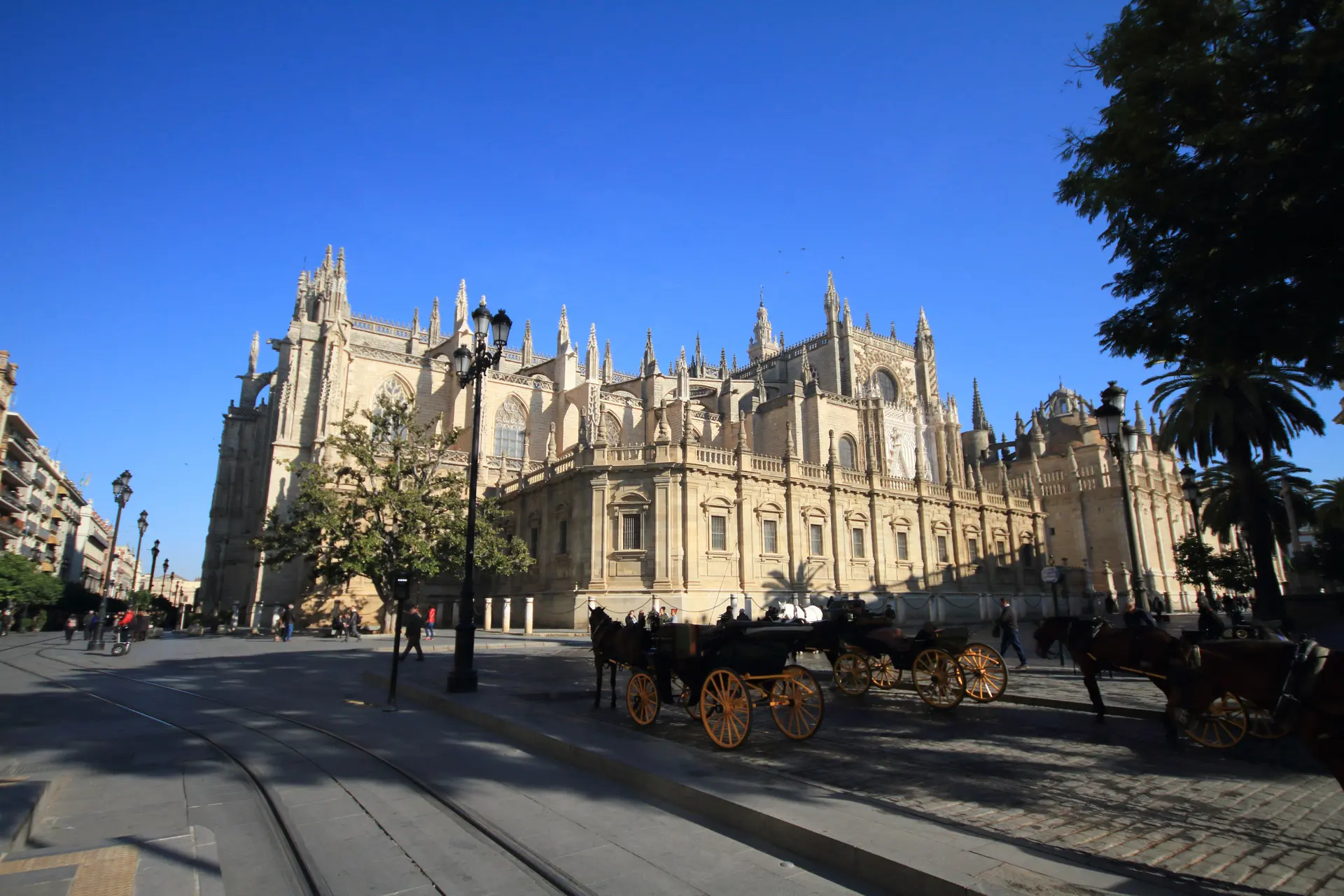
Seville Cathedral
Seville, Seville, Spain
Seville Cathedral rose from 1401 over the footprint of the city's great Almohad mosque, keeping the mosque's minaret and ablutions courtyard as it grew into the largest...
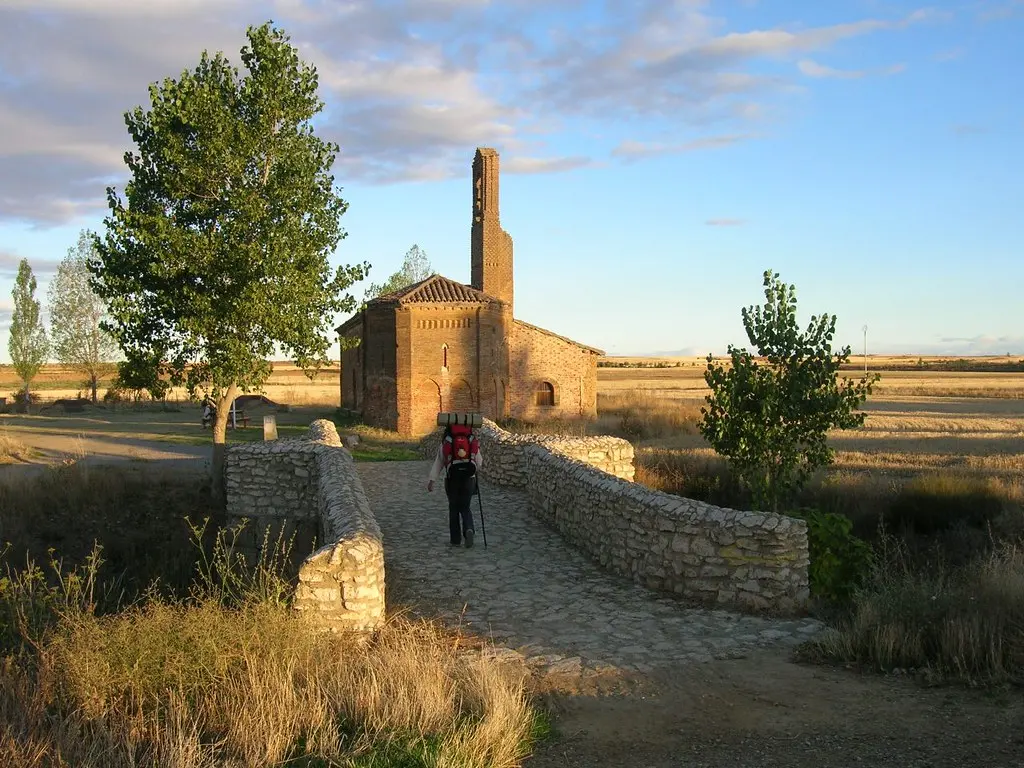
Shrine of La Virgen del Puente
Sahagún, León, Spain
A small Mudéjar brick hermitage beside a medieval bridge over the Valderaduey, marking the first Marian waypoint pilgrims meet on the Camino Francés as they cross from...

Shrine of the Virgen de Gracia
San Lorenzo de El Escorial, Madrid, Spain
Tucked in the Herrería forest above San Lorenzo de El Escorial, this small hermitage holds the town's patroness — a Marian image local tradition says was discovered by...
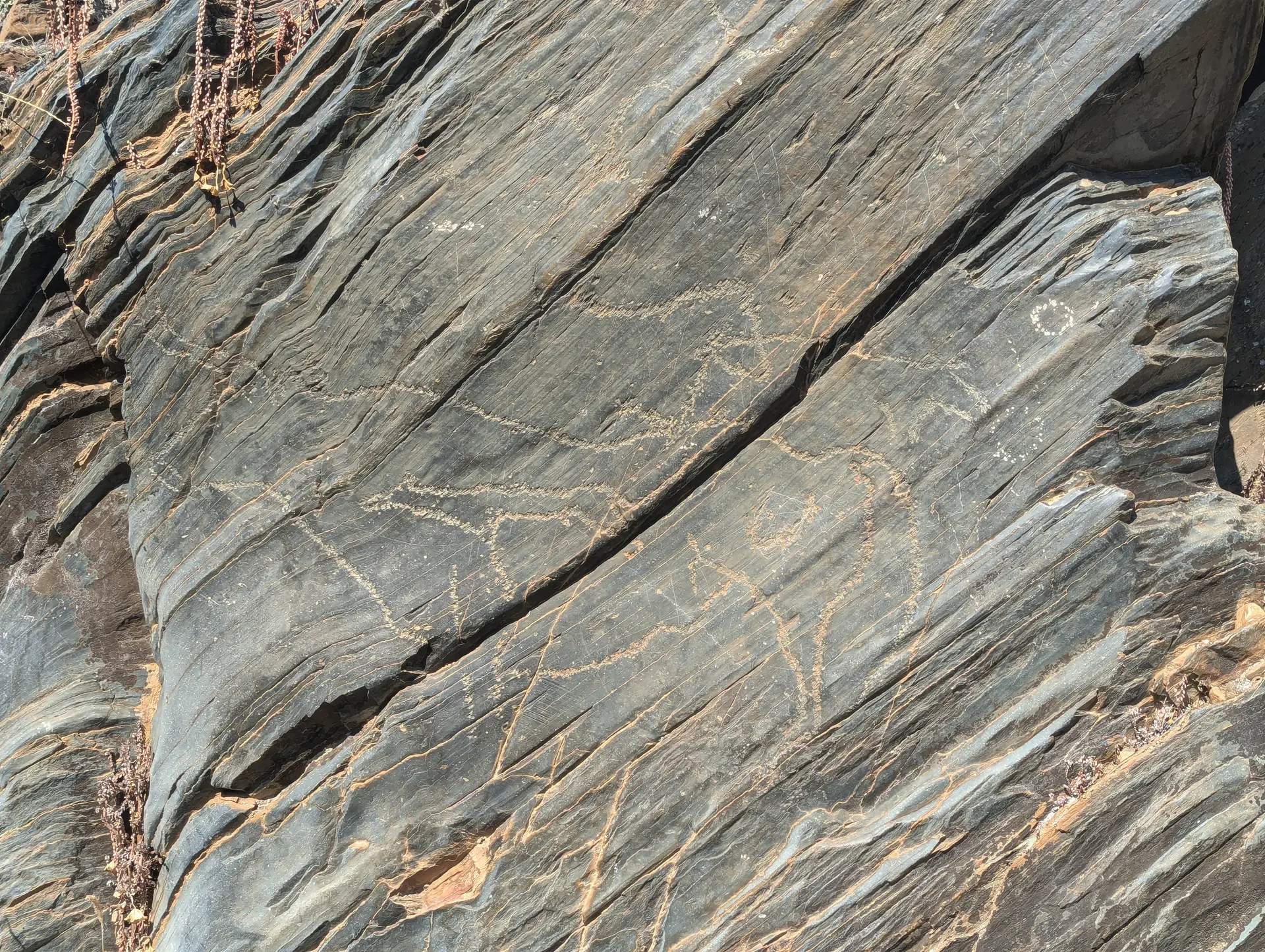
Siega Verde Archaeological Site
Castillejo de Martín Viejo, Salamanca, Spain
Along a quiet bend of the Águeda river, hunter-gatherers scratched horses, aurochs, and deer into bare schist tens of thousands of years ago....

So na Caçana
Alaior, Balearic Islands, Spain
So na Caçana is a Talayotic sanctuary complex near Alaior, Menorca, built around three taula enclosures rather than the single taula typical of most sites....
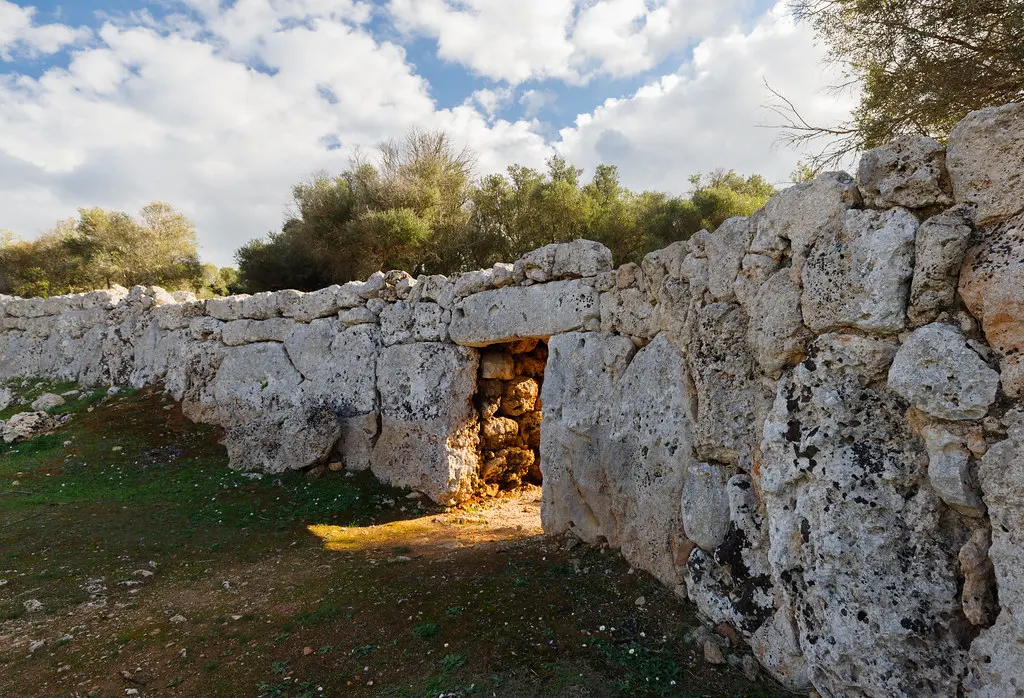
Son Catlar
Ciutadella de Menorca, Balearic Islands, Spain
Son Catlar is the largest Talayotic settlement on Menorca, ringed by a nearly unbroken cyclopean wall almost a kilometer long....

Son Corró Sanctuary
Costitx, Balearic Islands, Spain
Son Corró is a Post-Talayotic archaeological building near Costitx where three bronze bull heads were found in 1895....
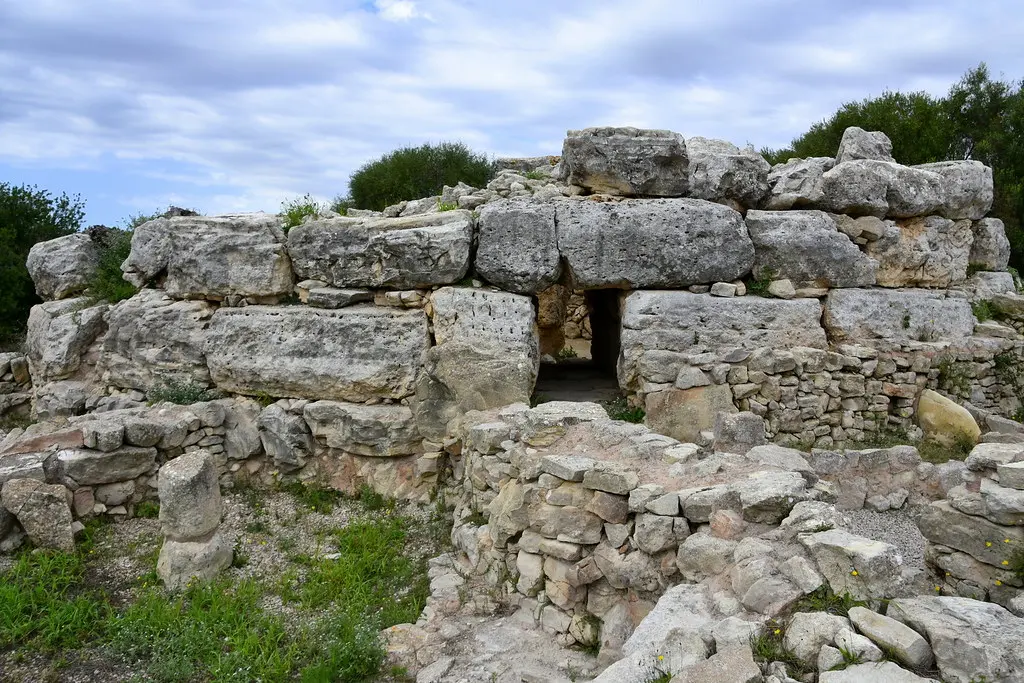
Son Fornés
Montuïri, Balearic Islands, Spain
Son Fornés is a Talayotic-to-Roman-era settlement outside Montuïri, Mallorca, excavated since 1975 and home to the largest conserved talayot on the island....

Son Real Necropolis
Santa Margalida, Balearic Islands, Spain
On a low headland above the Bay of Alcúdia, more than a hundred rock-cut and built tombs mark where Talayotic-era Mallorcans buried their dead across several centuries....

Talatí de Dalt
Maó, Balearic Islands, Spain
A Talayotic settlement on Menorca where a T-shaped taula sanctuary, a truncated conical talayot, and rock-cut hypogea survive together inside one walled enclosure....

Tarragona Cathedral
Tarragona, Tarragona, Spain
Tarragona Cathedral sits above the vanished Temple of Augustus, at the heart of what was once the Roman Empire's provincial forum....

The Sanctuary of the Peña de Francia
El Cabaco, Salamanca, Spain
Rising to 1,723 meters in the Sierra de Francia, this Dominican sanctuary guards a Black Madonna hidden for six centuries during Muslim rule....
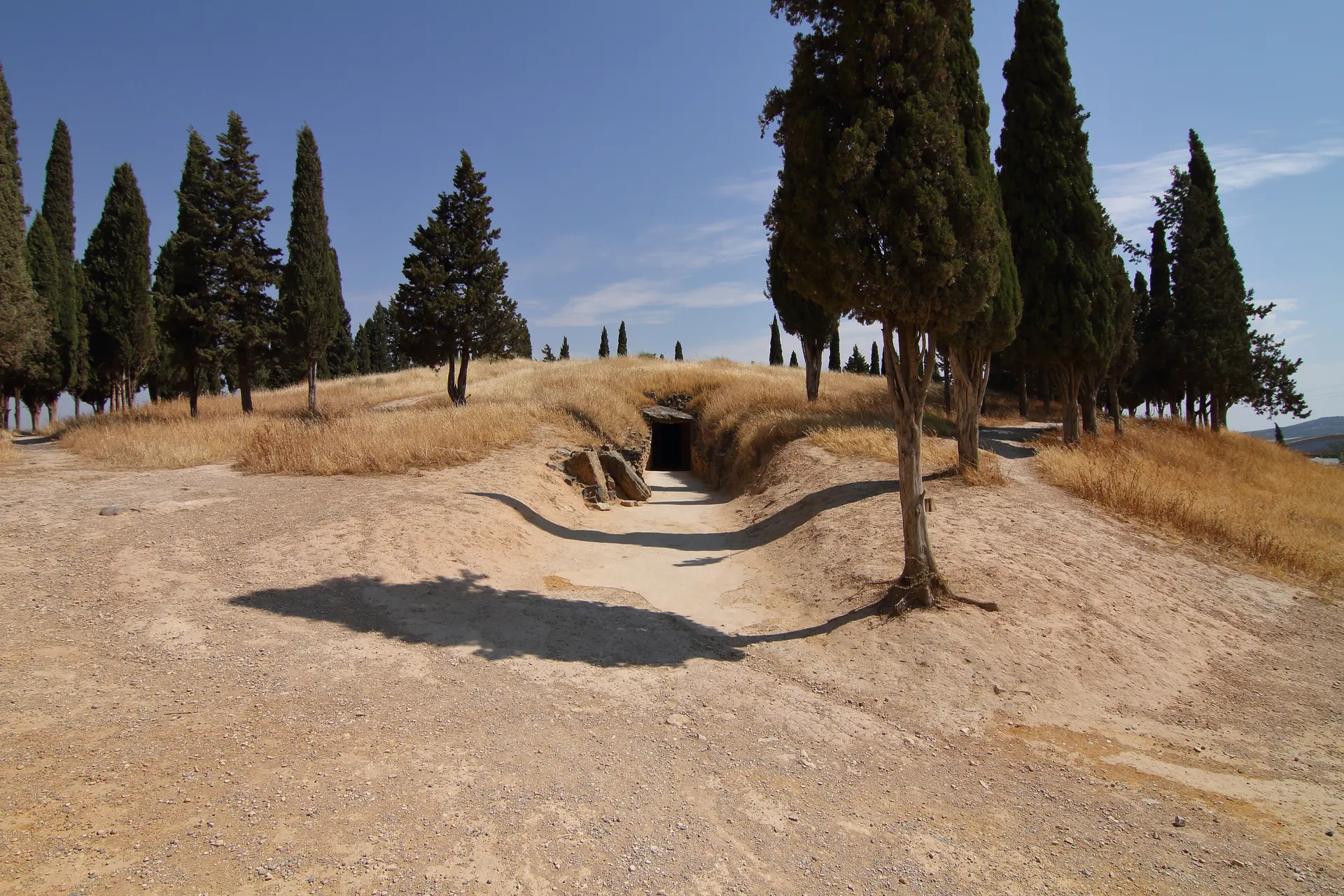
Tholos de El Romeral
Antequera, Málaga, Spain
In the Antequera basin of Andalusia, the Tholos de El Romeral stands as one of the finest examples of corbelled megalithic architecture in Europe....

Tito Bustillo Cave
Ribadesella, Asturias, Spain
Rediscovered in 1968 after a rockfall had sealed its entrance, Tito Bustillo holds Upper Paleolithic art spanning some 20,000 years, from a 33,000-year-old androgynous...

Toledo Cathedral
Toledo, Toledo, Spain
Toledo Cathedral has stood at the spiritual centre of Iberian Christianity since the Reconquista of 1085, though the ground it occupies has been sacred for far longer —...

Torralba d'en Salort
Alaior, Balearic Islands, Spain
Torralba d'en Salort is a Talayotic settlement near Alaior, Menorca, built around a T-shaped stone taula that heritage authorities describe as the island's best-preserved...
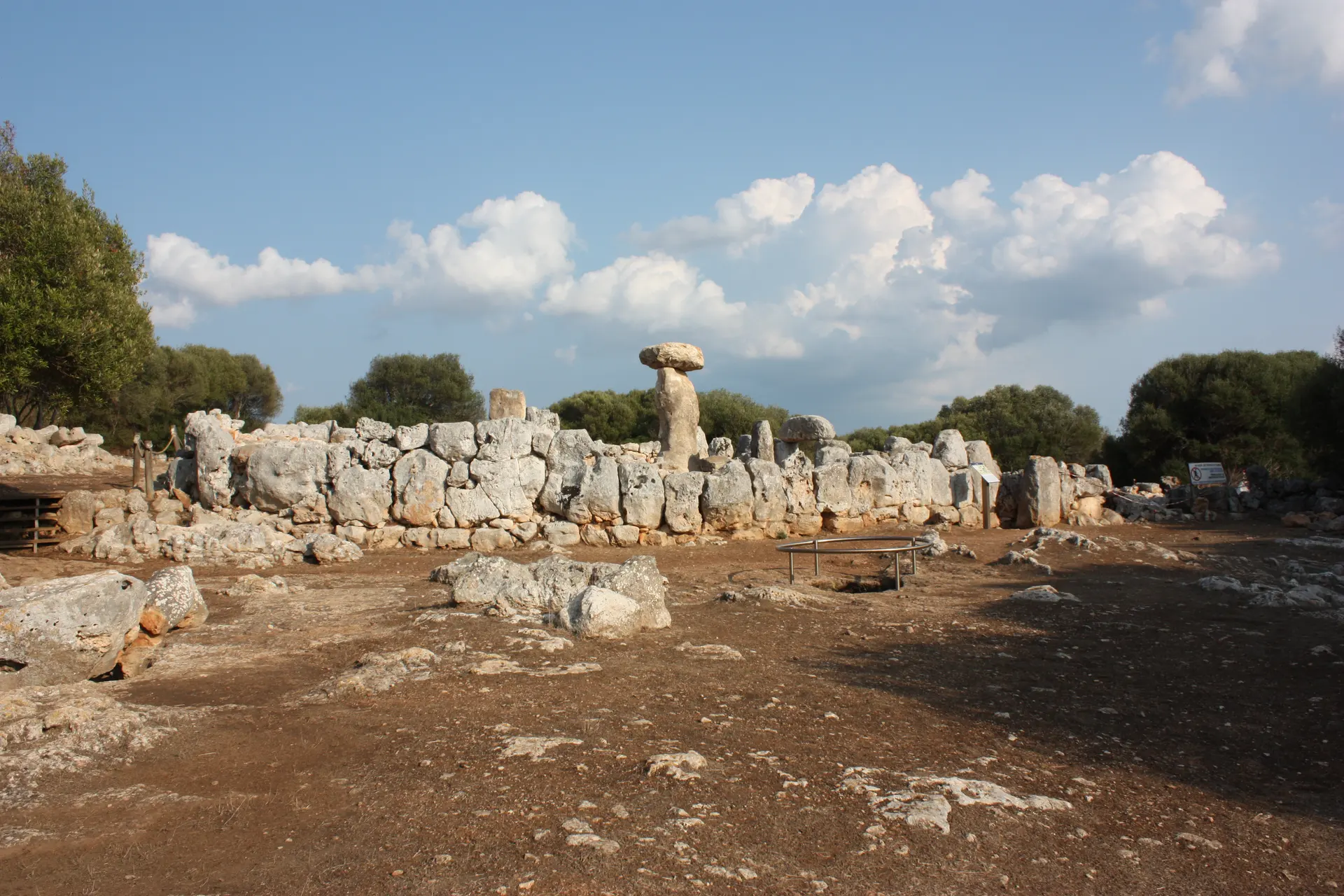
Torre d'en Galmés
Alaior, Balearic Islands, Spain
On a hilltop between Alaior and Son Bou, Torre d'en Galmés spreads across the largest Talayotic settlement known in the Balearic Islands....

Torrellafuda
Ciutadella de Menorca, Balearic Islands, Spain
Torrellafuda is a Talayotic settlement roughly nine kilometres from Ciutadella de Menorca, set inside a wild-olive and holm-oak grove that keeps the ruins shaded even at...

Torretrencada
Ciutadella de Menorca, Balearic Islands, Spain
Torretrencada is a Talayotic settlement six kilometres from Ciutadella de Menorca, built around one of the island's most striking taula sanctuaries — a T-shaped megalith...
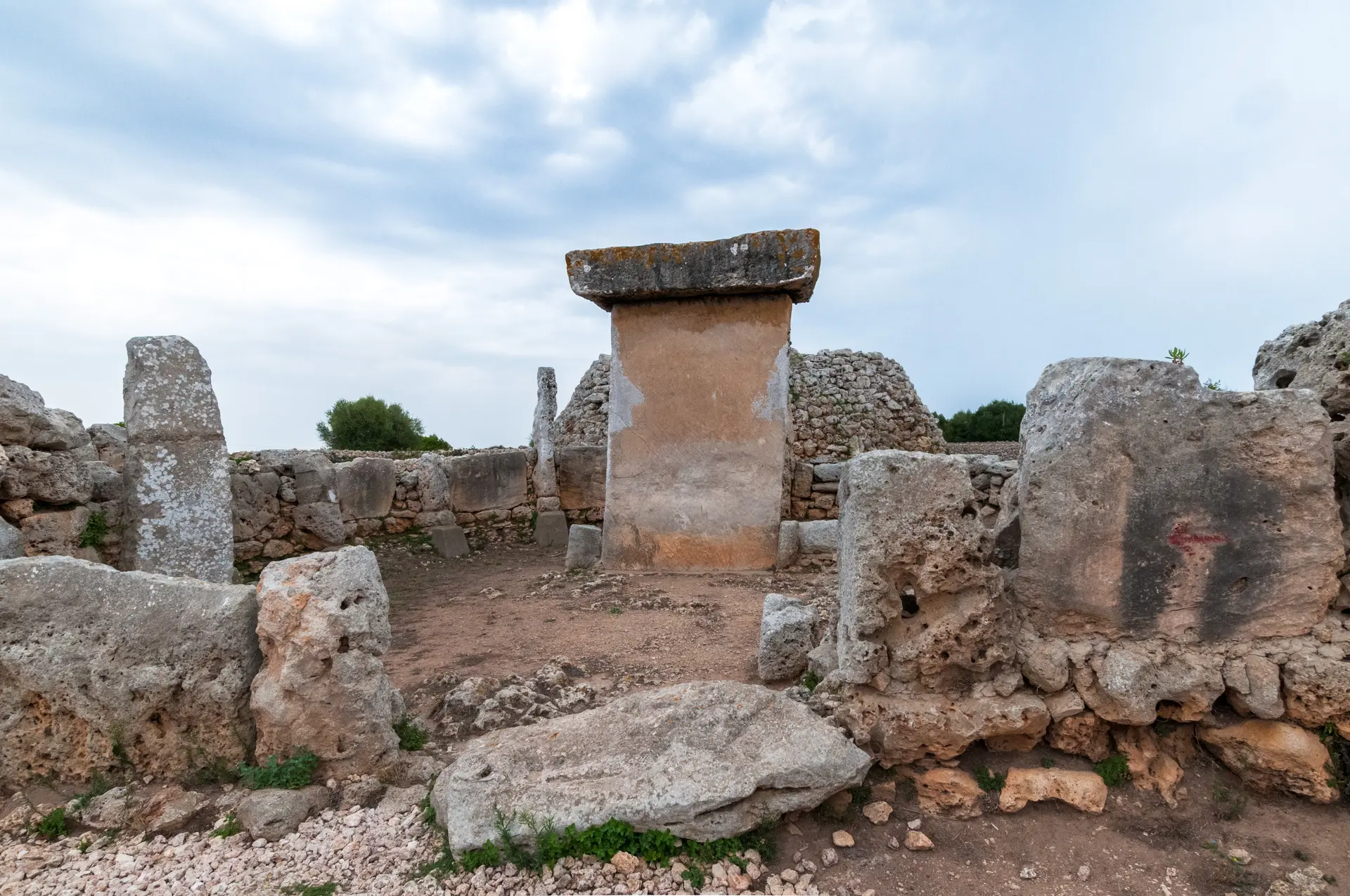
Trepucó
Maó, Balearic Islands, Spain
Trepucó is one of the largest Talayotic settlements in Menorca, centered on a monumental taula sanctuary and a talayot tower more than 26 metres wide....

Tui Cathedral
Tui, Pontevedra, Spain
Tui Cathedral rises on a hill above the Miño River, its crenellated towers built as much for defense against Portugal as for worship....

Ujué Sanctuary-Fortress
Ujué/Uxue, Navarre, Spain
Ujué rises at 815 meters above the Navarrese plain, its Romanesque-Gothic church wrapped in medieval battlements and walkways — a building that has always been fortress...

Ullastret Iberian City
Ullastret, Girona, Spain
Ullastret is a walled hilltop settlement of the Indigetes, the Iberian people who ruled this stretch of Catalan coast before Rome....
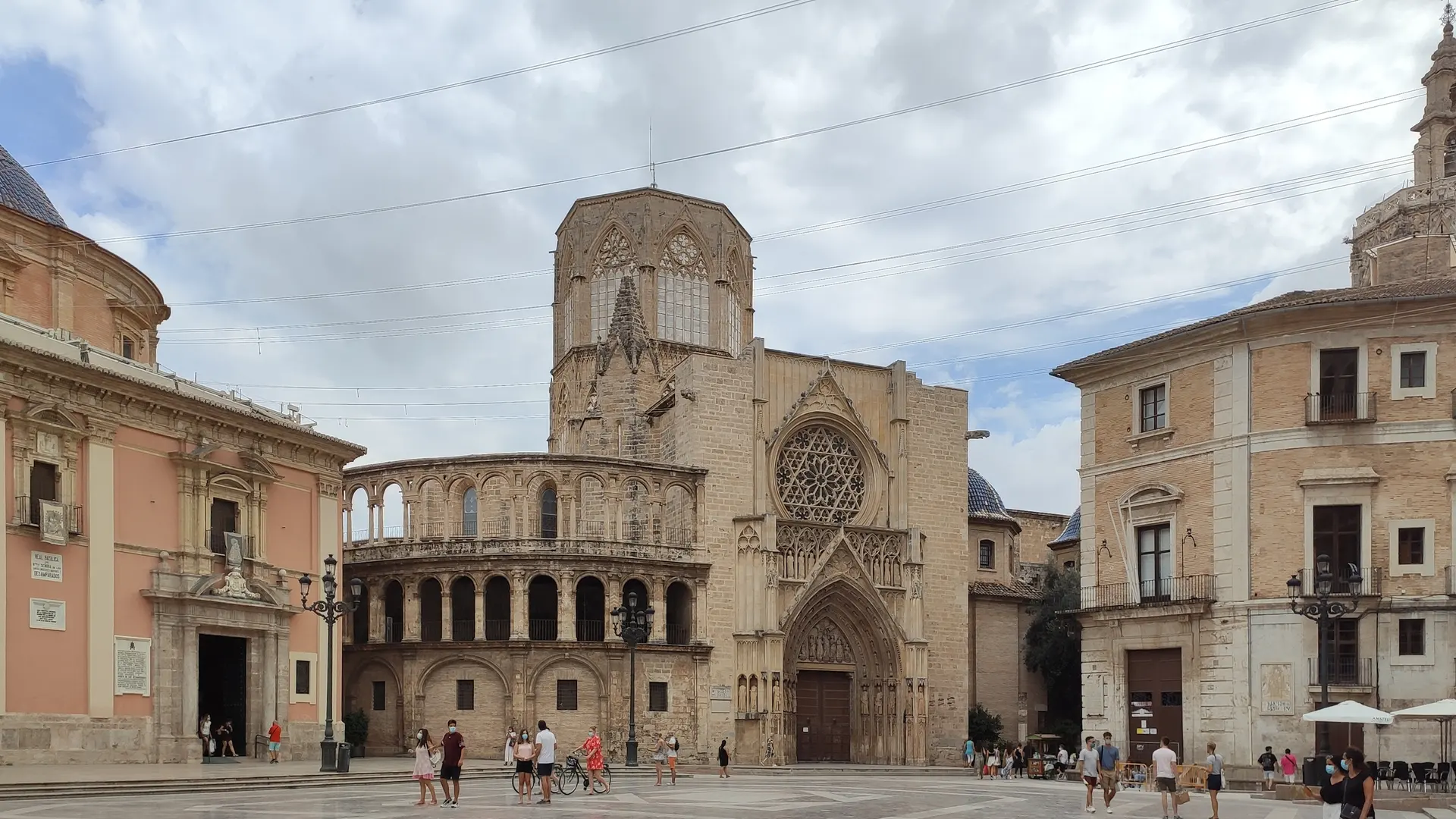
Valencia, Valencia Cathedral, Chalice of the Holy Grail
Valencia, Valencia, Spain
Valencia Cathedral houses the Santo Caliz, a dark agate cup dated to 100-50 BCE that the Catholic Church considers the most credible candidate for the cup of the Last...

Vallbona de les Monges Monastery
Vallbona de les Monges, Lleida, Spain
Of the three great Cistercian houses of medieval Catalonia — Poblet, Santes Creus, and Vallbona — only Vallbona has maintained an unbroken religious community since the...
Showing 145-184 of 184 sites
Previous pageKey questions
Spain sacred-site questions
What sacred sites can I explore in Spain?
Pilgrim Map lists sacred places in Spain across living worship sites, heritage landmarks, pilgrimage destinations, and culturally significant landscapes. The current guide lists 184 sites organized by region and tradition.
Which traditions are represented in Spain?
The most represented traditions include Christianity, Talayotic Culture, Prehistoric/Megalithic, Roman Catholic Christianity, Celtic and Prehistoric, Prehistoric.
How should I plan a sacred-site visit in Spain?
Start with regional clusters, compare nearby places on the map, then open individual site pages for coordinates, etiquette, and sacred context where available.
Can I view Spain sacred sites on a map?
Yes. Switch to map view to compare geographic clusters, then open individual site pages for coordinates, visiting context, and related places.