Shrine of La Virgen del Puente
A brick chapel at the bridge into León
Understand sacred places, explore living traditions, and learn how to engage respectfully with Pilgrim Map.
Access has not been verified. Check current local guidance before planning a visit.
Sahagún, León, Spain
Read the sources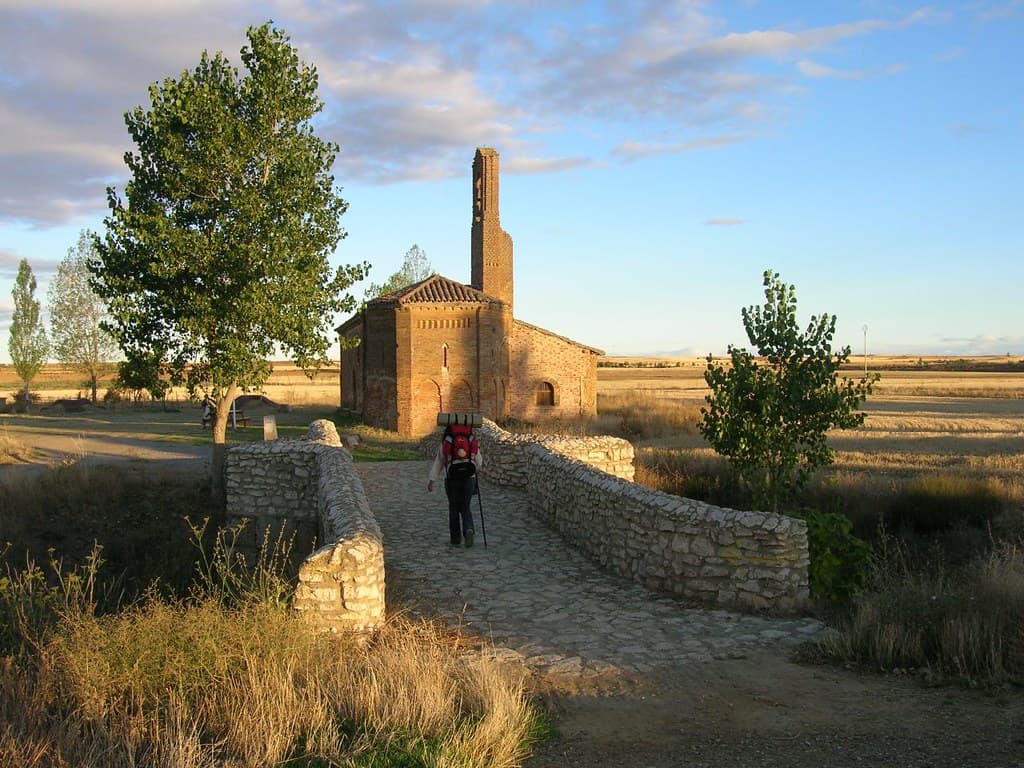
Image of Shrine of La Virgen del Puente. Image source
Station waypoint-sahagun of 11
Camino de Santiago — Selected Sacred SitesVisit essentials
A quick read before you go
- Duration
- A brief stop, likely 15-30 minutes for pilgrims pausing en route; sources consistently describe…
- Access
- Located roughly 2-3 km from the town of Sahagún, beside a medieval bridge of Roman origin over…
Overview
Beside a Roman-origin bridge over the Valderaduey, roughly 2-3 km from Sahagún, this single-nave brick hermitage and low Mudéjar apse mark the Camino Francés crossing from Palencia into León. It is the crossing's first Marian waypoint and, since 2013, an approximate midpoint of the whole route.
No apparition or miracle origin is documented. In 1188, a confraternity of the Virgen del Puente was authorized to run a hospital for pilgrims and people with leprosy, joining Marian devotion to care for vulnerable travellers. The standing brick fabric is often dated a century later, but sources do not resolve its relationship to the earlier foundation. Custody passed from the lay confraternity to the Canons Regular of Trianos and, from the 16th century, Sahagún's Cathedral Chapter.
At the annual romería, the Virgin's image crosses the surrounding fields before a communal bread-and-cheese meal and the tantáriga dance. The modest shrine remains a quiet threshold more than a destination, marking one Camino stretch's end and another's beginning.
Why this place is sacred
Official regional and municipal sources, rather than academic study, identify two interlocking grounds of sanctity. The shrine sustains Sahagún's Marian devotion: the Virgen del Puente image is carried annually and her confraternity dates to 1188. It is also the first religious marker as Camino pilgrims cross from Palencia into León beside the Roman-origin bridge over the Valderaduey.
Its pilgrim-and-leper hospital made care for suffering travellers inseparable from veneration. No source documents an apparition or miracle explaining the image's location. The secure record is institutional: the confraternity charter and later custody by the Canons Regular of Trianos and Sahagún's Cathedral Chapter.
Experience and orientation
Visitors often describe a modest brick chapel set among poplars beside the old stone bridge, a small pause point rather than a grand monument. The setting — river, trees, and the low Mudéjar apse — is noted as especially attractive in summer, and several accounts frame the shrine as marking a symbolic and geographic threshold: entry into León province and, since 2013, a marked approximate midpoint of the Camino Francés.
No source documents claims of transformative or mystical experience here; its pull for pilgrims seems to rest on its role as a waypoint rather than a site of reported personal revelation.
Context and lineage
Sources place its founding variously in the 12th or 13th century; the exact date is not settled.
What can be stated with more confidence is that a Confraternity of the Virgen del Puente was formally authorized in 1188, with the permission of Abbot Don Juan, to maintain a hospital here for pilgrims and for those with leprosy — while the brick Mudéjar structure now standing is frequently dated a century later, suggesting an earlier foundation later rebuilt or formalized in its current fabric, though no source states this progression explicitly.
No apparition or origin legend involving the Virgin's image is documented in available sources; the founding narrative that survives is administrative — a charter and a hospital — rather than a miracle or vision account. Administration passed over the centuries from the lay confraternity to the Canons Regular of Trianos, and from the 16th century to Sahagún's Cathedral Chapter.
Traditions and practice
Historically, the confraternity founded in 1188 combined Marian veneration with the charitable operation of a hospital for pilgrims and lepers — devotion here was inseparable from care for the vulnerable traveler.
The living form of that devotion today is the annual romería, in which the Virgin's image is carried in procession across the meadows around the hermitage, followed by a communal distribution of bread and cheese and the performance of the traditional tantáriga dance, presided over by the municipal corporation of Sahagún.
Sources disagree on the date of this annual procession — some cite March 25, others April 25, with April 25 (the feast of San Marcos) more consistently corroborated across independent sources — and this content does not resolve the discrepancy.
Roman Catholic Marian devotion (Camino de Santiago pilgrimage tradition)
ActiveThe hermitage houses a devotional image of the Virgin Mary, venerated as Virgen del Puente, and serves as the first Marian waypoint on the Camino Francés upon entering León from Palencia. It anchored a confraternity founded in 1188 and a pilgrim and leper hospital, reflecting the medieval Camino's fusion of charity and devotion.
Perspectives and open questions
Interpretation of this shrine rests almost entirely on regional heritage and tourism authorities rather than academic scholarship, and on the living local tradition of the romería; no alternative or esoteric reading of the site has surfaced in available sources.
Scholarly perspective
Regional heritage and tourism bodies — the Junta de Castilla y León, Turismo Sahagún, and spain.info — consistently classify the hermitage as an example of Sahagún's characteristic Mudéjar brick tradition, alongside the churches of San Tirso and San Lorenzo, and as a documented medieval pilgrim and leper hospital site. No academic art-historical monograph specific to this hermitage was located in research, so this consensus rests on official and tourism-board sourcing rather than peer review.
Living and traditional perspectives
Local devotional tradition centers on the annual carrying of the Virgin's image, paired with the bread-and-cheese distribution and the tantáriga dance — a custom specific to Sahagún rather than to Camino pilgrimage generally.
Alternative interpretations
No alternative, esoteric, or folkloric-legend interpretation of the shrine or its image has been found in the sources consulted.
Open questions
The precise founding date, the reasons a Marian image was sited at this particular bridge, and whether an apparition or miracle tradition once existed and was simply not preserved in accessible sources all remain unresolved.
Plan your visit
Access and arrival
Located roughly 2-3 km from the town of Sahagún, beside a medieval bridge of Roman origin over the Valderaduey river, directly on the Camino Francés where it crosses from Palencia into León. Reachable on foot via the Camino or by short drive or bike from Sahagún; no public transit details were found, and regular interior visiting hours are not confirmed by any source.
Respectful visit
No regular interior opening hours are confirmed by any source consulted; visitors should not assume the interior is open outside of services or the annual festival.
Location
Map loads as you approach this section.
Pilgrim reflections
A portrait of encounter, not a score
Pilgrims describe what they felt, how present they could become, and whether the place would shape a journey. There are no stars and no ranking of traditions.
No reviewed reflections yet
The first pilgrims can help describe the character of being here.
Share a reflection
Available after an account-backed “Been there.” Every reflection is reviewed before publication.
Nearby sacred places
Explore other sacred places in the region. Proximity does not establish access or travel time; check each place’s guidance.
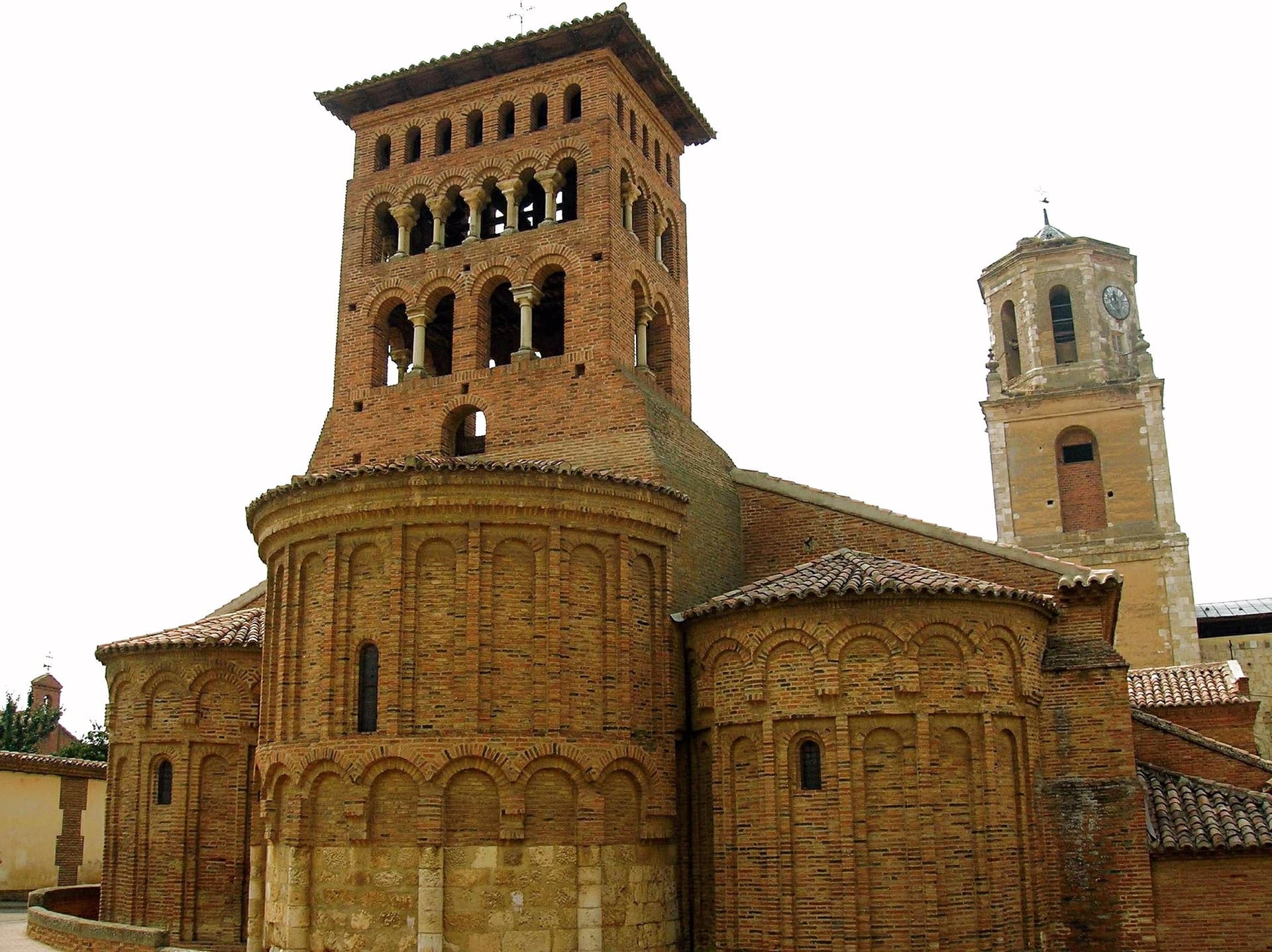
Iglesia de San Tirso, Sahagún
Sahagún, Sahagún, Castilla y León (León), Spain
1.3 km away
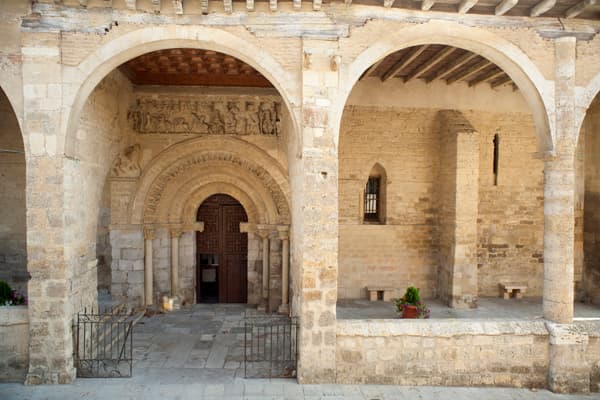
Iglesia de Santa María del Camino, Carrión de los Condes
Carrión de los Condes, Carrión de los Condes, Castilla y León (Palencia), Spain
36.0 km away
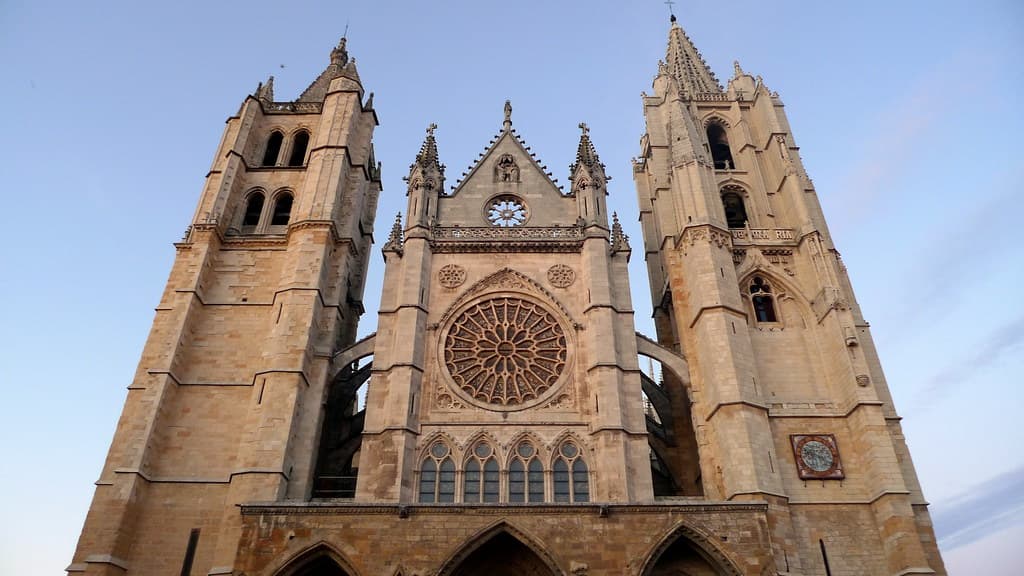
Leon
León, León, Spain
50.8 km away

Basilica of San Isidoro
León, León, Spain
51.1 km away
References
Sources consulted for this page. Source categories describe the publication, not a guarantee that every claim is verified. Traditional accounts and outside interpretations may differ.
- 01Shrine of La Virgen del Puente in Sahagún — Turespaña (spain.info, official Spanish tourism board)officialOfficial national tourism board entry; confirms brick construction, Camino de Santiago context, and April 25 pilgrimage.
- 02Ermita de la Virgen del Puente — Ayuntamiento de Sahagún (Turismo Sahagún, official municipal tourism site)officialMunicipal tourism authority; most detailed source on architecture, administrative history (Canons Regular of Trianos, Cathedral Chapter), and San Marcos/tantáriga festival.
- 03Romería de la Virgen del Puente — Ayuntamiento de SahagúnofficialOfficial municipal page on the annual romería (pilgrimage/festival) associated with the shrine.
- 04Patrimonio autoriza la rehabilitación de la Ermita de la Virgen del Puente en Sahagún y de la Ermita de San Tirso en Pardesivil — Junta de Castilla y León (regional government communication office)officialOfficial regional heritage authority press release authorizing/documenting restoration works.
- 05Ermita de la Virgen del Puente en Sahagún - Curiosidades y planes relacionados — Guía RepsolSource contextEstablished Spanish travel/tourism guide; corroborates Mudéjar single-nave, semi-hexagonal apse description and location beside the medieval bridge.
- 06Restauración de la Virgen del Puente de Sahagún (León) — Guiarte (Camino de Santiago news section)Source contextCamino-focused travel/news site; provides restoration budget figure (~318,944 EUR) and timeline (works aimed for completion early 2010).
- 07La Virgen del Puente de Sahagún recobra su esplendor — Templete (regional heritage blog)Source contextIndependent regional heritage blog; used only to corroborate restoration narrative, not as sole source for any factual claim.
- 08El Camino de Santiago desde Asturias: "Ermita de la Virgen del Puente" — Pilgrim travel blog (Camino de Santiago desde Asturias)Source contextFirst-person pilgrim account; used only to corroborate on-the-ground pilgrim experience of the shrine as a waypoint, not for factual/historical claims.
Share a photo
Help visitors recognize Shrine of La Virgen del Puente. Every submission is reviewed before publication.