Tango Monastery
Where Avalokiteshvara revealed himself as the wrathful horse-headed deity, and the Drukpa Kagyu lineage first took root in Bhutan
Understand sacred places, explore living traditions, and learn how to engage respectfully with Pilgrim Map.
Access has not been verified. Check current local guidance before planning a visit.
Boegarna_Dodennang, Thimphu, Bhutan
Read the sources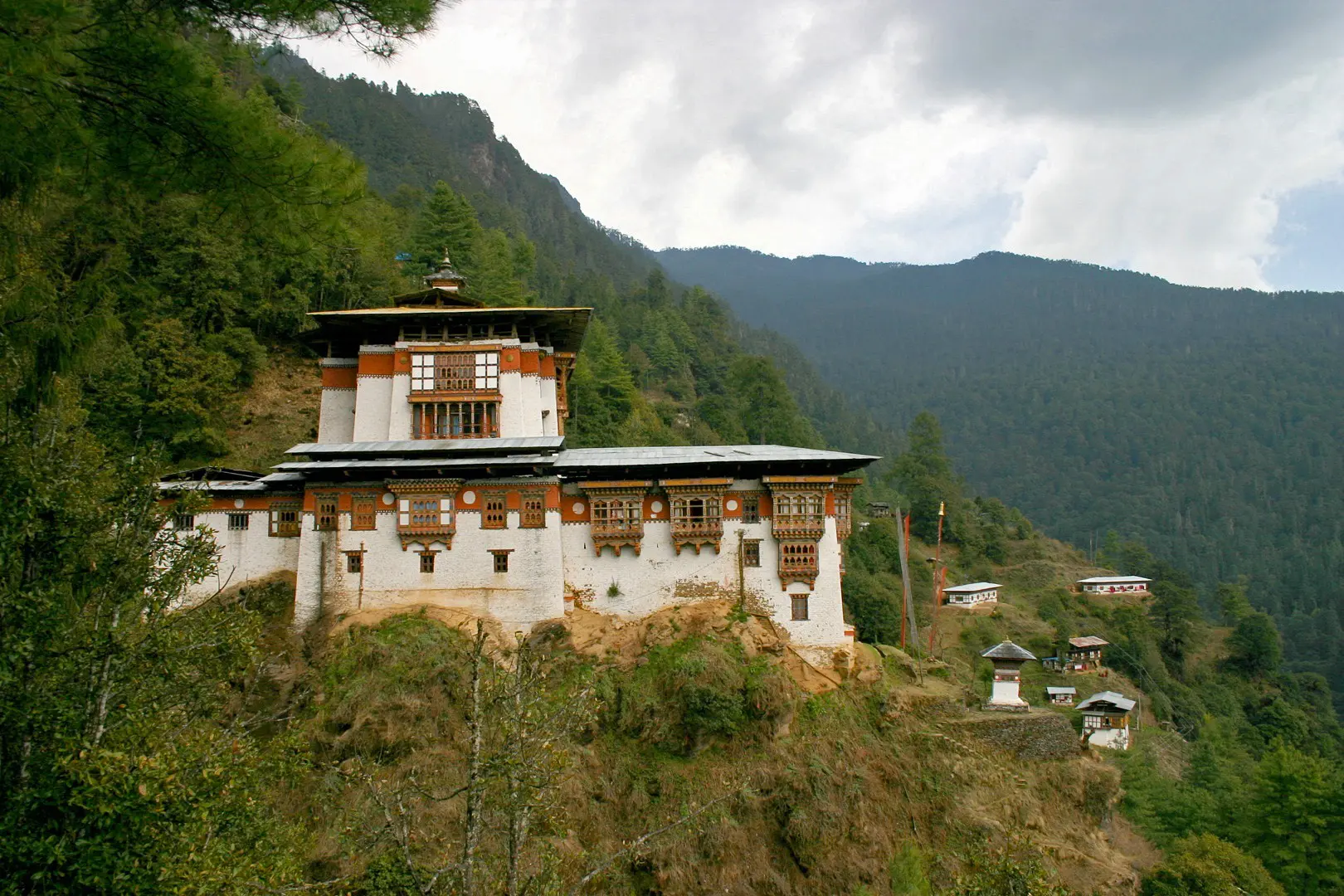
Image of Tango Monastery. Image source · CC-BY-3.0
Visit essentials
A quick read before you go
- Duration
- Half day including the 30-45 minute hike each way and time at the monastery.
- Access
- 14 km north of Thimphu by road, then a 30-45 minute uphill hike.
Overview
Fourteen kilometres north of Thimphu, above a steep valley's treeline, Tango Monastery marks a hillside where Avalokiteshvara, bodhisattva of compassion, is said to have appeared as wrathful Hayagriva, the horse-headed deity. The cliff became a burning figure and a horse's neigh crossed the valley. Phajo Drugom Zhigpo, who brought the Drukpa Kagyu lineage from Tibet in the 13th century, witnessed the vision and recognized a place for meditation.
He founded Tango Choeying Dzong, a meditation hermitage that became one of twelve meditation places entrusted by Guru Rinpoche in the 8th century. Zhabdrung Ngawang Namgyal, Bhutan's future unifier, meditated in the same cave in 1616. In 1688, Tenzin Rabgye, the 4th Temporal Ruler, built the present monastery.
Tango now houses the Shaydra School of Buddhist Studies, where monks pursue advanced philosophy in a setting devoted to contemplation since Phajo heard the horse's cry. With no road to its door, visitors climb through forest for thirty to forty-five minutes. The approach is the threshold. 'Tango' means 'horse head' in Dzongkha: the deity is the name, and the name is the place.
Why this place is sacred
Phajo Drugom Zhigpo did not see the monastery and decide to build. He heard a horse. The neighing came from the direction of the cliff, and when he looked, the rock appeared in the form of Hayagriva — the wrathful horse-headed aspect of Avalokiteshvara — engulfed in flames. The deity spoke to him and prophesied that this was the place to build a monastery for meditation.
This is a site that declared itself through sound and vision rather than through human planning. The figure who received the vision was not an ordinary traveller; he was the person who had carried the Drukpa Kagyu lineage from Tibet to Bhutan, the founder of the tradition that would come to define the nation.
That the lineage's first Bhutanese root was planted at a site that announced itself through a wrathful cry gives the place a quality of necessity — as though the land itself called the tradition into being.
Four centuries later, the Zhabdrung meditated in the same cave before embarking on his project of national unification. The cave, then, has held two of the most formative figures in Bhutanese religious history. Its silence now — broken only by the study and prayer of the monks above — carries the residue of what those meditations set in motion.
Founded as a meditation hermitage by Phajo Drugom Zhigpo in the 13th century, at a site where Avalokiteshvara revealed himself as the wrathful Hayagriva.
From 13th-century meditation hermitage to the present-day Shaydra School of Buddhist Studies, built in its current form in 1688. The monastery has maintained its contemplative purpose throughout, adding formal philosophical education in 1966.
Experience and orientation
The trail begins near Cheri Monastery, at the end of a road north of Thimphu. The forest closes in quickly. Birdsong replaces traffic. The path climbs steadily for thirty to forty-five minutes, each step increasing the distance from the capital and its rhythms.
The monastery appears through the trees before you arrive — a cluster of white buildings with traditional architecture, set against the hillside. The scale is human. There are no crowds. Monks may be studying, praying, or moving between buildings. The atmosphere is that of a working institution rather than a tourist site.
Inside, the temples house images of Hayagriva (Tandin) — the horse-headed deity who announced the site's sacredness. The cave where Phajo Drugom Zhigpo and later the Zhabdrung meditated may or may not be accessible; its availability varies. The views over the valley are expansive but secondary to the quality of the air here: still, clear, held within the discipline of sustained practice.
Allow the hike to be a transition from the ordinary to the contemplative. At the monastery, move quietly. This is a place of study. If monks are in class or meditation, observe from a respectful distance. The views are worth pausing for, but the silence is worth more.
Context and lineage
Phajo Drugom Zhigpo, carrying the Drukpa Kagyu lineage from Tibet, heard a horse's cry from the direction of the cliff. Looking up, he saw the rock in the form of Hayagriva engulfed in flames. The deity prophesied that this was the place for a meditation monastery. Phajo founded Tango Choeying Dzong — one of twelve meditation places entrusted by Guru Rinpoche.
Tango marks the entry point of the Drukpa Kagyu lineage into Bhutan, through Phajo Drugom Zhigpo in the 13th century. The lineage would later become the dominant Buddhist school in the kingdom under the Zhabdrung's unification.
Phajo Drugom Zhigpo
Brought the Drukpa Kagyu lineage to Bhutan and founded Tango in the 13th century
Zhabdrung Ngawang Namgyal
Meditated in the cave in 1616 before unifying Bhutan
Tenzin Rabgye
4th Temporal Ruler who built the monastery in its present form in 1688
Traditions and practice
Meditation retreats in the caves associated with Phajo Drugom Zhigpo and the Zhabdrung. Daily monastic rituals and prayer. Veneration of Hayagriva as the principal deity.
The Shaydra School, re-established in 1966, offers advanced monastic education in Buddhist philosophy. The monastery maintains its primary identity as a place of study and contemplation rather than pilgrimage or tourism.
Approach the monastery through the forest hike with the intention of entering a place of study. If the cave is accessible, spend time in it quietly. The monastery values silence and focused attention above all.
Drukpa Kagyu
ActiveFounding site of the Drukpa Kagyu lineage in Bhutan. Place of Hayagriva's self-emanation. Houses the Shaydra School of Buddhist Studies.
Advanced Buddhist philosophical education, meditation retreats, daily prayer and ritual, veneration of Hayagriva
Perspectives and open questions
Tango can be understood as the entry point of the Drukpa Kagyu lineage into Bhutan, as a site of self-revealing deity, and as a monastery that has maintained its contemplative purpose for seven centuries.
Scholarly perspective
Phajo Drugom Zhigpo's arrival in Bhutan and founding of Tango is a pivotal moment in Bhutanese religious history. His establishment of the Drukpa Kagyu lineage set the trajectory that would lead, four centuries later, to Zhabdrung Ngawang Namgyal's unification of the country under the same tradition.
Living and traditional perspectives
Hayagriva's self-emanation at this site is understood not as a past event but as a continuing presence. The wrathful horse-headed deity represents compassion's fierce aspect — the power that removes obstacles to awakening. The cliff does not merely resemble Hayagriva; it is Hayagriva, and the monastery sits within the deity's form.
Alternative interpretations
The wrathful deity's appearance in flames on a cliff face can be read as an expression of the land's own spiritual character — the landscape declaring its sacred nature before any human decision to consecrate it. The monastery was built in response to the land, not imposed upon it.
Open questions
The full extent of the cave system where Phajo Drugom Zhigpo and the Zhabdrung meditated is not publicly documented. The specific practices conducted in the caves during their retreats are transmitted within the lineage rather than published.
Plan your visit
Access and arrival
14 km north of Thimphu by road, then a 30-45 minute uphill hike. The trail begins near Cheri Monastery. No vehicle access to the monastery itself.
Hotels and guesthouses in Thimphu, approximately 14 km south.
Respectful visit
Modest clothing covering arms and legs. Shoes removed in temples.
Ask before photographing monks, temples, or sacred objects. Photography may be restricted.
Butter lamp offerings welcome in accessible temples.
Respect study and meditation periods | Quiet throughout | Some areas may be restricted | Shoes removed in temples | Clockwise movement
The monastery prioritizes its educational function. Some areas may be restricted during study periods or meditation retreats. The hike, while moderate, involves consistent uphill walking and may be challenging at altitude for those not acclimatized.
Current practical details
Address
HJVQ+6FW, Dotanang, Bhutan
Hours, fees, and access can change — verify on the official source before you travel. Practical details last checked Jun 2026.
Location
Map loads as you approach this section.
Pilgrim reflections
A portrait of encounter, not a score
Pilgrims describe what they felt, how present they could become, and whether the place would shape a journey. There are no stars and no ranking of traditions.
No reviewed reflections yet
The first pilgrims can help describe the character of being here.
Share a reflection
Available after an account-backed “Been there.” Every reflection is reviewed before publication.
Nearby sacred places
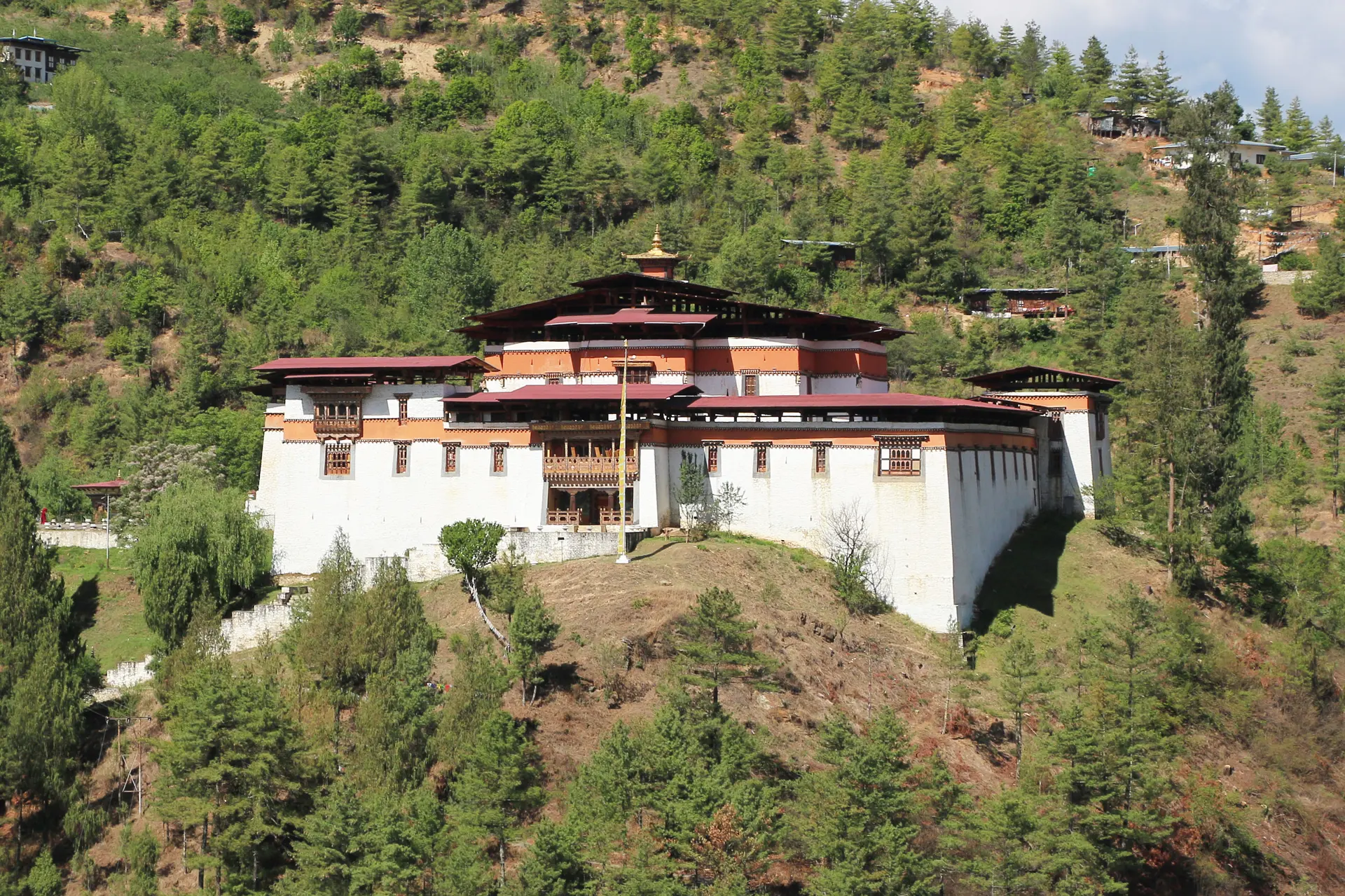
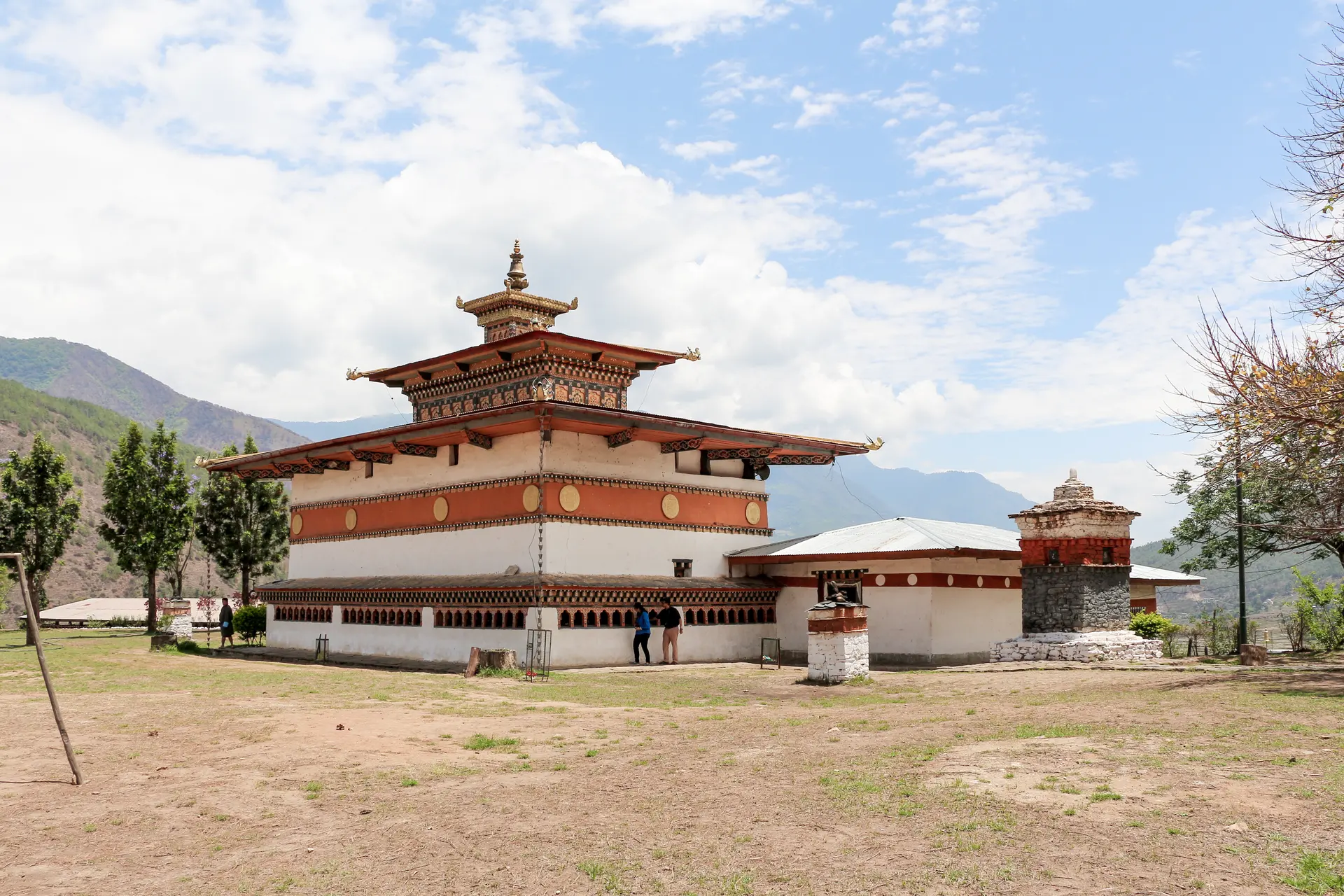
Explore other sacred places in the region. Proximity does not establish access or travel time; check each place’s guidance.


References
Sources consulted for this page. Source categories describe the publication, not a guarantee that every claim is verified. Traditional accounts and outside interpretations may differ.
- 01Tango Monastery - Wikipedia — VariousencyclopediaHistory, founding, current function
- 02Tango Choying Dzong - Bhutan Pilgrimage — Bhutan PilgrimageguideSpiritual significance, Hayagriva legend
- 03Phajo Drugom Zhigpo in Bhutan - Sacred Sites — Bhutan PilgrimageguidePhajo Drugom Zhigpo's history and legacy
- 04Tango Monastery - Tour Bhutan — Tour BhutanguideVisitor guide and history
- 05Tango Monastery - Breathe Bhutan — Breathe BhutanguideOverview and practical details
- 06Tango Monastery - Peregrine Treks — Peregrine TreksguideMeditation significance
Photo gallery
3 curated photos
Pilgrim glossary
- Bodhisattva
- An enlightened being who postpones full nirvana to help others toward awakening.
Share a photo
Help visitors recognize Tango Monastery. Every submission is reviewed before publication.