Trashigang Dzong
The sky fortress on the auspicious hill, where the Drukpa Kagyu lineage reached the eight eastern regions of Bhutan
Understand sacred places, explore living traditions, and learn how to engage respectfully with Pilgrim Map.
Access has not been verified. Check current local guidance before planning a visit.
Chagzam_Pam, Trashigang, Bhutan
Read the sources
Image of Trashigang Dzong. Image source · CC-BY-SA-3.0
Visit essentials
A quick read before you go
- Duration
- 1 to 2 hours for the dzong.
- Access
- Trashigang is approximately two days' drive from Thimphu via Bumthang and Mongar.
Overview
At Bhutan's far eastern edge, where mountains descend toward the Indian plains, Trashigang Dzong occupies a rock ledge above cliffs on three sides. The 'Fortress of the Auspicious Hill' was built in 1659 on Zhabdrung Ngawang Namgyal's orders after he prophesied a dzong to control the eight eastern regions' independent chieftains and protect the young state from Tibetan invasion.
Chogyal Minjur Tempa, Penlop of Trongsa, built it. Between 1680 and 1694, Gyalsey Tenzin Rabgye expanded the fortress and added the Goenkhang, chapel of protector deities. Through the dzong, the Drukpa Kagyu lineage reached the kingdom's easternmost communities.
The two-day road journey from Thimphu keeps visitor numbers below those of western dzongs. Monastic community, administration, and annual festival therefore retain necessity rather than performance. A 2009 earthquake centered sixteen kilometres away cracked the walls. Restoration funded by the Bhutan Foundation, World Monuments Fund, and Government of India preserved both the dzong's age and its community's refusal to let it fall.
Why this place is sacred
Eastern Bhutan is not the Bhutan of postcards. It is steeper, more remote, less visited. The communities here — valley-dwelling farmers, semi-nomadic Brokpa yak herders from Merak and Sakteng, Khengpa people from the central regions — are ethnically and linguistically diverse. Trashigang Dzong was built to bring these communities under a single spiritual and administrative authority, and the annual Tshechu remains the primary occasion on which that unity is renewed.
The cliff-top position is not merely strategic. It places the dzong between earth and sky, between the rivers below and the mountains above. The sheer drops on three sides create a sense of exposure that no valley-floor monastery can match. You are aware, standing in the courtyard, of how much empty space surrounds you.
After the 2009 earthquake cracked the walls, the community's response was not abandonment but restoration. The dzong was rebuilt through international partnership and national commitment. This act — repairing what the earth broke — carries its own thinness: the refusal to accept that what is broken is finished.
Built in 1659 to extend the Zhabdrung's unification to the eight eastern regions of Bhutan and to defend against Tibetan invasion.
From frontier fortress to administrative and monastic center for eastern Bhutan. Damaged in the 2009 earthquake and subsequently restored. The annual Tshechu continues to draw communities from across the eastern districts.
Experience and orientation
Reaching Trashigang requires commitment. The roads wind through gorges and over mountain passes for two days from Thimphu. The landscape grows steeper and wilder as you move east. By the time the dzong appears — white walls on a cliff ledge above two rivers — you have earned the approach.
The dzong itself is dramatic in its positioning. Three sides drop away into the river valleys below. The courtyard feels suspended. The views are long and unobstructed — ridges receding into the distance, rivers threading through gorges far below. The monastic and administrative life of the dzong continues around you with the unselfconsciousness of a place that does not exist primarily for visitors.
During the Tshechu, the courtyard fills with people from across eastern Bhutan. The Brokpa, in their distinctive yak-hair clothing, travel from the high valleys of Merak and Sakteng. Families come from as far as Samdrup Jongkhar and Pema Gatshel. The festival is not a spectacle staged for outsiders but a gathering that renews the bonds between communities whose unity was the dzong's original purpose.
Allow the journey itself — the two-day drive from western Bhutan — to be part of the experience. At the dzong, stand at the edge and register the cliff drops and river confluences. If visiting during the Tshechu, watch the Brokpa community as much as the dances — their presence connects the festival to its foundational purpose.
Context and lineage
The Zhabdrung prophesied the need for a fortress in the east and ordered the Trongsa Penlop to construct it. The dzong was built to control the eight independent eastern regions (Sharchog Khorlo Tsib Gyed) and to defend against Tibetan invasion. Its cliff-top position, with sheer drops on three sides above two river confluences, made it virtually impregnable.
Trashigang belongs to the Drukpa Kagyu lineage, extended to eastern Bhutan through the dzong's construction. The district monastic body (Rabdey) maintains the lineage's presence in the east.
Zhabdrung Ngawang Namgyal
Prophesied and ordered the construction of the dzong
Chogyal Minjur Tempa
Penlop of Trongsa who built the dzong in 1659
Gyalsey Tenzin Rabgye
Expanded the dzong and added the Goenkhang (1680-1694)
Traditions and practice
The four-day Trashigang Tshechu features sacred cham dances attended by approximately 1,500 people per day from across eastern Bhutan, including the Brokpa, Khengpa, and communities from Samdrup Jongkhar, Pema Gatshel, and Trashi Yangtse.
District monastic body (Rabdey) in residence. Administrative center for Trashigang District. Daily monastic rituals continue.
Time your visit for the Tshechu to witness the gathering of eastern Bhutanese communities. Outside festival time, the dzong's everyday rhythms and its cliff-top solitude offer a different but equally valuable encounter.
Drukpa Kagyu
ActiveExtended the Drukpa Kagyu lineage to eastern Bhutan. Houses the Trashigang Rabdey and hosts the annual Tshechu drawing diverse communities.
Monastic residence, annual Tshechu with cham dances, administrative governance
Perspectives and open questions
Trashigang Dzong can be understood as a frontier fortress, as the instrument of eastern Bhutan's spiritual unification, and as a gathering place for diverse communities.
Scholarly perspective
The dzong's construction in 1659 completed the Zhabdrung's extension of centralized authority to eastern Bhutan. Its cliff-top position is studied as a masterwork of defensive and symbolic architecture.
Living and traditional perspectives
For eastern Bhutanese communities, the dzong is both protector and unifier. The Tshechu is not a cultural performance but a communal renewal of Buddhist devotion that draws together ethnically diverse peoples under a shared spiritual framework.
Alternative interpretations
The cliff-top position, commanding two river confluences, reflects geomantic principles of dzong placement — where natural features are understood to channel and concentrate protective spiritual energies.
Open questions
The specific protector deities enshrined in the Goenkhang and the contents of inner temple chambers are not well documented in publicly available sources.
Plan your visit
Access and arrival
Trashigang is approximately two days' drive from Thimphu via Bumthang and Mongar. Domestic flights to Yonphula Airport operate intermittently and may reduce travel time. The dzong is in Trashigang town, perched on a cliff above the rivers.
Limited guesthouses in Trashigang town. Book in advance, especially during the Tshechu.
Respectful visit
Long sleeves, long trousers or skirts. No hats, sunglasses, shorts, or flip-flops.
Permitted in courtyards and exterior. Prohibited inside temples.
Butter lamp offerings possible in accessible temples.
Shoes removed in temples | Clockwise movement | Quiet behavior | Respect the monastic community
Eastern Bhutan is remote. Accommodation in Trashigang is limited and should be booked ahead, especially during the Tshechu. The journey from western Bhutan takes approximately two days by road.
Current practical details
Address
Trashigang 11001, Bhutan
Phone
Hours
Hours, fees, and access can change — verify on the official source before you travel. Practical details last checked Jun 2026.
Location
Map loads as you approach this section.
Pilgrim reflections
A portrait of encounter, not a score
Pilgrims describe what they felt, how present they could become, and whether the place would shape a journey. There are no stars and no ranking of traditions.
No reviewed reflections yet
The first pilgrims can help describe the character of being here.
Share a reflection
Available after an account-backed “Been there.” Every reflection is reviewed before publication.
Nearby sacred places
Explore other sacred places in the region. Proximity does not establish access or travel time; check each place’s guidance.
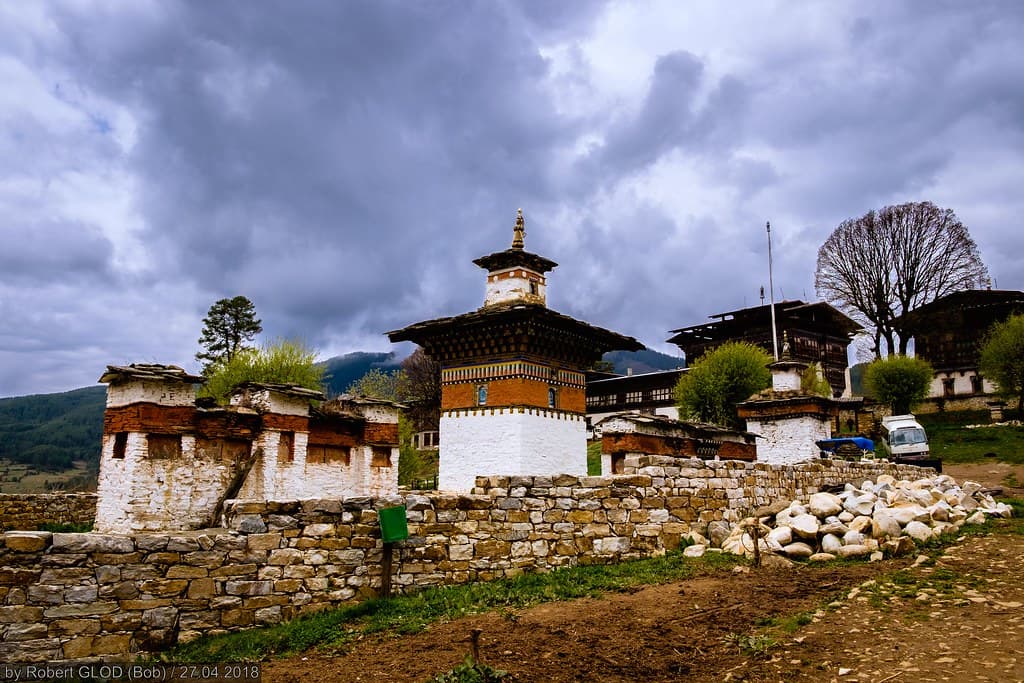


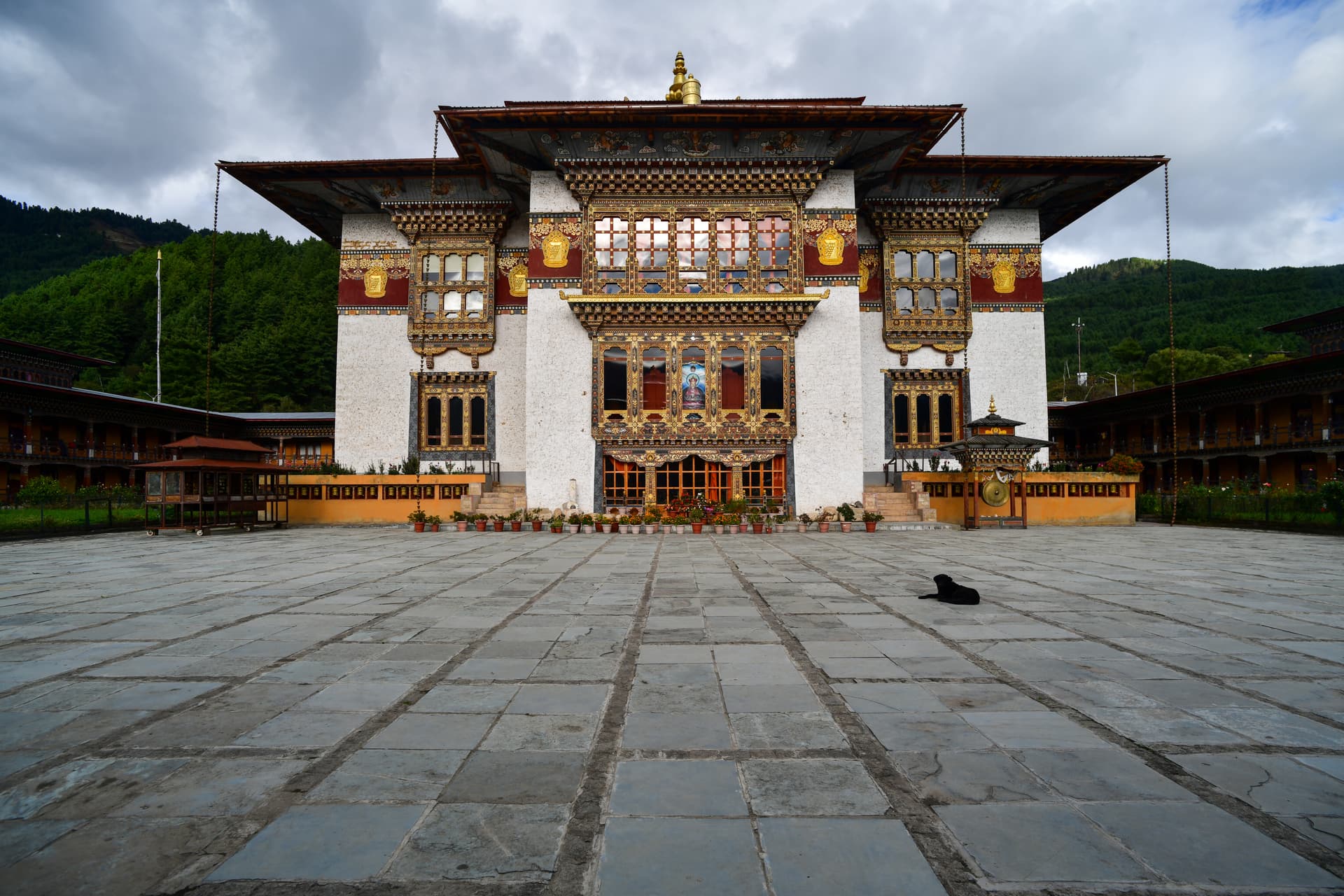
References
Sources consulted for this page. Source categories describe the publication, not a guarantee that every claim is verified. Traditional accounts and outside interpretations may differ.
- 01Trashigang Dzong - Wikipedia — VariousencyclopediaHistory, construction, earthquake damage
- 02Brief History of Trashigang Dzong — Trashigang District GovernmentSource contextOfficial district history
- 03Trashigang Dzong - Bhutan Pilgrimage — Bhutan PilgrimageguideSpiritual significance
- 04Trashigang Dzong - Druk Asia — Druk AsiaguideVisitor overview
- 05Trashigang Dzong - Jono Vernon-Powell — Jono Vernon-PowellguideFirst-hand visitor account
- 06Breathe Bhutan - Etiquette — Breathe BhutanguideVisitor etiquette
Photo gallery
3 curated photos
Share a photo
Help visitors recognize Trashigang Dzong. Every submission is reviewed before publication.