Ngari Prefecture, Tibet (China)
Mount Kailash
The cosmic mountain — abode of Shiva and Parvati. Pilgrims of four traditions (Hindu, Buddhist, Jain, Bön) circumambulate the 52-kilometre kora. The peak itself has never been climbed, by design.
Devotional theme · Śaiva pilgrimage
Jyotirlinga · Pañcabhūta · Mahādeva
Explore temples, mountains and pilgrimage places associated with Shiva. Discover their traditions and check local visitor guidance before planning a journey.

20 destinations. Grouped geographically, not as a suggested travel order. Open each place for its own story and visitor guidance.
20 destinations shown
Ngari Prefecture, Tibet (China)
The cosmic mountain — abode of Shiva and Parvati. Pilgrims of four traditions (Hindu, Buddhist, Jain, Bön) circumambulate the 52-kilometre kora. The peak itself has never been climbed, by design.
Rudraprayag, Uttarakhand, India
Religious
One of the twelve Jyotirlingas and the highest of the four Char Dham of the Himalayas, at 3,583 m. The conical lingam emerges naturally from rock; pilgrim season is six months of the year.
Varanasi, Uttar Pradesh, India
Hindu Temple
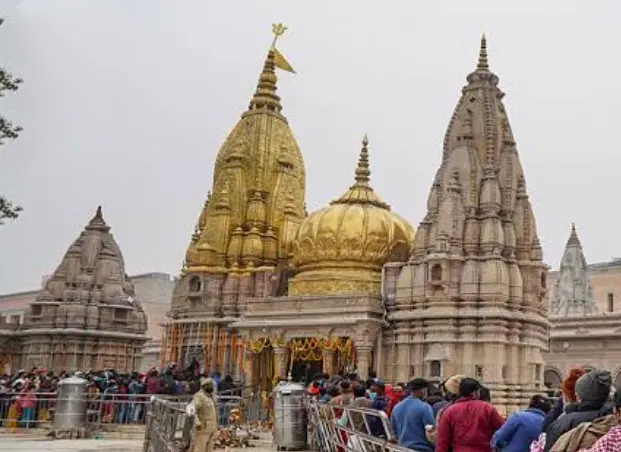
The most sacred Shiva temple of all. Vishwanath, ‘Lord of the Universe,' presides over the city the Mahabharata calls the eternal — Kashi, where to die is to be liberated.
Veraval, Gujarat, India
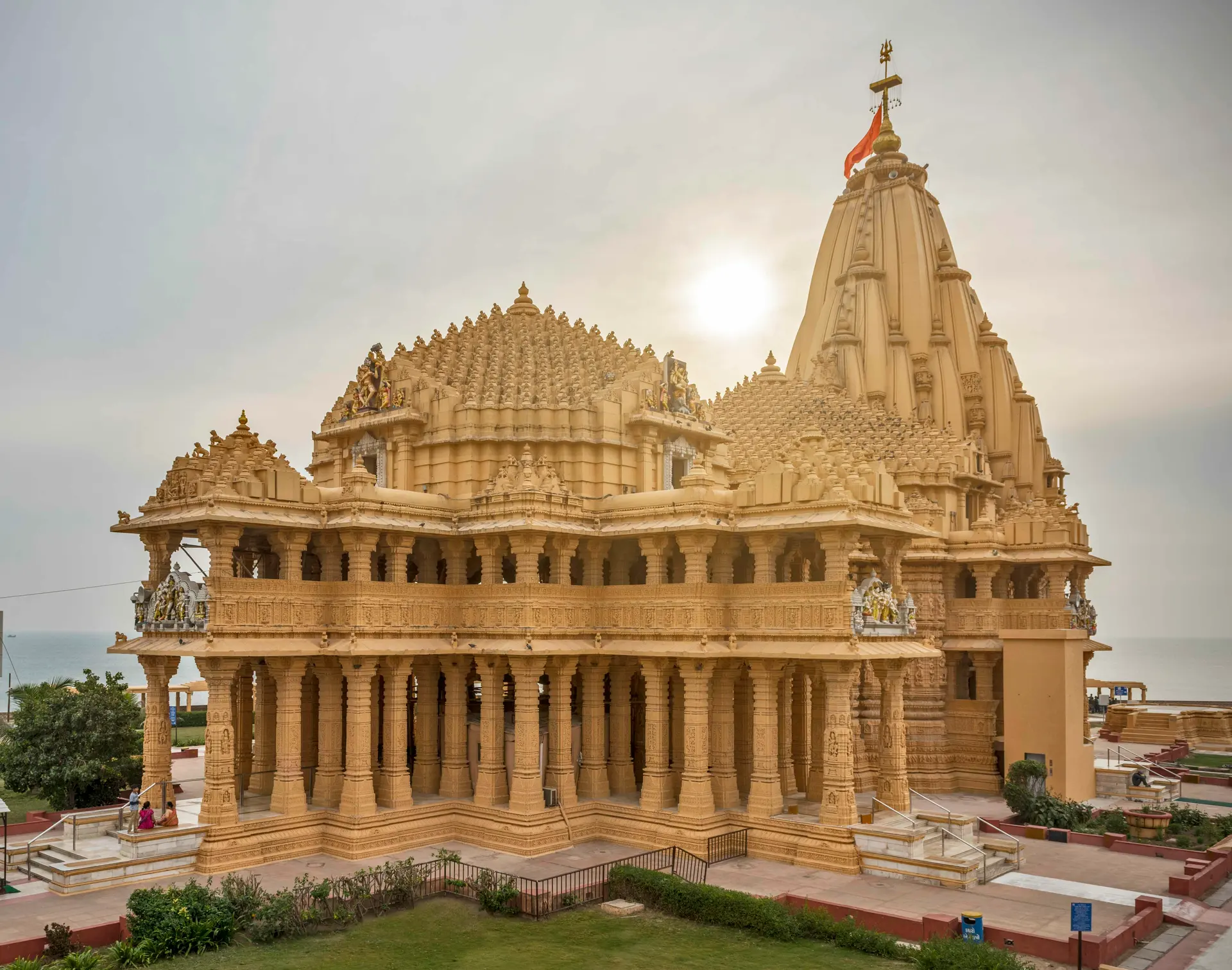
First of the twelve Jyotirlingas. The temple has been destroyed and rebuilt seven times across a millennium; the current Chalukya-style structure was reconsecrated in 1951.
Ujjain, Madhya Pradesh, India
Hindu Temple
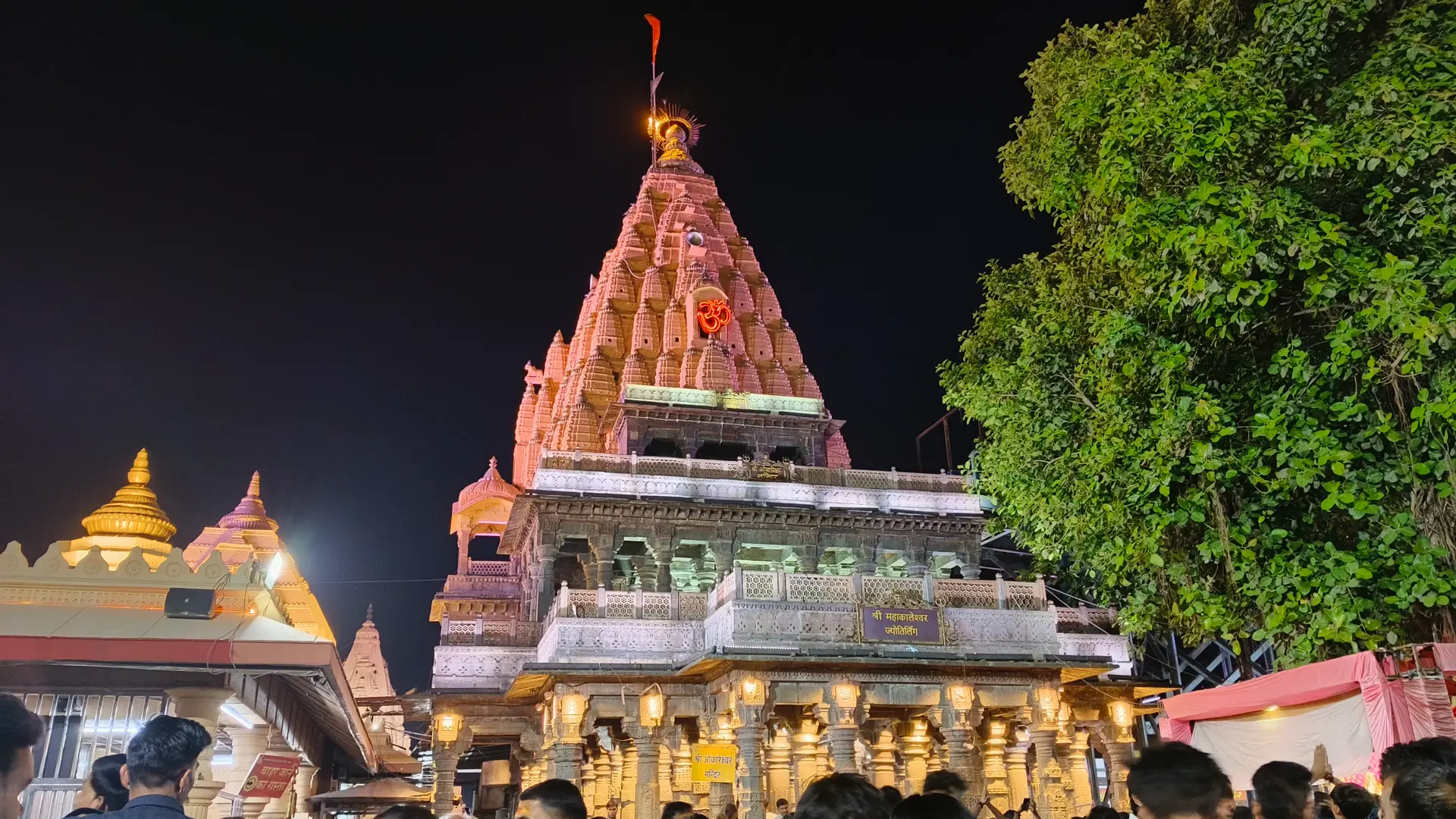
‘Lord of Time' — the only Jyotirlinga whose lingam faces south, considered svayambhu (self-manifest). The pre-dawn Bhasma Aarti, with ash from the cremation grounds, is among Hinduism's most striking rituals.
Khandwa District, Madhya Pradesh, India
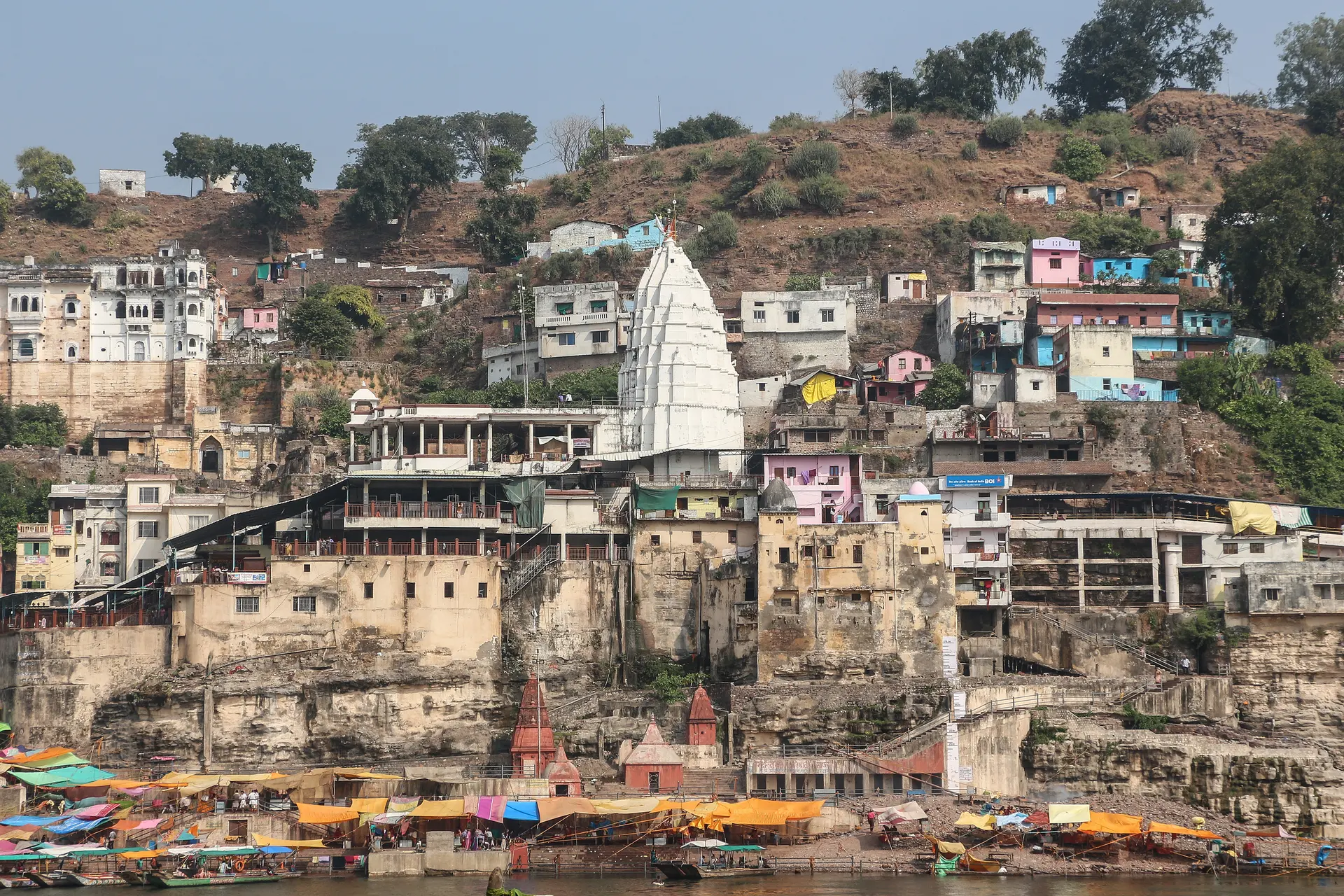
The Om-shaped island in the Narmada River. Two temples — Omkareshwar and Mamleshwar — sit across the water, both claiming the Jyotirlinga consecration in different traditions.
Pune District, Maharashtra, India
Temple
In the Western Ghats, source of the Bhima River. Tradition holds that Shiva took the form of Bhima here to defeat the asura Tripurasura; the temple combines Nagara and Hemadpanti styles.
Nashik, Maharashtra, India
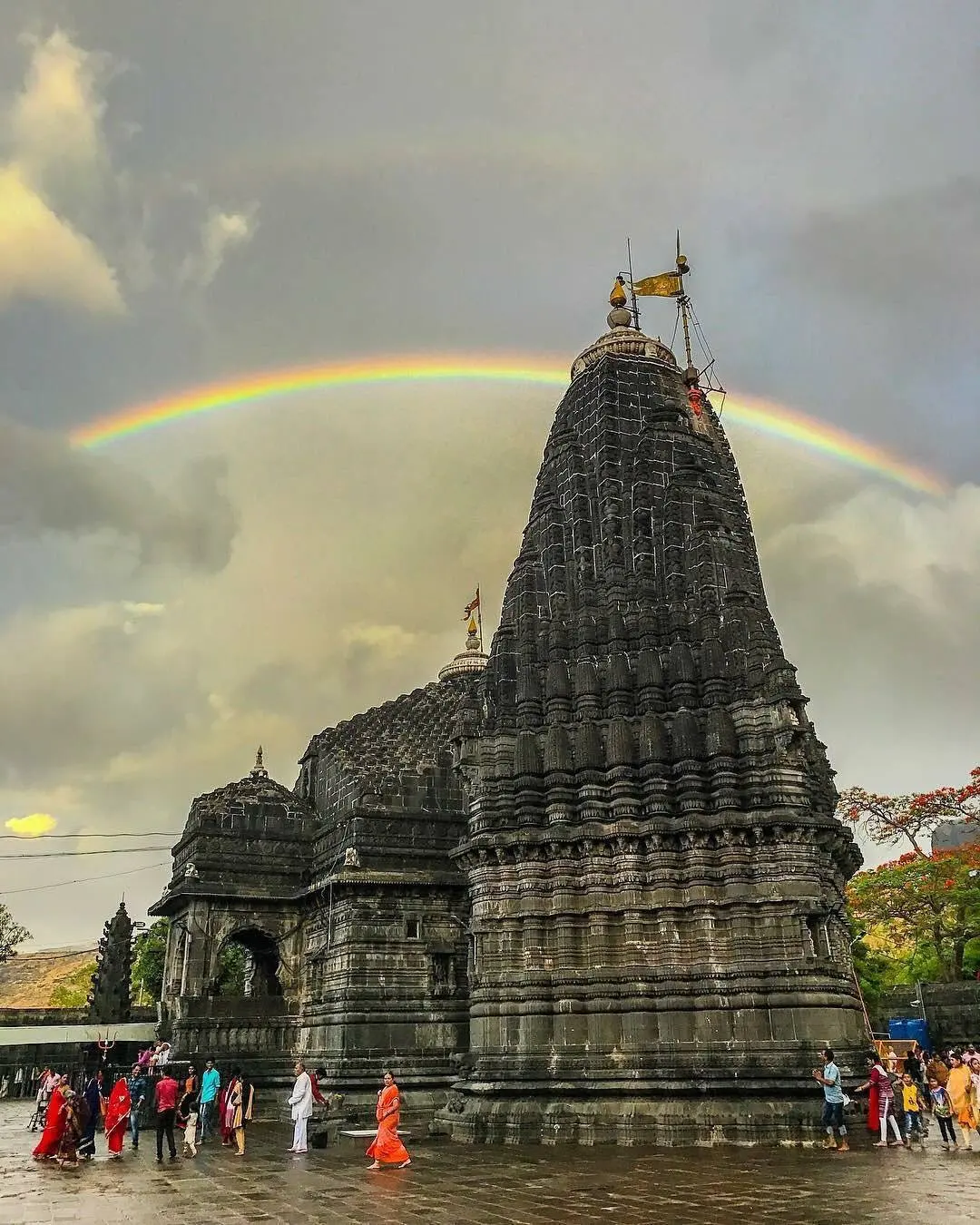
Source of the Godavari, the ‘Ganga of the South.' The lingam is unique in showing three faces — Brahma, Vishnu, Shiva — and is the only one bathed by river water.
Deoghar, Jharkhand, India
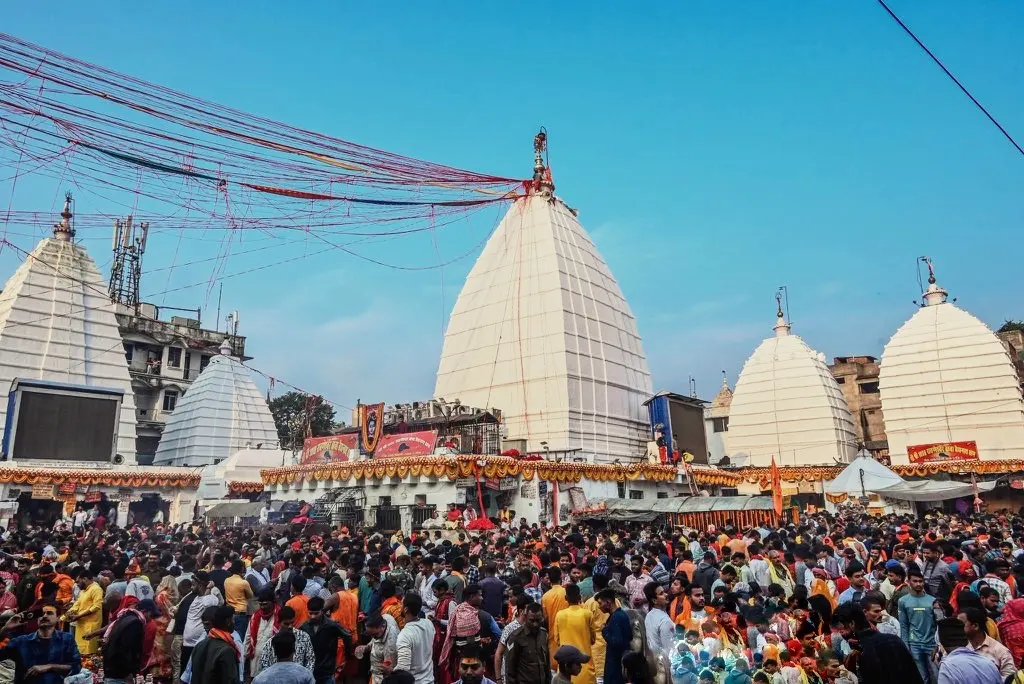
‘The Lord of Physicians.' One of only two sites in India that is simultaneously a Jyotirlinga and a Shakti Pitha — Sati's heart is said to have fallen here. The Shravani Mela draws millions of barefoot Kanwariyas.
Dwarka, Gujarat, India
Temple
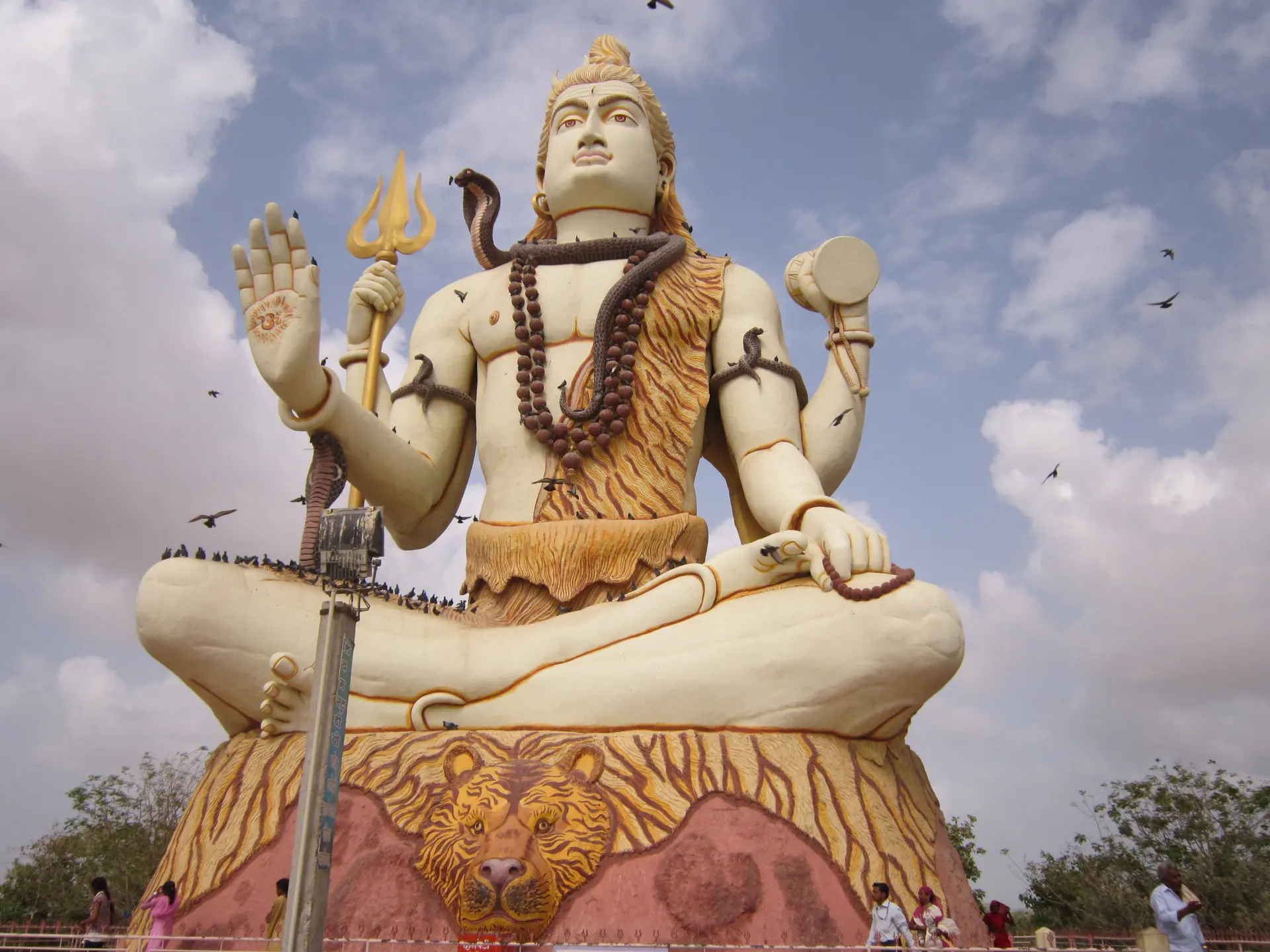
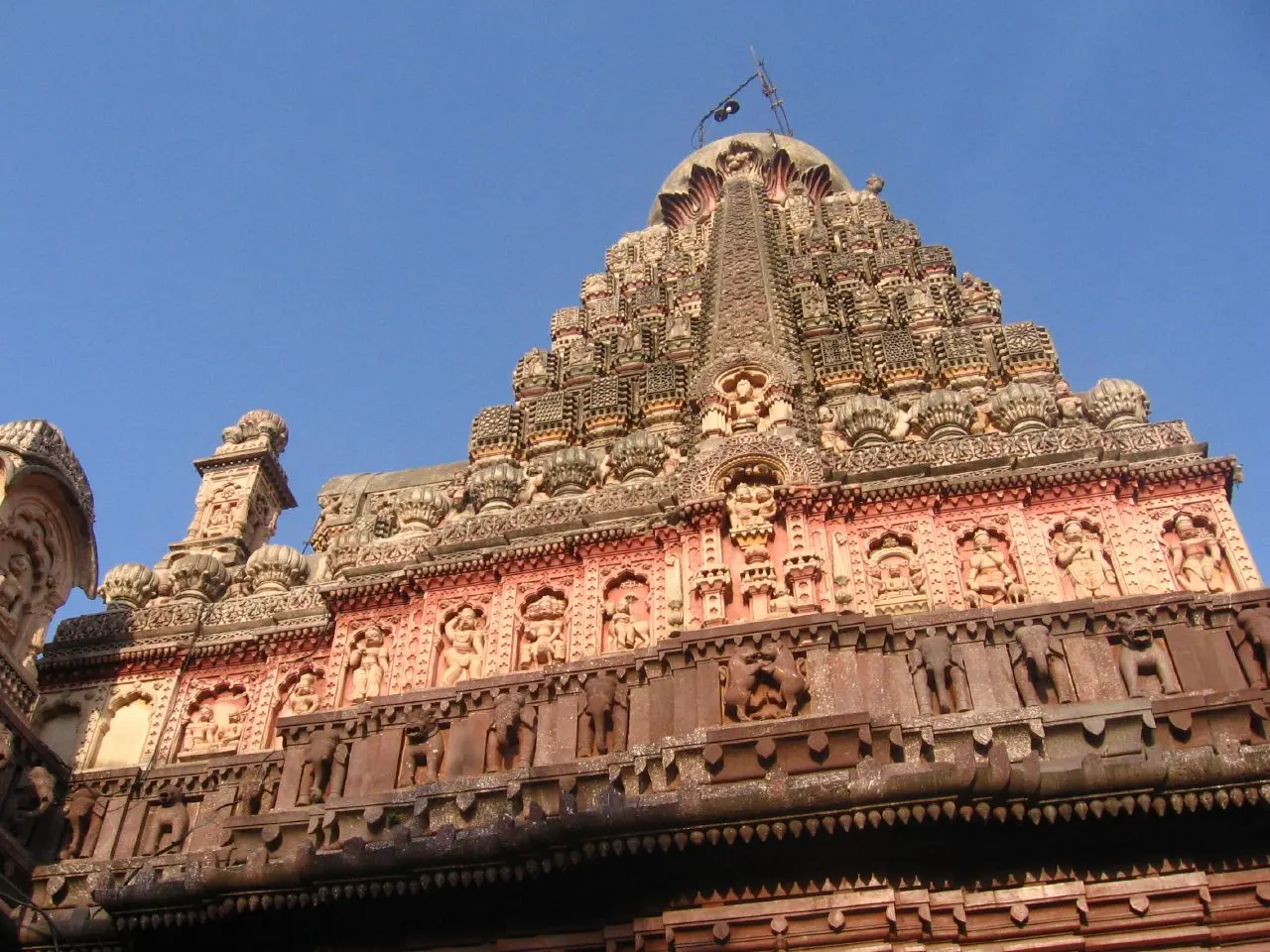
‘Lord of the Cobras.' Located near Dwarka on the Saurashtra coast, the temple is one of the canonical twelve Jyotirlingas of the Shiva Purana, with a colossal Shiva statue rising over the complex.
Rameswaram, Tamil Nadu, India
Temple
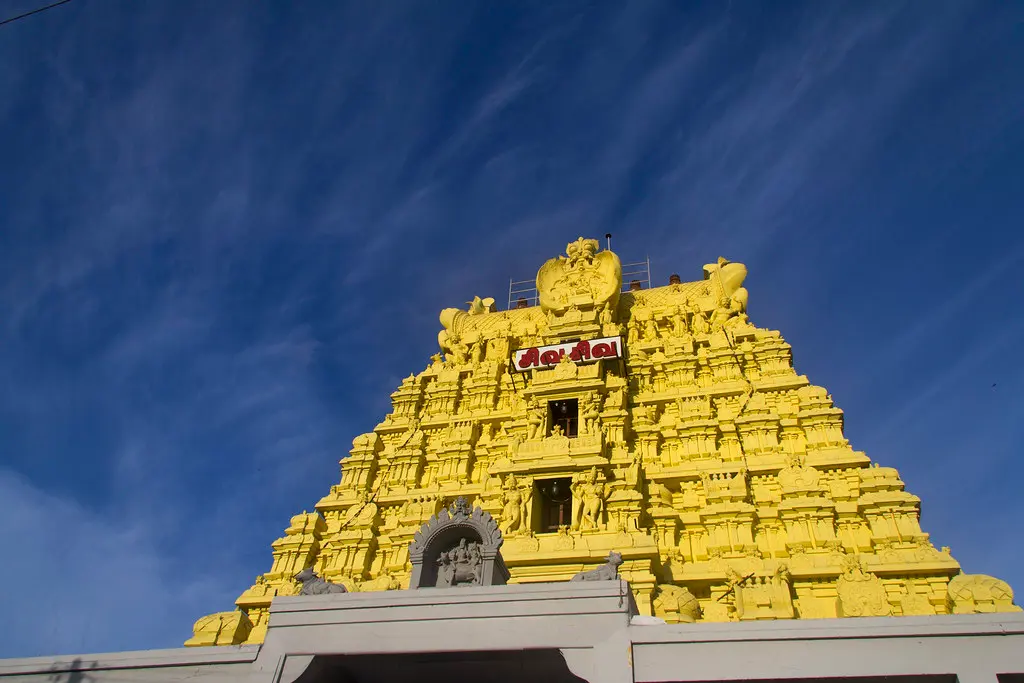
The southernmost Jyotirlinga, on Pamban Island. Tradition says the lingam was consecrated by Rama himself before crossing to Lanka. The temple's outer corridor is the longest in any Hindu temple.
Verul, Maharashtra, India
Hindu Temple
The twelfth and final Jyotirlinga, near the Ellora Caves. The 18th-century rebuilt temple is small in scale but completes the canonical twelve and the long Bharat Yatra.
Thanjavur, Tamil Nadu, India
Religious
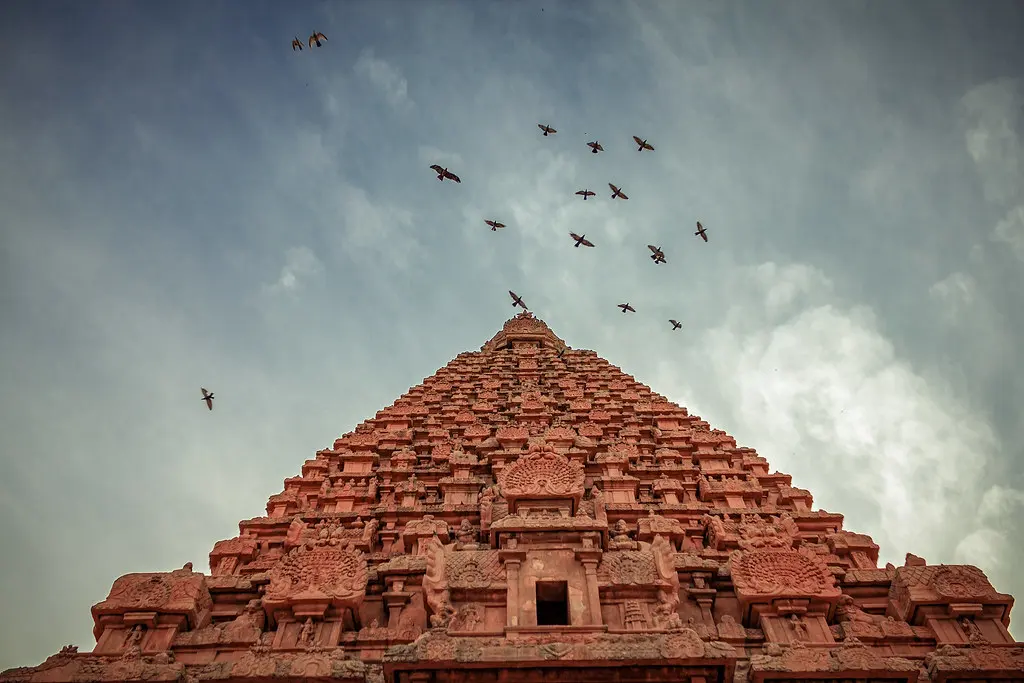
Rajaraja Chola's 11th-century granite masterpiece — a UNESCO Great Living Chola Temple. The vimana rises 66 metres above the central lingam; the bronze Nandi is carved from a single block.
Chidambaram, Tamil Nadu, India
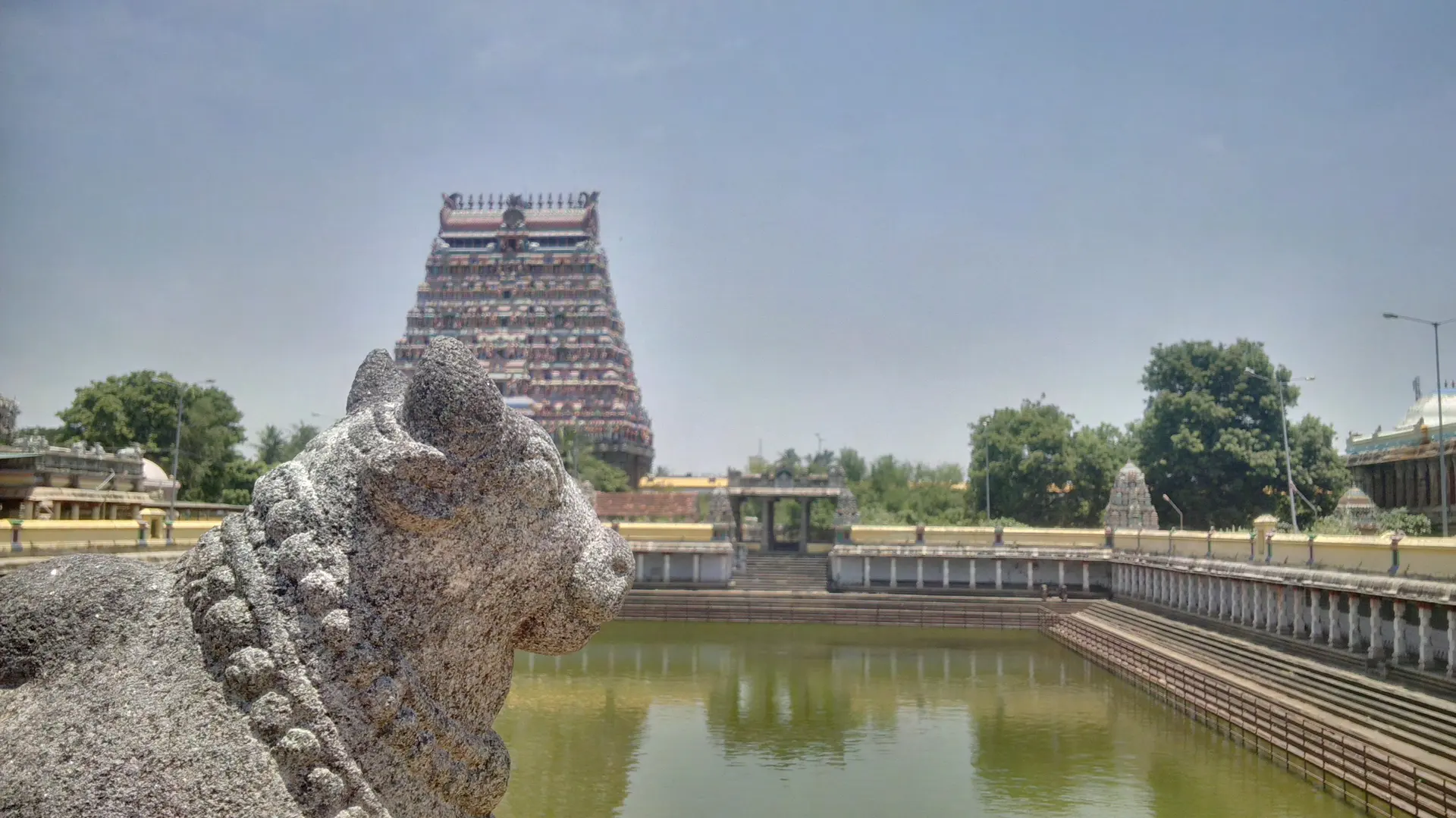
The dancing Shiva. The temple's Chit Sabha enshrines not a lingam but Akasha — formless space — one of the five Pancha Bhuta Sthalams (the element-temples), where Shiva is honoured as ether itself.
Tiruvannamalai, Tamil Nadu, India
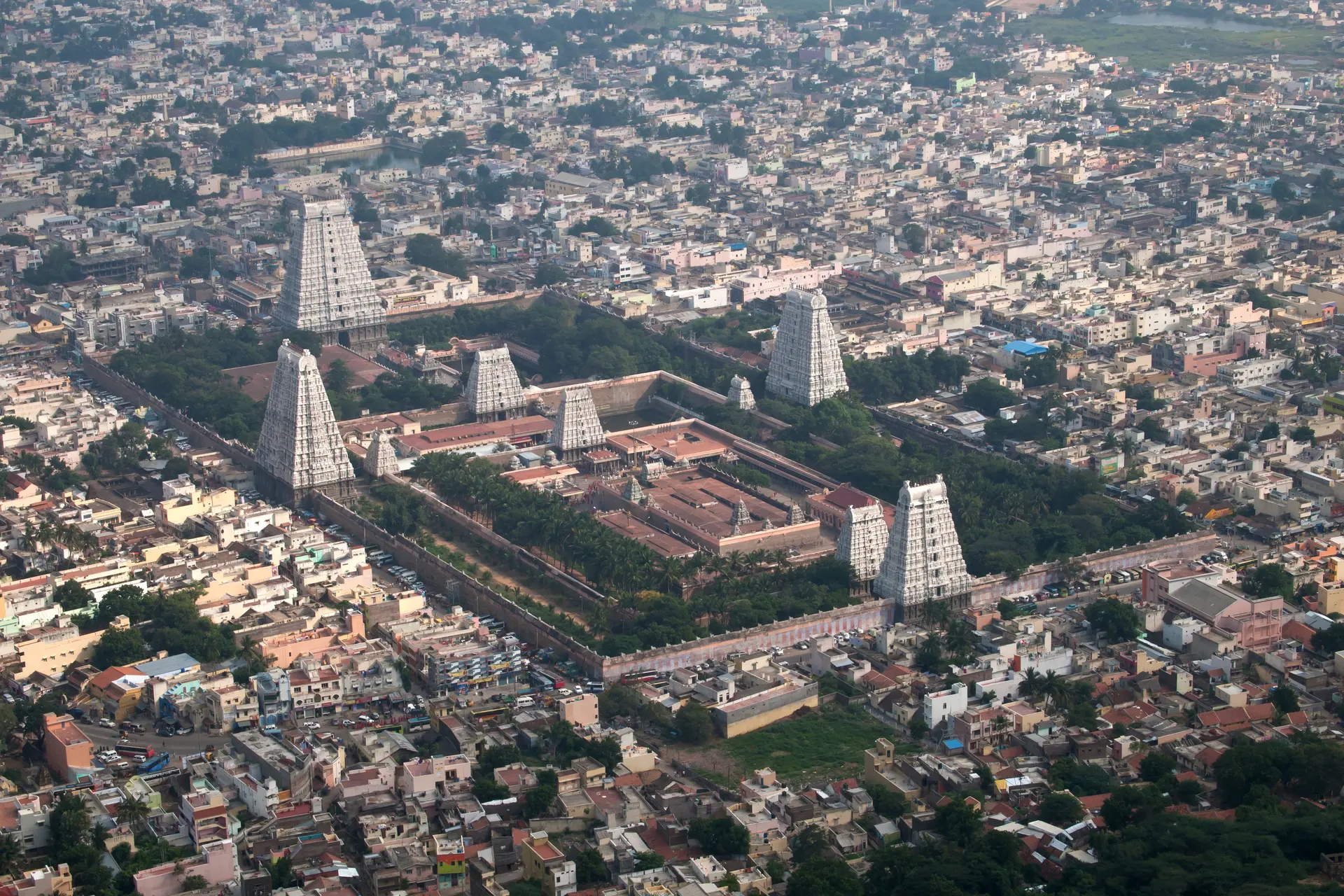
Below Mount Arunachala, the holy hill of fire. The Pancha Bhuta sthalam for fire (agni); the full-moon circumambulation of the mountain (Girivalam) draws hundreds of thousands. Ramana Maharshi's ashram is on its slope.
Bhubaneswar, Odisha, India
Hindu Temple
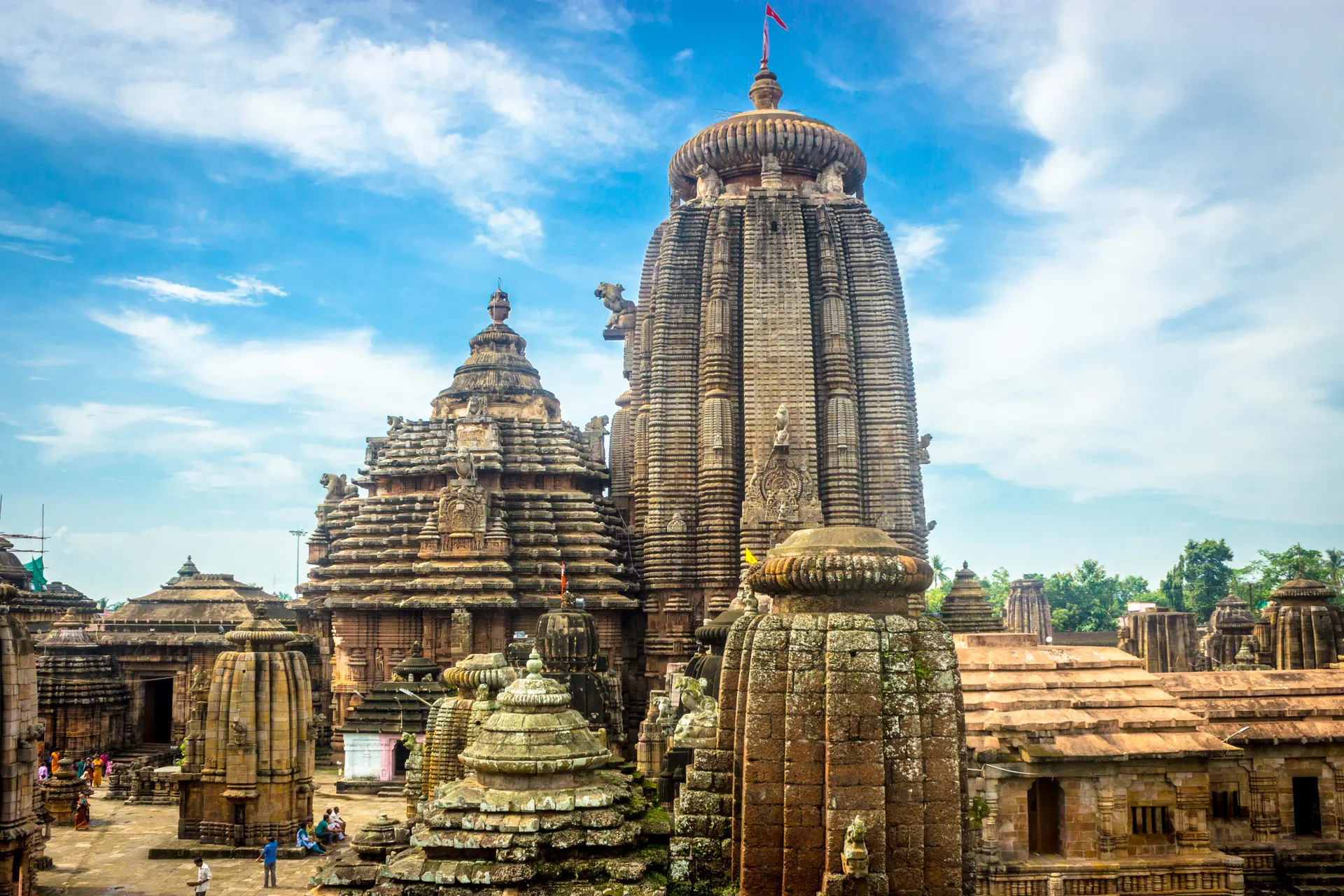
The 11th-century crown of the Kalinga school. Unusually, Lingaraj is worshipped as Harihara — Shiva and Vishnu fused — making this temple one of the principal Shaivite-Vaishnavite syntheses in Indian devotional history.
Lidder Valley, Jammu & Kashmir, India
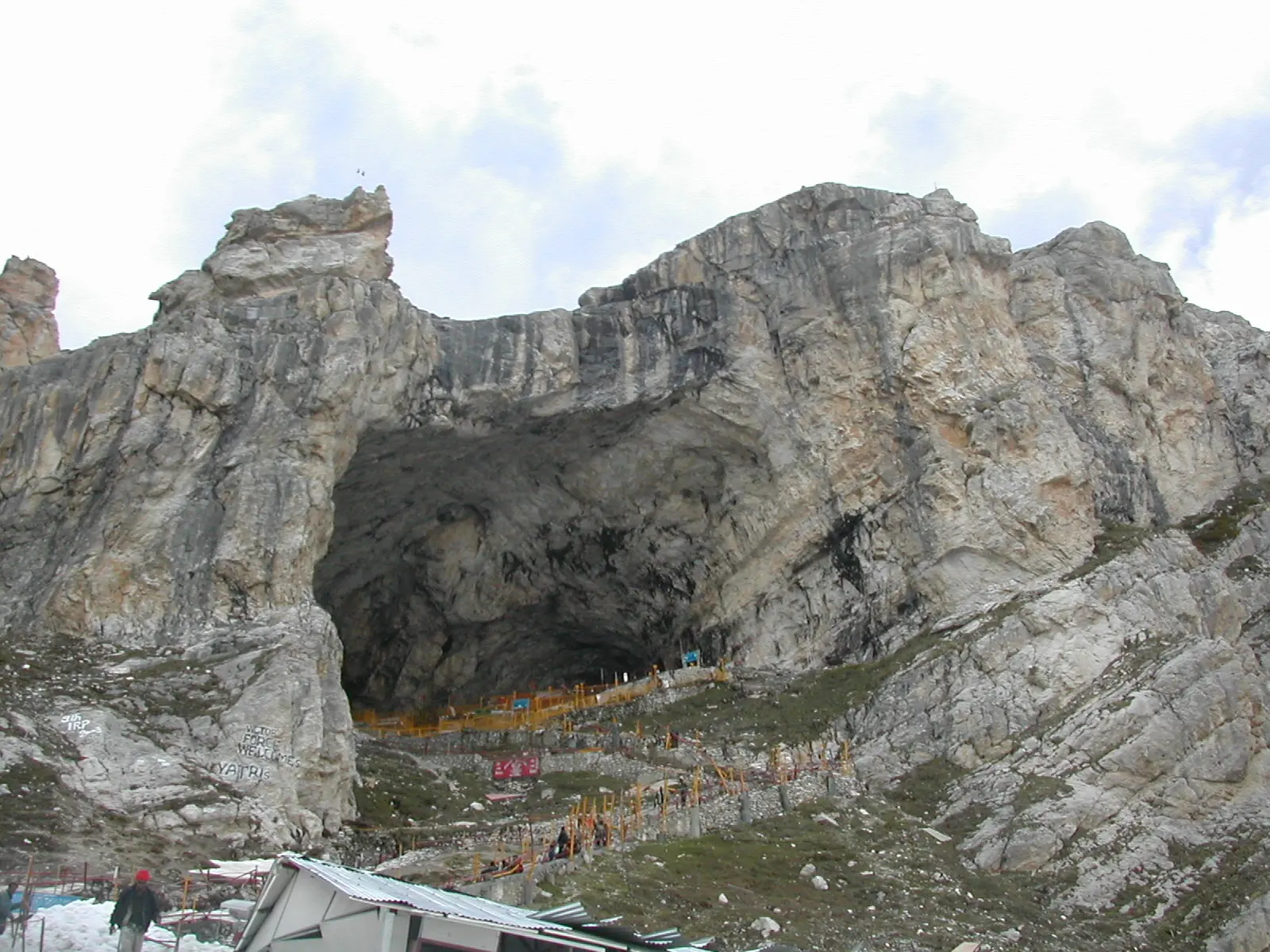
A natural ice lingam forms each summer in a high Himalayan cave at 3,888 m. The Amarnath Yatra, restricted to the snow-melt months, is one of Hinduism's most demanding mountain pilgrimages.
Murudeshwara, Karnataka, India
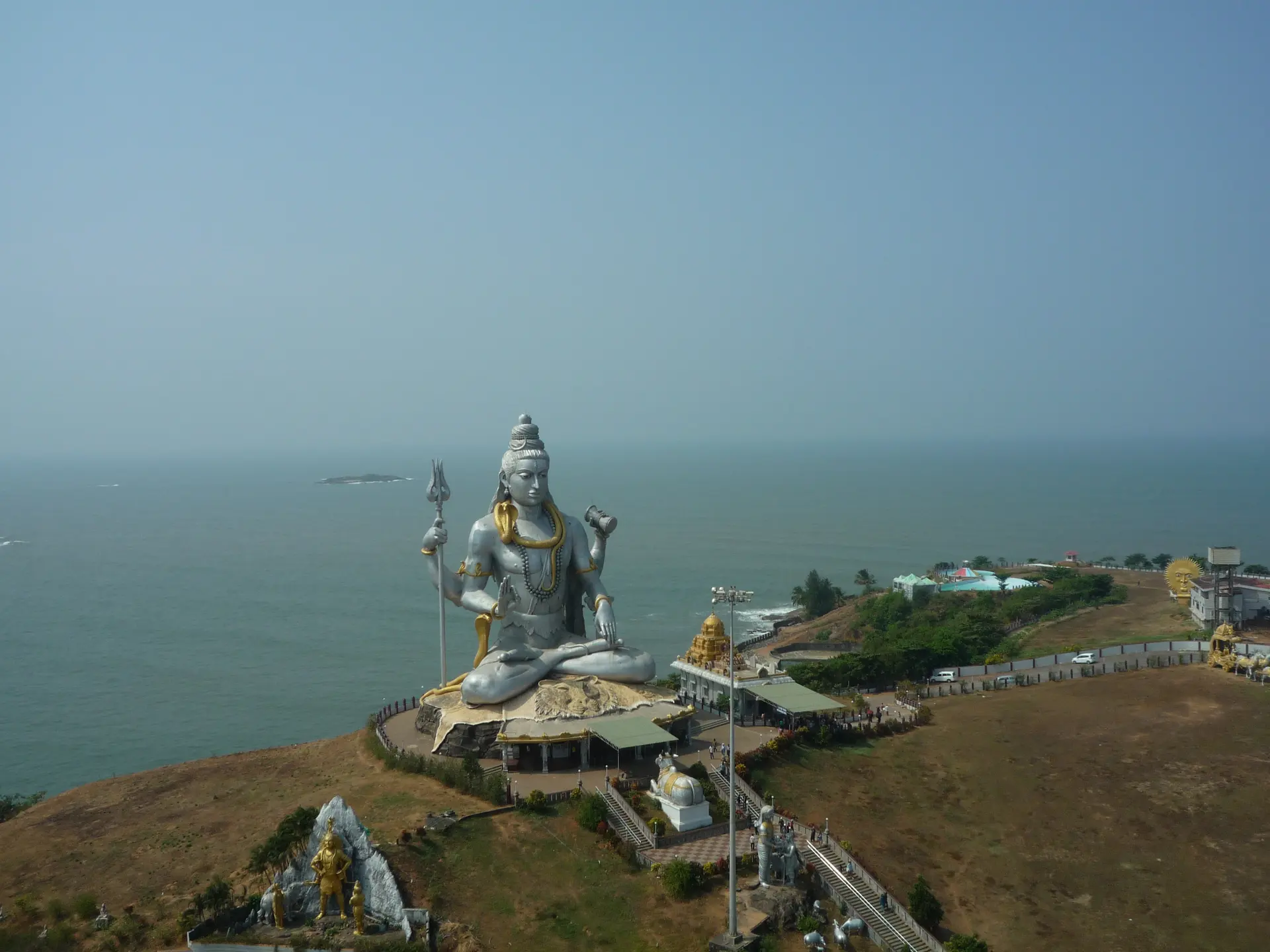
On the Konkan coast, beneath one of the world's tallest Shiva statues (37 m). Tradition links the temple to a fragment of the Atma Linga that fell here during Ravana's flight from Mount Kailash.
Srisailam, Andhra Pradesh, India
On the slopes of Nallamala — a continuous Shaiva pilgrimage centre since at least the 7th century. Mallikarjuna and Bhramaramba (Shakti) preside together as one of the twelve Jyotirlingas and one of the Ashtadasha Shaktipeethas.
Kathmandu, Nepal
Temple
‘Lord of the Animals.' One of the most sacred Shiva sites outside India, on the banks of the Bagmati. The four-faced silver lingam is a pilgrimage focus for South Asian Shaivites; the cremation ghats remain in continuous use.
For Sacred sites dedicated to Shiva. Local rules and custodians take priority.
Pilgrim Map · Sacred sites dedicated to Shiva
Explore the history behind these places. Traditional accounts, scholarly interpretations and living practices may differ.
Why pilgrims come
Shiva is the most place-bound of the great Hindu deities. Vishnu is encountered through avatars; the Goddess through her hundreds of named forms; but Shiva is encountered, again and again, through the ground itself — a peak, a river-bank, a self-manifest stone, a clearing where the cosmic dance is said to continue still. To follow him on pilgrimage is to learn a geography before a theology.
Pilgrims come to bathe at Varanasi's Manikarnika Ghat, where the cremation fires have not gone out for more than two thousand years and where dying is held to grant moksha. They come to Kedarnath, eleven thousand feet up in the Garhwal Himalayas, where the jyotirlinga is a triangular outcrop of rock. They come to Chidambaram to stand before the Akasha Lingam — the empty space behind a curtain, the shrine of Shiva as ether. They come to walk the Kailash kora, a fifty-two kilometre circumambulation at altitude that takes three days and is shared with Buddhist, Jain, and Bön pilgrims.
What gathers them is not doctrinal. It is the conviction that the divine is closer here than it is elsewhere — that the lingam in the inner sanctum is not a symbol but the deity self-manifest (svayambhū), and that to come into its presence is to enter, briefly, the field of the auspicious one.
How Shiva is encountered
Śaiva pilgrimage is not a single circuit but a layered geography. The same deity is met as mountain, as pillar of light, as element, and as dancer — and pilgrims often combine them across a lifetime.
Perspective 01
The pyramidal peak in western Tibet that the Puranas name as Shiva's mountain home with Parvati. Pilgrims do not climb it — it has never been summitted and Hindu, Buddhist, and Jain traditions agree it should not be — but circumambulate it on foot, a fifty-two kilometre kora at altitudes over fifteen thousand feet. The mountain is shared sanctity: Buddhists know it as the abode of Demchok, Jains as Ashtapada where the first tirthankara attained liberation, and Bön practitioners as the seat of their founder Tönpa Shenrab.
Perspective 02
Twelve self-manifest pillars of light, enumerated in the Shiva Purana and the Dvadasha Jyotirlinga Stotram traditionally attributed to Adi Shankara. The canonical list — Somnath in Gujarat, Mallikarsuna at Srisailam, Mahakaleshwar at Ujjain, Omkareshwar on the Narmada, Kedarnath in the Himalayas, Bhimashankar in the Sahyadris, Kashi Vishwanath at Varanasi, Trimbakeshwar near Nashik, Vaidyanath at Deoghar, Nageshwar near Dwarka, Rameshwaram at the southern tip, and Grishneshwar near Ellora — stretches from the southern ocean to the high Himalayas, knitting the subcontinent into a single devotional map.
Perspective 03
Five Tamil temples where Shiva is venerated through each of the classical elements. Earth at Ekambareswarar in Kanchipuram, where the lingam is a sand mound that may not be bathed. Water at Jambukeswarar in Thiruvanaikaval, where a spring perpetually wets the inner sanctum. Fire at Annamalayar in Tiruvannamalai, where the Karthigai Deepam beacon is lit each year on the mountain summit. Air at Srikalahasti, where the lamp before the lingam flickers without breeze. Space at Chidambaram, where the shrine is an empty curtained space — the Akasha Lingam, Shiva as ether.
Perspective 04
At Thillai Nataraja, Shiva is enshrined as the Lord of Dance performing the Ananda Tandava, the dance of bliss that simultaneously creates, sustains, and dissolves the cosmos. The bronze Nataraja form codified under the Chola dynasty in the tenth and eleventh centuries — encircled by a ring of flame, one foot raised, the other pressing down on Apasmara, the dwarf of ignorance — is among the most influential images in world sculpture. The Chidambaram temple's gold-roofed Chit Sabha, where the dance is held to continue, is the spiritual home of the Śaiva Siddhanta tradition.
A continuous devotion
The cult of Shiva is among the longest continuous devotional traditions on earth. The pashupati seal unearthed at Mohenjo-daro and dated to roughly 2500 BCE — a horned figure seated in what reads as a yogic posture, surrounded by animals — was proposed by John Marshall in 1931 as a proto-Shiva. The identification has been contested, by Doris Srinivasan among others, and is best held lightly; but the Vedic Rudra of the Rig Veda, fierce and ambivalent, is unmistakably the same deity who is later named Shiva — the auspicious one — in the post-Vedic literature, and who crystallises in the Mahabharata and the Puranas as the Mahādeva of the developed Hindu pantheon.
The temples are younger than the cult. The Brihadeeswara at Thanjavur, raised by Rajaraja Chola in 1010 CE, is the high-water mark of imperial Chola Śaivism — its sixty-six-metre vimana the tallest in India of its time. The Lingaraj at Bhubaneswar, completed under the Somavamshi dynasty in the eleventh century, codifies the Kalinga school of temple architecture. The histories of Kashi Vishwanath and Somnath are violent ones — repeatedly destroyed under Aurangzeb and earlier Ghaznavid raids, repeatedly rebuilt — and in the modern period have become inseparable from the politics of Indian national identity.
Adi Shankara, the eighth-century philosopher of Advaita Vedanta, played a particular role in consolidating the geography. The Dvadasha Jyotirlinga Stotram and the establishment of the four cardinal mathas at Sringeri, Dwaraka, Puri, and Jyotirmath both worked to bind the subcontinent into a single pilgrimage circuit — a Smarta reform that brought the worship of Shiva, Vishnu, Devi, Surya, and Ganesha into one liturgical framework while leaving the older Śaiva sectarian traditions intact.
The living tradition is dense. Daily abhishekam — the bathing of the lingam in milk, water, honey, and curd — continues in every functioning Śaiva temple. Maha Shivaratri, the great night of Shiva each February or March, draws tens of millions to night vigils across India and Nepal. The Amarnath yatra in Kashmir takes pilgrims through the high passes to a cave shrine where an ice lingam forms each summer. During the Hindu month of Shravan, the Kanwar Yatra sees lay pilgrims walking hundreds of kilometres barefoot, carrying pots of Ganga water on shoulder-yokes to pour over a Shiva lingam at home. The cult of Shiva is older than its temples, and it is not slowing.
A jyotirlinga is one of twelve sacred shrines where Shiva is held to have manifested as a pillar of light (jyoti) — self-manifest (svayambhū) rather than installed by human hands. The canonical list is given in the Shiva Purana and the Dvadasha Jyotirlinga Stotram traditionally attributed to Adi Shankara: Somnath, Mallikarjuna, Mahakaleshwar, Omkareshwar, Kedarnath, Bhimashankar, Kashi Vishwanath, Trimbakeshwar, Vaidyanath, Nageshwar, Rameshwaram, and Grishneshwar. Visiting all twelve in a single lifetime is one of the most exalted pilgrimages in Śaiva practice.
Most can be entered freely — Brihadeeswara at Thanjavur, Annamalayar at Tiruvannamalai, Lingaraj at Bhubaneswar, the outer precincts of Kashi Vishwanath. A small number of major sanctuaries — Lingaraj's inner sanctum, Pashupatinath in Kathmandu, the Padmanabhaswamy temple (which is Vaishnava but the precedent is relevant) — restrict the garbhagriha to declared Hindus. Dress modestly, remove shoes well before approaching the inner shrine, and photography is generally prohibited inside the sanctum. Each temple publishes its own current rules and pilgrims should check before visiting.
Choose a region and open a destination for its story and visitor guidance. Some places have limited visitor details; consult the responsible community or custodians before planning a visit.
Sources
The selections, dates, and traditions referenced on this page draw from the following sources. Where claims of healing, apparition, or relic provenance are made, we link to the institutional or scholarly source rather than presenting them as confirmed fact.




.jpg)


